Category: Computers

  • Black Myth Wukong Keyboard Pre-Sale: Triple-Mode & Silent Design

    Black Myth Wukong Keyboard Pre-Sale: Triple-Mode & Silent Design

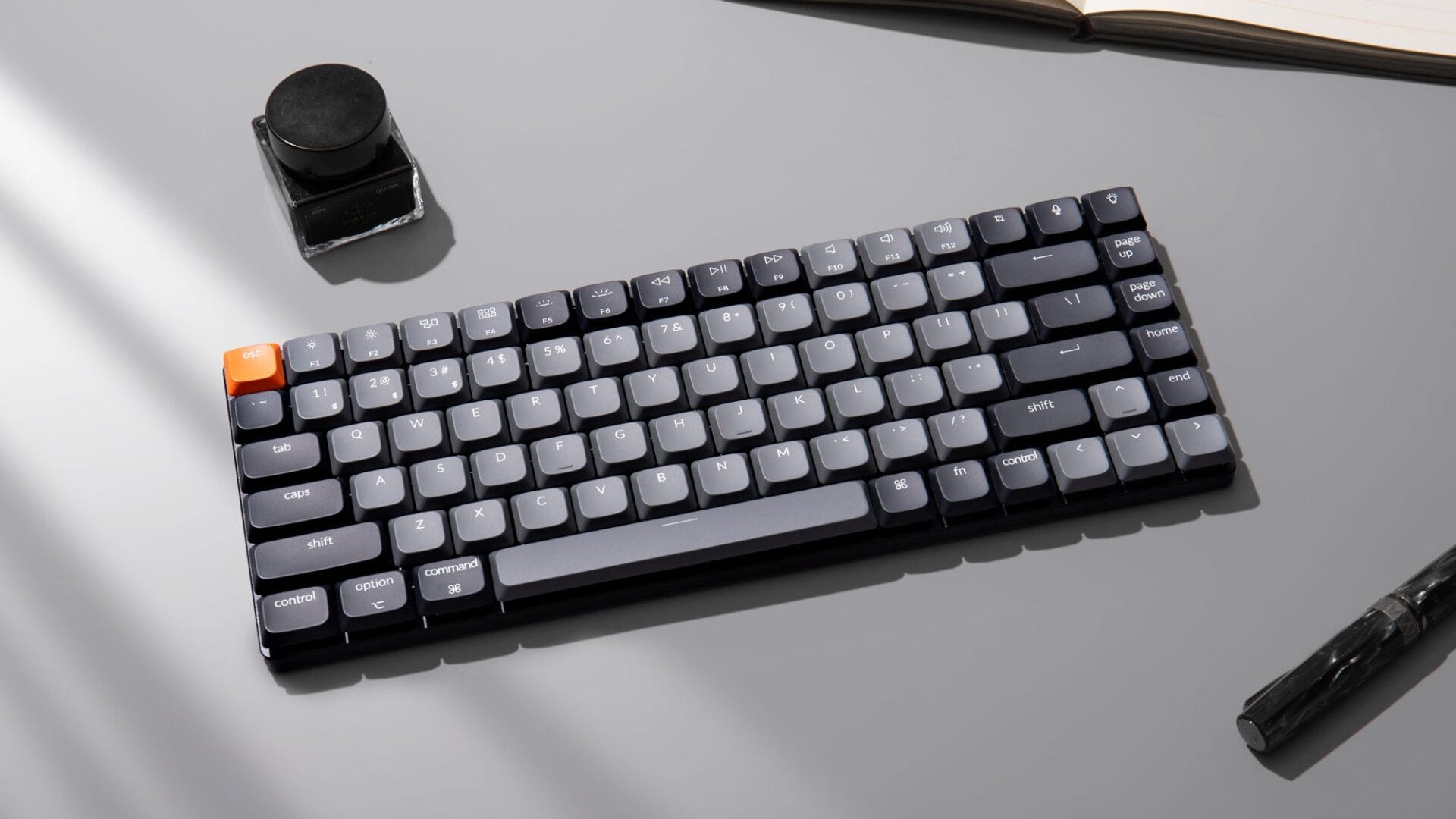
    Black Myth Wukong Mechanical Keyboard is an outstanding option for anyone who enjoys a deep typing and gaming experience. Drawing inspiration from the famous Chinese story Journey to the West, this keyboard combines classic design elements with the latest technology. It features multi-mode connectivity, a gasket-mounted design to minimize noise, and a large battery, making it suitable for a range of users on various devices.

    Quiet Typing with Gasket-Mounted Design

    A key highlight of the Black Myth Wukong Mechanical Keyboard is its innovative gasket-mounted design. This setup provides a quiet and pleasant typing experience by using Poron gasket pads that dampen vibrations between the PCB plate and the outer casing. Moreover, a silicone layer is placed between the PCB and the base, which helps in further reducing noise and increasing stability while typing. The inclusion of a PC positioning plate within this design allows for consistent and accurate keystrokes, making this keyboard perfect for both professional and recreational use.

    Multiple Connectivity Options for Flexibility

    The Black Myth Wukong Keyboard is built to connect easily with different devices, supporting Bluetooth 5.1, 2.4GHz wireless, and USB Type-C wired connections. This triple-mode connectivity guarantees compatibility with Android, iOS, Windows, and macOS devices, allowing you to switch effortlessly between your phone, tablet, laptop, and desktop. Transitioning from wired to wireless mode is quick and straightforward, giving you the flexibility to adapt depending on if you’re gaming or working.

    Durable 4000mAh Battery for Extended Use

    When it comes to wireless keyboards, battery life is vital, and the Black Myth Wukong Mechanical Keyboard excels here with its 4000mAh battery. This high-capacity battery allows for prolonged use, so you can engage in typing or gaming without the need for frequent recharging. Thanks to the triple-mode connection and smart battery management, this keyboard delivers both performance and convenience seamlessly.

    Key Specifications:

    • Mounting Structure: Gasket-mounted with Poron pads and silicone padding for less noise and improved comfort
    • Connection Modes: Bluetooth 5.1, 2.4GHz wireless, USB Type-C wired
    • Compatibility: Android, iOS, Windows, macOS
    • Battery: 4000mAh for extended use

    Pricing and Availability

    You can pre-order the Black Myth Wukong Mechanical Keyboard at Geekwills for $139.99. Orders made during this pre-sale will begin shipping on November 18th.

    The Black Myth Wukong Mechanical Keyboard is perfect for those who value quality, connectivity, and a remarkable typing experience. With its well-thought-out design and robust performance, it’s a versatile keyboard intended to satisfy the demands of contemporary users.

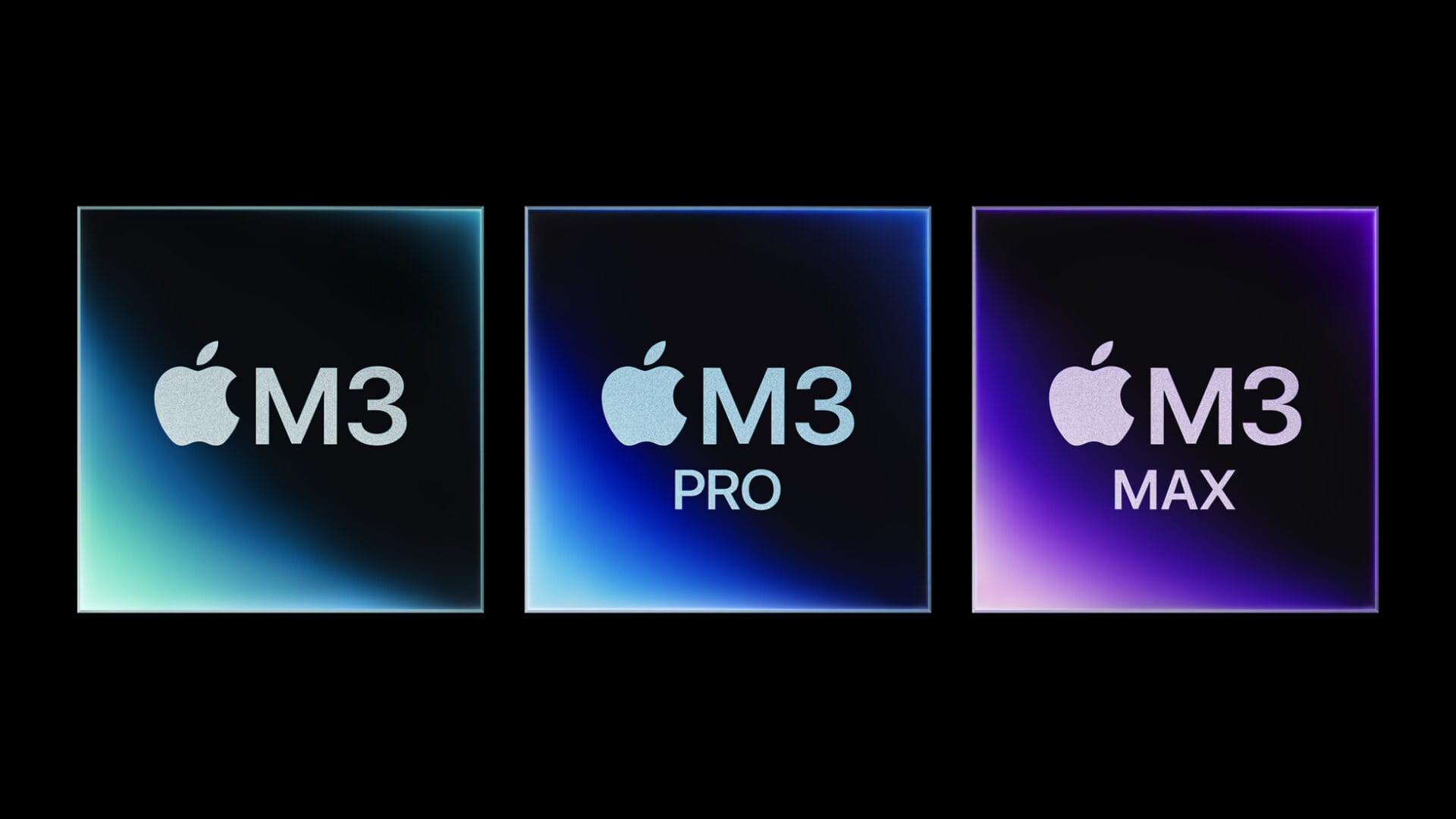
    Image 1
  • Apple M4 Max Launches on Geekbench with 31% Performance Boost

    Apple M4 Max Launches on Geekbench with 31% Performance Boost

    Earlier today, we witnessed the impressive performance of the Apple M4 Pro, showcased on a premium 16-inch MacBook Pro. In terms of CPU capabilities, it significantly outperformed last year’s Apple M3 Pro and even the M3 Max. Now, we are eager to see the Apple M4 Max, which is touted as Apple’s most powerful laptop CPU, in action.

    Performance Comparison

    When looking at the Apple M4 Max compared to the Apple M3 Max, it shows a remarkable increase in speed—31% faster in single-core tasks and 25% faster in multi-core operations. This is an incredible boost in performance, which can be largely credited to an updated architecture and probably a greater power allowance.

    Graphics Performance

    On the graphics front, the Apple M4 Max achieved an impressive score of 192,532 points in Geekbench’s Metal benchmark, outperforming the Apple M3 Max’s score of 155,214 by 24%. While the benchmark doesn’t clearly state that the GPU consists of 40 cores, the other specifications, including a 16-core CPU and 128 GB of RAM, strongly suggest that it does.

    Future Competitiveness

    The Apple M4 Max is quickly becoming one of the most formidable laptop CPUs released this generation. Currently, there’s nothing from Intel, AMD, or Qualcomm that can compete with it, though this may change once AMD’s Strix Halo CPUs are released next year.

    If Apple chooses to pair two M4 Max chips together and introduce an M4 Ultra, it could really spell doom for competitors. However, the M3 Ultra never materialized, and up until now, there haven’t been many rumors suggesting such a chip is in the works.


    Image 1
    Image 1
  • Samsung Foundry Reduces 4nm, 5nm, 7nm Production Amid Low Demand

    Samsung Foundry Reduces 4nm, 5nm, 7nm Production Amid Low Demand

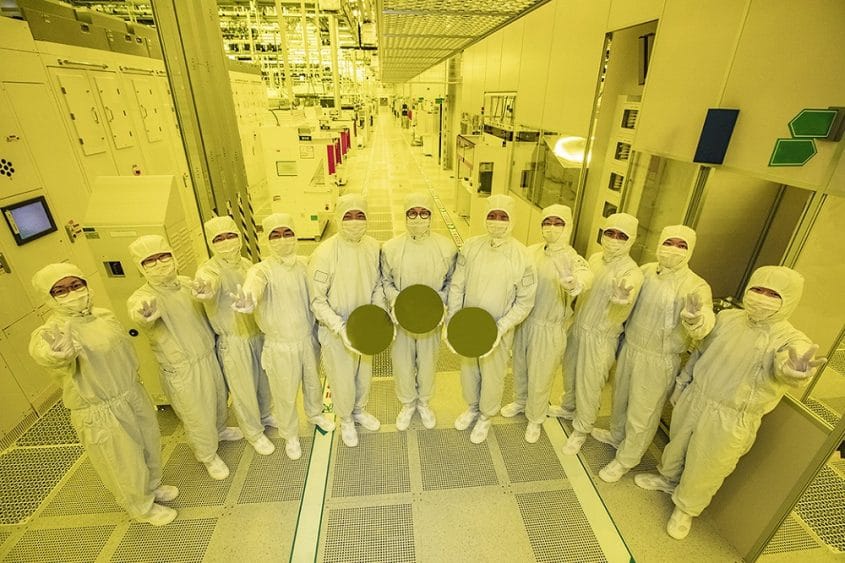
    A recent report from South Korean news outlet Chosung indicates that Samsung is set to close several of its older fabrication plants in the country. It is said that 30% of Samsung Foundry’s facilities for 4 nm, 5 nm, and 7 nm chips will become inactive, with this number expected to increase to 50% by the year’s end. At present, Samsung’s 4 nm node is responsible for producing a limited range of chips, including the Exynos 2400 and certain S-branded chips from Qualcomm.

    Reasons for the Shutdown

    The decline in demand is reportedly one of the key factors leading Samsung to temporarily halt operations at its manufacturing sites. Nevertheless, the equipment might remain in a powered-down state to cut electricity costs rather than being entirely shut down. The demand for Samsung’s nodes has dropped significantly, particularly after the Snapdragon 888 and Snapdragon 8 Gen 1 did not perform well against competitors, prompting Qualcomm to consider TSMC for its advanced chips. Other companies, like Nvidia, have also made the switch to the Taiwanese manufacturer, leaving Samsung with very few clients.

    Bright Future Ahead

    Samsung’s advanced 3 nm (and higher) nodes appear to be unaffected, as their outlook remains bright. Earlier reports indicated that Samsung’s 3GAP technology faced challenges with low yields. However, the situation seems to be improving for Samsung’s 2 nm technology. Notably, they have secured a deal with the Japanese firm Preferred Networks for AI chips. Additionally, Qualcomm may partner with Samsung Foundry to produce its Snapdragon 8 Gen 5 for Galaxy devices. Furthermore, Samsung has commenced work on a 2 nm Exynos chip.

    Chosung (in Korean)

  • Topton D13: Affordable AMD Mini PC with OCuLink Port Launches

    Topton D13: Affordable AMD Mini PC with OCuLink Port Launches

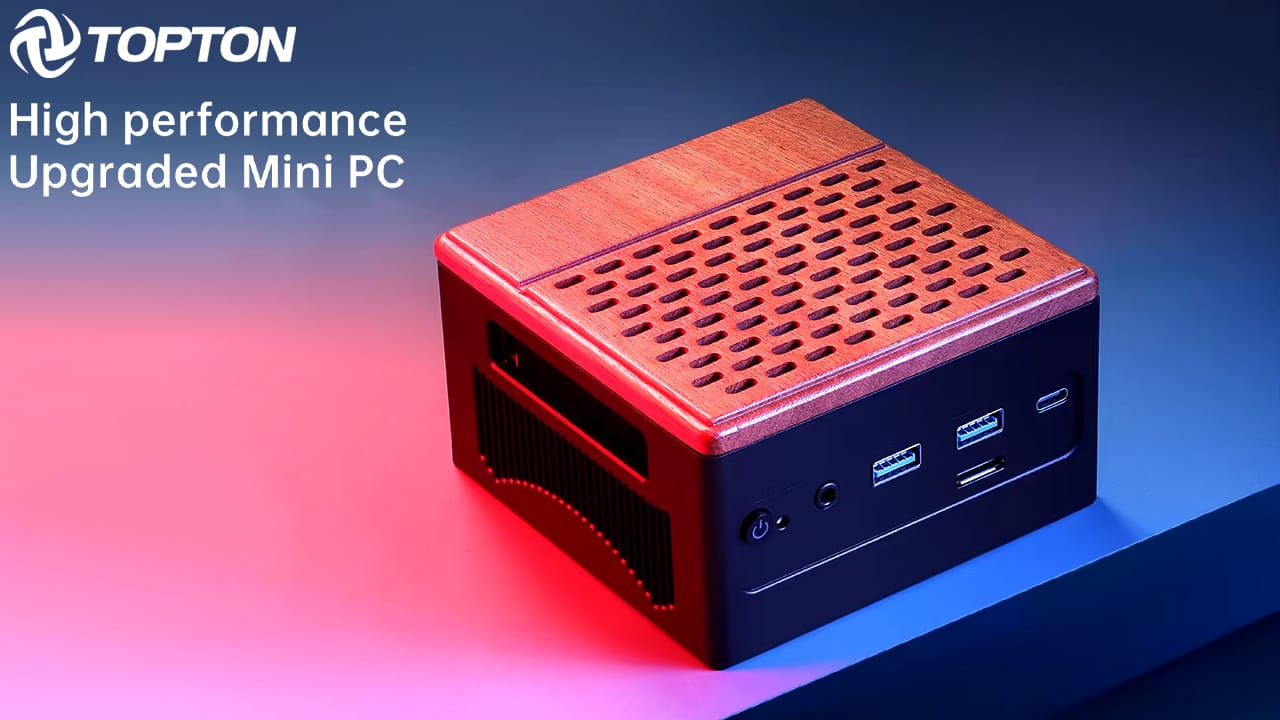
    Topton has launched a new mini PC called the D13. This model stands out from other small PCs recently released, as it contains a Phoenix Point APU. Specifically, it runs on the Ryzen 7 7840HS. While it might not be the newest chip on the market, it can still manage demanding tasks quite well.

    Gaming Capabilities

    The AMD APU is equipped with the Radeon 780M integrated GPU, allowing the Topton D13 to run AAA games at decent frame rates. For those seeking a superior gaming experience, there’s an option to connect an external GPU (eGPU) to this mini PC. It comes with an OCuLink port, which allows compatibility with docks such as the Minisforum DEG1. Alternatively, users can choose eGPUs like the GPD G1, which is currently priced at $699.95 on Amazon.

    Connectivity & Design

    In addition to the OCuLink port, the Topton D13 includes four USB 3.2 Type-A ports, one USB4, two 2.5G Ethernet ports, two HDMI 2.1 ports, and a 3.5 mm audio jack. The compact design of the mini PC is also notable; it has dimensions of 108 x 108 x 60 mm and incorporates a “dual-cooling” system to ensure consistent performance during heavy use.

    Specifications & Pricing

    The mini PC also boasts 32 GB of LPDDR5 RAM, three M.2 PCIe 4 slots, a maximum TDP of 54W, along with WiFi 6 and Bluetooth 5.2 connectivity. As for its price point, the Topton D13 is one of the more affordable options for mini PCs with an OCuLink port. The basic model, which does not come with storage, is available for $397.66 on AliExpress. Additionally, there’s a bundle option that includes the Minisforum DEG1, starting at $524.19.


    Image 1
    Image 1
  • Intel Arrow Lake Review: Core Ultra 200S CPUs’ Efficiency vs. Gaming

    Intel Arrow Lake Review: Core Ultra 200S CPUs’ Efficiency vs. Gaming

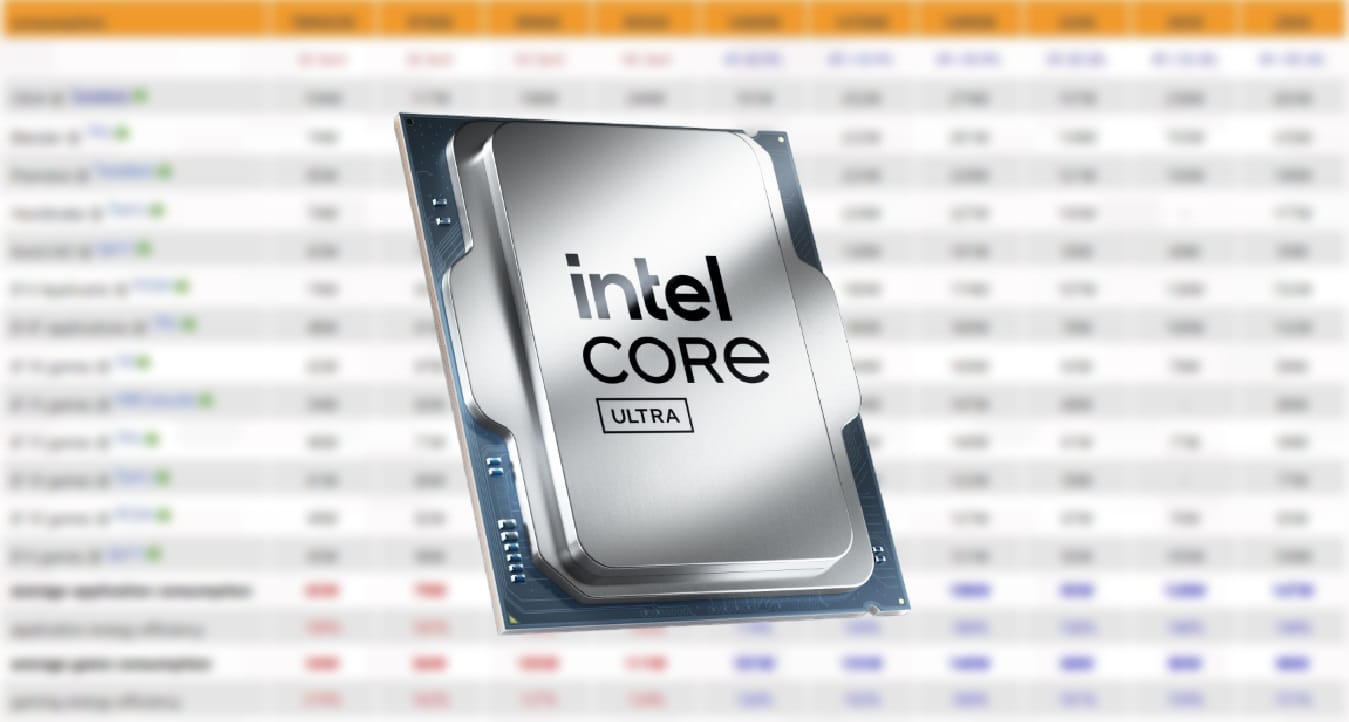
    The introduction of the Intel Arrow Lake Core Ultra 200S CPUs has stirred up quite a bit of debate. On one side, these new processors don’t really offer significant performance improvements and actually lag behind in gaming performance. On the flip side, Intel has indeed kept its word regarding a substantial boost in efficiency.

    Mixed Reviews

    With a multitude of reviews flooding in, it can be quite challenging for consumers to accurately assess the true capabilities of these products. Different publications have their own methods for testing CPUs, leading to varied results. Luckily, 3DCenter has gathered 20 reviews of the Arrow Lake launch, providing a comprehensive overview of Intel’s latest desktop processors.

    Performance Insights

    From what we can gather, the Arrow Lake CPUs show a slight but not particularly impressive increase in application performance. According to the data from 3DCenter, the top-end Core Ultra 9 285K is about 7% faster than the Core i9-14900K, but it is also 3% slower than the Ryzen 9 9950X.

    Dropping down the lineup, the Core Ultra 5 245K and Core Ultra 7 265K present performance boosts of 3.9% and 4.6% over the Core i5-14600K and Core i7-14700K, correspondingly. In addition, the Core Ultra 5 245K is 3.5% faster compared to the Ryzen 7 9700X, while the Core Ultra 7 265K matches the Ryzen 9 9900X’s performance.

    Gaming Performance Woes

    In a nutshell, Intel’s Arrow Lake chips offer a marginal enhancement over the 14th-gen models, but they lack hyperthreading. Unfortunately, the gaming performance takes a hit, with these CPUs generally underperforming compared to both their predecessors and the competing Zen 5 series.

    For example, the Core Ultra 9 285K is about 6% behind the Core i9-14900K and trails the Ryzen 9 9950X by 4.2%. It also cannot compete with the leading gaming processor, the Ryzen 7 7800X3D, which is a staggering 16% faster. This news is a letdown for Intel enthusiasts, particularly with the recent announcement of the Ryzen 7 9800X3D, which claims a 20% increase in gaming performance over the Core Ultra 9 285K.

    The Core Ultra 7 265K and Core Ultra 5 245K don’t perform much better either, with the former showing a 7% drop against the Core i7-14700K and the latter lagging by 4% against the Core i5-14600K. Furthermore, both the Ryzen 7 9700X and Ryzen 9 9900X outperform their Intel counterparts by 10% and 3.3%, respectively.

    Future Considerations

    In short, Intel supporters hoping for their favorite brand to surpass AMD will likely have to be patient for upcoming architectures like Panther Lake and Nova Lake, as Intel currently lacks a competitive response.

    One area where the Core Ultra 200S CPUs excel is in power consumption. Thanks to various enhancements, such as a new process node and the removal of hyperthreading, Intel has achieved significant reductions in power usage compared to the 14th-gen Raptor Lake CPUs. This topic has been explored in depth in our review of the Core Ultra 9 285K.

    Efficiency Gains

    According to 3DCenter’s data, the Core Ultra 9 285K has an average power consumption of just 147 W during application workloads, compared to 198 W for the Core i9-14900K and 160 W for the Ryzen 9 9950X. This lower energy usage allows the flagship Arrow Lake chip to boast 44% better energy efficiency in applications compared to the Core i9-14900K and 6% better against the Ryzen 9 9950X.

    The efficiency of Arrow Lake is also clear in gaming scenarios, where the Core Ultra 9 285K consumes roughly 88 W on average, outperforming both the Core i9-14900K (140 W) and the Ryzen 9 9950X (111 W). The only CPU that is faster in gaming and uses less power is the Ryzen 7 7800X3D, which stands out at just 56 W.

    Conclusion

    Turning to the Core Ultra 5 245K and Core Ultra 7 265K, these Arrow Lake models show application efficiency gains of 33% and 42% compared to the Core i5-14600K and Core i7-14700K, respectively. Nevertheless, the Ryzen 7 9700X remains more efficient than the Core Ultra 5 245K by 16%, and the Ryzen 9 9900X is still slightly behind the Core Ultra 7 265K by 9%.

    In conclusion, the gaming power consumption for both the Core Ultra 5 and Ultra 7 is lower than that of their 14th-gen counterparts and AMD’s Zen 5 processors, registering at only 68 W and 80 W, respectively.

    To summarize, Intel’s Arrow Lake chips seem to be aimed at users who are either upgrading from older architectures or are in search of processors that emphasize efficiency over raw performance. For everyone else, better alternatives are readily available in the market.

    Buy the Intel Core Ultra 5 245K | Ultra 7 265K on Amazon

    3DCenter


    Image 1
    Image 1
    Image 1
  • Apple M4 Pro Debuts on Geekbench with Amazing Performance Boost

    Apple M4 Pro Debuts on Geekbench with Amazing Performance Boost

    The Apple M4 Pro has just appeared on Geekbench alongside what looks to be a 16-inch MacBook Pro. This version is the high-end model, featuring a 14-core CPU, a 20-core GPU, and 48 GB of RAM. It shows a remarkable improvement from the M3 Pro, enhancing both CPU and GPU performance.

    Performance Scores

    In Geekbench’s single-core and multi-core tests, the M4 Pro achieved scores of 3,925 and 22,669 points, respectively. This translates to a 25% increase in single-core performance and a 46% boost in multi-core performance compared to the Apple M3 Pro’s scores of 3,138 and 15,480. While the multi-core improvement was anticipated due to the additional CPU cores, the surge in single-core performance is truly impressive, likely because the M4 Pro can reach speeds of 4.51 GHz as opposed to the 4.06 GHz of the M3 Pro. Actually, the M4 Pro’s multi-core score surpasses that of last year’s 16-core M3 Max, which scored 21,253 points in the benchmarks.

    GPU Performance

    We also get a glimpse of the M4 Pro’s 20-core GPU performance through Geekbench’s OpenCL benchmark, where it scored 69,867 points. This marks a 38% enhancement over the Apple M3 Pro’s score of 50,373. Although it falls short of the M3 Max’s impressive 40-core GPU score of 91,413, it’s only 31% slower despite having half the cores, which is quite remarkable. With the M4 Pro performing so well, it will be fascinating to see what Apple’s top-tier M4 Max has to offer for MacBook users.


    Image 1
    Image 1
  • Infineon Launches World’s Thinnest 20 Micrometer Silicon Wafers

    Infineon Launches World’s Thinnest 20 Micrometer Silicon Wafers

    Infineon Technologies AG has made a major leap in the field of semiconductor production. They have successfully created and processed incredibly thin 300mm silicon power wafers. These wafers measure only 20 micrometers thick, roughly the same thickness as a single human hair, setting a new record for thinness and significantly improving performance and efficiency.

    Innovative Designs

    These cutting-edge wafers, which were both developed and manufactured by Infineon, are just half the thickness of the current industry norm of 40-60 micrometers. By reducing the thickness, the company has effectively lowered substrate resistance by 50%, which results in more than a 15% decrease in power loss when compared to traditional silicon wafers.

    Engineering Challenges

    Reaching the target thickness of 20 micrometers was no small feat. Infineon’s engineers faced numerous technical hurdles. They created a new wafer-grinding technique to manage the metal stack that secures the chip to the wafer, which is actually thicker than 20 micrometers. They also had to tackle challenges such as wafer bowing and separation issues during the back-end assembly process, ensuring that the wafers remained strong while being compatible with Infineon’s existing high-volume production processes.

    Future Plans

    The ultra-thin wafer technology has already been implemented and tested in Infineon’s integrated Smart Power Stages used for DC-DC conversion, and shipments to customers have begun. The company anticipates that this energy-efficient design will take the place of existing low-voltage power converter wafers within the next three to four years.

    Infineon is set to showcase the ultra-thin silicon wafer to the public at Electronica 2024, scheduled for November 12-15 in Munich.

  • Keychron K3 V3: New Slim 75% Wireless Mechanical Keyboard $84

    Keychron K3 V3: New Slim 75% Wireless Mechanical Keyboard $84

    Keychron has been working hard to refresh its mechanical keyboard lineup with features that appeal to enthusiasts. They’ve added better customization options through QMK/VIA and introduced new materials and case designs to enhance sound quality. Now, the Keychron K3, which is a 75% keyboard, is receiving a significant upgrade with the launch of the Keychron K3 QMK Version 3.

    Major Firmware Update

    One of the most notable upgrades to the K3 is the inclusion of QMK firmware. This allows users to remap keys, switch layers, and customize their keyboards using a web application. This is a big win for Linux and macOS users, as they can modify their keyboards without needing to borrow a Windows computer or set up a dual-boot system.

    Portable and Lightweight Design

    The Keychron K3 QMK V3 is a low-profile wireless mechanical keyboard, making it ideal for those who need a portable option. It offers both USB type-C connectivity with a polling rate of 1,000 Hz and Bluetooth options. The design includes floating keycaps, an aluminum top case/plate, and an ABS bottom case, all while keeping the weight at just 540 g.

    Configuration and Sound Features

    The Keychron K3 Version 3 QMK is offered in three different configurations. Along with its upgraded internals, the K3 QMK V3 features various sound-absorbing materials like latex and IXPE foams placed between the plate and PCB, as well as EPDM case foam and a PET film between the PCB and the bottom case. It’s important for buyers to pay attention to which version they select since only the hot-swap version makes it easy to customize stabilizers, switches, and acoustics.

    The RGB backlit version, priced at $104, is the only model currently available with hot-swappable switches. For the other two versions, users can pick between red linear and brown tactile low-profile switches. As with previous models, these switches are a collaboration between Keychron and Gateron. The K3 V3 is equipped with Keychron Low Profile 2.0 mechanical switches, which come pre-lubed and provide a balanced actuation force of 45 gf with a total travel distance of 3.1 mm. The brown tactile switch has a pre-travel distance of 1.7 mm, while the red switch has a shorter pre-travel distance of 1.3 mm.

    Keycap Quality and Battery Life

    Similar to its predecessor, the K3 QMK V3 features double-shot, shine-through keycaps that ensure the legends won’t fade over time. However, it continues to use ABS keycaps, which many keyboard enthusiasts prefer for their feel compared to PBT. The K3 V3 also maintains the same 1550 mAh battery capacity as the V2, but with an improved controller and the upgrade to Bluetooth 5.2, the estimated battery life without backlighting has increased from 70 hours to an impressive 124 hours.

    Currently, the Keychron K3 QMK V3 can only be purchased directly from Keychron, but it is expected to be available on their official Amazon store soon.


    Image 1
    Image 1
    Image 1
  • Quantum Storage Breakthrough Promises 1000x Data Density Increase

    Quantum Storage Breakthrough Promises 1000x Data Density Increase

    Scientists have come up with a fresh technique for optical data storage that might revolutionize memory capacity by utilizing the principles of quantum mechanics along with rare earth materials. A research team from the University of Chicago’s Pritzker School of Molecular Engineering, in collaboration with Argonne National Laboratory, shared their research in the journal Physical Review Research on August 14.

    Innovative Storage Method

    The researchers employ magnesium oxide crystals that are infused with rare earth elements, which emit photons at precise wavelengths. Data is stored by having these photons interact with quantum defects—vacancies in the crystal structure that contain unpaired electrons. This innovative system uses wavelength multiplexing to store more information than traditional optical storage methods, such as CDs and DVDs, which are limited by light diffraction effects.

    Long-lasting Data Stability

    When the quantum defects absorb energy from the nearby rare earth emitters, they experience a nearly irreversible change in their spin state, which helps in stabilizing the data for extended periods. The emitted photons are significantly smaller than the 500-1000 nanometer wavelengths used in existing optical storage technologies, allowing for storage densities that could be up to 1000 times greater than what is currently available.

    Challenges Ahead

    Despite this promising advancement, several hurdles remain before the technology can be commercialized. The research team must figure out the duration of these excited states and the methods for data retrieval. Additionally, the technology needs to function consistently at room temperature, as many quantum systems require extremely low temperatures near absolute zero to operate.

    "Grasping this near-field energy transfer process is a major first step," explained Swarnabha Chattaraj, a postdoctoral researcher at Argonne National Laboratory. This discovery has the potential to pave the way for ultra-high-density optical storage devices, but considerable development work is still necessary before it can be widely adopted.

  • Apple M4 Max SoC Confirmed in Leaked Official Media Assets

    Apple M4 Max SoC Confirmed in Leaked Official Media Assets

    Apple has rolled out its new Macs in a staggered manner, introducing a new model each day. Over the past couple of days, we’ve seen the launch of the M4-equipped iMac and the newly revamped Mac Mini, which comes with both the M4 and M4 Pro SoCs.

    Anticipation for the MacBook Pro

    Now, all eyes are on the MacBook Pro, which is expected to be revealed tomorrow, assuming everything goes smoothly. Mark Gurman has been largely spot-on with his predictions regarding Apple’s Macs, so it’s reasonable to anticipate the arrival of the MacBook Pro 14 and 16 models, equipped with the M4 Pro and M4 Max.

    Details on the M4 Pro and M4 Max

    Apple has already confirmed the M4 Pro chip. Additionally, we might have just received a hint about the M4 Max SoC, thanks to a media asset found by developer Charlie Joseph. This news isn’t shocking, as it’s quite likely that the MacBook Pro will feature both the Pro and Max versions of the M4, keeping in line with the company’s established patterns.

    Sadly, there isn’t any information available about the core counts for the M4 Max yet. The M4 Pro caught me off guard by packing 14 cores, including an impressive 10 performance cores, which is a jump from the six maximum performance cores seen in the previous M3. The M4 Max probably will have even more performance cores, possibly around 12 or 14, along with two or four efficiency cores, leading to a total of 16 or 18 CPU cores, based on past trends.

    GPU Core Specifications

    When it comes to GPU cores, things are a bit clearer. The standard M4 chip has up to 10 GPU cores, while the M4 Pro doubles that to 20. Therefore, it’s likely that the M4 Max will feature up to 40 GPU cores, matching its predecessor. With the M4 Pro and M4 Max-equipped MacBook Pro lineup set to launch as early as tomorrow, we won’t have to wait long to find out more.

    Charlie Joseph via Twitter.