Category: Computers

  • 2024 Apple Mac Mini: Removable SSD but Hard to Upgrade

    2024 Apple Mac Mini: Removable SSD but Hard to Upgrade

    Apple has launched the 2024 Mac mini, now equipped with improved hardware, including the powerful M4 Pro chip. This model is also the smallest mini PC that Apple offers in its range. However, to get a good amount of storage, you’ll have to spend a significant amount more.

    Upgradeability Concerns

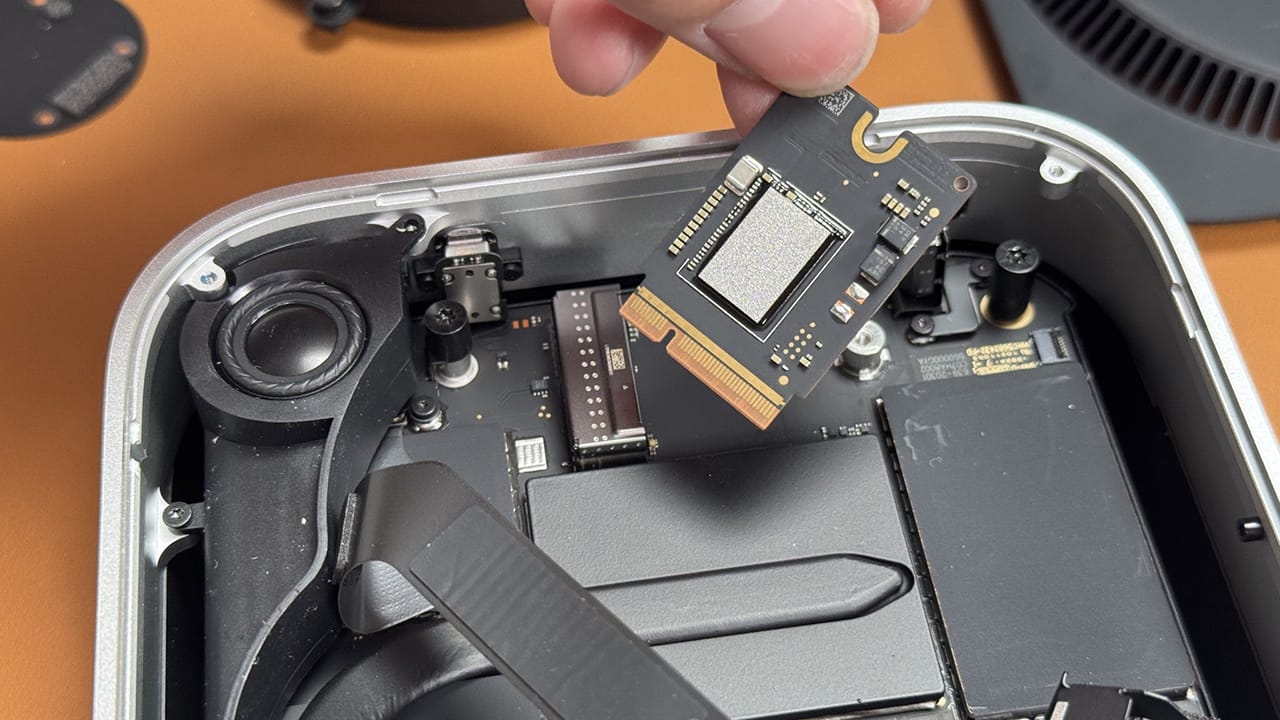
    Recent investigations into the 2024 M4 Mac mini reveal that the SSD is not soldered onto the daughter board. This suggests that users might be able to upgrade the storage themselves, but the actual situation is more complex. The storage module is proprietary and resembles the ones previously used in the Mac Studio and Mac Pro.

    Thus, it’s not simply a matter of swapping in any third-party M.2 SSD for a cheaper storage upgrade on the Mac mini (for example, a 2 TB Samsung 990 EVO currently costs $129.99 on Amazon). Additionally, MacRumors has pointed out that the NAND controller is likely integrated into Apple’s system-on-chip (SoC). Yet, there remains some possibility for upgrades.

    Potential for Upgrades

    A user on X, @ohgkg, mentioned that repair technicians in China managed to enhance the 256 GB version of the 2024 Mac mini to 2 TB by changing the NAND chips. This process isn’t feasible for the typical user since it demands specialized soldering skills and tools. Therefore, even though upgrading is pricey, opting for the SSD modules offered by Apple may be the more convenient choice.

    Performance Insights

    Another intriguing discovery from the teardowns indicates that even the base model of the 2024 Mac mini comes equipped with an SSD module containing two NAND chips. When compared to a single chip module of 256 GB, this setup should provide enhanced transfer speeds.

    Sources include The Verge, MacRumors, and TechRadar.
  • Apple Set for First Full Mac Lineup Update in Over 10 Years

    Apple Set for First Full Mac Lineup Update in Over 10 Years

    Apple seems poised to do something it hasn’t accomplished in more than ten years—refresh its complete Mac range using a single chip generation. Although it’s been four years since the M1 chip was introduced, Apple hasn’t yet updated all its models at the same time.

    A History of Staggered Updates

    When the M1 was launched, Apple did not include the Mac Pro, and the M2 update missed the iMac as well. This pattern of staggered updates is not something new for the tech giant from Cupertino; it’s a trend that goes back before the M-series chips were even thought about.

    For instance, Apple updated various Macs with Intel’s latest SoC at the time but left out the iMac Pro and the Mac mini. The last time there was a truly synchronized Mac update was in 2013 with the “trashcan” Mac Pro. So, if the rumors about the M4 chip are correct, it would be a landmark moment for both Apple and Mac enthusiasts.

    M4 Chip Expected by 2025

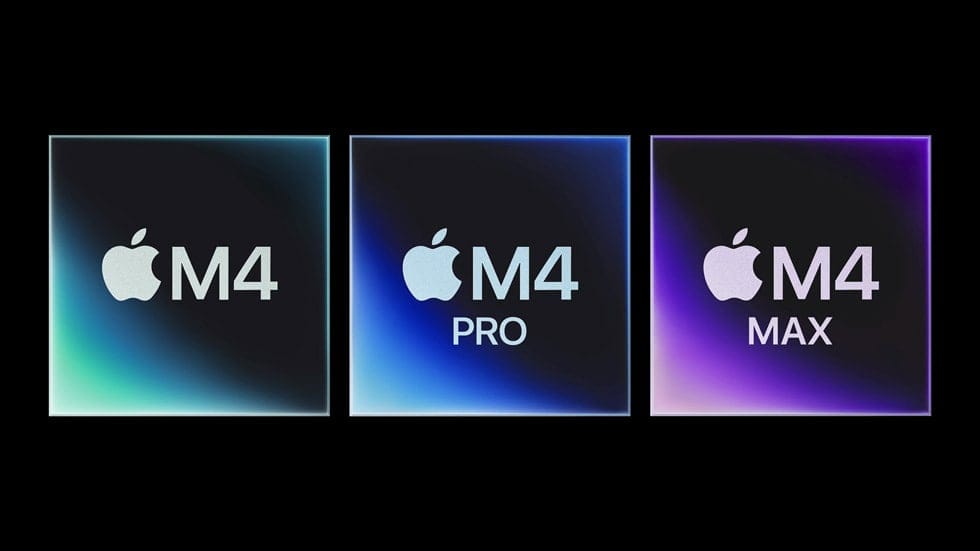
    Now, industry insider Mark Gurman predicts that by mid-2025, Apple will incorporate the M4 chip into the MacBook Air, Mac Studio, and Mac Pro, aiming to harmonize the entire lineup. The company has already refreshed the MacBook Pro, iMac, and Mac mini, adding several impressive upgrades, including faster Thunderbolt ports, options for nano-texture displays, and improvements to the Center Stage camera.

    The highlight of these new devices is the performance enhancement from the M4 chip. In the MacBook Pro, for instance, the M4 chip provides significant speed boosts, running 1.8 times quicker than the 13-inch M1 MacBook Pro in gigapixel photo editing and 3.4 times faster for rendering complex scenes in Blender. Additionally, it features a 16-core Neural Engine that works three times faster than the M1.

    The Power of M4 Pro Chip

    Discussing the more robust M4 Pro chip, it offers a substantial increase in both single-core and multi-core performance. The Mac mini equipped with the M4 Pro is now the fastest desktop Mac that Apple has, even exceeding the M2 Ultra in terms of CPU capabilities.


    Image 1
  • Intel’s Arrow Lake Launch Issues: Promises Performance Fixes

    Intel’s Arrow Lake Launch Issues: Promises Performance Fixes

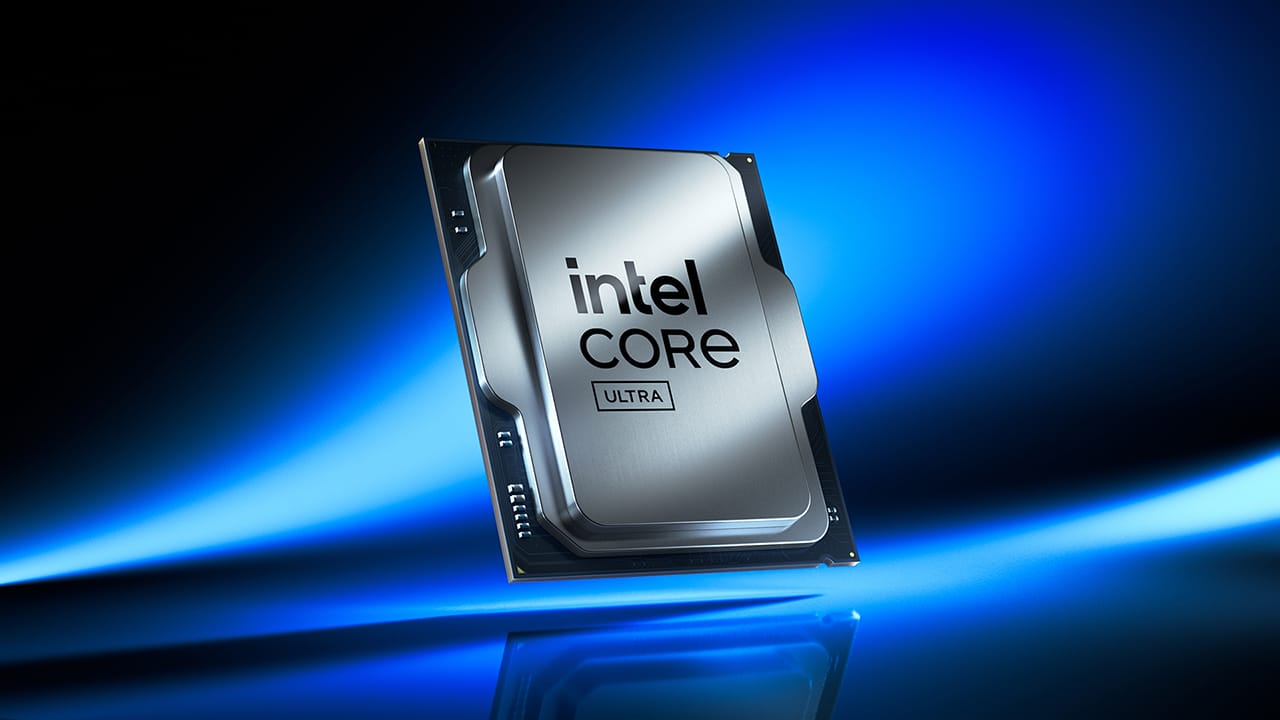
    Robert Hallock, who is the vice president and general manager at Intel, recently discussed the new Arrow Lake desktop series. During a podcast interview with Hot Hardware, Hallock acknowledged that the launch did not meet expectations. As highlighted in our review of the Core Ultra 9 285K, although the new lineup shows improvements in efficiency, it falls short compared to rivals in gaming performance.

    Performance Issues

    Specifically, we observed that the leading Intel Arrow Lake desktop chip does not perform as well as the Core i9 14900K from the Raptor Lake Refresh, which is currently priced at $438.41 on Amazon. Hallock mentioned that this level of performance was not anticipated by Intel, but he assured listeners that the company aims to “make it right.”

    Looking Ahead

    In addition, Hallock stated that the Arrow Lake processors have a “solid foundation,” and Intel has identified the reasons behind the “wild unintended effects.” He was candid about the performance challenges, clarifying that these issues are not due to Microsoft or any external factors.

    Future Updates

    On a positive note, Hallock indicated that Intel intends to provide a “comprehensive update” that will detail the issues and their causes by the end of November or early December. The company will also share its plans for addressing the performance shortcomings of the lineup.

  • New Raspberry Pi Accessories Enhance Versatility of SBCs

    New Raspberry Pi Accessories Enhance Versatility of SBCs

    The Raspberry Pi 5, priced at $69.99 for the 4 GB version on Amazon, is the latest single-board computer from the Raspberry Pi Foundation. Currently, the Foundation hasn’t rolled out any more advanced options. However, they are actively enhancing the capabilities of existing models through new accessories.

    New Accessories Available

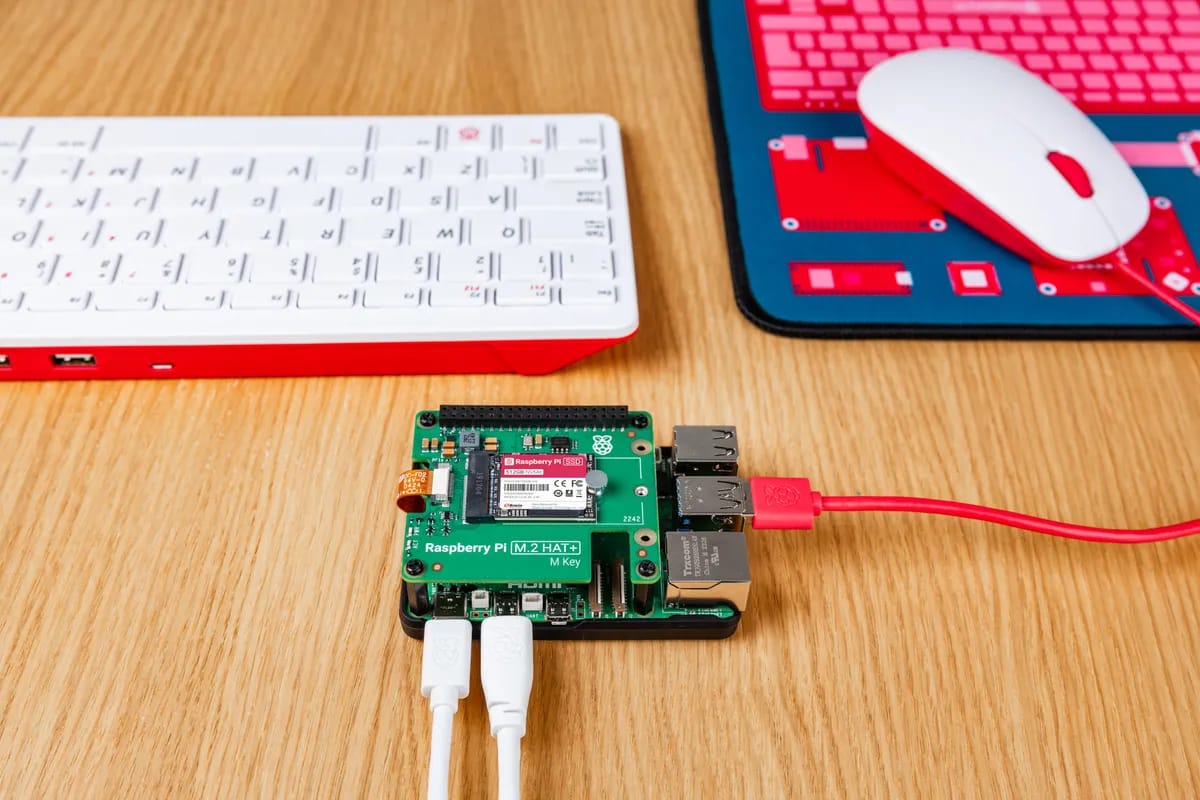
    One significant addition is the Raspberry Pi SSD Kit, which includes M.2 2230 SSDs along with a matching HAT. It is still possible to find the HAT sold separately at various retailers. However, many stores offer the complete kit with 256 GB and 512 GB drives, priced around $40 and $55, respectively. The two SSDs provide differing read and write speed capabilities:

    • 256GB NVMe
    • 512GB NVMe

    Introducing the USB Hub

    Additionally, the Foundation has introduced the Raspberry Pi USB Hub. This affordable accessory, costing $14.25 in the US, features four USB Type-A ports that all meet the USB 3.0 standard. Each port is capable of delivering up to 5 Gbps peak transfer speeds. Furthermore, the hub supports an optional USB Type-C power input, which can handle 5V at 3A.

    Currently, the Pi Foundation plans to keep the Raspberry Pi USB Hub available until at least January 2030. In contrast, the Raspberry Pi SSD Kit is expected to be around for another two years. For further details, you can check the Pi Foundation’s store listings linked below.

    Raspberry Pi Foundation via OMG Ubuntu.


    Image 1
  • AMD Achieves 28.7% Share of Desktop CPU Market

    AMD Achieves 28.7% Share of Desktop CPU Market

    AMD has recently achieved its largest quarterly increase in desktop CPU market share since 2016, capturing 28.7 percent of the market in Q3 2024, as reported by Mercury Research. This marks a notable increase of 5.7 percent from the previous quarter and a 9.6 percent rise compared to the same time last year.

    Desktop Revenue Growth

    The chip manufacturer also saw its portion of desktop revenue rise to 27.3 percent, which is 7.7 percent higher than the previous year. This growth indicates strong demand for their premium processors, particularly the 3D V-Cache models and the newly launched Ryzen 9000 series.

    Mobile Market Gains

    In the mobile CPU sector, AMD captured 22.3 percent of the market, up from 20.3 percent in Q2 2024. Their revenue share in this area also improved, reaching 19.2 percent, a rise from 17.7 percent in the last quarter. Much of this success can be attributed to their Ryzen AI 300-series APUs.

    Server Market Success

    The server market brought further positive news, with AMD’s share reaching 24.2 percent in Q3 2024, an increase from 23.3 percent year-over-year. Even more noteworthy, their server revenue share climbed to 33.9 percent, up from 31.2 percent in Q3 2023. For the first time, AMD’s data center business surpassed Intel’s data center and AI division, generating $3.549 billion, compared to Intel’s $3.3 billion.

    Despite this progress, Intel continues to dominate, holding 71.3 percent of the desktop market and 77.7 percent of the mobile segment. Mercury Research noted that Intel attributed its decline in desktop market share to some adjustments in inventory at a client’s location, suggesting a potential recovery in Q4 2024.

  • Apple Reveals Reasons for 2024 Mac Mini’s Bottom Power Button

    Apple Reveals Reasons for 2024 Mac Mini’s Bottom Power Button

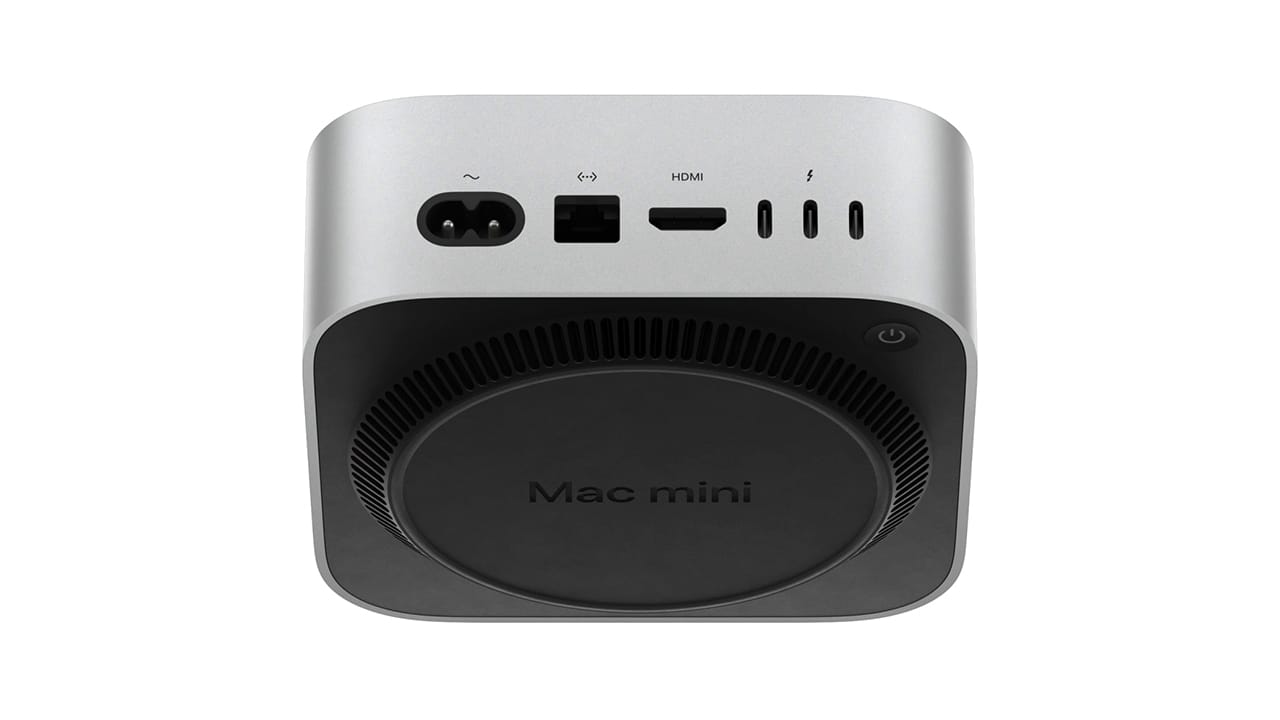
    Apple has introduced the 2024 Mac mini, which comes with enhanced hardware and can be equipped with up to the M4 Pro chip. In addition to better performance, this new mini PC is also more compact than the previous model, boasting a footprint that’s less than 50% of its forerunner. One notable design change is the placement of the power button at the bottom, which has stirred some discussion.

    Design Decisions Explained

    In a recent interview, Apple’s senior vice presidents, Greg Joswiak and John Ternus, discussed the reasoning behind moving the power button. They mentioned that the smaller size of the new Mac mini necessitated finding an optimal position for the button, leading to the choice of placing it at the bottom.

    User Experience Considerations

    Some initial feedback regarding the design noted that pushing the relocated power button could be inconvenient when the device is sitting on a table. However, the two executives pointed out that users rarely need to use the power button. This is another justification for its bottom placement on the 2024 Mac mini.

    Most users typically keep their Mac devices powered on, opting for sleep mode instead. Therefore, the power button is mainly used for force restarts or shutdowns. According to the Apple vice presidents, accessing the button in these situations is simple; you just have to “tuck your finger in there.” The weight of the top-tier model is also quite manageable, at only 1.6 lbs (approximately 0.72 kg), making it easy to lift.

    Potential Installation Issues

    Nevertheless, having the power button on the bottom could pose challenges when the 2024 Mac mini is installed behind a monitor or TV, such as the AOC CQ27G3Z gaming monitor, which is currently priced at $249.99 on Amazon. The vice presidents did not address this scenario, suggesting that Apple might not have considered this particular setup when designing the new model.


    Image 1
  • New 65W Cuktech Fast Charger: Dual-Port & Travel-Friendly Design

    New 65W Cuktech Fast Charger: Dual-Port & Travel-Friendly Design

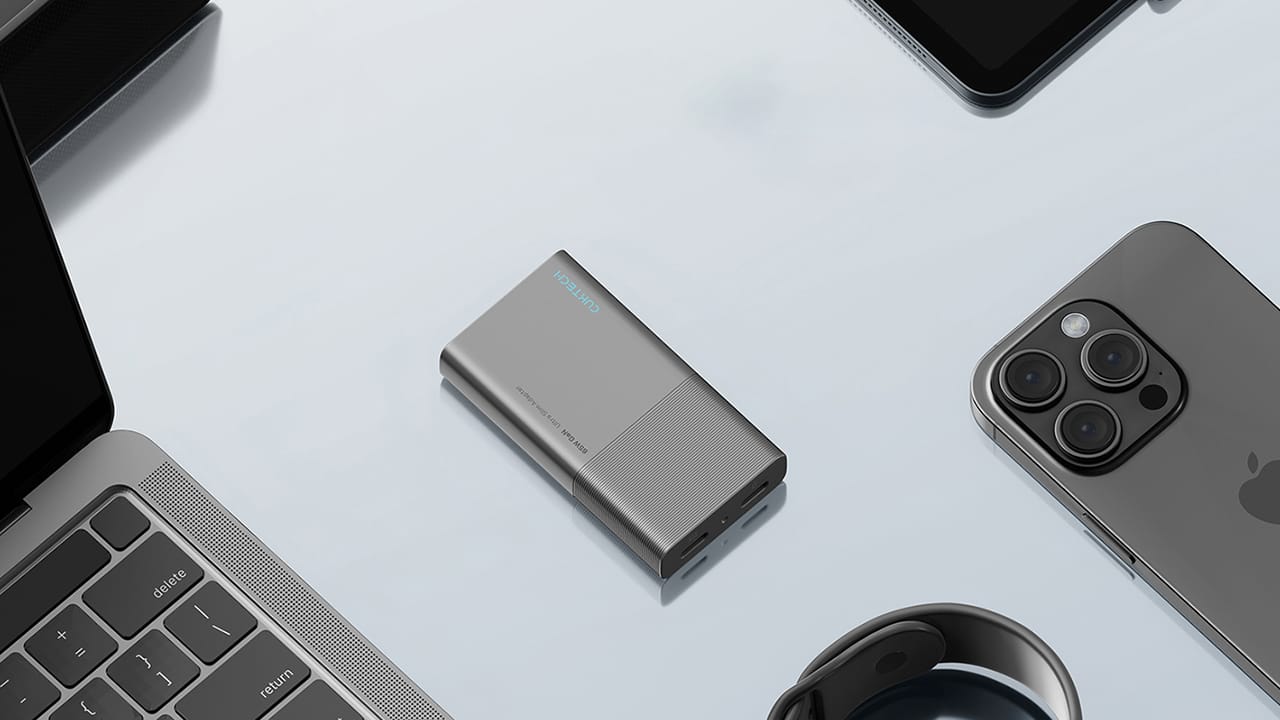
    Cuktech has launched a new charging device in China named the Power Card. This product shares a design that resembles the Ugreen Nexode Pro travel charger and supports fast charging at 65W. In contrast to Ugreen’s model, the Power Card has two USB-C ports instead of three.

    Fast Charging Capabilities

    According to Cuktech, this new charger can power the recently released Xiaomi 15 to 85% in just 30 minutes. It supports a variety of charging protocols such as PD 3.0, QC 3.0, PPS, and AFC. This extensive compatibility means that the 65W Cuktech Power Card can be used with many different devices. The company also claims that it can charge the 2022 MacBook Air from 0% to 55% in the same timeframe.

    Compact Design

    When it comes to design, Cuktech states that the Power Card is 41.9% smaller compared to standard charging bricks. It features a foldable plug, making it convenient to carry, and with its dual-port capability, users can charge two devices simultaneously. If both ports are in use, the first USB-C port can deliver up to 45W, while the second one provides 10W. If only one port is used, the first can reach 60W and the second can go up to 20W.

    Pricing and Availability

    The 65W Cuktech Power Card will be priced at CNY 99 (approximately $13.8) and will be available for purchase in China starting November 10. There is no information yet about its availability in other countries, although Cuktech typically sells many of its products outside of China. If you’re looking for a similar product that is already available worldwide, the Ugreen Nexode Pro can be found on Amazon.

    Cuktech CN website, Cuktech on Weibo (machine translated from Chinese)


    Image 1
  • Deutscher Telekom-Riese nutzt überschüssige grüne Energie für Bitcoin

    Deutscher Telekom-Riese nutzt überschüssige grüne Energie für Bitcoin

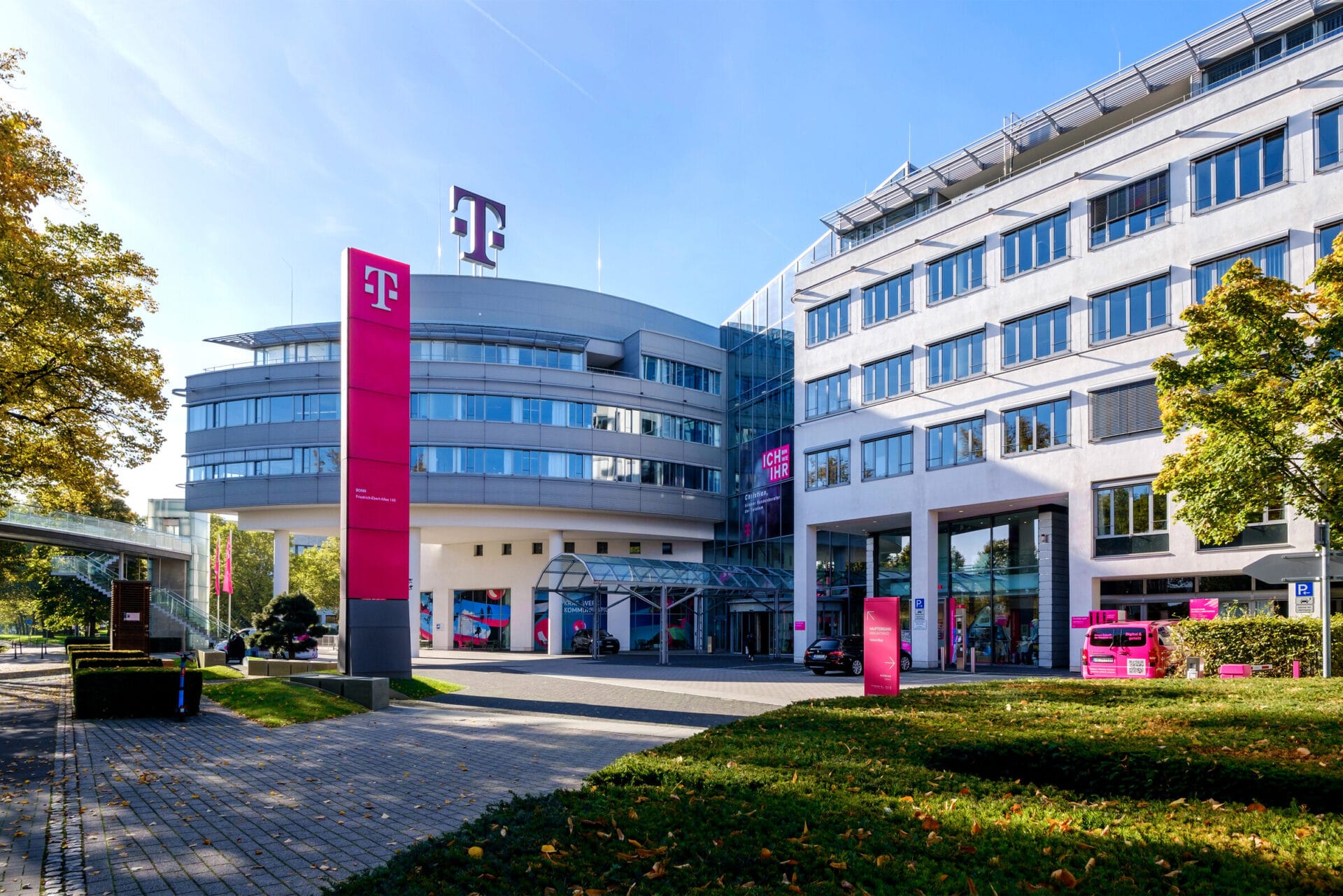
    Deutsche Telekom, along with its affiliate Telekom MMS, and Bankhaus Metzler, a German bank, have revealed a new pilot project. This initiative is designed to utilize surplus green energy for Bitcoin mining during times when energy production peaks. The companies state that this project aims to capture energy that would typically be wasted because of limited storage and delivery options.

    Harnessing Excess Energy

    As we see a rise in the use of photovoltaic and wind power in the energy grid, it’s crucial to discover methods to utilize the excess energy produced during good weather. The telecom giant plans to leverage this project to gather important field data and insights, which will be helpful for future endeavors.

    Addressing Energy Fluctuations

    With more renewable energy being added to the grid, the demand for readily available control power is increasing due to the fluctuations in energy supply. To tackle these issues, it’s essential to have systems that can quickly adapt to changes and manage these fluctuations. In collaboration with Bankhaus Metzler and RIVA Engineering GmbH, we’re moving forward in exploring how Bitcoin miners can help maintain grid stability.

    • Oliver Nyderle, Head of Digital Trust & Web3 Infrastructure at Deutsche Telekom MMS.

    Project Details

    Currently, there are no details on how long the pilot will last or how much investment is needed.

    The idea of harnessing surplus green energy for cryptocurrency mining, informally known as “digital monetary photosynthesis,” has been successfully executed in various countries, including Finland and the USA. The International Energy Agency’s (IEA) Electricity 2024 report indicates that cryptocurrency mining, mainly Bitcoin, consumed 110 terawatt-hours (TWh) of electricity in 2022, which is about 0.4% of the total yearly global demand, similar to the electricity usage of the Netherlands.

    Deutsche Telekom (in German)

  • Intel’s €10B German Chip Plant Delayed to 2029 Amid Funding Changes

    Intel’s €10B German Chip Plant Delayed to 2029 Amid Funding Changes

    The future of Intel’s semiconductor factory in Magdeburg, Germany, is becoming uncertain as government leaders think about changing the €10 billion subsidy meant for it. This situation arose after Intel announced the delay of construction until 2029-2030, which has led to talks about possibly moving the funds from the Climate and Transformation Fund.

    Financial Moves in Question

    Finance Minister Christian Lindner is advocating for redirecting those subsidies, including the initial €3.96 billion planned for 2024, back into the federal budget. This approach is not favored by Economic Affairs Minister Robert Habeck, whose department manages the fund and aims to maintain its emphasis on fostering economic development and supporting environmental initiatives.

    Uncertain Future for Intel

    Alexander Schiersch, from the German Institute for Economic Research (DIW), notes that Intel’s current financial issues make it about a 50/50 chance that they will proceed with the Magdeburg project at all. This ambiguity raises worries regarding Germany’s broader ambitions for its semiconductor industry and the local development strategies being implemented.

    Potential Consequences of Delays

    Delays like this can create many complications. If Intel decides to proceed, they would need to negotiate a new subsidy agreement. However, if the project is canceled, the specially prepared site might be difficult to repurpose, complicating local development efforts.

    In addition to these challenges, the changing global economy adds more complexity to the situation, affecting both Intel and German officials. Intel’s decision to reduce its foundry activities only increases the uncertainty surrounding the future of the facility.

    (Source: TomsHardware in English via HardwareLUXX in German)

  • 8BitDo Launches 108-Key Numpad for Retro Mechanical Keyboards

    8BitDo Launches 108-Key Numpad for Retro Mechanical Keyboards

    8BitDo is making waves lately, having just refreshed the TKL model of its Retro Mechanical Keyboard. This update includes a comprehensive package that boasts a joystick and extra keyboard expansion buttons. Now, the company, known for its retro-style gear, has subtly revealed the full-sized variant of the Retro Mechanical Keyboard.

    What’s New in the Retro 108

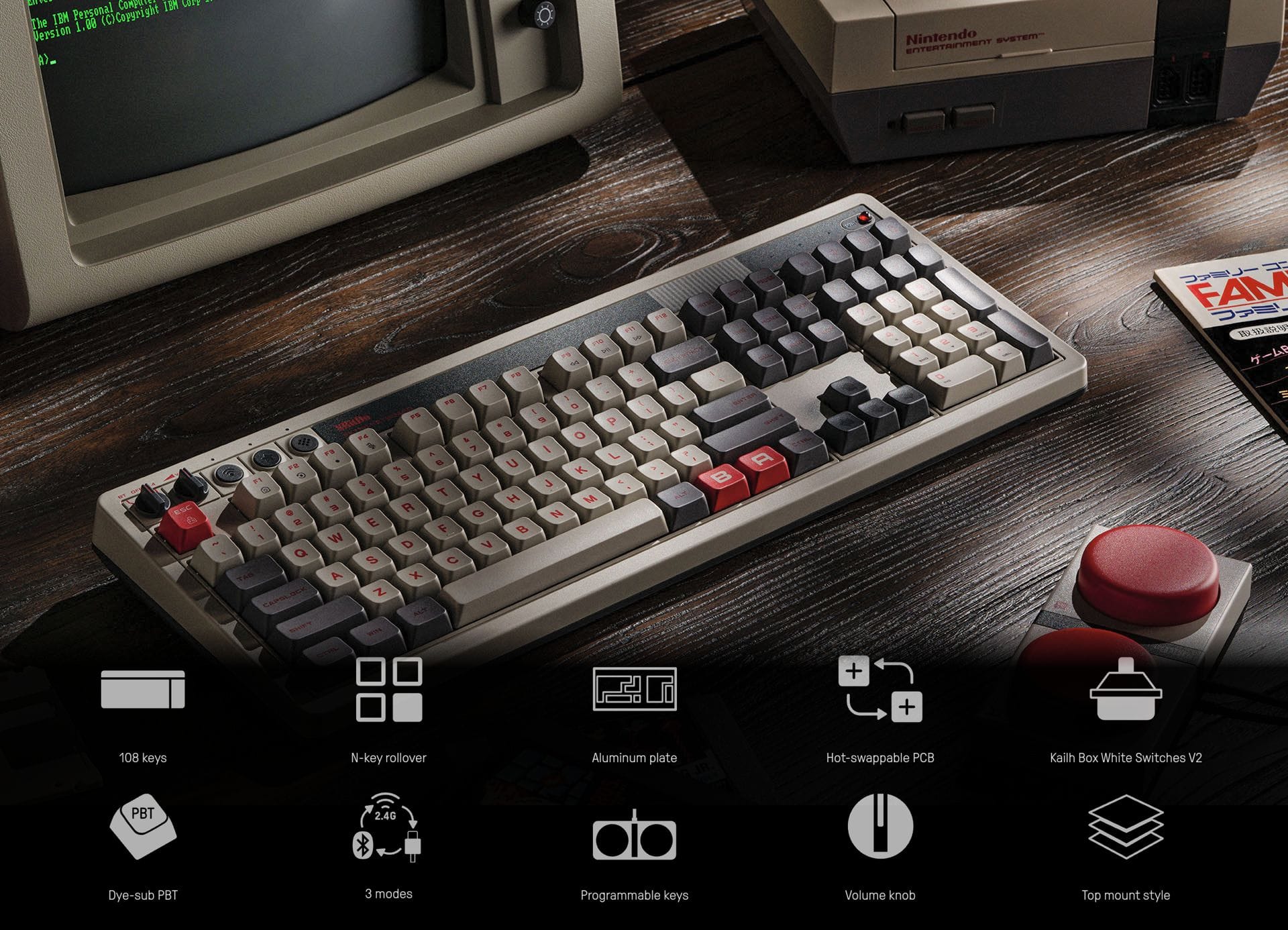
    With the added width from function keys and a num pad, the cleverly named 8BitDo Retro 108 Mechanical Keyboard mirrors its TKL sibling. This means it retains the same clicky Kailh Box White hot-swap switches and double-shot PBT keycaps, which feature a profile akin to MBA and striking, nostalgic computing-inspired legends. For those who enjoy tactile feedback, there are two knobs positioned on the top left beside three shortcut keys.

    Design and Connectivity Features

    The mechanical keyboard is crafted from an aluminium plate and utilizes the common top-mount design, unlike the gasket mounts that are increasingly popular among keyboard enthusiasts. It also features tri-mode connectivity, providing 1,000 Hz polling over 2.4 GHz, along with wired options. Bluetooth connectivity is offered too, catering to users who want to connect to Android devices.

    At this time, the Retro 108 Mechanical Keyboard comes only in N and Fami color schemes, which pay tribute to the Nintendo N64 and Famicon consoles. It remains uncertain if 8BitDo will launch the new keyboard in the classic IBM Model M color scheme later on, but considering the positive feedback about it online, it wouldn’t be shocking.

    Pricing Information

    Currently, the original 8BitDo Retro Mechanical Keyboard is priced at a discounted rate of $89.99. Meanwhile, the new 108-key edition is available for pre-order on Amazon at a higher price of $119.99.