Category: Computers

  • AMD Job Cuts: Company Focuses on AI Development and Strategy

    AMD Job Cuts: Company Focuses on AI Development and Strategy

    AMD has made the decision to cut its workforce by 1,000 employees globally. This semiconductor firm, often viewed as a key competitor to Nvidia, shared an earnings report for Q3 in September that showed mixed results.

    Financial Performance Insights

    According to a report from Reuters, AMD saw its revenue in the data center sector, which includes AI chips, increase more than double in the last quarter. Additionally, the personal computer segment experienced a growth of 29%. However, the gaming division faced a significant drop, with sales falling by 69%.

    Future Projections

    The London Stock Exchange Group (LSEG) has predicted that AMD’s data center segment will grow by 98% in 2024, which greatly surpasses the expected 13%. Even with this growth, AMD still trails behind its rivals Nvidia and Intel in the AI chip market. In the first quarter of 2024, Nvidia maintained a 65% market share, while Intel held 22%, and AMD was at 11%.

    An AMD representative commented to Reuters, "In order to align our resources with our biggest growth opportunities, we are implementing several targeted measures." They also mentioned that the company is "dedicated to treating affected employees with dignity and assisting them during this transition."

    Conclusion

    In summary, while AMD is showing signs of growth in certain areas, it faces significant challenges in the competitive landscape of AI chips and has had to make tough decisions regarding its workforce. The company’s commitment to supporting its employees through these changes is notable.
    Source: Link,Link

  • Intel Core Ultra 7 255H: Boosts Performance Over Meteor Lake

    Intel Core Ultra 7 255H: Boosts Performance Over Meteor Lake

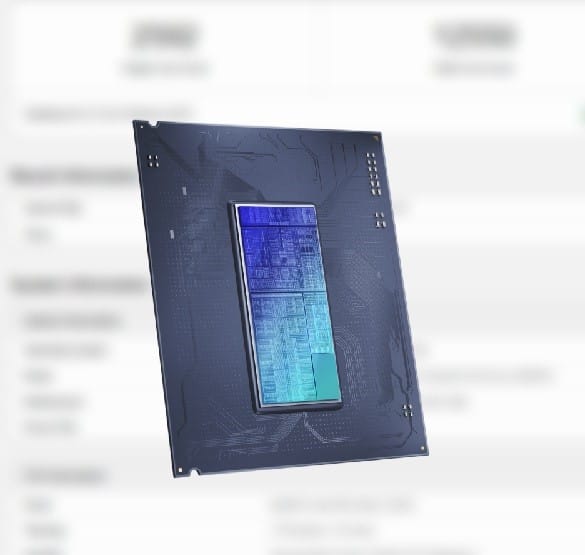
    Yesterday, the Core Ultra 5 225H was spotted on Geekbench. It showed a good performance improvement compared to its Meteor Lake-based version, the Core Ultra 5 125H. However, it fell short when matched against AMD’s Strix Point lineup. Now, the stronger version, the Core Ultra 7 255H, has appeared on the same benchmarking site.

    Specifications and Performance

    Looking at the specs, the Core Ultra 7 255H features 6 Lion Cove P-cores and 10 Crestmont E-cores. According to Geekbench, this CPU can reach a boost of up to 5.1 GHz. Nevertheless, it seems to struggle to maintain that speed. This behavior was also noted previously with the Core Ultra 9 285H, suggesting that Intel might need to resolve some issues with the Arrow Lake-H series.

    Benchmarking Insights

    In the single-core test on Geekbench, the Core Ultra 7 255H achieved a score of 2,754 points. This makes it 14% quicker than the Core Ultra 7 155H and nearly as fast as the Lunar Lake-based Core Ultra 7 258V. Likewise, the Core Ultra 5 255H goes head-to-head with AMD’s Ryzen AI 9 365, which scored 2,797 points in the same test.

    Multi-Core Results

    For multi-core performance, the Core Ultra 7 255H garnered 15,040 points. This result is 22% higher than the Core Ultra 7 155H and 12% faster than the Ryzen AI 9 365. These results are impressive, especially considering the absence of hyperthreading. We can expect to see this CPU in action, along with its Arrow Lake-HX and Arrow Lake-U versions, at CES 2025.


    Image 1
    Image 1
  • Sanwa Supply Launches Retractable Mouse for Travel Workers

    Sanwa Supply Launches Retractable Mouse for Travel Workers

    Sanwa Supply has introduced a small, foldable wireless mouse that’s simple to carry around for work in different locations. For bulk orders, there’s an optional engraving service that allows customization with names of employees or the company’s brand.

    Connectivity Options

    This mouse connects to devices using Bluetooth 5.2 and also has a USB-C wired option. It works with a variety of devices, including Android, Apple, Chrome, and Windows smartphones, tablets, and computers. The compatible operating systems cover a range from Android 10 to 15, Chrome OS, iOS 13 to 16, iPadOS 13 to 17, MacOS versions 11 to 14, and both Windows 10 and 11.

    Performance and Design

    Featuring a blue-light laser, the mouse provides precise tracking on different surfaces. Users can adjust its resolution, which can be set to 800, 1200, 1600, 2400, or 4000 counts per inch. It includes the standard left and right buttons, a scroll wheel in the center, and two side buttons for navigating forward and back.

    Battery Life and Dimensions

    With a rechargeable battery, the mouse can run continuously for about 50 hours, translating to over two months in usual use. An on/off switch helps conserve battery life when not in use. The Sanwa retractable travel mouse measures 5.58 × 7.05 × 2.7 cm (2.20 x 2.78 x 1.06 in.) when retracted and 5.58 × 11.1 × 2.7 cm (2.20 x 4.37 x 1.06 in.) when extended, and it weighs 60 grams (2.11 oz.).

    For those who like to travel light, the Sanwa retractable mouse (available on Sanwa’s site) can easily fit into one of the 19 hidden pockets of a SCOTTeVEST jacket (which can be found on Amazon).

    Sanwa Supply, check out Sanwa Supply on YouTube!

    Source: Link,Link


    Image 1
    Image 1
    Image 1
    Image 1
    Image 1
    Image 1
  • Huawei’s Magneto-Electric Disk: SSD Speed Meets 72TB Storage

    Huawei’s Magneto-Electric Disk: SSD Speed Meets 72TB Storage

    Huawei has created an innovative storage technology that merges the speed of solid-state drives with the extensive space available in tape storage, all contained in a compact device. This new product is called the Magneto-Electric Disk, or MED for short, and it’s set to transform how we store both “warm” and “cold” data.

    Impressive Specifications

    The first MED unit is expected to launch in 2025, boasting an astonishing 72 TB of storage capacity while consuming just around 10 percent of the power that traditional hard drives require. The device incorporates an SSD for rapid data retrieval and a unique tape mechanism, all neatly enclosed in a sealed seven-inch casing.

    Innovative Design

    What’s truly impressive about the MED is its departure from the conventional robotic arms typically found in standard tape libraries. Instead, it utilizes a built-in motor, read-write heads, and dual tape spools to manage data automatically. This design allows it to offer the same block storage capabilities as standard hard drives while retaining the advantages of tape for long-term data retention.

    Simplified System

    Moreover, the technology streamlines the traditional SSD-HDD-tape combination into a fresh SSD-MED architecture. Data travels swiftly through the SSD at NAND speeds before gradually transferring to tape. An intelligent metadata mapping system stored in NAND memory facilitates easy retrieval of data, whether it’s located on the SSD or the tape.

    For rack configurations, the MED systems present some quite impressive figures:

    Looking to the future, Huawei is working on a second-generation MED expected to be released in 2026 or 2027. This newer version aims to reduce its size to a compact 3.5 inches while maximizing storage density. They have already secured patents for this technology and its components, and several Chinese cloud providers are keen to participate.

    Strategic Timing

    This new MED technology arrives at a crucial moment for Huawei as they seek alternative storage solutions due to US export restrictions. It’s a strategic move that could disrupt the storage market, particularly in regions aiming for more self-sufficient supply chains.

    Additionally, Huawei is broadening its storage product line with other initiatives, including plans for a 60 TB SSD that incorporates 3D QLC NAND technology with SLC cache, which will complement the MED in the high-capacity storage arena.

    Source: Link

  • Vietnam Semiconductor Investment: $2.5 Billion from Major Chipmakers

    Vietnam Semiconductor Investment: $2.5 Billion from Major Chipmakers

    Several chipmakers are setting up and expanding their chip testing and packaging facilities in Vietnam, adding a fresh element to the worldwide semiconductor supply chain. South Korean firm Hana Micron has committed a significant sum—around 1.3 trillion won ($930.49 million) by the year 2026—to enhance its operations in Vietnam, focusing mainly on the packaging of legacy memory chips.

    Amkor’s Big Investment

    Amkor Technology is also making waves, investing $1.6 billion into a sprawling 2.16 million-square-foot facility, which is anticipated to be their most advanced packaging plant yet. Rumor has it that some equipment from Amkor’s operations in China will be relocated to this new facility in Vietnam.

    Intel’s Commitment

    Intel is making its mark as well, with its largest back-end production site located in Vietnam, showcasing the country’s growing role in chip manufacturing. They even emphasized this at Vietnam’s inaugural international semiconductor expo held near Hanoi.

    Local Efforts and Future Goals

    Vietnamese companies are not lagging behind. Local tech firm FPT is constructing a 10,764-square-foot testing facility close to Hanoi, with an investment of about $30 million. They plan to start with ten testing machines, with ambitions to increase that number threefold by 2026.

    Vietnam’s ambitions in the semiconductor sector extend beyond just back-end operations. The state-owned Viettel is gearing up to launch the nation’s first chip foundry, with plans to venture into front-end production by 2030. Additionally, investment group Sovico is looking for global partners to establish an ATP (Assembly, Testing, and Packaging) plant in Danang.

    This drive from Vietnam to expand its semiconductor industry aligns with the Biden administration’s strategy to diversify the global chip supply chain. Analysts predict that Vietnam’s share in global chip assembly, testing, and packaging will grow from one percent in 2022 to approximately nine percent by 2032.

    Source: Link


  • Core Ultra 5 225H vs Ryzen AI 9 365: Geekbench 6 Results Leaked

    Core Ultra 5 225H vs Ryzen AI 9 365: Geekbench 6 Results Leaked

    With the recent introduction of the desktop Arrow Lake CPUs, Intel is now set to reveal its mobile Arrow Lake-H CPUs. This lineup is said to include five different SKUs, starting with the Core Ultra 5 225H at the lower end and the Core Ultra 9 285H at the high end. After the Core Ultra 9 285H was spotted on Geekbench, the entry-level Core Ultra 5 225H has also surfaced on Geekbench 6.

    Geekbench Scores and Sample Status

    It’s worth noting that while the Geekbench 6 results are legitimate, the Core Ultra 5 225H has not yet been officially released, suggesting that what we are seeing could be a non-retail sample.

    The Core Ultra 5 225H scored 2,592 in single-core and 12,550 in multi-core benchmarks on Geekbench 6. The processor appears to operate at a base clock of 1.7 GHz and a boost clock nearing 4.88 GHz. Although there are slight variances, these clock speeds align with the expected base and boost frequencies for the Core Ultra 5 225H.

    Performance Comparisons

    According to the Geekbench 6 scores, the Core Ultra 5 225H is approximately 15.3% faster in multi-core tasks and 4% slower in single-core performance compared to the Core Ultra 7 258V. This outcome is anticipated since the Lunar Lake chip has a TDP of 17 W, while the Core Ultra 5 225H is expected to have a TDP of 28 W.

    A more fitting comparison is with the Core Ultra 5 125H, as the Meteor Lake chip occupies a similar position and also has a 28 W base TDP. In this case, the Core Ultra 5 225H seems to outperform by 10% in multi-core benchmarks and 14% in single-core tests.

    Rivalry with Strix Point and Potential

    Lastly, the Strix Point Ryzen AI 9 365, which has a base TDP of 28 W, shows an 8% and 7% lead in single-core and multi-core Geekbench 6 scores, respectively. It will be intriguing to see whether the retail versions of the Core Ultra 5 225H can close this performance gap.

    While the leaked Geekbench 6 performance of the Core Ultra 5 225H isn’t groundbreaking compared to the newest mobile CPUs, the reported specifications indicate it’s an entry-level SKU aimed at lightweight laptops rather than a powerhouse.

    Specifications Overview

    In terms of specs, the Core Ultra 5 225H is said to feature 4 Lion Cove P-cores, 8 Skymont E-cores, and 2 Crestmont LP E-cores. The Lion Cove P-cores are anticipated to have a base/boost clock speed of 1.6/5.0 GHz, while the Crestmont E-cores might run slower at 1.3/4.3 GHz. Furthermore, the chip could include 28 MB of L3 cache.

    On the iGPU front, the Core Ultra 5 225H is rumored to be equipped with an “Alchemist+” Xe-LPG+ Arc 130T iGPU featuring 7 Xe cores. It remains uncertain what level of performance this new iGPU will achieve.

    Source: Link


    Core Ultra 5 225H vs Ryzen AI 9 365: Geekbench 6 Results Leaked
  • Rumor: Future Exynos Chip May Be Made by TSMC

    Rumor: Future Exynos Chip May Be Made by TSMC

    Recent news from South Korea indicates that Samsung’s Foundry division is facing some difficulties. Reports claim that the company has closed down parts of its older chip production lines due to a lack of demand. Furthermore, even their advanced 3GAP technology is experiencing disappointing yields, reported to be around 20%. As a result, Samsung might need to explore alternative options for producing high-end Exynos processors. A leaker known as @Jukanlosreve has mentioned that Samsung might have to reach out to its main competitor, TSMC.

    Future Prospects for Exynos Chips

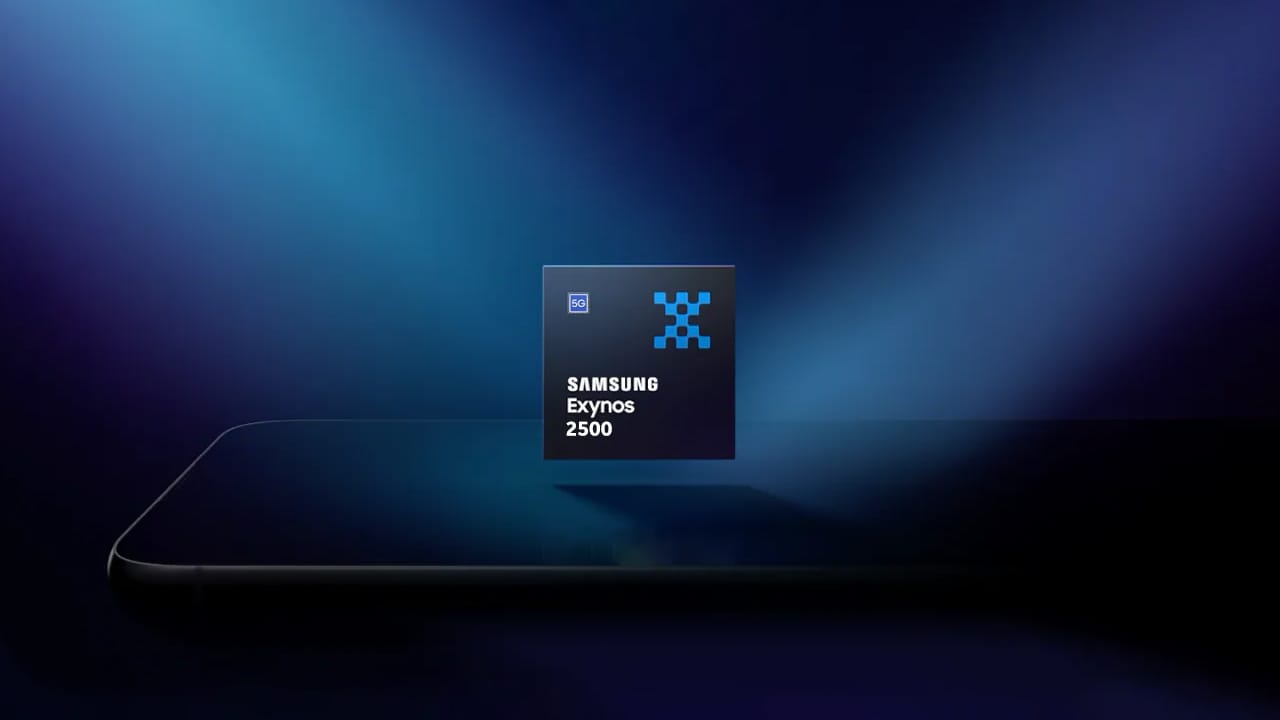
    At this point, that’s about the extent of the information available. If a partnership does come to fruition, it’ll likely take some time. The Exynos 2500, which is set for release in 2025, has already completed its initial development phase, with some early samples already seen in circulation. This leaves us looking forward to its next version, the Exynos 2600, codenamed Thetis, which has also started its developmental journey. It remains unclear whether this chip will utilize Samsung’s 2 nm SF2 technology.

    Speculation and Reality

    Naturally, there’s a good chance that this rumor could be mere speculation. However, considering the current situation of Samsung Foundry, it doesn’t seem entirely out of the question. It’s not likely this will happen anytime soon, especially since Samsung Foundry is still part of Samsung Electronics, which creates potential conflicts. Nonetheless, the scenario could shift if it were to become a separate entity in the future.

    @Jukanlosreve on X

  • New Apple Mac Mini to Feature Replaceable SSDs

    New Apple Mac Mini to Feature Replaceable SSDs

    The new Mac mini has officially arrived, featuring Apple’s M4 ($579.99 currently on Amazon) and M4 Pro processors. As mentioned in earlier discussions, Apple has revamped the design of this mini-PC, leading to an unconventional placement for the power button.

    Removable Storage Capabilities

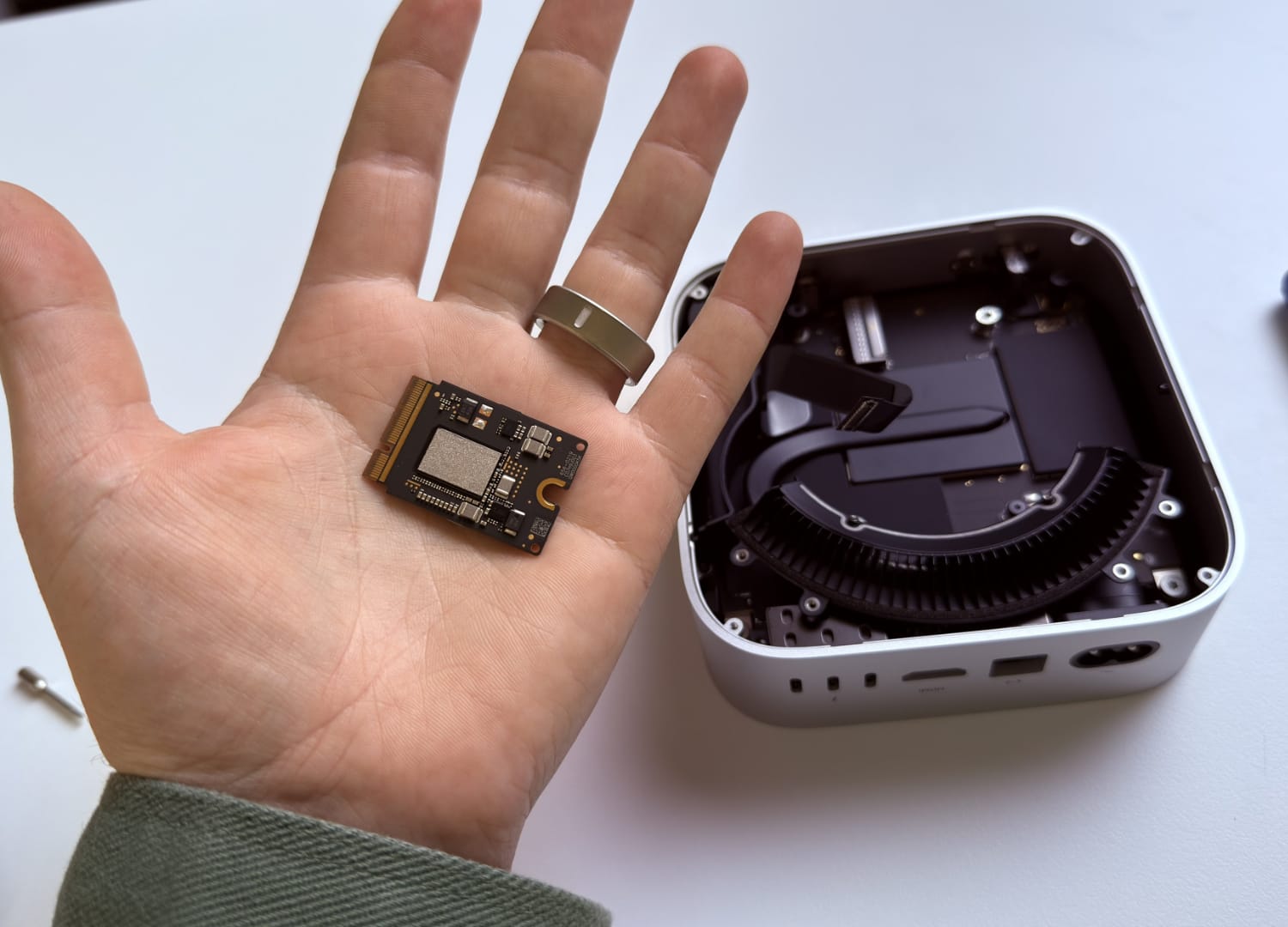
    Interestingly, this updated model allows for removable storage, which is a departure from past Apple M-based versions. In this way, the new Mac mini shares similarities with the Mac Studio. However, Apple continues to use proprietary storage formats instead of standard M.2 2230 or M.2 2280 SSDs.

    While expanding storage on the new Mac mini is feasible, it involves technical complexities. That said, things could change in the future. Recently, Polysoft Services rolled out the first range of third-party drives for the Mac Studio, which we have previously reported on.

    SSD Module Compatibility

    In brief, these ‘Studio Drive’ SSDs won’t work with the newest Mac mini. PolySoft Services is looking to support this mini-PC sometime down the line. Although they haven’t provided an exact release date, they shared these comments online:

    Last week brought an unexpected delight: like many, we were thrilled to learn that the new Mac mini M4 has a replaceable SSD module capacity of up to 2TB, while the M4 Pro can accommodate an SSD module of up to 8TB.

    These modules are not only physically distinct from one another but also differ from the modules for our Mac Studio M1 and M2. Nevertheless, they are nearly identical in terms of electronic specifications, so we are already gearing up to work on them, benefiting from our existing knowledge of the Mac Studio modules!

    Future Plans for SSD Modules

    Of course, our primary focus will be on delivering modules for the Mac Studio, but we are also commencing work on the Mac mini M4 modules.

    It’s a bit premature to confirm, but we’re likely to initiate another campaign for SSD modules for the Mac mini M4 and M4 Pro when we have a functional prototype ready for those models!

    Kickstarter, Quinn Nelson – Image credit

  • EVO-X1 Mini-PC: GMKtec Reveals OCuLink & USB4 Features

    EVO-X1 Mini-PC: GMKtec Reveals OCuLink & USB4 Features

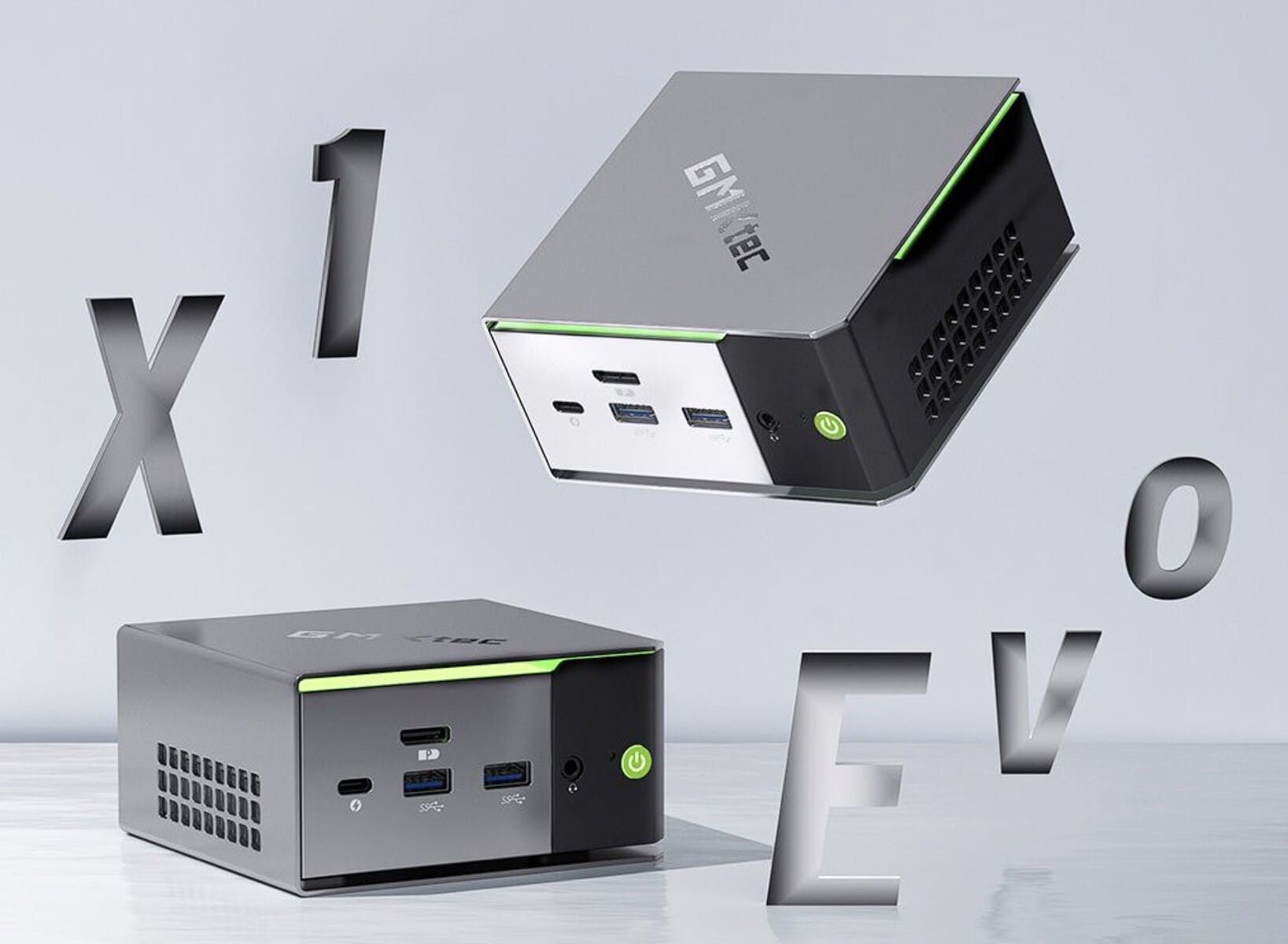
    GMKtec has recently shared all important information regarding its upcoming mini-PC, just a few weeks after its initial showcase. While the price and availability of the EVO-X1 are still not disclosed, it is clear that this mini-PC will utilize AMD’s Ryzen AI 9 HX 370 APU along with the integrated Radeon 890M iGPU.

    Performance Specs

    In simpler terms, the GMKtec EVO-X1 is expected to have similar peak performance capabilities as other mini-PCs powered by the Ryzen AI 9 HX 370, such as the Beelink SER9, which is currently priced at $999 on Amazon. To give you an idea, the Ryzen AI 9 HX 370 is built on a 4 nm architecture and features four AMD Zen 5 CPU cores that can go up to 5.1 GHz, in addition to eight Zen 5c cores that are limited to 3.3 GHz. It has a total design power (TDP) of 28 W with a performance limit of 54 W.

    Enhanced Power Potential

    Interestingly, GMKtec asserts that the EVO-X1 will have a peak TDP of 70 W, which might enhance its performance capabilities. It’s worth mentioning that content creators like The Phawx have shown that the Ryzen AI 9 HX 370 and Radeon 890M tend to be more constrained by memory than by power availability. Regardless, GMKtec has also incorporated OCuLink and USB4 ports for connecting external graphics cards, which could substantially improve gaming experiences.

    Additional Features

    In addition, the EVO-X1 is set to come with a maximum of 32 GB of LPDDR5x-7500 RAM and PCIe storage options. The mini-PC also includes two 2.5 Gigabit Ethernet ports, four USB Type-A ports, and two specific video outputs. It is likely that GMKtec will announce further information about the EVO-X1 in the upcoming weeks ahead of its worldwide launch.

    GMKtec via ITHome & Liliputing


  • Honor MagicBook Art 14 with Snapdragon X Elite Launches in China

    Honor MagicBook Art 14 with Snapdragon X Elite Launches in China

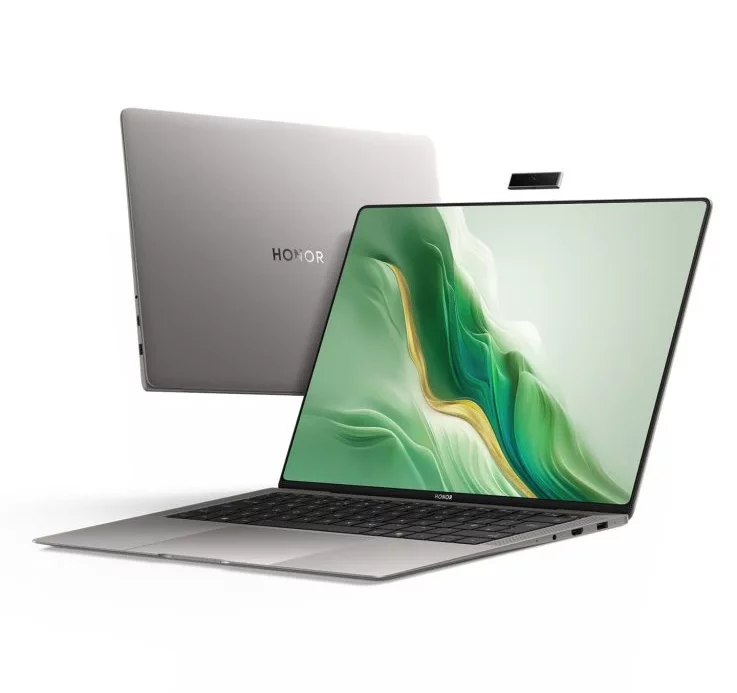
    Honor has launched its latest laptop, the MagicBook Art 14 Snapdragon, which is equipped with Qualcomm’s Snapdragon X Elite X1E-80-100 chipset. This device was first unveiled at IFA 2024 in Berlin and reflects Honor’s dedication to creating AI-centric, energy-efficient products that cater to both professionals and everyday users.

    Display and Build Quality

    The MagicBook Art 14 Snapdragon boasts a 14.6-inch OLED screen that offers a 3.1K resolution (3120 x 2080 pixels) and an impressive 97% screen-to-body ratio due to its sleek bezels. With a thickness of just 10mm and weighing only 1 kilogram, it has a robust construction made from magnesium and aluminum alloy, which adds to its premium appeal.

    Performance Specifications

    Equipped with the Qualcomm Snapdragon X Elite chipset, this laptop features 12 cores that can reach speeds of up to 4.0GHz. It supports up to 32GB of RAM and 1TB of storage, making it capable of handling multitasking and intensive applications efficiently. Additionally, the AI-enhanced NPU provides as much as 45 TOPS of AI computing power, enabling it to manage complicated tasks with ease.

    Battery Life and Privacy Features

    With Honor’s OS Turbo 3.0 technology, the MagicBook Art 14 Snapdragon optimizes battery performance, allowing up to 15.22 hours of 1080p video playback on just one charge. For added privacy, it comes with a detachable magnetic webcam that can be stored away when not in use and easily attached for video calls or content creation.

    Software and Connectivity

    The laptop operates on Honor’s MagicOS system, which facilitates smooth integration with other Honor devices. The MagicRing feature allows for multi-device control using a single set of peripherals. Furthermore, it includes the AI Eraser tool that was first introduced with the Magic V3 smartphone, enabling users to easily eliminate unwanted elements from their photos.

    Pricing & availability

    At present, the MagicBook Art 14 Snapdragon is only available in China, with a price tag of CNY 8,499 (approximately $1,179) for the model that includes 32GB of RAM and a 1TB SSD. As Honor expands its global footprint, it is anticipated that this laptop will become available in additional markets soon.