Category: Computers

  • CheckMag: OpenWRT Router with Tailscale, Docker, and WireGuard

    CheckMag: OpenWRT Router with Tailscale, Docker, and WireGuard

    It’s really frustrating when companies decide to stop supporting hardware that still works well. I guess it’s all about making money, and keeping old devices on the list doesn’t really help their profits. But routers are a key part of anyone’s home network. They connect many devices to the internet and protect you from online threats. If a router stops getting updates, it can become a security risk. So, what should you do when you see that dreaded “end of life” notification?

    Most people will likely just buy a new router. However, there are various custom firmware options for consumer routers that can help extend their lifespan. Some of these include FreshTomato, DD-WRT, and OpenWRT.

    Updating a router with new firmware is not as difficult as it sounds, but it really depends on which router you have. If you don’t follow the instructions precisely, you could end up with a useless device. For my R7000, there seemed to be only one developer providing DD-WRT support, and generally, DD-WRT is seen as quite disorganized. OpenWRT works, but it only allows access to the 2.4 GHz bands because of Broadcom’s closed-source drivers. FreshTomato looked like a good option, but I was worried about breaking the device and losing internet access, which made me look for alternatives.

    This led me to wonder, which router is the best for OpenWRT? I wanted a router that would still be functional, even if the manufacturer stopped supporting it, thanks to the community. I found a helpful Reddit thread with a lot of upvotes, which pointed me to this product:

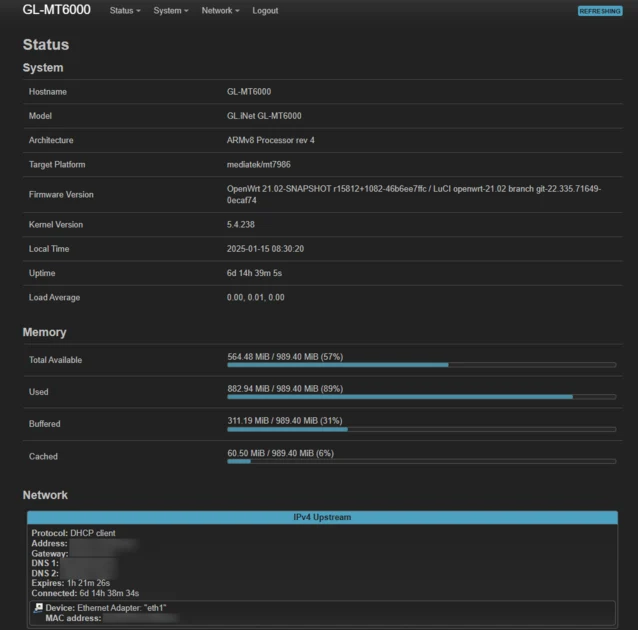
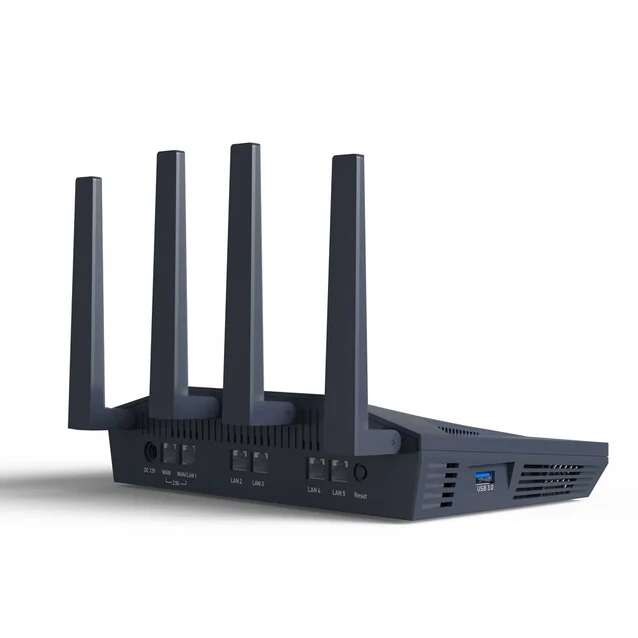
    The GL-iNet MT6000, also known as Flint 2, is a Wi-Fi 6 router that allows you to flash OpenWRT using the original manufacturer’s update tool. It comes with Wi-Fi 6 radios, two 2.5 gigabit Ethernet ports that can be set up in various ways (unlike some brands that only offer 2.5 gigabit on the WAN port), four gigabit Ethernet ports, one USB 3 port, a quad-core MediaTek chip, 1 GB of DDR4 RAM, and a full 8 GB of eMMC storage.

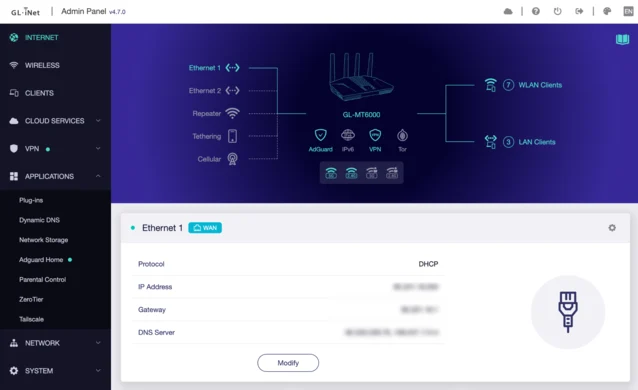
    The hardware specs are impressive, but the real strength of the Flint 2 is its software. GL-iNet offers a modified version of OpenWRT, which supports many features that were previously only available through Docker containers on my home server. This includes AdGuard, WireGuard, OpenVPN, Tor, Tailscale, ZeroTier, a free DDNS service (that doesn’t make me verify my account monthly), parental controls, and network storage, among others.

    While the software looks much better than standard OpenWRT, it does have an older Linux kernel and some outdated packages. You can opt for the beta version that features kernel 6.6, and you can also grab the stock version of OpenWRT from their site. Of course, you can always get it straight from OpenWRT too.

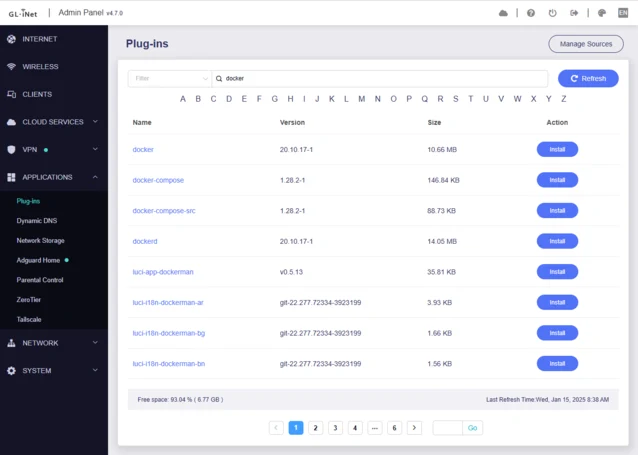
    But wait, there’s more! You might be wondering what a router needs with 8 GB of built-in eMMC. This is where OpenWRT plug-ins come into play.

    The plug-ins section enables you to install nearly any compatible package for the router. This includes Docker, which allows for a ton of additional features. You can even set up Rclone to connect to a cloud storage service like Google Drive and use FreeFileSync in a container to back up or sync any SMB shares on your network or the cloud. Plus, you can use the USB 3.0 port to hook up an external drive and share files across devices. However, since there’s no redundancy, this would be best as a backup target for a NAS, which is totally doable.

    While it’s not the latest router and doesn’t include Wi-Fi 6E or Wi-Fi 7, lacks 10 gigabit Ethernet, and doesn’t look like a mechanical spider ready to invade your home, it’s still a fantastic option. There’s a good chance this model will be replaced by a newer version this year, but at $159 (found on Amazon), it offers great value considering its features, and the OpenWRT support should keep it relevant long after GL-iNet stops updating it.

    Source:
    Link

  • ASUS and Zepto: Get Premium Peripherals Delivered Fast in India

    ASUS and Zepto: Get Premium Peripherals Delivered Fast in India

    To cater to the needs of today’s consumers in India, ASUS is tapping into the booming quick commerce sector. The company is partnering with Zepto, a well-known player in this field, to offer speedy delivery of select premium accessories and peripherals.

    ASUS and Zepto Team Up for Fast Delivery

    On January 15, 2025, the Taiwanese technology leader revealed its collaboration with Zepto, a rapid delivery service. This initiative will enable ASUS to send out accessories such as mice and keyboards within minutes to key cities including NCR, Mumbai, Chennai, and Bengaluru. With this partnership, premium peripherals will now be at your doorstep in no time.

    Available Accessories

    The selection of available products features the ASUS Marshmallow Keyboard KW100 (offered in Oat Milk and Green Tea Latte colors), ASUS Marshmallow Mouse MD100 (available in Blue and Gray), ASUS MW203 Multi Device Wireless Silent Mouse in Black, and the ASUS T300 Mouse in Black. Interestingly, over 30 percent of urban consumers in India have started using quick commerce platforms like Zepto for purchasing tech items.

    Future Plans for Expansion

    ASUS is utilizing Zepto to enhance its market presence. With metro cities being key areas for quick delivery services, having prompt access to essential accessories is beneficial for consumers. According to the official statement, this partnership marks ASUS’s entry into the world of quick commerce. In the future, the company also aims to collaborate with other popular platforms like BlinkIt and Instamart. This means that soon, you can look forward to finding ASUS products on all major quick delivery applications.

  • Arm Plans Price Hike, Raising Concerns in Chip Industry

    Arm Plans Price Hike, Raising Concerns in Chip Industry

    Arm Holdings is making bold moves in the semiconductor sector to enhance its revenue and market power. The company plans to raise royalty rates for certain chip designs by as much as 300%, aiming to generate an extra $1 billion every year over the next ten years. This effort, called the “Picasso” project, centers on the new Armv9 architecture and targets clients that utilize off-the-shelf chip designs.

    Revenue Comparisons

    In the fiscal year 2024, Arm reported revenue of $3.23 billion, which is quite small compared to that of major clients such as Apple. In fact, Apple’s earnings from devices powered by Arm technology are more than 90 times greater. To close this gap, Arm is pondering a major transition by starting to design and produce its own chips. Should this happen, Arm would be competing directly with its biggest clients like Qualcomm and Apple.

    Potential Risks

    The idea of entering the chip manufacturing arena has sparked concerns among both customers and industry analysts. Arm’s potential chip offerings include chiplets, which are tiny components that can be combined into larger processors. However, this approach risks alienating essential customers, who might retaliate by creating their own chips and leaning less on Arm’s existing solutions. Qualcomm has already begun to lessen its dependency on Arm’s technology.

    Arm has been looking into these strategies since 2019, as revealed by internal discussions and court records. CEO Rene Haas has been quite vocal about the need for change, showing frustration with the company’s heavy reliance on major clients and advocating for more control over its technology.

    Support and Challenges

    SoftBank Group, which holds 90% of Arm, has backed these ambitious expansion plans. Nevertheless, the strategy is not without challenges. Increasing royalty rates and going head-to-head with clients could disrupt long-term relationships. Additionally, Arm is up against rival chip designers who might take advantage of any dissatisfaction among current customers.

    In a recent legal battle, Arm accused Qualcomm of violating licensing agreements, but a jury in the U.S. sided with Qualcomm. This outcome might encourage other customers to consider options outside of Arm’s technology.

    While Arm’s new plan seeks to transform the semiconductor landscape and increase revenue, its success hinges on balancing growth with the need to keep customer trust intact. The company’s daring ambitions could reshape its position within the industry, but they also involve considerable risks.

  • Qualcomm Snapdragon 8s Elite: Competing Devices & Launch Timeframe

    Qualcomm Snapdragon 8s Elite: Competing Devices & Launch Timeframe

    The Qualcomm Snapdragon 8s Elite, also known as SM8735, has recently caught some eyes after being listed on Geekbench, showcasing impressive performance stats. An early listing showed its advanced CPU design includes one Cortex-X4 core running at 3.21GHz, three Cortex-A720 cores at 3.01GHz, two more Cortex-A720 cores clocked at 2.8GHz, and two energy-saving Cortex-A520 cores operating at 2.02GHz. Additionally, it comes with an Adreno 825 GPU that runs at 1100MHz. According to Geekbench, the single-core performance is around 1900 points, while the multi-core performance is close to 6000 points, suggesting that this chipset is still being fine-tuned and could see further improvements.

    Snapdragon 8s Elite Overview

    When comparing the Snapdragon 8s Elite with the Snapdragon 8s Gen 3, the Elite offers a notable upgrade in its CPU setup. With its powerful Cortex-X4 core clocked at 3.21GHz, it is expected to deliver superior single-thread performance. The multi-core performance also benefits from the additional high-performance cores, likely exceeding the capabilities of the 8s Gen 3. However, while the Adreno 825 GPU is newer, it may not provide a huge advancement in graphics, as the emphasis remains on CPU efficiency and overall performance.

    Comparing Snapdragon 8s Elite and Snapdragon 8 Gen 3

    The differences between the Snapdragon 8s Elite and the Snapdragon 8 Gen 3 are more significant. The 8 Gen 3 is equipped with a stronger Cortex-X4 core, extra high-performance Cortex-A720 cores, and an Adreno 750 GPU, making it better suited for gaming and demanding visual tasks. While the 8s Elite is efficient, it falls short of the raw power and GPU capabilities of the 8 Gen 3, making it a solid mid-range choice instead of a direct rival to Qualcomm’s leading chipset.

    Snapdragon 8s Elite Compared to Snapdragon 8 Elite

    The Snapdragon 8 Elite represents a major step forward for Qualcomm, featuring custom Oryon cores that are anticipated to outperform the 8s Elite’s ARM-based cores in both single and multi-core tasks. With higher clock speeds and a more sophisticated GPU, the 8 Elite would likely surpass the 8s Elite in benchmarks and real-world applications, particularly in gaming and artificial intelligence tasks.

  • TSMC Approved for U.S. 2nm Chip Production Amid Taiwan Tech Easing

    TSMC Approved for U.S. 2nm Chip Production Amid Taiwan Tech Easing

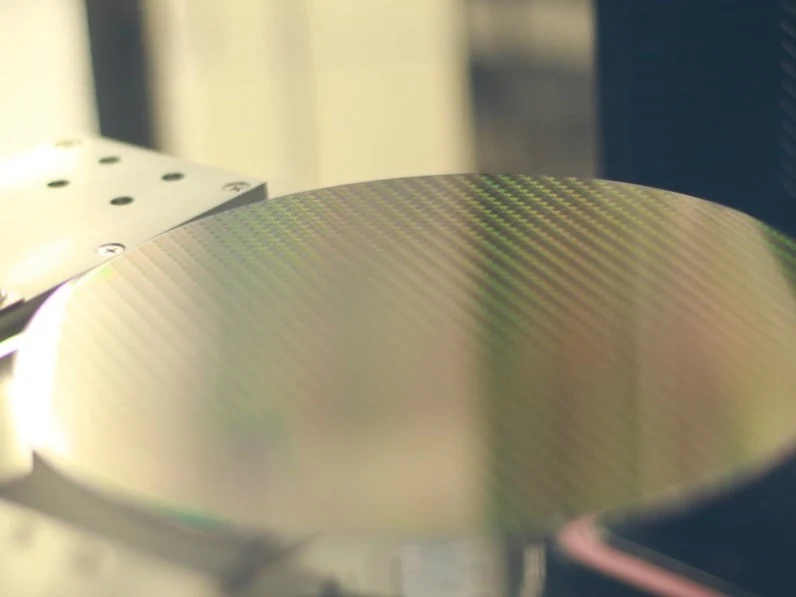
    Taiwan’s Ministry of Economic Affairs has removed the restrictions that previously prevented TSMC from producing 2-nanometer chips in its overseas factories. This change is a significant shift from past rules that required foreign production to lag at least two generations behind domestic advancements.

    “Those were outdated regulations. The world has evolved,” remarked Minister of Economic Affairs J.W. Kuo during a press conference. “Private companies ought to make their own strategic decisions based on their technological advancements.”

    TSMC’s Expansion Plans

    This decision aligns with TSMC’s growth in Arizona, where total investments might exceed $65 billion. The company’s second fabrication plant is expected to begin producing 2nm and 3nm chips by 2028, after the first plant starts 4nm chip production in early 2025.

    Additionally, TSMC’s third facility in Arizona, which is set to be finished by the end of the decade, aims to focus on 2nm or more advanced technologies. Despite these new regulations, Minister Kuo noted that TSMC will be careful about investing the substantial $28 to $30 billion needed to establish a 2nm factory.

    Strengthening Global Partnerships

    This policy adjustment is part of Taiwan’s broader initiative to strengthen the global chip supply chain. In the coming year, the Ministry of Economic Affairs will concentrate on forming alliances with countries such as the United States, Germany, Japan, and the Philippines. They are also planning to establish an office in Fukuoka, Japan, to assist semiconductor-related businesses near TSMC’s forthcoming Kumamoto site.

    This change occurs as Taiwan updates its “Silicon Shield” strategy, which previously restricted the country’s advanced chip production to maintain a technological lead. The government recognizes the evolving semiconductor landscape, particularly with 60 percent of the world’s chip design companies being located in the U.S.

    Source:
    Link

  • China’s RISC-V Processor Project Aims for 2025 Launch with High Goals

    China’s RISC-V Processor Project Aims for 2025 Launch with High Goals

    The Chinese Academy of Sciences (CAS) is set to introduce its XiangShan open-source processor in 2025. This development represents a significant step in China’s efforts to create more domestic chips. Bao Yungang, the deputy director at the Institute of Computing Technology, shared this timeline in a recent Weibo post, emphasizing their steady progress in high-performance computing.

    Progress on XiangShan Initiative

    The XiangShan project was initiated by CAS in 2019, and it has achieved notable advancements with its third-generation architecture, named Kunminghu. Leaders of the project claim that this new architecture can offer performance within approximately 8 percent of Arm’s Neoverse N2 CPU core. This puts it close to being suitable for applications in cloud computing, high-performance computing (HPC) systems, and machine learning tasks.

    Focus on Optimization

    In 2024, the development team concentrated on enhancing Kunminghu’s efficiency regarding area and power usage. The processor features several parallel processing units that handle integer, floating-point, and vector operations, along with out-of-order execution capabilities. Simulations indicate that it can operate at speeds reaching up to 3GHz.

    Comparison with Previous Chips

    The earlier version, known as the Nanhu chip, was manufactured using a 14nm process node and could reach clock speeds of up to 2GHz. Launched in late 2023, Nanhu represented the project’s second generation of silicon technology.

    RISC-V and Licensing

    XiangShan utilizes the RISC-V instruction set licensed under the Mulan PSL-2.0, which grants users royalty-free rights to modify and use the design. This approach contrasts with the traditional licensing models provided by major companies like Arm and could potentially reshape the future of processor design, much like how Linux transformed the industry.

    Increasing Scrutiny

    Despite the advancements, the XiangShan project is facing increased scrutiny from the United States as China continues to embrace RISC-V technology. Recently, the U.S. Commerce Department has been evaluating possible security issues. Google has even taken steps to remove RISC-V support from the Android kernel, which could pose challenges for any upcoming RISC-V-based smartphones.

    Source:
    Link

  • Lenovo Exec Suggests Slow Thunderbolt 5 Adoption in Laptops

    Lenovo Exec Suggests Slow Thunderbolt 5 Adoption in Laptops

    Intel first unveiled Thunderbolt 5 in September 2023, but the industry has been slow to adopt the new standard. Things started to change at CES 2025, where manufacturers like Asus and Sparkle showcased their first external GPU (eGPU) solutions that utilize Thunderbolt 5 technology.

    eGPU Advancements

    Asus’s new 2025 XG Mobile eGPU boasts a Thunderbolt 5 link that can deliver up to 64 Gbps of bandwidth, surpassing its predecessor and USB4, while matching the performance of OCuLink. Meanwhile, Sparkle has not disclosed the specific bandwidth for its Thunderbolt 5 port in the Studio-G Enclosure eGPU, but it is widely assumed to reach speeds of up to 120 Gbps, which is the maximum speed for the standard.

    Slow Adoption in Laptops

    Despite the promising launch of these Thunderbolt 5 products, the integration of this technology into laptops has been sluggish. A product manager from Lenovo ThinkBook expressed skepticism about rapid adoption, stating in a Weibo post that it is “still early” for Thunderbolt 5 ports to become common in systems. Currently, a 3.3 feet Cable Matters Thunderbolt 5 cable is priced at $32.99 on Amazon.

    Current Laptop Options

    The 2024 Razer Blade 18 was the first laptop to feature a Thunderbolt 5 port, making its debut in April of last year. Other significant options include the Maingear ML-17 and the Schenker KEY 17 Pro, along with the 14-inch and 16-inch MacBook Pro models equipped with M4 Pro and M4 Max chips. According to Lenovo’s executive, these are the primary choices available right now, and it seems that new additions to the market will be limited in the near future.

    Source:
    Link

  • Lenovo Yoga 2-in-1 Leak Hints at Nvidia N1x Arm CPU with MediaTek

    Lenovo Yoga 2-in-1 Leak Hints at Nvidia N1x Arm CPU with MediaTek

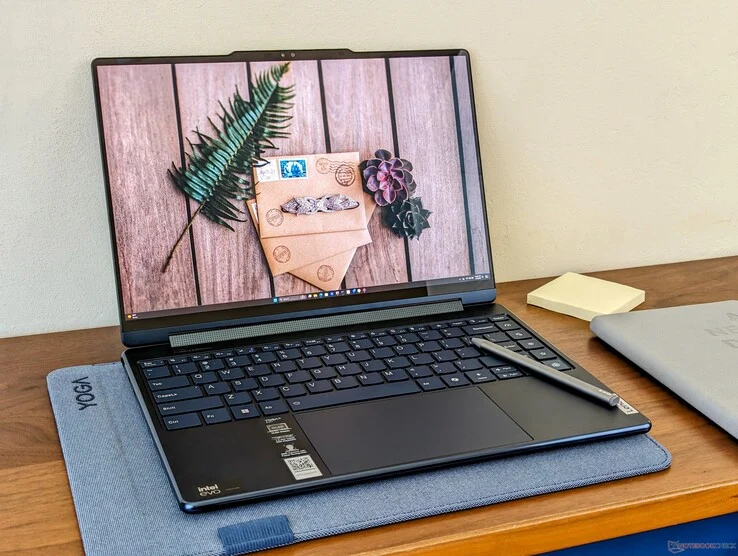
    Windows on Arm has made notable strides lately, particularly in power efficiency and user experience, thanks to the new Qualcomm Snapdragon X Elite CPU family. If a recent leak from Lenovo is accurate, it appears that Nvidia may also be entering the Windows on Arm ecosystem alongside this mobile computing leader.

    Nvidia’s Entry into the Market

    A job listing that has since been taken down from Lenovo’s job board, along with the naming convention for a forthcoming Lenovo Yoga 2-in-1 laptop, suggests that Nvidia is preparing to introduce an Arm System on Chip (SoC) designed for Windows mobile devices.

    The job posting, which was highlighted by @_h0x0d_ on X, sought a software engineer to engage in “New SoC NV N1x in-house design & development” in China. This indicates that Lenovo may already be in the early stages of developing a laptop powered by Nvidia technology.

    Details on the Upcoming Laptop

    Further details from another Lenovo leak narrow down the specifics, implying that the Yoga 2-in-1 model could be among the first to feature Nvidia’s new Arm SoC. The device’s model number supposedly includes “N1X” in its platform code. While performance metrics are yet to be revealed, it is anticipated that efficiency will be a major focus for Nvidia.

    Interestingly, there are talks that this new SoC might incorporate Nvidia’s latest RTX 5000 “Blackwell” GPU architecture within its integrated GPU. This could position the SoC as a contender for future handheld gaming consoles, potentially competing with products like the Asus ROG Ally (currently priced at $499.99 at Best Buy).

    Additional Insights and Future Launch

    Additional speculation from @AnhPhuH on X sheds more light on the forthcoming SoC. Unlike the Nvidia Tegra T239 that is believed to be powering the anticipated Nintendo Switch 2, the new Nvidia N1x SoC will reportedly be developed in partnership with MediaTek. Anh Phu also mentioned that the unveiling of this Nvidia SoC is likely to occur at Computex 2025, which is expected to be held from May 20–23 this year.

    Source:
    Link

  • Asus NUC 14 Pro AI+: Unique E-Ink Display and Stunning Design

    Asus NUC 14 Pro AI+: Unique E-Ink Display and Stunning Design

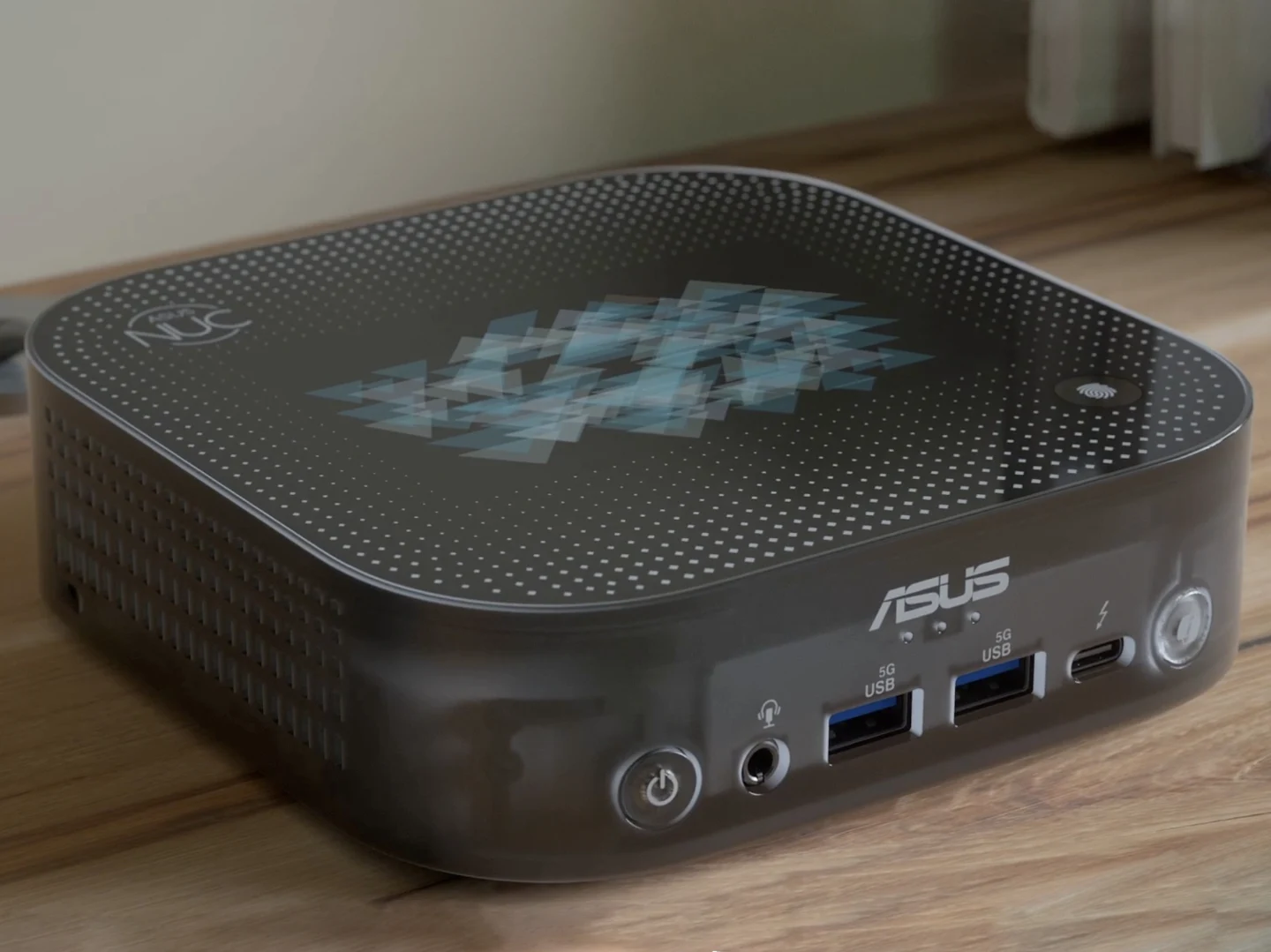
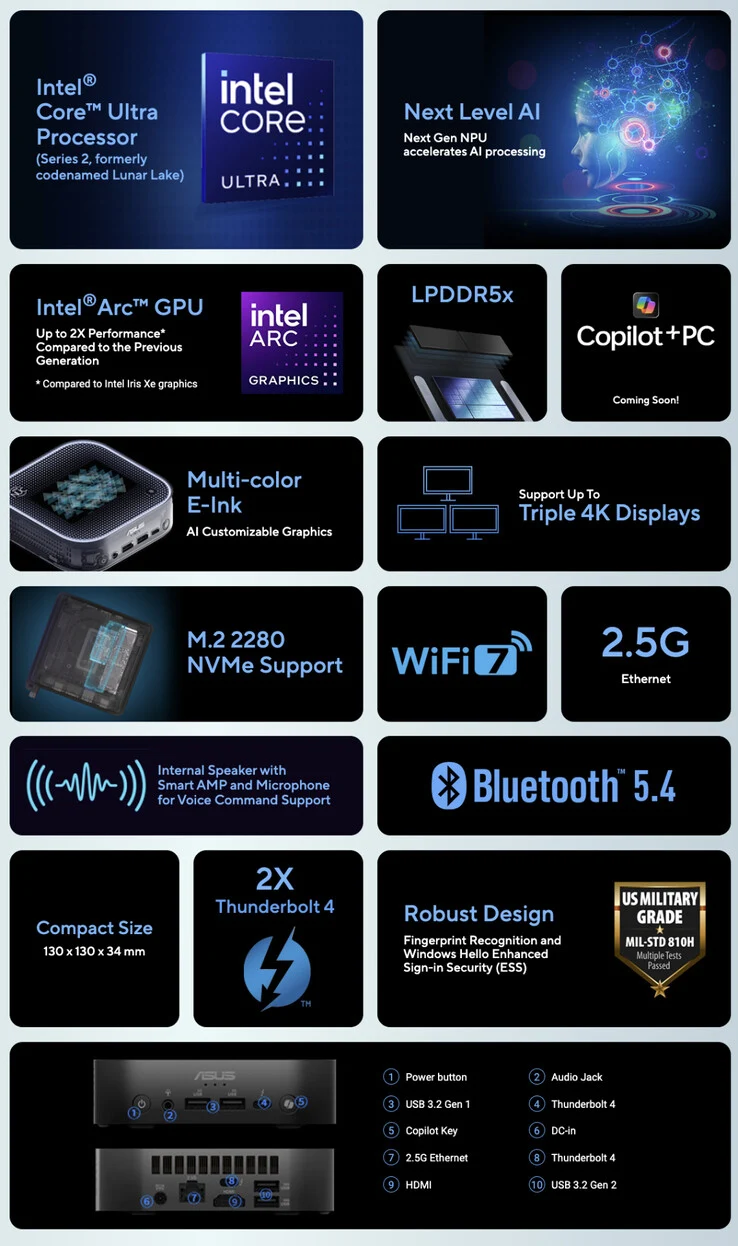
    Asus has unveiled the NUC 14 Pro AI+ mini-PC, presenting yet another version of a similar device that was first introduced at the end of December. Like the NUC 14 Pro AI, this new model is powered by Intel Lunar Lake processors, including the Core Ultra 7 258V and Core Ultra 9 288V. However, the NUC 14 Pro AI+ comes with several additional features that the standard model lacks.

    Design Differences

    One key difference is the NUC 14 Pro AI+’s translucent casing, which sets it apart from the solid black design of the standard NUC 14 Pro AI and its Intel Meteor Lake-based version, currently priced at $779 on Amazon. However, the bottom of the device maintains a simple black appearance, contrasting with the top.

    Unique Features

    In addition, Asus has incorporated an opaque top panel that houses an E-Ink display. This display allows for various customization options through a built-in app. It’s said that the content on this screen remains visible even when the device is powered off, and it does not emit harmful blue light.

    Connectivity and Pricing

    The mini-PC also includes modern connectivity options like Bluetooth 5.4, Thunderbolt 4, Wi-Fi 7, and M.2 2280 NVMe storage. Sadly, Asus has yet to announce when the NUC 14 Pro AI+ will hit the market or its pricing details. For further information, check the company’s official website.

    Source:
    Link


    Image 1
    Image 1
  • GPD Win Mini 2025 Launches Globally with New Colors and Design

    GPD Win Mini 2025 Launches Globally with New Colors and Design

    GPD has updated the Win Max 2 for 2025, featuring an AMD Ryzen AI 9 HX 370 APU and a powerful 64 GB of RAM. The company also announced that the Win Mini will receive similar upgrades, set to launch globally through Indiegogo in 2025.

    Not Just a Simple Upgrade

    This year’s update goes beyond just swapping the APU. According to a review by The Phawx, the new Win Mini is approximately 1 mm thicker and 4 mm wider compared to the 2024 version, which is currently priced at $1,185 on Amazon. This minor increase in size has made it possible for GPD to include an M.2 2280 SSD and a redesigned cooling system. Additionally, the Win Mini now comes in a fresh white color option, a departure from previous models.

    Pricing and Configurations

    The Win Mini 2025 starts at a price of $769 and comes with 16 GB of RAM and a 1 TB SSD, using the same Ryzen 7 8840U APU as last year. In comparison, the Ryzen AI 9 365 and Ryzen AI 9 HX 370 versions begin at $1,000, but they can be customized to have up to 64 GB of RAM. All models are expected to start shipping in March, and buyers have the option to add a GPD G1 eGPU for an extra cost of $610. Here’s a quick summary of the pricing and configurations available for the Win Mini 2025:

    Source:
    Link