Category: Computers

  • Gigabyte Brix Mini-PC Launches with Ryzen and Multiple Ports

    Gigabyte Brix Mini-PC Launches with Ryzen and Multiple Ports

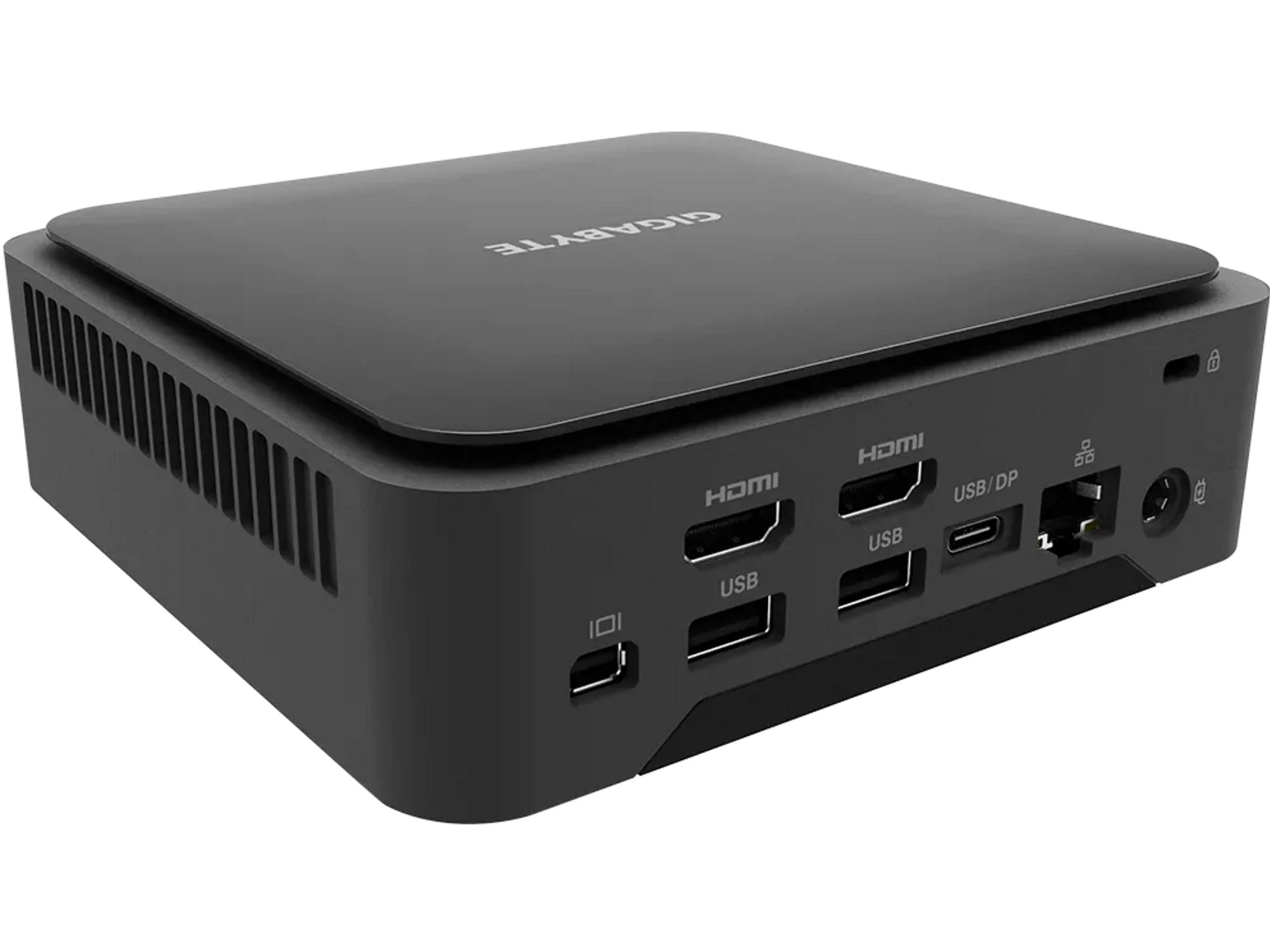
    Gigabyte has introduced a new compact PC known as the BRIX GB-BER7-8840. This device is equipped with the Pro version of the AMD Ryzen 7 8840U, which includes Radeon 780M graphics integrated into the chip. The processor features 8 cores that can hit speeds of up to 5.1 GHz while managing as many as 16 threads. According to Gigabyte, it supports up to 64 GB of 5,600 MHz DDR5 memory through its two RAM slots. Additionally, the mini-PC offers two M.2 2280 slots, each providing four PCIe 4.0 lanes for SSD installation. There’s also an M.2 2230 slot on the motherboard, typically used for wireless adapters equipped with Wi-Fi and Bluetooth.

    USB Connectivity and Display Options

    The Gigabyte mini-PC is loaded with USB options, presenting four USB 3.2 Gen 2 ports (including one USB-C) on the front and two USB 2.0 Type-A ports at the rear. On the back panel, there’s a USB4 interface that supports DisplayPort Alt Mode. Additionally, it provides two HDMI 2.1 outputs along with one Mini DisplayPort, making it easy to connect multiple high-resolution displays simultaneously. For network connectivity, the device includes an Ethernet port that can achieve a maximum transfer speed of 2.5 Gbit/s.

    Compact Design and Security Features

    This tiny computer measures 134.2 x 139.1 x 48.8 mm (5.3 x 5.4 x 1.9 in), allowing it to be mounted on the back of a monitor using the included VESA bracket. It also features a Kensington lock slot, which adds an extra layer of security against theft. However, Gigabyte has not yet provided details regarding the pricing and availability of the BRIX GB-BER7-8840.

    Source:
    Link
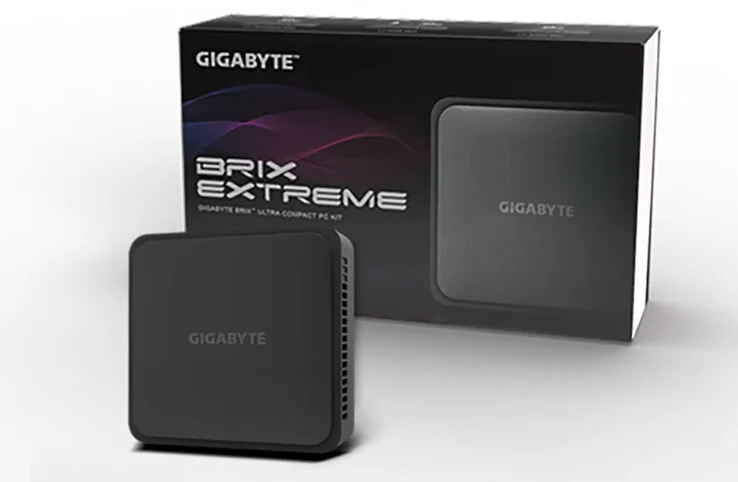

    Image 1
  • New USB Speed Labels Simplify Tech for Everyone

    New USB Speed Labels Simplify Tech for Everyone

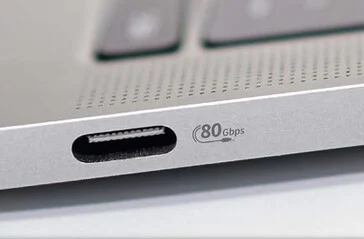
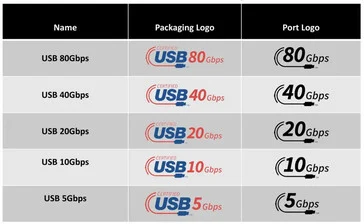
    The USB Implementers Forum (USB-IF) has introduced a new logo system that replaces complex terminology with easy-to-understand, speed-centric labels. Instead of using terms like “USB4 v2,” the new design prominently features transfer speeds, so devices will now be marked as “USB 80Gbps” or “USB 40Gbps.”

    Clearer Cable Standards

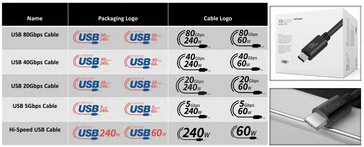
    This simplified approach is also seen in cables, which now emphasize both data transfer rates and power delivery capabilities. Cables that comply with the newest standards can indicate charging power of up to 240W—ideal for supporting more demanding setups such as multi-device charging stations.

    Addressing Consumer Confusion

    This change comes after a long period of confusion, particularly following the launch of USB 3.2 in 2017, which introduced terms like “Gen 2×2” and “SuperSpeed USB 20Gbps.” With prior labels such as USB 3.2 Gen 1 (5Gbps), Gen 2 (10Gbps), and Gen 2×2 (20Gbps), it was challenging for consumers to understand the specifications they were actually purchasing.

    Possible Industry Adoption

    Laptop manufacturers might follow suit as well. For example, Dell is reportedly looking into adopting these more straightforward port labels in its devices. The goal is to eliminate the need for customers to sift through specification sheets or study the fine print to ascertain which cable or device they ought to use.

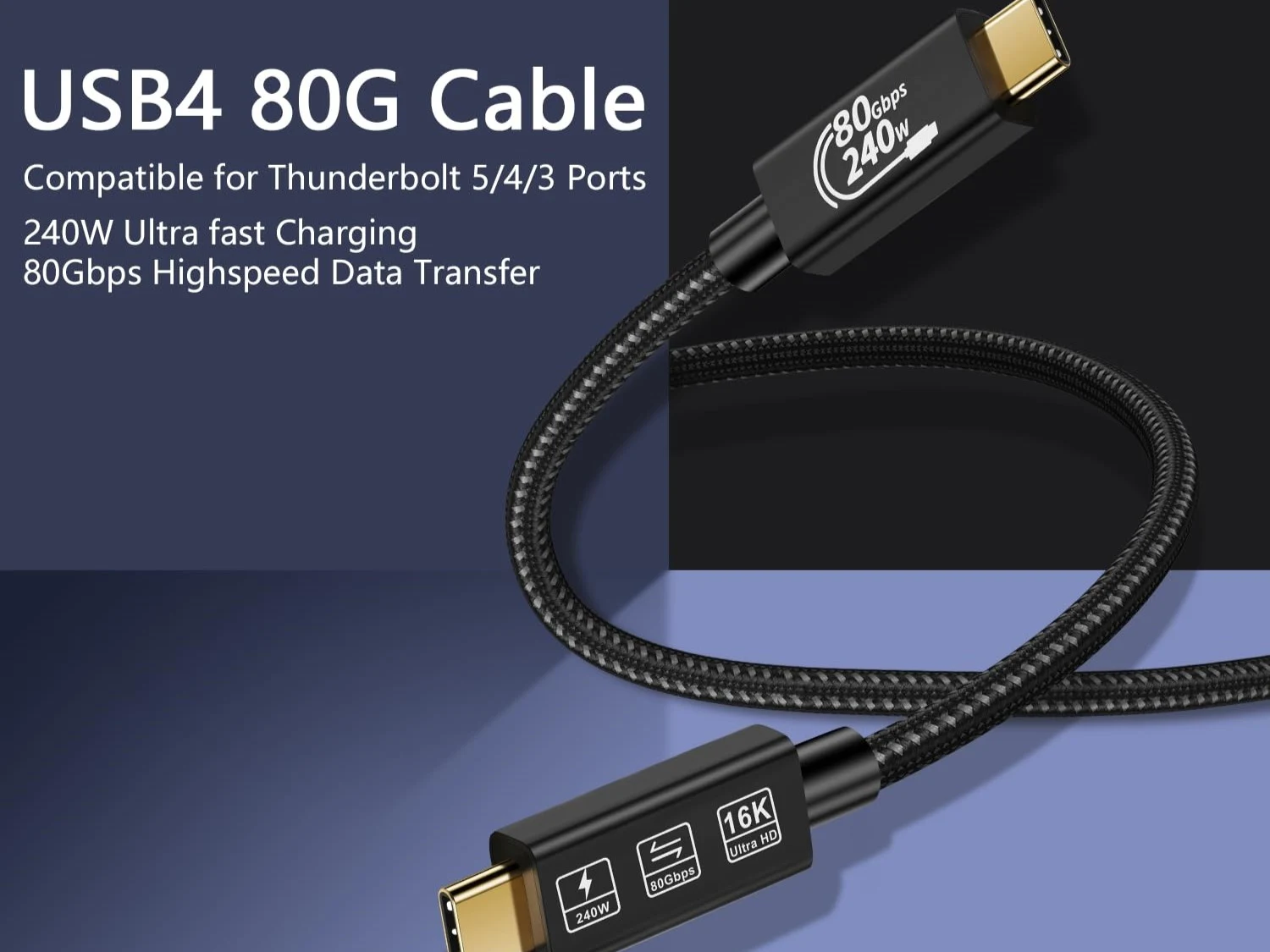
    As an instance, take a USB4 cable labeled “USB 80Gbps”: Chenlenic USB4 Cable.

    Source:
    Link


    Image 1
    Image 1
    Image 1


  • Bill Gates’ Nuclear Firm Reveals Progress on First Reactor

    Bill Gates’ Nuclear Firm Reveals Progress on First Reactor

    TerraPower, the nuclear innovation firm founded by Bill Gates, has reached a significant milestone in the creation of the pioneering Natrium reactor. The company announced that it has awarded essential contracts for the construction of the reactor’s enclosure system (RES), marking a vital step in the progress of the first advanced sodium-cooled fast reactor in the United States. Additionally, TerraPower has secured agreements to ensure a steady supply of high-assay low-enriched uranium for fueling the plant.

    Key Partnerships

    One of the main partners chosen for this initiative is Ensa, which will take on the production of the reactor head. This component is critical for maintaining the safety and operational effectiveness of the Natrium reactor, which aims to generate 345 megawatts (MW) of power. Notably, it will feature a sophisticated salt-based energy storage system that can swiftly ramp up output to 500 MW during peak demand periods.

    Additional Suppliers

    In addition to Ensa, several other suppliers have been contracted to provide essential parts for the Natrium reactor. Doosan Enerbility is tasked with delivering the core barrel, guard vessel, and internal supports, while HD Hyundai is responsible for creating the reactor vessel. Marmen will provide the rotating plug, which is a crucial element for the reactor’s functionality.

    The Natrium reactor, now being built in Kemmerer, Wyoming, merges a sodium-cooled fast reactor with an integrated salt-based energy storage system, presenting a flexible and dispatchable power option. This technology is expected to stabilize the power grid and support renewable energy sources. The reactor is anticipated to become operational by 2030, supplying energy to PacifiCorp’s electric grid.

    Commitment to Innovation

    Chris Levesque, who serves as the president and CEO of TerraPower, highlighted the significance of these collaborations in unlocking the potential of the Natrium reactor. “Putting together the right group of vendors to build the first reactor shows TerraPower’s dedication to commercializing this technology and ensuring that advanced nuclear power is essential in meeting the world’s increasing energy demands,” Levesque stated.

    As non-nuclear construction activities have already commenced at the Kemmerer site, TerraPower is on the verge of making history with the Natrium reactor, which represents one of the most exciting advancements in nuclear energy technology.

    Source:
    Link


  • Khadas Mind 2s: Intel Arrow Lake-H Mini PC with Stylish Design

    Khadas Mind 2s: Intel Arrow Lake-H Mini PC with Stylish Design

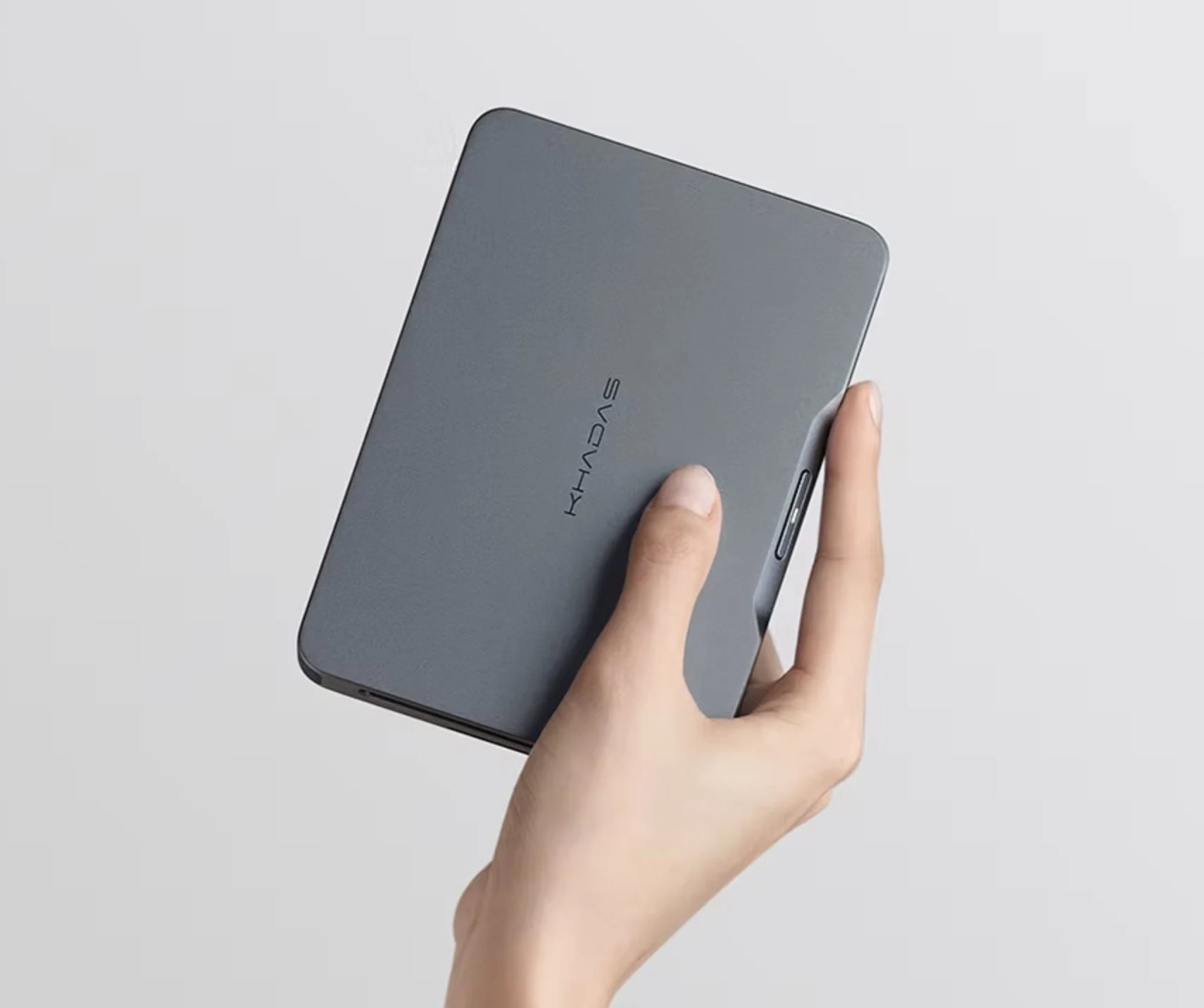
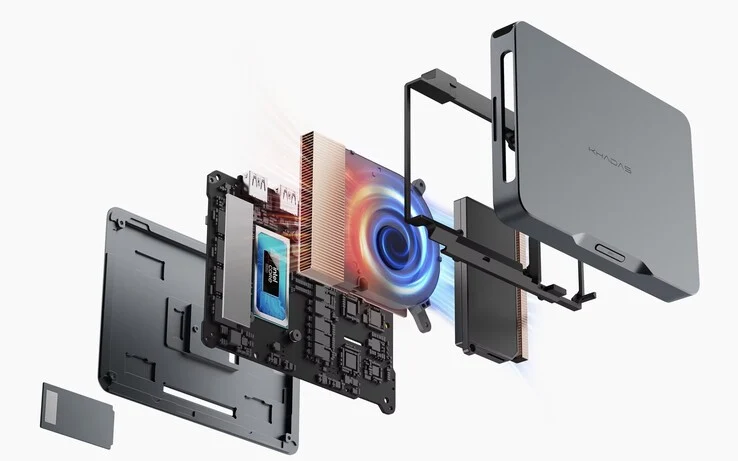
    The Khadas Mind 2s is an elegantly designed mini PC that features a remarkably slim chassis with various options for expansion. Originally launched last year, the Mind 2 came equipped with robust Intel Core Ultra 100H processors, and now it has been updated to include Arrow Lake-H chips.

    Enhanced Performance

    With this upgrade, the Mind 2s can be outfitted with the Core Ultra 7 255H CPU, which promises significant boosts in performance. This particular processor has a 16-core configuration, including 6 high-performance Lion Cove cores, 8 high-efficiency Skymont cores, and 2 additional low-power Skymont cores that operate at lower clock frequencies. In terms of performance, the Core Ultra 7 255H is comparable to the Ryzen AI 9 HX 370 “Strix Point” APU for single-core tasks and the Ryzen 9 7940HX “Dragon Range” chip for multi-core performance. The system can also support up to 64 GB of LPDDR5X-8400 memory and 2 TB of PCIe storage via its M.2 2230 slot. Plus, there’s another M.2 2230 slot for future upgrades.

    Connectivity Options

    While it does not come with dedicated graphics support, users can enhance their graphics capabilities by using the 256 GT/s Mind Link interface along with the separately available RTX 4060 Ti-equipped Mind Graphics eGPU. Weighing in at only 435 grams and measuring just 20 mm in thickness, the Mind 2s is among the most compact mini PCs on the current market. It also offers a good range of ports, including HDMI 2.1, Thunderbolt 4, USB4, and dual USB-A 3.2 Gen2 ports. For wireless connectivity, it supports Bluetooth 5.3 and WiFi 6E. Additionally, it features a built-in 5.55 Wh battery, which allows for up to 25 hours of standby time.

    Pricing Information

    The Khadas Mind 2s mini PC is set to launch next month, although specific pricing details are not yet available. For reference, the Mind 2 mini PC, which is powered by the Core Ultra 7 155H, is priced at $1,099, suggesting that the Mind 2s will likely be priced at a higher level.

    Source:
    Link


    Image 1
  • Clink-X xCraft: Modular Mini PC with Ryzen 7 260 APU Unveiled

    Clink-X xCraft: Modular Mini PC with Ryzen 7 260 APU Unveiled

    While many mini PCs on the market offer a good level of upgradeability, the Clink-X xCraft enhances this concept with its unique modular design. Although production has not yet begun, the features seem to be quite appealing for its intended users.

    System Specifications

    Before diving into the modular aspects, let’s discuss the system specifications. The xCraft will utilize AMD’s Ryzen 7 200 “Hawk Point” processors, including the powerful 45 W Ryzen 7 260, which boasts 8 cores and 16 threads, reaching a boost clock speed of 5.1 GHz. As expected, there’s no option for dedicated graphics just yet, so the xCraft will depend on the capable Radeon 780M integrated GPU, which includes 12 compute units. It features dual SODIMM slots supporting a maximum of 128 GB DDR5-5600 memory, along with two M.2 2280 slots for up to 4 TB of NVMe storage.

    Upgrade Modules

    According to WinFuture, the manufacturer Emdoor has plans for future upgrade modules that will dock externally with the base unit, adding features like more I/O options and dedicated graphics. As noted by Liliputing, the Clink-X xCraft has a sturdy metal frame, with top and side panels that attach magnetically for easy swapping. Inside, the motherboard comes with a soldered processor but can be upgraded by replacing the entire motherboard. While the specific upgrade paths remain unclear, the potential for enhancements exists.

    Compact Design and Pricing

    With dimensions of just 14.4 x 14.4 x 4.9 centimeters, the Clink-X xCraft mini PC is impressively small, which is expected given its moderate internal components. If Emdoor introduces adequate expansion modules, this system could certainly compete well in the mid-range mini PC market. However, with a starting price set at $500 for the barebones version, the Clink-X might be perceived as a bit pricey.

    Source:
    Link


    Image 1
  • N5 Pro: High-Performance Network Storage with AMD CPU and Ports

    N5 Pro: High-Performance Network Storage with AMD CPU and Ports

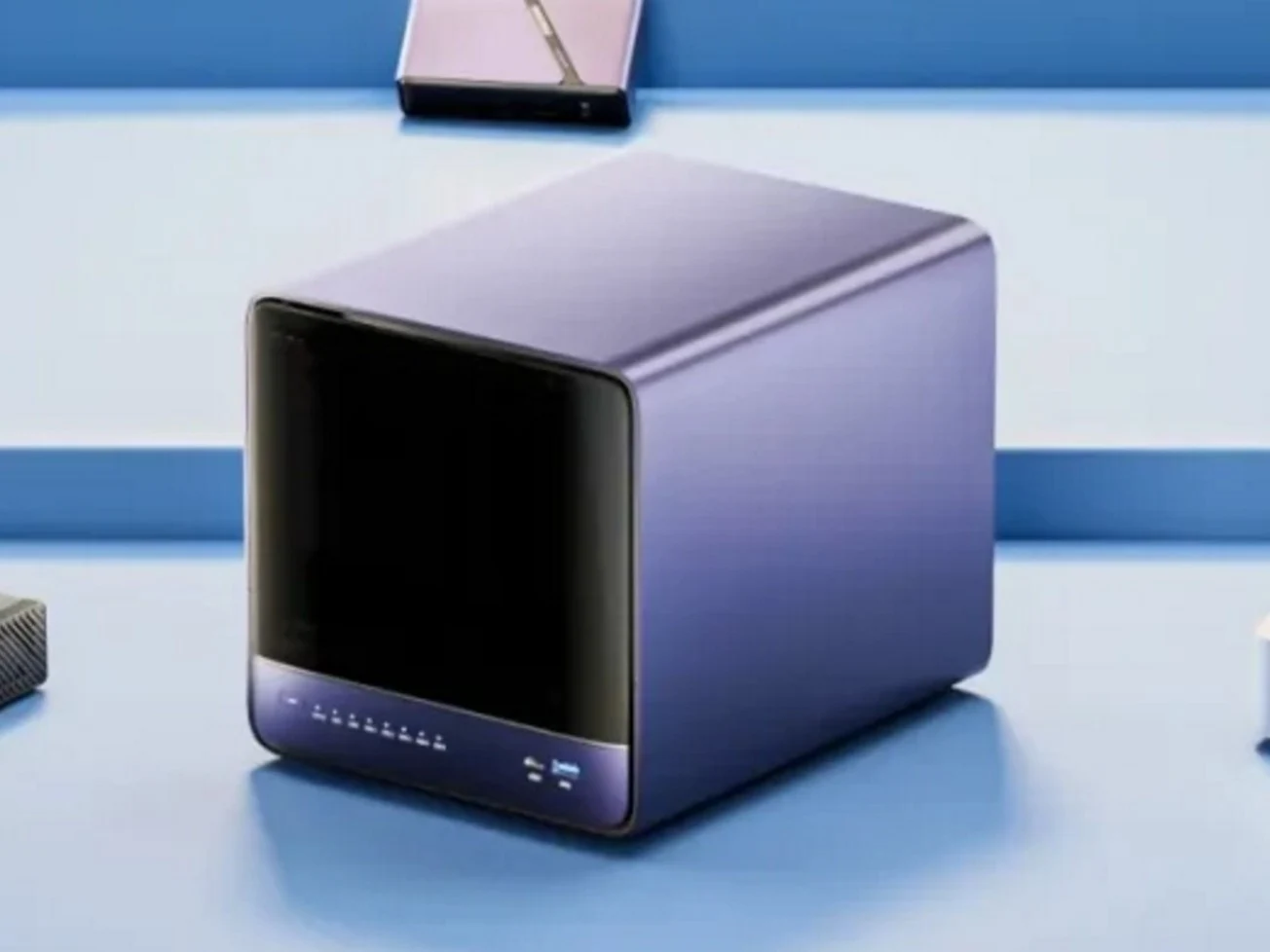
    Minisforum is already a prominent name in the mini PC market, offering a diverse range of models from the UN100P to the AtomMan G7. Recently, the company has expanded its lineup with the introduction of a new network storage device called the N5 Pro. A quick look at its specifications indicates that it is a robust model built to meet the demands of contemporary storage solutions.

    Powerful Processor

    At the heart of the N5 Pro, you’ll find an AMD Ryzen AI 9 HX 370 processor. This adaptable CPU is commonly used in small desktop systems and is designed for effective multitasking along with solid performance in various tasks, including light to moderate gaming. When it comes to memory, the system can accommodate up to 96GB of DDR5 SODIMM across two slots. It also supports ECC, which Minisforum claims “automatically detects and corrects memory errors, ensuring data integrity and improving reliability for mission-critical storage.”

    Impressive Storage Capabilities

    In terms of storage options, the N5 Pro features five hot-swap SATA bays, each with a capacity of up to 22TB, as well as an M.2 NVMe SSD that can reach up to 4TB and two U.2 NVMe SSDs maxing out at 15TB each. This leads to a staggering total storage capacity of 144TB when fully equipped. Keep in mind that this total only includes internal storage; you can also connect external hard drives or enclosures through USB 4, USB 3.2 Gen 2, or even OCuLink.

    Connectivity Features

    The device is equipped with a PCIe 4.0 interface that has four lanes for adding network cards, among other peripherals. It has two Ethernet ports—one 10GbE and one 5GbE. The USB offerings include three external USB 3.2 Gen2 Type-A ports, one internal USB 3.2 Gen2 Type-A port, one USB 2.0 port, and two USB 4 ports. You’ll also find a 3.5mm combo audio jack, alongside one HDMI 2.0 and DisplayPort 2.0 for video output.

    Details regarding the pricing and availability of the N5 Pro have yet to be revealed.

    Source:
    Link

  • Snapdragon X SoC Takes on AMD Ryzen 7 8840U in Geekbench 6

    Snapdragon X SoC Takes on AMD Ryzen 7 8840U in Geekbench 6

    At CES 2025, Qualcomm revealed a fresh addition to its desktop-class Snapdragon series, named the Snapdragon X. This was the only new system on chip (SoC) that debuted at the event, featuring eight powerful Oryon cores running at a speed of 3.0 GHz, accompanied by a 45 TOPS neural processing unit (NPU). Clearly, this chip is aimed mainly at the entry-level laptop market.

    Performance Insights

    Recent updates have offered us clearer insights into the performance of this new desktop ARM SoC, thanks to Rolan Quandt, who successfully conducted a Geekbench 6 test using a laptop during the event. The Snapdragon X, integrated into a 16-inch Asus Vivobook, showed respectable multi-core performance. However, it’s important to note that the single-core performance isn’t as impressive as one would hope.

    Before we look into the specifics, it’s essential to mention that these laptops are still in the quality control phase, meaning there could be potential for enhanced performance. For single-core performance, the 8-core Snapdragon X scored approximately 2,121 points. In contrast, the multi-core score is more appealing, sitting around 10,492 points. This multi-core performance aligns it closely with the higher-tier Ryzen 7 8840U “Hawk Point” processor, though the Snapdragon X falls short in single-core performance.

    Pricing and Expectations

    Ultimately, the affordability of the laptops powered by Snapdragon X is a significant factor. Qualcomm aims to target the $600 price range, although it’s possible that well-equipped models may cost more. One may anticipate that Qualcomm will excel in terms of power efficiency and battery longevity, but its 1.7 teraflops Adreno iGPU pales in comparison to the older entry-level Radeon 740M iGPU that has been on the market for some time now.

    For individuals who value battery life and can manage their tasks on an ARM-based platform, the Snapdragon X appears quite compelling, as long as iGPU performance isn’t a top priority. However, this holds true only if the upcoming devices are reasonably priced.

    Source:
    Link


    Image 1
  • CES 2025: Baseus EnerGeek MiFi – 20K mAh Power Bank & Hotspot

    CES 2025: Baseus EnerGeek MiFi – 20K mAh Power Bank & Hotspot

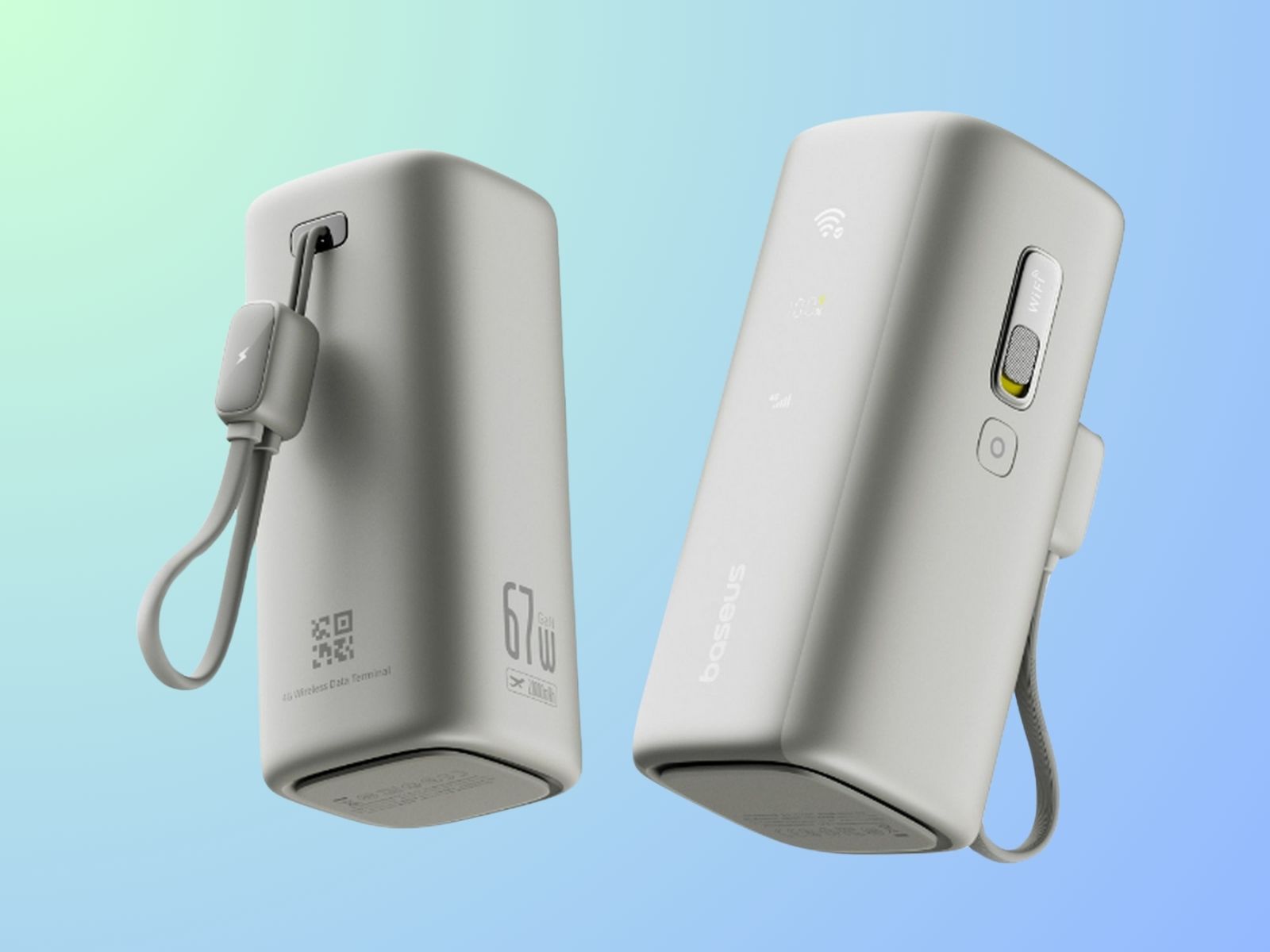
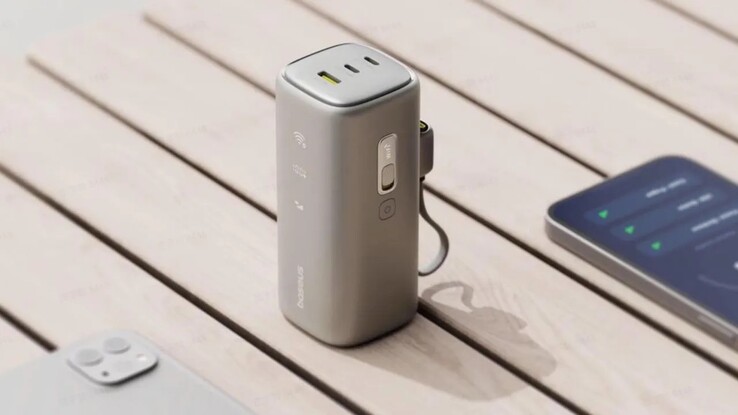
    In a clever twist that might leave other brands scratching their heads, Baseus has unveiled an innovative 2-in-1 device that merges a power bank with a mobile hotspot. This combination of portable charging and internet access in a single unit could prove to be a game changer.

    Features and Specifications

    The EnerGeek MiFi, which made its debut at CES 2025, has a significant 20,000 mAh battery capacity and can output a power of up to 67W. You can charge three devices at the same time using one Type-A and two Type-C ports. Additionally, the power bank itself charges at a rate of up to 65W, with a Type-C cable that conveniently turns into a lanyard when not in use.

    Connectivity Options

    WiFi is provided by a built-in eSIM, easily set up through Baseus’ mobile application, allowing connections to 4G networks in more than 100 countries. You can connect up to 10 devices at the same time using either Bluetooth or WiFi, supporting both 2.4GHz and 5GHz bands through WLAN 802.11 b/g/n/ax protocols.

    Design and Availability

    The dimensions of the unit are 6.13 x 2.15 x 1.95 inches (about 15.6 x 5.5 x 5 cm), and it features an aluminum casing that effectively helps with heat dissipation. The Baseus EnerGeek MiFi is set to hit the shelves in April at a price tag of $89. In the meantime, you might want to consider the Baseus Nomos P2 MagSafe charger, which has a capacity of 10,000 mAh and supports 45W fast charging, or the high-capacity Baseus Amblight that offers 30,000 mAh and 65W charging, both found on Amazon.

    Source:
    Link


    Image 1
  • Asus Zenbook 14 2025 Launch: Core Ultra 9, 2.8K OLED, Wi-Fi 7

    Asus Zenbook 14 2025 Launch: Core Ultra 9, 2.8K OLED, Wi-Fi 7

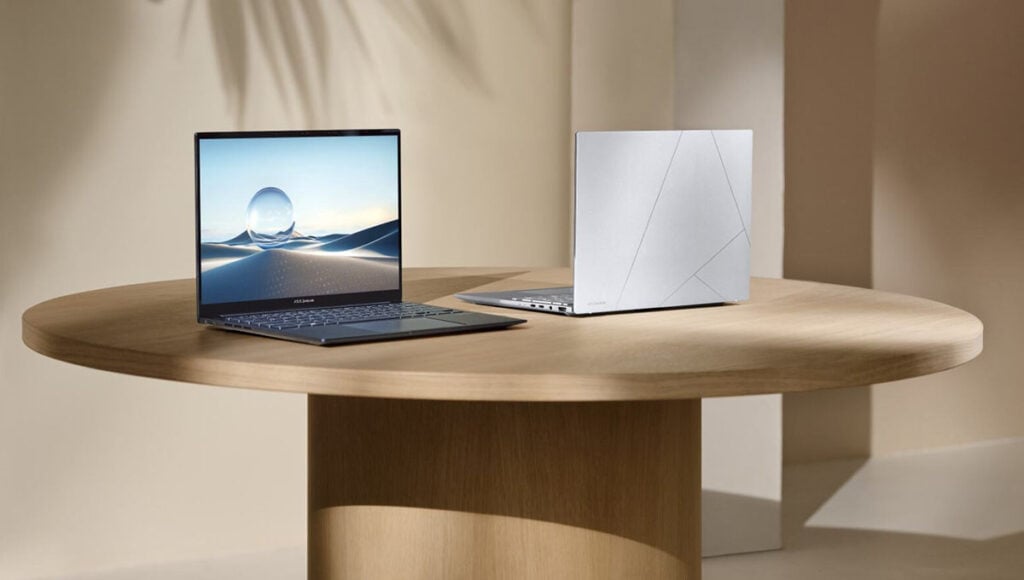
    Asus has rolled out the Zenbook 14 (2025) series. This new version features advanced Intel Core Ultra/Ryzen AI processors, bright OLED screens, and many user-friendly features, making it an attractive option for both creators and regular users. Let’s dive into the main specifications.

    Specifications of the Asus Zenbook 14 (2025)

    The Asus Zenbook 14 (UX3405CA) offers various configurations to meet different user requirements. Depending on the model, the laptop is equipped with either an Intel Core Ultra 9 285H, Ultra 7 265H, or an AMD Ryzen AI 7 350 processor. It can support up to 32GB of LPDDR5X-7467 RAM and comes with 1TB of PCIe 4.0 SSD storage.

    Display and Visuals

    It showcases a beautiful 14-inch Lumina OLED display available in two resolution choices: a 1920×1200 version with a 60Hz refresh rate and a 2.8K version with a 120Hz refresh rate. The display supports a full 100% DCI-P3 color gamut and peaks at 600 nits brightness, ensuring colors are vivid and true-to-life. It provides stunning visuals with HDR compatibility, a contrast ratio of 1,000,000:1, and TÜV-certified hardware-level blue light reduction. Additionally, it supports a 0.2ms response time for smooth gaming and content creation.

    Portability and Battery Life

    Asus has focused on making this model portable. The Zenbook 14 is lightweight (around 1.19kg) and has a slim profile (14.9mm) made from high-quality aluminum and magnesium alloy. It boasts an impressive battery life of up to 18 hours, powered by a 75Wh battery that supports wide-range charging from 5-20V, including compatibility with power banks.

    Connectivity Options

    For connectivity, it is equipped with two Thunderbolt 4 ports, one USB-A 3.2 Gen 1 port, an HDMI 2.1 port, and a 3.5mm audio jack, offering flexibility for a variety of peripherals.

    Enhancements for User Experience

    The 2025 Zenbook 14 brings several upgrades to enhance the user experience. It features a unique Copilot key on its ErgoSense keyboard, enabling fast access to AI-powered tools. This AI assistant can perform tasks like document summarization, generating AI art, and controlling via voice commands.

    For models with touch capabilities, there are optional smart gestures that let users change brightness, volume, and video playback directly from the touchpad. It also includes AI-driven noise reduction for video calls, dual microphones, and a 1080p IR webcam with motion tracking and privacy functions.

  • Asus Zenbook A14: The MacBook Air Rival We’ve All Been Waiting For

    Asus Zenbook A14: The MacBook Air Rival We’ve All Been Waiting For

    At CES 2025, Asus introduced the Zenbook A14, a sleek ultraportable laptop aimed at rivaling Apple’s Macbook Air. With its unique features, eye-catching design, and competitive cost, the Zenbook A14 stands out as a strong contender in the ultraportable laptop arena. Asus has designed a machine that focuses on being portable, delivering solid performance, and offering excellent battery longevity, which makes it a great choice for professionals, students, and those who travel frequently.

    Design and Build Quality

    The Zenbook A14 is notably lightweight, tipping the scales at just 0.98 kilograms, which is much lighter than the Apple Macbook Air, which weighs around 1.24 kilograms. This laptop utilizes a cutting-edge material known as Ceraluminum, a blend of ceramic and aluminum that guarantees strength while keeping the body both light and pleasant to touch.

    It laptop is available in two stylish colors: Iceland Gray and Zabriskie Beige. The natural matte finish helps resist fingerprints and scratches, ensuring it looks good even with regular use. Furthermore, the device undergoes extensive testing for real-world toughness. It is put through scratch resistance, shock resistance, and wear-and-tear assessments to make sure it keeps its fresh look, no matter how it’s handled day-to-day. Additionally, the hinge mechanism allows for easy one-handed opening, a small yet valued feature that is usually seen in higher-end laptops.