Category: Computers

  • Acer Predator Helios 18 & 16 AI Unveiled at CES 2025 with Thunderbolt 5

    Acer Predator Helios 18 & 16 AI Unveiled at CES 2025 with Thunderbolt 5

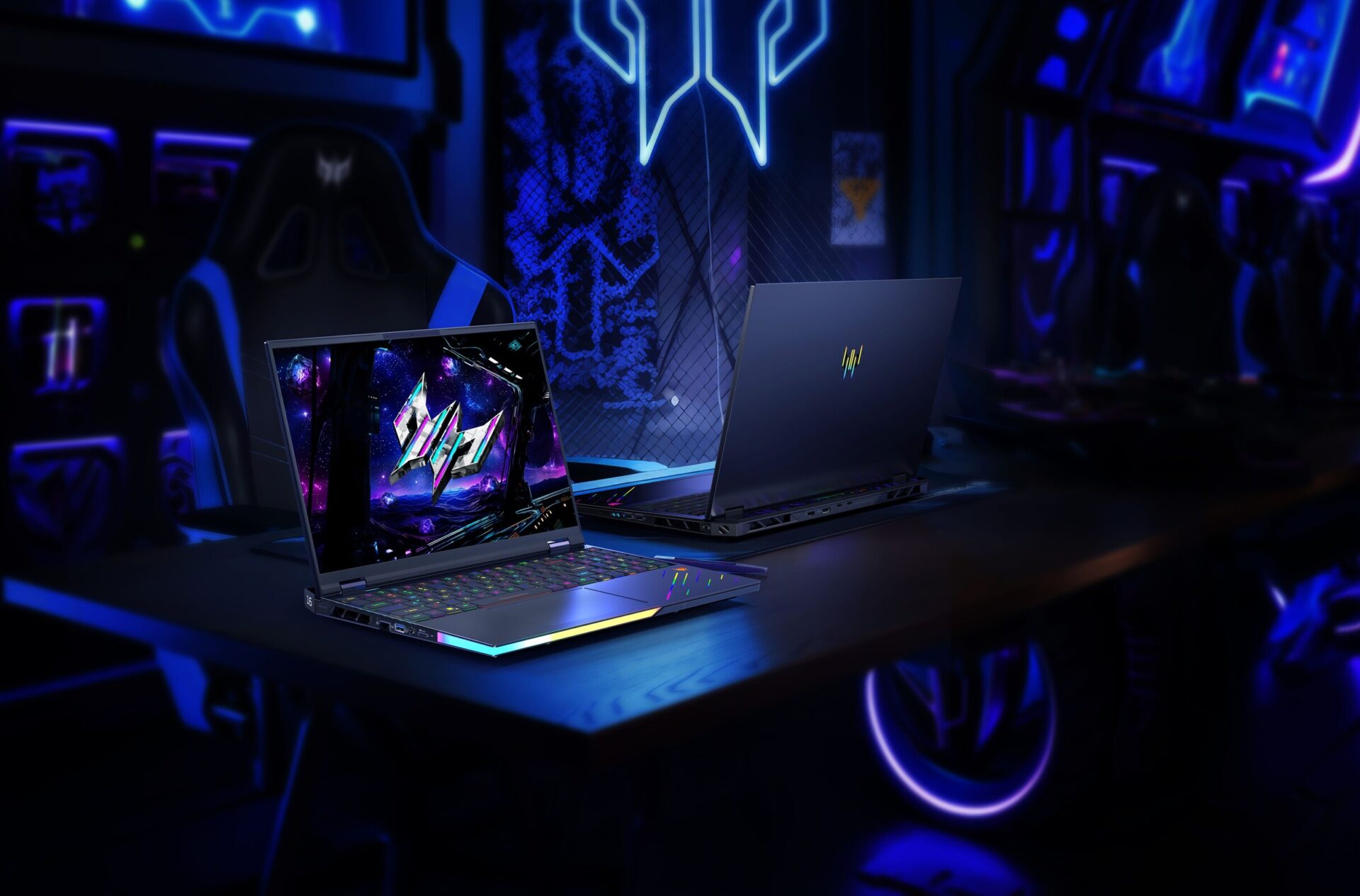
    Acer has updated its top-tier Predator Helios laptop series, now featuring robust Arrow Lake-HX processors from Intel alongside Nvidia GeForce RTX 50 series graphics cards. Like many products released recently, these laptops have been branded with an AI label, resulting in the names Acer Predator Helios 16 AI and Acer Predator Helios 18 AI.

    Specs and Features

    Inside, users can opt for configurations that include up to an Intel Core Ultra 9 275 HX and the Nvidia GeForce RTX 5090 laptop GPU. The limits for memory and storage can vary depending on the specific model chosen. For the keyboard, Acer incorporates its MagKey 4.0 mechanical switches, which allow for a travel distance of 0.3 mm.

    Connectivity and Cooling

    three-month trial for Xbox Game Pass/EA Play

    Display and Options

    The Acer Predator Helios 16 AI features a WQXGA (2,560 x 1,600) OLED screen boasting a 240 Hz refresh rate and Nvidia G-Sync with a peak brightness of 400 nits. The maximum configurations include 64 GB of DDR5-6400 memory and 4 TB of PCIe Gen 5 storage. Acer has even printed ’16’ on the edges, so you can easily remember your screen size while traveling.

    If the GeForce RTX 5090 seems too pricey, there’s also an option for the Predator Helios 16 with a GeForce RTX 5070 Ti. Other specifications consist of a 1080p webcam and a 90 Wh battery.

    Larger Model

    The Acer Predator Helios 18 AI serves more as a desktop replacement, featuring a massive 18-inch 4K mini-LED display that refreshes at 120 Hz, with a peak HDR brightness of 1,000 nits (600 nits SDR) and full DCI-P3 color coverage.

    Acer has not announced whether alternative screen types will be available for this model, but you can exchange the 4K 120 Hz panel for a 1600p 240 Hz option if you prefer greater refresh rates.

    For memory and storage, you can max out at 128 GB and 6 TB, respectively. The only other GPU option seems to be the Nvidia GeForce RTX 5080. Additionally, the Predator Helios 18 AI comes with a 99 Wh battery and a 1080p webcam.

    Sadly, Acer has not revealed any pricing details for these laptops and mentioned they will be available in the market sometime in Q2, 2025.


    Image 1
    Image 1
    Image 1
    Image 1
    Image 1
    Image 1
    Image 1
    Image 1
  • Anker Unveils 140W Charger with Digital Display at CES 2025

    Anker Unveils 140W Charger with Digital Display at CES 2025

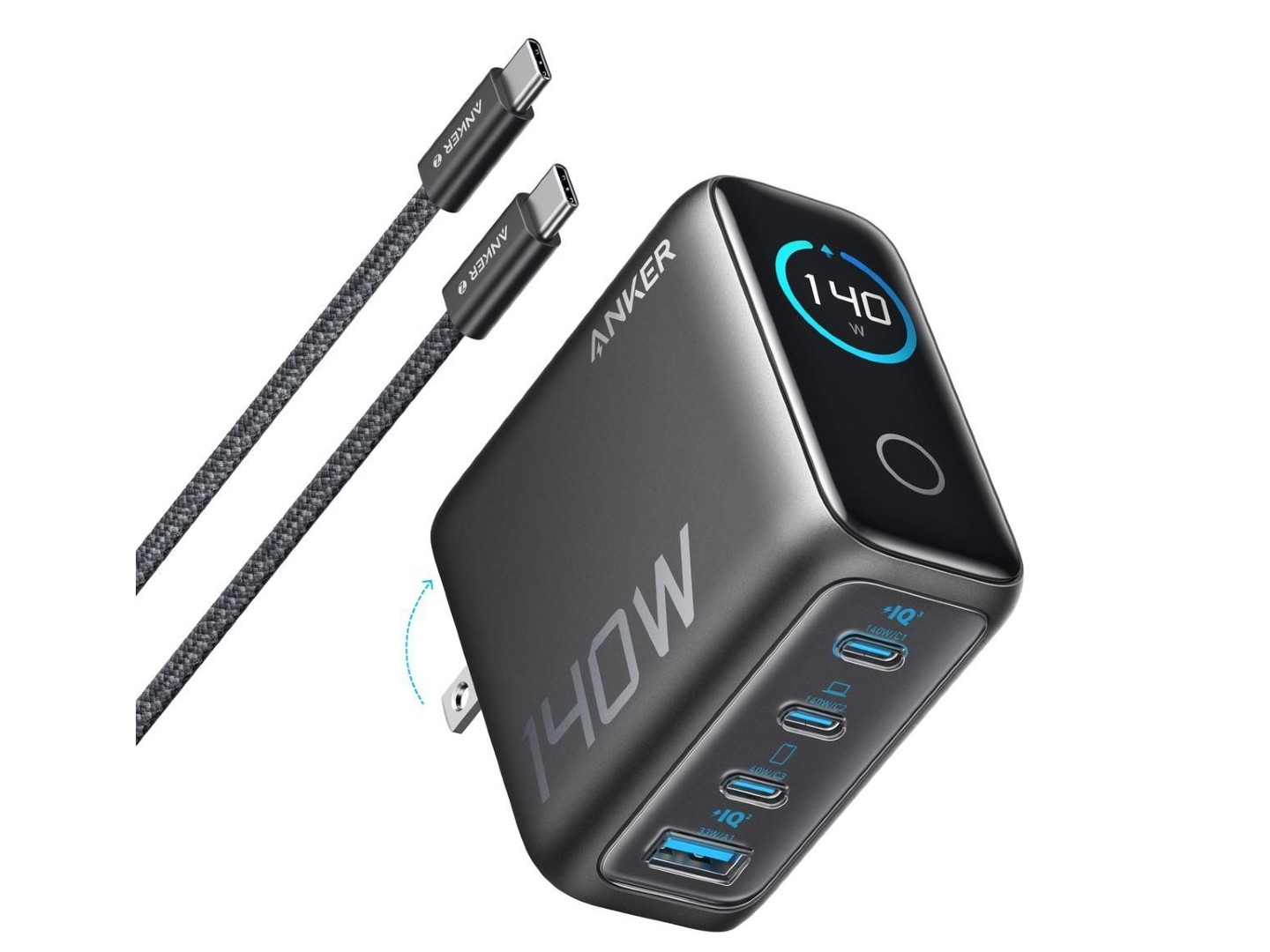
    Among the latest products Anker revealed at CES 2025 is a new charger that boasts a total power output of 140W. Although Anker has chargers with much higher power outputs, like the Anker 250W Prime Charger, this 140W model is their second charger equipped with a display. Anker claims it’s the first charger featuring a window display.

    Features and Connectivity

    The Anker 140W Charger utilizes GaN technology and supports various fast charging protocols, including Power Delivery 3.1 and UFCS. It comes with three USB-C ports and one USB-A port. Two of the USB-C ports can deliver a powerful 140W, making it ideal for charging laptops, gaming handheld devices, and other gadgets that require that amount of power. The third USB-C port has a maximum output of 40W, while the USB-A port can provide up to 33W.

    Display and Safety

    The screen on the Anker 140W Charger shows key information such as the real-time temperature; plus, with ActiveShield 2.0, the charger conducts up to 3 million safety checks daily. It also indicates the real-time power output for each port, letting users know if a device is charging quickly. Additionally, the Anker 140W Charger tracks the duration (in hours) of use, similar to an odometer feature.

    Design and Availability

    The charging ports are designed to hang vertically, preventing the charger from being pulled down when connected to a wall outlet. Offered in Deep Gray and Silver, the Anker 140W Charger is priced at $89.99 on Amazon and Anker.com. It will also be sold in Europe and the UK with plugs designed for those regions.


    Image 1
  • Geekom IT15 Mini-PC: USB4 Ports & Intel Core Ultra Processors

    Geekom IT15 Mini-PC: USB4 Ports & Intel Core Ultra Processors

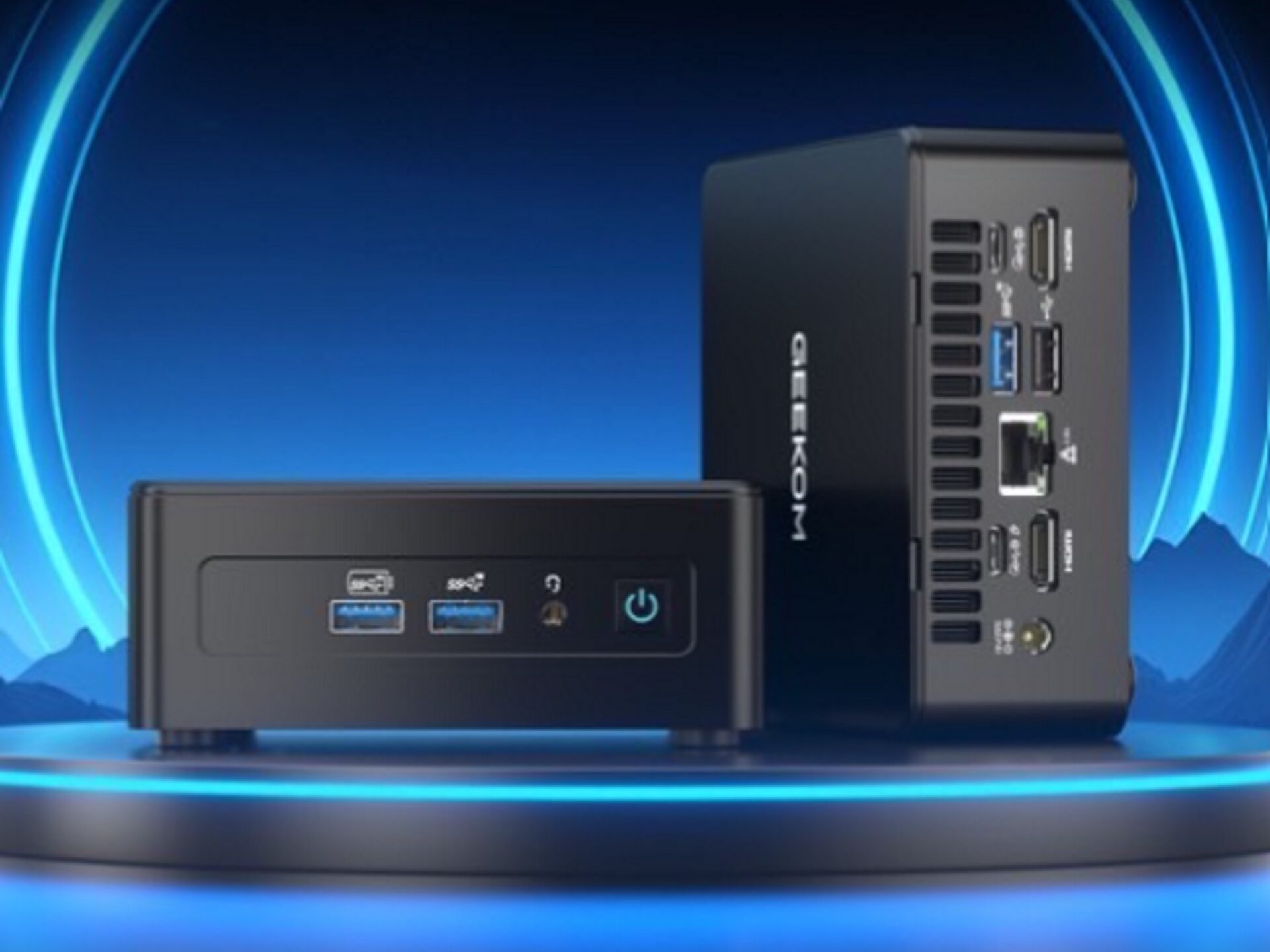
    The recently unveiled Geekom IT15 mini-PC comes packed with next-gen Intel chipsets. Users have the option of selecting either an Intel Core Ultra 9 285H or the Ultra 5 225H. It features two RAM slots that are compatible with DDR5 memory, boasting speeds of up to 5,600 MHz. The dimensions of this mini-PC are impressively small, measuring only 115.5 x 135.5 x 34.5 mm (5.33 x 4.55 x 1.36 in).

    Features and Ports

    This device is well-equipped, showcasing two USB4 ports that facilitate quick data transfers and video output. One of these ports even has the capability to power the Geekom IT15 through USB-PD. Additionally, it features two HDMI ports that can output video at impressive 4K resolution and 60 Hz. In terms of storage options, the Geekom IT15 can handle one memory card alongside three mass storage devices, including an M.2 2280 slot for an SSD that connects via four PCIe 4.0 lanes, a SATA-supported M.2 2242 slot, and a 2.5-inch bay for traditional storage drives.

    Connectivity and Software

    The compact PC is capable of achieving Ethernet speeds up to 2.5 Gb/s, has Wi-Fi 7 for wireless connections, and is compatible with Bluetooth 5.4. Windows 11 Pro is preinstalled on the device. However, specific details regarding pricing and availability are not yet disclosed at the time of this writing.

    You might also find it interesting: Geekom IT12 on Amazon

    Source: Link

  • CES 2025: AMD Ryzen 9 9950X3D and 9900X3D Launch Details

    CES 2025: AMD Ryzen 9 9950X3D and 9900X3D Launch Details

    AMD has finally completed its high-end desktop CPU range, revealing the Ryzen 9 9950X3D and Ryzen 9 9900X3D at CES 2025. Despite earlier expectations, there is no increase in L3 cache. The performance improvements from generation to generation are not particularly remarkable, which was somewhat anticipated.

    Ryzen 9 9950X3D Specs

    The Ryzen 9 9950X3D features a 16-core design with a total cache of 144 MB and a boost clock reaching 5.7 GHz, while its TDP stands at 170 Watts. Although its boost clock is the same as the previous model (Ryzen 9 7950X3D), the additional 50 Watts of TDP might allow for better performance.

    Ryzen 9 9900X3D Overview

    On the other hand, the Ryzen 9 9900X3D comes with 12 cores, 140 MB of cache, a boost clock of 5.5 GHz, and a TDP of 120 Watts. Even though it shares the same TDP as its Zen 4 counterpart, it’s slightly slower by 0.1 GHz for reasons that aren’t entirely clear. Overclocking might compensate for this, but there’s currently no information confirming if these two models allow for it.

    Performance Claims

    AMD asserts that the Ryzen 9 9950X3D delivers an 8% performance boost in gaming and a 13% improvement in content creation compared to the Ryzen 9 7950X3D. Unsurprisingly, it outperforms Intel’s Arrow Lake-based Core Ultra 9 285K, achieving a 20% advantage in gaming and a 10% lead in content creation.

    Looking closely at AMD’s testing setup, it’s noted that they utilize Nvidia GPUs for their internal evaluations. The CPUs were assessed on their respective Z/X motherboards, with 32 GB of DDR5-6000 RAM and an Nvidia GeForce RTX 4090. These tests took place in November 2024 on a Windows 11 Pro system.

    Of course, these are claims made by AMD itself, and independent tests will ultimately reveal the true performance of the Ryzen 9 9900X3D and Ryzen 9 9950X3D. Even considering AMD’s own figures, they do not appear to be strong upgrades for those already using Zen 4 X3D CPUs.


    Image 1
    Image 1
    Image 1
    Image 1
  • Dell Plus Laptop Lineup Launches at CES 2025 with Mini-LED Display

    Dell Plus Laptop Lineup Launches at CES 2025 with Mini-LED Display

    Dell has said farewell to its Inspiron Plus series, introducing the new Dell Plus lineup instead. This fresh series features two initial models: the 14 Plus and the 16 Plus. The naming is now simpler, but the laptops still offers great versatility. A major highlight is the 16-inch model, which boasts impressive specifications for a mid-range laptop.

    Specifications and Performance

    The Dell Plus 14 and 16 are equipped with the Intel Lunar Lake CPUs, with the highest configuration showcasing the Core Ultra 9 288V. For those looking for a more budget-friendly choice, the entry-level version packs the Core Ultra 5 226V. Depending on your preferred setup, these laptops can be configured with up to an Arc 140V iGPU, 32 GB of LPDDR5X RAM, and 2 TB of storage space.

    Connectivity and Design

    Both models feature a good array of ports, which includes HDMI 2.1, Thunderbolt 4, USB 3.2 Gen 1 Type-A, and USB 3.2 Gen 2 Type-C. Designed with travel convenience in mind, the 14 Plus is lightweight, weighing only 3.42 lbs.

    Display and Battery Life

    The Dell 16 Plus is particularly impressive in the display department, as it offers an option to be configured with a QHD+ mini-LED screen, boasting a brightness rating of 600 nits and a refresh rate of 90 Hz. In contrast, the 14 Plus can be set up with a maximum 2.5K display.

    Additionally, the two laptops come with a Dolby Atmos speaker system, a 2-in-1 option available for both, and a 64 Wh battery (145 W Urgreen laptop power bank currently priced at $75.99 on Amazon). Both the 14 Plus and 16 Plus are expected to launch on February 18, starting at prices of $1,099 and $1,149, respectively. The 2-in-1 versions will start at $999 and will also be released on the same date. For further details, check the spec sheets attached below.


    Image 1
    Image 1
  • HP Launches OmniBook Ultra Flip: 14″ 120Hz OLED & Intel Core Ultra 9

    HP Launches OmniBook Ultra Flip: 14″ 120Hz OLED & Intel Core Ultra 9

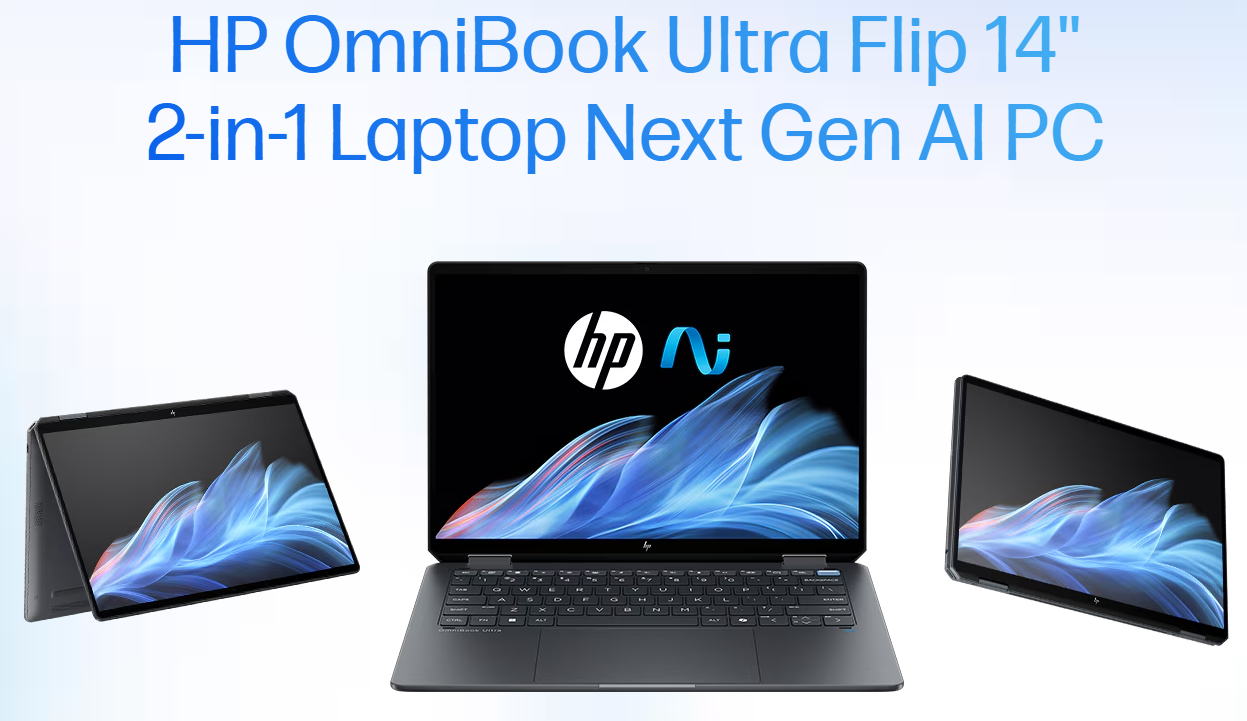
    HP has introduced the OmniBook Ultra Flip 2-in-1 laptop, expanding its range of convertible laptops at CES 2025. This new device features a 14-inch OLED touchscreen with a resolution of 2800 x 1800 pixels, boasting a 16:10 aspect ratio. The screen achieves a maximum brightness of 500 nits and a refresh rate of 120 Hz. Additionally, the touchscreen is protected by Corning Gorilla Glass 5 and allows for up to 4096 levels of pressure sensitivity, making it a great choice for artists and designers.

    Flexible Design and Performance

    With its adaptable hinges, the 14-inch display can be transformed easily into tablet or tent configurations. Under the hood, the HP OmniBook Ultra Flip is equipped with Intel’s latest Lunar Lake series of CPUs. Buyers can select from options including the Intel Core Ultra 5 226V, Intel Core Ultra 7 258V, or Intel Core Ultra 9 288V. However, it lacks a dedicated GPU, relying instead on integrated Intel Arc Graphics for visual tasks.

    Memory and Storage Options

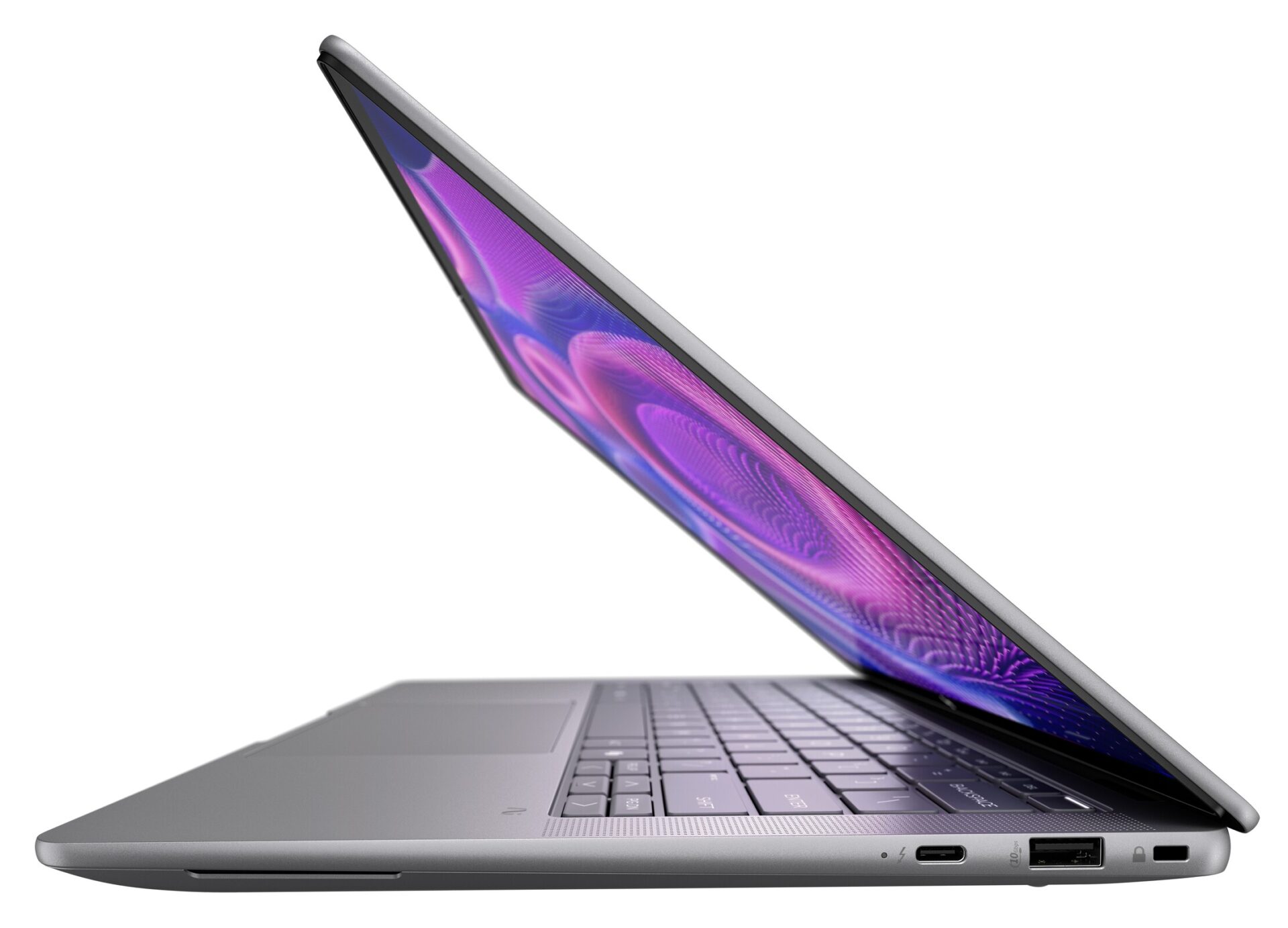
    The foldable device supports a maximum RAM of 32 GB. As for storage, users can equip it with up to 2 TB of PCIe Gen 4 NVMe M.2 SSD. The connectivity options are quite good, featuring two Thunderbolt 4 ports, a single 10 Gbps USB Type-C port, and a 3.5 mm headphone jack. One downside is the absence of a USB-A port.

    Battery Life and Features

    The laptop is powered by a 64 Wh battery that supports 65 W wired charging through the Thunderbolt ports. Its dimensions are 12.35 x 8.51 x 0.59 inches (313.6 x 216.1 x 14.9 mm) and it weighs only 2.97 lb (1.34 kg). Additional features include quad speakers with DTS audio, a full-size backlit keyboard, a 9 MP IR AI webcam equipped with a privacy shutter, a mic mute key, WiFi 7, and compatibility with HP stylus.

    The HP OmniBook Ultra Flip is priced starting at $1,449.99 and is available in Eclipse Gray and Atmospheric Blue. Customers can purchase this 2-in-1 laptop from HP’s official website.

    Source: Link


  • AMD Launches Fire Range CPUs with Ryzen 9 9955HX3D at CES 2025

    AMD Launches Fire Range CPUs with Ryzen 9 9955HX3D at CES 2025

    While AMD faced some leaks during CES, one of its top products remained under wraps until the end. The company’s Zen 5-based Fire Range CPUs have returned, now featuring an HX designation. Last year’s Ryzen 8000 Hawk Point CPUs did not have this tag, and this time, only three models were revealed, unlike the Dragon Range, which had seven different versions.

    New 3D V-cache Laptop Chip

    We have a second 3D V-cache laptop processor, the oddly named Ryzen 9 9955HX3D. Its predecessor, the Ryzen 9 7945HX3D, was only available in a single laptop and a mini-PC, so we can only hope this new chip will see broader adoption among manufacturers. On paper, the Ryzen 9 9955HX3D is expected to offer noticeable improvements in performance across generations due to its new Zen 5 cores and additional L3 cache, but the actual performance will depend largely on the power it can access.

    Similar Non-HX Models

    The Ryzen 9 9955HX and Ryzen 9 9850HX are nearly identical to the HX3D variant, differing slightly in boost clock speeds and total cache. Regrettably, this is all the details AMD has shared about the Fire Range series. The absence of “AI” in the name suggests that there is no dedicated NPU included. Furthermore, there is plenty of room left for future Ryzen 7 and Ryzen 5 models to be introduced.

  • HP ZBook Ultra 14 G1a: Ryzen AI Max Pro at CES 2025

    HP ZBook Ultra 14 G1a: Ryzen AI Max Pro at CES 2025

    This year’s CES marks the launch of AMD’s Strix Halo platform. AMD is aiming to capture a larger share of the workstation and creator market with its powerful Ryzen CPUs built on Zen 5 technology. The standout feature of these processors is their exceptionally strong integrated GPU.

    New Partner and Model

    HP is one of the launch partners, introducing the new HP ZBook Ultra. The ZBook line comprises HP’s workstation laptops, tailored for CAD and creative tasks. The latest model, HP ZBook Ultra 14 G1a, is a more robust successor to the HP ZBook Firefly 14 (available on Amazon). It merges a compact 14-inch design with the AMD Ryzen AI Max Pro, creating a compelling package, at least theoretically.

    Performance and Specifications

    As is typical with enterprise laptops, customers can choose from various CPUs. Leading the lineup is the AMD Ryzen AI Max+ Pro 395, featuring sixteen cores, 32 threads, and the AMD Radeon 8060S GPU. The RAM can go up to 128 GB, with 96 GB potentially allocated to the GPU. Even without a dedicated GPU, the ZBook is likely capable of handling demanding GPU tasks due to the significant amount of available vRAM.

    HP has managed to fit this performance into a relatively compact chassis, weighing just 1.5 kg and measuring 18.5 mm thick. There are no compromises on battery capacity, either, with an internal battery rated at 74.5 Wh. This battery is essential for such a laptop, as HP offers both a Low Power IPS option with a resolution of 1,920 x 1,200 and a less energy-efficient 2.8K OLED display (2,880 x 1,800) that boasts a 120 Hz refresh rate. HP claims up to 14 hours of battery life, although this is likely only achievable with the IPS option.

    Design and Connectivity

    In terms of design, the ZBook Ultra 14 G1a features a silver-grey chassis, accompanied by a color-matched keyboard, a spacious trackpad, and an integrated fingerprint reader located in the upper right corner of the keyboard. However, 5G or 4G connectivity is not available; at least the ZBook comes equipped with Wi-Fi 7 thanks to a MediaTek Wi-Fi module. Regarding ports, HP misses the chance to include an SD card reader, but there are HDMI and USB-A ports, along with three USB-C ports, two of which support Thunderbolt 4.

    The HP ZBook Ultra 14 G1a is set to launch in Spring 2025. Pricing details will be revealed later on.


    Image 1
    Image 1
    Image 1
    Image 1
    Image 1
    Image 1
  • Satechi’s New Dock for Mac Mini Solves Power Button Issue at CES 2025

    Satechi’s New Dock for Mac Mini Solves Power Button Issue at CES 2025

    Recently, many accessories designed specifically for the new Mac mini (currently $579.99 on Amazon) have been introduced. For example, Orico launched several new products earlier this week, mainly aimed at functioning as docks for Apple’s M4 and M4 Pro-powered mini-PCs. Interestingly, these products came just a few days after RayCue expanded its Mac mini dock lineup with one that supports 40 Gbps SSD expansion.

    Unique Features from Zeera

    On the other hand, Zeera is the only company that has aimed to make it easier to reach the Mac mini’s power button, which is located on the bottom of the device. Apple has provided reasons for placing the power button in this position in its latest Mac mini design. Amid all these updates, Satechi has also released more information about its Mac mini dock, about six weeks after it was first introduced.

    Satechi’s Dock Capabilities

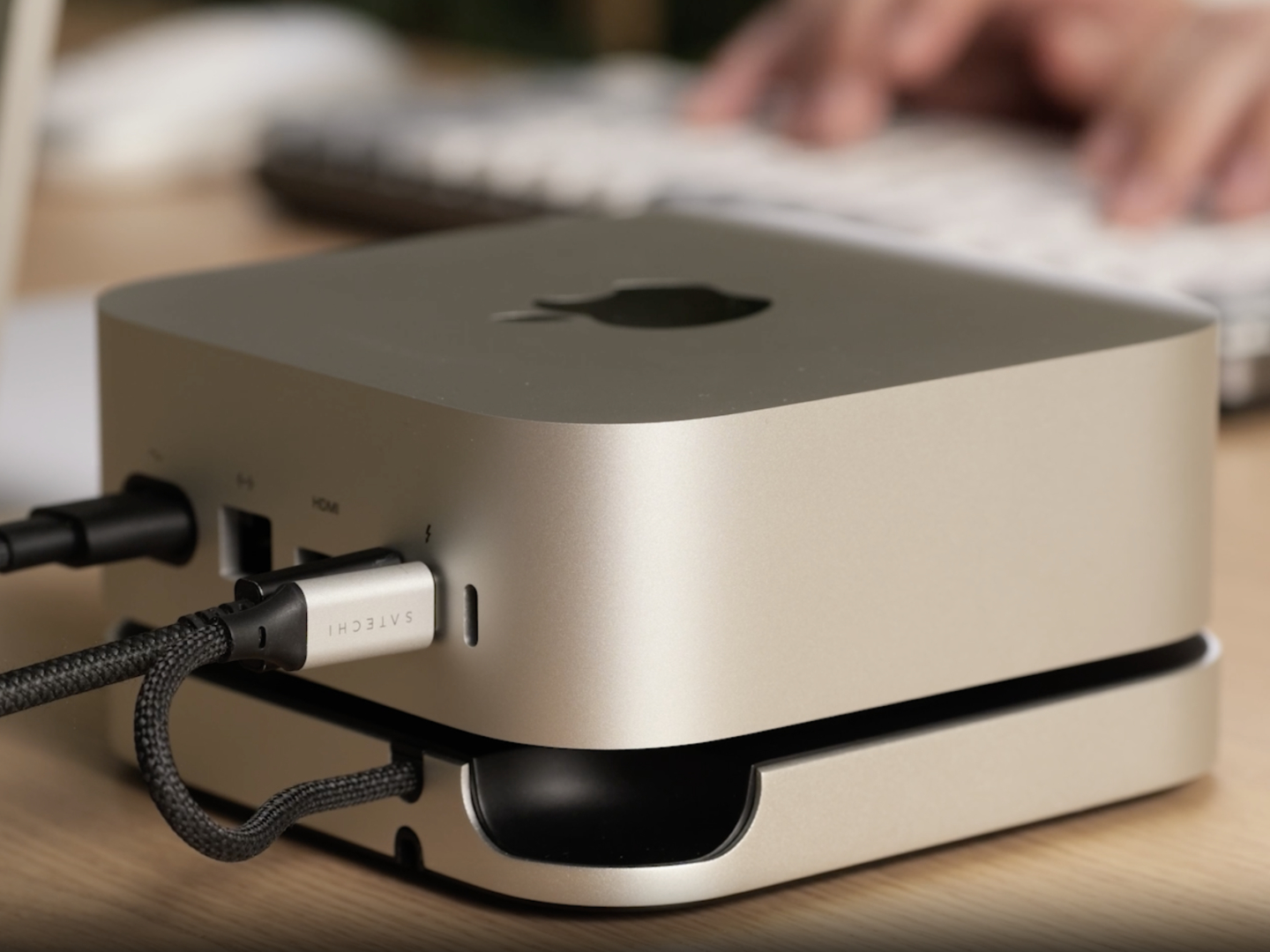
    In the end, Satechi’s hub for the Mac mini offers similar features to its competitors, including three USB Type-A ports, a full-size SD card reader, and M.2 SSD expansion. However, it stands out with a special cut-out designed for easy access to the Mac mini’s power button, a feature not found in other models. This makes Satechi’s product potentially more practical in that sense, but it’s unclear how often users will actually need to use the power button on their Mac mini.

    Regardless, Satechi is planning to launch its dock in the US next month for $99.99, which is pricier compared to other new Mac mini docks. As reported by MacRumors, there is a plan for ‘a wider release’ in March, but Satechi has not yet shared additional information on this aspect.

    Source: Link


    Image 1
    Image 1
  • CES 2025: Affordable Laptops Boosted by New Snapdragon X CPUs

    CES 2025: Affordable Laptops Boosted by New Snapdragon X CPUs

    We have recently expressed our disappointment over the decline of affordable laptop options equipped with modern CPU technology. It appears that Intel and AMD are focusing on marketing their older processors in budget devices while directing their attention towards pricier new models like Intel’s Lunar Lake and AMD’s Strix Point. As a result, purchasing an inexpensive laptop often means settling for outdated and less efficient tech.

    A New Direction from Qualcomm

    Qualcomm appears to have a different perspective on the matter. Last year, the leader in smartphone CPU technology launched the Qualcomm Snapdragon X Elite aimed at high-end laptops, followed by the Snapdragon X Plus for mid-tier devices. Now, a fresh CPU line simply known as “Snapdragon X” is on the horizon, designed specifically for budget laptops to help lower the price of ARM-based Windows machines. The goal is to create PCs that retail for under $600.

    High Performance Within Reach

    Even with the focus on budget pricing, users won’t have to sacrifice much with the Snapdragon X series CPU. This new chip uses the same Oryon CPU cores found in its more expensive counterparts. The core count remains the same, as the Snapdragon X boasts eight CPU cores, mirroring the Snapdragon X Plus. The main distinction lies in the clock frequency, with the Snapdragon X maxing out at 3.0 GHz. In contrast, the Snapdragon X Plus chips can achieve clock speeds between 3.2 and 3.4 GHz, while the X Elite can hit between 3.4 and 3.8 GHz on all cores.

    AI Performance Not Overlooked

    In addition, the Snapdragon X series keeps AI capabilities strong, offering up to 45 TOPS of NPU performance. Qualcomm highlights that CPUs from AMD and Intel in this price category usually lack an NPU altogether.

    The Qualcomm Snapdragon X series CPU is set to debut in the first PCs starting January 2025. If the Snapdragon X can provide similar levels of performance and efficiency as its higher-end Snapdragon counterparts, it could be a significant relief for a market segment that is truly in need of better processors.


    Image 1
    Image 1