Category: Computers

  • Intel Arrow Lake H vs AMD Strix Point: CES 2025 Highlights

    Intel Arrow Lake H vs AMD Strix Point: CES 2025 Highlights

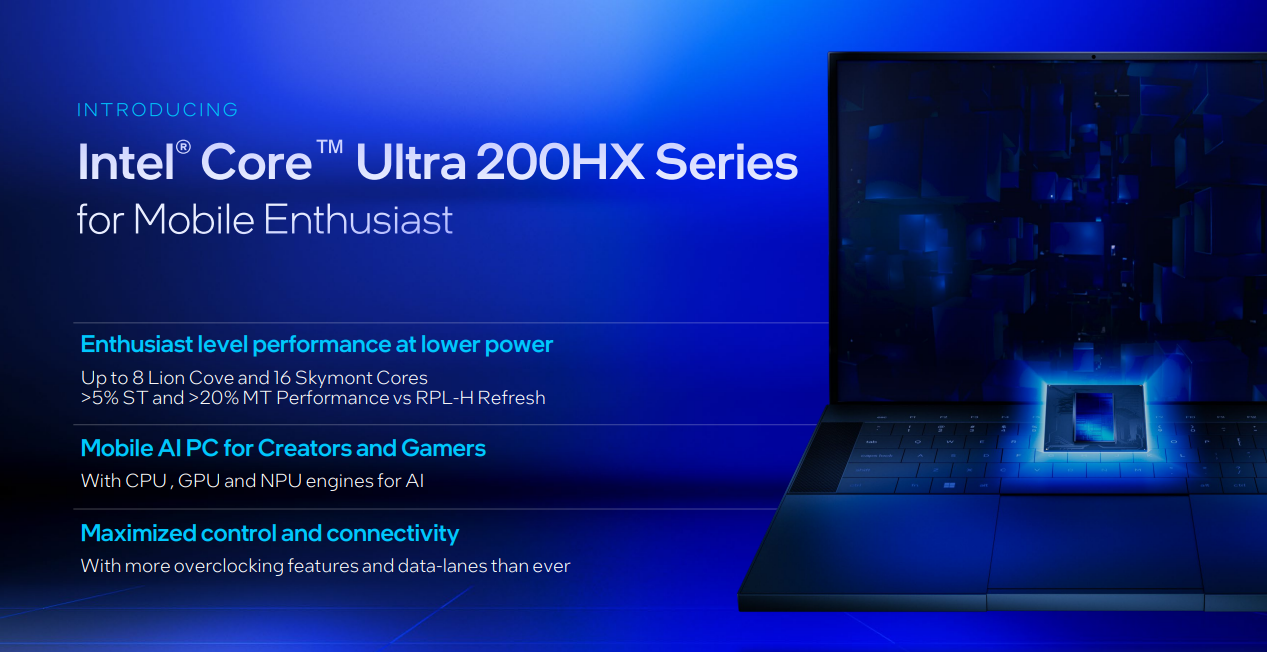
    Intel has rolled out its latest Core Ultra 200 series, showcasing a diverse range of CPU designs that aim to cater to different user needs. The Lunar Lake, known as the Core Ultra 200V, shines in efficiency, boasts impressive integrated GPU performance, and provides extensive battery life. However, it falls short in multithreaded CPU performance. On the other hand, the newly unveiled Intel Arrow Lake HX, or Core Ultra 200HX, promises robust performance but is not ideal for low power consumption or mobility.

    Balanced Performance

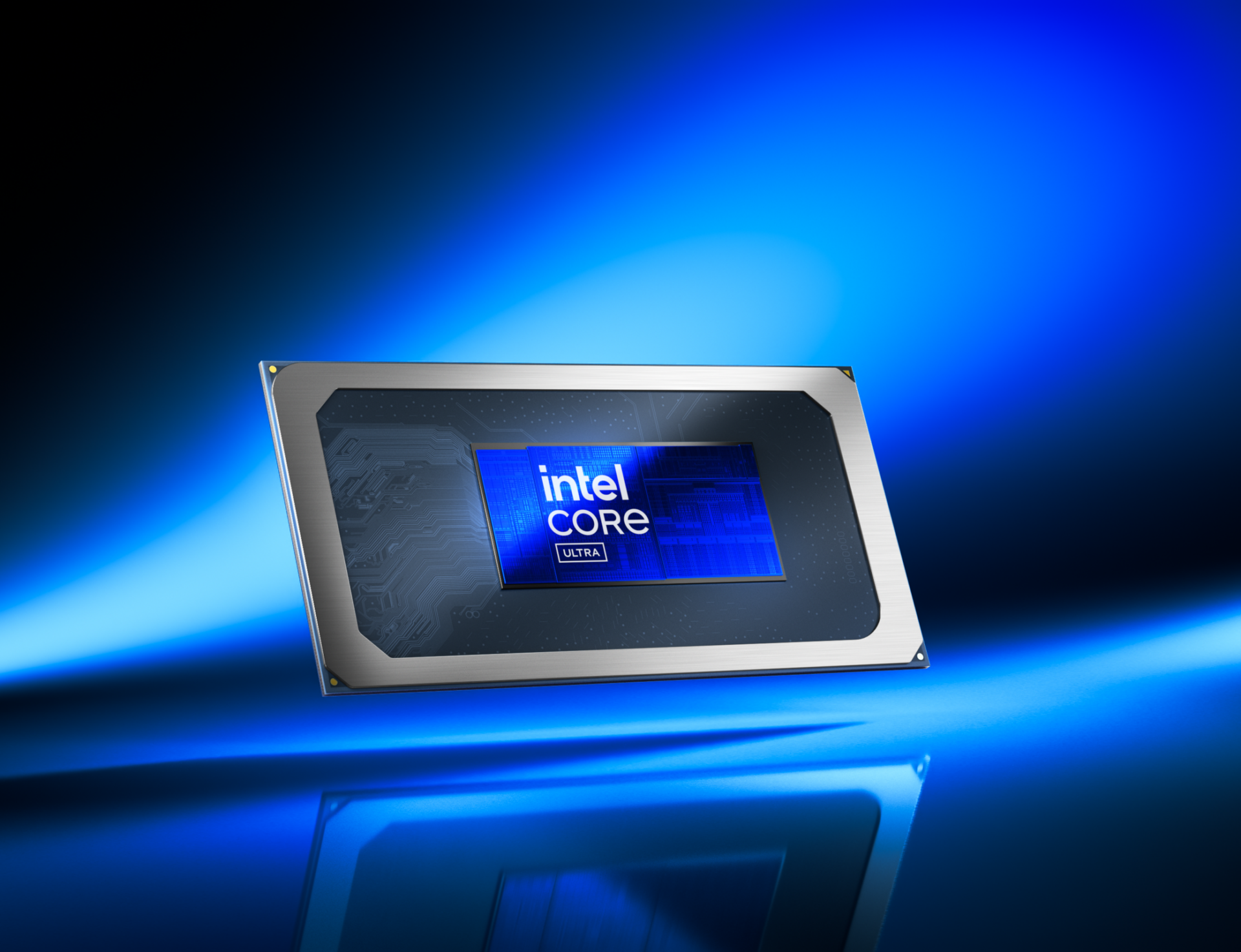
    Filling the gap between these extremes is the Intel Arrow Lake H lineup. The Core Ultra 200H is designed to strike a balance between mobility and performance, offering users more options than the CPUs found at either end of Intel’s spectrum. This new series aims to meet the needs of those looking for both portability and power.

    New Offerings for 2025

    Intel is launching five new Arrow Lake H CPUs, all set to debut in laptops in the first quarter of 2025. These CPUs feature 16 cores, matching the core count of their predecessor, the Intel Meteor Lake H, also referred to as Core Ultra 100H. Unlike the 2024 generation, the Arrow Lake’s cores are based on the Lunar Lake design, incorporating Lion Cove P cores and Skymont E cores. Notably, these CPUs are produced by TSMC using their efficient N3 node, rather than Intel’s own foundry.

    The improved efficiency of Arrow Lake H over the previous Redwood Core P and Crestmont E cores, which were built on Intel 4, is expected to enhance battery life in laptops. Intel asserts that performance will also see an increase, even though Lion Cove now operates without hyperthreading. The company claims a 15% performance boost compared to Meteor Lake H, despite having a lower thread count (Ultra 9 185H: 22 threads, Ultra 9 285H: 16 threads).

    GPU and AI Enhancements

    On the GPU front, Arrow Lake does not introduce major changes, retaining the Xe cores from Meteor Lake. However, it now features new XMX, which Intel believes will enhance AI capabilities for the GPU and improve gaming performance as well. The NPU technology from Meteor Lake remains unchanged, maintaining a performance level of 11 TOPS. Nevertheless, Intel notes that the H series chips are still formidable in AI tasks, with the total platform TOPS (including CPU, GPU, and NPU) reaching 99 TOPS.

    When it comes to power consumption, the H class chips are optimized to run at a TDP of 28 W, except for the Ultra 9, which operates at 45 W. The maximum power draw of these CPUs can be configured by OEMs, allowing settings of up to 115 W or down to 60 W. This flexibility highlights the advantages of the H series over other Intel CPU ranges.

    Exciting Features Ahead

    A new addition for this generation of Intel H class CPUs is the support for Thunderbolt 5. Additionally, the Arrow Lake H series marks the introduction of a single PCIe Gen 5 lane, enabling faster PCIe Gen 5 storage solutions. Intel’s latest offerings appear to provide a well-rounded experience for users looking for both performance and efficiency.

    Source: Link


    Image 1
  • CES 2025: Intel Core Ultra 200U Meteor Lake Chips for Laptops

    CES 2025: Intel Core Ultra 200U Meteor Lake Chips for Laptops

    Intel has launched its new Core Ultra 200U series of laptop processors designed for low power consumption. This lineup consists of four different models, which don’t feature some of the extra capabilities found in their H series, like an Intel Arc integrated GPU. They are equipped with LP-E cores and mark Intel’s updated approach to the Meteor Lake architecture. The thermal design power (TDP) ratings are set at 15 watts for the base and 57 watts at maximum.

    Processor Specifications

    From the inclusion of hyperthreading, it’s reasonable to infer that the Core Ultra 7 265U, Core Ultra 7 255U, Core Ultra 5 235U, and Core Ultra 9 225U are using the Redwood Cove P-cores from Meteor Lake. Regarding the E and LP-E cores, they might be based on either Skymont or Crestmont architecture, but it is likely they are the latter option.

    Platform Capabilities

    The Intel Arrow Lake-U platform provides support for up to two PCIe Gen4 NVMe SSDs, two Thunderbolt 4.0 ports, as well as Wi-Fi 7 and Bluetooth 5.4 connectivity options. Memory capacity is capped at 96 GB of DDR5-6400 or 64 GB of LPDDR5X-8400. Laptops that incorporate Arrow Lake-U processors are set to be revealed shortly and are expected to be available in stores within the next few weeks.

  • Intel Arrow Lake HX Processors Unveiled at CES 2025 for Laptops

    Intel Arrow Lake HX Processors Unveiled at CES 2025 for Laptops

    Intel has unveiled its premium Arrow Lake-HX processors at CES 2025. These chips, just like the ones before them, are designed for high-performance laptops and will consume a significant amount of power. An earlier leak hinted at the arrival of six models this time. Intel has announced that laptops equipped with Arrow Lake-HX CPUs are expected to be available in “Late Q1, 2024”.

    Streamlined Lineup

    The Arrow Lake HX series presents a more organized structure compared to past generations, featuring two models each of Core Ultra 9, Core Ultra 7, and Core Ultra 5. Intel has also adjusted the turbo wattage from 55 Watts to 57 Watts, which may lead to improved PL1 and PL2 values under heavy loads.

    Specs and Features

    The lineup includes the Core Ultra 9 285HX, Core Ultra 9 275HX, Core Ultra 7 265HX, Core Ultra 7 255HX, Core Ultra 5 245HX, and Core Ultra 5 235HX. All these models are equipped with a 4 EU Intel Arc integrated GPU that supports eDP 1.4, DP 2.1, and HDMI 2.1 standards.

    In terms of memory, the processors can handle up to 96 GB of DDR5-6400 or 64 GB of LPDDR5X-8400 RAM. They also support the new LPCAMM2 standard. Each model is outfitted with 4 PCIe Gen5 lanes, 4 PCIe Gen4 lanes for SSDs, and can accommodate up to two Thunderbolt 4.0 ports, along with a separate Thunderbolt 5.0 port, Wi-Fi 7, and Bluetooth 5.4.

  • Lenovo Launches Xiaoxin SE 2025 Notebooks with Ryzen and Intel CPUs

    Lenovo Launches Xiaoxin SE 2025 Notebooks with Ryzen and Intel CPUs

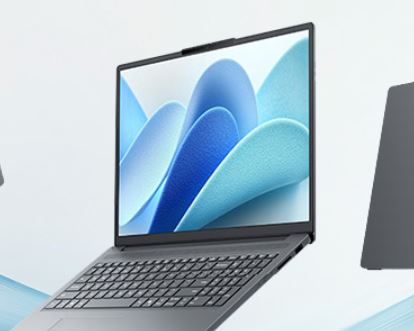
    Lenovo has just introduced its newest series of laptops in China. The Lenovo Xiaoxin SE 2025 series is making its first appearance as a budget-friendly range of notebooks aimed specifically at the Chinese audience, even though there might be a possibility that some versions will be available globally under different names.

    Series Overview

    The fresh Xiaoxin SE 2025 series consists of six unique laptops, categorized into three different sizes, each offered with either an AMD or Intel processor. The options include a 14-inch model, a 15.3-inch version, and a 16-inch variant. All available sizes can be equipped with Intel’s Core i5-13420H or AMD’s Ryzen 7 8745HS as their processor.

    Specifications

    Every laptop in the range comes with 1920×1200 IPS screens, 50 Wh batteries, and keyboards featuring a 1.3 mm key travel. The two larger models also include a numeric keypad. Additional features of the Xiaoxin SE 2025 series are 16 GB of removable RAM, a 512 GB SSD, and an extra slot for another M.2 SSD (you can get the Samsung 990 Evo Plus 1TB SSD from Amazon). The ports available feature an HDMI port, a 3.5mm audio jack, a charging port, and one USB-A 3.2 Gen 1 port on each side, alongside a fully functional Type C port.

    Dimensions and Pricing

    All models have a thickness of 16.9 mm. The weights for the different sizes are as follows: the 14-inch model weighs 1.39 KG, the 15.3-inch model is 1.59 KG, and the 16-inch model is 1.68 KG. The pricing details are as follows:

    Source: Link


    Image 1
    Image 1
    Image 1
  • Geekom Unveils QS1 ARM Desktop and A9 Max at CES 2025

    Geekom Unveils QS1 ARM Desktop and A9 Max at CES 2025

    It’s that time of year again when CES rolls around, and Geekom, a prominent name in the realm of eco-friendly mini PCs globally, is certainly making waves at the biggest tech event in the world.

    This year, Geekom is showcasing some exciting new products, highlighted by the introduction of the first ARM-based mini PC and a top-tier device that runs on the newest AMD Ryzen 9 HX 300 APUs. Additionally, they’re presenting one of the most budget-friendly mini PCs available in the market.

    Geekom QS1: A Game-Changer

    The Geekom QS1 stands out as the first mini PC powered by ARM technology. It utilizes Qualcomm’s latest Snapdragon X Elite X1E-80-100 SoC, which brings mobile flexibility into a desktop environment.

    With its Snapdragon X1E-80-100, the QS1 boasts 12 Oryon CPU cores running at 4 GHz, an Adreno X1-85 GPU with 3.8 TFLOPs performance, and a Hexagon NPU delivering 45 TOPS. It supports up to 65 GB of LPDDR5x memory, making it ideal for smooth multitasking while maximizing energy efficiency.

    High Performance with Geekom A9 Max

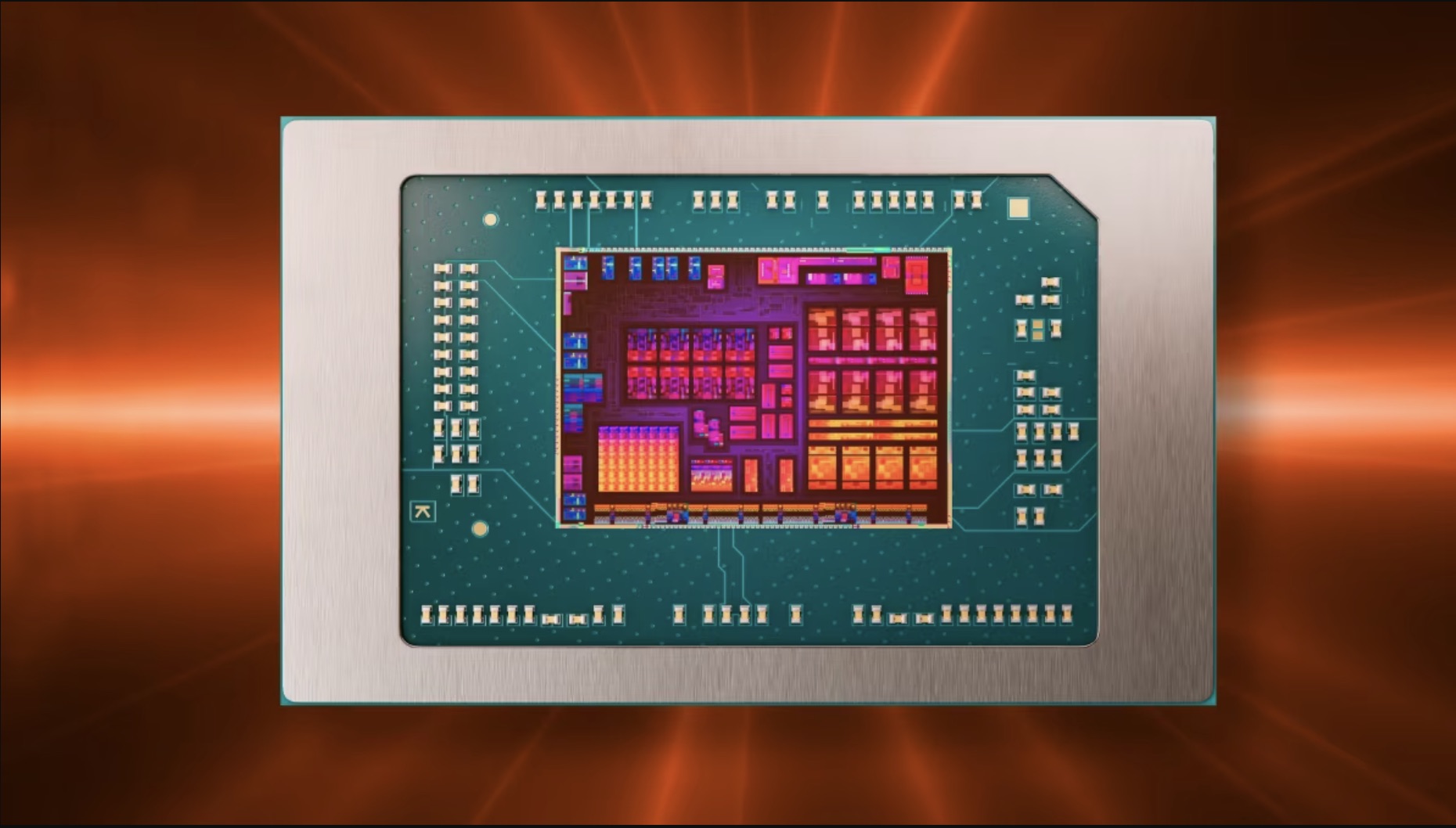
    Next up, the Geekom A9 Max delivers exceptional performance thanks to the robust AMD Ryzen AI 9 HX 375 APU. This powerhouse features 12 Zen 5 and Zen 5c cores, making it exceptionally capable of handling complex tasks without breaking a sweat.

    It also has an outstanding Radeon 890M integrated GPU, providing an impressive 80 TOPS of AI performance. With all this power, along with generous RAM and storage options, a wide array of ports including USB4, and support for Wi-Fi 7, the Geekom A9 Max becomes an ideal choice for work, gaming, and content creation.

    Affordable Excellence with Geekom A6

    The newly released Geekom A6 demonstrates that a high-performing mini PC doesn’t have to be expensive. Priced under $500, the A6 is considered the best in its range, providing uncompromised performance.

    Equipped with an AMD Ryzen 7 6800H APU, the A6 features 8 cores and 16 threads, reaching speeds of up to 4.7 GHz, making multitasking a breeze. With its Radeon 680M integrated GPU, it offers sufficient power for light to medium gaming, comparable to entry-level discrete graphics cards.

    Moreover, the A6 supports up to 32 GB of RAM and offers SSD expansion up to 1 TB, along with Wi-Fi 6E connectivity and a well-rounded port selection that includes two USB4 ports. This ensures a full desktop experience at an unbeatable value that’s tough to pass up.


    Image 1
    Image 1
    Image 1
  • Arrow Lake-HX Leak Lowers Hopes for AMD Ryzen 9 9955HX3D

    Arrow Lake-HX Leak Lowers Hopes for AMD Ryzen 9 9955HX3D

    Laptop fans from all corners are buzzing with excitement over the upcoming high-performance mobile CPUs from Intel and AMD. Intel’s Arrow Lake-HX series is likely to launch at CES 2025, and AMD is rumored to be preparing its Zen 5-based “Fire Range” laptop CPUs, which aim to surpass the popular Dragon Range CPUs known for their excellent multicore performance and gaming capabilities.

    Intel’s Arrow Lake-HX Lineup

    According to a Weibo post, a vendor from China has shared some disappointing news regarding Intel’s Arrow Lake-HX lineup. Specifically, the Core Ultra 9 255HX and the Core Ultra 275HX are expected to not offer significant upgrades. For those hoping for Intel to make a strong comeback, this news isn’t encouraging. However, the post didn’t provide further specifics or benchmarks, leaving us in the dark about what “not greatly improve” really means. Interestingly, the flagship Core Ultra 9 285HX, featuring 8 P-cores and 16 E-cores, still remains a surprise factor, although we haven’t seen any benchmark results for it yet.

    AMD’s Fire Range CPUs

    On the flip side, the vendor has also disclosed that AMD is working on successors to the “Dragon Range” CPUs, which will likely include a version with 3D V-Cache. Reports from both Golden Pig Upgrade and HXL suggest the new chip might be called the Ryzen 9 9955HX3D, which would be fantastic if accurate, as it would save us from yet another rebranding. However, no specific details have been provided, so information about core counts and clock speeds is still unclear. The previous “Dragon Range” processors featured 16 cores and cache options of 64/128 MB, so we might expect something similar from the “Fire Range” series as well. Regardless, having desktop-grade chips in a mobile setup should guarantee remarkable performance, especially for high-end laptops.

    Source: Link


    Image 1
  • Samsung HBM4 Memory Begins Trial Production, Mass Production by 2025

    Samsung HBM4 Memory Begins Trial Production, Mass Production by 2025

    Samsung Electronics has completed the design for its upcoming High Bandwidth Memory (HBM4) logic chips and has begun trial production using a 4nm process. This is an important move that paves the way for mass production in the latter part of 2025, which is roughly six months earlier than the initial timeline set for 2026. This acceleration might help Samsung secure significant orders for future GPU platforms from Nvidia.

    Production Details

    Reports suggest that Samsung’s storage unit has finalized the logic chip designs, while their foundry unit is actively engaged in trial runs at the 4nm level. The HBM4 production takes place in a specialized facility known as D1c, which utilizes a cutting-edge 10nm DRAM process. Notably, Samsung has bypassed the traditional D1b development phase to expedite the process.

    Performance Enhancements

    Technical insights revealed at ISSCC 2024 indicate that HBM4 will provide a substantial increase in performance, achieving data transfer speeds of up to 2 TB/s—around 66 percent faster than the previous HBM3E. Additionally, it will feature a 2048-bit interface operating at 6.4 GT/s and a capacity increase up to 48 GB, which is 33 percent larger than its predecessor.

    Competitive Landscape

    On the other hand, SK Hynix, Samsung’s main competitor in the HBM market, is also reportedly accelerating its own HBM4 development to meet the same 2025 deadline. Analysts from Hanwha Investment & Securities predict that SK Hynix will maintain its market share lead and may be the first to deliver HBM4 samples to its clients.

    Beyond Nvidia, Samsung is tailoring HBM4 solutions for clients like Microsoft and Meta. This memory technology is crucial for Nvidia’s forthcoming “Rubin” GPU platform, expected in 2026, which will incorporate eight HBM4 chips and depend on TSMC’s 3nm process.

    Market Trends

    Samsung’s existing range of HBM products is experiencing significant growth. Sales in the third quarter of 2024 increased by over 70 percent compared to the previous month. HBM3E products, including both 8-layer and 12-layer versions, have entered mass manufacturing and are projected to comprise about half of Samsung’s total HBM sales by the end of 2024.

    Source: Link


    Image 1
  • Cubie A5E: Compact Raspberry Pi Alternative Single-Board Computer

    Cubie A5E: Compact Raspberry Pi Alternative Single-Board Computer

    We have discussed Radxa multiple times on this site, a company that is recognized in specific circles for its single-board computers (SBCs) and more. Their latest offering, the Cubie A5E, is a small SBC that provides a range of expansion choices. The device has dimensions of 69 x 56 mm (2.7 x 2.2 in) and is available with either an Allwinner T527 or A527 system-on-chip (SoC). Both of these chips come with eight Cortex-A55 cores, a Mali-G57 MC1 GPU, and an optional NPU capable of delivering up to two TOPS, which makes it suitable for AI tasks.

    Configuration and Storage Options

    The Cubie A5E can be set up with 1, 2, or 4 GB of LPDDR4 RAM, but it lacks built-in storage aside from a small SPI flash chip used for the bootloader. As is common, users have the option to add a memory card or to install an NVMe M.2 2230 SSD. For video connections, it has one HDMI 2.0a port and an MIPI FPC interface. Users can connect cameras not only through USB, which is standard in consumer devices, but also via the MIPI CSI interface. There are two Gigabit Ethernet ports for networking, with one of them capable of Power over Ethernet (PoE). Additionally, it comes with Wi-Fi 6 and Bluetooth 5.3, plus a single USB 3.0 port.

    Power and Connectivity Features

    The Cubie A5E is powered through USB-C and can consume up to 20 watts. It includes a 40-pin GPIO header compatible with HATs meant for the Raspberry Pi. The device also has two user-assignable LEDs on board. However, there hasn’t been any detailed announcement regarding its pricing or when it will be available.

    Source: Link


    Image 1
  • Incase Launches Ergonomic Split Keyboard to Prevent Injuries

    Incase Launches Ergonomic Split Keyboard to Prevent Injuries

    Incase has introduced a new keyboard called the Compact Ergonomic Keyboard, aimed at helping people avoid injuries while typing. This keyboard promotes proper wrist alignment and has a special Copilot key that activates the AI features in Microsoft Windows 11, Office, and Edge, enhancing work efficiency.

    Benefits of Microsoft Copilot

    With Microsoft Copilot, users can enjoy several AI-driven features that save time. These include summarizing meetings, clarifying complex subjects, offering gaming advice, and assisting with online shopping. By pressing the dedicated Copilot key on the keyboard, users can access the AI assistant without delay.

    Ergonomic Design Features

    The Compact Ergonomic Keyboard is crafted in collaboration with Microsoft, drawing on years of ergonomic research. The unique design features a split layout, angling the keys towards each hand, which helps keep the wrists straight and minimizes the risk of repetitive strain injuries (RSIs) from prolonged typing.

    Other Specifications

    Even though it has a compact structure, the Incase Compact Ergonomic Keyboard offers a cushioned palm rest and maintains full-sized keys, ensuring that users’ fingers have enough room to type comfortably. The keyboard connects wirelessly via Bluetooth 4.0 to as many as three devices running Windows 8.1, 10, or 11. It operates on two AAA batteries that last for up to 36 months. The keyboard dimensions are 13 x 8.6 x 1.2 inches (33.0 x 21.8 x 3.0 cm), and the key travel is 0.05 inches (1.3 mm).

    The Incase Compact Ergonomic Keyboard (SKU MI9-00001) is set to launch in early 2025, available through the Incase website and on Amazon for a suggested retail price of $119.99. suggested retail price of $119

    Source: Link


    Image 1
  • GX06 Mini PC: Mac Mini-Like Cooling & Dedicated GPU

    GX06 Mini PC: Mac Mini-Like Cooling & Dedicated GPU

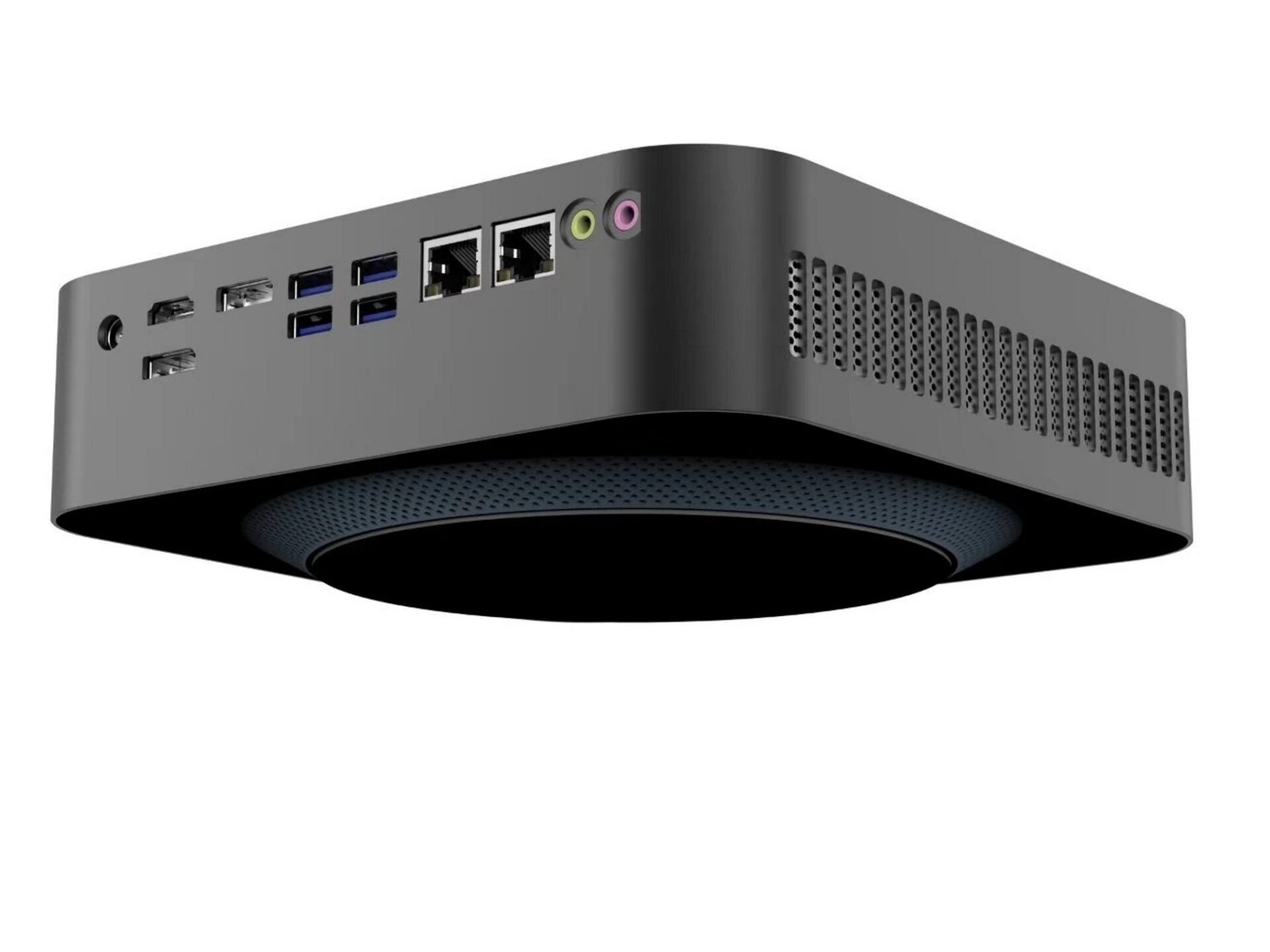
    The GX06 is a newly released mini PC that you can import directly. It features the powerful, albeit somewhat older, Intel Core i9-12900H CPU along with a dedicated graphics card. Specifically, it includes an Nvidia GeForce RTX 4050, which is geared towards light to moderate gaming and video editing tasks. The device is equipped with 16 GB of RAM and a 1 TB M.2 SSD.

    Design and Specifications

    Taking inspiration from Apple’s Mac Mini, the GX06 has a raised base for better airflow, complemented by ventilation grilles on its sides. The dimensions of the model are 203 x 203 millimeters, with a height of 53 millimeters. The connectivity options include one HDMI 2.1 port, two DisplayPort 1.4 ports, four USB 3.2 Gen 1 ports, and two Gigabit Ethernet ports. Additionally, there are two jacks for a microphone and headset. All connections, including the power socket, are positioned at the back, creating a clean and minimalist front design. For wireless features, it supports Bluetooth 5.0 and WiFi 6. The GX06 operates on a 210-watt power supply.

    Pricing and Purchase Information

    If you’re interested in purchasing the mini PC, you can find it on Banggood for $820. Shipping is included at no extra cost, but potential buyers should check on any import fees that may apply. For instance, those in the US might face a “simplified clearance” fee for orders exceeding $800. It’s also worth noting that since this is a Chinese supplier, enforcing warranty rights could be challenging, if not impossible, if any issues arise.

    Source: Link


    Image 1