Key Takeaways
1. Starlink’s monthly subscription fee in India will be about $35, significantly higher than the expected $10.
2. High setup and equipment costs limit Starlink’s ability to compete with local telecom providers like BSNL.
3. Starlink aims to serve only 2 million customers in India, which may not threaten existing telecom services.
4. Future expansions will include launching V3 satellites, expected to provide faster speeds and greater capacity by next summer.
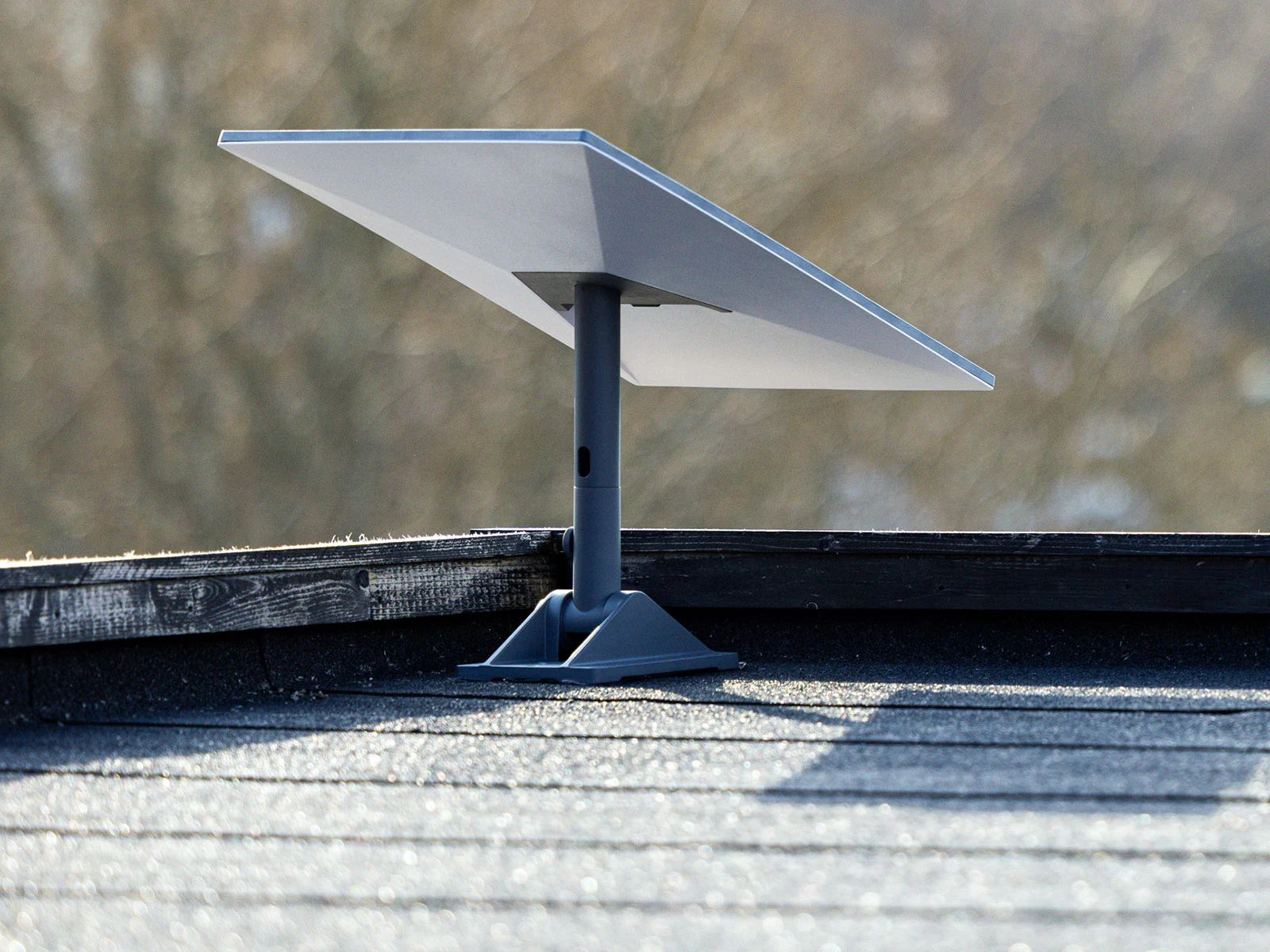
5. The current Starlink Standard Kit will not support the higher speeds of the V3 network, leading to the release of a new high-priced Performance dish for business customers.
When Starlink begins its service in India, the monthly subscription fee will not be the expected $10 that experts thought might disrupt local telecom companies and lead to a swift growth in satellite Internet users.
High Costs Ahead
According to the Indian communications ministry, the launch of Starlink in India, along with all necessary ground stations and antenna equipment, will be very costly. The initial setup and equipment expenses are so significant that Starlink will only be able to provide its services at a price of about $35 a month after it starts operations.
Market Competition
This price is much higher than the hoped-for $10 per month, which would have allowed it to compete with government rural service providers like BSNL. The Minister has stated that “Starlink can only have 20 lakh customers in India and offer speeds of up to 200 Mbps,” suggesting that the pricing and speed of Starlink’s offerings will not pose a threat to the existing telecom services.
These figures are important for the global Starlink users to know, as adding an additional two million customers could challenge Starlink’s network capabilities at increased speeds, even though SpaceX is currently enhancing its capacity by 5 Tbps every week.
Future Expansion Plans
Starting next year, the Starlink satellite Internet network will be able to accommodate more subscribers and deliver faster speeds, ensuring that current users’ experiences remain unaffected. SpaceX plans to start launching its V3 satellites by next summer using the Starship 3 rocket, which is in the testing phase.
These new satellites are bigger and will provide ten times the capacity of the existing V2 models, while the supported downlink speeds will increase by 24 times. However, the current Starlink Standard Kit will not support the gigabit speeds that the V3 satellite network is expected to provide. Thus, Starlink has recently released a high-priced Performance dish, costing $1,999, which is primarily aimed at business customers.
Source:
Link