Tag: UCLA

  • UCLA’s Eyelid Sensor Tracks Fatigue with 96% Accuracy

    UCLA’s Eyelid Sensor Tracks Fatigue with 96% Accuracy

    Key Takeaways

    1. UCLA researchers developed a soft, self-powered sensor to measure fatigue by tracking eyelid movements with 96.4% accuracy.
    2. The sensor uses the giant magnetoelastic effect to convert eyelid movements into detectable magnetic signals.
    3. It features a silicone rubber layer filled with micromagnets and a conductive gold coil, making it stretchable and waterproof for eyelid wear.
    4. The device processes eyelid motion signals through a neural network that evaluates six eye-blink metrics to assess fatigue levels.
    5. The discovery of the giant magnetoelastic effect represents a major scientific breakthrough, with potential yet to be fully explored.


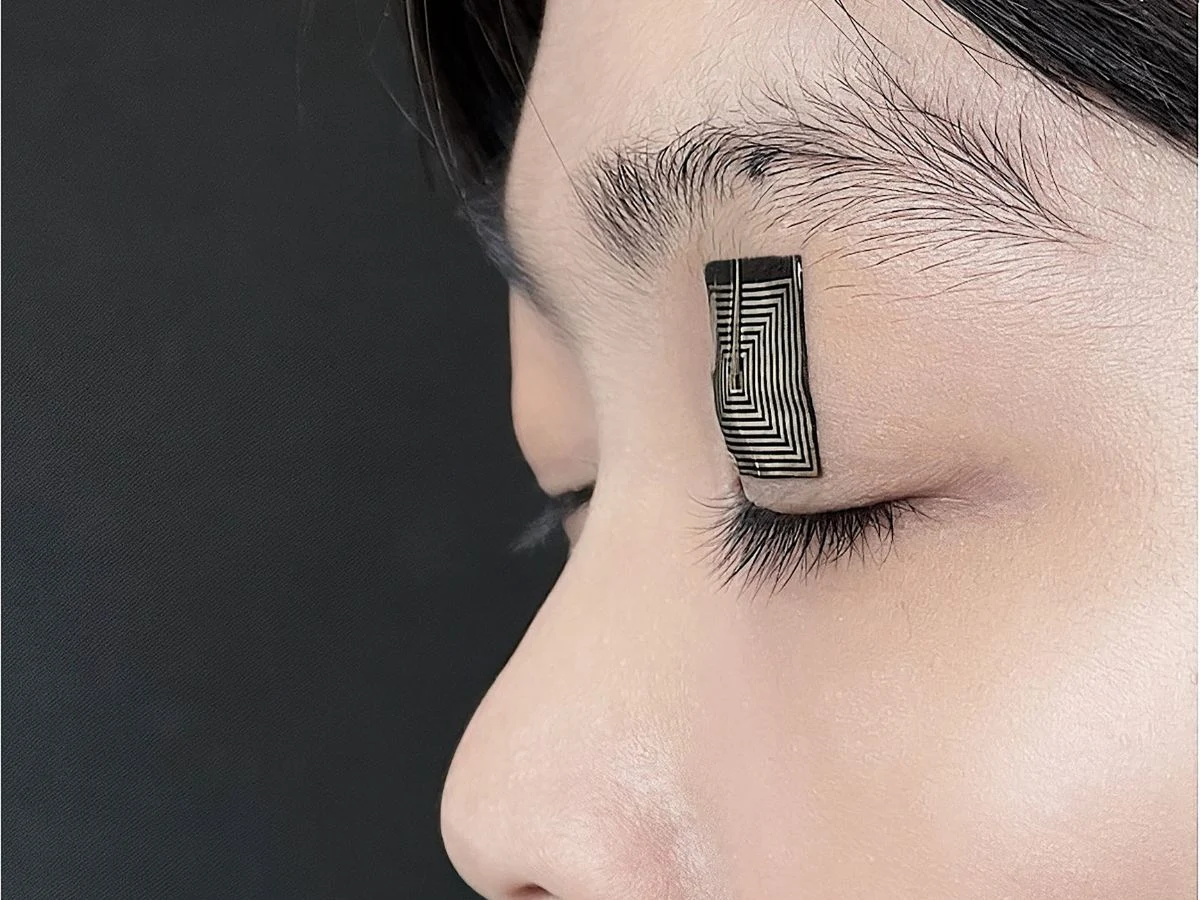
    Researchers from UCLA have created an innovative soft, self-powered sensor that can effectively measure how tired a person is by observing their eyelid movements. This new gadget, highlighted in the journal Nature Electronics, fuses a unique sensor with an AI algorithm to interpret fatigue levels. Claiming an accuracy of 96.4%, this sensor has the potential to pave the way for a new generation of wearable sensors.

    Scientific Breakthrough

    The innovation stems from the finding of the giant magnetoelastic effect in soft materials, which was uncovered in 2021 by the same research team at UCLA. This phenomenon allows a soft polymer composite to transform the mechanical stress caused by eyelid movements into a detectable magnetic signal, which is then converted into an electrical signal.

    Device Specifications

    The sensor consists of a layer of silicone rubber filled with micromagnets and a fine, conductive gold coil that is skillfully patterned onto a thermoplastic elastomer. It is designed to be stretchable and waterproof, making it suitable for wearing on the eyelid. The device captures eyelid motions and converts them into precise signals. These signals are processed by a neural network that evaluates six distinct eye-blink metrics to determine the level of fatigue a person experiences.

    In a wider context, the giant magnetoelastic effect in soft materials marks a significant scientific advancement, although the complete theoretical and experimental capabilities of this discovery are yet to be fully harnessed, according to Dr. Chen, the research leader.

    Source:
    Link


  • Scientists Create Self-Replicating T Cells for Cancer Treatment

    Scientists Create Self-Replicating T Cells for Cancer Treatment

    Key Takeaways

    1. UCLA researchers developed a “tandem” therapy using reprogrammed stem cells to provide a continuous source of immune cells to fight cancer.
    2. Current T-cell therapies often lose effectiveness over time due to fatigue; the new method addresses this by providing two separate cell infusions.
    3. Hematopoietic stem cells (HSCs) serve as a self-replenishing source of T cells, maintaining their tumor-targeting abilities without fatigue.
    4. The study indicates a potential for long-term immune defense against cancer, suggesting future treatment options may prevent recurrence.
    5. The modified stem cells include a safety mechanism (suicide gene sr39TK) that allows for monitoring and elimination of cells if adverse reactions occur.


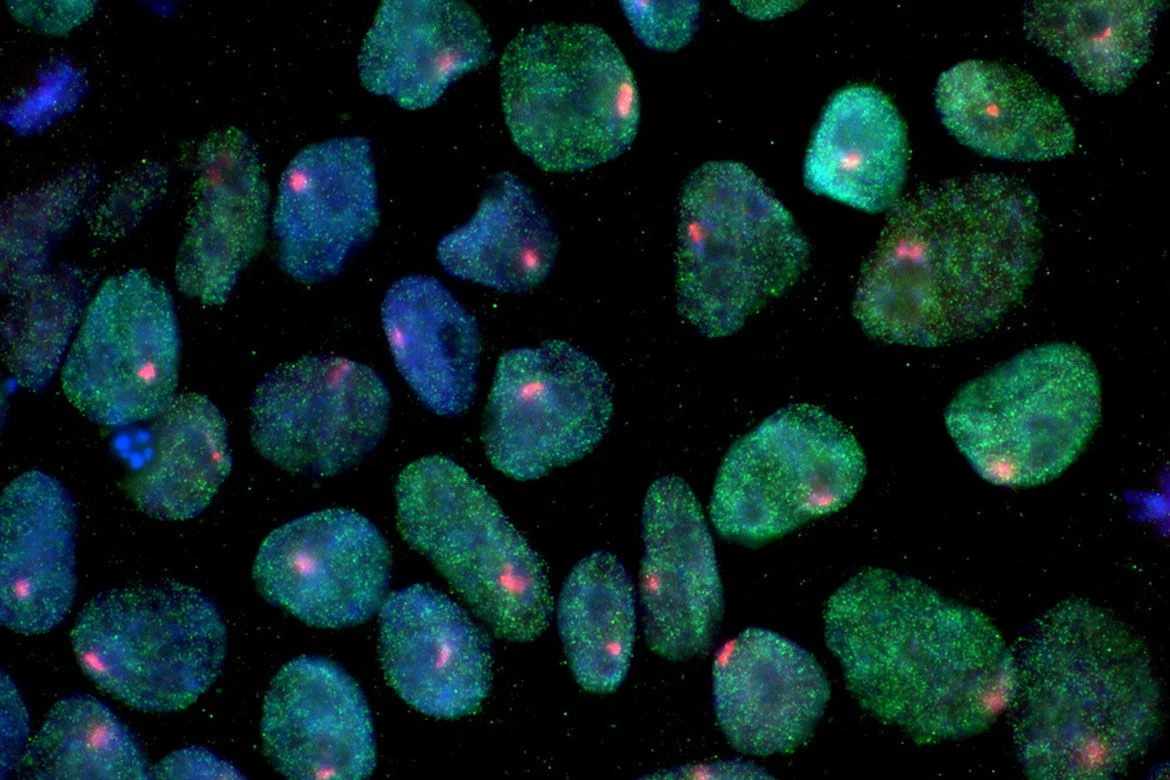
    In a groundbreaking clinical study, researchers from UCLA have successfully utilized a patient’s own reprogrammed stem cells to establish a continuous, internal source of immune cells that can kill cancer. This research, shared in Nature Communications, introduces an innovative “tandem” therapy aimed at tackling a major issue in cancer immunotherapy — the limited duration of T-cell treatments.

    Current Limitations in T-cell Therapy

    Presently, T-cell therapies can produce a strong initial reaction; however, the modified cells sometimes become fatigued and lose their effectiveness over time. The new method from UCLA, which was evaluated in a Phase I clinical trial, tackles this problem by administering two distinct cell infusions. Initially, patients get a standard dose of T cells that are engineered to target tumors expressing the NY-ESO-1 antigen. The following day, they receive another infusion of their genetically altered blood-forming cells, scientifically referred to as hematopoietic stem cells (HSCs).

    Long-Term Immune Response

    These HSCs serve as a sustainable, self-replenishing source, generating fresh T cells right within the patient’s body. Importantly, the study indicates that these new T-cell “descendants” demonstrated tumor-targeting abilities with “no signs of anergy or fatigue,” directly addressing the main drawback of current therapies.

    “We’ve demonstrated that we can reprogram a patient’s own stem cells to establish a renewable immune defense against cancer. While it’s not a complete cure yet… it suggests a future where we not only treat cancer but also prevent its recurrence.” — Dr. Theodore Scott Nowicki, one of the study’s lead authors.

    Safety Features of Engineered Cells

    The modified stem cells also come with an integrated safety mechanism: a “suicide gene” known as sr39TK. This gene enables physicians to monitor the cells within the body through PET scans and provides a method to eliminate them if any unforeseen toxic reactions arise.

    Source:
    Link


  • Smartphones Set for Major Upgrade: More Power, Smaller Size, Less Energy

    Smartphones Set for Major Upgrade: More Power, Smaller Size, Less Energy

    Key Takeaways

    1. UCLA researchers developed a new technique to merge magnetic materials with semiconductors, advancing materials science.
    2. This discovery enhances spintronics, reducing excess heat and allowing for smaller electronic components.
    3. The technology could lead to more powerful, compact, and energy-efficient devices, benefiting smartphones and computers.
    4. It addresses energy and water usage issues in AI systems and could enable quantum computers to function at higher temperatures.
    5. If commercialized, this technology may result in ultra-fast consumer electronics like laptops and smartphones.


    A team of researchers from UCLA has introduced an innovative technique for merging magnetic materials with semiconductors, breaking through a long-standing challenge in materials science. This advancement is set to pave the way for a fresh category of electronics.

    The Impact on Spintronics

    This major discovery is a crucial advancement for spintronics, a field that relies on the spin of electrons instead of their charge. In contrast to traditional electronic devices, spintronic components generate less excess heat, which currently restricts the miniaturization of chips.

    Promising Future Devices

    The implications of this technology could lead to the creation of more powerful, compact, and energy-efficient devices, ranging from smartphones to computers. The innovative method involves layering ultra-thin sheets of semiconductors with magnetic atoms, enabling a magnetic concentration of up to 50%—a significant increase from the previous limit of 5%.

    Addressing Modern Challenges

    Moreover, these new materials could play a significant role in tackling one of today’s most pressing issues: the high energy and water usage of artificial intelligence systems. Upcoming computers utilizing spintronics are expected to support more advanced AI applications without heavily impacting resources or contributing significantly to carbon emissions.

    In addition, this research could lay the groundwork for next-generation quantum computers. The magnetic materials developed could allow quantum computers to operate at higher temperatures than the extremely cold conditions currently needed. The UCLA team has already synthesized over 20 new materials using this innovative method, and a patent for the technology has been submitted.

    The Future of Consumer Electronics

    If this technology reaches consumer markets, we can expect a new wave of ultra-fast laptops and smartphones. Meanwhile, high-performance devices like the Samsung Galaxy S25 Ultra (currently priced at $1,105 on Amazon) are meeting the demands of users today.

    Source:
    Link