
Key Takeaways
1. UCLA researchers developed a soft, self-powered sensor to measure fatigue by tracking eyelid movements with 96.4% accuracy.
2. The sensor uses the giant magnetoelastic effect to convert eyelid movements into detectable magnetic signals.
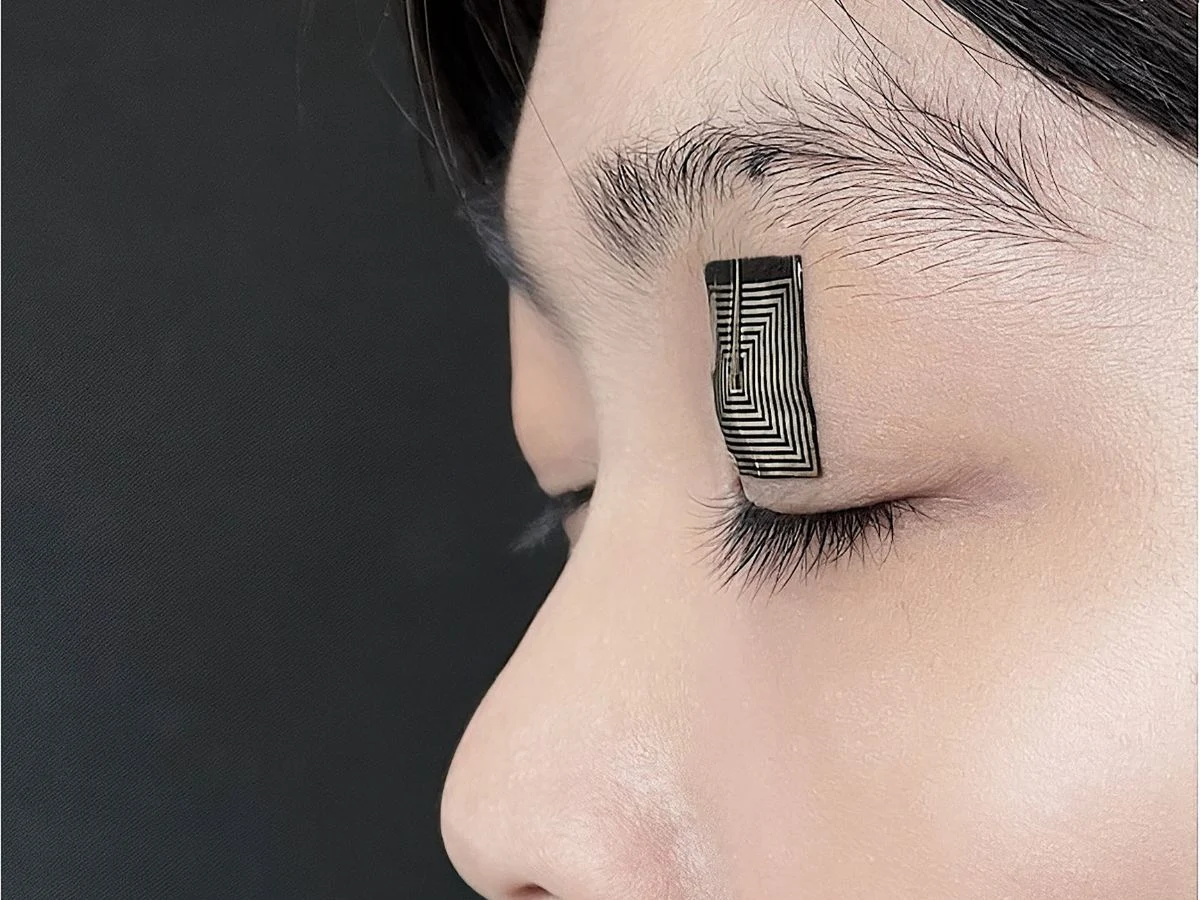
3. It features a silicone rubber layer filled with micromagnets and a conductive gold coil, making it stretchable and waterproof for eyelid wear.
4. The device processes eyelid motion signals through a neural network that evaluates six eye-blink metrics to assess fatigue levels.
5. The discovery of the giant magnetoelastic effect represents a major scientific breakthrough, with potential yet to be fully explored.
Researchers from UCLA have created an innovative soft, self-powered sensor that can effectively measure how tired a person is by observing their eyelid movements. This new gadget, highlighted in the journal Nature Electronics, fuses a unique sensor with an AI algorithm to interpret fatigue levels. Claiming an accuracy of 96.4%, this sensor has the potential to pave the way for a new generation of wearable sensors.
Scientific Breakthrough
The innovation stems from the finding of the giant magnetoelastic effect in soft materials, which was uncovered in 2021 by the same research team at UCLA. This phenomenon allows a soft polymer composite to transform the mechanical stress caused by eyelid movements into a detectable magnetic signal, which is then converted into an electrical signal.
Device Specifications
The sensor consists of a layer of silicone rubber filled with micromagnets and a fine, conductive gold coil that is skillfully patterned onto a thermoplastic elastomer. It is designed to be stretchable and waterproof, making it suitable for wearing on the eyelid. The device captures eyelid motions and converts them into precise signals. These signals are processed by a neural network that evaluates six distinct eye-blink metrics to determine the level of fatigue a person experiences.
In a wider context, the giant magnetoelastic effect in soft materials marks a significant scientific advancement, although the complete theoretical and experimental capabilities of this discovery are yet to be fully harnessed, according to Dr. Chen, the research leader.
Source:
Link
Leave a Reply