Category: Computers

  • New MacBook Pro M6 Details: OLED Screen and Dynamic Island Revealed

    New MacBook Pro M6 Details: OLED Screen and Dynamic Island Revealed

    Key Takeaways

    1. Apple introduced the 14-inch MacBook Pro M5, with M5 Pro and M5 Max models expected early next year.
    2. The new MacBook Pro will feature a lighter and thinner design, with a punch hole replacing the notch and possibly incorporating a Dynamic Island feature.
    3. An advanced tandem OLED touchscreen may be included, along with a new hinge design to stabilize the display during touch.
    4. The upcoming MacBook M6 is anticipated to be priced several hundred dollars higher than previous models and is expected to launch late in 2026 or early 2027.
    5. Current pricing for the 14-inch MacBook Pro M4 Pro starts at $1,999, with Apple pausing further touchscreen developments to assess the reception of the new MacBook Pro.


    Apple revealed the 14-inch MacBook Pro M5 on Wednesday, with plans for the M5 Pro and M5 Max models to be launched early next year. Meanwhile, the anticipated Apple M6 laptop is expected to debut late in 2026 or early 2027, which is generating a lot of excitement. A recent report from Bloomberg has shared several new insights regarding Apple’s upcoming flagship laptop.

    New Design Features

    The most significant change is that the MacBook Pro will feature a brand-new design, marking the first update since the M1 version came out in 2021. Reports suggest that the new laptop will be lighter and thinner. Instead of the notch, a punch hole will be introduced, and this area may be used for a Dynamic Island feature. Similar to the Apple iPhone 17, this section could display information like timers or currently playing music.

    Touchscreen Innovations

    What’s particularly fascinating is the potential inclusion of an advanced tandem OLED touchscreen on the MacBook Pro, which would be a first for the Mac range. A newly designed hinge may stop the display from moving when touched with a finger. Bloomberg mentions that the new MacBook M6 might also be priced several hundred dollars higher than its predecessors.

    Current Pricing Context

    To give some context, the existing 14-inch MacBook Pro with the Apple M4 Pro has a starting price of $1,999, while the 16-inch model starts at $2,499. Reports indicate that Apple is not working on any other Macs with touchscreen capabilities and is instead pausing to observe the reception of the MacBook Pro before making further decisions about the MacBook Air and iMac.

    Source:
    Link



  • Lenovo Yoga Pro 9i 16 G10: The Ultimate Windows Multimedia Laptop?

    Lenovo Yoga Pro 9i 16 G10: The Ultimate Windows Multimedia Laptop?

    Key Takeaways

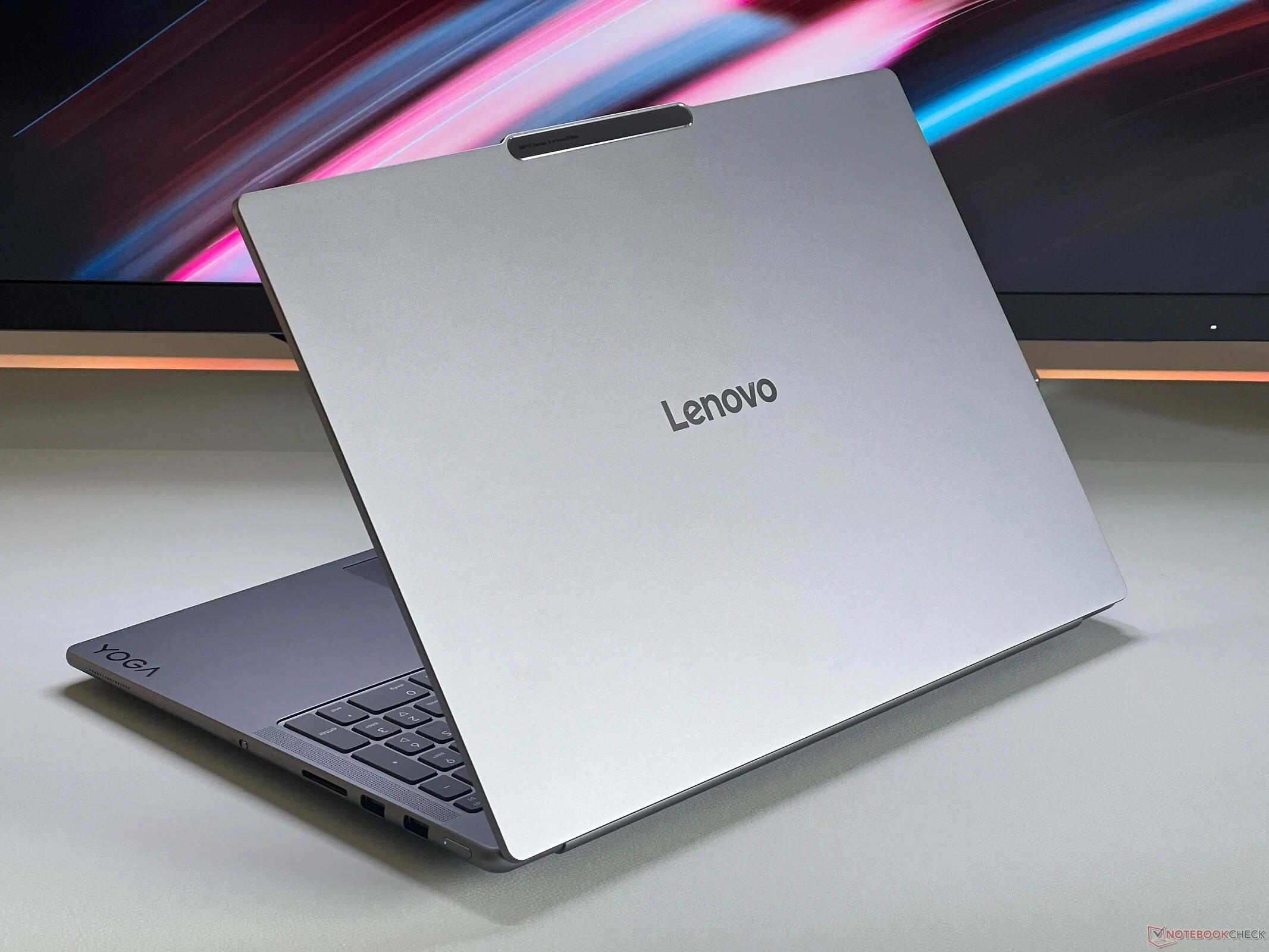
    1. The Yoga Pro 9i 16 G10 is Lenovo’s premium multimedia laptop with top-notch screen options and build quality.
    2. It features the Nvidia GeForce RTX 5070 GPU, but its 8 GB VRAM may limit performance in high-resolution gaming and editing tasks.
    3. Asus’s ProArt P16 offers enhanced graphics and a better OLED display but at a higher price and with less powerful variants available.
    4. The Yoga Pro 9i 16 is a strong contender against Apple’s MacBook Pro 16 in the under €3,000 category.
    5. For gaming, the Yoga Pro 9i 16 is a superior Windows option compared to competitors.


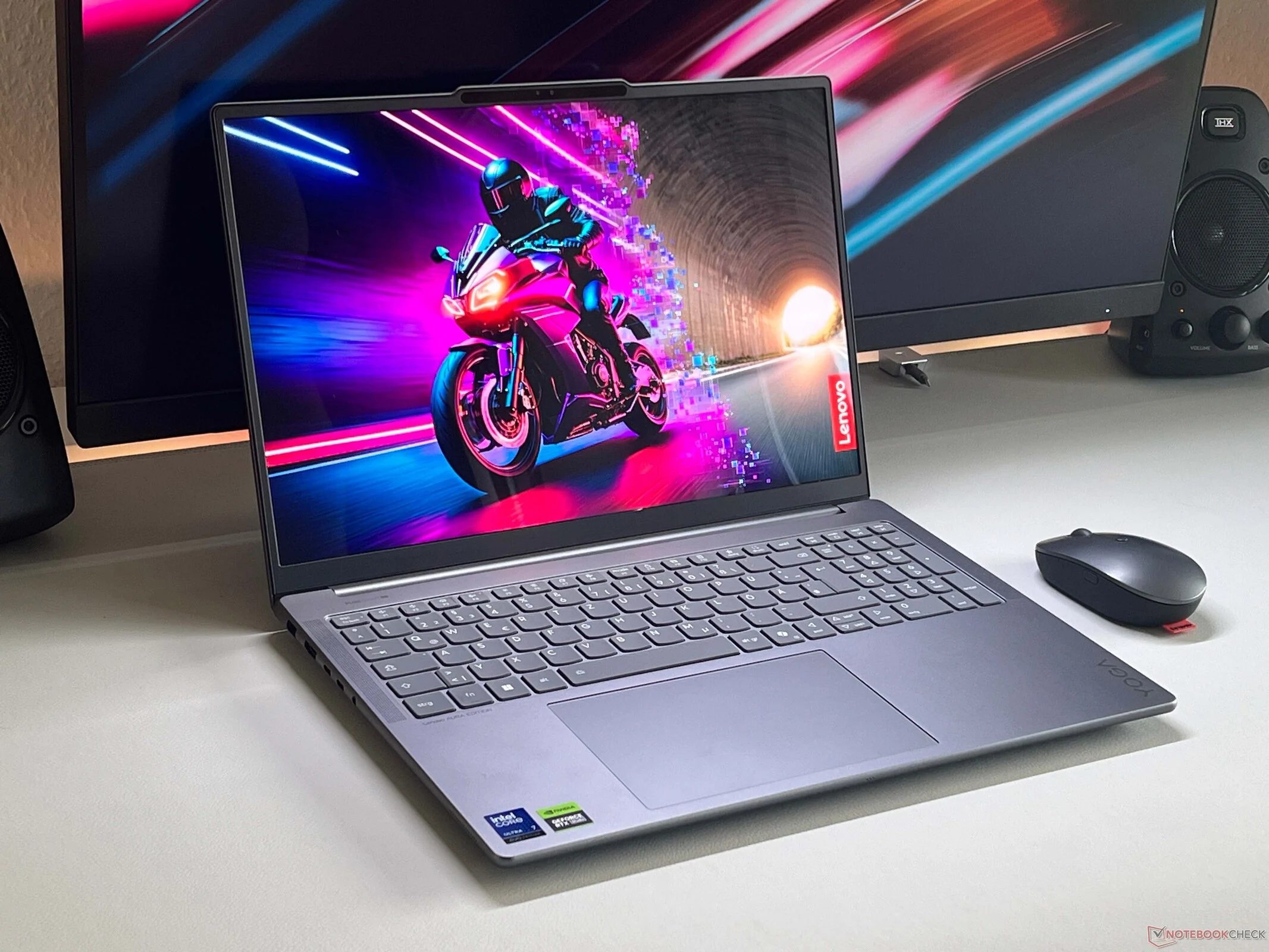
    The Yoga Pro 9i 16 G10 is Lenovo’s top-tier multimedia laptop, boasting excellent screen choices along with a premium build, comfortable controls, and solid performance. We previously highlighted the impressive Tandem OLED display. When it comes to GPU performance, the best available option is the Nvidia GeForce RTX 5070 Laptop. While the performance is decent, the limited VRAM (8 GB) might pose some challenges. This could lead to frame drops during high-resolution gaming, and it may also affect tasks like photo or video editing.

    Asus’s Competitive Edge

    Asus is now providing enhanced versions of the ProArt P16, featuring faster graphics options and an upgraded Tandem OLED display. However, these configurations come with a hefty price tag. In the €3,000 range, Asus only has the less powerful OLED variant, which falls short compared to the Yoga Pro 9i 16’s 2.8K OLED screen. For those seeking peak GPU performance along with more VRAM (up to 24 GB) for editing purposes, the ProArt P16 currently stands alone without a Windows competitor.

    Summary of Features

    Overall, the Yoga Pro 9i 16 stands out as an exceptional multimedia laptop, especially in the below €3,000 segment. It serves as a strong alternative to Apple’s MacBook Pro 16, particularly when considering the cost. For gamers, it’s clear that the Windows option remains the superior choice. For further details, you can check out our comprehensive review of the Yoga Pro 9i 16.


  • NuPhy Node75: Retro Wireless Mechanical Keyboard with 1000-Hour Battery

    NuPhy Node75: Retro Wireless Mechanical Keyboard with 1000-Hour Battery

    Key Takeaways

    1. NuPhy introduced the Node75 hybrid-profile mechanical keyboard with a customizable touch bar, available for pre-order on November 10 at an introductory price of $99.95.

    2. The keyboard features a retro design and claims an impressive battery life of up to 1,000 hours when connected via Bluetooth, potentially with RGB backlighting off.

    3. Connectivity options include 2.4 GHz, Bluetooth, and USB-C wired connections, with customization available through NuPhyIO for macros and key remapping.

    4. The Node75 will utilize a gasket mount PCB and offer a choice of Gateron x NuPhy Low Profile 3.0 or Gateron full-height 5-pin mechanical switches, including various smooth and silent options.

    5. The keyboard boasts a sleek design with color options of beige, pink, and charcoal grey, and features a dot grid touch bar with status feedback LEDs, while allowing users to switch between low-profile and full-height switches.


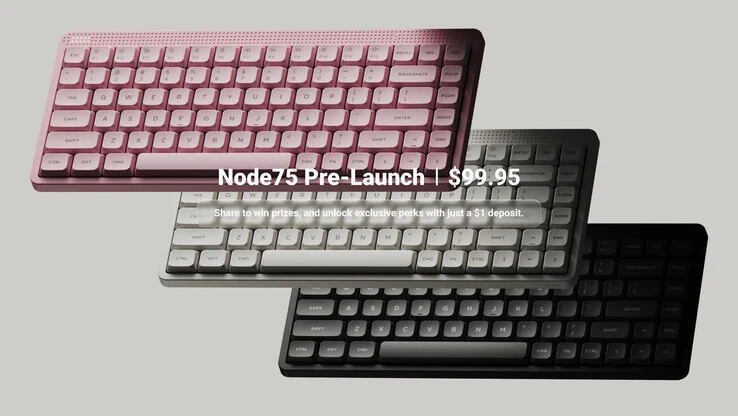
    NuPhy has recently introduced a new hybrid-profile mechanical keyboard through a crowdfunding initiative. This time, it has replaced the knob seen on the Kick75 (currently priced at $99.99 on Amazon) with a unique touch bar situated along the top of the keyboard. The NuPhy Node75 is set to be available for pre-order starting November 10 at an introductory price of $99.95. Additionally, NuPhy has announced that a Node100 model is in development, which will showcase the same retro design as the Node75 but in a full-size format.

    Retro Design and Impressive Battery Life

    The NuPhy Node75 stands out due to its nostalgic appearance, impressive battery life claims, and the innovative customizable touch bar on the keyboard’s surface. NuPhy asserts that when connected via Bluetooth—and likely only when the RGB backlighting is off—the Node75 can provide up to 1,000 hours of battery life. While this claim needs to be verified for credibility, our brief experience with the NuPhy Kick75, which operates on the same NuPhyIO firmware, showed that their battery life assertions were quite reliable.

    Connectivity and Customization Features

    The keyboard will offer several connectivity options, including 2.4 GHz, Bluetooth, and USB-C wired connections, with the first two providing a polling rate of up to 1,000 Hz. It will also be fully customizable through NuPhyIO, the company’s proprietary web-based customization platform that allows users to create macros, remap keys, and even modify the touch bar at the top of the keyboard.

    Quality and Switch Options

    There’s certainly more to a mechanical keyboard than just wireless capabilities and extra features, and the Node75 doesn’t disappoint in specifications. It’s expected to utilize a similar PCB gasket mount as seen in the Kick75, along with a choice between Gateron x NuPhy Low Profile 3.0 or Gateron full-height 5-pin mechanical switches. While it lacks fun analog input features like those we admired in the Keychron K4 HE review, users will find a variety of smooth, pre-lubricated switches available, including the impressive Gateron x NuPhy Red Max switches, as well as the silent Blush and tactile Brown Nano and Max options.

    Compatibility and Aesthetic Appeal

    While it is confirmed that users can swap between low-profile Nano switches and full-height Max switches just by changing the case, it remains uncertain if a kit with both case types and switch options will be offered. It’s likely that conversion kits will only be sold as post-purchase add-ons, similar to the arrangement with the Kick75.

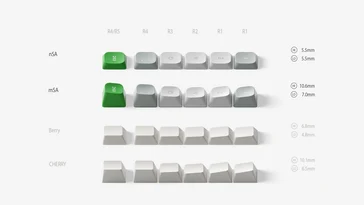
    The NuPhy Node75 combines a sleek and retro-inspired design, featuring a dot grid touch bar at the top and color options of beige, pink, and charcoal grey. The nSA and mSA profiles from NuPhy enhance this retro feel, mimicking the classic SA profiles found on older Apple and IBM keyboards.

    Construction and Innovative Features

    Similar to the recent NuPhy Air75 V3 series, the Node75’s upper case appears to be crafted from either aluminum or opaque plastic, while its lower case is made of translucent plastic. Currently available teasers provide limited information, but it seems there will be 10 white LEDs arranged in a 5×2 grid in the upper left corner of the touch bar for feedback on various statuses like battery level.

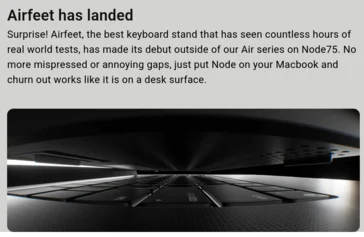
    The NuPhy Node75 will also include the same feet design that allows keyboards, such as those in the Air series, to rest on top of a standard Apple MacBook keyboard without activating the laptop’s built-in keys.

    NuPhy’s latest launch certainly aims to impress with its features and design!

    Source:
    Link


  • MSI Launches AMD Ryzen 9 8945HS Mini PC with Multiple Ports

    MSI Launches AMD Ryzen 9 8945HS Mini PC with Multiple Ports

    Key Takeaways

    1. The MSI Cubi Z AI 8M features AMD Ryzen 8000 series APUs, offering solid performance despite using older Zen 4 architecture.
    2. It can be configured with powerful options, including the Ryzen 9 8945HS, providing excellent multithreaded performance.
    3. The mini PC supports up to 64 GB of dual DDR5 RAM and has a single M.2 2280 storage slot.
    4. It includes modern connectivity options like Bluetooth 5.3 and WiFi 6E, and is designed to be VESA mountable.
    5. Pricing details are not fully confirmed, but it is expected to be in the same range as similar models around $520.


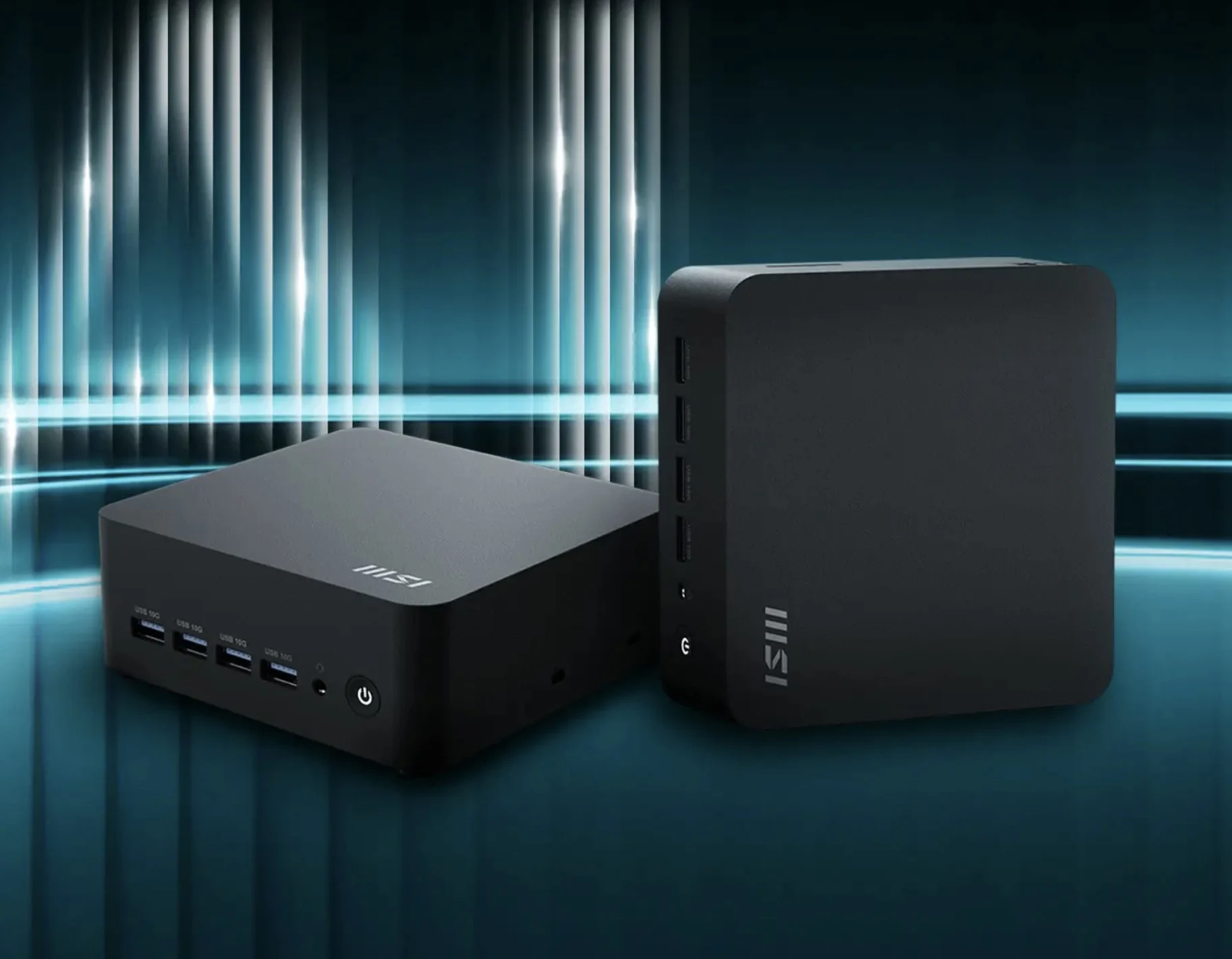
    The Cubi series of mini PCs from MSI tends to be on the higher end of the price range, combining sleek designs that fit well in office environments with a host of appealing features. The newest addition to this series is the Cubi Z AI 8M, which is equipped with powerful AMD Ryzen 8000 series APUs.

    Performance Insights

    It’s a bit puzzling why MSI went with the older Zen 4-based Ryzen 8000 family over the newer Zen 5 models. Nevertheless, the Hawk point chips offer solid performance capabilities. For example, the Cubi Z AI 8M can be configured with the Ryzen 9 8945HS APU, boasting 8 cores and 16 threads. This allows it to deliver multithreaded performance that falls between the Intel Core Ultra 7 255H and Core Ultra 9 285H in Cinebench benchmarks.

    A Range of Options

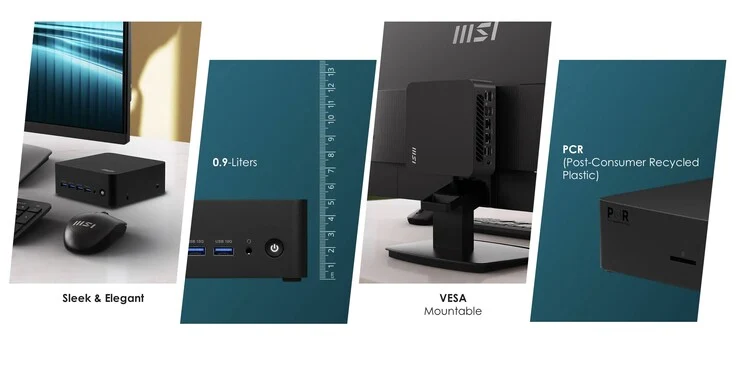
    The Cubi Z mini PC also provides other APU choices, such as the Ryzen 7 8845HS and the Ryzen 5 8645HS. Memory is managed by dual DDR5-5600 slots, supporting up to 64 GB of RAM. For storage, there’s a single M.2 2280 (PCIe Gen4 x4) slot. With a size of only 0.9 liters, the Cubi Z mini PC is compact and cannot accommodate separate GPUs. However, the integrated GPUs in the Ryzen 8000 series are quite capable and can handle light gaming at lower settings. The input/output options include:

    Connectivity and Pricing

    You can enjoy wireless connectivity thanks to Bluetooth 5.3 and WiFi 6E support. The MSI Cubi Z AI 8M mini PC is also designed to be VESA mountable, making it easier to create neat setups. As of now, pricing details are not fully clear, but more updates are expected soon. Given that the Ryzen 7 8845HS-powered Minisforum UM880 Plus is listed at about $520 on Amazon, it is likely that the MSI Cubi Z AI mini PC will be in a similar price range.

    Source:
    Link


  • Forlinx S12 Mini SBC: Raspberry Pi-Compatible GPIO & Features

    Forlinx S12 Mini SBC: Raspberry Pi-Compatible GPIO & Features

    Key Takeaways

    1. Forlinx has launched the OK3506-S12 Mini SBC, featuring a 40-pin GPIO header compatible with Raspberry Pi.
    2. The SBC is powered by a Rockchip RK3506B SoC with three Cortex-A7 cores and one Cortex-M0 core, supporting up to 512 MB DDR3 RAM and 512 MB built-in flash memory.
    3. The S12 Mini is a smaller, more budget-friendly version compared to the earlier OK3506J-S model, but has fewer features, including only one Ethernet port and fewer USB ports.
    4. It supports various communication interfaces and display options, but lacks eMMC storage and wireless networking capabilities.
    5. The product is available for purchase directly from Forlinx or through their official Alibaba store.


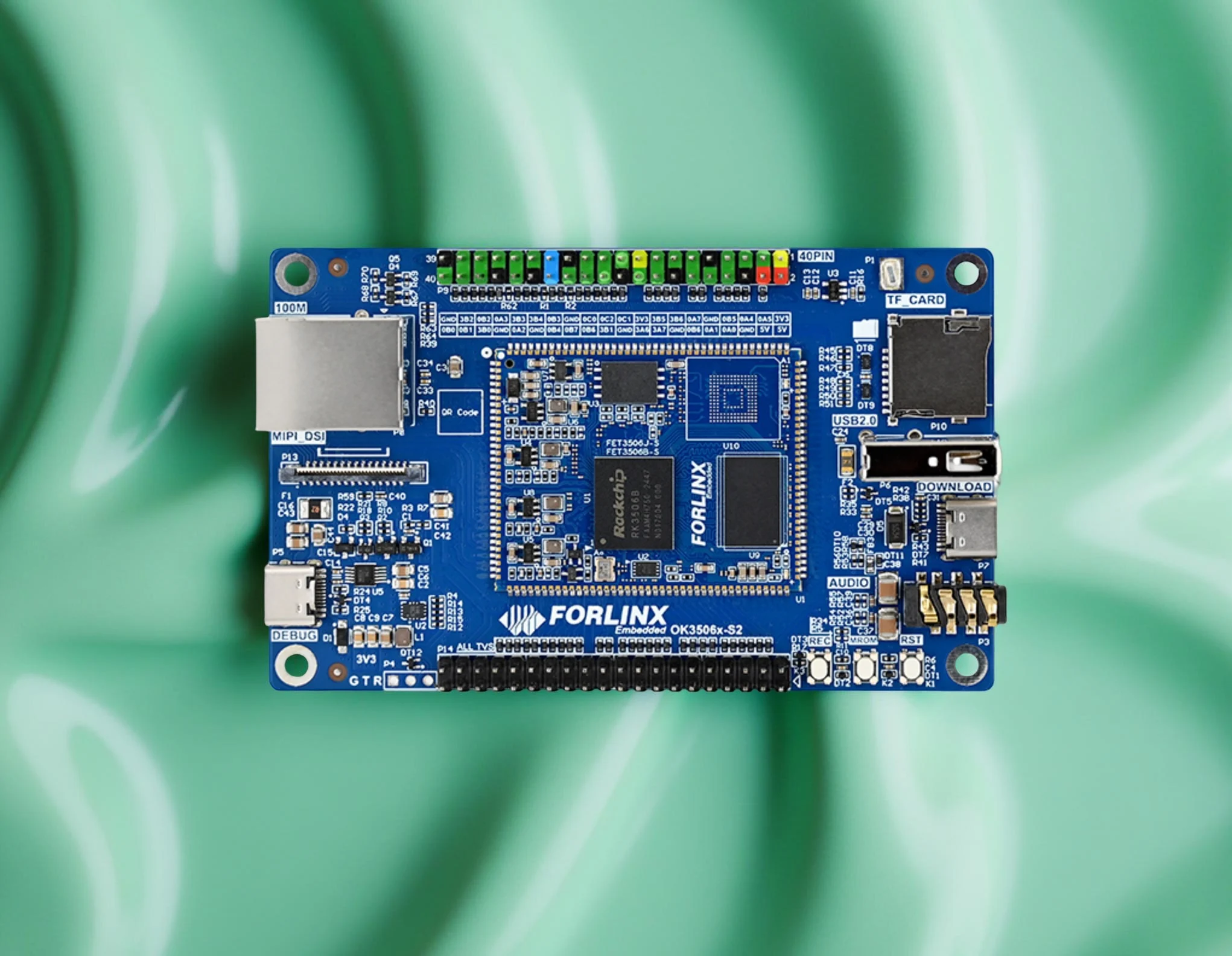
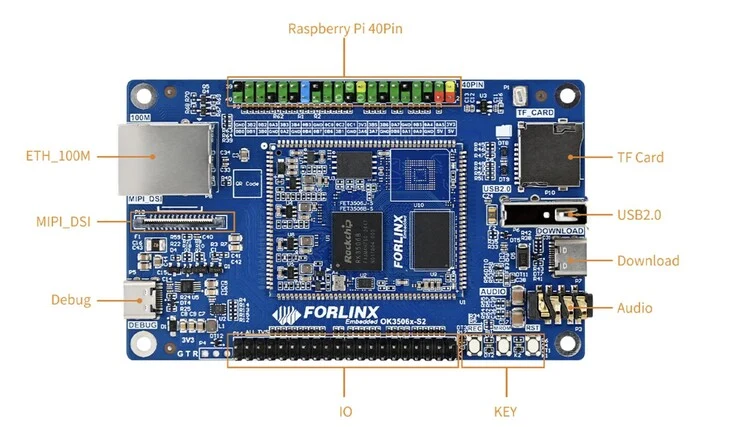
    Forlinx has launched a new SBC (Single-Board Computer) that comes with a quite appealing range of features, including a 40-pin GPIO header compatible with Raspberry Pi. You can buy this product directly from Forlinx or through their official store on Alibaba.

    Powerful Specifications

    The Forlinx OK3506-S12 Mini SBC is driven by an ARM-based 22 nm Rockchip RK3506B SoC, which includes three Cortex-A7 cores running at speeds up to 1.5 GHz, along with a single low-power Cortex-M0 core that clocks at 200 MHz. This SoC can handle up to 512 MB of DDR3 RAM, and the board includes up to 512 MB of built-in flash memory. When compared to the earlier OK3506J-S SBC, the S12 Mini is noted to be a smaller and more budget-friendly option, according to Forlinx.

    Trade-offs for Compactness

    To keep the design compact, some features have been compromised. For example, the S12 Mini is equipped with just one Ethernet port, while the OK3506-S model has two. Additional differences include a reduced number of USB ports, the absence of eMMC storage, and no wireless networking capabilities. Here are more prominent features of the OK3506-S12 Mini SBC:

    The System on Module (SoM) supports the DSMC parallel bus for communication between FPGA and ARM. In addition, the FlexBUS interface allows connections to devices such as DACs, DVP cameras, LCDs, and more. It also supports display interfaces like the 2-lane MIPI DSI. However, for those who need greater computing power, options like the Forlinx FET3562-J SoM may be a better choice (currently priced at $99.27 on Amazon).

    Source:
    Link


  • Asus ROG NUC 2025: Powerful Mini-PC with AMD Ryzen 9 9955HX3D

    Asus ROG NUC 2025: Powerful Mini-PC with AMD Ryzen 9 9955HX3D

    Key Takeaways

    1. Asus has expanded its ROG NUC lineup with new mini-PCs featuring various Nvidia GeForce RTX laptop GPUs, including the RTX 5060 to RTX 5080.
    2. The ROG NUC 2025, priced at $2,499, was highlighted during its release at CES 2025.
    3. New models now include the option for AMD’s Ryzen 9 9955HX3D processor, which outperforms Intel’s Core Ultra 9 275HX by approximately 8%.
    4. The Ryzen 9 9955HX3D features 16 Zen 5 CPU cores and supports 32 threads, with the Radeon 610M iGPU included, though it’s not suited for high-end gaming.
    5. The new AMD ROG NUC model is currently available in China for CNY 14,999 (about $2,105) and includes 32 GB of RAM and 1 TB of storage, with potential global release expected.


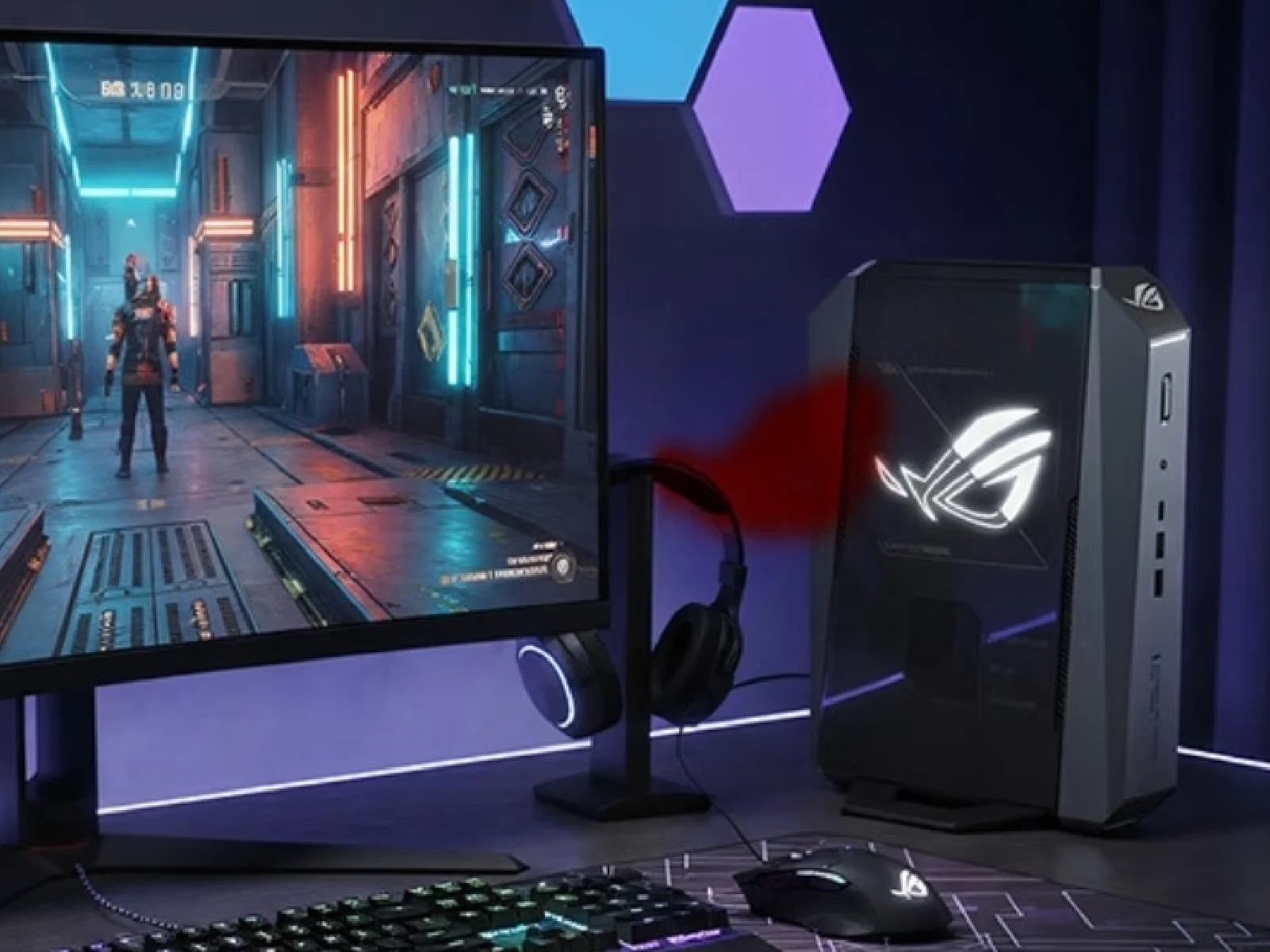
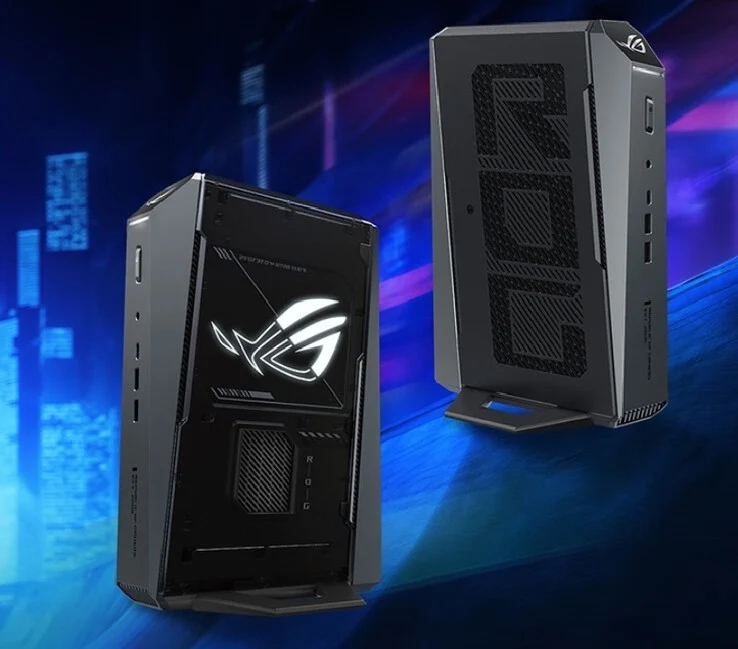
    Asus has rolled out a number of mini-PCs this year through different launches. The ROG NUC 2025 has taken the spotlight (currently priced at $2,499 on Amazon) since its release in January during CES 2025. Following that, Asus has been steadily growing its ROG NUC lineup, which now includes options with Nvidia GeForce RTX 5060, GeForce RTX 5070, GeForce RTX 5070 Ti, and GeForce RTX 5080 laptop GPUs.

    New Additions to the Lineup

    As mentioned before, Asus pairs these Blackwell architecture GPUs with Intel Arrow Lake HX processors like the Core Ultra 7 255HX or the Core Ultra 9 275HX. Nearly a year down the line, the brand has finally opted to offer the ROG NUC with an AMD chip.

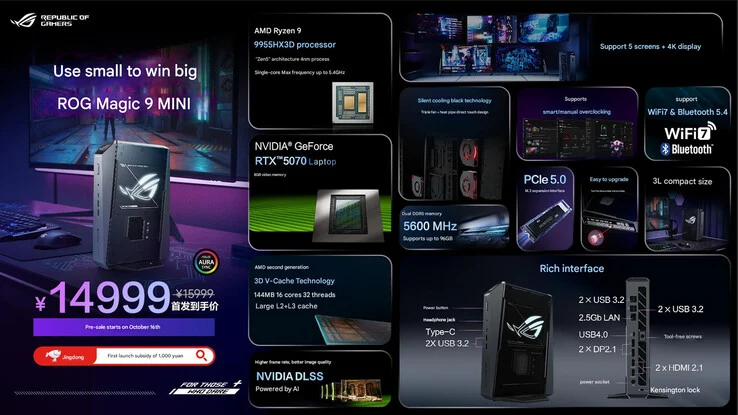
    In particular, the ROG NUC can now be equipped with the Ryzen 9 9955HX3D, which is a Fire Range HX processor featuring 16 Zen 5-based CPU cores that support 32 threads. To give you a comparison, the Ryzen 9 9955HX3D outperforms the Core Ultra 9 275HX by roughly 8% in our tests.

    Performance Insights

    Moreover, the Ryzen 9 9955HX3D comes with the Radeon 610M iGPU. While it isn’t powerful enough for high-end gaming, Asus currently pairs AMD’s Fire Range HX processor with just the GeForce RTX 5070 laptop GPU. Aside from this change, the ROG NUC looks similar to its previous Intel-based versions. Presently, the new AMD model is only on sale in China, where it is priced at CNY 14,999 (about $2,105) and comes with 32 GB of RAM and 1 TB of storage. Even though it isn’t officially confirmed yet, Asus usually releases all its ROG NUC models worldwide at some point.

    Source:
    Link


  • Shuttle XPC DL40N: Fanless Mini PC with 8-Core Intel Processors

    Shuttle XPC DL40N: Fanless Mini PC with 8-Core Intel Processors

    Key Takeaways

    1. The Shuttle XPC DL40N features Intel’s Twin Lake processors in a compact 1.3-liter case for quiet operation.
    2. It supports several Intel chips (N150, N250, Core i3-N350) with up to 8 cores, but none support hyper-threading.
    3. The N350 chip offers competitive performance, reaching speeds of up to 3.9 GHz, while the entry-level N150 is significantly slower.
    4. The mini PC includes integrated graphics, supports up to 16 GB of DDR5-4800 RAM, and offers various storage options and extensive connectivity.
    5. Pricing for the Shuttle XPC DL40N has not been disclosed, and interested buyers need to contact Shuttle for more information.


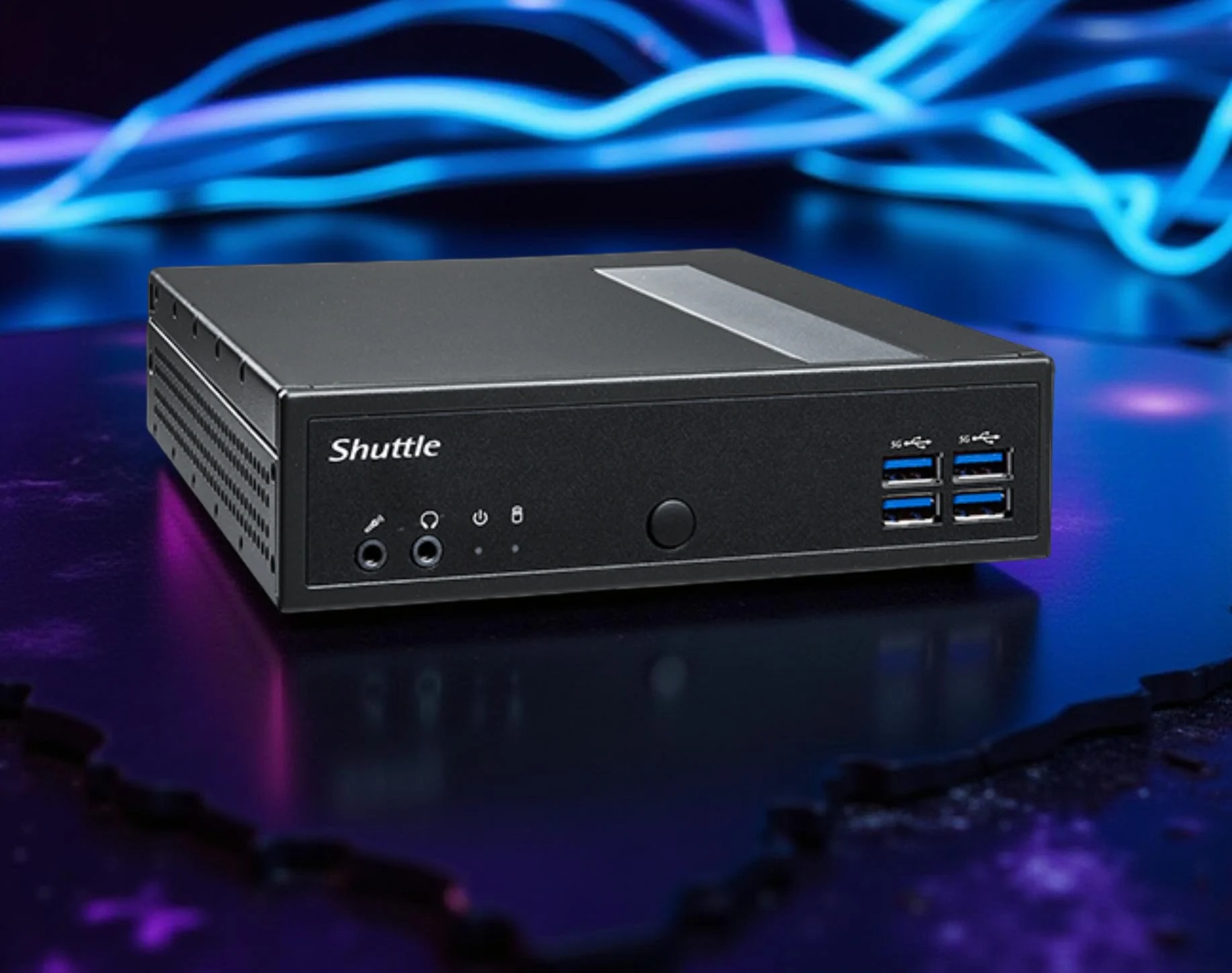
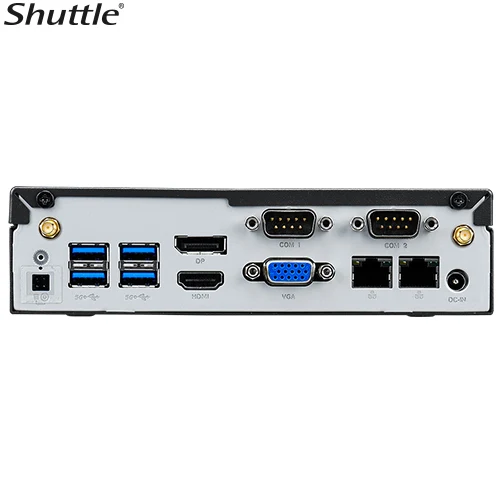
    Shuttle has a good reputation for creating powerful mini PCs for both industrial and personal use. One of their newest offerings is the XPC DL40N, which features Intel’s Twin Lake processors housed in a silent 1.3-liter case, allowing for quiet operation.

    Specifications and Performance

    The XPC DL40N mini PC can be outfitted with several Intel chips, including the Processor N150, N250, and Core i3-N350. These processors come with four, four, and eight cores, respectively, all built on Gracemont efficiency architecture. It’s important to note that none of these chips support hyper-threading. The most powerful chip, the N350, can reach speeds of up to 3.9 GHz, while the N150 and N250 chips max out at 3.6 GHz and 3.8 GHz. Performance is expected to be quite good, with the N350 competing closely with the Core i5-11300H in multi-core tasks. On the flip side, the entry-level N150 is significantly slower, trailing by about 40%.

    Graphics and Memory Options

    Unsurprisingly, there’s no choice for internal discrete graphics. However, all of the included chips feature integrated graphics, which should suffice for basic graphical tasks and video outputs. The systems can support up to 16 GB of DDR5-4800 RAM and various storage configurations, including M.2 PCIe Gen3 x2 and 2.5″ SATA. Given its design for industrial applications, the XPC DL40N mini PC offers a wide range of connectivity options, including serial ports, which are detailed below.

    Pricing Information

    As of now, specific pricing information for the Shuttle XPC DL40N has not been disclosed in the launch document, which isn’t unusual for an industrial-grade mini PC. Those interested can contact Shuttle directly for inquiries related to pricing and placing orders.

    Shuttle, noted by LinuxGizmos.

    Source:
    Link


  • KiknaBox USB Hub with Retina Display: Affordable and Macro Support

    KiknaBox USB Hub with Retina Display: Affordable and Macro Support

    Key Takeaways

    1. The KiknaBox is a crowdfunding docking station priced at $55, with delivery expected in December.
    2. It features a 2.4-inch LCD touchscreen with 333 PPI, allowing users to assign macros for software applications.
    3. The device supports 4K resolution at 60Hz via HDMI and can charge devices with up to 100 watts through USB PD.
    4. It includes an RJ45 port with 1Gbps bandwidth and three USB 3.0 ports for connecting accessories, plus microSD and SD card slots.
    5. Potential backers should be aware of the financial risks of crowdfunding, as similar products are available for direct purchase on Amazon.


    The KiknaBox is an innovative docking station that is seeking funding on Kickstarter, priced at $55 plus shipping. Expected delivery is in December. It’s important for potential backers to understand the financial risks involved with crowdfunding projects, which can be quite high in this instance. Additionally, similar products can be found on Amazon for direct purchase, avoiding the uncertainties that come with crowdfunding.

    Features of the KiknaBox

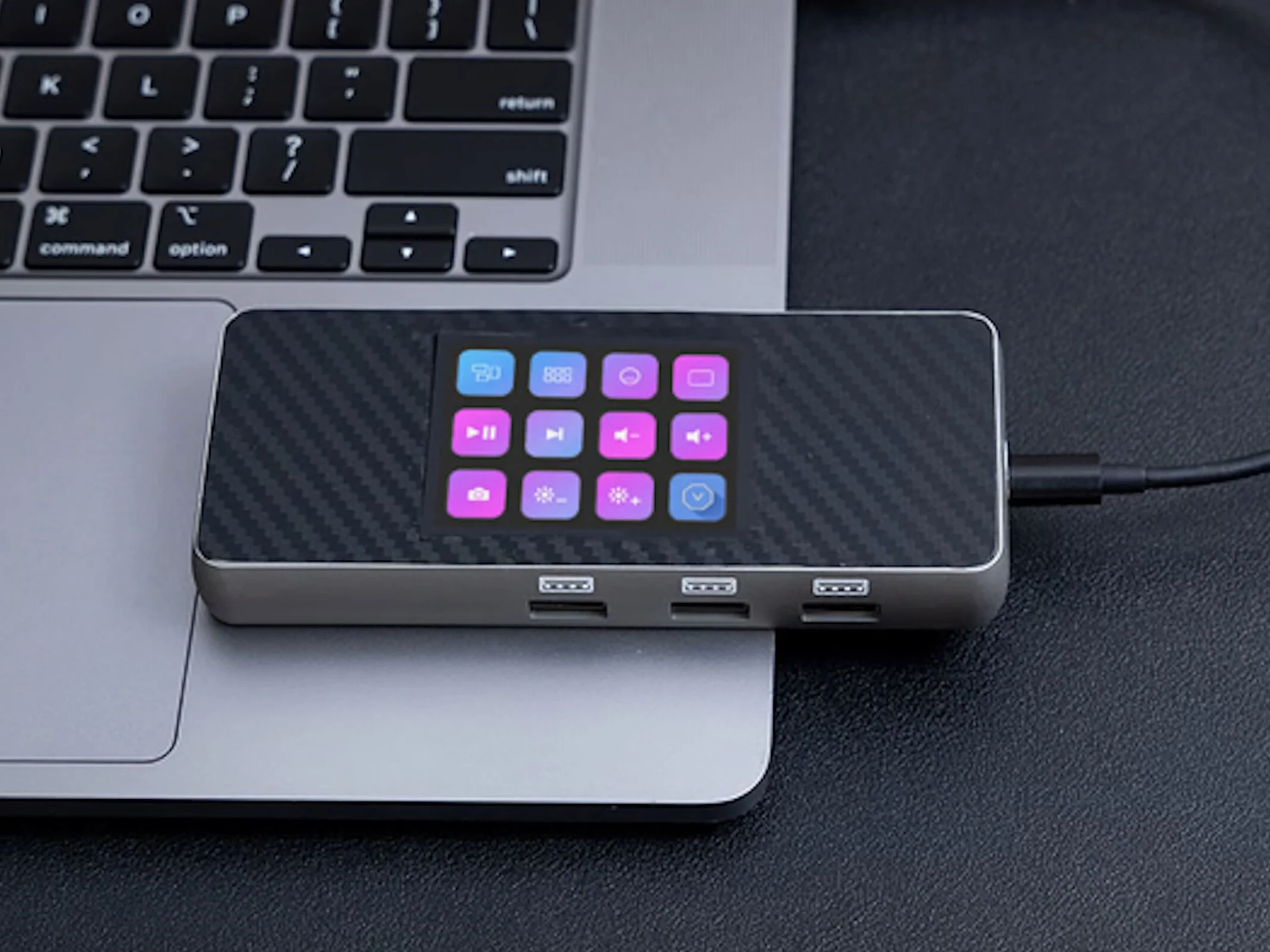
    This dock essentially merges a USB Type-C hub with a touchscreen display. The KiknaBox is equipped with a 2.4-inch LCD touch screen that has a pixel density of 333 PPI, and users can assign macros to it. This feature could be beneficial for professionals using software like Adobe Photoshop or Premiere, but it may also appeal to streamers and various other users.

    Connectivity and Functionality

    In terms of its USB hub capabilities, the KiknaBox offers the standard functionalities. It supports 4K resolution at 60Hz via HDMI and can charge connected laptops or other devices with up to 100 watts through USB PD. This allows users to connect their laptops with just one cable, which is very convenient.

    Furthermore, the hub includes an RJ45 port with 1Gbps bandwidth and three USB 3.0 ports for attaching accessories such as a keyboard and mouse. There are also slots for microSD and SD cards. The manufacturer claims that the KiknaBox features a durable aluminum construction.

    Source:
    Link


  • Lenovo Yoga Pro 9i: Best Notebook Display with New Tandem-OLED Panel

    Lenovo Yoga Pro 9i: Best Notebook Display with New Tandem-OLED Panel

    Key Takeaways

    1. Mini-LED panels, like those in the Apple MacBook Pro, set a high standard for laptop brightness, reaching up to 1600 nits HDR and 1000 nits SDR.
    2. Tandem OLED technology, which stacks two light-emitting layers, offers brighter images, more vivid colors, and better efficiency compared to traditional OLED panels.
    3. The Lenovo Yoga Pro 9i 16 is the first laptop featuring a tandem OLED display, achieving brightness levels comparable to Mini-LEDs (up to 1600 nits HDR and nearly 1000 nits SDR).
    4. The tandem OLED display in the Yoga Pro 9i 16 provides better response times and fewer blooming issues compared to Mini-LED panels.
    5. The new tandem OLED screen is more power-efficient, resulting in longer battery life while maintaining high brightness levels.


    Mini-LED panels have set the standard for laptop brightness. A prime instance of this is the current Apple MacBook Pro, boasting brightness levels that reach up to 1600 nits HDR and 1000 nits SDR. While OLED panels have made strides this year, their peak brightness still maxes out at roughly 700 nits for SDR and 1,100 nits for HDR content. This brings us to a new technology called tandem OLED, which stacks two light-emitting layers. This advancement not only provides brighter images and more vivid colors but also enhances efficiency.

    Lenovo’s Yoga Pro 9i 16

    The Lenovo Yoga Pro 9i 16 is the first laptop we’ve looked at that features this tandem OLED display. With a resolution of 3200 x 2000 pixels and a refresh rate of 120 Hz, it delivers exceptional image quality, covering the AdobeRGB color spectrum. In terms of brightness, it rivals Apple’s Mini-LED display, achieving nearly 1,000 nits in SDR and up to 1,600 nits in HDR. There is some PWM flickering at brightness settings of 60% and lower, but since the frequency exceeds 1 kHz and the amplitude is minimal, it shouldn’t pose any problems. When compared to the Mini-LED panel (which merges a traditional IPS display with Mini-LED backlighting), the OLED’s response times are significantly better, and there are fewer blooming issues. This could hint at what the OLED display in a future MacBook Pro may look like.

    A Closer Look at the OLED Screens

    Examining the 2.8K OLED display of the Yoga Pro 9i 16, which we previously reviewed, is also quite fascinating. It delivers remarkable image quality with high brightness levels (up to 1,100 nits) and stands out as one of the finest panels available today. However, if you frequently engage with HDR content (like games and movies) or utilize the broader color gamut, the 3.2K display is a significant upgrade. The new tandem OLED screen is also more power-efficient at equivalent brightness levels, as we found slightly longer battery life during our Wi-Fi testing compared to the 2.8K OLED. For more details on the new tandem OLED screen, check out our review of the Yoga Pro 9i 16.