Category: Artificial intelligence

  • South Korea’s Exports Exceed $700B, Fueled by Semiconductors

    South Korea’s Exports Exceed $700B, Fueled by Semiconductors

    Key Takeaways

    1. Total exports for the year reached $640.2 billion, a 2.9% increase from last year, driven by semiconductor demand.
    2. Semiconductors accounted for 28.3% of South Korea’s exports in November, up from around 10% in the 2000s.
    3. Other major export sectors, including machinery and displays, saw a decline, with a total drop of 1.5% year-on-year.
    4. Positive growth was noted in sectors like automobiles (2% increase), computers (0.4% increase), and ships (28.6% increase).
    5. Chip exports are expected to continue growing into 2026, with strong demand from AI, benefiting companies like Samsung.


    Total export figures for this year have hit $640.2 billion, marking a 2.9% increase compared to the same timeframe last year. The Ministry of Trade, Industry, and Resources of the country attributes this growth to the increasing demand for semiconductors driven by AI infrastructure.

    Significant Semiconductor Contribution

    In November, silicon components made up 28.3% of the East Asian nation’s exports. This is a significant rise from around 10% back in the 2000s.

    Decline in Other Major Exports

    South Korea’s recent reliance on chips is highlighted by the fact that combined exports from other key sectors dropped by 1.5% year-on-year, totaling $487.6 billion. Key industries like machinery saw a decline of 8.9 points, while displays fell by 10.3 points. Additionally, the export of petroleum products decreased by 11.1%, and petrochemicals saw an 11.7% shrinkage.

    Growth in Other Sectors

    On a more positive note, there were sectors that experienced growth, like automobiles, which increased by 2%, computers by 0.4%, and ships, which surged by 28.6%.

    Deputy Trade Minister Kang Kam-chan forecasts that South Korea’s chip exports will keep growing into 2026, with AI demand remaining strong. Samsung is likely to gain from this trend, as its Device Solutions division is projected to achieve significant profits in 2025, fueled by the sharp increase in DRAM prices.

    Yonhap News Agency

    Source:
    Link


  • Nadella: AI’s New Limit is the Power Grid, GPU War Concludes

    Nadella: AI’s New Limit is the Power Grid, GPU War Concludes

    Key Takeaways

    1. Microsoft faces challenges in AI not related to chip supply, but to the availability of fully developed data centers.
    2. Current obstacles include limitations of local grids, planning delays, and power delivery bottlenecks.
    3. Power shortages are impacting AI data centers, which consume electricity similar to small cities.
    4. Major cloud companies are seeking long-term energy agreements and exploring on-site generation options.
    5. The future of AI competition will depend on securing reliable and scalable power sources, not just GPUs.


    Microsoft’s CEO, Satya Nadella, mentioned that the surge in AI has encountered a new challenge, and it isn’t related to GPUs.

    In a recent episode of the BG2 podcast, where he spoke with OpenAI’s CEO, Sam Altman, Nadella pointed out that Microsoft is no longer facing constraints regarding chip supply. Instead, the key issue is the availability of adequately powered and fully developed data centers—these “warm shells” that are near grid capacity—needed to activate all those accelerators.

    As he put it, one might have numerous chips stored in inventory that just can’t be connected.

    A Shift in Industry Challenges

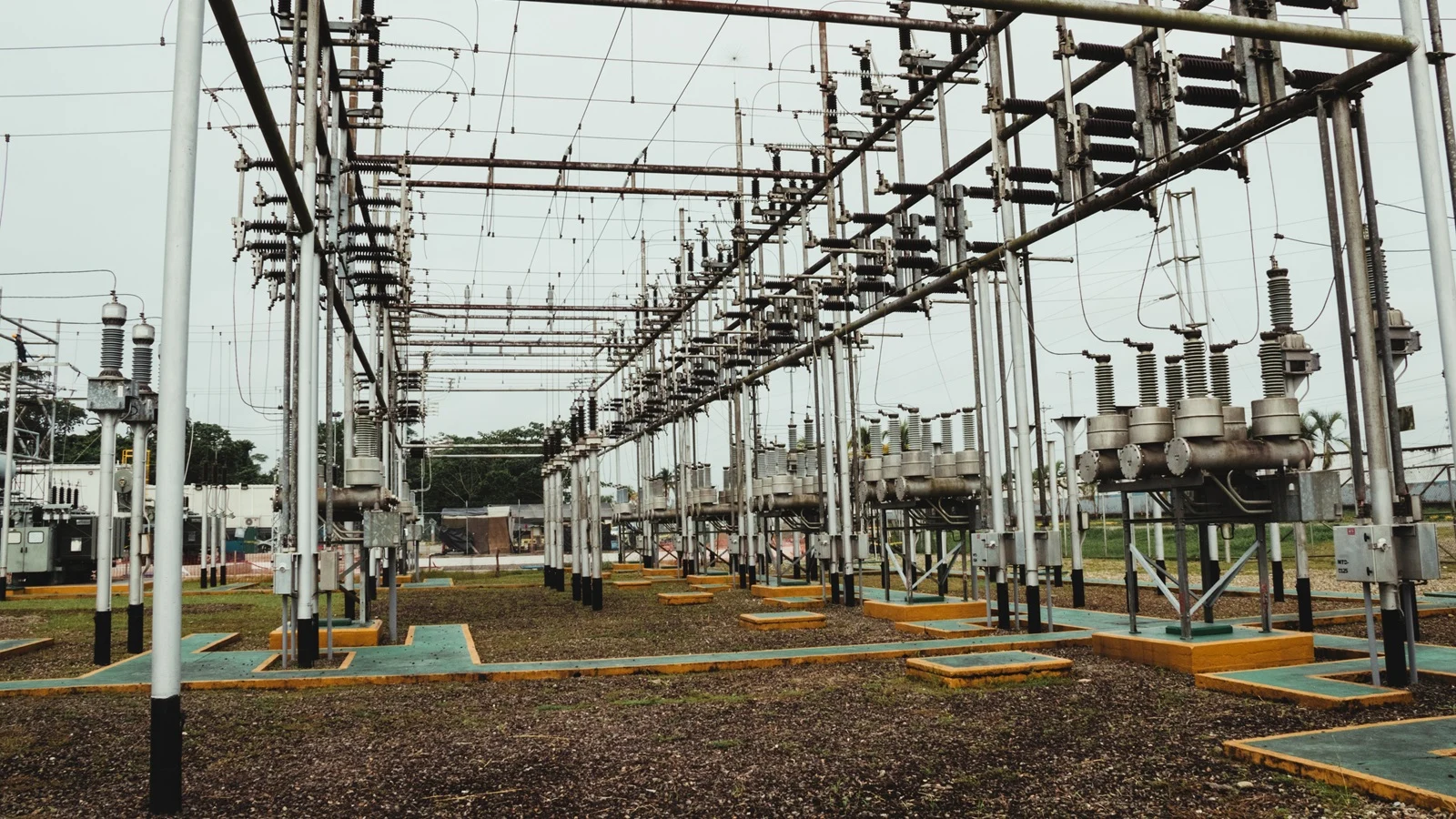
    This marks a significant change from recent years when the focus was primarily on the shortages of Nvidia GPUs and various supply chain issues. According to Nadella, the main obstacles now are limitations of local grids, delays in planning and permitting, and bottlenecks in power delivery that can hinder or even completely stop AI projects long after the necessary hardware has been procured.

    Power Supply Issues

    These power shortages have further consequences. Data centers dedicated to AI are consuming electricity on par with small cities, leading major cloud companies to secure long-term energy agreements, consider on-site energy generation, and even investigate the use of small modular nuclear reactors to ensure future projects can operate smoothly.

    The takeaway for both investors and regulators is clear: the upcoming stage of the AI competition will not solely depend on who can acquire the most GPUs, but also on who can obtain the most dependable and scalable power sources to sustain them.

    Source:
    Link


  • Sega to Use AI in Game Development for Cost Efficiency

    Sega to Use AI in Game Development for Cost Efficiency

    Key Takeaways

    1. Sega Sammy Holdings plans to use AI in game development to improve efficiency amid rising costs.
    2. The company aims to balance between large projects and improving development efficiency, rather than fully focusing on big-budget games.
    3. There is caution regarding AI’s application in creative areas like character design to avoid backlash from fans and industry professionals.
    4. Despite successful game launches, sales fell short of expectations due to competition from indie and AAA titles.
    5. Sega intends to integrate AI into non-creative tasks while maintaining its fanbase, with upcoming releases set for 2026.


    The parent company of Sega, Sega Sammy Holdings, has announced its plan to incorporate AI in game development to boost efficiency as development costs rise. They emphasized the importance of using AI in “appropriate use cases” to avoid negative reactions.

    In a recently published English Q&A summary from their Q2 2026 financial report on December 3, Sega Sammy Holdings addressed investor concerns regarding increasing video game development expenses. Investors asked whether the company would lean towards larger projects as development scales grow or if they would prioritize efficiency.

    Response from Executives

    The executives explained their strategy: instead of fully embracing the trend toward big-budget projects, they will also focus on improving efficiency by utilizing AI. They acknowledged that AI implementation might face resistance in creative fields like character design, so they will carefully evaluate suitable applications, particularly in streamlining development tasks.

    Sega’s interest in AI comes amid a growing backlash against the technology due to financial strains. The Entertainment Contents division, which includes popular franchises like Sonic, Persona, and Yakuza, reported sales of 141.7 billion yen and an operating income of 18.7 billion yen for Q2 2026.

    Sales Performance

    Despite successful launches like Sonic Racing: Crossworlds and Football Manager 26, these sales figures fell short of Sega’s expectations. The report indicated that repeat sales were below forecasts, and while new titles received positive reviews, they did not perform well commercially, aligning with Sega’s predictions.

    The executives noted that this underperformance was largely due to gamers favoring indie and AAA titles, which left Sega’s AA games struggling. Sega’s shift towards AI technology comes shortly after a Japanese studio expressed concerns about AI’s impact on the industry.

    A report by the Japanese news outlet Daily Shinko revealed that an unnamed developer now requires candidates for video game artist roles to create character designs or concept art during their interviews. This decision followed experiences with “AI frauds” who failed to meet expectations in their work.

    Sega’s Strategic Move

    In contrast, Sega aims to establish itself as a sensible player in the expanding AI sector by integrating AI into non-creative tasks. The company is keen on not alienating its loyal fanbase while aiming to enhance profitability with upcoming releases such as Yakuza Kiwami 3 & Dark Ties, Football Club Champions 2026, and a yet-to-be-named title under the Super Game initiative, which is set to launch in March 2026.

    Source:
    Link


  • Apple Chip Designer Leaves for AI Company: Jony Ive to Johny Strouji

    Apple Chip Designer Leaves for AI Company: Jony Ive to Johny Strouji

    Key Takeaways

    1. Apple may seek a new CEO focused on AI by 2026 due to talent leaving for companies like Meta.
    2. Key executives, including hardware technologies SVP Johny Srouji, are considering leaving Apple.
    3. Srouji’s expertise in AI chip development makes him a target for other companies.
    4. There is a contrast between U.S. and China’s approaches to AI, with a focus on practical solutions in China.
    5. Srouji’s potential departure could be driven by the desire for new challenges beyond incremental improvements in Apple products.


    Apple might be looking to find a new CEO who is more focused on AI by 2026, but for now, its top talent is being attracted to companies like Meta and others.

    Key Departures in Apple’s Ranks

    Following the exits of major designers such as Jony Ive and Alan Dye, along with their AI head and several others, it seems the time has come for Apple’s Senior Vice President of hardware technologies, Johny Srouji, to consider leaving as well. Reports suggest that Srouji has informed Tim Cook about his intention to move on to another organization.

    A Shift Toward AI

    With the current excitement around AI in chip development, it’s easy to guess where Srouji might head next. His expertise in the Neural Processing Unit subsystem of Apple chips places him in high demand wherever AI chip innovation is taking place.

    Different Approaches to AI

    Recently, the founder of China’s Huawei remarked on the U.S.’s strategy for AI, which involves spending enormous amounts on advanced hardware to tackle vague superintelligence problems. He pointed out that China takes a more practical approach to everyday AI solutions.

    The idea of creating artificial general intelligence is certainly appealing, and Srouji may be leaving not just for better pay—which Tim Cook could provide—but also for the opportunity to tackle new challenges rather than just focusing on yearly performance improvements for the iPhone or Mac chips.

    Source:
    Link


  • Hangzhou Launches First AI-Powered Robot Traffic Officer

    Hangzhou Launches First AI-Powered Robot Traffic Officer

    Key Takeaways

    1. Hangxing No. 1 is an AI-enabled traffic management robot operating in Hangzhou’s Binjiang district.
    2. The robot uses high-definition cameras and sensors to assist human officers in managing pedestrian and vehicle traffic.
    3. It can execute traffic control gestures and communicate reminders for traffic violations in real time.
    4. The AI system adapts and improves through ongoing learning at intersections, with future plans for enhanced capabilities.
    5. Battery life is similar to other robots, typically functioning for 6 to 8 hours per charge.


    The streets of Hangzhou’s Binjiang district now host a cutting-edge addition: Hangxing No. 1, an AI-enabled traffic management robot. Created under the guidance of the Hangzhou Traffic Police Tactical Unit, this robot has begun its trial operation on Monday, December 1, at a bustling intersection located on Binsheng Road.

    Features and Functionality

    Hangxing No. 1 comes packed with high-definition cameras and sensors, aimed at helping human officers by managing the flow of both pedestrians and vehicles. Zhang Wanzhe from the Binjiang traffic police brigade stated that the robot executes standard traffic control gestures—like “go straight” and “stop”—which were learned from the actual movements of real officers. Additionally, it can sound a digital whistle and works seamlessly with current traffic signal systems.

    Real-Time Violations Detection

    In addition to directing traffic, the robot can spot violations instantly, such as riders without helmets, vehicles that cross stop lines, and jaywalkers. When it identifies an infraction, its smart voice system quickly delivers courteous reminders to those breaking the rules.

    The AI system is built to adapt and improve through ongoing learning at real-world intersections. While its primary function is traffic management for now, officials have plans to enhance it with LLM capabilities. This upgrade will allow it to provide directions, offer safety tips, and engage in more complex voice interactions. Although the exact battery life of Hangxing No. 1 hasn’t been shared, it’s noted that similar robots used in other provinces usually function for 6 to 8 hours per charge.

    Source:
    Link


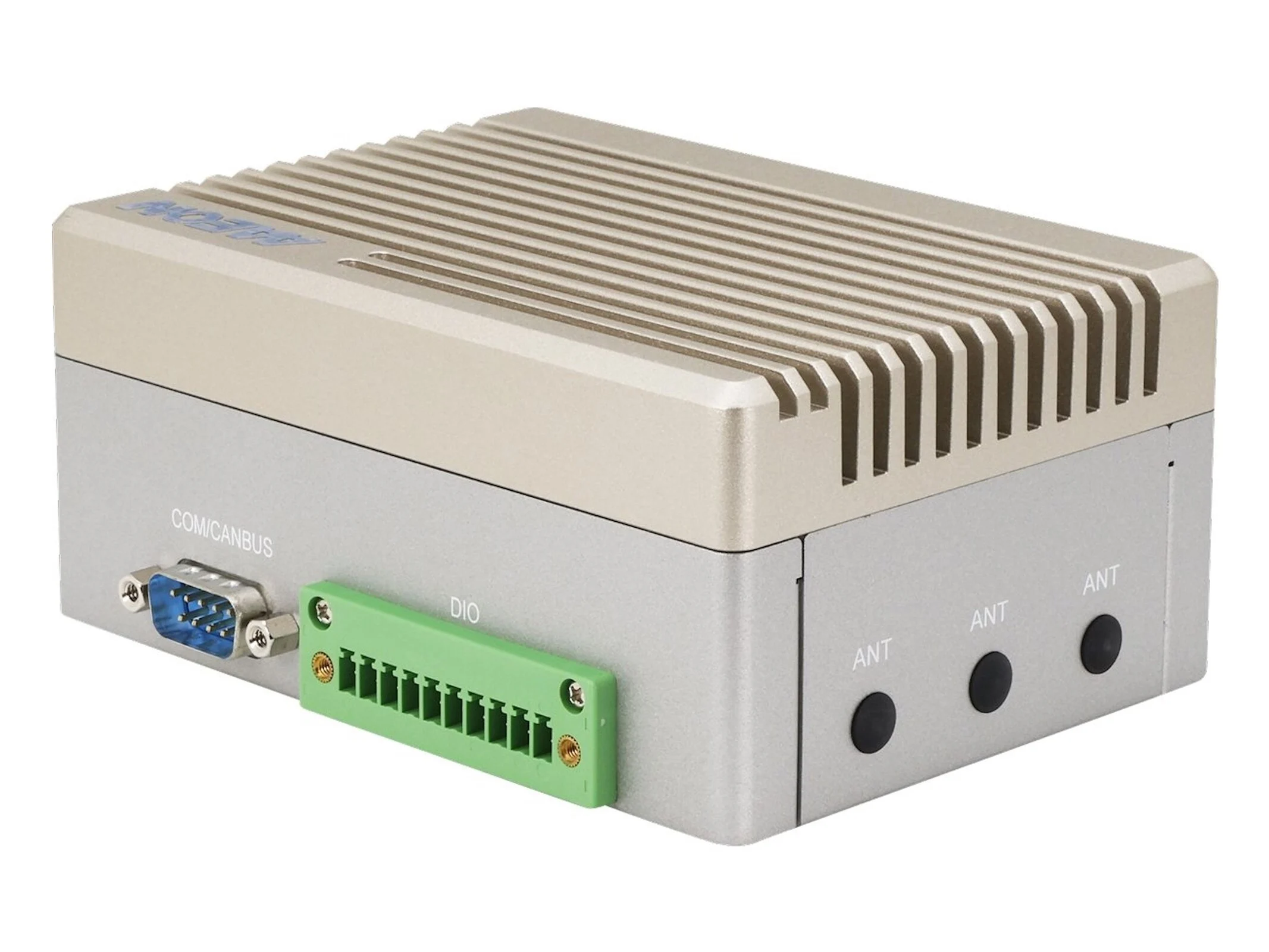
  • Aaeon Boxer 8651AI Plus: Fanless PC with Nvidia Jetson Orin NX

    Aaeon Boxer 8651AI Plus: Fanless PC with Nvidia Jetson Orin NX

    Key Takeaways

    1. Aaeon launched the Boxer 8651AI Plus, a compact computer system based on the Orin NX platform, available in 8GB and 16GB versions.
    2. The system features impressive performance, delivering up to 100 TOPS of INT8 performance, with a “Super Mode” pushing it to 157 TOPS, suitable for intensive AI tasks.
    3. Potential applications include AI-aided product quality checks using cameras for real-time monitoring on production lines.
    4. The device has limitations for standard use, such as outdated HDMI 1.2 output and reliance on an M.2 2242 SSD for storage.
    5. The starting price is $1,341, positioning it as a high-performance option for specific industrial applications rather than a conventional mini PC.


    Aaeon has launched a new compact computer system known as the Boxer 8651AI Plus. This device is built on the Orin NX platform and comes in two versions: 8GB and 16GB. The model with the increased LPDDR5 memory is equipped with eight Cortex-A78AE cores instead of six. Although the ARM chipset is impressive, the standout feature is likely the Nvidia Ampere GPU.

    High Performance for AI Applications

    Depending on how its configured, the system can deliver as much as 100 TOPS of INT8 performance, enabling it to handle more intensive AI tasks locally. Aaeon claims that the “Super Mode” can push this performance to a maximum of 157 TOPS and also supports Nvidia Jetpack 6.2. Potential applications for this device include AI-aided product quality checks, such as using cameras to scrutinize packaging as it moves down a conveyor belt.

    Practical Use Cases

    While one could theoretically use the Aaeon Boxer 8651AI Plus like a standard mini PC, it may not be the most practical choice. For example, this device is limited to an outdated HDMI 1.2 output for 1080p displays. It utilizes an M.2 2242 SSD for storing the operating system and additional data. There are two USB 3.2 Gen 2 ports available, and network access is provided through Gigabit Ethernet. Power requirements range from 12 to 24 volts, and it includes a DB9 connector. The official starting price from Aaeon for this device is $1,341.

    Conclusion

    Overall, the Aaeon Boxer 8651AI Plus presents a compact and high-performance option for AI applications. With its unique features and specifications, it is suited for specific industrial use cases, though it may not serve well as a conventional mini PC. The combination of power and versatility makes this system a noteworthy addition to the market.

    Source:
    Link


  • Chinese Scientists Create Artificial Tongue to Measure Spiciness

    Chinese Scientists Create Artificial Tongue to Measure Spiciness

    Key Takeaways

    1. Chinese researchers at ECUST developed an ‘artificial tongue’ to measure spiciness objectively.
    2. The device uses a soft gel made from milk powder and other materials to mimic human taste buds.
    3. It accurately measures spiciness by reacting with capsaicin, producing results in just 10 seconds.
    4. Testing showed the device’s spiciness scale closely matched trained human tasters’ evaluations.
    5. Future applications include food quality control, medical treatments, and enhancing AI in robotics.


    Chinese researchers have created a new ‘artificial tongue’ that can measure spiciness in a objective way. This device, developed by a team at the East China University of Science and Technology (ECUST), serves as an impartial substitute for human taste testers, and it also helps avoid the discomfort of trying spicy foods.

    Innovative Design

    The invention, outlined in the journal ACS Sensors, utilizes a soft and flexible gel made from milk powder, acrylic acid, and choline chloride to replace traditional taste buds. This design mimics the soothing effect of milk on a burning mouth. When the gel comes into contact with capsaicin, the substance that makes peppers hot, the milk proteins inside it bind to capsaicin and swell into clusters. This reaction hinders the flow of ions, which results in a decrease of electrical current that the device converts into an accurate spiciness measurement in just 10 seconds.

    Testing and Results

    To test this technology, the team evaluated eight types of chili peppers and created a spiciness scale ranging from 0 (not spicy) to 70 (very spicy). The findings were very similar to those from trained human tasters. Additionally, the device can also assess the pungency of other foods like onions, garlic, and ginger.

    Future Applications

    Professor Hu Jing, the study’s corresponding author, points out that this technology has the potential for many uses, from ensuring food quality to aiding in medical treatments. The researchers also think this ‘bionic tongue’ could help bridge a significant gap in robotics, possibly working with AI to provide humanoid robots with a real sense of taste.

    Source:
    Link


  • MSI Launches MS-C910E Edge AI Box Industrial PC for Enhanced Performance

    MSI Launches MS-C910E Edge AI Box Industrial PC for Enhanced Performance

    Key Takeaways

    1. The MSI MS-C910E Edge AI Box is designed for AI inference tasks and features a rugged, anti-vibration enclosure.
    2. It supports Intel’s 12th, 13th, and 14th generation Core processors with a maximum of 96 GB DDR5-5600 RAM.
    3. The device includes extensive connectivity options, such as 8 USB-A ports, 4 COM ports, and 4 2.5 GbE NICs.
    4. It has a modular design allowing for three PCIe expansion cards and multiple storage options, including M.2 NVMe and SATA drives.
    5. Pricing and availability information can be directly obtained from the MSI IPC branch.


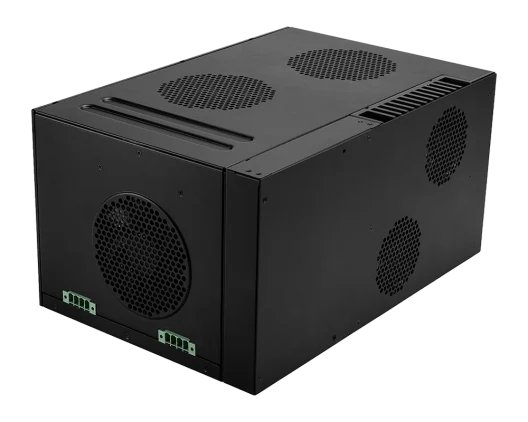
    The industrial PC division of MSI is preparing the MS-C910E Edge AI Box, which is specifically made for AI inference tasks. This new device is housed in a tough, anti-vibration, shock-proof enclosure that appears to be inspired by ITX design, providing enough space for three PCIe expansion cards.

    Basic Configuration

    It seems like a barebones setup that includes an Intel R680E motherboard featuring an LGA 1700 socket. This supports Intel’s 12th, 13th, and 14th generation Core processors. Users can enhance the processor’s performance with up to 96 GB of DDR5-5600 RAM through two SO-DIMM slots, which also support ECC. For storage, it offers an M.2 NVMe/SATA slot along with two 2.5-inch SATA drive bays. Additionally, there are PCIe 4.0 slots (X16, X8, and X1) allowing for desktop-grade GPUs to be installed.

    Tailored Connectivity

    The port selection is specifically designed for industrial applications and includes 8x USB-A 10 Gbps ports, 4x COM ports, 4x 2.5 GbE NICs, 2x HDMI and 2x DisplayPort video outputs, dual audio jacks, and GPIO 8-bit / 5-35V / Isolation 1.3 KV connectors.

    MSI has proposed a variety of industrial uses for this system, which includes:

    Additionally, the compact and scalable casing is equipped with a front-facing smart fan, and there’s room for six more fans on the top and both sides. The dimensions of the case are 285 x 217 x 431.1 mm, and the weight of the barebones configuration is 11 kg.

    Source:
    Link


  • Crucial to Honor RAM and SSD Warranties Amid Micron Changes

    Crucial to Honor RAM and SSD Warranties Amid Micron Changes

    Key Takeaways

    1. Micron is leaving the consumer market, ending the Crucial brand after 30 years.
    2. The company is shifting focus to more profitable sectors, particularly AI and enterprise clients, due to rising memory costs.
    3. Increased demand for AI data centers is driving up prices, benefiting major memory manufacturers like Samsung and SK Hynix.
    4. Crucial product warranties will remain valid, and products will still be sold until the end of February.
    5. Industry trends suggest the consumer memory market is being deprioritized in favor of higher profits from AI-related sectors.


    One of the leading memory manufacturers, Micron, has declared its departure from the consumer market, marking the end of the well-known Crucial brand after thirty years.

    Shift in Focus

    This decision comes as the two largest memory firms, Samsung and SK Hynix, have discovered they can charge Nvidia significantly more for the premium memory used in its graphics cards and AI chipsets, and the market is willing to absorb those prices. In contrast, the consumer memory sector has been sidelined, as it’s not as profitable. For example, the 64GB Crucial Pro memory kit has seen a decrease in price on Amazon, yet it remains twice the price it was just a month ago.

    Rise of AI Demand

    The soaring demand for AI data centers by virtually all major companies in Silicon Valley is driving this unusual hike in memory costs. As a result, Micron announced it would stop producing Crucial RAM or SSD goods for retail consumers, turning its focus toward the AI sector and enterprise clients moving forward.

    “Micron has made the tough choice to exit the Crucial consumer business to enhance supply and support for our larger, strategic customers in faster-growing segments,” the statement said, highlighting the significant profits being made in AI data centers.

    Future of Crucial Products

    Existing Crucial product warranties will remain valid, and Micron will continue to sell its RAM and SSDs through regular retail channels until the end of February. After that, the Crucial consumer brand will disappear completely.

    Recently, some industry insiders suggested that Samsung may have faced similar issues when its MX division, responsible for the Galaxy S26 series, was not given preferred pricing for mobile memory by the DX semiconductor sector. A Samsung representative has reached out to deny these allegations, stating:

    “Recent reports that Samsung’s DS division has turned down specific customer requests are unfounded and false. We are in constant communication with global customers to meet industry demands.”

    Still, there is ample indirect evidence suggesting that the consumer memory market is being sacrificed for the sake of AI profits, and Micron’s announcement serves as further proof that this trend, along with high memory prices, could persist.

    Source:
    Link


  • ChatGPT Could Soon Feature Advertising: What to Expect

    ChatGPT Could Soon Feature Advertising: What to Expect

    Key Takeaways

    1. ChatGPT may soon introduce advertisements in both free and premium versions, as suggested by Lead Engineer Tibor Blaho’s findings in the beta code.
    2. Terms like “search ads,” “ad carousel,” and “bazaar content” were discovered, indicating potential interactive advertising formats in conversations.
    3. Ads could provide OpenAI with a new revenue stream, especially given the high operational costs and low number of paid users.
    4. User reactions are mostly negative, with concerns about trust, neutrality, and the overall user experience declining due to profit-driven motives.
    5. There is speculation that ads might be limited to free-tier users, while premium subscribers could remain ad-free; however, many users are considering switching to alternatives if ads are implemented.


    Until now, ChatGPT has been completely free of advertisements in both its free and premium versions. However, this could change soon, as per Tibor Blaho, the Lead Engineer at AIPRM known for revealing public code leaks. On November 29, he shared on X his discoveries from the Android beta code of ChatGPT, suggesting that ads might be integrated into the platform.

    New Findings in Beta Code

    In beta version 1.2025.329 of the ChatGPT app, Blaho found terms like “search ads,” “ad carousel,” and “bazaar content.” These phrases indicate the presence of interactive advertising formats that could be inserted into conversations. The introduction of ads could create a fresh source of income for OpenAI, especially considering the high costs of running the platform and the relatively low number of paid users. CEO Sam Altman has previously mentioned the possibility of ads but hasn’t provided any specific plans.

    User Reactions to Potential Ads

    It seems that OpenAI might restrict advertisements to users on the free tier, while allowing subscribers to use ChatGPT without any disruptions. Despite this assumption, the response online has been largely negative. Many users on Reddit labeled the discovery as a sign of “enshitification,” a term introduced by author Cory Doctorow to illustrate the slow decline of digital platforms as they shift their focus from user experience to profit. Concerns include losing neutrality, encountering misleading content, and a general decline in trust. Some users have even expressed intentions to switch to alternatives like Google’s Gemini or open-source models if ads are implemented. Currently, the code shows only the technical foundation for ads, and it remains unclear if OpenAI will proceed with this advertising strategy.

    Source:
    Link