

Tag: Semiconductors

  • Intel and Tata Electronics Strike $14 Billion Deal in India

    Intel and Tata Electronics Strike $14 Billion Deal in India

    Key Takeaways

    1. Intel has partnered with Tata Group to produce semiconductors in Gujarat and Assam, India, with a deal valued at $14 billion.
    2. The technology involved is not expected to be state-of-the-art, and the production facility will take several years to establish.
    3. Intel’s CEO, Lip-Bu Tan, sees this partnership as a significant opportunity for growth in India’s fast-expanding computing market, driven by rising demand for PCs and AI technologies.
    4. The collaboration will also focus on developing tailored AI PC solutions for local markets, boosting India’s semiconductor sector.
    5. This partnership is expected to encourage other firms to invest in India’s semiconductor manufacturing, marking a pivotal moment for the Indian tech industry.


    Intel has secured another huge deal, this time aiming to break into a highly coveted market. They have partnered with Tata Group from India to produce semiconductors in the states of Gujarat and Assam. Although specific technology details are not disclosed, it is expected not to be state-of-the-art. Furthermore, the Memorandum of Understanding (MoU) is still in the early phases, and the actual production facility may take several years to be established. According to Reuters, the agreement is valued at $14 billion.

    Ambitions for Growth

    Intel’s CEO, Lip-Bu Tan, made a statement highlighting the company’s progress in computing technology over the years. He emphasized their goal to expand their influence, increase growth, and provide higher value to their clients. Tan sees this partnership with Tata as a significant chance to quickly grow in one of the fastest-expanding computing markets, driven by increasing demand for PCs and the swift uptake of AI technologies in India.

    A New Era for Indian Semiconductor Manufacturing

    Alongside semiconductor production, Intel and Tata will also work on tailored AI PC solutions aimed at local markets. This collaboration comes as a much-needed boost for India’s semiconductor sector, which has seen a lack of support from major players like TSMC and Samsung in the past. It is anticipated to serve as a benchmark and encourage other firms to consider similar ventures.

    Reuters reports on this development, marking it as a pivotal moment for the Indian tech industry.

    Source:
    Link


  • South Korea’s Exports Exceed $700B, Fueled by Semiconductors

    South Korea’s Exports Exceed $700B, Fueled by Semiconductors

    Key Takeaways

    1. Total exports for the year reached $640.2 billion, a 2.9% increase from last year, driven by semiconductor demand.
    2. Semiconductors accounted for 28.3% of South Korea’s exports in November, up from around 10% in the 2000s.
    3. Other major export sectors, including machinery and displays, saw a decline, with a total drop of 1.5% year-on-year.
    4. Positive growth was noted in sectors like automobiles (2% increase), computers (0.4% increase), and ships (28.6% increase).
    5. Chip exports are expected to continue growing into 2026, with strong demand from AI, benefiting companies like Samsung.


    Total export figures for this year have hit $640.2 billion, marking a 2.9% increase compared to the same timeframe last year. The Ministry of Trade, Industry, and Resources of the country attributes this growth to the increasing demand for semiconductors driven by AI infrastructure.

    Significant Semiconductor Contribution

    In November, silicon components made up 28.3% of the East Asian nation’s exports. This is a significant rise from around 10% back in the 2000s.

    Decline in Other Major Exports

    South Korea’s recent reliance on chips is highlighted by the fact that combined exports from other key sectors dropped by 1.5% year-on-year, totaling $487.6 billion. Key industries like machinery saw a decline of 8.9 points, while displays fell by 10.3 points. Additionally, the export of petroleum products decreased by 11.1%, and petrochemicals saw an 11.7% shrinkage.

    Growth in Other Sectors

    On a more positive note, there were sectors that experienced growth, like automobiles, which increased by 2%, computers by 0.4%, and ships, which surged by 28.6%.

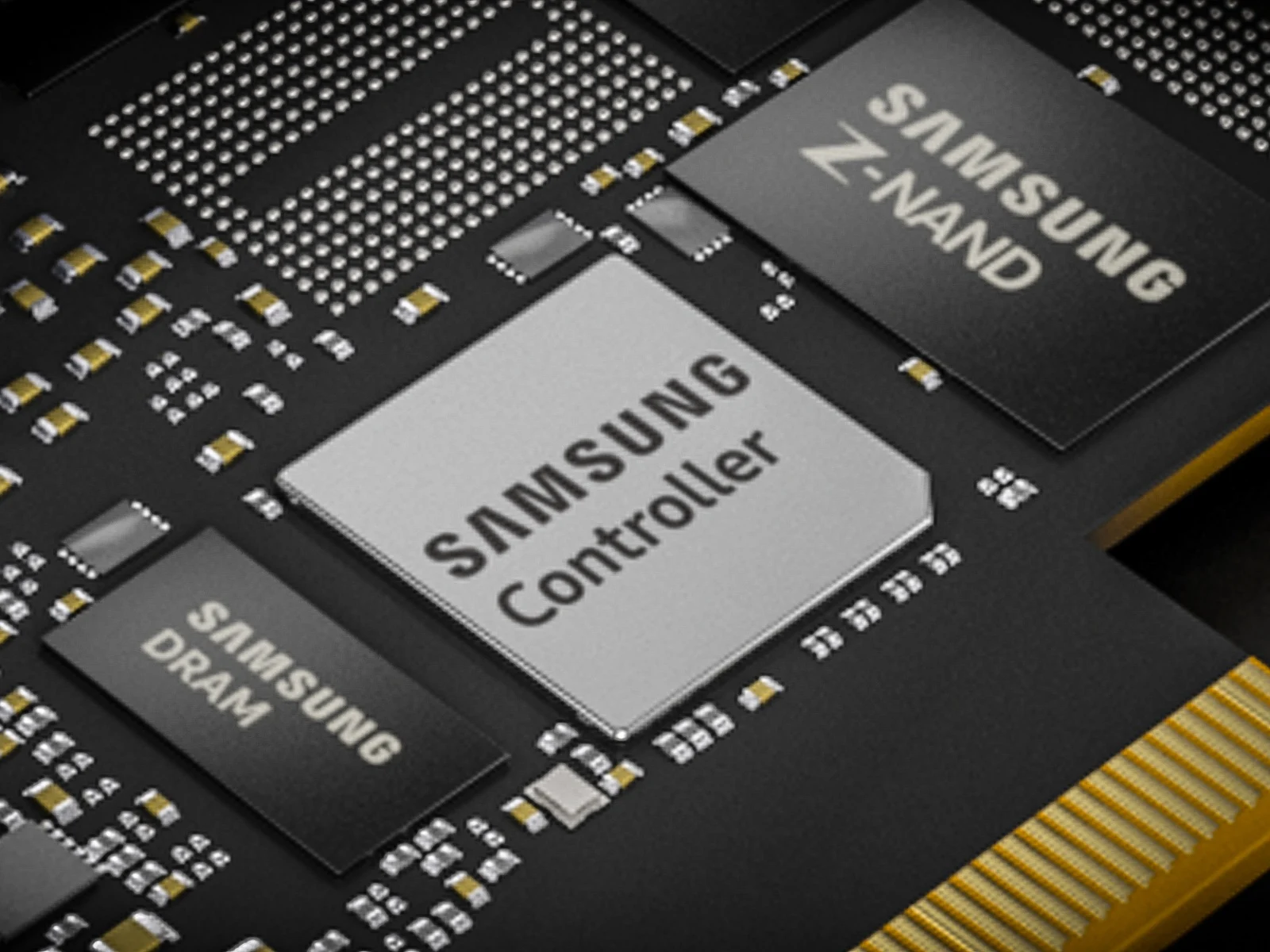
    Deputy Trade Minister Kang Kam-chan forecasts that South Korea’s chip exports will keep growing into 2026, with AI demand remaining strong. Samsung is likely to gain from this trend, as its Device Solutions division is projected to achieve significant profits in 2025, fueled by the sharp increase in DRAM prices.

    Yonhap News Agency

    Source:
    Link