Category: All News

  • New OnePlus leak: ~$221 price, 144Hz OLED display

    New OnePlus leak: ~$221 price, 144Hz OLED display

    Key Takeaway

    – OnePlus Turbo 6X Pro to feature a Samsung flat OLED with 1.5K resolution and 144Hz refresh rate.
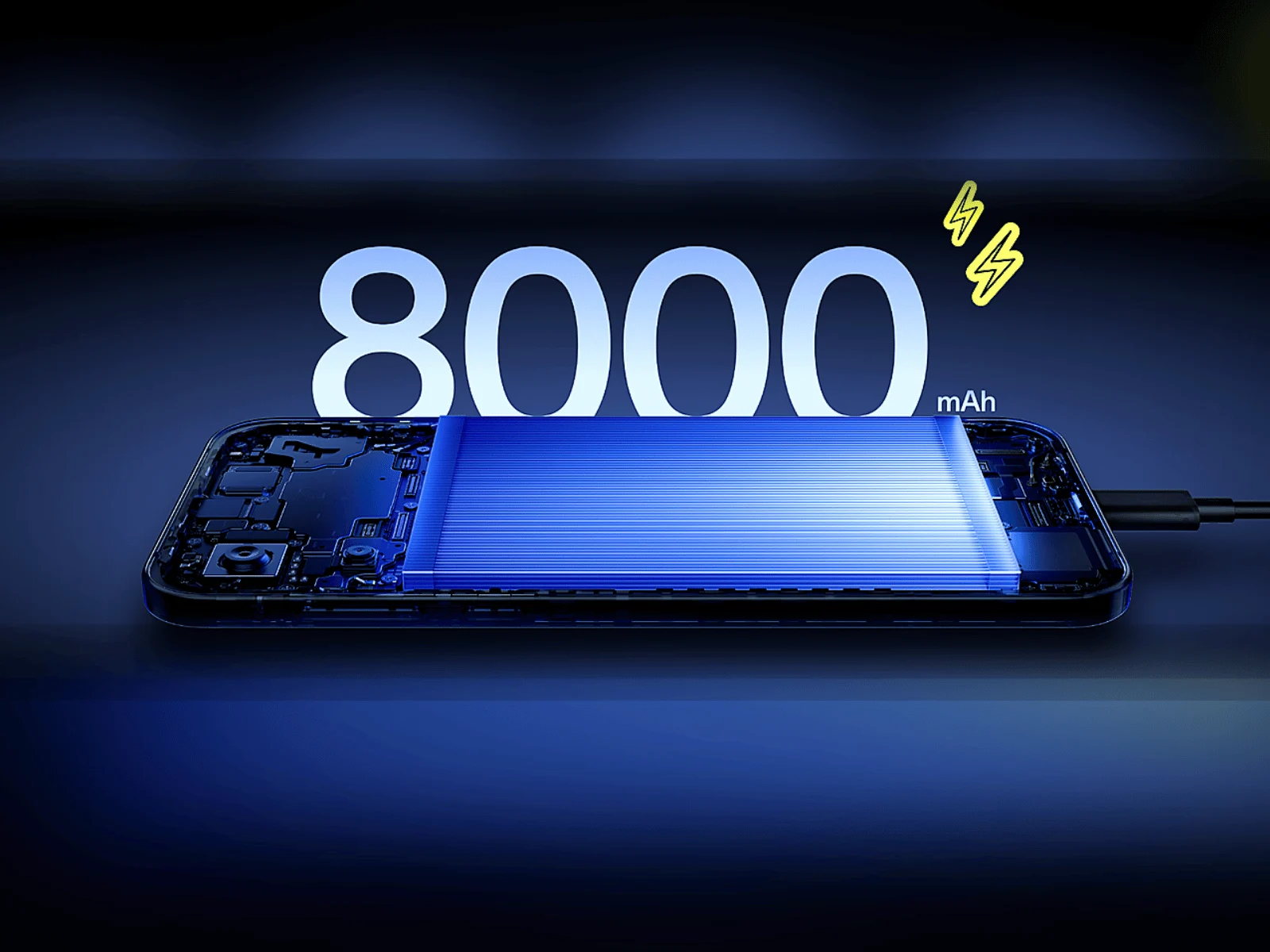
    – Turbo 6X Pro rumored to include an 8,000mAh battery, exceeding the flagship OnePlus 15’s 7,300mAh.
    – Standard Turbo 6X tipped to use an LCD panel with 144Hz refresh rate.
    – Turbo 6X Pro expected to be priced around CNY 1,500 (~$221) and launch in early June.


    OnePlus might be working on two new phones for China

    A recent leak suggested that OnePlus may introduce two new smartphones for the Chinese market. The Turbo 6X and the Turbo 6X Pro are expected to be budget-oriented devices, poisitoned below the Turbo 6 series that launched earlier this year.

    Turbo 6X Pro display and battery details

    According to tipster Digital Chat Station on Weibo, the OnePlus Turbo 6X Pro will use a flat OLED panel supplied by Samsung, featuring a “1.5K” resolution and a 144Hz refresh rate. Notably, the Turbo 6X Pro is said to have an 8,000mAh battery, surpassing the 7,300mAh capacity of the flagship OnePlus 15 (curr. $899 on Amazon). Meanwhile, the standard OnePlus Turbo 6X was previously tipped to feature an LCD panel with a 144Hz refresh rate.

    Standard Turbo 6X screen and unknown processor

    So the standard OnePlus Turbo 6X was previously tipped to feature an LCD panel with a 144Hz refresh rate. The chipset and other details of the Turbo 6X Pro have not yet been revealed.

    Pricing and launch timeframe

    According to the leak, the Turbo 6X Pro will be positioned in the CNY 1,500 (~$221) price segment. The tipster also suggested that the phone may be announced in the first week of June. In other news, a new OnePlus OLED tablet has been leaked with a compact form factor.

    • OnePlus Turbo 6X Pro: 1.5K Samsung OLED, 144Hz refresh rate
    • OnePlus Turbo 6X Pro: 8,000mAh battery
    • OnePlus Turbo 6X Pro: price around CNY 1,500 (~$221)
    • OnePlus Turbo 6X: LCD panel, 144Hz refresh rate
    • Possible launch in first week of June
    Sources
  • EcoFlow Launches 3 Pocket Power Banks with Built-In Cables

    EcoFlow Launches 3 Pocket Power Banks with Built-In Cables

    Key Takeaway

    – Three new 45W power banks: Rapid (10K), Rapid (20K), and Rapid 3-in-1 (10K)
    – Compact, portable designs with built-in retractable/built-in USB-C cables for tangle-free charging
    – 10K and 20K capacities deliver up to 45W output, charging iPhone 17 Pro Max to 50% in 20 minutes
    – LED display for battery status; capable of charging up to three devices simultaneously
    – Priced at $42, $46, and $70; available now via EcoFlow’s web store


    New Power Banks From EcoFlow

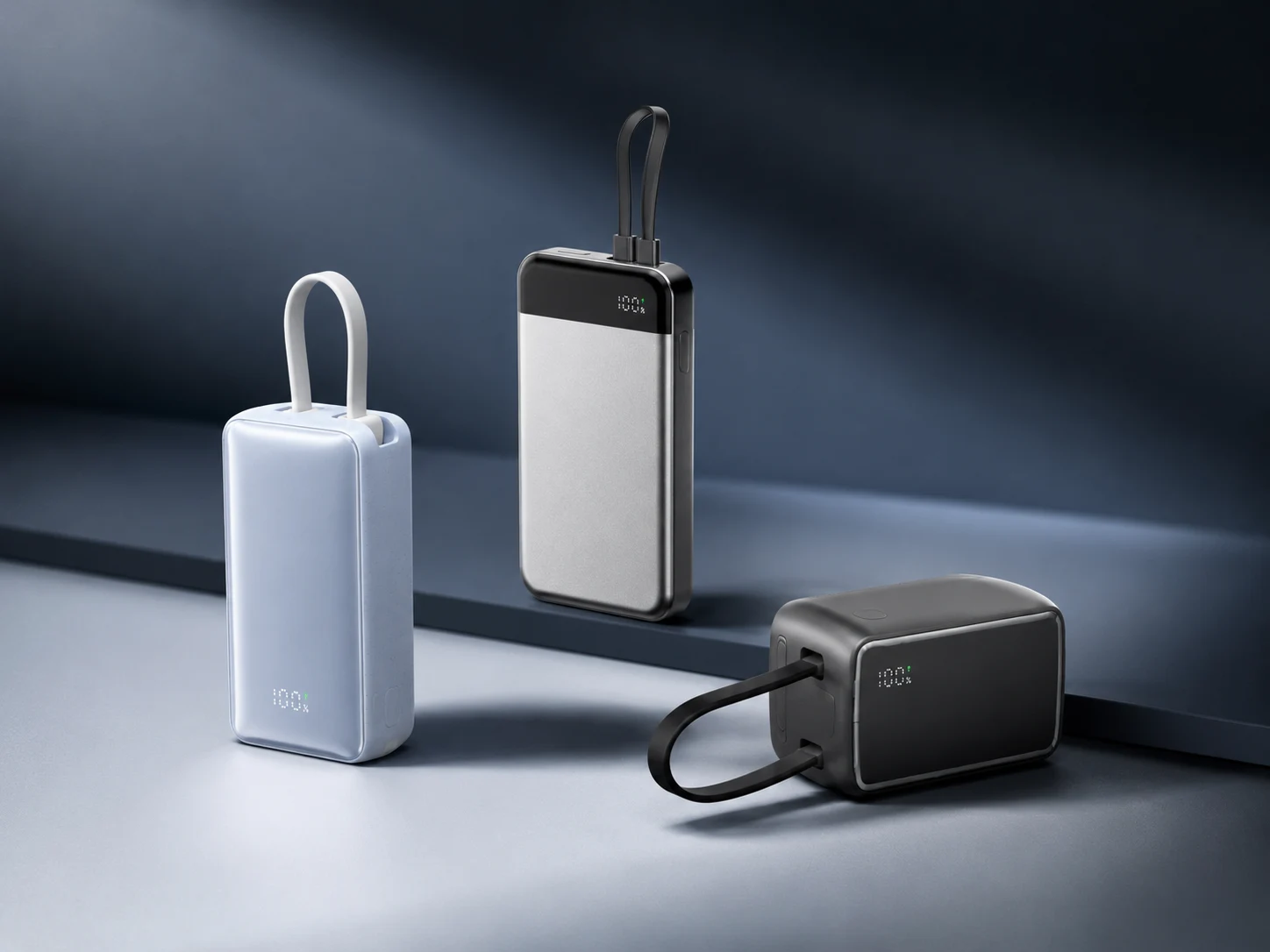
    EcoFlow has introduced a new lineup of 45 W all-in-one power banks, namely the Rapid power bank (10K), the Rapid power bank (20K), and the Rapid 3-in-1 power bank (10K). Their new power banks is said to be designed for modern and mobile lifestyles.

    Compact Design for Everyday Carry

    The Rapid power bank features a compact yet lightweight design, making it ideal for commuting, business trips, and travel. Plus, its pocket-friendly design easily fits into a small bag or jeans pockets for everyday carry. Speaking of dimensions, the power bank measures 90 x 49.9 x 39.17 mm (3.5 x 1.96 x 1.56 inches) and weighs around 230 grams (0.5 lb). On top of this, it have a built-in 70 cm (2.29 ft) retractable USB-C cable for tangle-free charging. The company says the retractable cable is durable enough for over 10,000 bends.

    Charging Capabilities and Battery Capacity

    Speaking of power things, the Rapid power bank boasts a 10,000 mAh battery capacity and offers a maximum of 45 W output across three ports. Two of these are USB-C and USB-A and an integrated, retractable USB-C cable. When used in single-port mode, each of these USB-C ports can deliver up to 45 W of power, and EcoFlow claims that it can charge the iPhone 17 Pro Max to 50% in just 20 minutes.

    LED Display and Multi-Device Charging

    Furthermore, theres an LED display for clear battery status at a glance. Thanks to three outputs, you can charge up to three devices simultaniously. It also has broad compatibility with major charging protocols, making it suitable for iPhones, Samsung, Xiaomi, OnePlus, Pixels, and more devices.

    Rapid Power Bank (20K) Features

    Like its sibling, the Rapid power bank (20K, 45 W) has a compact form factor, which easily slips into your bag without adding bulk. It has a built-in 24 cm (0.78 ft) USB-C cable that also works as a carry strap. As far as the battery capacity is concerned, it boast a 20,000 mAh battery capacity and offers a total of 45 W output across three ports, namely USB-A, USB-C, and a built-in USB-C cable. For context, it weighs slightly heavier than the Rapid 10K power bank, weighing around 360 grams (0.8 lb). Furthermore, the portable charging device has an LED display, which lets you check the remaining battery instantly.

    Durable Build and Safety Protection

    Nevertheless, it’s built with a durable aluminum alloy shell and offers advanced X-Guard protection, including inteligent temperature control, and multiple safety features.

    Rapid 3-in-1 Power Bank Details

    The Rapid 3-in-1 power bank is slighty different from the two mentioned above. It has a 3-in-1 design, which combines a power bank, built-in USB-C cable, and folding wall plug in one compact design. Though, specs-wise, it’s similar to the Rapid (10K, 45 W) power bank. It features the same 10,000 mAh capacity, 45 W power output, a built-in USB-C cable, an LED display, and USB-A and USB-C ports.

    Pricing and Availability

    As for price, the Rapid (10K, 45 W), the Rapid (20K, 45 W), and the Rapid 3-in-1 (10K, 45 W) power banks are priced at $42, $46, and $70, respectively. All three models are now available via EcoFlow’s web store.


    Sources

  • AMD claims 13% FPS boost, 15% better 1% lows with EXPO-ULL DDR5

    AMD claims 13% FPS boost, 15% better 1% lows with EXPO-ULL DDR5

    Key Takeaway

    – AMD EXPO Ultra Low Latency (EXPO-ULL) reduces DDR5 memory latency by 5-7 ns for smoother out-of-the-box gaming.
    – It delivers up to 13% higher average FPS and 15% better 1% low frame rates vs. standard JEDEC DDR5, with less stuttering.
    – Unlike Intel’s XMP, EXPO-ULL optimizes timings for Ryzen CPUs, which benefit more from tighter latencies than higher frequencies.
    – Certified kits (e.g., G.Skill, Kingston) launch June 2026, with motherboard support via AGESA updates for X870/B850 boards.
    – Best for Zen 4/Zen 5/X3D users, though gains may be slightly lower on X3D chips compared to non-3D CPUs.


    New Memory Tech From AMD

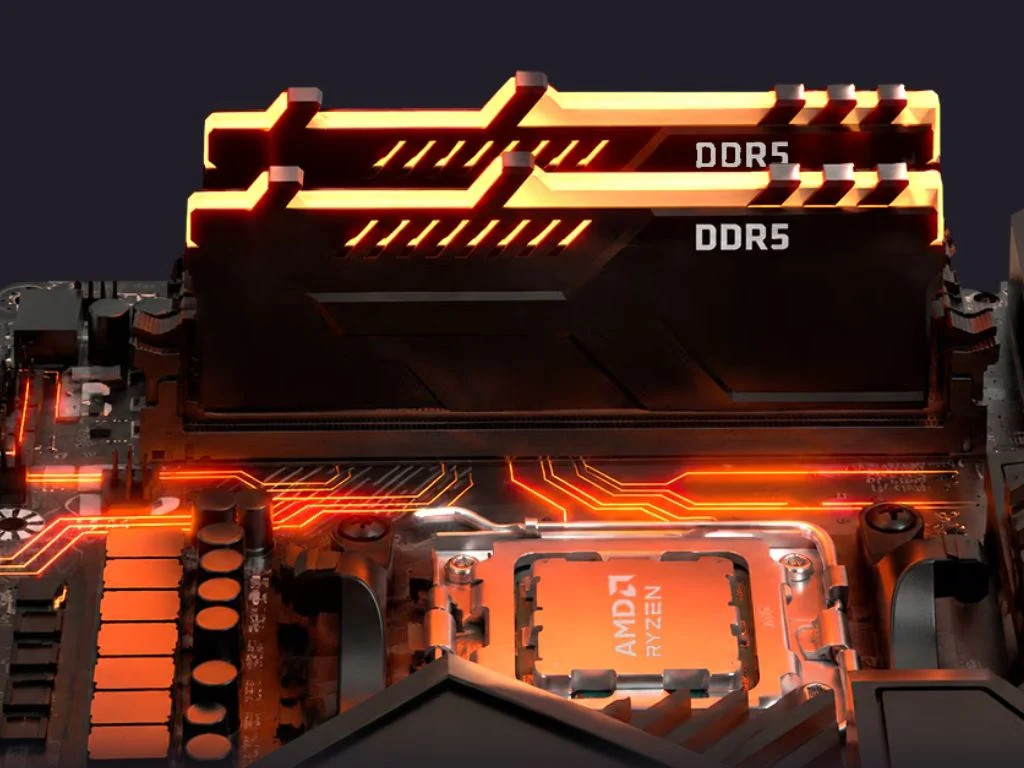
    At Computex 2026, AMD unveiled its latest take on memory overclocking with the launch of AMD EXPO Ultra Low Latency (EXPO-ULL). The ULL profile builds directly on the existing AMD EXPO standard and aims to extract better timings from already popular DDR5 memory modules at 6000 MT/s and 6400 MT/s, which are typically paired with Zen 4, Zen 5, and X3D-series processors.

    Casual Gamers Benefit Big Time

    For casual gamers, this means that DDR5 memory will deliver lower latency, i.e., a reduction of 5 to 7 nanoseconds and improved frame times without the hassle of manually tweaking memory settings in the BIOS, thanks to modules already rated to work at said latencies, essentially making high-end memory worth it right out of the box.

    Test Results Are Impressive

    AMD’s focus here is to further reduce latency and improve in-game responsiveness. To back up its new EXPO-ULL overclocking technology, AMD tested the new profile on a Ryzen 7 9700X setup in more than 30 games, resulting in a solid 13% higher average frame rate and a 15% improvement in 1% low frame rates compared to standard JEDEC-spec DDR5 memory. It is prudent to note that AMD’s choice of CPU, though understandable, might slightly skew the results compared with X3D CPUs, which reportedly exhibit lower performance gains than the former.

    Why This Matters Versus Intel

    What makes EXPO-ULL a solid alternative to Intel’s XMP is that it addresses a long-standing quirk of Ryzen setups. While Intel pursues ever-higher memory frequencies, AMD chips often see better performance gains when timings are dialed in tightly rather than simply increasing clock speed.

    Real-World Smoothness

    Real-world results with AMD EXPO-ULL include fewer instances of stuttering and improved frame times, which consequently lead to better reaction times in competitive titles. Overall gameplay will feel smoother, especially in CPU-intensive games or during sessions at very high frame rates.

    Many memory partners are already hopping on the EXPO-ULL train, with certified kits expected to ship from G.Skill, Kingston FURY, KLEVV, Lexar, TeamGroup, V-Color, XPG, and Origin Code.

    Availability and Compatibility

    AMD EXPO-ULL–supported DDR5 memory kits are expected to hit store shelves in June 2026, targeting AMD gamers with Zen 4–onward supported processors. Furthermore, motherboard support for EXPO-ULL is expected to roll out via AGESA updates, so many X870 and B850 boards will be able to handle the new EXPO-ULL profiles without issue before the kits even launch.

    Cost vs. Benefit

    Although these memory modules will be expensive, they could make the difference between “good enough” and noticeably smoother gameplay.

    Sources
  • Subnautica 2 Sales Trigger Potential $250M Krafton Bonus Payout

    Subnautica 2 Sales Trigger Potential $250M Krafton Bonus Payout

    Key Takeaway

    – Subnautica 2 sold 4 million copies in its first week, generating $120 million in gross revenue.
    – This triggered a $250 million milestone bonus from publisher Krafton, which it had tried to avoid in court.
    – The game launched in early access on May 14, 2026, with an incomplete story and bugs, but features seamless four-player co-op.
    – It peaked at 467,000 concurrent players on Steam and is predicted to be the fastest-selling indie game of 2026.
    – A Delaware court cleared the path for the early-access release by reinstating key developers and leadership.


    Deep Sea Hit Breaks Records

    Unknown Worlds’ long awaited deep sea survival exploration game, Subnautica 2, whcih released in early access on May 14, 2026, sold four million copies within a week, generating gross revenue of $120 million. As a result, publisher Krafton now has to hand over the $250 million milestone-specific bonus that the company spent months in court trying to avoid paying out.

    Multiplayer and Early Access State

    Subnautica 2 landed on Steam, the Epic Games Store, and Xbox Series X|S on May 14, despite haveing an incomplete story and technical bugs that may persist for a year or two before its official 1.0 launch. This time, the game introduces seamless four-player co-op, alloweing friends and family to drop in without destroying your carefully built bases.

    Of course, the game is still unfinished but Unknown Worlds is keeping the hype going with improvements and announcement of content updates. So far, the game has reached an all-time peak of 467,000 concurrent players on Steam. While official sales figures arn’t out yet, Alinea Analytics has predicted the game has already generated more than $100 million in revenue, potentionally making it the fastest-selling indie game on the platform so far in 2026.

    Kraftons Costly Agreement

    This spells good news for the gaming community and Unknown Worlds, but bad news for publisher Krafton, as the revenue target was baked right into the publishers acquisition agreement for Unknown Worlds. According to The Korea Economic Daily, “Krafton agrees to pay $3.12 for every $1, or up to $250 million, to Unknown Worlds’ former shareholders every time the studio’s revenue tops $69.8 million in a month, since the South Korean game developer acquired the U.S. firm in 2021.”

    Leagal and Financial Impact

    The first month alone could trigger the cap and the full payout would be around 35% of Kraftons entire operating profit from the previous year. Everything is in the clear for Unknown Worlds, as a Delaware court has already cleared the path for the early-access release by reinstating the key developers, appointing Ted Gill president, and alloweing developer Charlie Cleveland more hands-on time with the game.

    With the game in early access, it has its bugs and missing features, but so far, the community seems patient, given the leagal battles Unknown Worlds has been going through while also working on Subnautica 2.

    Sources
  • New iPhone 18 Pro Battery Leak Changes Everything for Global Buyers

    New iPhone 18 Pro Battery Leak Changes Everything for Global Buyers

    Key Takeaway

    – iPhone 18 Pro has 4,056 mAh (physical SIM) and 4,288 mAh (eSIM-only)
    – eSIM-only support will expand to European markets for the first time
    – A20 Pro chip on TSMC’s 2 nm process will boost real-world efficiency beyond raw mAh gains
    – eSIM-only users automatically get the larger battery in new regions
    – Global drop of physical SIM could eventually eliminate regional battery gaps


    New iPhone 18 Pro Battery Leaks Emerge From China

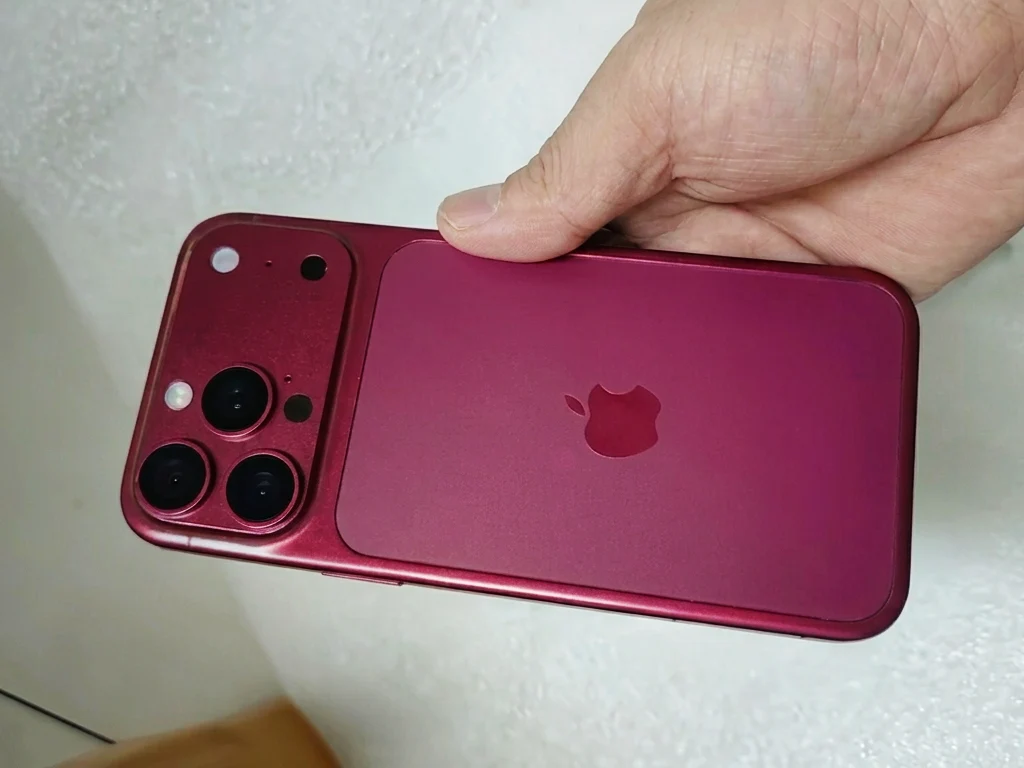
    With Apple’s September reveal window drawing closer, prolific Weibo leaker Digital Chat Station has shared what he claims are the iPhone 18 Pro’s battery figures, subsequently corroborated by Ice Universe — and while the raw numbers are a modest upgrade from the iPhone 17 Pro (curr. $1,061 for a renewed variant on Amazon), the more interesting story lies in who benefits most.

    Modest Capacity Increases Across Regions

    According to the leak, the iPhone 18 Pro will pack a 4,056 mAh battery in physical SIM variants and 4,288 mAh in eSIM-only models. That’s a roughly 68 mAh increase over the iPhone 17 Pro’s China model and a 36 mAh bump for eSIM units. All this is incremental on paper, sure, but paired with the A20 Pro chip on TSMC’s 2 nm process, real-world improvements are expected to outpace the raw capacity difference. Apple’s first 2 nm chip is expected to deliver much better power efficiency, which compounds the battery story beyond just mAh figures.

    Larger Battery Arrives For European Markets

    The bigger development here, however, is the reach of that larger eSIM battery. The iPhone 18 Pro is expected to expand eSIM-only support to European markets for the first time — meaning buyers across the EU who previously received physical SIM variants with the smaller cell will now automatically land on the larger 4,288 mAh configuration. That’s a key upgrade for a large market that has been shortchanged on capacity in the past.

    Future Implications for Global SIM Support

    We also previously reported that the iPhone 18 lineup might drop physical SIM support altogether globally, which would eventually close the battery gap between regions entirely.

    • iPhone 18 Pro physical SIM: 4,056 mAh
    • iPhone 18 Pro eSIM-only: 4,288 mAh
    • iPhone 17 Pro China model: ~3,988 mAh (estimated baseline)
    • iPhone 17 Pro eSIM: ~4,252 mAh (estimated baseline)

    Pro Max Lineup Shows Similar Pattern

    On the Pro Max side, past leaks from Digital Chat Station hinted at a 5,100-5,200 mAh cell for eSIM models and around 5,000 mAh for physical SIM variants — a similar regional split that now appears to be consistent across the entire Pro lineup. Apple has not confirmed any of these figures.


    Sources

  • Old School RuneScape bans 6.2 million bots, restoring fairness

    Old School RuneScape bans 6.2 million bots, restoring fairness

    Key Takeaway

    – Jagex banned over 6.2 million bot accounts in 2026, removing trillions of gold from the economy.
    – Previously bot-infested areas like Green Dragons and Black Chinchompa hunting grounds are now empty and peaceful.
    – Prices of heavily botted items have stabilized and climbed by 40–90%.
    – Some spam bots remain in free-to-play areas, and bot farmers have gone silent while holding backup accounts.
    – The overall community sentiment is that the game feels fair and improved for the first time in years.


    Old School RuneScape Finally Wins Against Bots

    Old School RuneScape is finally winning against the bot invasion. Scapers can finally breathe easy in 2026. RuneScape has made a big comeback. After once rising from the ashes in 2013, the game was invaded by automated bots farming gold and resources and hoarding spots where real Scapers should be.

    Empty Worlds and a Fairer Game

    Caves were crowded with bots, the in-game economy fluctuated wildly, and Ironman mode runners become pretty much the norm. However, things changed this year, as areas once hoarded by bots are now empty and peaceful. Scapers are now reporting empty worlds, and Old School RuneScape feels fair for once.

    RuneScape enthusiast and investigator SirPugger, who has been on the front lines exposing major bot operations, stated, “For the first time in 20 years of playing this game, I did not find a single bot here.”

    Economy Shifts Drastically

    Another RuneScape YouTuber and market watcher, FlippingOldSchool, also gave his two cents and shared his analysis of RuneScape’s shifting economy: “Since the beginning of this year, something has changed in how Jagex bans bots. This has caused major changes in the Old School RuneScape economy.”

    British video game developer and publisher Jagex, the company behind RuneScape and Old School RuneScape, has always been cracking down on botters, which has turned into a cat-and-mouse situation.

    Massive Ban Waves and Gold Removal

    Over the years, Jagex has aggressively improved its bot detection system, and in 2026 alone, it has banned over 6.2 million bot accounts, effectively burning trillions of gold from the in-game economy.

    As a result, prices of heavily botted items have stabilised back to where they once were, climbing by 40–90%. Areas like Green Dragons in the Wilderness and Black Chinchompa hunting grounds, which were once hotspots for bot farmers, are now empty.

    Spam Bots Persist but Farmers Adapt

    Despite all of this, a few spam bots are roaming the free-to-play areas like Misthalin, Asgarnia, Karamja, and the Wilderness, running basic scripts. Bot farmers haven’t vanished from OSRS and RuneScape altogether.

    • The remaining bot farmers have pivoted to other methods or gone completly silent, holding massive account backups ready for when the heat dies down.
    • Still, the feeling that OSRS and RuneScape have changed for the better is genuine.

    SirPugger – YouTube, FlippingOldSchool – YouTube

    Sources
  • Asus Ascent QN10 Mini PC: Qualcomm Snapdragon X2 Elite AI

    Asus Ascent QN10 Mini PC: Qualcomm Snapdragon X2 Elite AI

    Key Takeaway

    – 18-core Snapdragon X2 Elite with 80 TOPS AI compute power
    – Up to 32GB LPDDR5x RAM and 4TB NVMe SSD storage
    – Runs Windows on ARM with native OpenClaw support
    – No Nvidia GPU, limiting AI model compatibility
    – Wi-Fi 7, Bluetooth 5.4, 2.5 GbE, and three USB4 ports


    Asus Ascent QN10 Mini PC Launches with Snapdragon Power

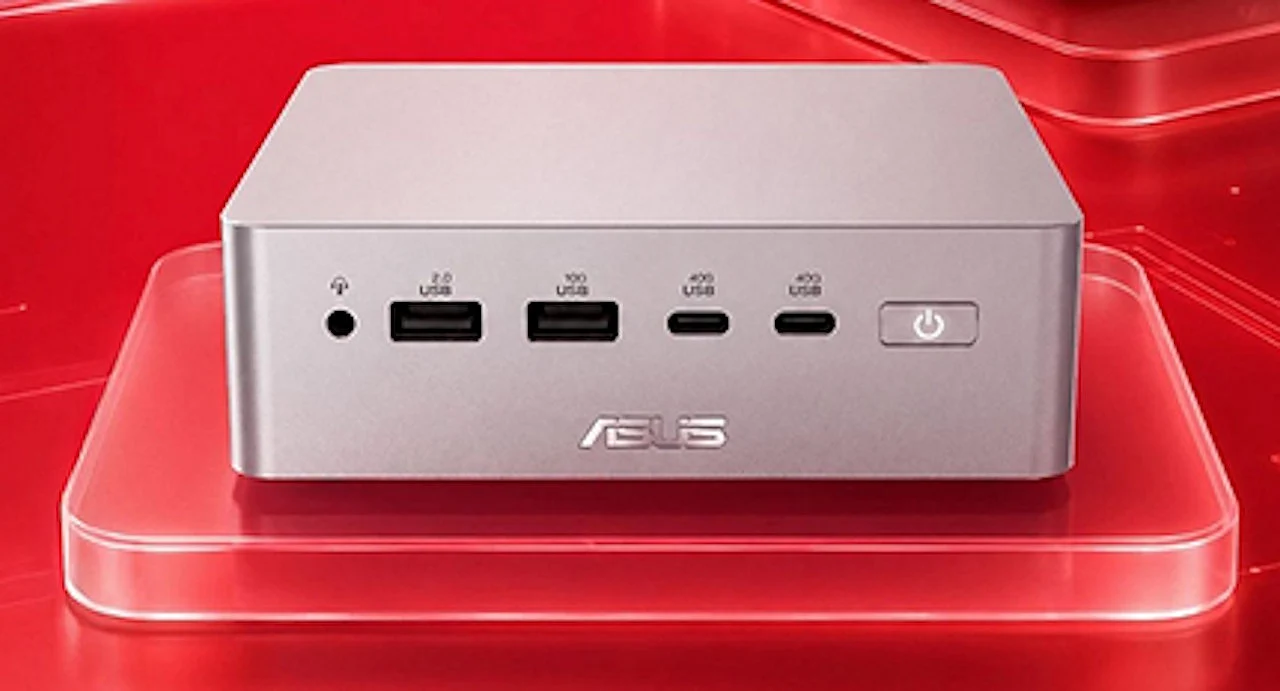
    The Asus Ascent QN10 mini PC has arrived targeting businesses and AI developers with an 18-core Snapdragon X2 Elite X2E-88-100 CPU offering 80 TOPS of AI compute power, up to 32 GB of LPDDR5x 9600 RAM, and up to 4 TB of M.2 2280 NVMe SSD storage. Developers have access to the Qualcomm AI Hub, a repository of select AI models and sample apps to use in training and developing customized ones, and can run OpenClaw natively on the CPU.

    Software and Compatibility Challanges

    The Ascent runs Windows on ARM, a variant of regular Windows 11 for x64 CPUs (AMD or Intel). The Snapdragon SoC offers performance at potentially less power than AMD or Intel offerings by using a design based on ARM CPUs commonly found in modern smartphones. The recently released MacBook Neo that Notebookcheck reviewed also uses a smartphone processor in a computer.

    Limitations Without Nvidia Graphics

    However, the AI mini PC does not have an Nvidia GPU, so it can’t run the much larger library of AI models, sample apps, and other AI services that Nvidia offers. Windows on ARM is also limited in its app, driver, and peripheral compatibility versus regular Windows 11 for x64 (AMD or Intel).

    Connectivity and Port Selection

    The QN10 comes with Wi-Fi 7, Bluetooth 5.4, and 2.5 GbE connectivity. It also has three USB4 ports, three USB-A 3.2 ports, one USB-A 2.0 port, one HDMI 2.1 FRL port, and a headphone jack.

    • Wi-Fi 7 and Bluetooth 5.4
    • 2.5 GbE Ethernet
    • Three USB4 ports
    • Three USB-A 3.2 ports
    • One USB-A 2.0 port
    • One HDMI 2.1 FRL port
    • Headphone jack

    Dimensions and Weight Details

    The mini PC measures 130 x 130 x 40 mm (5.1 x 5.1 x 1.6 in.) and weighs 720 g (1.6 lbs.).

    Sources
  • Strava Betrays Developers: Reddit-Style Backlash

    Strava Betrays Developers: Reddit-Style Backlash

    Key Takeaway

    – Paid Strava subscription now required for all Standard Tier developers starting June 2026.
    – API changes target AI scraping and API abuse, but catch hobbyists and open-source projects.
    – Builders of free, self-hosted personal data tools now need a subscription to access their own data.
    – Wearable and device integrations (Garmin, Coros, etc.) are not affected.
    – Strava launched an official MCP for subscribers to analyze their data without coding.


    The fallout from the open-source community has been immediate after Strava quietly dropped a huge change to its developer program on June 1, 2026. The platform is introducing two developer tiers — Standard and Extended Access — effective today, with the primary change being that a paid Strava subscription will now be required for all Standard Tier developers. New developers are affected immediately, while existing active developers have until June 30 before the paywall kicks in, though Strava is offering three months free to smooth out the transition.

    Why Strava Claims This Change Is Necessary

    Strava is framing this move as a response to abuse — the company says that developer applications are up 448% year-to-date, with AI companies scraping the platform and abusing the API through intermediary layers, which has degraded performance for everyone. Apps routing data through third-party intermediary platforms are also no longer supported, effective immediately. The company insists this will protect user data and improve system stability for all subscribers.

    The Unintended Consequences for Hobbyists

    The problem is that the paywall catches everyone, not just bad actors. Developers building free, self-hosted tools for personal data analysis — the kind of hobby projects that have existed quietly and peacefully for years — now need a Strava subscription just to access their own data through the API. On Reddit’s r/selfhosted subreddit, the reaction was pretty harsh too. Comparisons are being drawn to Reddit’s own controversial API changes in 2023, and a user who maintains a popular open-source Strava dashboard said the announcement effectively kills the project.

    What Remains Unchanged for Most Users

    Strava was quick to clarify that wearable and device integrations — Garmin, Amazfit, Coros, and others — are not affected. For most users, day-to-day syncing between their watch and Strava will continue working exactly as before. Strava is also launching an official MCP, which is an AI-native tool for subscribers to slice and analyze their own Strava data without any any dev skills required, meaning casual athletes won’t notice any disruption in their regular fitness tracking workflows.


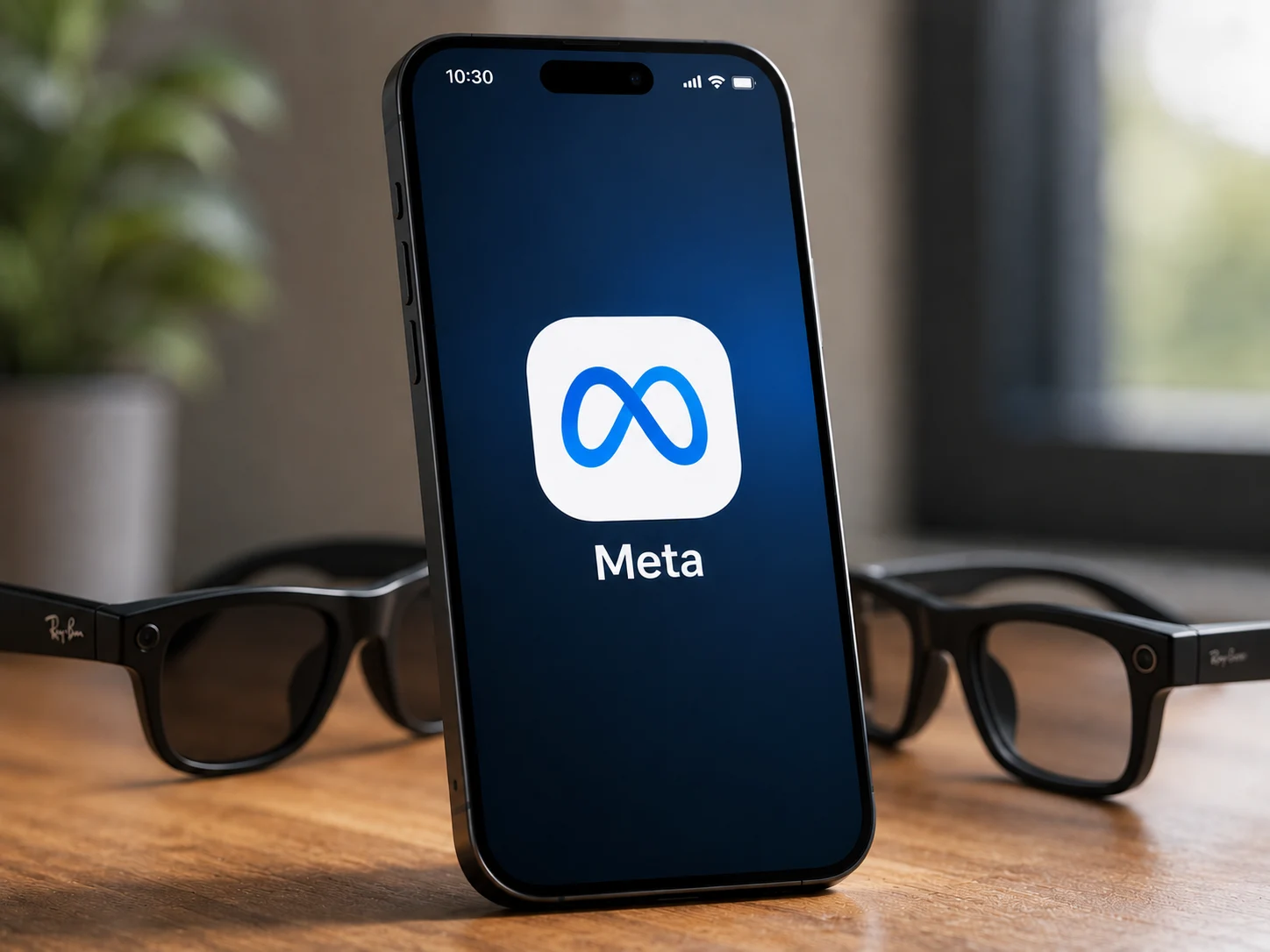
  • Meta AI wearables: Glasses, pendants and more

    Meta AI wearables: Glasses, pendants and more

    Key Takeaway

    – Meta is developing an AI pendant (acquired via Limitless) for testing in 2026, with mixed user reception.
    – Up to four new smart glasses models are planned, including “Modelo,” “Luna,” and “Mojito VIP” in 2026.
    – Always-on “supersensing” glasses (“Artemis” and “SSG”) are being tested, powered by Meta AI and the unreleased Hatch agent.
    – A “Wearables for Work” business subscription service will leverage Meta’s AI models.
    – Meta aims to sell 10 million wearables in H2 2026 to offset Reality Labs’ $19 billion 2025 losses.


    Meta is currently working on a new artificial intelligence pendant, with plans to begin testing it next year. But this new venture does not come as a complete surprise considering that Meta acquired Limitless, the company that created the Pendant device, at the end of 2025. The product was a clip-shaped Bluetooth microphone that could be attached to a shirt or worn as a necklace, and it allowed users to listen to and record conversations during the day to generate summaries, transcriptions and a searchable database. Reception of the device, however, appears to be mixed, as this thread illustrates.

    New smart glasses and supersensing tech

    In addition to the pendant, Meta is said to be preparing up to four new smart glasses models. The initial model, with the codename “Modelo”, is scheduled to be launched this month, followed by “Luna” and “RBM2 Refresh” in the fall. Another model, called “Mojito VIP”, is expected to land in December. The company is also reportedly testing new “supersensing” glasses, featuring always-on cameras and sensors, called “Artemis” and “SSG”. These new devices are said to be powered by Meta’s AI models and by Hatch, an AI agent that has not yet been launched.

    Business subscriptions and sales targets

    Furthermore, the company also plans to offer a subscription service for businesses called “Wearables for Work”. Its objective is to expand the use of its AI models and encourage customers to pay for their subscriptions. Meta aims to sell 10 million wearables in the second half of 2026 in order to offset the losses of its research and development division, Reality Labs, which totalled $19 billion in 2025.

    An alternative to Meta’s pendant

    Readers who prefer a non-Meta pendant alternative are advised to check out the Plaud NotePin S ($179 at Amazon).

    Sources
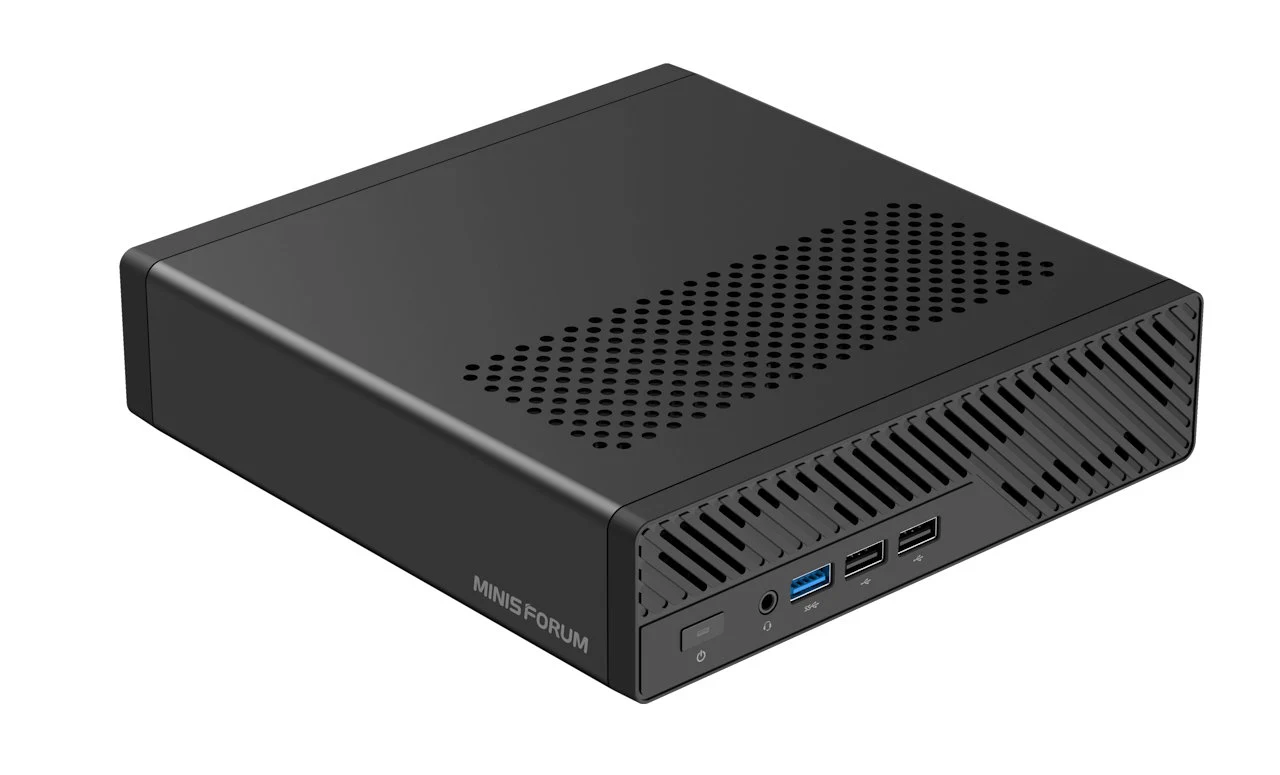
  • Minisforum MS-03 & M2 Pro AI Mini PCs with Powerful NPU

    Minisforum MS-03 & M2 Pro AI Mini PCs with Powerful NPU

    Key Takeaway

    – Four new local AI devices announced: MS-03, M2 Pro mini PCs, S5 and N5 Max NASs.
    – M2 Pro offers up to 180 TOPS AI performance with Intel Panther Lake and eGPU support via OCuLink.
    – N5 Max NAS provides massive storage (up to 200 TB) and a local AI assistant via MinisOpenClaw software.
    – MS-03 features up to 50 TOPS NPU, WiFi 7, and dual SFP+ ports.
    – S5 NAS is a fanless, all-flash unit with 24-33 TOPS, WiFi 7, and Bluetooth 6.


    Minisforum’s New Local AI Devices at Computex 2026

    Minisforum has announced four devices capable of running local AI apps at Computex 2026 – the M2 Pro and MS-03 mini PCs and the S5 and N5 Max NASs. These systems are targeted toward users who want to run artifical inteligence models withought relying entierly on cloud services.

    MS-03 Mini PC Specifications

    The MS-03 updates the previous MS-01 model with faster Intel Panther Lake CPUs paired with DDR5 7200 RAM, two M.2 2280 NVMe SSD slots, and WiFi 7. Its NPU provides up to 50 TOPS of AI compute power. It has one 2.5G LAN jack, one 10G LAN jack, an HDMI 2.1 port with FRL support, five USB-A ports, two USB-C ports, two SFP+ ports, and a 3.5 mm headphone jack. This model is good for basic local AI tasks.

    M2 Pro Mini PC with Copilot Button

    The M2 Pro is powered by Intel Panther Lake CPUs capable of providing up to 180 TOPS of AI performance thanks to its fast Xe3 integrated GPU and up to 128 GB of LPDDR5X 8533 RAM. An external GPU (eGPU) can be added to increase AI compute power through the OCuLink port. Large AI models can be stored in up to three M.2 2280 SSDs. Uniquely, the M2 Pro has a Microsoft Copilot button and microphone on the front panel, giving users quick access to the chatbot.

    M2 Pro I/O and Mounting Options

    It has three USB-A ports, three USB4 ports, one HDMI port, one DP port, one 2.5G LAN jack, one 10G LAN jack, an SD card slot, a 3.5 mm headphone jack, and a security cable slot. The metal body M2 Pro can be VESA mounted on the back of monitors. The toatl AI TOPS is impressive for a tiny form factor.

    N5 Max NAS with Massive Storage

    The N5 Max NAS is powered by a 16C/32T AMD Ryzen AI Max+ 395 CPU running MinisCloud, Windows 11 Pro, or Linux OS, coupled with 64 GB of LPDDR5x 8533 RAM and a 128 GB system disk installed in one of the five M.2 2280 NVMe storage slots (8TB each). The NAS has five 3.5” SATA hard drive bays (32 TB each), giving the NAS a maximum storage capacity of 200 TB.

    Cooling and Connectivity

    Besides five cooling fans, the NAS also has one HDMI 2.1 FRL port, three USB4 ports, three USB-A ports, two 10 GbE LAN jacks, and a security cable slot. The combination of 126 TOPS of AI compute power along with MinisOpenClaw software enables owners to run a local AI assistant free of recurring costs. Advanced AI-powered file features such as semantic search will be added by the end of 2026.

    S5 All-Flash NAS Details

    The S5 All-Flash NAS was previously launched in Xiamen during a joint Minisforum and Intel event. The NAS is powered by an Intel Core 300 CPU running MinisCloud OS, paired with 12 GB of LPDDR5X 7500 RAM, 64 GB of UFS 2.2 storage, and up to five M.2 2280 NVME solid state drives (8 TB each). It has two USB-A ports, two USB4 ports, one 2.5G LAN jack, one 10G LAN jack, one HDMI port, and a security cable slot.

    Networking and AI Performance

    The unit can also be networked using WiFi7 and Bluetooth 6 connectivity. The fanless unit provides 24 to 33 TOPS of AI compute power. This is a more afforable option for light AI workloads and home media serving.


    Sources