Category: All News

  • Android Excluded while iPhones, iPads, and Macs can now Run Windows

    Android Excluded while iPhones, iPads, and Macs can now Run Windows

    Microsoft Introduces New Windows App for Cross-Device Compatibility

    In today’s world, technology plays a crucial role in simplifying our lives and aiding us in our daily tasks. However, using incompatible products can sometimes create more problems than solutions. The convenience of operating within an ecosystem, where devices seamlessly communicate with each other, is undeniable. However, stepping outside of that ecosystem can often lead to a messy experience. If you have ever used a Windows PC alongside an iPhone, you can relate to this frustration. Fortunately, Microsoft is addressing this issue with its new Windows app, designed to bridge the gap between various devices.

    The Details of Microsoft’s New Windows App

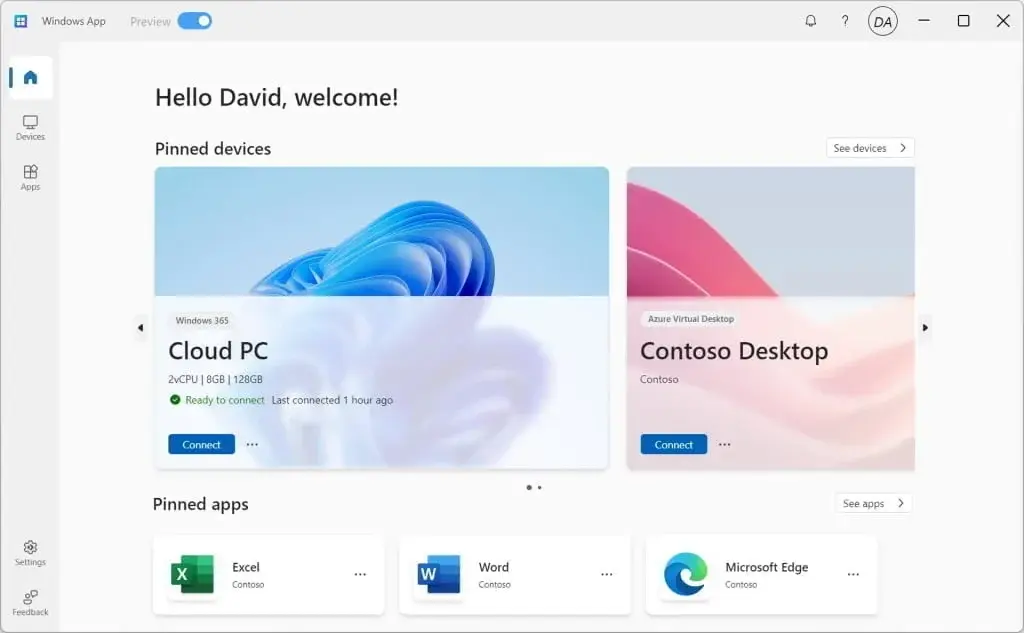
    Microsoft has recently unveiled a new Windows app that is compatible with iOS, iPadOS, macOS, Windows, and web browsers. This app serves as a central hub, allowing users to remotely view their Windows computer. However, it is important to note that the preview version of the app is currently not available on Android.

    The primary purpose of this app is to enable users to access, control, and utilize their remote devices, even when they are not physically present at their computers. Previously, establishing communication between Windows and iPhone devices was a cumbersome process. However, this new app has significantly improved access between the two platforms. Users no longer need to go through the hassle of trying to retrieve photos and files from their computers.

    Features and Availability

    At present, the app appears to be limited to Microsoft’s business accounts. However, there are indications that it will eventually be made available to consumers as well. The app offers a wide range of features to enhance the user experience. These include multi-monitor support, custom screen resolutions, dynamic screen resolutions and scaling, as well as support for devices such as webcams, audio, storage devices, and printers redirection.

    It is worth noting that Microsoft has already had remote connection applications for computers for many years. However, the introduction of a dedicated “Windows App” marks a significant development. This move may suggest that Microsoft’s overarching goal of transitioning Windows entirely to the cloud is still a work in progress.

    In conclusion, Microsoft’s new Windows app for cross-device compatibility is a promising development. It aims to simplify the experience of using different devices within the Windows ecosystem. With its range of features and potential availability for consumers in the future, this app has the potential to enhance productivity and streamline workflows across various platforms.

    Source: 1
  • iPhone 16 and 16 Plus to Keep 60Hz Displays in 2024

    iPhone 16 and 16 Plus to Keep 60Hz Displays in 2024

    Apple’s iPhone 16 Series Rumored to Maintain 60Hz Display Refresh Rate

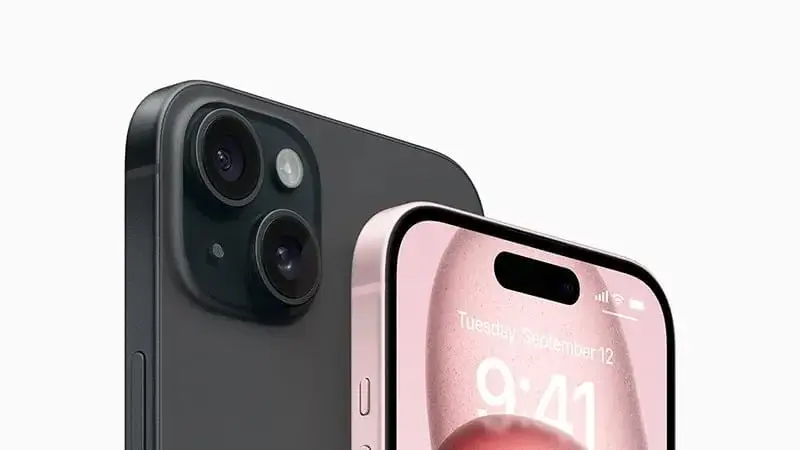
    The highly anticipated iPhone 16 series from Apple has sparked considerable discussions, albeit not entirely for the reasons the tech giant might have hoped for. Speculation suggests that both the iPhone 16 and 16 Plus models will persist with a 60Hz display refresh rate, falling short of the 120Hz standard prevalent in numerous other flagship smartphones.

    Underwhelming Displays in Non-Pro iPhone 16 Models

    Apple’s choice to retain the 60Hz refresh rate has been a point of interest since the debut of the iPhone 15 series, which also embraced the same refresh rate. Despite advancements like the Dynamic Island design in recent iterations, Apple appears reluctant to enhance the refresh rate in its non-Pro iPhone offerings.

    Leaks from various sources, including South Korean tech site Naver and Twitter leaker @Tech_Reve, hint that the iPhone 16 series is unlikely to witness an improvement in this domain. Additionally, display analyst Ross Young foresees that Apple might only introduce high-refresh-rate screens to its base models by 2025.

    https://twitter.com/Tech_Reve/status/1726136966885056520

    Display Sizes and Refresh Rates

    Reports suggest that the iPhone 16 lineup will sport a 6.12-inch display for the standard model and a 6.69-inch display for the Plus version. Conversely, the Pro models are expected to feature slightly larger screens with 120Hz refresh rates, aligning with the prevailing trends for current flagship smartphones.

    Trailing the Competition

    Apple’s decision to stick with a 60Hz refresh rate comes as a surprise, especially when competitors like Samsung and Google have already embraced higher refresh rates in their flagship offerings, including budget-friendly options like the Pixel 7a. Some Moto devices even tout 144Hz displays in the mid-budget segment. The persistence of the 60Hz refresh rate in premium models like the iPhone 16 and 16 Plus distinguishes them from the current smartphone landscape. While a 60Hz refresh rate is not inherently flawed, it noticeably lags behind the norm seen in recent top-tier devices.

    The hesitation to upgrade the refresh rate might be influenced by factors such as cost and potential battery life implications. Nevertheless, it stands as a significant point of debate for users anticipating a smoother and more responsive user experience from new releases. As the industry progresses towards sleeker and more dynamic displays, Apple’s decision to maintain a 60Hz refresh rate in its upcoming models could be viewed as trailing its rivals.

    Source: 1

  • Newly Released Xiaomi Multi-function Camping Lantern with IP54 Rating Specifically for EU Market

    Newly Released Xiaomi Multi-function Camping Lantern with IP54 Rating Specifically for EU Market

    Chinese tech company Xiaomi has announced the release of its Multi-Function Camping Lantern in select European countries. This innovative lantern, which was first launched in China earlier this year, features a unique two-part design that includes a main lantern and a compact, removable light stored within the larger lamp’s center.

    Features

    The Multi-Function Camping Lantern has been specifically designed with outdoor enthusiasts in mind. The detachable light serves a dual purpose as a powerful flashlight and comes with a convenient hook for suspension. Users can adjust the color temperature of the light, with options for cold, warm, and RGB lighting. Additionally, the brightness levels can be adjusted from 6 to 230 lumens, offering flexibility in various lighting conditions. The front-facing dial allows for easy customization of the lighting experience.

    One of the standout features of this lantern is its Bluetooth connectivity, which enables users to control the lantern remotely through the Xiaomi Home app. The auxiliary light operates on an 800 mAh battery, while the main lantern is powered by a robust 4,800 mAh lithium-ion battery. The lantern can be quickly recharged via USB-C in just 3.5 hours.

    Compact and Resistant

    The Xiaomi Multi-Function Camping Lantern holds an IP54 rating, making it resistant to dust and water splashes. Despite its powerful features, the lantern has compact dimensions, measuring 198 x 114 x 123 mm, and weighs only 565 g. This makes it a portable and essential companion for camping adventures.

    Pricing and Availability

    The Multi-Function Camping Lantern is currently available in France and Germany, with a retail price of €59.99. Customers in Germany can also enjoy an exclusive €5 discount through an in-page coupon. Xiaomi has plans to expand the availability of the lantern, as it is already listed on the Xiaomi Italy website. This indicates that it will be more widely available in the near future.

    Overall, the Xiaomi Multi-Function Camping Lantern offers a range of features tailored for outdoor enthusiasts. Its unique design, Bluetooth connectivity, and customizable lighting options make it a versatile and practical choice for camping and other outdoor activities.

    Source: 1, 2

  • Chinese Website Removes Nvidia’s RTX 4090

    Chinese Website Removes Nvidia’s RTX 4090

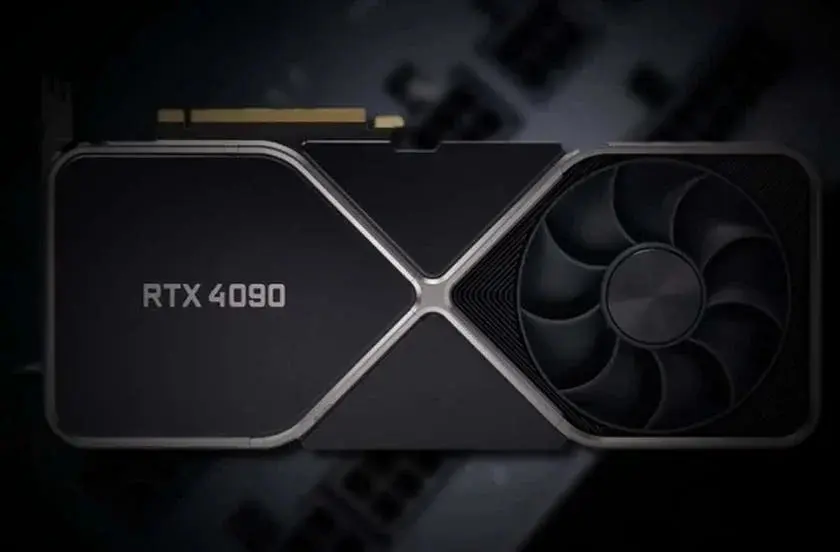
    As the news of the ban on RTX 4090 cards spread throughout the Chinese tech market, Nvidia has taken the card completely off its website. This sudden action has raised concerns about the availability and future supply of this highly sought-after gaming card in China.

    Disappearance of the RTX 4090 from official websites

    The RTX 4090, renowned for its top-of-the-line graphics processing capabilities, is part of Nvidia’s GeForce RTX 40 series. Its sudden disappearance from the official websites has caused unease among Chinese gamers and tech enthusiasts. This move comes at a time when there is already a tight supply in China, which can be attributed to the card’s high performance in graphics applications.

    US export controls and withdrawal speculation

    The situation is further complicated by recent US export controls that impose stricter regulations on the export of advanced graphics chips to China. This has led to speculation that the RTX 4090 might face withdrawal due to these new rules. In addition to this, several of Nvidia’s major hardware partners in China have also removed the RTX 4090 from their online stores, adding to the concerns.

    Resilient demand and availability through unofficial channels

    Despite these challenges, the RTX 4090 can still be found on e-commerce platforms and unofficial channels, although at inflated prices. The availability of the card through these channels indicates a strong demand for the product, despite the regulatory hurdles.

    Significance beyond gaming and data center chip concerns

    Interestingly, the significance of the RTX 4090 extends beyond gaming in China. It plays a crucial role in supporting advanced applications such as autonomous driving, highlighting its importance in various technology sectors. However, the main concern in China still revolves around Nvidia’s data center chips, which are facing surging prices and supply issues.

    Nvidia’s response and development of new data center GPUs

    In response to these challenges, Nvidia is adapting by developing new data center GPUs specifically for the Chinese market. The company plans to ship the first batch of these new GPUs by the end of the year. This strategic move aims to address the supply issues and rising prices faced by data center chips in China.

    Conclusion

    The ban on RTX 4090 cards in China has caused Nvidia to remove the product from its official website, raising concerns about its availability and future supply. The US export controls and withdrawal speculation have further intensified the situation. However, the card can still be found through unofficial channels, indicating a resilient demand. Nvidia is also developing new data center GPUs to address the supply issues faced by its data center chips in China. It remains to be seen how these developments will shape the future of the RTX 4090 in the Chinese market.

    Source: 1, 2

  • All About the Upcoming Gaming Powerhouse: Red Magic 9 Pro Roundup

    All About the Upcoming Gaming Powerhouse: Red Magic 9 Pro Roundup

    The Red Magic 9 Pro is set to launch on November 23, and it promises to be a game-changer in the world of gaming smartphones. One of the standout features of this flagship device is its use of the Snapdragon 8 Gen 3 chip, making it one of the first smartphones to feature this powerful processor. Currently, only the Xiaomi 14 series and iQOO 12 series have this chip, and they have already showcased impressive performance on AnTuTu, scoring nearly 2 million points. However, the Red Magic 9 Pro is expected to outperform its counterparts when it comes to sustaining its performance during gaming sessions.

    Design & Display

    Red Magic recently revealed the design and color options for the upcoming Red Magic 9 Pro. The brand has made some changes to the design, with the camera setup now located on the left side of the device. The camera has a flat design, which means it doesn’t protrude from the phone’s body. The smartphone is also said to be quite slim, measuring only 8.9mm, which is relatively slim for a gaming phone.

    The Red Magic 9 Pro features flat edges and buttons, giving it a sleek and modern look. It will also come with a unique RGB light that offers a custom RGB fan lighting effect, as well as new RGB gaming shoulder keys for enhanced gaming operations. The phone will be available in three colors: Deuterium Transparent Silver Wings, Deuterium Transparent Dark Night, and Dark Night Knight. The Transparent Silver Wings and Deuterium Transparent Dark Night options have transparent backs, allowing users to catch a glimpse of the phone’s internal components.

    On the front, the Red Magic 9 Pro will sport a flat, full-screen display without any cutouts for a front camera. This is because the device will utilize an under-display camera technology. The display is expected to measure 6.8 inches and offer a resolution of 2480 x 1116 pixels. It will be an OLED panel with a refresh rate of 120Hz, ensuring smooth and immersive gaming visuals.

    Specs

    The Red Magic 9 Pro will be powered by the Snapdragon 8 Gen 3 chip, paired with up to 24GB of RAM and 2TB of storage. It will feature a 10,182mm² vapor chamber, which claims to reduce the heat generated by the Snapdragon 8 Gen 3 chip by up to 25°C. This cooling system has helped the phone achieve an impressive score of 2,290,773 points on AnTuTu. In games like Genshin Impact, the device can maintain an average of 60 FPS at 720P resolution. What’s even more impressive is that the Red Magic 9 Pro consumes less power compared to the iQOO 12 Pro and Xiaomi 14 Pro, while outperforming them in terms of overall performance.

    The device will also come with Red Magic’s self-developed game chip, the Red Core R2 Pro. This chip will focus on enhancing the gaming experience through features like haptic feedback, audio, and touch-sampling rate. The smartphone will also feature X Gravity 2.0 software, which allows for seamless mapping of external devices like controllers or keyboards and mice to on-screen controls. Additionally, the Red Magic 9 Pro will launch with REDMAGIC OS 9.0, based on Android 14, promising a smoother and more polished user experience compared to its predecessor, REDMAGIC OS 8.

    The haptic motors on the Red Magic 9 Pro are larger this time, providing 30% stronger vibration compared to its predecessor. The device will also feature a dual stereo speaker system to ensure an immersive audio experience. Furthermore, it will be equipped with a 3.5mm audio jack for low-latency wired audio. The shoulder buttons on the phone will have a 90% larger area with 520Hz touch sampling and new lighting effects. The battery capacity will be increased to 6,500mAh, compared to 6,000mAh on its predecessor, and it will support fast charging up to 165W. Red Magic claims that the device can be fully charged in just 16 minutes, which is great news for gamers who don’t want to be interrupted by long charging times.

    Camera

    While Red Magic phones are not typically known for their camera prowess, there are rumors suggesting that the Red Magic 9 Pro will feature a 50-megapixel Samsung GN5 primary sensor on the rear with Optical Image Stabilization (OIS). It is also expected to come with a 50-megapixel Samsung JN1 ultra-wide-angle lens. These sensors have proven their capabilities in various flagship devices, raising expectations for the Red Magic 9 Pro to capture impressive and visually appealing photos.

    In conclusion, the Red Magic 9 Pro is shaping up to be an exciting gaming smartphone with its powerful Snapdragon 8 Gen 3 chip, impressive gaming performance, and sleek design. With its innovative features and enhancements focused on the gaming experience, it is sure to attract gamers who are looking for a device that can handle their gaming needs. The Red Magic 9 Pro will be a force to be reckoned with in the gaming smartphone market.

    Source: 1

  • Responsible AI Team dissolved as Meta Platforms undergoes restructuring

    Responsible AI Team dissolved as Meta Platforms undergoes restructuring

    Meta Platforms Disbands Responsible AI Team in Strategic Move

    In a strategic move, Meta Platforms has disbanded its Responsible AI (RAI) team, signaling a significant restructuring within the tech giant. Most former RAI team members will now be integrated into the generative AI product team, aligning with Meta’s broader vision for AI development. This shift aims to enhance collaboration across various verticals, with a particular focus on core product development.

    Strengthening Technological Foundations

    The reshuffling also involves some team members contributing to Meta’s AI infrastructure, underscoring the company’s commitment to bolstering its technological foundations. Despite this restructuring, Meta emphasizes an unwavering dedication to prioritizing safe and responsible AI development.

    Integration of Responsible AI Practices

    Meta, affirms that the dissolution of the RAI team does not diminish the company’s commitment to responsible AI initiatives. The move is positioned as part of a broader effort to integrate responsible AI practices into Meta’s key technologies.

    As part of this integration, former RAI team members will now work closely with the generative AI product team, enabling collaboration and knowledge-sharing. By bringing responsible AI practices into the core product development process, Meta aims to ensure that ethical considerations are embedded in the very fabric of its AI technologies.

    Enhancing Collaboration and Development

    The integration of former RAI team members into the generative AI product team is expected to enhance collaboration across various verticals within Meta. By breaking down silos and fostering cross-functional cooperation, the tech giant seeks to drive innovation and accelerate the development of its AI products.

    Furthermore, this restructuring also highlights Meta’s commitment to continuously improving its technological foundations. By leveraging the expertise of former RAI team members in building AI infrastructure, the company aims to strengthen the underlying framework that supports its AI technologies.

    Maintaining Focus on Responsible AI

    While the disbandment of the RAI team may seem like a shift in priorities, Meta emphasizes that responsible AI development remains a top concern. The integration of responsible AI practices into key technologies reflects the company’s dedication to ensuring the safe and ethical use of AI.

    In conclusion, Meta Platforms’ decision to disband its Responsible AI team is part of a strategic restructuring aimed at enhancing collaboration, strengthening technological foundations, and integrating responsible AI practices. By bringing together former RAI team members with the generative AI product team, Meta seeks to drive innovation and embed ethical considerations into its core product development process. This move underscores the company’s commitment to responsible AI development, despite the organizational changes.

    Source: 1, 2

  • Ahead of its global launch, the Redmi Note 13 5G receives TDRA certification

    Ahead of its global launch, the Redmi Note 13 5G receives TDRA certification

    Xiaomi Redmi Note 13 5G Receives Global Certification

    Xiaomi’s Redmi Note 13 5G smartphone is set to make its global debut following its initial release in China. The device has recently obtained certification from the TDRA certification authority, further solidifying its presence in the competitive tech market.

    TDRA Certification

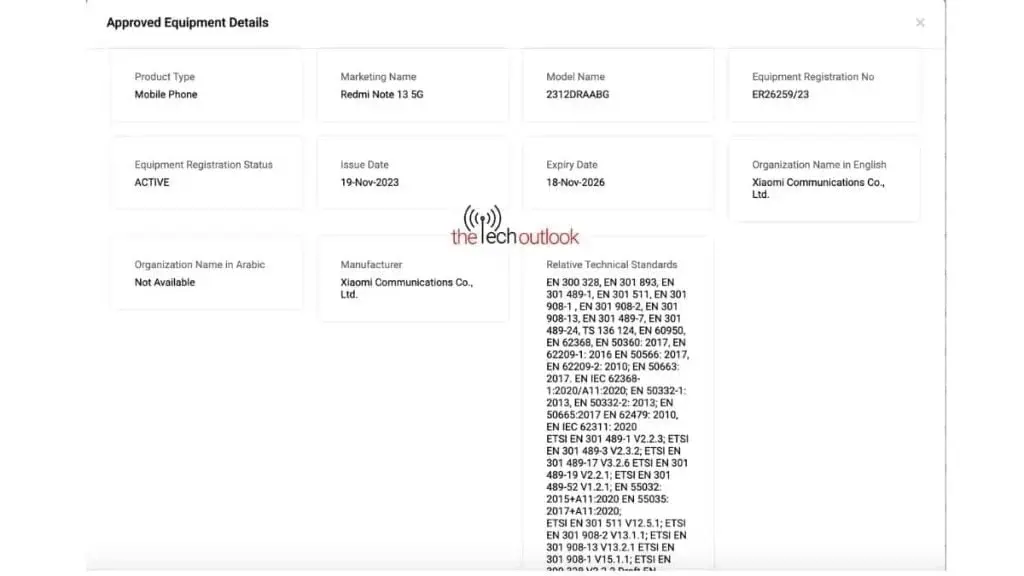
    The Redmi Note 13 5G has received the TDRA certification, with the equipment registration number “ER26259/23” and the model number “2312DRAABG.” Prior to this, the device had already been spotted on various regional certification databases, including Thailand’s NBTC, Singapore’s IMDA, and the FCC. It is important to note that the device has also obtained certification from the BIS authority in India, albeit under a different model number.

    Impressive Specifications

    The Redmi Note 13 5G boasts impressive specifications that are sure to appeal to tech enthusiasts. It features a large 6.67-inch AMOLED display with a Full HD+ resolution of 1080 × 2400 pixels. The display also offers a high 120Hz refresh rate and is protected by Corning Gorilla Glass 5, ensuring vibrant visuals and enhanced durability. Noteworthy features include a 3.5mm audio jack, an infrared sensor, and IP54 dust and splash resistance.

    Powerful Performance

    Under the hood, the device is powered by the MediaTek Dimensity 6080 SoC, paired with the Mali G57 GPU. Users can choose from storage options ranging from 128GB to 256GB of UFS 2.2 storage, which can be expanded using a microSD card. Additionally, the Redmi Note 13 5G offers different configurations with 6GB, 8GB, or 12GB of LPDDR4X RAM to cater to varying needs. Running on MIUI 14 based on Android 13, the software experience is expected to be smooth and efficient.

    Impressive Camera and Battery

    In terms of camera capabilities, the Redmi Note 13 5G features a robust 100MP primary camera with an f/1.7 aperture, accompanied by a 2MP depth sensor and LED flash. For selfies, it is equipped with a 16MP front camera. Powering the device is a substantial 5000mAh battery, which supports 33W fast charging via the USB Type-C port.

    With its global certification and impressive specifications, the Xiaomi Redmi Note 13 5G is poised to capture the attention of smartphone enthusiasts worldwide.

    Source: 1, 2

  • Tech titan ByteDance challenges Tencent and Alibaba with impressive Q2 2023 surge.

    Tech titan ByteDance challenges Tencent and Alibaba with impressive Q2 2023 surge.

    In a stunning financial performance for Q2 2023, ByteDance, the parent company of TikTok and Douyin, announced a remarkable $29 billion in revenue. This represents a remarkable 40% year-on-year growth, propelling ByteDance into the coveted top three among China’s Big Tech companies, alongside Tencent and Alibaba.

    ByteDance’s Impressive Growth

    ByteDance’s meteoric rise has outpaced industry giants, with its growth surpassing both Tencent’s 11% and Alibaba’s 14%. In fact, ByteDance’s revenue even approached that of Meta Platforms, with $54 billion in first-half earnings compared to Meta’s $60.6 billion.

    Strategic Business Segments

    The driving force behind ByteDance’s success lies in its strategic business segments. A surge in advertising, particularly in the Chinese market, significantly contributed to the revenue spike. ByteDance’s aggressive foray into e-commerce through Douyin paid off handsomely, boasting an impressive 80% growth in gross merchandise volume (GMV) last year.

    Modest Growth for Industry Stalwarts

    In contrast, industry stalwarts Tencent and Alibaba reported more modest growth. Tencent, with an 11% increase in sales, saw its advertising segment as the fastest-growing, up 34%. Alibaba, with 14% year-on-year growth, continued to rely on its core e-commerce business, constituting approximately half of its total sales.

    Diversified Revenue Sources

    ByteDance’s push into diversified revenue sources, including ventures into food deliveries and hotel reservations, reflects a proactive approach to adapt to economic headwinds and regulatory challenges. Douyin, with its 600 million daily active users, emerged as a formidable competitor to Alibaba, leveraging e-commerce as a key revenue pillar.

    Geopolitical Challenges

    However, ByteDance faced geopolitical challenges, notably the ban on TikTok in government devices across 30 states in the US, the EU, and Australia due to data security concerns. Despite this setback, ByteDance managed to generate approximately $5.8 billion, or 12% of its Q2 2023 sales, from international markets, primarily through TikTok.

    ByteDance’s Global Success

    ByteDance is a big player in its home market, but its success globally and unclear IPO plans make its story even more interesting. Despite facing challenges from regulators and economic ups and downs, ByteDance’s ability to adapt and find new ways to make money shows that it’s shaking things up in the world of Big Tech.

    Source: 1

  • 2023 Q3: Xiaomi Reports Strong Comeback, Achieving $9.92 Billion in Revenue

    2023 Q3: Xiaomi Reports Strong Comeback, Achieving $9.92 Billion in Revenue

    Xiaomi’s Q3 2023 Financial Report

    Xiaomi, the renowned Chinese tech company, has released its Q3 2023 financial report, showcasing impressive growth and achievements. The company’s commitment to innovation, affordability, and sustainability has solidified its position in the global market.

    Impressive Financial Performance

    According to the report, Xiaomi’s total revenue has skyrocketed to 70.9 billion yuan ($9.92 billion), marking a significant year-on-year growth of 182.9%. The company has also posted an adjusted net profit of 6 billion yuan ($840 million). These figures demonstrate Xiaomi’s continued success in various markets worldwide.

    Investment in Innovation

    Xiaomi’s success can be attributed, in large part, to its continuous investment in innovation, particularly in research and development (R&D). The company has allocated 5 billion yuan ($700 million) to R&D, representing a 22% year-on-year increase. This investment fuels Xiaomi’s “People, Car, Home” ecosystem strategy, with the introduction of the revolutionary Xiaomi HyperOS. Developed over seven years by a team of over 5,000 engineers, this operating system seamlessly connects billions of devices, showcasing Xiaomi’s commitment to building a comprehensive ecosystem.

    Smartphone Division and IoT Segment Growth

    Xiaomi’s smartphone division has experienced remarkable growth, with the Xiaomi 14 series leading the way. The series achieved a record gross margin of 16.6% and sold over a million units upon launch. Furthermore, Xiaomi has excelled in the Internet of Things (IoT) and consumer products segment, achieving historic highs in revenue at 20.7 billion yuan ($2.8 billion) and a gross margin of 17.8%. The company’s AIoT platform is now connected to an astonishing 699 million IoT devices, and the monthly active users of the Mi Home app have increased by 16% to reach 84 million.

    Global Recognition and Sustainability Efforts

    Xiaomi has maintained a top-three position in the global smartphone market for 13 consecutive quarters, solidifying its reputation as a leader in the industry. The company’s internet business has also thrived, with internet services revenue reaching 78.125 billion yuan ($10.9) and an impressive gross margin of 74.4%.

    In addition to technological achievements, Xiaomi is committed to environmentally friendly practices. The company aims to achieve carbon neutrality by 2040 and utilizes 100% renewable energy sources. Xiaomi has also been recognized as one of Forbes’ global best employers for three consecutive years, highlighting its dedication to its employees. Moreover, Xiaomi actively contributes to public welfare and education through initiatives like the Xiaomi Public Welfare Foundation and the Xiaomi Scholarship program.

    Conclusion

    Xiaomi’s Q3 2023 financial report showcases its remarkable growth, driven by innovation, affordability, and a commitment to sustainability. The company’s focus on R&D, the success of its smartphone division, and its expansion in the IoT segment have solidified its position in the global market. With its ongoing dedication to technological advancement and its contributions to society, Xiaomi is poised to continue its success in the years to come.

    Source: 1, 2

  • Samsung’s Good Lock and Its Add-Ons Achieve 100 Million Downloads on the Galaxy Store

    Samsung’s Good Lock and Its Add-Ons Achieve 100 Million Downloads on the Galaxy Store

    Expanding Support for Good Lock Reaches 100 Million Downloads on Galaxy Store

    The Good Lock App, known for its ability to enhance customizability across Galaxy smartphones, has achieved a significant milestone with over 100 million downloads on the Galaxy Store. This achievement has been made possible by the app’s availability and compatibility across different regions and Galaxy smartphone models.

    Top Modules and Downloads

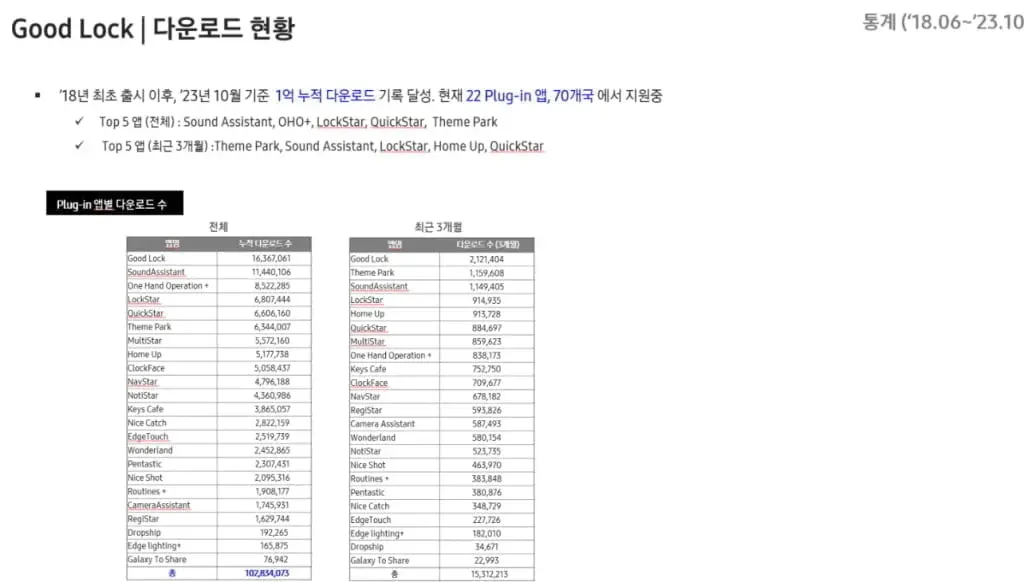
    Among the various modules available in the Good Lock App, the top module in terms of downloads is the Sound Assistant, with 11,440,106 installations. It is closely followed by the One Hand Operation + module, which has garnered 8,522,285 installs. The Lockstart module secures the fourth position with 6,606,160 installs. Other popular modules include Theme Park, Multi Star, Home Up, ClockFace, NavStar, and NotiStar.

    Increased Installs and Compatibility

    Over the past three months, the number of installs for the Good Lock App and its modules has significantly increased, thanks to the expanding compatibility across different devices. The Good Lock App alone has received 2,121,404 installs during this period, while the Theme Park module has reached 1,159,608 installs.

    Regional Downloads

    In terms of regional downloads, Korea takes the lead with 26,868,771 installs, followed by China with 20,443,371 downloads. The United States contributes 12,194,874 installs, while India and Mexico secure the fourth and fifth positions with 7,061,864 and 2,782,314 installs, respectively.

    Popularity of Good Lock Modules in Specific Countries

    In the past few months, Southeast Asian countries like Thailand and Indonesia have seen a surge in downloads for Good Lock modules. Additionally, the expanding compatibility has led to an increasing demand for these modules in China, Korea, India, and the USA. Even European nations such as the UK and Germany have shown interest in customizability with these modules.

    Module Preferences in Different Countries

    In Korea, users prefer modules like Sound Assistant and QuickStart, which enhance convenience. On the other hand, Chinese users do not show a specific preference for any particular module, as the data indicates symmetric installs across all modules. In India, users enjoy customizing their smartphones with modules like ThemePark, LockStart, and HomeUp.

    Upcoming Features and User Feedback

    In the coming weeks, the Good Lock App will introduce several new features to further enhance the user experience. Users can show their support and provide feedback to the development team by using the hashtag #GoodLock100Million on Instagram. This feedback will undoubtedly motivate the team to continue their efforts in improving the app and its modules.

    Source: 1, 2