Author: GizNews

  • Old School RuneScape bans 6.2 million bots, restoring fairness

    Old School RuneScape bans 6.2 million bots, restoring fairness

    Key Takeaway

    – Jagex banned over 6.2 million bot accounts in 2026, removing trillions of gold from the economy.
    – Previously bot-infested areas like Green Dragons and Black Chinchompa hunting grounds are now empty and peaceful.
    – Prices of heavily botted items have stabilized and climbed by 40–90%.
    – Some spam bots remain in free-to-play areas, and bot farmers have gone silent while holding backup accounts.
    – The overall community sentiment is that the game feels fair and improved for the first time in years.


    Old School RuneScape Finally Wins Against Bots

    Old School RuneScape is finally winning against the bot invasion. Scapers can finally breathe easy in 2026. RuneScape has made a big comeback. After once rising from the ashes in 2013, the game was invaded by automated bots farming gold and resources and hoarding spots where real Scapers should be.

    Empty Worlds and a Fairer Game

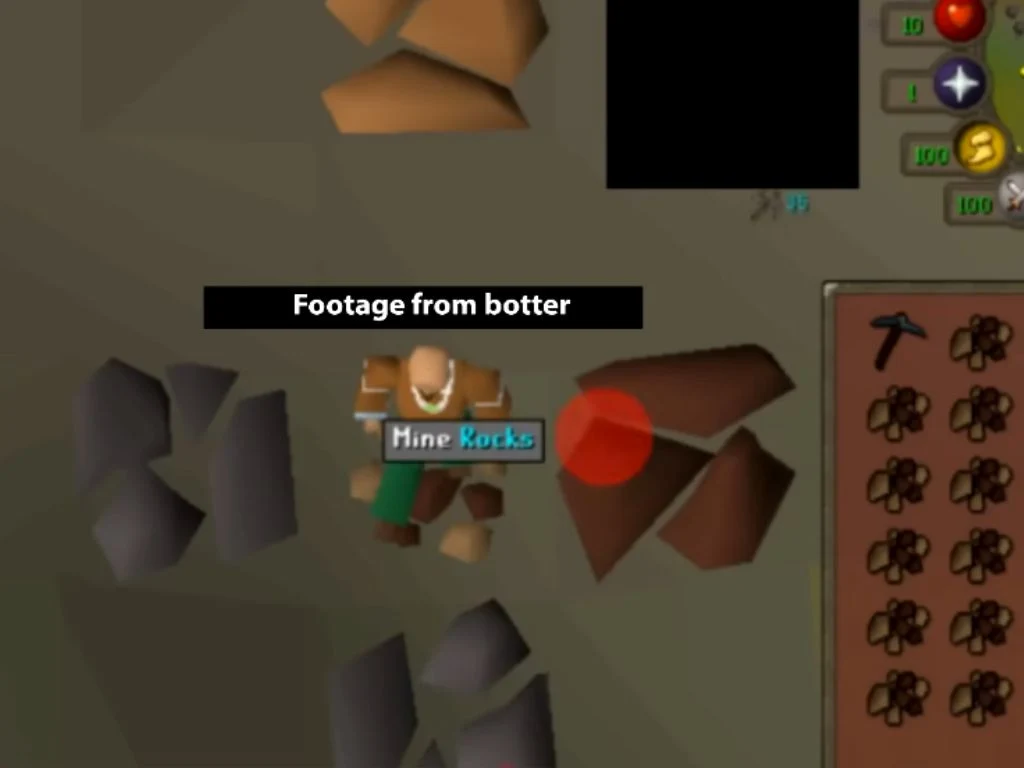
    Caves were crowded with bots, the in-game economy fluctuated wildly, and Ironman mode runners become pretty much the norm. However, things changed this year, as areas once hoarded by bots are now empty and peaceful. Scapers are now reporting empty worlds, and Old School RuneScape feels fair for once.

    RuneScape enthusiast and investigator SirPugger, who has been on the front lines exposing major bot operations, stated, “For the first time in 20 years of playing this game, I did not find a single bot here.”

    Economy Shifts Drastically

    Another RuneScape YouTuber and market watcher, FlippingOldSchool, also gave his two cents and shared his analysis of RuneScape’s shifting economy: “Since the beginning of this year, something has changed in how Jagex bans bots. This has caused major changes in the Old School RuneScape economy.”

    British video game developer and publisher Jagex, the company behind RuneScape and Old School RuneScape, has always been cracking down on botters, which has turned into a cat-and-mouse situation.

    Massive Ban Waves and Gold Removal

    Over the years, Jagex has aggressively improved its bot detection system, and in 2026 alone, it has banned over 6.2 million bot accounts, effectively burning trillions of gold from the in-game economy.

    As a result, prices of heavily botted items have stabilised back to where they once were, climbing by 40–90%. Areas like Green Dragons in the Wilderness and Black Chinchompa hunting grounds, which were once hotspots for bot farmers, are now empty.

    Spam Bots Persist but Farmers Adapt

    Despite all of this, a few spam bots are roaming the free-to-play areas like Misthalin, Asgarnia, Karamja, and the Wilderness, running basic scripts. Bot farmers haven’t vanished from OSRS and RuneScape altogether.

    • The remaining bot farmers have pivoted to other methods or gone completly silent, holding massive account backups ready for when the heat dies down.
    • Still, the feeling that OSRS and RuneScape have changed for the better is genuine.

    SirPugger – YouTube, FlippingOldSchool – YouTube

    Sources
  • Asus Ascent QN10 Mini PC: Qualcomm Snapdragon X2 Elite AI

    Asus Ascent QN10 Mini PC: Qualcomm Snapdragon X2 Elite AI

    Key Takeaway

    – 18-core Snapdragon X2 Elite with 80 TOPS AI compute power
    – Up to 32GB LPDDR5x RAM and 4TB NVMe SSD storage
    – Runs Windows on ARM with native OpenClaw support
    – No Nvidia GPU, limiting AI model compatibility
    – Wi-Fi 7, Bluetooth 5.4, 2.5 GbE, and three USB4 ports


    Asus Ascent QN10 Mini PC Launches with Snapdragon Power

    The Asus Ascent QN10 mini PC has arrived targeting businesses and AI developers with an 18-core Snapdragon X2 Elite X2E-88-100 CPU offering 80 TOPS of AI compute power, up to 32 GB of LPDDR5x 9600 RAM, and up to 4 TB of M.2 2280 NVMe SSD storage. Developers have access to the Qualcomm AI Hub, a repository of select AI models and sample apps to use in training and developing customized ones, and can run OpenClaw natively on the CPU.

    Software and Compatibility Challanges

    The Ascent runs Windows on ARM, a variant of regular Windows 11 for x64 CPUs (AMD or Intel). The Snapdragon SoC offers performance at potentially less power than AMD or Intel offerings by using a design based on ARM CPUs commonly found in modern smartphones. The recently released MacBook Neo that Notebookcheck reviewed also uses a smartphone processor in a computer.

    Limitations Without Nvidia Graphics

    However, the AI mini PC does not have an Nvidia GPU, so it can’t run the much larger library of AI models, sample apps, and other AI services that Nvidia offers. Windows on ARM is also limited in its app, driver, and peripheral compatibility versus regular Windows 11 for x64 (AMD or Intel).

    Connectivity and Port Selection

    The QN10 comes with Wi-Fi 7, Bluetooth 5.4, and 2.5 GbE connectivity. It also has three USB4 ports, three USB-A 3.2 ports, one USB-A 2.0 port, one HDMI 2.1 FRL port, and a headphone jack.

    • Wi-Fi 7 and Bluetooth 5.4
    • 2.5 GbE Ethernet
    • Three USB4 ports
    • Three USB-A 3.2 ports
    • One USB-A 2.0 port
    • One HDMI 2.1 FRL port
    • Headphone jack

    Dimensions and Weight Details

    The mini PC measures 130 x 130 x 40 mm (5.1 x 5.1 x 1.6 in.) and weighs 720 g (1.6 lbs.).

    Sources
  • Strava Betrays Developers: Reddit-Style Backlash

    Strava Betrays Developers: Reddit-Style Backlash

    Key Takeaway

    – Paid Strava subscription now required for all Standard Tier developers starting June 2026.
    – API changes target AI scraping and API abuse, but catch hobbyists and open-source projects.
    – Builders of free, self-hosted personal data tools now need a subscription to access their own data.
    – Wearable and device integrations (Garmin, Coros, etc.) are not affected.
    – Strava launched an official MCP for subscribers to analyze their data without coding.


    The fallout from the open-source community has been immediate after Strava quietly dropped a huge change to its developer program on June 1, 2026. The platform is introducing two developer tiers — Standard and Extended Access — effective today, with the primary change being that a paid Strava subscription will now be required for all Standard Tier developers. New developers are affected immediately, while existing active developers have until June 30 before the paywall kicks in, though Strava is offering three months free to smooth out the transition.

    Why Strava Claims This Change Is Necessary

    Strava is framing this move as a response to abuse — the company says that developer applications are up 448% year-to-date, with AI companies scraping the platform and abusing the API through intermediary layers, which has degraded performance for everyone. Apps routing data through third-party intermediary platforms are also no longer supported, effective immediately. The company insists this will protect user data and improve system stability for all subscribers.

    The Unintended Consequences for Hobbyists

    The problem is that the paywall catches everyone, not just bad actors. Developers building free, self-hosted tools for personal data analysis — the kind of hobby projects that have existed quietly and peacefully for years — now need a Strava subscription just to access their own data through the API. On Reddit’s r/selfhosted subreddit, the reaction was pretty harsh too. Comparisons are being drawn to Reddit’s own controversial API changes in 2023, and a user who maintains a popular open-source Strava dashboard said the announcement effectively kills the project.

    What Remains Unchanged for Most Users

    Strava was quick to clarify that wearable and device integrations — Garmin, Amazfit, Coros, and others — are not affected. For most users, day-to-day syncing between their watch and Strava will continue working exactly as before. Strava is also launching an official MCP, which is an AI-native tool for subscribers to slice and analyze their own Strava data without any any dev skills required, meaning casual athletes won’t notice any disruption in their regular fitness tracking workflows.


  • Meta AI wearables: Glasses, pendants and more

    Meta AI wearables: Glasses, pendants and more

    Key Takeaway

    – Meta is developing an AI pendant (acquired via Limitless) for testing in 2026, with mixed user reception.
    – Up to four new smart glasses models are planned, including “Modelo,” “Luna,” and “Mojito VIP” in 2026.
    – Always-on “supersensing” glasses (“Artemis” and “SSG”) are being tested, powered by Meta AI and the unreleased Hatch agent.
    – A “Wearables for Work” business subscription service will leverage Meta’s AI models.
    – Meta aims to sell 10 million wearables in H2 2026 to offset Reality Labs’ $19 billion 2025 losses.


    Meta is currently working on a new artificial intelligence pendant, with plans to begin testing it next year. But this new venture does not come as a complete surprise considering that Meta acquired Limitless, the company that created the Pendant device, at the end of 2025. The product was a clip-shaped Bluetooth microphone that could be attached to a shirt or worn as a necklace, and it allowed users to listen to and record conversations during the day to generate summaries, transcriptions and a searchable database. Reception of the device, however, appears to be mixed, as this thread illustrates.

    New smart glasses and supersensing tech

    In addition to the pendant, Meta is said to be preparing up to four new smart glasses models. The initial model, with the codename “Modelo”, is scheduled to be launched this month, followed by “Luna” and “RBM2 Refresh” in the fall. Another model, called “Mojito VIP”, is expected to land in December. The company is also reportedly testing new “supersensing” glasses, featuring always-on cameras and sensors, called “Artemis” and “SSG”. These new devices are said to be powered by Meta’s AI models and by Hatch, an AI agent that has not yet been launched.

    Business subscriptions and sales targets

    Furthermore, the company also plans to offer a subscription service for businesses called “Wearables for Work”. Its objective is to expand the use of its AI models and encourage customers to pay for their subscriptions. Meta aims to sell 10 million wearables in the second half of 2026 in order to offset the losses of its research and development division, Reality Labs, which totalled $19 billion in 2025.

    An alternative to Meta’s pendant

    Readers who prefer a non-Meta pendant alternative are advised to check out the Plaud NotePin S ($179 at Amazon).

    Sources
  • Minisforum MS-03 & M2 Pro AI Mini PCs with Powerful NPU

    Minisforum MS-03 & M2 Pro AI Mini PCs with Powerful NPU

    Key Takeaway

    – Four new local AI devices announced: MS-03, M2 Pro mini PCs, S5 and N5 Max NASs.
    – M2 Pro offers up to 180 TOPS AI performance with Intel Panther Lake and eGPU support via OCuLink.
    – N5 Max NAS provides massive storage (up to 200 TB) and a local AI assistant via MinisOpenClaw software.
    – MS-03 features up to 50 TOPS NPU, WiFi 7, and dual SFP+ ports.
    – S5 NAS is a fanless, all-flash unit with 24-33 TOPS, WiFi 7, and Bluetooth 6.


    Minisforum’s New Local AI Devices at Computex 2026

    Minisforum has announced four devices capable of running local AI apps at Computex 2026 – the M2 Pro and MS-03 mini PCs and the S5 and N5 Max NASs. These systems are targeted toward users who want to run artifical inteligence models withought relying entierly on cloud services.

    MS-03 Mini PC Specifications

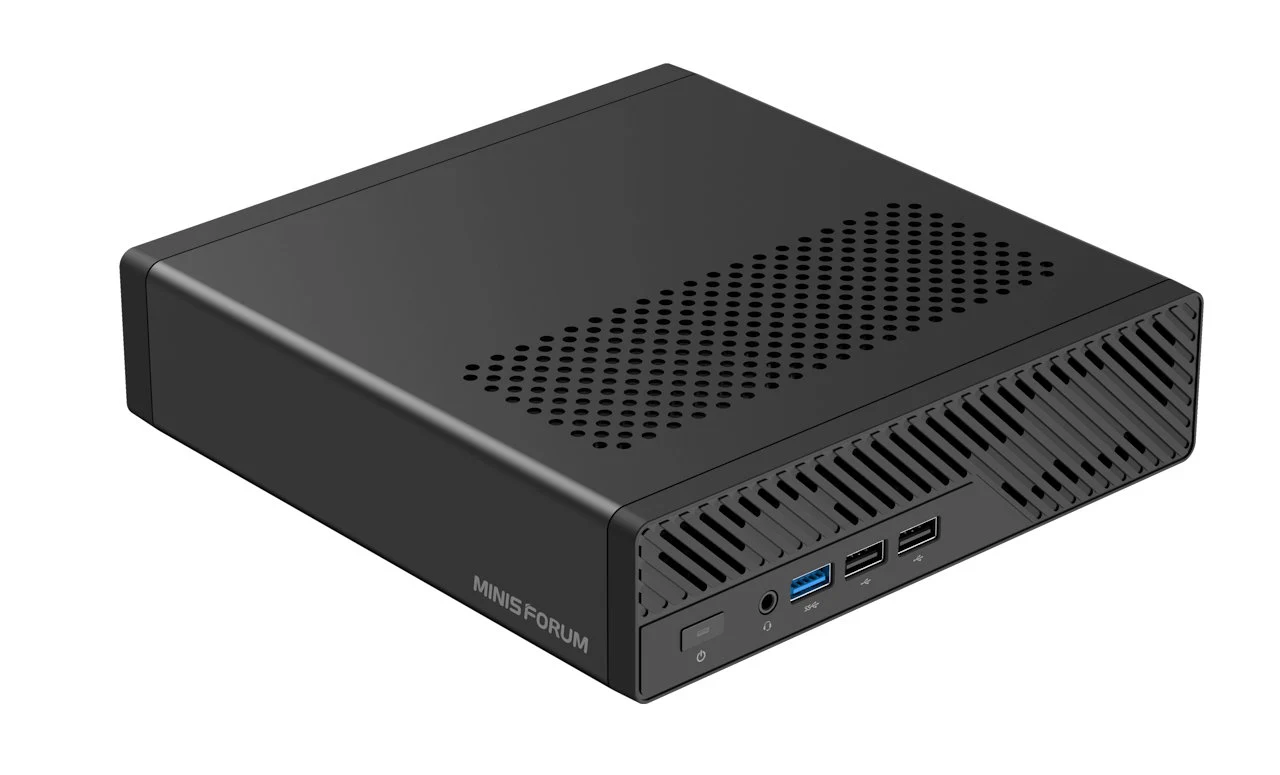
    The MS-03 updates the previous MS-01 model with faster Intel Panther Lake CPUs paired with DDR5 7200 RAM, two M.2 2280 NVMe SSD slots, and WiFi 7. Its NPU provides up to 50 TOPS of AI compute power. It has one 2.5G LAN jack, one 10G LAN jack, an HDMI 2.1 port with FRL support, five USB-A ports, two USB-C ports, two SFP+ ports, and a 3.5 mm headphone jack. This model is good for basic local AI tasks.

    M2 Pro Mini PC with Copilot Button

    The M2 Pro is powered by Intel Panther Lake CPUs capable of providing up to 180 TOPS of AI performance thanks to its fast Xe3 integrated GPU and up to 128 GB of LPDDR5X 8533 RAM. An external GPU (eGPU) can be added to increase AI compute power through the OCuLink port. Large AI models can be stored in up to three M.2 2280 SSDs. Uniquely, the M2 Pro has a Microsoft Copilot button and microphone on the front panel, giving users quick access to the chatbot.

    M2 Pro I/O and Mounting Options

    It has three USB-A ports, three USB4 ports, one HDMI port, one DP port, one 2.5G LAN jack, one 10G LAN jack, an SD card slot, a 3.5 mm headphone jack, and a security cable slot. The metal body M2 Pro can be VESA mounted on the back of monitors. The toatl AI TOPS is impressive for a tiny form factor.

    N5 Max NAS with Massive Storage

    The N5 Max NAS is powered by a 16C/32T AMD Ryzen AI Max+ 395 CPU running MinisCloud, Windows 11 Pro, or Linux OS, coupled with 64 GB of LPDDR5x 8533 RAM and a 128 GB system disk installed in one of the five M.2 2280 NVMe storage slots (8TB each). The NAS has five 3.5” SATA hard drive bays (32 TB each), giving the NAS a maximum storage capacity of 200 TB.

    Cooling and Connectivity

    Besides five cooling fans, the NAS also has one HDMI 2.1 FRL port, three USB4 ports, three USB-A ports, two 10 GbE LAN jacks, and a security cable slot. The combination of 126 TOPS of AI compute power along with MinisOpenClaw software enables owners to run a local AI assistant free of recurring costs. Advanced AI-powered file features such as semantic search will be added by the end of 2026.

    S5 All-Flash NAS Details

    The S5 All-Flash NAS was previously launched in Xiamen during a joint Minisforum and Intel event. The NAS is powered by an Intel Core 300 CPU running MinisCloud OS, paired with 12 GB of LPDDR5X 7500 RAM, 64 GB of UFS 2.2 storage, and up to five M.2 2280 NVME solid state drives (8 TB each). It has two USB-A ports, two USB4 ports, one 2.5G LAN jack, one 10G LAN jack, one HDMI port, and a security cable slot.

    Networking and AI Performance

    The unit can also be networked using WiFi7 and Bluetooth 6 connectivity. The fanless unit provides 24 to 33 TOPS of AI compute power. This is a more afforable option for light AI workloads and home media serving.


    Sources

  • Remedy CEO: GTA VI Could Spark Gaming Golden Age

    Remedy CEO: GTA VI Could Spark Gaming Golden Age

    Key Takeaway

    – Remedy’s CEO sees GTA VI’s 2026 release as a positive “rising tide” for console gaming, not a threat.
    – A key priority is maximizing sales of existing IPs like Alan Wake and Control before expanding production.
    – Cross-media partnerships (e.g., with Annapurna) are central to growing Remedy’s audience beyond core gamers.
    – Control Resonant is set for a digital-only release in 2026, with no plans to shift its launch window away from GTA VI.
    – Despite FBC: Firebreak’s underperformance, Remedy is committed to preserving its studio identity and interconnected universe strategy.


    Rockstar’s GTA VI Drops November 19, 2026, and its shaping up to be one of those massive historical gaming moments. Lots of developers and studios are genuinly worried that their own titles will get completly overshadowed during that launch window, you know, like the game will just suck all the air out of the room from a coverage perspective.

    But here is a different take from Remedy’s new CEO, Jean-Charles Gaudechon. He is actually betting that GTA VI’s release will instead spark a golden renaissance period for console gaming, creating more space for other video games to breathe and be played on current-gen home consoles, including Control Resonant. Gaudechon previously worked as a VP and General Manager at EA Asia Studios and as a GM and exec at CCP Games, the folks behind the massive MMO EVE Online. He stepped in as CEO in February 2026 and is already thinking hard about Remedy’s future path.

    Remedy’s Sales Concerns and Past Misses

    In a chat with The Game Business, he openly admitted, “It’s a pity; I think Alan Wake should have sold more. Control should have sold more, too.” This disapointment doesnt even factor in FBC: Firebreak, which dropped on June 17, 2025. That game initially drew in a massive one million players through Xbox Game Pass and PS Plus Extra, but then saw a steep drop off. This ultimatly led to a non-cash impairment charge of nearly $17.4 million, all because of its weak actual sales. Just nine months after release, FBC: Firebreak’s development roadmap was officially wound down, though Remedy hasn’t completly pulled the plug on the game yet.

    During this wide-ranging discussion about sales, Gaudechon stated that one of the first things they need to fix is maximizing the potential of the games they already have. He said, “First of all, maximize the potential of the ones we have, because they’re incredible. And cross-media is going to help us do that.” Considering Alan Wake and Control exist within Remedy’s interconnected universe, he stressed that both franchises “could give a lot more” and really “need to find their audience much, much further beyond the current audience.”

    Strategic Partnerships and Control Resonant

    Thats a clear sign of Remedy’s strategic partnership with Annapurna, who are helping to expand the universe by co-financing Control Resonant and working on film and TV adaptations using Annapurna’s hollywood footprint. Given Remedy’s rich three-decade history, Gaudechon clarified he has no intention of changing the studios identity. He asked, “Who am I to change the DNA of a 30-year successful game studio? I completely understand the fear. How could I crush the soul of a studio like Remedy?”

    Release Window and Digital Plans

    So, rather than obsessing about overlapping with GTA VI, Gaudechon believes this year will “raise the tide” for all game developers. Control Resonant is planned as a digital-only release on multiple platforms for now. Users who want a physical copy of the title can only opt for the first title’s Ultimate Edition, which is available on older platforms. The game is set to launch sometime in 2026, and Remedy is not worried about adjusting its window to avoid Rockstar’s giant.

    Sources
  • GoPro warns it may not survive financial troubles

    GoPro warns it may not survive financial troubles

    Key Takeaway

    – GoPro disclosed “substantial doubt” about its ability to continue as a going concern.
    – Revenue fell nearly 19% in 2025 to $651.5 million, with a net loss of $83.3 million.
    – Cash reserves declined by over half, from $102.8 million to $49.7 million.
    – Loan agreements treat the going concern warning as a default, risking all current financing.
    – The troubled launch of the MAX2 360-degree camera contributed to the financial decline.


    Financial Turmoil Hits Action Camera Pioneer

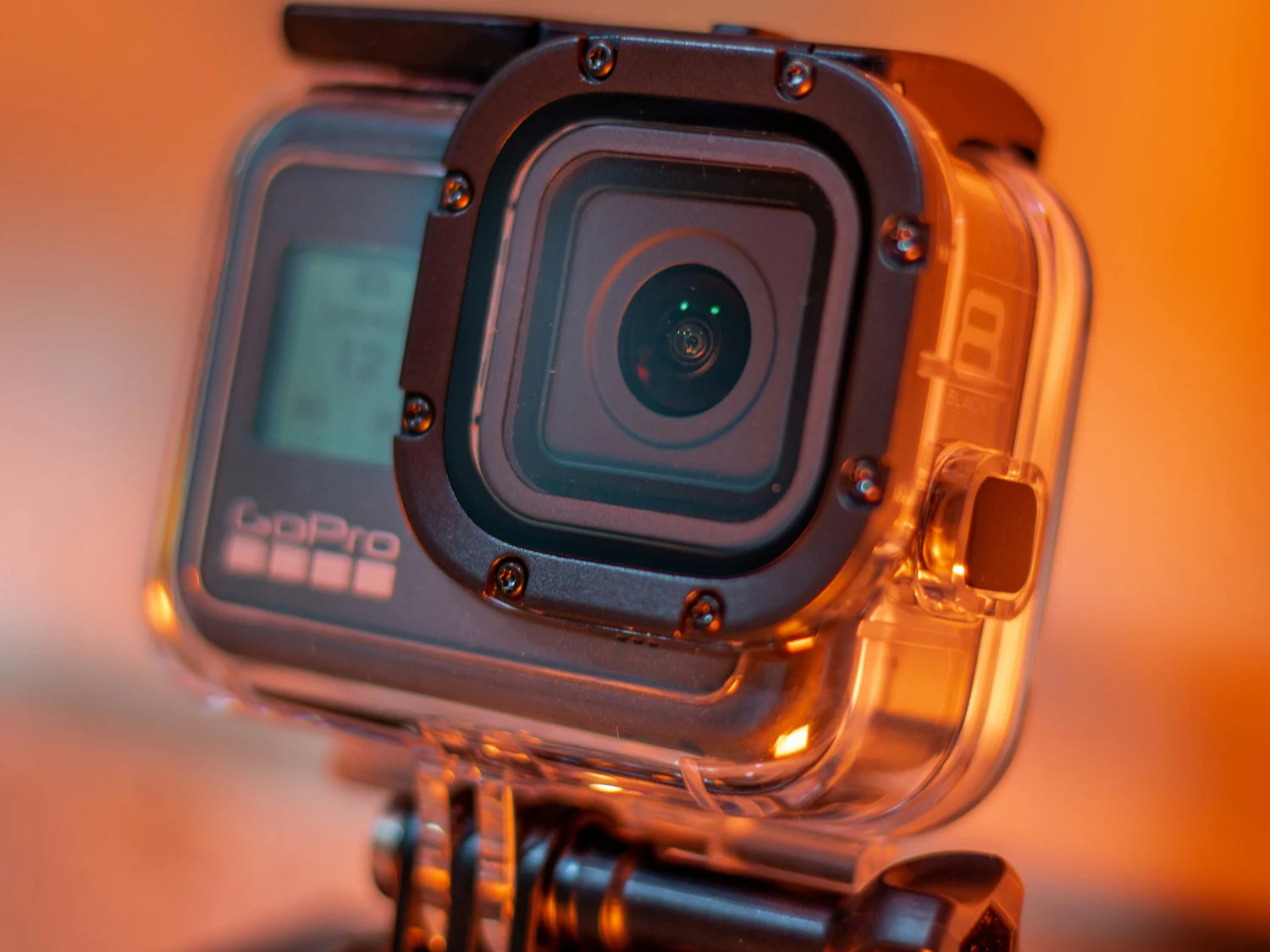
    GoPro, which was once the biggest name in the action camera market, is now fighting for its financial survival. The company disclosed substantial doubt about its ability to continue as a going concern in refiled financial statements published Monday (June 1). This sent shares down 8% in premarket trading.

    The warning, which would be a serious flag in any company’s filings, was included in GoPro’s amended 2025 annual report and its Q1 2026 quarterly report. Auditor PricewaterhouseCoopers separately added explanatory going concern language to its audit opinion, specifically touching on the severity of the situation. GoPro noted the circumstances behind the disclosure became more clear after it originally filed its annual report on March 12, 2026.

    Revenue Decline and Cash Depletion

    The numbers paint a grim picture as well. GoPro brought in $651.5 million in 2025 — down nearly 19% from the $801.5 million it made the year before — and still managed to lose $83.3 million in the process. Its cash pile almost halved in a single year, shrinking from $102.8 million to just $49.7 million, while its total accumulated losses now sit at $775.1 million. Part of the blame falls on the MAX2, GoPro’s 360-degree camera that had a troubled, delayed launch in September 2025. The company was also caught breaching its own loan conditions during the year — a warning sign that, in hindsight, foreshadowed exactly the situation it now finds itself in.

    Complex Financing and Default Risks

    The company currently holds $50 million in financing through arrangements with Farallon Capital Management and Wells Fargo Bank, alongside a separate $50 million convertible debenture agreement signed with YA II PN in February 2026. It gets more complicated. GoPro’s loan agreements contain clauses that treat this kind of warning as a default — similar to breaking a contract. And because its loans are interlinked, one default could legally trigger others simultaneously, which could put all of its financing at risk at once.

    Discussions and Future Uncertainity

    GoPro says it is actively in discussions with its lending partners to address the whole situation. For a brand that essentially invented the consumer action camera market and became a cultural icon among athletes and content creators, the disclosure isn’t really a good sign. GoPro has not announced any restructuring plans at this time.


  • Asus Zenbook 14 Copilot AI: Intel, AMD, Qualcomm Laptops

    Asus Zenbook 14 Copilot AI: Intel, AMD, Qualcomm Laptops

    Key Takeaway

    – Four 2026 Zenbook 14 models released with Intel, AMD, or Qualcomm CPUs, each offering 45-50 TOPS of AI compute power.
    – Durable, MIL-SPEC-tested Ceraluminum chassis in earthy colors, weighing 1.1-1.2 kg.
    – Features include FHD IR camera, OLED display (up to 3K 120 Hz), large touchpad, 1.7 mm key travel, and dedicated Copilot key.
    – Battery life ranges from 17 hours (Intel) to 21 hours (AMD/Qualcomm) for video playback.


    Asus Launches Four New Zenbook 14 Copilot AI Laptopss

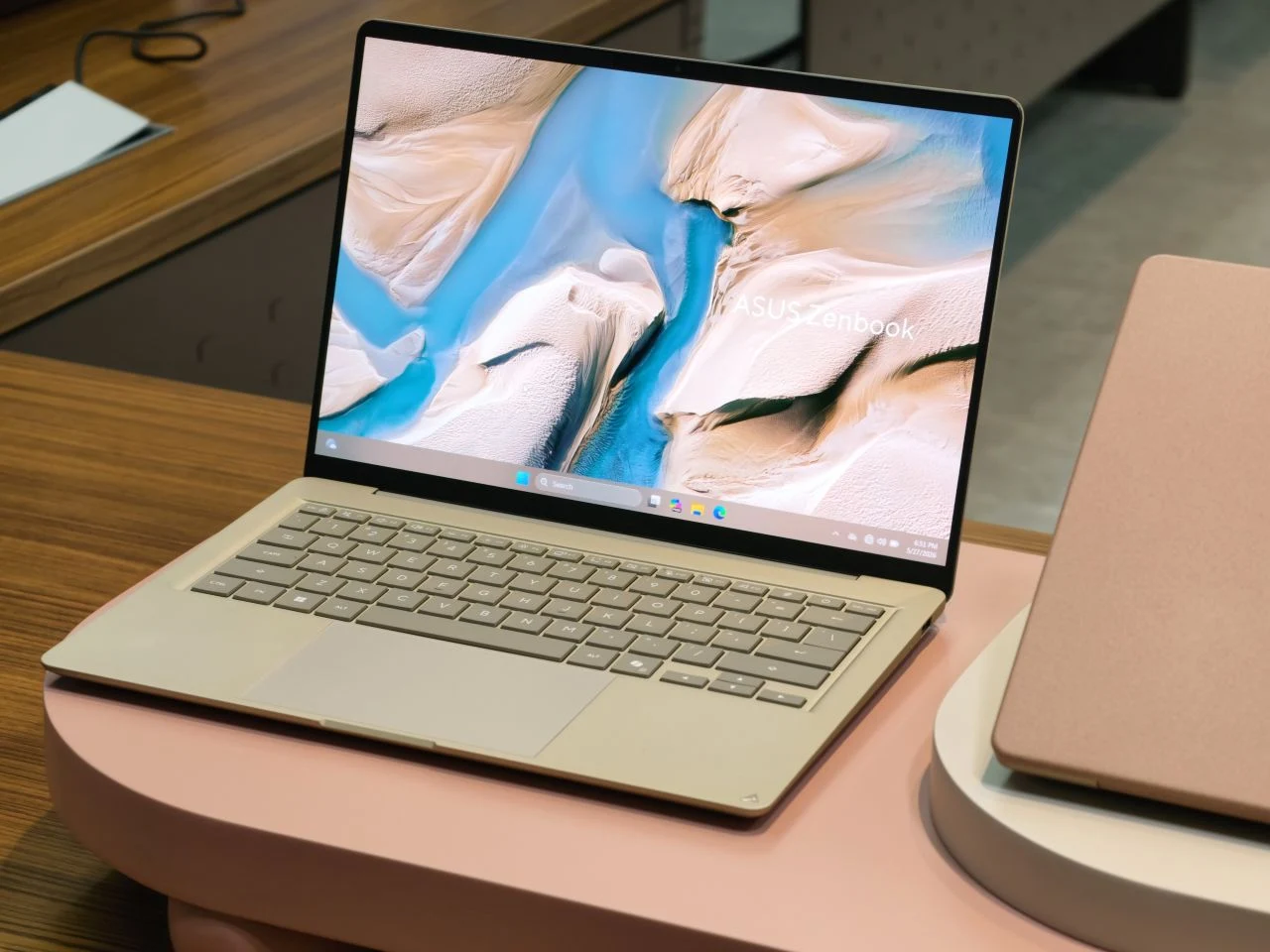
    At Computex in Taiwan, Asus has announced four 2026 Zenbook 14 devices featuring Intel, AMD, and Qualcomm CPUs, these are called Copilot+ PCs. The lineup includes different models for different processing needs, each with specific AI capabilites. Theres a model with the AMD Ryzen AI 7 345 CPU and another with the AMD Ryzen AI 9 465 CPU, both offering 50 TOPS of AI compute. An Intel Core Ultra 9 386H CPU option also gives you 50 TOPS, while the Snapdragon X X1 26 100 CPU has a slightly lower 45 TOPS of AI performance. These laptops are designed to be powerful portable machines for modern computing tasks.

    Colorful Design and Build Quality

    The colorful Zenbook 14 comes with Ceraluminum covers in earthy colors like Zabriskie Beige, Komodo Coral, and Arctic Blue. They are MIL-SPEC-tested laptops built for durability, resisting shocks from drops, scratches, and smudges very effectively. Regarding weight, all models weigh 1.2 kg, that is 2.6 lbs, but two Qualcomm variants are slightly lighter at 1.1 kg or 2.4 lbs. This makes them easy to carry around for work or travel. The device is also designed with a Easy-Lift display that reveals an FHD IR camera for facial login when opened.

    Display, Touchpad, and Battery Life

    Opening the Easy-Lift display reveals a FHD IR camera for secure biometric facial log-in above the OLED screen. The laptop includes a large touchpad and a keyboard with 1.7 mm key travel, plus a dedicated Copilot AI key for quick access. You get a 60 Hz OLED display on the Ryzen AI 7 and lower-end Snapdragon variants, while other models can have a premium 3K 120 Hz Lumina OLEDs for smoother visuals. Large batteries allow the Intel model to achive up to 17 hours of video playback with Dolby Atmos sound from dual speakers, while other models can run up to 21 hours according to Asus.

    • AMD Ryzen AI 7 345 CPU model: 50 TOPS
    • AMD Ryzen AI 9 465 CPU model: 50 TOPS
    • Intel Core Ultra 9 386H CPU model: 50 TOPS
    • Snapdragon X X1 26 100 CPU model: 45 TOPS

    Comparison with Older Models

    Readers can look at the 2025 Zenbook 14 laptops for comparision in our reviews while waiting for the 2026 models to arrive in stores. These new machines seem to offer significant improvements in AI processing and battery life. The 2026 Zenbook 14 UX3480 series includes the AMD, Intel, and Qualcomm versions, each with specific pricing and features. It will be interesting to see how the new Copilot AI key and enhanced displays perform in real world useage.

  • Valve Almost Delisted Rainbow Six Siege From Steam Over Uplay Price

    Valve Almost Delisted Rainbow Six Siege From Steam Over Uplay Price

    Key Takeaway

    – Valve aggressively enforces pricing parity, threatening to delist games if publishers offer lower prices on competing platforms.
    – Ubisoft was given a short ultimatum to stop selling a cheaper “starter pack” for Rainbow Six Siege on its own Uplay store or face removal from Steam.
    – Warner Bros.’ preorders for Middle-earth: Shadow of War were removed from Steam due to lower prices at other retailers, prompting quick resolution talks.
    – Steam’s dominant market position allows it to impose strict distribution and pricing terms on major publishers.


    Steam’s Dominance in PC Gaming

    Steam is the biggest PC video game marketplace in the world. For most PC gamers, it is the default place to buy and download games. Competitors like Ubisoft Connect (formerly Uplay), Epic Games Store, and others exist, but Steam still dominates in reach, sales, and visibility.

    Allegations of Aggressive Pricing Tactics

    A recent Bloomberg report has now brought attention to how aggressively Valve has handled pricing and distribution decisions involving major publishers, including Ubisoft and Warner Bros. One of the most notable cases involves Ubisoft’s Rainbow Six Siege. According to emails reviewed during an ongoing antitrust lawsuit, Valve allegedly threatened to delist all editions of the game from Steam “by end of day tomorrow.” This happened after Valve discovered that Ubisoft was marketing a cheaper $15 “starter pack” exclusively through its own Uplay store. The report suggests Ubisoft was effectively given a short deadline to fix the situation or risk losing its Steam presence entirely.

    Warner Bros. and Preorder Removal

    Another example cited in the same report involves Warner Bros. Interactive Entertainment. In 2017, Valve employee Kassidy Gerber reportedly informed Warner Bros. that preorders for Middle-earth: Shadow of War had been removed from Steam. The reason given was that the Steam price was “significantly higher than what was available at other retailers for the same version of the game.” According to the report, Warner Bros. leadership quickly reached out to resolve the issue. Bloomberg provides the source for this information.

    Sources
  • iOS 17 & iPhone Air Update Fixes Major Charging Bug

    iOS 17 & iPhone Air Update Fixes Major Charging Bug

    Key Takeaway

    – iPhone 17 and iPhone Air models had a bug preventing wired charging after the battery fully died.
    – Affected devices would remain unresponsive when plugged into a wired charger.
    – A temporary workaround was using a wireless charger to revive the phone.
    – Apple released iOS 26.5.1 with a fix specifically for this wired charging issue.
    – Users can install the update via Settings > General > Software Update.


    iPhone Charging Bug Finally Fixed

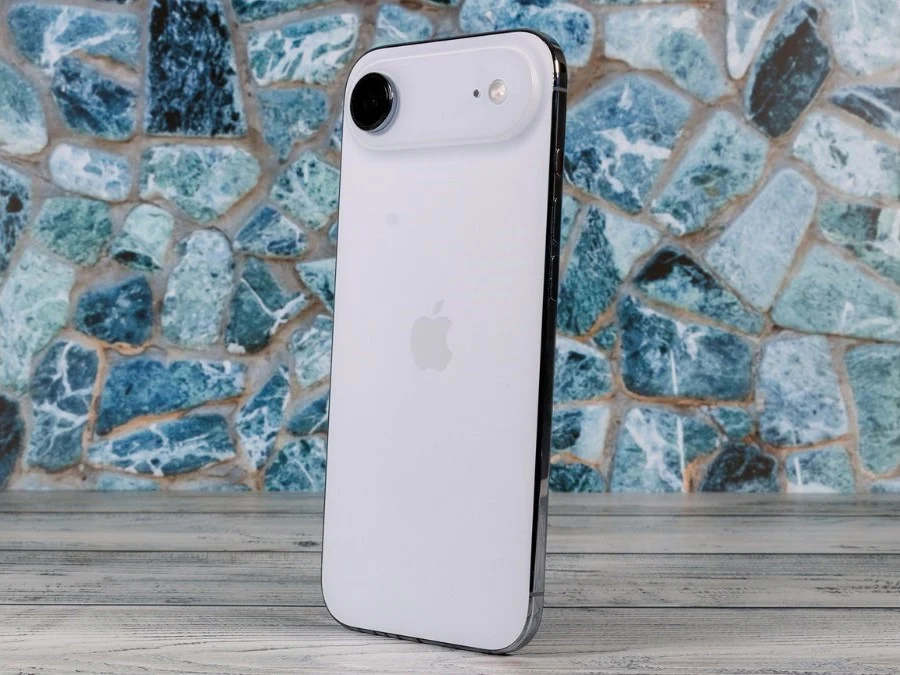
    Back in April, several iPhone 17 and iPhone Air users started reporting a serious issue after their phones died completly. In many cases, the devices would not turn back on once the battery hit zero. This issue was not limited to a single model, as it was effecting the entire iPhone 17 lineup, including the iPhone 17, iPhone 17 Pro, and iPhone 17 Pro Max, as well as the iPhone Air.

    How the Problem Manifested

    Basically, when the phone shut down due to low battery, plugging it into a wired charger did nothing. The phone would stay completly unresponsive, as if it was still powered off. This issue was first reported over six months ago, and since then, more users have continued to face the same situation. The lack of any visual response was deeply concerning.

    Temporary Workaround Discovered

    Some users found a temporary work around. They were able to bring their phones back to life using a wireless charger. Once the phone started charging wirelessly, it would eventually boot up again. But this was not a proper solution, as many users who only had wired chargers were left stuck with a phone that would not turn on at all. Thankfully, Apple has now finally acknowledged the issue and released a fix through a software update.

    Apple’s Official Fix

    Today, Apple released a new iOS update, 26.5.1, and compared to some previous updates, this one is very small. In fact, it only includes one key fix: “This update addresses an issue for a small number of users that may prevent wired charging on iPhone Air and iPhone 17 models when the battery is nearly drained.” The update is avaliable for all affected devices.

    How to Install the Update

    The update is available for all affected devices, and if you havent already, you can install it by going to Settings > General > Software Update. Apple recommends all users with these models to download this patch imediately to avoid being stuck with a dead phone. The download size is minimal and requires no special steps.

    Sources