Author: GizNews

  • Casio G-Shock GMA-P2116W-8A Watch Release for Women’s Day 2026

    Casio G-Shock GMA-P2116W-8A Watch Release for Women’s Day 2026

    Key Takeaways

    1. Casio launches the G-Shock GMA-P2116W-8A to honor International Women’s Day, available for purchase starting March 8.
    2. The watch features a metallic gray dial with gold highlights, made from bio-based resin, and has a compact design with a thickness of 11.3 mm.
    3. It offers multiple functions, including world time for 31 time zones, a 1/100-second stopwatch, a countdown timer, five daily alarms, double LED light, and an auto calendar until 2099.
    4. The GMA-P2116W-8A is lightweight at 41 grams, powered by a CR1025 battery lasting up to 3 years, and is water-resistant up to 200 meters.
    5. The watch is priced at 22,000 yen and will initially launch in Asia and Japan, with plans to expand to other markets, including the U.S.


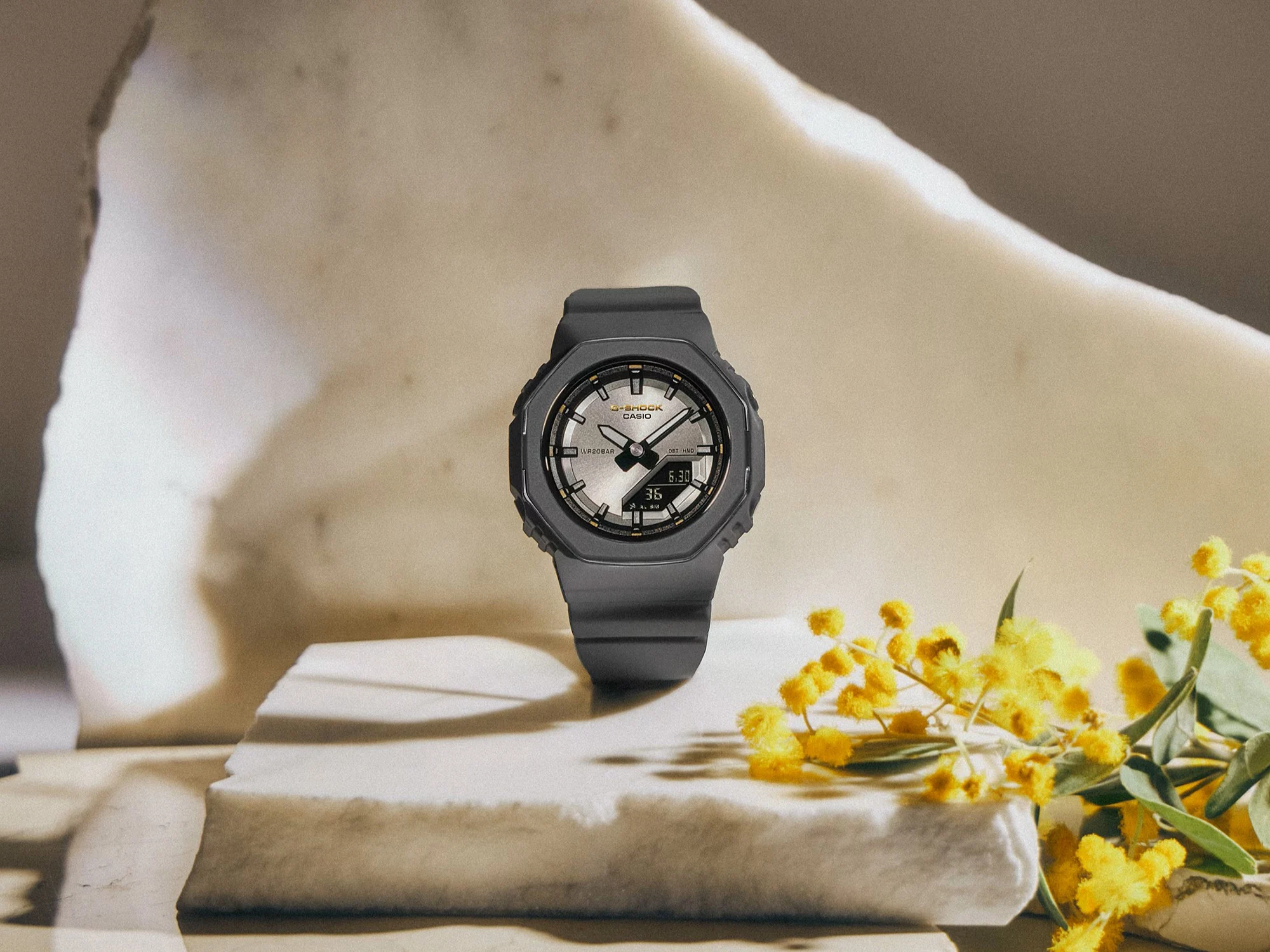
    Casio is once again honoring women this year with the launch of a new G-Shock watch, the GMA-P2116W-8A, in recognition of International Women’s Day. This timepiece will be available for purchase starting March 8 on the Casio website. Although it is already featured online, the details regarding its design and functions are now unveiled. To be more specific, the watch maintains the familiar compact GMA-P2110 style, showcasing a metallic ring bezel in a sleek dark gray color scheme.

    Design and Build

    This digital-analog watch comes with a metallic gray dial that features a radiated brushed finish along with gold highlights at the ends of the hour markers. Similar to the GMA-P2210, it is made from bio-based resin and has a thickness of 11.3 mm (0.44 inches). Weighing in at only 41 grams (0.090 lbs), it’s really quite lightweight.

    Features and Specifications

    The G-Shock GMA-P2116W-8A watch packs several impressive features, including world time functionality for 31 time zones, a stopwatch that measures down to 1/100-second, a countdown timer with a full 24-hour range, and five daily alarms. It also includes a double LED light and an auto calendar that goes up to the year 2099. The watch is powered by a CR1025 battery that can last for up to 3 years and is rated for water resistance up to 200 meters.

    Pricing Information

    In terms of cost, the G-Shock GMA-P2116W-8A was announced as part of a March launch in Asia and Japan, priced at 22,000 yen. Additionally, it is anticipated that the watch will soon be available in other markets, including the United States.

    Casio, G-central

    Source:
    Link


  • Privacy Display V2 for Galaxy S27 Ultra Unveiled at MWC

    Privacy Display V2 for Galaxy S27 Ultra Unveiled at MWC

    Key Takeaways

    1. Samsung introduced the Privacy Display feature with the Galaxy S26 Ultra to enhance user privacy by hiding sensitive information on the screen.
    2. The updated version of Privacy Display, showcased at MWC, allows users to conceal a larger portion of the display while keeping some content visible.
    3. The new Privacy Display enhancement will only be available in future devices and will not be added to the Galaxy S26 Ultra.
    4. The Galaxy S27 Ultra is expected to feature the upgraded Privacy Display along with potential advancements in battery technology and camera capabilities.
    5. Samsung plans to transition to Exynos processors for all Galaxy devices, with the Galaxy S27 series likely being the first to use more in-house chips.


    Samsung has unveiled a fresh feature named Privacy Display with the Galaxy S26 Ultra, which stands out as the main highlight of their new flagship. This innovative function lets users conceal their screen or sensitive details from prying eyes, utilizing a blend of hardware and software. Just weeks after its debut, the company has already revealed a version two of Privacy Display at MWC.

    Improved Privacy Features

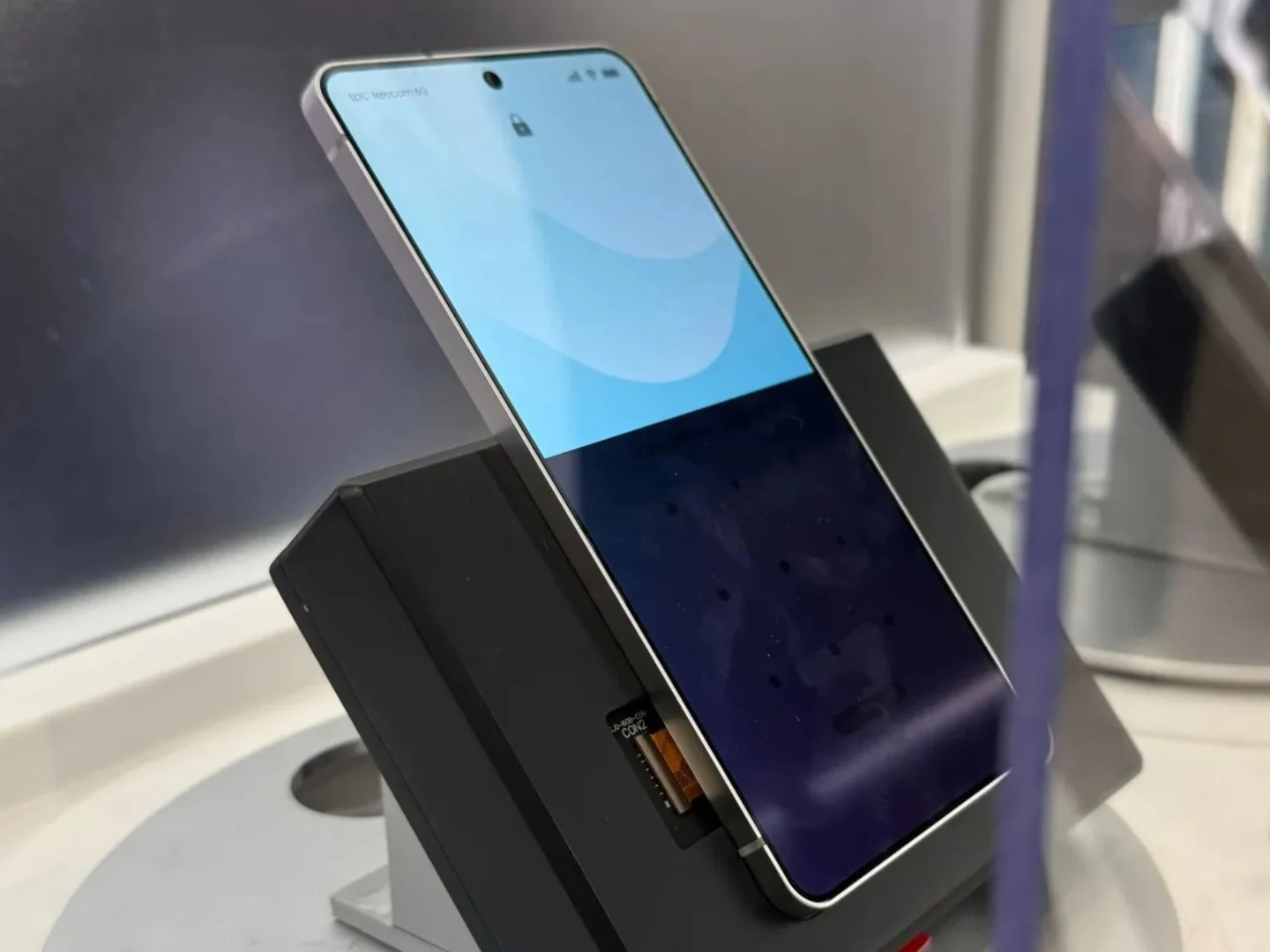
    At the event, Android Authority caught a glimpse of the enhanced Privacy Display on what appear to be Samsung prototypes resembling the Galaxy S26 Ultra. This latest iteration of the feature allows for a greater portion of the display to be obscured. While users can still hide the entire screen along with sensitive data like passwords and notifications, the new functionality permits a significant section of the screen to be concealed while the rest remains visible.

    Device Specifications

    Images released by the publication show two devices, one with half of the screen hidden and the other with just under a third obscured. Unfortunately, Samsung has indicated to Android Authority that this enhancement will only be available in new devices, meaning it won’t be available for the Galaxy S26 Ultra due to the need for new hardware.

    Future Upgrades

    Despite this, one executive hinted that the Galaxy S27 Ultra might feature this upgraded Privacy Display. If this turns out to be accurate, the Galaxy S27 Ultra is poised to be a significant advancement in the largely stagnant Galaxy S lineup. Recently, reports indicated that Samsung is looking into silicon carbon batteries, which could be part of the Galaxy S27 series. It’s also been mentioned that substantial camera improvements are expected with the Galaxy S27 Ultra.

    Moreover, another report suggested that Moon Sung-hoon, Samsung Electronics’ Vice President of Hardware, stated that the company is moving towards Exynos processors for all its Galaxy devices. While there isn’t a specific timeline for this transition, it’s likely that the Galaxy S27 series will see a higher number of phones utilizing the in-house chip.

    Source:
    Link


  • M5 Pro and M5 Max MacBook Pro: Enhanced Performance & Storage

    M5 Pro and M5 Max MacBook Pro: Enhanced Performance & Storage

    Key Takeaways

    1. New M5 Pro and M5 Max Chips: The latest MacBook Pro models feature powerful M5 Pro and M5 Max chips with configurations up to 18 cores, improving overall performance by up to 30%.

    2. Graphics Performance Improvements: The M5 Pro maintains a 20-core GPU, while the M5 Max has a 40-core GPU, offering up to 35% better performance in ray tracing tasks.

    3. Enhanced Storage Capabilities: Storage speeds have increased to 14.5 GB/s, with base storage starting at 1 TB for M5 Pro and 2 TB for M5 Max models, alongside rising prices due to NAND flash costs.

    4. Display and I/O Features Remain Unchanged: The 14″ and 16″ Liquid Retina XDR displays and input/output options remain the same as previous models.

    5. Pricing Details: The M5 Pro 14″ starts at $2,199 and the 16″ at $2,699, while M5 Max models start at $3,899, with additional costs for higher RAM and nano-texture display options.


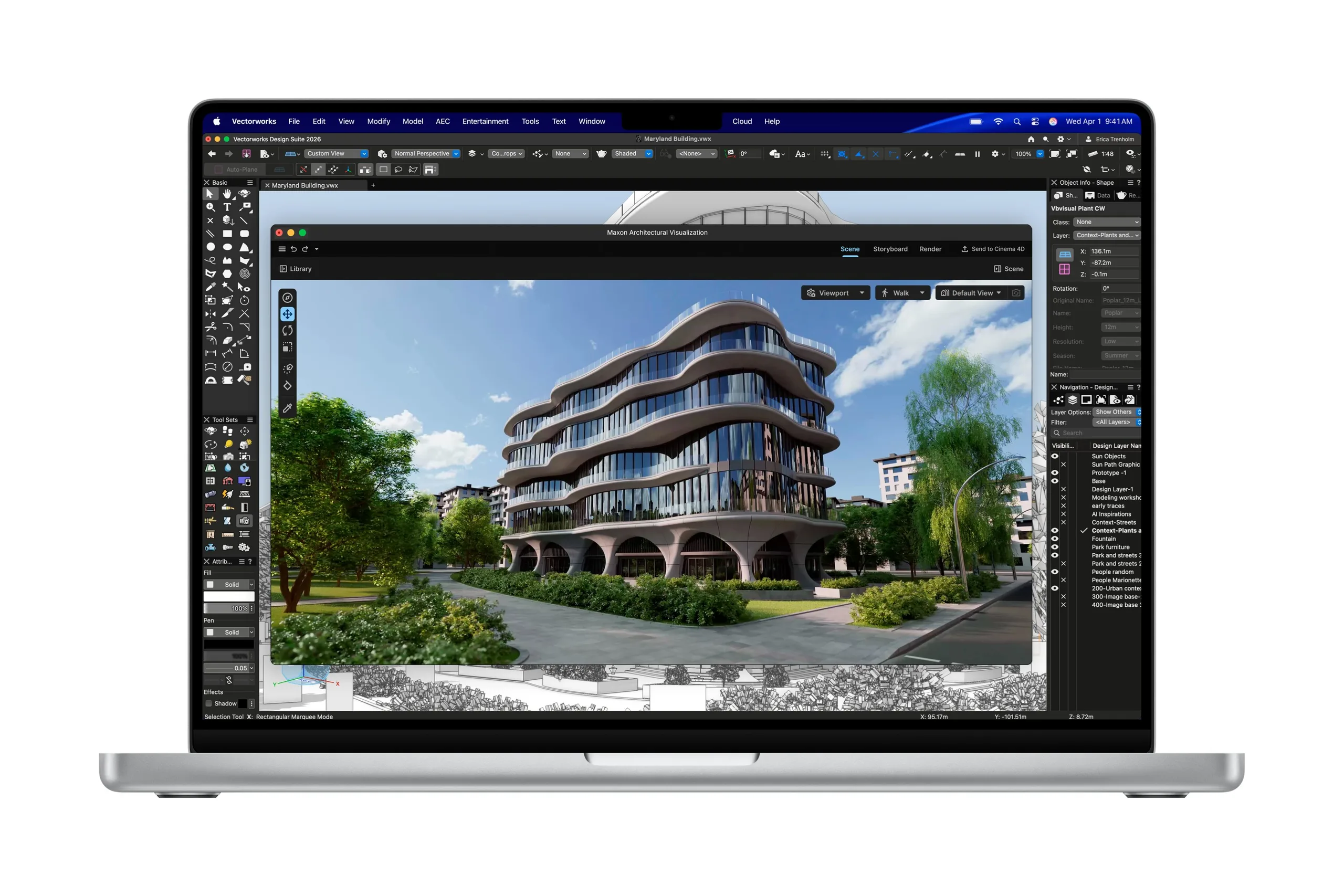
    Apple’s latest 14″ and 16″ MacBook Pro series was missed when the company released the standard M5-powered MacBook Pro last fall. Luckily, the M5 Pro and M5 Max versions have finally made their debut, featuring upgraded SoCs while keeping the same design as before.

    Powerful New Chips

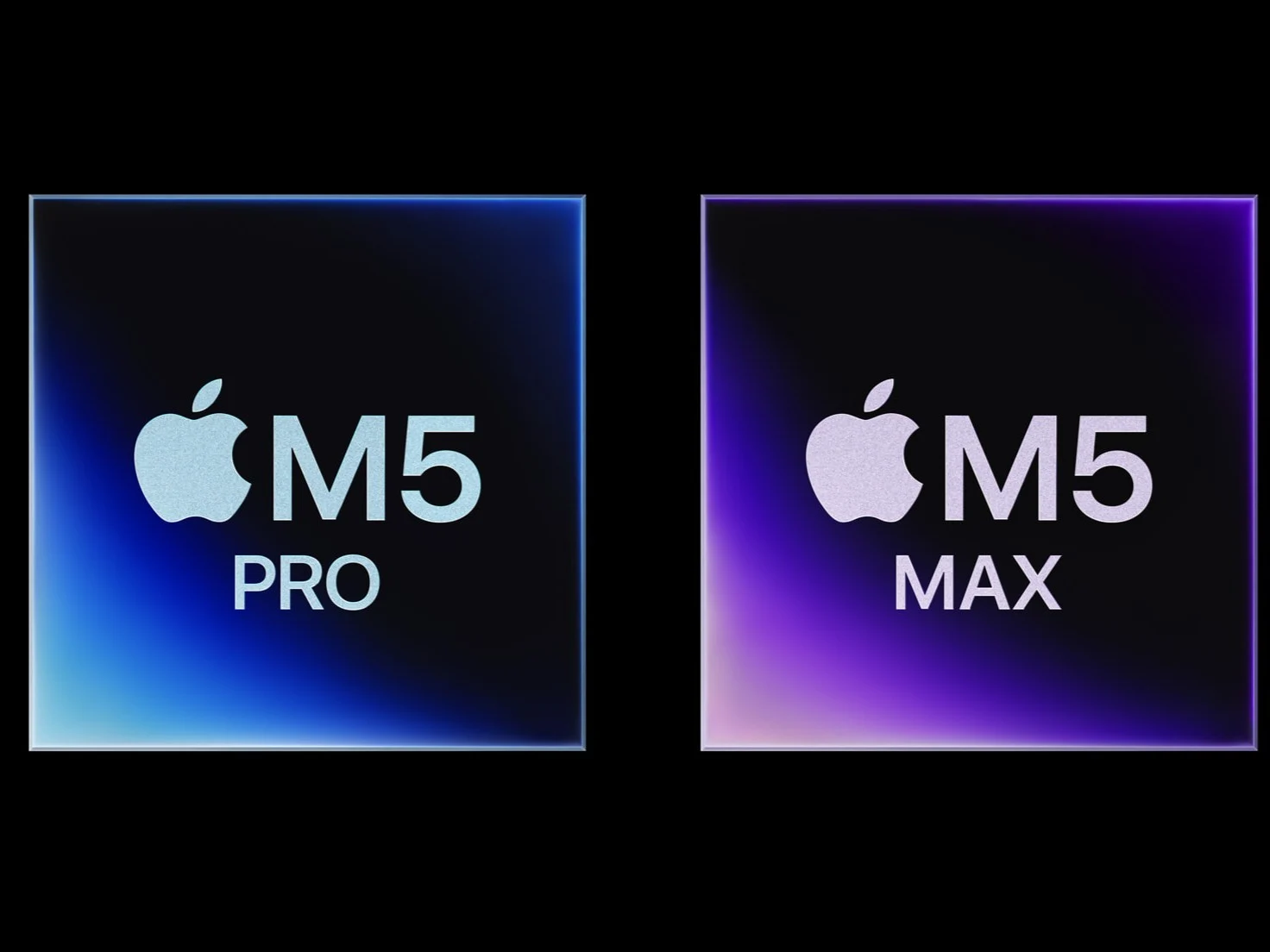
    The M5 Pro and M5 Max chips seem to be quite powerful, at least based on the specifications. Both processors have the capability of having up to an 18-core configuration, which includes six “Super” cores and twelve “Performance” cores. The term “efficiency core” has been eliminated. Apple claims that overall performance could see improvements of up to 30%.

    Graphics and Performance Boosts

    In terms of the GPU, Apple has opted to maintain a 20-core GPU for the M5 Pro and a 40-core GPU for the M5 Max. Apple’s reported performance increases are impressive, showing up to a 35% boost in tasks involving ray tracing. The raw GPU power is expected to be approximately 20% greater. Thanks to the neural accelerators integrated within each core, large language models (LLMs) should perform 3.9x to 4x faster.

    Enhanced Storage and Pricing

    The storage speed has seen significant enhancements, with Apple stating that read speeds can reach 14.5 GB/s. The base storage has been increased as well, with the M5 Pro starting at 1 TB and the M5 Max models beginning at 2 TB. Due to rising costs for NAND flash, the starting prices for these MacBook Pros have also gone up, which will be discussed later.

    With the integration of Apple’s N1 chip, the wireless networking features have improved, finally introducing WiFi 7 and Bluetooth 6 to the premium MacBook Pro series.

    Display and I/O Features

    Most of the other features on the MacBook Pro remain largely unchanged. The 14″ and 16″ Liquid Retina XDR displays still offer the same resolution and features as before, and the input/output options are identical to previous models.

    Pricing Details

    For pricing, the M5 Pro 14″ MacBook Pro begins at $2,199 for the model with a reduced M5 Pro chip (15-core CPU, 16-core GPU), 24 GB RAM, and 1 TB storage. The 16″ MacBook Pro with the complete M5 Pro setup, 24 GB RAM, and 1 TB storage starts at $2,699. As usual, the nano-texture option for the display will add an extra $150.

    The M5 Max 14″ MacBook Pro, equipped with an 18-core CPU and 32-core GPU, 2 TB storage, and 36 GB RAM, starts at $3,899. The 16″ version with the same specs also starts at $3,899. For the un-binned M5 Max model featuring 48 GB RAM and 2 TB storage, customers will need to pay $4,099 for the 14″ and $4,399 for the 16″ models.

    Source:
    Link


  • Baseus Launches 70W Compact PD Charger with 3 Ports

    Baseus Launches 70W Compact PD Charger with 3 Ports

    Key Takeaways

    1. Fast Charging Capability: The Baseus EnerFill FE22 supports rapid charging up to 70W with three ports: one USB-A (33W) and two USB-C (70W with one device connected).

    2. Multi-Port Functionality: When using all three ports, the USB-C1 port delivers 45W while the other two share a total of 15W.

    3. Protocol Compatibility: The charger is compatible with multiple charging protocols, including PD, UFCS, PPS, and SCP, ensuring versatility with different devices.

    4. BPS 2.0 Technology: It features BPS 2.0 technology for efficient power distribution, prioritizing devices that require more power when multiple devices are connected.

    5. Compact Design: The charger is 30% smaller than typical chargers of similar output and includes foldable prongs for easy portability.


    Baseus has introduced a new fast charger in China called the EnerFill FE22. This charger features a design with three ports and is promoted as a PD charger that supports rapid charging up to 70W. In China, the initial price is set at CNY 99, which is roughly $14.

    Port Configurations

    Among the three available ports, one is a USB-A port and the other two are USB-C ports. The USB-A port can deliver a maximum of 33W, while the two USB-C ports can reach 70W when only one device is connected to the charger (currently, a 3.3-feet 100W Baseus Type-C cable is priced at $7.99 on Amazon). When using all three ports, the USB-C1 port provides 45W, and the remaining two ports share a total of 15W.

    Multi-Protocol Support

    Even though the company promotes it as a PD charger, the EnerFill FE22 is compatible with various charging protocols, including UFCS, PPS, and SCP. This feature allows the charger to work well with different types of devices.

    Additionally, the charger boasts BPS 2.0 technology, which is a self-developed method for splitting current to enhance power delivery across multiple ports. This ensures that devices requiring more power receive priority when many devices are connected to the charger.

    Compact and Portable Design

    Another impressive feature of this charger is its small size. It’s claimed to be 30% smaller than typical chargers offering similar power output. The foldable prongs add to its portability. While there is no information about its global release yet, Baseus usually makes a lot of its products available outside of China. Thus, the EnerFill FE22 may soon have a worldwide launch.

    Baseus on JD

    Source:
    Link


  • Apple Launches New Mini LED 5K Monitor with 120Hz Refresh Rate

    Apple Launches New Mini LED 5K Monitor with 120Hz Refresh Rate

    Key Takeaways

    1. Apple has replaced the Pro Display XDR with the new Studio Display XDR, which is not labeled as “Pro.”
    2. The Studio Display XDR features a 27-inch size, 5,120 x 2,880 resolution, 120 Hz refresh rate, and 2,304 Mini LED local dimming zones.
    3. It can reach up to 1,000 nits in SDR mode and 2,000 nits in HDR mode, but the peak brightness is only achievable below 25 °C.
    4. The starting price for the Studio Display XDR is $3,299 or $3,599 with nano-texture glass, and both options include adjustable stands at no extra cost.
    5. Pre-orders begin on March 4 at 14:15 UTC, with shipping starting on March 11.


    Apple has finally introduced a new model to replace the Pro Display XDR, which had been available for nearly seven years (currently priced at $4,699 on Amazon). The fresh Studio Display XDR does not carry the “Pro” label, but Apple has officially stated that this new XDR monitor takes the place of the older Pro Display XDR.

    Size and Features

    It’s important to note that the Studio Display XDR is not a direct substitute. Apple has opted for a 27-inch display, which maintains the same 5,120 x 2,880 pixel resolution and 218 PPI as the new Studio Display. To set them apart, the Studio Display XDR boasts a 120 Hz refresh rate and 2,304 Mini LED local dimming zones.

    Technical Specs

    Per Apple’s specifications, these Mini LED backlights enable the monitor to reach up to 1,000 nits in SDR mode and 2,000 nits in HDR mode when using AdobeRGB or Display P3 color spaces. However, the peak brightness of 2,000 nits can only be reached in temperatures below 25 °C, which is a limitation to consider.

    The starting price for the new Studio Display XDR is either $3,299 or $3,599 if you choose the nano-texture glass option. Unlike the lower-priced Studio Display, both options can be customized with tilt and height-adjustable stands at no additional charge. Pre-orders are set to begin at 14:15 UTC on March 4, with shipping of these pre-orders commencing on March 11.

    Conclusion

    According to Apple’s technical specifications, these Mini LED backlights help the monitor achieve up to 1,000 nits in SDR mode and 2,000 nits in HDR mode with AdobeRGB or Display P3 colour spaces active. Unfortunately, 2,000 nits peak brightness is only achievable in air temperatures below 25 °C.

    The new Studio Display XDR starts at either $3,299 or $3,599 with nano-texture glass. Unlike the cheaper Studio Display, both variants can be configured with tilt and height-adjustable stands at no extra cost. Pre-orders will start at 14:15 UTC on March 4. Apple will not begin shipping pre-orders until March 11.

    Source:
    Link


  • Hytale Modding Contest: Win $100K for NPCs and Biomes

    Hytale Modding Contest: Win $100K for NPCs and Biomes

    Key Takeaways

    1. Hytale has launched the “New Worlds Modding Contest” in partnership with CurseForge, offering a total prize pool of $100,000 for mod creators.
    2. The contest aims to inspire the development of new assets, NPCs, creatures, biomes, and bosses within Hytale, reflecting the game’s growing community.
    3. The contest features three categories: WorldGen V2, NPCs, and Experiences, with each category having a prize of $27,000 distributed among the top contenders.
    4. Community voting will determine five additional winners, each receiving $2,000 for the mods that earn the most votes.
    5. Hypixel Studios plans to introduce surprise mid-contest rewards, resulting in a total of 65 winners across various categories.


    Hytale has partnered with the modding platform CurseForge, operated by Overwolf, to kick off a modding competition called the “Hytale New Worlds Modding Contest.” This contest features a generous prize pool of $100,000, which will be awarded to creators who push the limits of what’s achievable in Hytale.

    Goals of the Contest

    The primary goal of the Hytale New Worlds Modding Contest is to inspire players to develop new assets, NPCs, creatures, biomes, or bosses. Since Hytale’s early access launch on January 13, the community has rapidly expanded, boasting over 2 million downloads and more than 5,000 mods on CurseForge, despite a rocky development journey and almost being put on hold by Riot Games.

    Simon Collins-Laflamme, the CEO of Hypixel Studios, shared his thoughts:

    “Games sustain themselves over time because of their communities, and the creators of Hytale have shown us this since the Early Access launch. Hypixel Studios is investing $100,000 in this contest as just the beginning of something much larger to acknowledge and reward those who are shaping the future of Hytale.”

    Community Impact

    Uri Marchand, CEO and co-founder of Overwolf, also expressed his excitement, saying:

    “The Hytale modding community has already demonstrated its potential with over 5,000 mods created and 20 million mods downloaded. This contest is our way of supporting those creators, giving them a $100,000 incentive to explore World Gen NPCs and Experiences further than we ever thought possible.”

    To mark this achievement, Hytale has divided its New Worlds Modding Contest into three categories, each with a total prize of $27,000.

    The first category, WorldGen V2, encourages modders to design custom worlds featuring new regions, biomes, and zones utilizing the game’s visual node editor.

    Categories and Prizes

    In the NPCs category, modders are invited to create new NPCs, bosses, and enemies or enhance existing creatures with fresh behavior patterns.

    The final category, Experiences, allows modders to experiment with the game to develop exciting new ways to experience Hytale, like minigames, heightened challenges, or revamped gameplay systems with additional skill trees and upgrade options.

    Each category divides the $27,000 prize pool as follows: $10,000 for first place, $7,500 for second, $2,500 for third, and $1,000 for those placing fourth to tenth.

    However, the Hytale New Worlds Modding Contest isn’t stopping there. Once the finalist mods are determined, the community will vote for their favorites across all categories. The five mods that receive the most community votes will each earn $2,000.

    To enhance the prize offerings, Hypixel Studios will also introduce three surprise mid-contest rewards during the submission phase, granting $300 to ten qualifying mods. In total, this will create 65 winners across various categories, providing modders from all backgrounds the opportunity to win substantial prizes.

    Hytale has been in development since 2015 and was launched into early access in mid-January 2026. It is available on Windows, Linux, and macOS, with some users even reporting success on Valve’s Steam Deck using Linux installers, despite the game not being officially listed on the Steam storefront.

    Hytale Website, CurseForge Website

    Source:
    Link


  • Apple Studio Display Review: Disappointing 60Hz IPS Panel Performance

    Apple Studio Display Review: Disappointing 60Hz IPS Panel Performance

    Key Takeaways

    1. Apple launched the iPhone 17e and new iPad Air tablets during its March event.
    2. The new Studio Display features improved speakers with 30% deeper bass and upgraded Thunderbolt 5 ports.
    3. The base price for the new Studio Display starts at $1,599, with additional costs for height-adjustable stands and nano-texture glass.
    4. The total price for a fully equipped Studio Display can reach up to $2,299 before taxes.
    5. Pre-orders for the new Studio Display begin on March 4, with deliveries starting on March 11.


    Apple has kicked off its big March launch by unveiling a range of new products worldwide. Just yesterday, the tech giant showcased the iPhone 17e along with the latest iPad Air tablets. Now, they have shifted their focus to a new Studio Display, which comes alongside an enhanced Studio Display XDR.

    Original Studio Display Recap

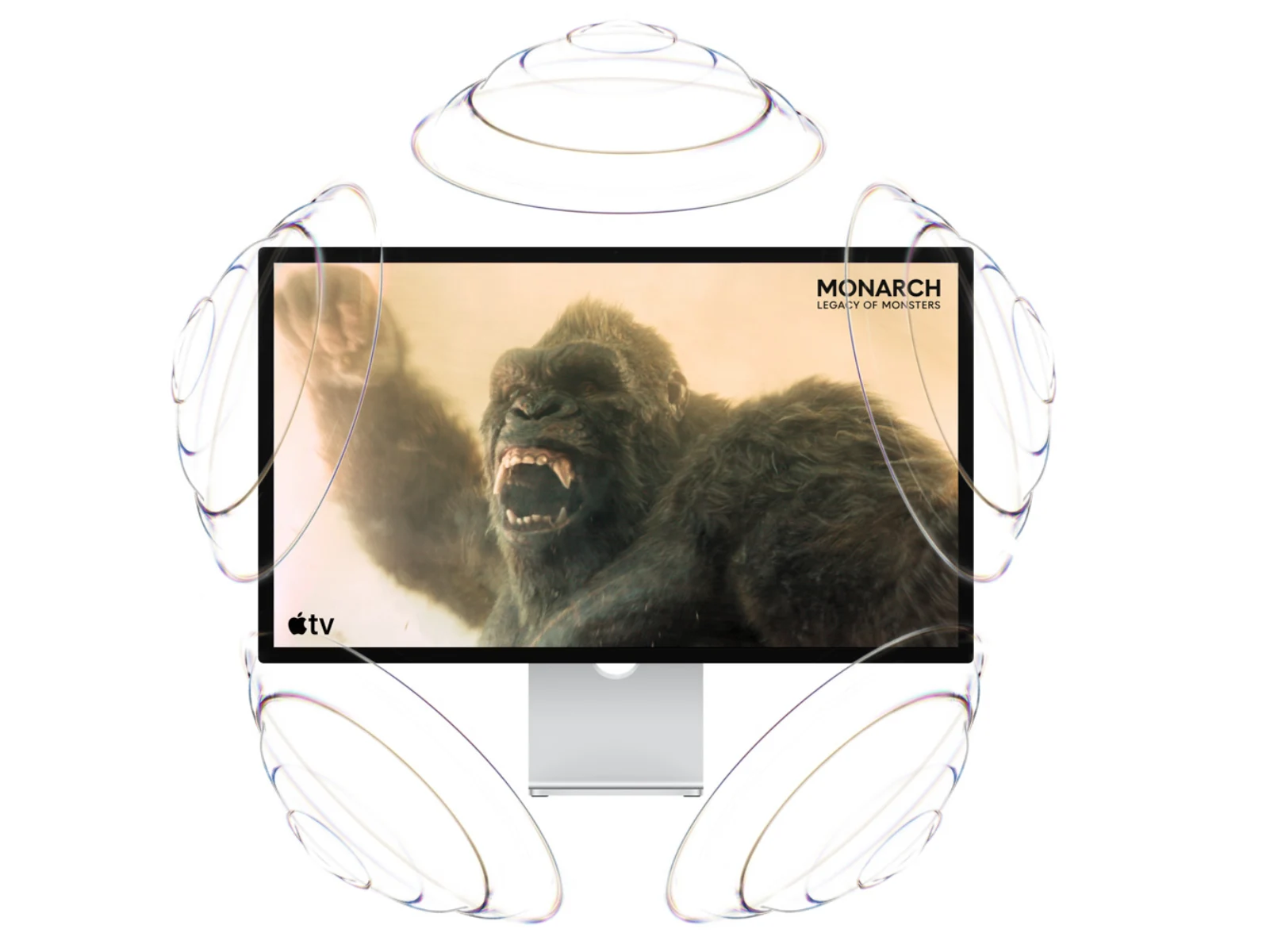
    For a bit of background, the first Studio Display was launched around four years ago (curr. $1,669 with nano-texture glass on Amazon). The 27-inch screen with 5K resolution, 600 nits brightness, and 60 Hz refresh rate from the original model is back. For this new version, Apple says it has added better speakers that deliver 30% deeper bass compared to the first Studio Display. Additionally, the previous Thunderbolt 3 has been upgraded to two Thunderbolt 5 ports, complemented by two USB Type-C ports.

    Pricing Details

    The base price for the new Studio Display starts at $1,599, which includes standard glass and either a tilt-adjustable stand or a VESA mount adapter. If you want a stand that can tilt and adjust in height, Apple will charge you an additional $400. On the other hand, models with nano-texture glass start at a minimum of $1,899.

    As a result, when choosing a height-adjustable stand and nano-texture glass, the total price of the new Studio Display can reach up to $2,299 before taxes. Pre-orders will be available starting at 14:15 UTC on March 4, with deliveries expected to begin on March 11. For further information, you can visit Apple’s official website.

    Source:
    Link


  • Apple Launches M5 Pro and M5 Max with Enhanced Fusion Architecture

    Apple Launches M5 Pro and M5 Max with Enhanced Fusion Architecture

    Key Takeaways

    1. Apple launched the M5 Pro and M5 Max laptop chips, built using TSMC’s N3P process technology.
    2. The M5 Pro features up to 18 CPU cores and a 20-core GPU, while the M5 Max has an 18-core CPU with options for 32-core or 40-core GPUs.
    3. Both chips claim up to a 35% GPU performance boost over the M4 series, with the M5 Max outperforming the M4 Max by up to 20% in general applications.
    4. The M5 Max supports up to 128GB of unified memory with a maximum bandwidth of 614GB/s.
    5. The new chips include Thunderbolt 5.0 compatibility, hardware acceleration for various video codecs, and a 16-core NPU for AI tasks.


    Apple has unveiled its latest top-tier laptop chips, the M5 Pro and M5 Max, after several months since the release of the standard M5 alongside the new iPad Pro model. The company has subtly indicated that both chips are built using TSMC’s N3P process technology. Interestingly, the M5 Pro and M5 Max integrate two N3P chiplets into one unified chip, a design approach we’ve encountered previously with Apple’s Ultra series. This also hints at the potential introduction of an M5 Ultra in the future.

    M5 Pro Specifications

    For the M5 Pro, users can expect up to 18 CPU cores, which includes 12 performance cores (previously called E-cores) and 6 super cores (formerly known as P-cores), complemented by a 20-core GPU. There’s also a lower-spec option featuring 15 CPU cores (10+5) and 16 GPU cores. The M5 Max guarantees an 18-core CPU, which can be paired with either a 32-core or a 40-core GPU. Overall, while there’s an increase in the number of CPU cores, the GPU specs remain largely unchanged on a physical level.

    Performance Claims

    Apple asserts that the M5 Pro and M5 Max deliver up to a 35% performance boost in GPU capabilities over the M4 Pro and M4 Max, particularly in applications utilizing ray tracing. In general-purpose applications, the M5 Max’s GPU reportedly outperforms the M4 Max by up to 20%. Furthermore, the M5 Max can now accommodate up to 128GB of unified memory, achieving a maximum memory bandwidth of 614GB/s.

    Caution on Metrics

    However, it’s important to note that these figures come directly from Apple, so it’s wise to wait for third-party evaluations before forming a conclusion. Apple is likely to maintain its lead in single-core performance, and the additional CPU cores may assist in closing the performance gap with AMD’s Strix Halo. Additionally, the Apple M5 Pro and M5 Max are compatible with Thunderbolt 5.0 ports and feature hardware-accelerated H.264/HEVC, AV1, and ProRes decoding and encoding engines. Apple has also integrated a 16-core NPU to handle AI-driven tasks.

    Source:
    Link


  • Neo 5 Max: New Global Smartphone with 7.5-Inch Display

    Neo 5 Max: New Global Smartphone with 7.5-Inch Display

    Key Takeaways

    1. ZTE launched new smartphones at MWC 2026, including the Neo 5 Max, a successor to the Neo 3 GT.
    2. The Neo 5 Max features a large 7,100 mAh battery and a 7.5-inch display, making it larger than competitors like the X300 Pro and Galaxy S26 Ultra.
    3. It includes a 1080p screen, 8 GB of RAM, 256 GB of storage, and is powered by the MediaTek Dimensity 7080 chipset.
    4. The phone has a 50 MP main camera with a 3x optical zoom lens and touch-sensitive shoulder buttons.
    5. An active cooling system and vapor chamber are integrated into the Neo 5 Max, which will start selling in Europe next month, with the smaller Neo 5 GT expected to start at €399.


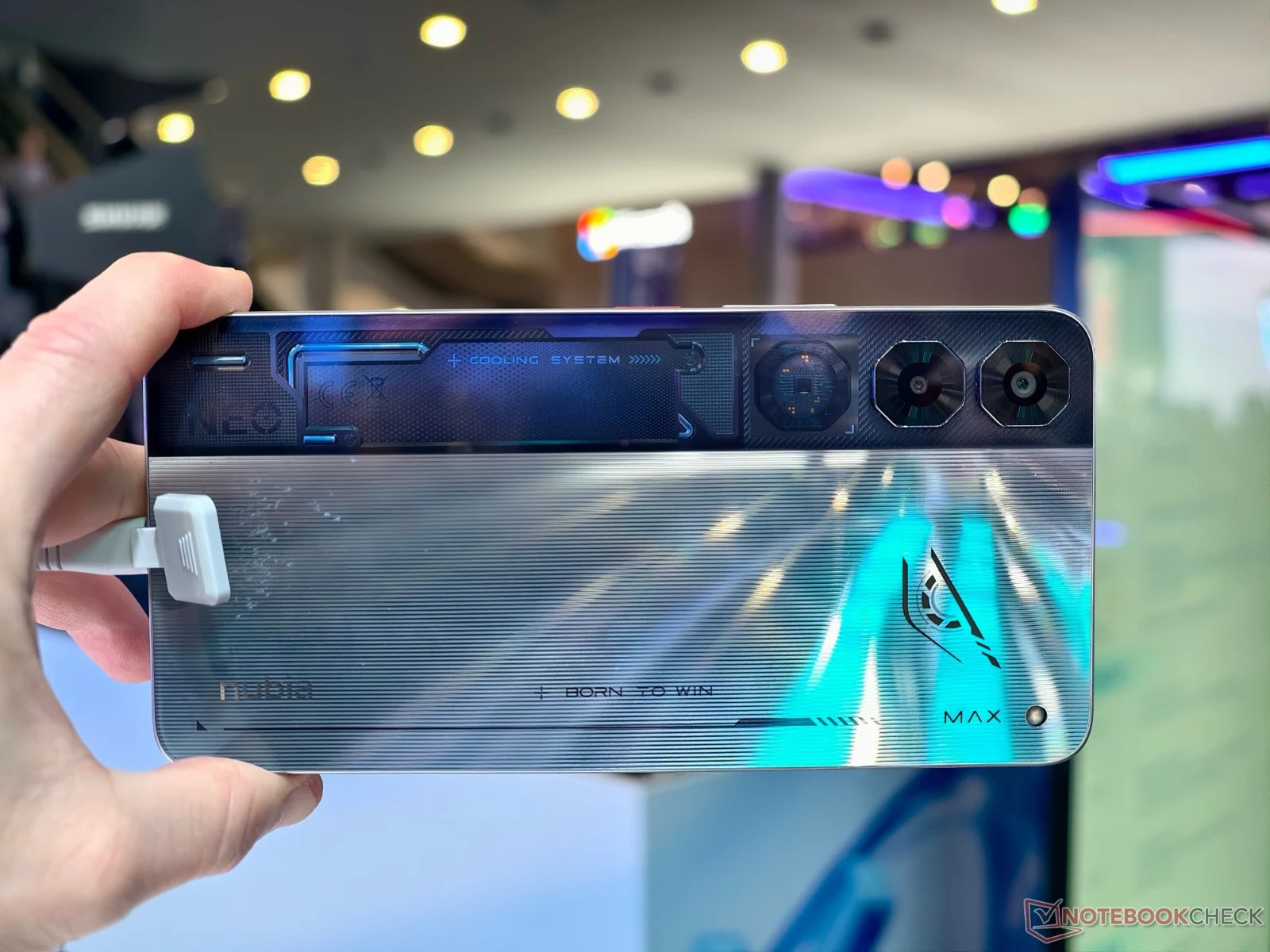
    ZTE has launched a variety of new smartphones at MWC 2026 in Barcelona. The company has introduced a successor to the Neo 3 GT, and the most unusual of the new releases is the Neo 5 Max, which truly lives up to its name.

    Impressive Specs

    The Neo 5 Max boasts an impressive 7,100 mAh battery. This large capacity is possible because ZTE has designed the phone around a massive 7.5-inch display. Consequently, the Neo 5 Max is larger than even top competitors like the X300 Pro and the Galaxy S26 Ultra (currently priced at $1,299 on Amazon).

    Features and Performance

    In addition to its 1080p screen, the Neo 5 Max is equipped with 8 GB of RAM and 256 GB of storage, powered by the upcoming MediaTek Dimensity 7080 chipset. The phone also includes a 50 MP main camera, a 3x optical zoom lens, and touch-sensitive shoulder buttons similar to those on the Neo 5 GT.

    ZTE has integrated an active cooling system and a vapor chamber into the device. The company plans to start selling the Neo 5 Max in Europe next month. Although pricing details have not yet been announced, the smaller Neo 5 GT is expected to begin at €399 (approximately $465) in the Eurozone.


  • Hisense Launching New 2026 UX RGB MiniLED TV Soon

    Hisense Launching New 2026 UX RGB MiniLED TV Soon

    Key Takeaways

    1. Hisense will launch its 2026 UX RGB MiniLED TV series in China on March 5th, 2026.
    2. The new TV series features innovative RGB MiniLED evo technology with a four-core backlighting system.
    3. The RGB MiniLED evo technology offers 110% coverage of the BT.2020 color gamut and includes a cyan light source.
    4. The TV is equipped with the Hisense Hi-View AI Engine RGB for accurate 134-bit color management.
    5. Pricing and global availability for the 2026 UX RGB MiniLED TV and UXS RGB-X MiniLED TV have not yet been announced.


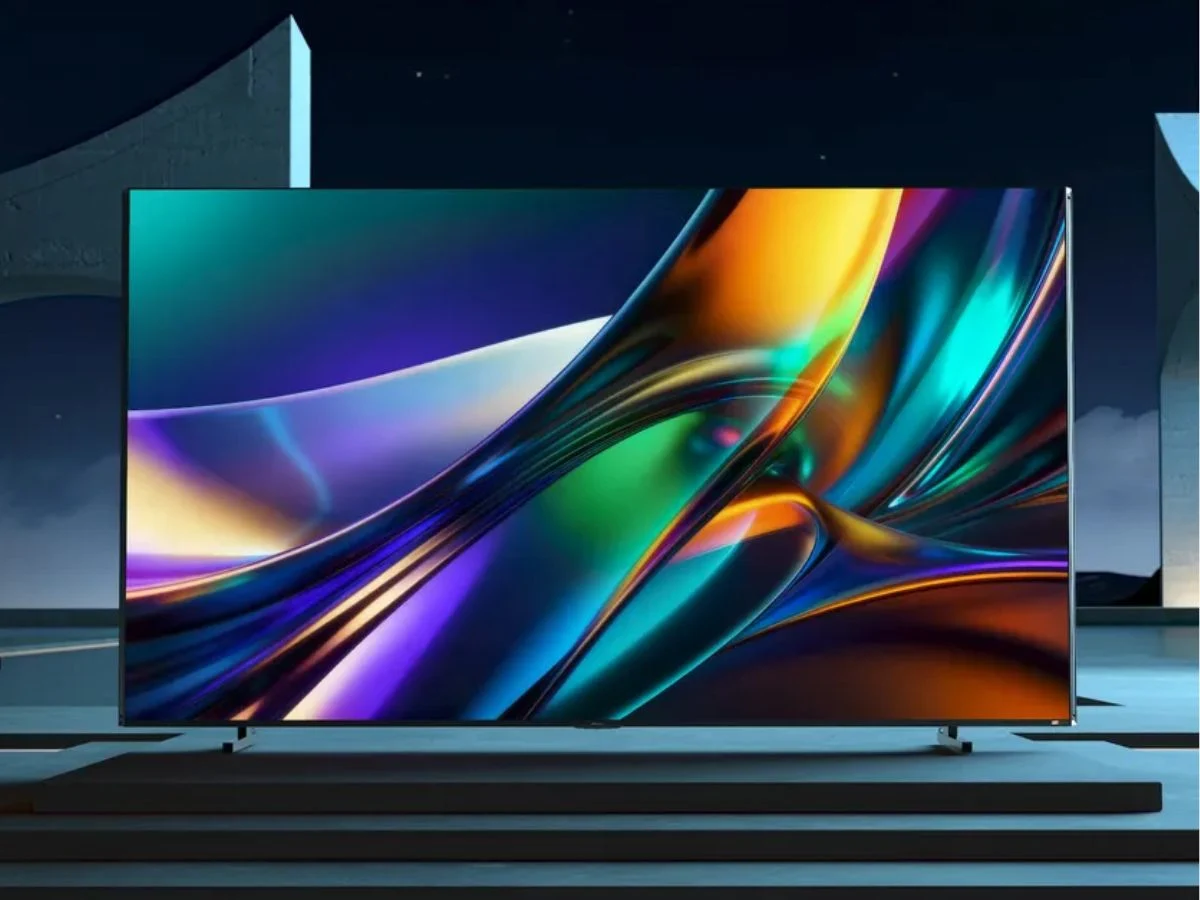
    Hisense is gearing up to launch its upcoming 2026 UX RGB MiniLED TV series in China soon. This model will be the brand’s first to incorporate the innovative RGB MiniLED evo technology, which includes a four-core backlighting system.

    Launch Event Announcement

    Recently, Hisense shared on social media that it will host a launch event in China set for March 5th. During this event, the company plans to unveil the 2026 UX RGB MiniLED TV along with various customized products associated with its sponsorship of the World Cup 2026.

    Technology Features

    Hisense has previously showcased its RGB MiniLED evo technology, which is featured in the premium 116UXS RGB-X MiniLED TV model. This tech was highlighted at CES 2026, where the addition of a cyan light source to the traditional red, green, and blue LEDs is claimed to provide an impressive 110% coverage of the BT.2020 color gamut. Additionally, the TV is equipped with the Hisense Hi-View AI Engine RGB, allowing for accurate 134-bit color management.

    Availability and Pricing

    In China, the Hisense 2026 UX RGB MiniLED TV series is anticipated to launch right after the event on March 5th, 2026. However, the price for this model has not yet been disclosed. Similarly, the brand has not confirmed when the UXS RGB-X MiniLED TV will be available globally, nor has it provided recommended pricing details.

    Source:
    Link