Tag: Steam Deck

  • EA Cancels Apex Legends Linux Version Over Anti-Cheat Issues

    EA Cancels Apex Legends Linux Version Over Anti-Cheat Issues

    EA has decided to end support for the Linux version of Apex Legends. This means that Steam Deck users will need to install Windows if they want to enjoy the game, a situation that also impacts the rising number of Linux gamers. The company claims this move is aimed at combating cheaters, who they say tend to favor Linux distros rather than Windows. EA shared this information in a post on X:

    Cheating Issues on Linux

    The Linux operating systems’ open nature makes it appealing for cheaters and those who develop cheats. It is true that cheats on Linux are more difficult to detect, and the data indicates a growing trend that demands significant attention from EA’s team, especially considering the relatively small size of the Linux platform. There are even instances where cheats designed for Windows are being used on Linux to make detection more challenging.

    Easy Anti Cheat and Its Implications

    Apex Legends employs Easy Anti Cheat (EAC), which is a service running at the kernel level that identifies unauthorized modifications to the game’s files. Although it might be simpler to bypass this system on Linux, restricting access to an entire platform seems a bit too harsh and almost inept. EA claims that only a limited number of players will be affected, but those individuals are losing access to a game they enjoy along with any in-game skins they previously acquired. It would be best if EA considered providing refunds to those impacted, but there has been no announcement regarding that so far.

    The Future for Apex Legends Players

    With this decision, the future for Linux users who want to play Apex Legends looks bleak. Many gamers feel frustrated that they have to jump through hoops to continue playing a game they love. The community is left hoping for a resolution or at least some compensation for their losses. For now, it seems like the situation is still developing, and players will have to wait to see how EA addresses their concerns.
  • Free New 1v1 Shooter on Steam Gets High Ratings

    Free New 1v1 Shooter on Steam Gets High Ratings

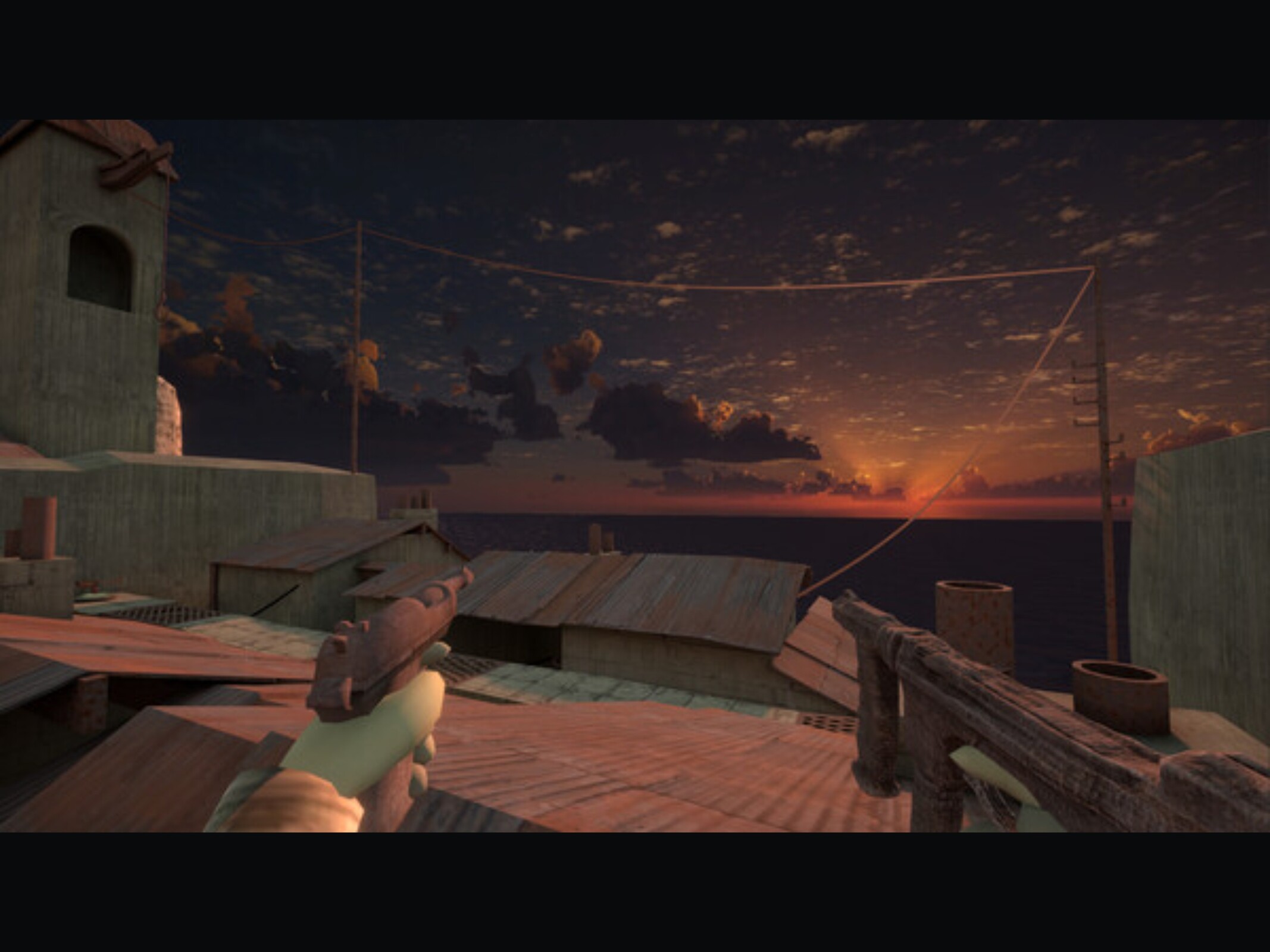
    On October 24, 2024, the free first-person shooter Straftat, created by the Lemaitre brothers, Sirius and Leonard, was launched on Steam. This game is rated for ages 18 and up, concentrating solely on 1v1 battles. With more than 70 distinct maps that change every few rounds, Straftat offers a refreshing gameplay experience, showcasing a different set of weapons on each map. This diversity injects excitement and depth, making it appealing for those who enjoy 1v1 matches similar to classic games like Quake or Unreal Tournament.

    Expansion Content and Pricing

    Straftat represents the debut of the Lemaitre Bros on Steam, with the only additional content being a DLC that greatly enhances the game – introducing 70 new maps, 10 extra weapons, along with a selection of hats for character personalization. Normally, this expansion is priced at $5, but until October 31, it can be purchased for $4.50 with a 10% discount.

    Visuals and System Requirements

    When it comes to visuals, Straftat doesn’t exactly stand out, but that’s common for free games. Its style leans more towards functionality than flashiness, carrying a retro feel that brings to mind Quake, where details are minimal yet effective. A key benefit is its small storage space and low graphic needs, allowing it to run on various systems. Currently, Steam is evaluating how well this 1v1 shooter works on the Steam Deck, which is priced at $389 on Amazon.

    Player Reception

    On Steam, Straftat has been met with very positive feedback. An impressive 98 percent of over 700 players have rated this first-person shooter favorably. Besides the vintage graphics, there are few minor critiques, like the somewhat traditional weapon handling and limited crosshair customization options. Ratings from Metacritic are still awaited. You can check out first impressions of the game in its official trailer.


    Image 1
  • Assassin’s Creed Mirage Update: Steam Deck Support and Optimization

    Assassin’s Creed Mirage Update: Steam Deck Support and Optimization

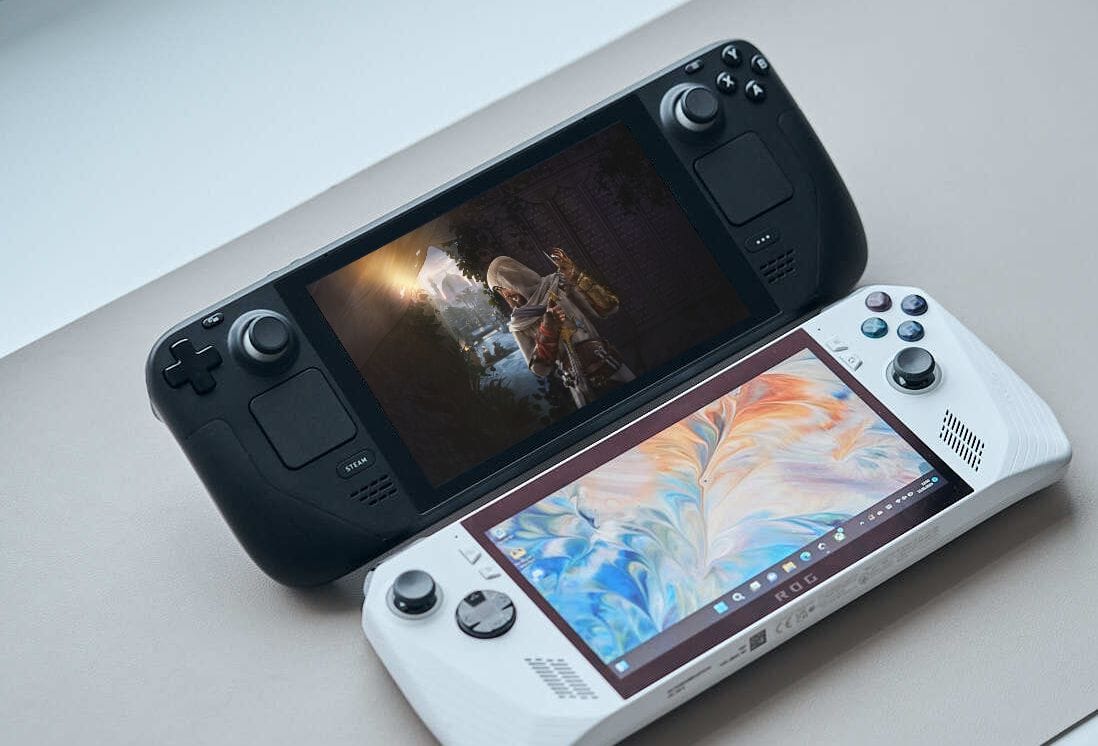
    Ubisoft has officially stated that Assassin’s Creed Mirage will be available for the Valve Steam Deck at its launch. Now, the company is enhancing this experience by adding a special Steam Deck mode, which includes optimizations to ensure the game performs well on the Steam Deck’s less powerful hardware.

    Automatic Settings for Smooth Gameplay

    As per a recent update shared in the Ubisoft Discord community and on the game’s Steam Store page, starting October 29, Assassin’s Creed Mirage will have the ability to automatically recognize when it’s being played on the Steam Deck. It will then apply optimized settings to maintain smooth frame rates. Since it’s a PC port, players still have the option to adjust settings to their liking afterward; however, Ubisoft encourages users to stick with the defaults.

    Recommended Presets for Best Experience

    The game will automatically identify your Steam Deck and utilize default settings aimed at enhancing performance on this particular device. For a seamless experience while following Basim’s journey, it is advisable to continue using the suggested presets.

    Uncertainty About Default Settings

    It’s not yet clear what the default settings for Assassin’s Creed Mirage will be on the Steam Deck. Overkill discovered that a balanced combination of medium and low settings—occasionally high settings—at the Deck’s native resolution could maintain a steady 30 FPS, but Ubisoft might be aiming for a higher frame rate. There is also uncertainty about how this will impact other Linux users with more robust hardware; backing up in-game settings before the update could be prudent.

    This announcement follows Ubisoft’s commitment to releasing games on Steam on the same day they launch, starting with Assassin’s Creed Shadows. This means that future Assassin‘s Creed titles are likely to have similar support for the Steam Deck.

    Ubisoft via Discord, Steam, Overkill

  • EA Denies Battlefield 1 Steam Deck Compatibility Due to Anti-Cheat

    EA Denies Battlefield 1 Steam Deck Compatibility Due to Anti-Cheat

    It’s been known for a while now that EA would be rolling out EA Anti-cheat to Battlefield 1, but D-Day has finally arrived for Linux gaming on Battlefield 1, making it just the latest title to lose its Steam Deck compatibility. Many Steam Deck owners and Linux gamers are being greeted by a compatibility error message upon trying to open Battlefield 1 today due to the EA anti-cheat update.

    EA’s Approach to Anti-cheat

    The incompatibility in the case of Battlefield 1 stems from EA’s proprietary anti-cheat implementation relying on kernel-level hardware access to prevent cheating. Generally speaking, it’s impossible to make anti-cheat that operates in kernel mode compatible with Linux, since Linux and the Steam Deck rely on translation layers like Proton and WINE for Windows game compatibility, but some anti-cheat software, like Easy Anti-cheat and BattleEye, have Linux compatibility baked in.

    A Familiar Situation

    A similar story played out just last month when Rockstar Games added BattleEye anti-cheat to GTA Online but neglected to enable Linux support, immediately earning the distrust of many Linux and Steam Deck gamers and likely pouring cold water over much of the GTA VI hype. As a result of that instance, Valve pulled GTA V and GTA Online from its Steam Deck Top Played Games list and started issuing refunds to upset GTA V buyers who suddenly couldn’t access their games.

    Valve’s Silence on Battlefield 1

    Valve has not reacted in any way to Battlefield 1’s Steam Deck compatibility loss, but it seems unlikely that the same refund policy will be followed, since GTA V was advertised much more aggressively as a Steam Deck game than Battlefield 1 was. Needless to say, however, the addition of kernel anti-cheat has resulted in a sudden spike in negative Steam user reviews.

    Reddit, Steam, EA’s forums are buzzing with complaints from frustrated players, making it clear that the anti-cheat decision has not gone over well.


    Image 1
  • Nintendo Switch 2 Expected to Support Unreal Engine 5 Features

    Nintendo Switch 2 Expected to Support Unreal Engine 5 Features

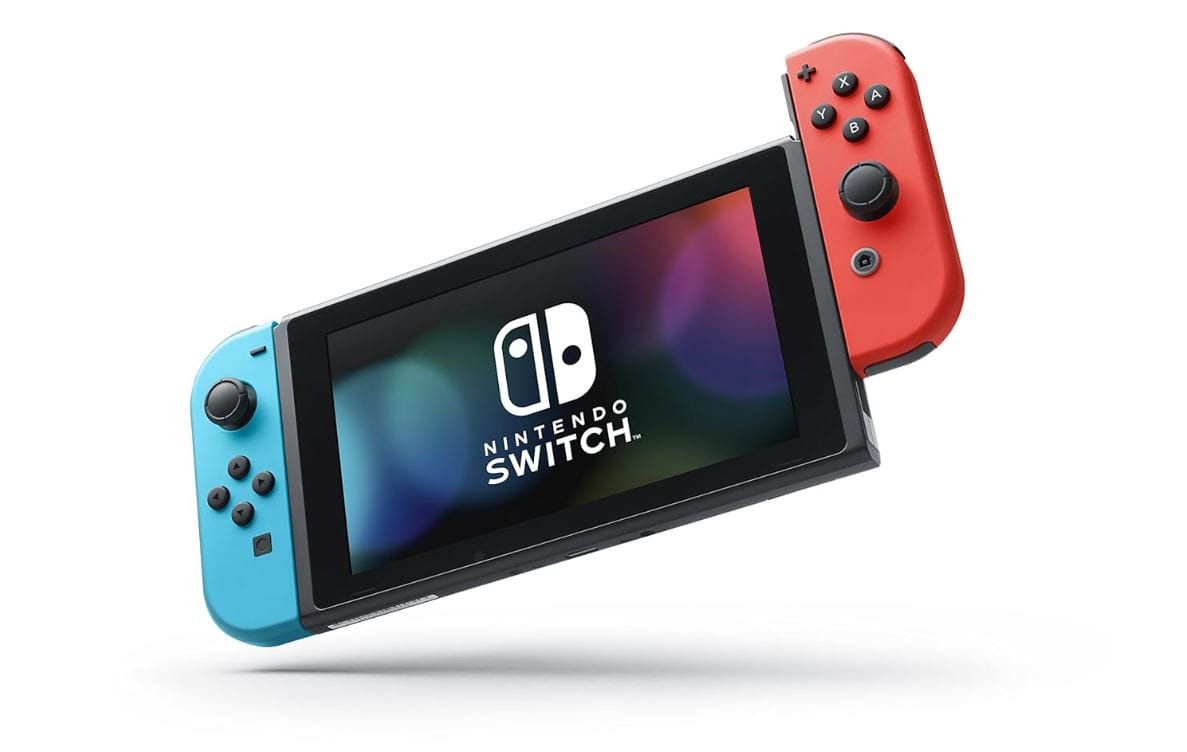
    Nintendo’s new Switch 2 console has been at the center of many leaks and speculations in recent weeks. New information suggests that the console will feature significant upgrades, and it is anticipated to launch at the end of this fiscal year, likely in March or April of 2025.

    Podcast Insights

    In a recent episode of Digital Foundry’s podcast, the hosts answered viewer questions, including whether they think the Switch 2 will support features from Unreal Engine 5. They confidently answered that it will, indeed, support these features.

    They emphasize, rightly so, that a big part of the Switch’s success comes from the support of third-party developers. This statement holds a lot of weight since the Switch is a beloved gaming platform for many. The situation is clear: as the gaming world embraces Unreal Engine 5, Nintendo can’t afford to fall behind, and it is expected to include almost all UE5 features, such as Nanite, Lumen, and possibly even MegaLights, albeit with some adjustments.

    Performance Concerns

    However, there are some caveats to consider. The experts were careful to manage expectations, pointing out that hardware constraints will likely come into play. It all comes down to performance goals and how much developers are willing to optimize to get the best out of the console. In another discussion about performance, the hosts were questioned about how the Steam Deck might influence the Switch platform, and their answer was clear: even though the Steam Deck has stronger hardware, it doesn’t have the games that make the Switch so appealing, and it’s generally more cumbersome to use.

    Digital Foundry via YouTube


  • Steam Deck Transforms into Handheld Hackintosh with macOS Sequoia

    Steam Deck Transforms into Handheld Hackintosh with macOS Sequoia

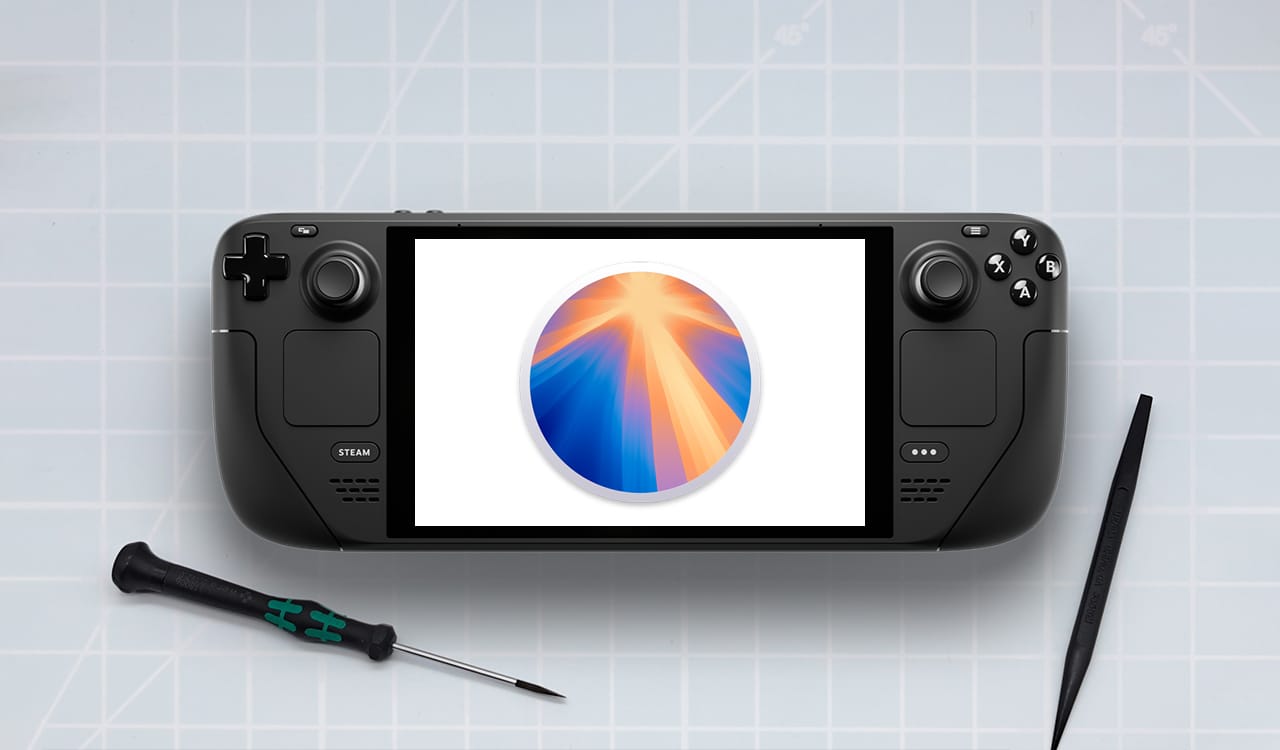
    Valve delivers the Steam Deck equipped with SteamOS, a Linux distribution based on Debian. This gaming handheld functions much like any standard PC, allowing it to support common operating systems. While Windows operates smoothly on the device, user @whatdahopper has made history by demonstrating macOS Sequoia running on the Steam Deck.

    A Collaborative Effort

    According to @whatdahopper, a team worked together to enable the Steam Deck to run Apple’s newest desktop OS. However, right now, installing macOS Sequoia on the device is not particularly useful. There’s currently no GPU acceleration available, but the team is optimistic that this will change once the iGPU kext (kernel extension) for AMD Van Gogh is released.

    Future Possibilities

    This release might come sooner than expected, as macOS already supports RDNA 2. Once that happens, the Steam Deck could transform into a legitimate portable Hackintosh. Nonetheless, it’s important to note that using Sequoia on the Steam Deck for gaming isn‘t advisable, given that the gaming library on macOS isn’t as robust as what you’ll find on Windows or Linux.

    In the end, with the right iGPU support on the Steam Deck, it might become a mobile substitute for a MacBook (the base 2023 MacBook Pro is currently priced at $1,299 on Amazon). However, @whatdahopper has pointed out that getting macOS Sequoia to run on this device is more challenging than simply installing Windows, which is something to keep in mind if you’re considering the Mac operating system for your gaming handheld.

  • Valve Partners with Arch Linux to Boost Linux Gaming Experience

    Valve Partners with Arch Linux to Boost Linux Gaming Experience

    It’s clear that the arrival of the Steam Deck marked a significant turning point for those involved in Linux gaming. This handheld device operates on SteamOS 3.0, which is based on the efficient Arch Linux. It utilizes the Proton compatibility layer to allow users to play Windows games, a feature that has been met with enthusiasm from both FOSS and Linux gaming fans.

    Exciting News for Linux Gamers

    In more good news for Linux gaming, Arch Linux has announced a forthcoming partnership with Valve, the creators of the Steam Deck (currently available for $540 on Amazon) and the Proton compatibility layer. Developer Levente Polyak shared that Valve will provide financial support for two major projects that could significantly influence Arch’s future. He stated, “We are thrilled to share that Arch Linux is starting a direct partnership with Valve. They are generously funding two important projects that will greatly affect our distribution: a build service infrastructure and a secure signing enclave.” He also mentioned, “We think this collaboration will be greatly advantageous for Arch Linux, and we are eager to provide updates on development through this mailing list as we make progress.”

    The Importance of Funding

    While the specific amount that Valve is willing to invest in Arch remains undisclosed, the importance of this deal is undeniable. This is not only a victory for Arch, but also great news for the entire Linux community. Gabe Newell, Valve’s founder, has been a supporter of Linux gaming for over a decade, famously stating at LinuxCon 2013 that “Linux and open source are the future of gaming.” Valve’s collaboration with Arch indicates a stronger commitment to the Linux environment.

    Why Arch Linux?

    One might wonder why Valve chose Arch. This choice wasn’t random; Valve’s preference for this streamlined, efficient distribution for SteamOS 3.0 is well-founded. Arch Linux is designed to be minimalistic, has a small resource footprint, and offers extensive customization options, making it an ideal base for a gaming platform. The collaborative effort will not only advance expectations for Linux gaming but also enhance SteamOS and, consequently, the Steam Deck.

    ArchLinux.org

  • Aluminum Back Plate Boosts Steam Deck Performance Effectively

    Aluminum Back Plate Boosts Steam Deck Performance Effectively

    Recently, a user named cheater00 shared their experience of installing an aluminum alloy back plate on their LCD Steam Deck. They clarified that the test was conducted without making any other changes to the device, such as reapplying thermal paste, updating the BIOS, or altering settings. The user ran the game The Outer Worlds for three hours without any input on the Steam Deck. The initial test used the plastic back plate, while the second test involved the aluminum plate. Here’s how both performed in comparison:

    Performance Comparison

    The findings seem to favor the aluminum back plate, but there are some issues to consider. The user noted that the plate did not fit well on the back of the Steam Deck, causing the L1 and R1 triggers to stick. To fix this, the user had to loosen the screws that were near the inputs. Furthermore, some comments on the post raised concerns that the extra ventilation holes in the aluminum panel could hinder the Steam Deck’s ability to effectively use forced airflow for cooling internal components, like the charging IC.

    Pricing and Availability

    Additionally, the cost of the aluminum back plate is on the higher side for Steam Deck modifications. It is primarily sold by vendors on Aliexpress, with prices starting at over $120 and some listings going as high as $227, excluding shipping fees. Given this steep price, it might take some time before more Steam Deck users decide to try out this modification.

  • GTA V Online Kernel Anti-Cheat Ruins Steam Deck and Linux Support

    GTA V Online Kernel Anti-Cheat Ruins Steam Deck and Linux Support

    Anyone who has played GTA Online knows that the game struggles with cheaters, and Rockstar Games is taking steps to tackle this issue by introducing BattleEye anti-cheat through a recent update for GTA V. While this news may be welcomed by many dedicated players, it has sparked controversy within the Steam Deck and Linux gaming communities. The implementation of kernel-level anti-cheat has rendered GTA Online incompatible with both Linux and the Steam Deck.

    Rockstar’s Stance on Compatibility Issues

    Interestingly, Rockstar’s support page regarding BattleEye cites the lack of Steam Deck support as a problem originating from Steam’s end:

    "Steam Deck does not support BattlEye for GTA Online. You will be able to play GTAV Story Mode but unable to play GTA Online."

    It seems odd for Rockstar to place the blame on Steam, especially since several titles successfully support BattleEye when played on Linux through Proton. A brief look at the Steam Deck Verified games list, Are We Anti-Cheat Yet?, and ProtonDB shows that games like DayZ, ARK: Survival Evolved, ArmA 3, Unturned, Planetside 3, Tom Clancy’s Ghost Recon Breakpoint, Mount & Blade II: Bannerlord, and other BattleEye-enabled titles run smoothly on the Steam Deck and various Linux systems.

    Offline Play Still Available

    It’s worth mentioning that GTA V can still be played in offline or story mode on Linux and the Steam Deck by using the -nobattleye launch option. This allows players to start the game without BattleEye active in the background.

    This indicates that Rockstar Games may have intentionally chosen to overlook support for Linux and the Steam Deck. They might be trying to avoid a flood of support requests from Steam Deck users or Linux gamers regarding potential issues from future updates. The timing of the anti-cheat addition to GTA V and GTA Online raises eyebrows, especially since the game debuted nine years ago. Some speculate that this could serve as a test for GTA VI, which is expected to launch next year. While a PC version for GTA VI may not arrive until a year or two after its console release in 2025, Rockstar may be attempting to manage expectations for the new installment.

    If you’re in search of a handheld gaming device optimized for Windows that can also run Linux, consider the Lenovo Legion Go, priced at $699.99.

  • Steam Deck 2 Expected to Release in 2-3 Years, Hints Valve

    Steam Deck 2 Expected to Release in 2-3 Years, Hints Valve

    Valve has recently launched an updated version of the Steam Deck, called the Steam Deck OLED. This new model boasts an OLED display and improved battery life. However, it's important to note that the Steam Deck OLED is not a true successor to the original Steam Deck but rather a mediocre upgrade.

    The eagerly awaited true successor to the original Steam Deck will not be available for at least two to three years, according to Valve. Lawrence Yang, Valve's UX designer, revealed in an interview with Gizmodo that the company is indeed working on a proper successor to the Steam Deck. However, it is not yet ready to be referred to as the Steam Deck 2.

    Yang explained that for the next iteration to earn the "2" designation, it must offer a significant increase in performance compared to its predecessor. Valve is currently waiting for advancements in chip technology before moving forward with the development of the Steam Deck 2. Yang anticipates that within the next two to three years, a suitable chip will be available for the next-generation handheld gaming device.

    This means that gamers will have to wait a couple more years before they can get their hands on a true Steam Deck 2. However, Yang assures that Valve is committed to supporting the current Steam Deck models, including both the OLED and LCD variants. The company plans to release regular updates to enhance the user experience and address any lingering issues.

    Yang also addressed the criticisms surrounding the original Steam Deck, acknowledging that many of them aligned with the company's own internal list of improvements. He explained that the design of the Deck had to make certain compromises due to time constraints, cost considerations, and the challenges faced in the supply chain during late 2021.

    Overall, while the Steam Deck OLED offers an upgraded display and improved battery life, it is not a true successor to the original Steam Deck. Gamers will have to wait a few more years for the release of the Steam Deck 2, which will feature a significant performance boost. In the meantime, Valve remains dedicated to supporting the current Steam Deck models and will continue to release updates to enhance the user experience.