Key Takeaways
1. Contrasting Experiences: Playing Battlefield 1 after the BF6 Open Beta highlighted significant differences in gameplay and atmosphere, emphasizing the unique moments BF1 offers even after nearly ten years.
2. Gameplay Limitations in BF6: The BF6 Open Beta featured smaller, cramped maps focused on close-quarters combat, which detracted from the large-scale battles fans expect from the franchise.
3. Atmosphere and Setting: Battlefield 1’s World War I backdrop creates immersive gameplay experiences, with strategic elements influenced by map design, weather changes, and game-changing features like armored trains.
4. Storytelling Through Gameplay: The maps in Battlefield 1 narrate a story through their design and combat pacing, providing a more engaging and memorable experience compared to the BF6 Beta’s modern but less impactful environments.
5. Emphasis on Teamwork: Battlefield 1 excels in promoting teamwork, where effective squad play significantly enhances the gaming experience, making collaboration essential for success.
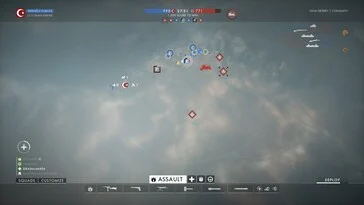
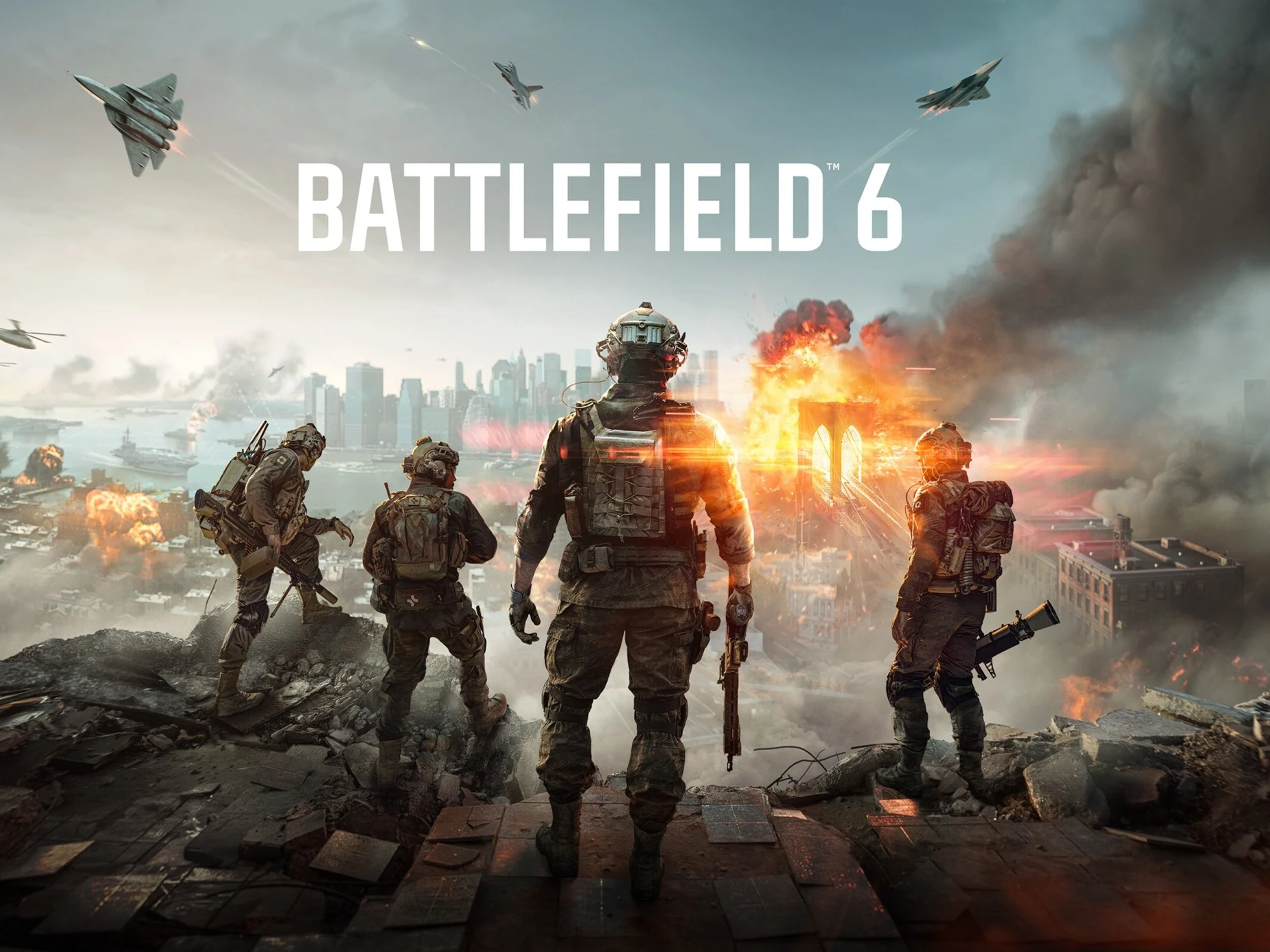
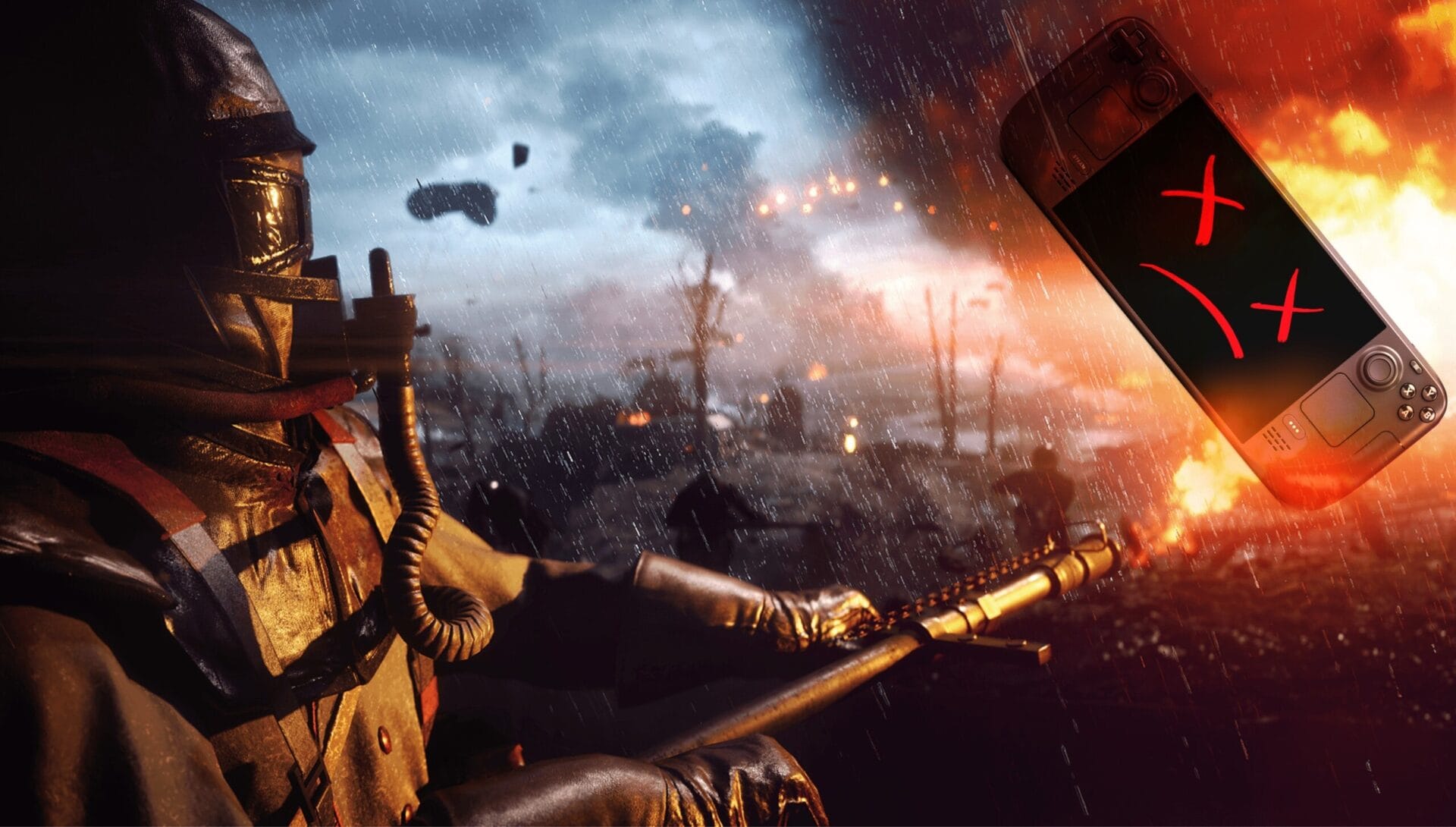
After spending quite a bit of time in the Battlefield 6 Open Beta (check out my opinions about it here), returning to Battlefield 1 felt like entering a completely different war zone. Even though it’s been almost ten years since its launch, Battlefield 1 still amazed me with unique moments and experiences that newer titles, including the BF6 Open Beta, don’t quite capture – at least not yet. This isn’t about picking the best Battlefield game or guessing the future of the franchise. Rather, it’s about the genuine experience of playing these two contrasting games back to back and what each one has to offer right now – not considering what BF6 might bring in 6 weeks when it officially drops on Steam.
Gameplay and Modes
The Battlefield 6 Open Beta presented a gameplay loop that fans of the genre will recognize right away – fast matches, destructible environments, team-based fighting, and a solid selection of game modes. I tried every mode available, and they all had that familiar Battlefield vibe: chaotic, enjoyable, and filled with moments where teamwork really matters.
Limitations of the Beta
However, the beta felt constrained in a few significant ways. The maps were smaller and felt more cramped than many would expect from a full Battlefield experience. The emphasis was on high-energy, close-quarters combat rather than large-scale battles, which I really missed. Although the destruction was impressive and satisfying, the scale and variety were toned down, making the matches feel more like tight skirmishes instead of grand battles. Recently, leaks have revealed much larger maps likely coming with the full launch, which is fantastic – because fans like me love seeing battles unfold on a larger scale.
Returning to Battlefield 1 after the BF6 Beta was like taking a breath of fresh air. Instead of tight matches, I found myself on vast battlefields filled with unpredictable moments and an atmosphere that quickly drew me in. And I must say, I hadn’t played this game in a super long time.
Unique Setting and Atmosphere
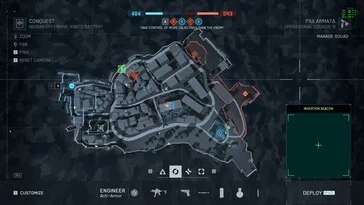
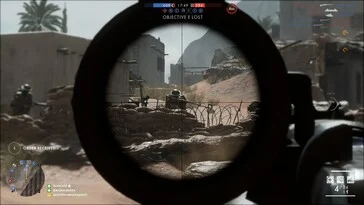
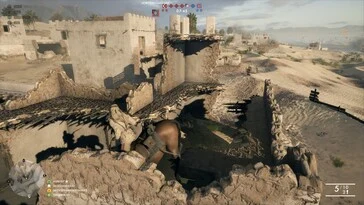
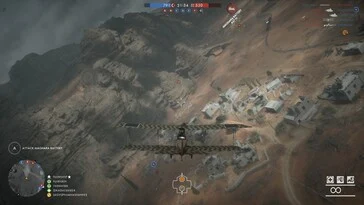
To be honest, Battlefield 1’s World War I backdrop is a major part of what makes it shine. The intricate trenches, wide-open hills, and deserts look great, sure, but they truly shape experiences on the battlefield. Maps like Monte Grappa made me feel uneasy as I navigated exposed ridges, always worried that a sniper could be lurking a kilometer away. It compelled me to think strategically about positioning and movement, rather than just rushing headlong into combat. What I mean to say is, it never felt thoughtless in any way. Plus, the HUD in BF1 is so much cleaner than BF6 (although it can be simplified in settings). It keeps the focus where it should be, which greatly enhances immersion.
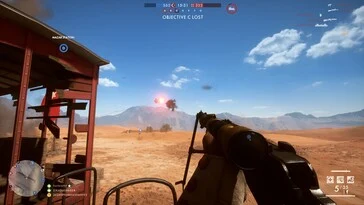
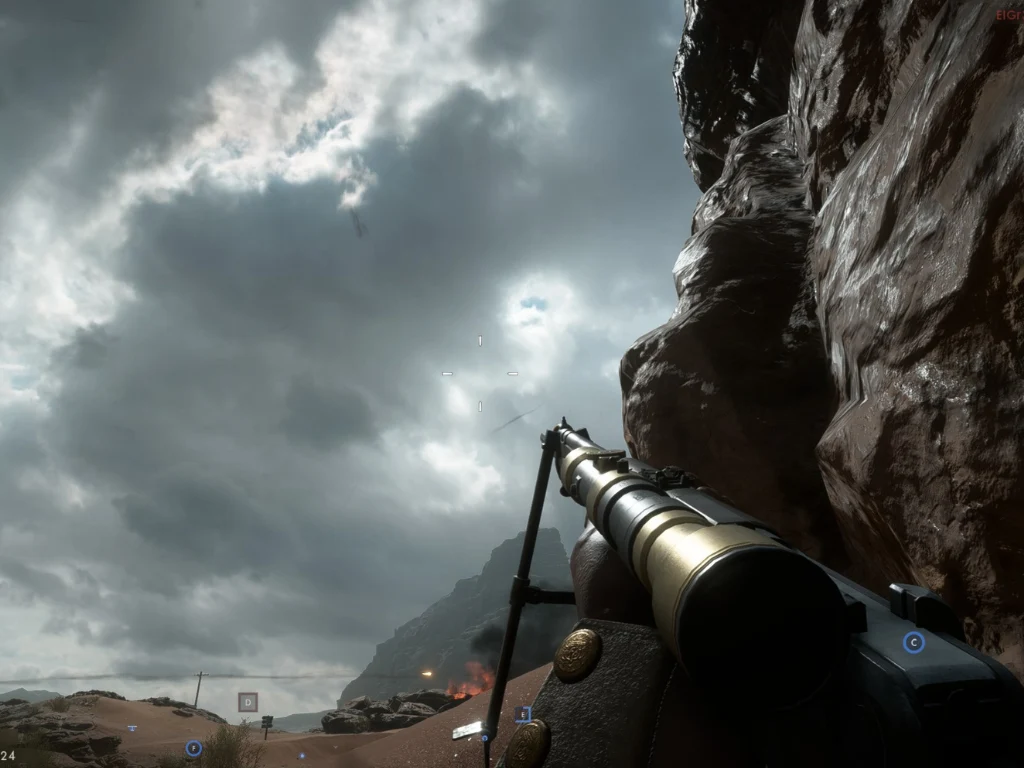
Another memorable map for me is Sinai Desert. The open sands and unpredictable weather changes like sandstorms kept me alert in a way that felt refreshing, even after years of playing shooters. These elements limit visibility and alter the entire pace of combat. Game-changing features like the armored train and behemoths are some of my favorite aspects of the game. They can shift the balance of a match in an instant. When one appeared, it immediately changed the way everyone played. Teams had to abandon their current plans and address this new threat. Because of all this, my time with BF1 felt vibrant in a way that BF6 Beta didn’t quite reach. But remember, I’m comparing my experience with an unfinished modern game to a nearly decade-old title – that’s a key factor here.
Storytelling Through Gameplay
In my view, Battlefield 1’s maps work perfectly because they narrate a story through gameplay. While playing the BF6 Open Beta, maps like Liberation Peak and Siege of Cairo felt modern and sleek, sure, but they lacked those huge, wild moments where the environment itself becomes part of the battle’s narrative.
The combat pace in Battlefield 1 also deserves a ton of recognition. It strikes a balance between tactical and fluid, and it feels just right. The explosions hit hard, the weapons feel solid, and the kill feedback – oh, how I adore the kill feedback in BF1. The sounds, the screen effects, and the satisfaction of a precise shot are still unbeatable, even after all these years.
The Importance of Teamwork
Playing Battlefield 1 also reminded me how much the game appreciates teamwork. Squad play is a central feature of the Battlefield series, yes, but it is executed really well in BF1. When squads work together effectively, it changes everything. Spotting enemies for teammates, reviving fallen allies, and pushing objectives as a team feels significant and maintains high tension – even when playing with randoms.
I really, really hope that Battlefield 6 can replicate the scale and cinematic flair of Battlefield 1. I enjoyed the gunplay a lot, and some new mechanics like dragging while reviving or the enhanced destruction system in the Beta. Based on the early reviews, Battlefield 6 will probably be a successful game – but whether it achieves “classic” status (like BF1) largely depends on the direction it takes after launch, and if it manages to keep a large part of its player base over time.