Tag: Arch Linux

  • Arch-based ML4W OS 2.12.0 Released with Quickshell Update

    Arch-based ML4W OS 2.12.0 Released with Quickshell Update

    Key Takeaways

    1. ML4W OS version 2.12.0 is an advanced operating system based on Arch Linux, designed for 64-bit systems with a dynamic tiling window manager called Hyprland.
    2. Users can try ML4W OS before installation using a Live ISO or by launching it from a bootable USB stick or a KVM/Qemu virtual machine.
    3. The installation process is currently in beta and can be initiated with the command `sudo install-ml4w-os` in a terminal.
    4. ML4W OS has been tested and is compatible with multiple distributions, including EndeavourOS, Manjaro, Garuda, Arco, CachyOS, openSUSE Tumbleweed, and Fedora Workstation 43.
    5. Updated resources and information about ML4W OS can be found on GitHub for users interested in the new features and installation process.


    German developer Stephan Raabe has returned with a fresh update of ML4W OS, which he refers to as “an advanced and full-featured Operating System and Dotfiles Configuration based on the dynamic tiling window manager Hyprland.” This update marks the release of version 2.12.0. ML4W OS, built on Arch Linux, is designed exclusively for 64-bit systems and can be installed on other distributions easily using the Dotfiles installer. Additionally, a Live ISO is available for those who wish to test it out before fully committing.

    Changelog Highlights

    The official changelog outlines several key points for ML4W OS 2.12.0. For anyone wanting to delve into the changes from earlier versions, those details can also be found on the source article page; just check the link at the bottom of the last paragraph. Some notable features include the ability to launch ML4W OS from a bootable USB stick. However, for those who prefer a different approach, it can also be tried out using a KVM/Qemu virtual machine.

    Installation Process

    Currently, installing ML4W OS with Arch Linux is still in beta and can be accomplished by entering sudo install-ml4w-os in a terminal. Besides Arch, ML4W OS has been tested with several other distributions, including EndeavourOS, Manjaro, Garuda, Arco, CachyOS, openSUSE Tumbleweed, and Fedora Workstation 43.

    GitHub has also been updated with relevant information and resources for users interested in exploring this new version of ML4W OS.

    Source:
    Link


  • Bluestar Linux 6.18.9 Released with New Kernel, Firefox, LibreOffice

    Bluestar Linux 6.18.9 Released with New Kernel, Firefox, LibreOffice

    Key Takeaways

    1. Bluestar version 6.18.9 is based on Arch Linux and includes kernel upgrade to 6.18.13.
    2. Chromium has been added as a secondary browser alongside Firefox.
    3. Support for Flatpak packages has been introduced in addition to traditional pkg files.
    4. The ISO file size has increased to 6.2 GB, and the update includes various package upgrades.
    5. Bluestar Linux can be tested as a live system with support for persistent storage.


    Born in Germany and built on Arch Linux, Bluestar has come out with version 6.18.9. After several years of using Firefox as its main browser, this distribution added Chromium at the end of last year. It also started to support Flatpak packages along with the traditional pkg files. This latest update upgrades the kernel to 6.18.13 and brings in newer versions for many key packages.

    Notable Package Updates

    Some updated packages to take note of are quite significant. Previously, users could download a single ISO file (check the SourceForge link below). This time, the file size has grown to 6.2 GB. The full name of the update is bslx-6.18.13-1-2026.02.26-x86_64. It’s important to mention that the available versions still include Desktop, Deskpro, and Developer.

    Testing for New Users

    In closing, it’s worth noting for new users that Bluestar Linux can also be experienced as a live system that supports persistent storage.

    Source:
    Link


  • OmegaLinux Transitions from Ubuntu to Arch in 2026 Release

    OmegaLinux Transitions from Ubuntu to Arch in 2026 Release

    Key Takeaways

    1. OmegaLinux is transitioning from Lubuntu to Arch Linux to provide a more community-friendly and flexible operating system.
    2. The latest release, OmegaLinux 2026.02.21, is the largest update yet, featuring performance enhancements, especially for older hardware (excluding 32-bit platforms).
    3. Arch Linux’s rolling-release model allows for easy updates without full reinstalls, despite requiring more technical knowledge.
    4. The Arch User Repository offers a wider range of community-supported applications compared to Lubuntu.
    5. The LXDE desktop environment remains unchanged, ensuring a familiar experience for users on less powerful hardware.


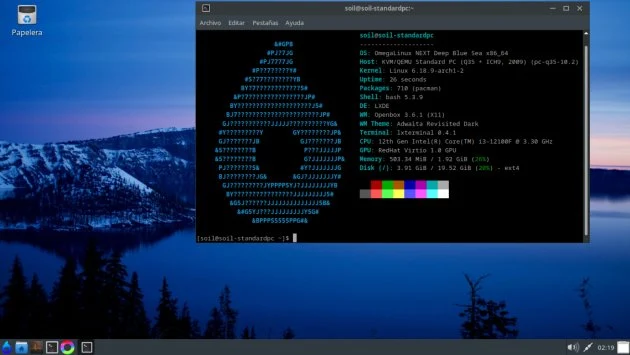
    Based on Lubuntu until now, OmegaLinux is making a significant move with its release yesterday, which is the first step into the world of Arch Linux. Due to some decisions made by Canonical in the past few years that weren’t very popular, this project is now transitioning to a base that is more friendly to the community, flexible, and open. The goal of this rebuild is to enhance performance, even on older hardware (unfortunately, support for older hardware doesn’t extend back to 32-bit platforms), while also providing access to the latest software and greater flexibility.

    Major Release Announcement

    As per the official GitHub project page, OmegaLinux 2026.02.21 is the largest release to date. Here are the key points from the official changelog:

    Even though the base of Arch Linux requires more technical expertise compared to Lubuntu, the rolling-release updates make it easy to keep the system up to date without needing to perform full reinstalls. Moreover, the Arch User Repository offers a broader selection of community-supported applications. The LXDE desktop environment has not changed, ensuring a seamless user experience on less powerful hardware.

    Download Information

    The single ISO file for this distribution is 1.65 GB in size. However, the source code is also available in both ZIP and TAR.GZ formats.

    Source:
    Link


  • SystemRescue 12.00: New LTS Kernel and Features for Computer Repair

    SystemRescue 12.00: New LTS Kernel and Features for Computer Repair

    Key Takeaways

    1. SystemRescueCD started in 2004 with i386 support, transitioned to i686 in 2007, and now exclusively supports x86_64 based on Arch Linux.
    2. The latest version 12.00 includes kernel 6.12.19 and Firefox 128.8.0 ESR, along with other updated tools like GParted 1.7.0 and nwipe 0.38.
    3. Version 12.00 introduces support for bcachefs and fixes display issues affecting grub on some hardware.
    4. An extensive list of package updates includes bind 9.20.6, e2fsprogs 1.47.2, and Python 3.13.2, covering various system needs.
    5. The release provides tools for disk management, recovery, security, networking, and more, ensuring comprehensive system repair capabilities.


    Back in the summer of 2004, SystemRescueCD 0.2.15 was released with support for the i386 architecture but did not come with a default desktop environment. By 2007, it added support for i686 and introduced WMaker. After spending two years with JWM, it transitioned to Xfce in 2009. Currently, it exclusively supports x86_64 and is based on Arch Linux. The most recent version, marked as 12.00, introduces several significant updates to this live system designed for repairing systems and recovering data after a crash.

    New Features in Version 12.00

    In December of the previous year, SystemRescue 11.03 was launched featuring the LTS kernel 6.6.63 alongside Firefox 128.5.1 ESR. With the 12.00 upgrade, the system now includes kernel version 6.12.19 and Firefox 128.8.0 ESR. Other notable additions include GParted 1.7.0, nwipe 0.38, and dump 0.4b49. Furthermore, it also provides support for bcachefs and a fix for display problems that may impact grub on certain hardware setups.

    Comprehensive Package Updates

    The list of packages that have been updated is extensive, featuring bind 9.20.6, e2fsprogs 1.47.2, glibc 2.41, kmod 34.1, mesa 25.0.1, openssh 9.9p2, openssl 3.4.1, perl 5.40.1, Python 3.13.2, qt 6.8.2, samba 4.22.0, systemd 257.4, along with xfdesktop 4.20.1 and xorg-server 21.1.16. The tools included in this release are as thorough as always, addressing various needs like storage and disk partitioning, file systems, networking, remote access, security, data recovery, secure deletion, file management, hardware diagnostics and testing, plus features for text editing, internet browsing, file handling, and scripting.

  • Bluestar Linux 6.11.3 Released with Updated Arch Packages

    Bluestar Linux 6.11.3 Released with Updated Arch Packages

    While Arch Linux has been around for over twenty years, Bluestar Linux is still two years shy of celebrating its 10th birthday. This German distribution aims to make Arch more user-friendly for everyone. Bluestar comes in three versions: Desktop, Deskpro, and Developer. It can be installed on a hard drive or SSD, but it also works well as a live distro with support for persistent storage. The latest version, which was announced this past weekend, is labeled 6.11.3 (the full release name is bslx_6.11.3.1.2024.10.12-x86_64) and focuses on updating most of its packages.

    Updated Packages

    Here are some key packages that have been updated along with their new versions:

    For those who want to try it out, the ISO file is available on SourceForge. It’s also important to note that Bluestar maintains its own software repository to offer more software options when needed. Alongside providing the latest available kernel, this distribution includes a wide variety of applications based on the flavor selected during installation.

    Useful Resources

    Because Bluestar is built on Arch Linux and utilizes many of its components, the book "Shiv Kumar Goyal’s a Practical Guide to Arch Linux" can be very useful. You can access the book for free if you have Kindle Unlimited, or you can purchase it in digital format for $9.99. The paperback edition is priced at $41, while the hardcover version is available for $61.

    Community Support

    If you’re interested in staying updated, you can follow Bluestar Linux on their Facebook page or check out DistroWatch for more information.

  • Valve Partners with Arch Linux to Boost Linux Gaming Experience

    Valve Partners with Arch Linux to Boost Linux Gaming Experience

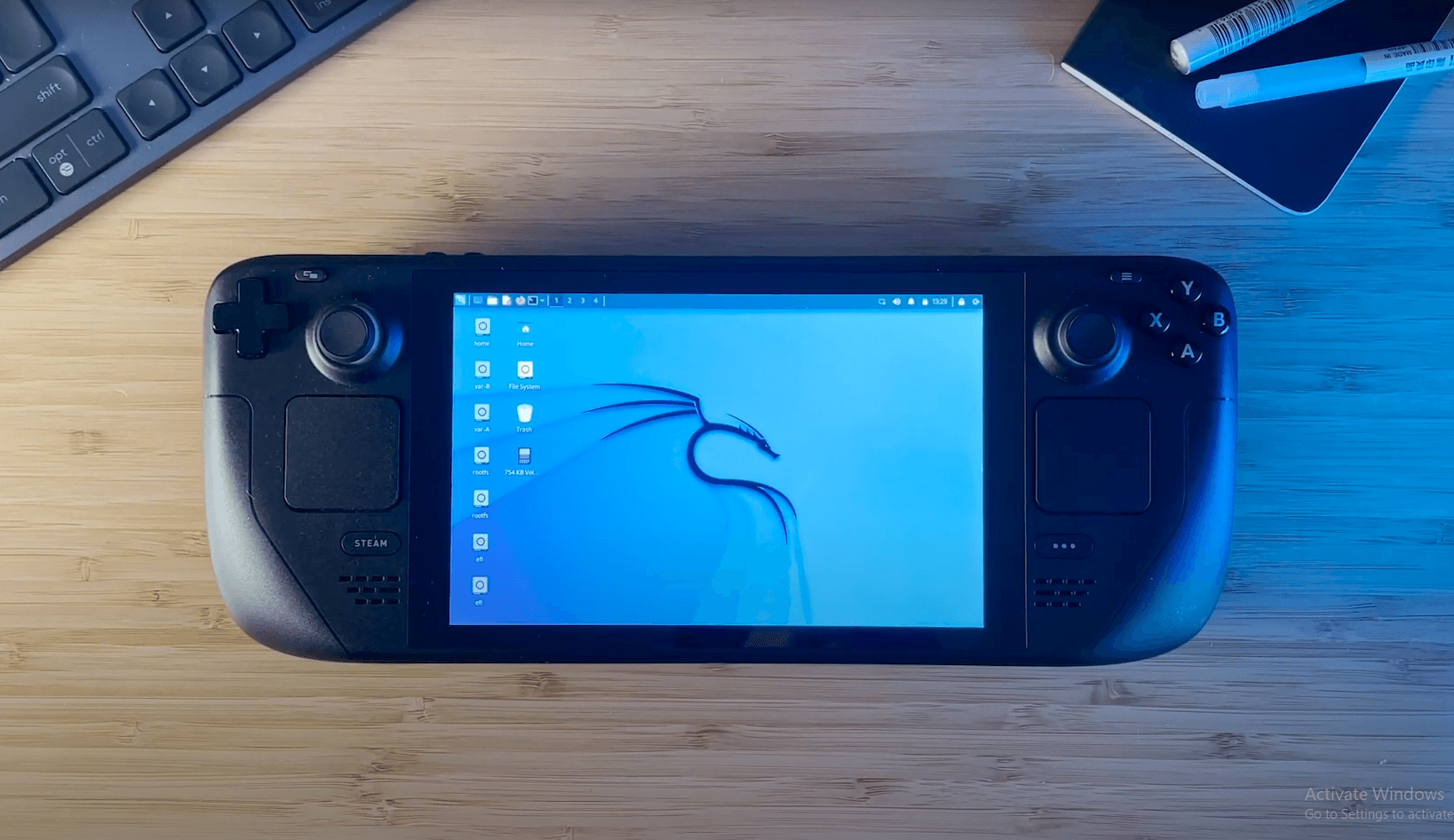
    It’s clear that the arrival of the Steam Deck marked a significant turning point for those involved in Linux gaming. This handheld device operates on SteamOS 3.0, which is based on the efficient Arch Linux. It utilizes the Proton compatibility layer to allow users to play Windows games, a feature that has been met with enthusiasm from both FOSS and Linux gaming fans.

    Exciting News for Linux Gamers

    In more good news for Linux gaming, Arch Linux has announced a forthcoming partnership with Valve, the creators of the Steam Deck (currently available for $540 on Amazon) and the Proton compatibility layer. Developer Levente Polyak shared that Valve will provide financial support for two major projects that could significantly influence Arch’s future. He stated, “We are thrilled to share that Arch Linux is starting a direct partnership with Valve. They are generously funding two important projects that will greatly affect our distribution: a build service infrastructure and a secure signing enclave.” He also mentioned, “We think this collaboration will be greatly advantageous for Arch Linux, and we are eager to provide updates on development through this mailing list as we make progress.”

    The Importance of Funding

    While the specific amount that Valve is willing to invest in Arch remains undisclosed, the importance of this deal is undeniable. This is not only a victory for Arch, but also great news for the entire Linux community. Gabe Newell, Valve’s founder, has been a supporter of Linux gaming for over a decade, famously stating at LinuxCon 2013 that “Linux and open source are the future of gaming.” Valve’s collaboration with Arch indicates a stronger commitment to the Linux environment.

    Why Arch Linux?

    One might wonder why Valve chose Arch. This choice wasn’t random; Valve’s preference for this streamlined, efficient distribution for SteamOS 3.0 is well-founded. Arch Linux is designed to be minimalistic, has a small resource footprint, and offers extensive customization options, making it an ideal base for a gaming platform. The collaborative effort will not only advance expectations for Linux gaming but also enhance SteamOS and, consequently, the Steam Deck.

    ArchLinux.org