Tag: Steam Deck

  • Modern RPG Game Earns Steam Deck Verified Rating Before PC Launch

    Modern RPG Game Earns Steam Deck Verified Rating Before PC Launch

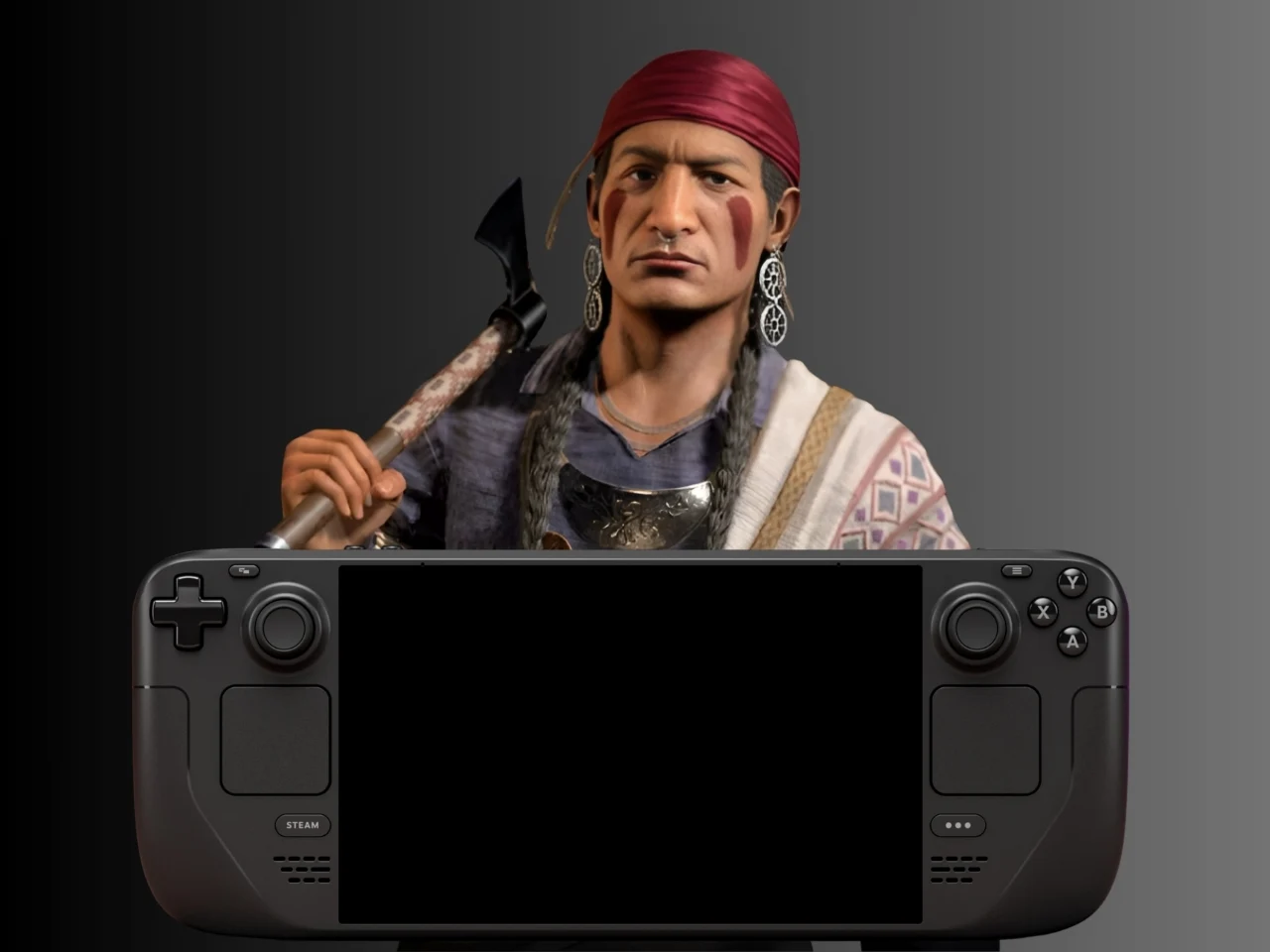
    Final Fantasy VII Rebirth was initially released on PS5 in February of last year, and just before the PC version’s debut, Square Enix revealed that the RPG has earned the Steam Deck Verified compatibility rating. This indicates that it will function seamlessly on the handheld gaming device without the need for any further tweaks.

    Launch Details

    For those who may have missed the news, the PC version of Final Fantasy VII Rebirth is scheduled to be released on January 23, 2025. The PS5 version has been praised by critics, achieving an impressive 92 points on Metacritic. Reviewers have particularly lauded its breathtaking graphics, and as Square Enix has shown, the game performs beautifully on the Steam Deck as well.

    Storyline Continuation

    If you haven’t had a chance to experience the game on PlayStation 5, Final Fantasy VII Rebirth picks up where the original story left off. It brings in fresh twists while featuring recognizable places and characters. Each character’s background is further developed in this latest installment of the franchise.

    Gameplay Improvements

    Naturally, the narrative takes significant departures from the original Final Fantasy VII. This introduces a layer of surprise regarding the story’s events and the destinies of its characters. The new version also brings in additional characters, enriching the overall narrative.

    Source:
    Link
  • Custom Steam Deck Case Transforms Handheld into Mobile Workstation

    Custom Steam Deck Case Transforms Handheld into Mobile Workstation

    Most handheld devices aren’t designed for productivity. The Legion Go, which features detachable controllers, could potentially serve as a makeshift workstation, but that’s the charm of PCs. Users often discover applications that the creators never envisioned.

    Productivity Limitations of the Steam Deck

    The Steam Deck isn’t the best choice for heavy work tasks. If you find yourself bringing along a separate keyboard and mouse, you might as well just take a laptop instead. There’s no kickstand, and trying to manage a 10,000-line spreadsheet isn’t exactly enjoyable, especially on the Deck’s modest 800p display. However, the community hasn’t let that stop them. The Deck can definitely handle a few emails and offers much more once you dive into the extensive library of Free and Open Source Software (FOSS) that’s accessible on Linux.

    A Handy 3D-Printed Solution

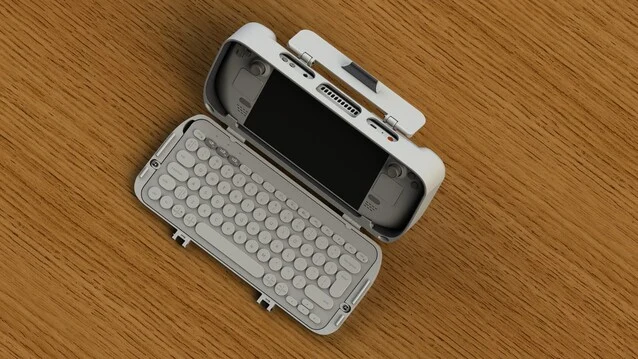
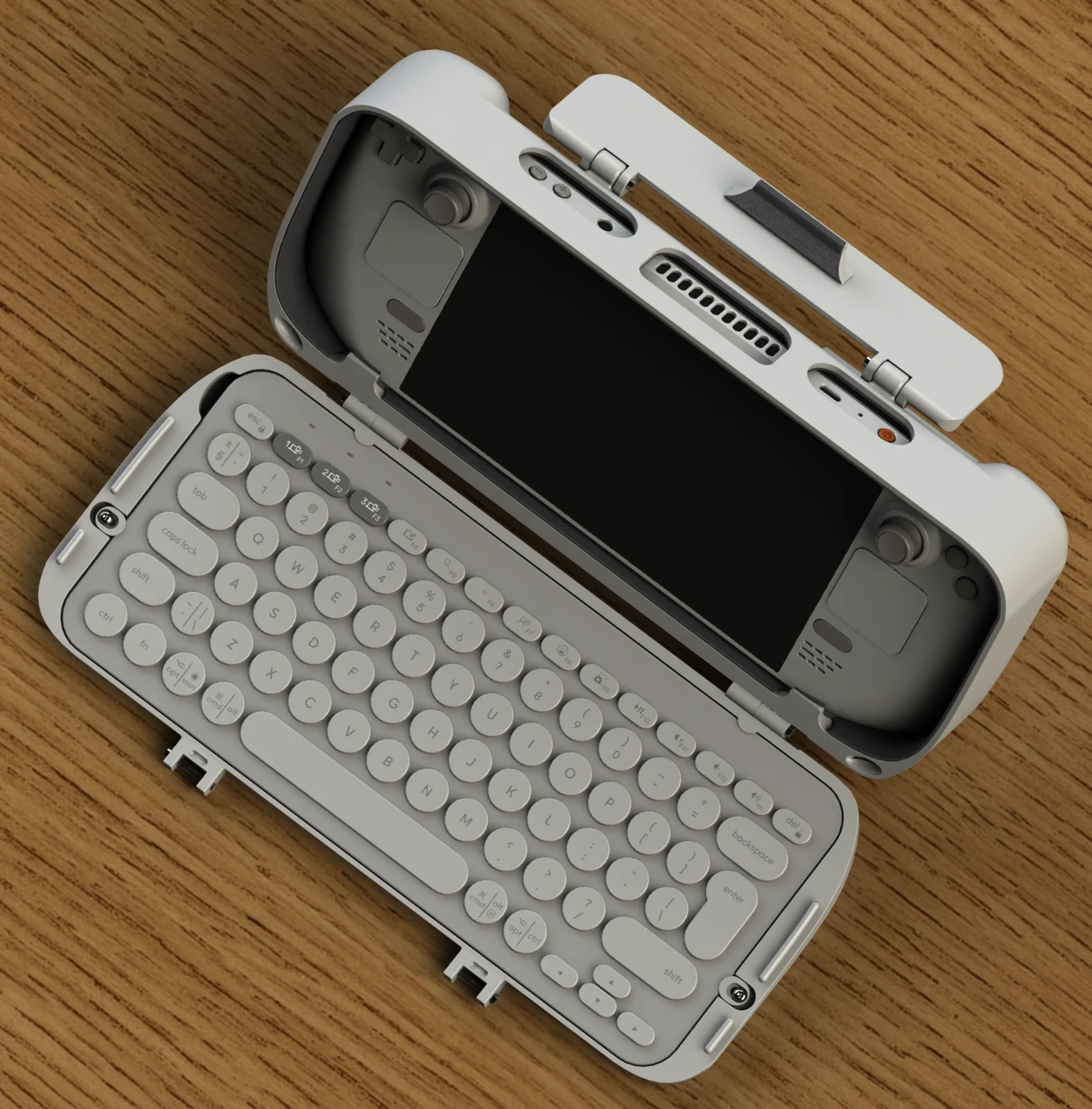
    If you’re not keen on lugging around multiple gadgets, you can use Natter_LT to 3D print your own Steam Deck “Play&Work” case for just $9.25.

    This case has some strong Steam Punk aesthetics, which only adds to its appeal. It includes several clever features, like the ability to easily insert a standard Logitech Pebble Keys 2 K380s (you can find this on Amazon) and detach it. It also has cutouts for all necessary ports and buttons, a handle for transport, and a built-in kickstand that opens up for air circulation around the Steam Deck’s vents. When it’s closed, the entire product is quite similar in size to the case that Valve provides.

    Great Value for 3D Printing Enthusiasts

    If you have access to a 3D printer with a minimum bed size of 300mm squared, spending $9.25 on the CAD files seems like an excellent deal for crafting the ultimate portable gaming and mobile office solution. If only we could create something similar for those who don’t own a Steam Deck.

    Source:
    Link


    Image 1
  • Civilization 7 Verified for Steam Deck: Manage Empires on the Go

    Civilization 7 Verified for Steam Deck: Manage Empires on the Go

    Guiding a civilization through three ages takes a lot of time. Luckily, owners of the Steam Deck will have the chance to play Civilization 7 wherever they go. This was confirmed by an announcement on the game’s official Steam page, stating that it’s now verified for the Steam Deck. The turn-based strategy game from Firaxis is set to be released on various platforms, including the handheld Nintendo Switch, on February 11th.

    Steam Deck Compatibility

    It’s not surprising that Civilization 7 works with the Steam Deck, as previous versions have run on this portable PC. Yet, while Civilization 6 is only marked as “Playable,” some user interface elements appear cramped on the 7.4-inch screen. Older versions of the game were also available on PlayStation, Xbox, and Switch, but the gaming experience was often inconsistent. This time, Firaxis aims to introduce its award-winning strategy series to new players by providing better controller support.

    Rising Competition

    Valve’s gaming system is facing more competition from various Windows 11 portable computers. The latest competitor is the Acer Nitro Blaze 11, which features an AMD Ryzen 7 8840HS and is expected to launch in Q2 2025. Its 11-inch display will be useful for strategizing attacks against rival civilizations. Other competitors, such as the Nitro Blaze 11 and Asus ROG Ally, offer greater raw power and native support for Windows games. However, the Steam Deck still holds a strong fan base among fans of strategy games.

    Performance Expectations

    Games compatible with the Steam Deck don’t always run perfectly. Civilization 7 is ambitious in its scope, featuring more legendary leaders who make important strategic choices that change the course of history. While it remains uncertain how well the game will perform, reasonable minimum PC requirements give mobile gamers a glimmer of hope for a smooth experience.

    Source:
    Link


    Image 1


  • Steam Deck 2: Valve Designer Talks Rumored AMD Ryzen Z2 Update

    Steam Deck 2: Valve Designer Talks Rumored AMD Ryzen Z2 Update

    Rumors about Valve possibly launching new hardware have been floating around for the past month or so, partly due to some leaks from databases. To summarize, information about the rumored Steam Controller 2 came out in late November. In addition, new details about Valve’s much-speculated ‘Deckard’ VR headset also surfaced, quickly followed by a leak regarding a gaming device codenamed ‘Fremont’.

    AMD Confirms Steam Deck Update?

    Today, VideoCardz published an article that claimed AMD had ‘confirmed Valve Steam Deck update’ as part of the Ryzen Z2 series announcement. This lead to various news outlets resharing the information, even though there was no clear reference to a new Steam Deck in the leaked documents shared by VideoCardz. Instead, the Steam Deck was mentioned alongside other devices like the Legion Go and ROG Ally, which use older Ryzen Z1 and Ryzen Z1 Extreme APUs.

    Valve’s Clarification

    However, Pierre-Loup Griffais, a key figure in the Steam Deck’s design, has stepped in to clarify Valve’s stance. He directly stated that ‘there is and will be no Z2 Steam Deck’, putting an end to the speculation right there.

    As for Valve’s official position, they have only mentioned plans for a next-generation Steam Deck to be released in ‘a few years’. Since the Steam Deck performs similarly to the Radeon 890M in benchmarks, it seems unlikely that the Ryzen Z2 series would be used for a device that Valve wants to deliver with ‘a significant bump in horsepower’.

    Upcoming Devices

    Meanwhile, there is solid evidence indicating that a SteamOS-powered Legion Go gaming handheld is nearing its launch. Lenovo has strongly suggested that this device will be revealed later this week at CES 2025. However, it won’t be a direct successor to the original Legion Go gaming handheld that Lenovo launched last year (currently priced at $619.99 on Amazon). Instead, it may come as a more affordable option with fixed controllers and a lower price point, aimed at meeting lesser performance targets.

    Source: Link


    Image 1
  • Jsaux 7-in-1 Docking Station with Cooling for Handheld Consoles

    Jsaux 7-in-1 Docking Station with Cooling for Handheld Consoles

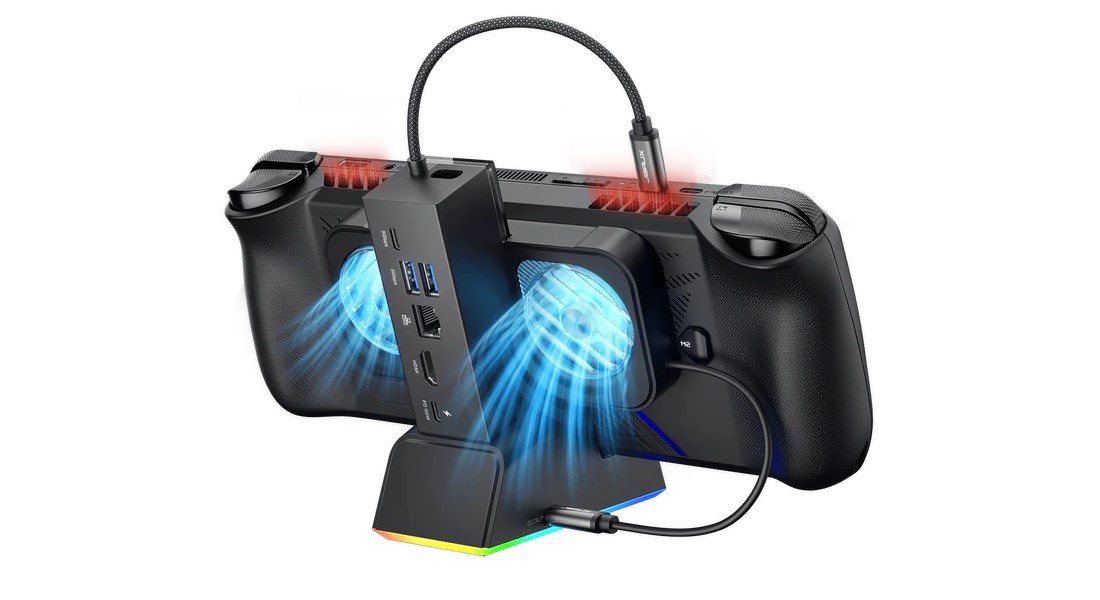
    Jsaux has introduced a new Docking Station, marking the first in its line to feature built-in fans that attach magnetically to align perfectly with the back of the user’s handheld device.

    Features of the Docking Station

    This docking station comes with dual fans that showcase Dynamic 7-Color Gradient RGB lighting. The base, which also serves as a cradle for the console, supports various RGB modes including Breathing, Chasing, Gradient, Monochromatic, and Stacking. Additionally, it maintains the same design as its 6-in-1 predecessor, enabling users to utilize the main dock body without the fans and base.

    Connectivity Options

    offer data transfer speeds of 5Gb/s

    However, the manufacturer only lists compatibility with specific consoles, namely the Steam Deck, Steam Deck OLED, and Lenovo Legion Go. Unfortunately, others, like the MSI Claw, may not work with this docking station.

    Pricing and Availability

    The 7-in-1 RGB Cooling Docking Station is currently available for pre-order directly from Jsaux for $59.99. In comparison, the non-RGB 6-in-1 version can be found on Amazon for a reduced price of $36.80, thanks to a 20% discount coupon, as of today, December 26, 2024.

    Source: Link


    Image 1
  • Ayaneo Flip KB Handheld Console: Great Functionality & Performance

    Ayaneo Flip KB Handheld Console: Great Functionality & Performance

    While the Steam Deck console and its clones feature a sleek design that merges a screen with game controllers on either side, they can appear rather bulky, particularly with models boasting screens larger than 7 inches. To address this issue, manufacturers have looked back to the Nintendo DS clamshell style, which allows users to open and adjust the screen. Although this design isn’t as trendy as the Steam Deck’s right now, more console creators are beginning to embrace it. Ayaneo has recently introduced its version with the new Flip KB / DS model.

    Testing the Flip KB Model

    We had the chance to try out the Flip KB version, which swaps out the lower screen for a mini keyboard. The clamshell design is not only stylish but also more compact than typical Steam Deck clones, even if it does have a bit more thickness. It runs on AMD’s Ryzen 7 8840U, housing eight Zen 4 cores and sixteen threads alongside the Radeon 780M integrated GPU. This console impresses with solid functionality and respectable graphics performance, all while keeping its thermal design power (TDP) capped at 30 W.

    Display and Features

    On the bright side, the console boasts a 7-inch IPS display with a glossy finish and an average peak brightness of 720 nits. Since the reviewed model was a pre-mass-production version, the resolution was limited to 1080p, so we couldn’t test lower resolutions that could use less power. Other advantages of this model include top-notch game controllers, future-ready connectivity through USB4 and OCuLink ports, a speedy microSD card reader, and the AYASpace 2.0 control center.

    Downsides to Consider

    However, there are certain downsides as well. The CPU performance lags a bit behind other chips like the Z1 Extreme or the older R7 7840U that aren’t restricted by a 30 W limit. Additionally, the overall power efficiency doesn’t quite match the TDP limit. Under full load, the fan noise is noticeably higher than average, even though the cooling system employs a vapor chamber. Battery life is also impacted by the smaller 45 Wh capacity and the previously mentioned locked resolution.

  • Playtron OS Alpha 2: Enhanced Hardware Support Features

    Playtron OS Alpha 2: Enhanced Hardware Support Features

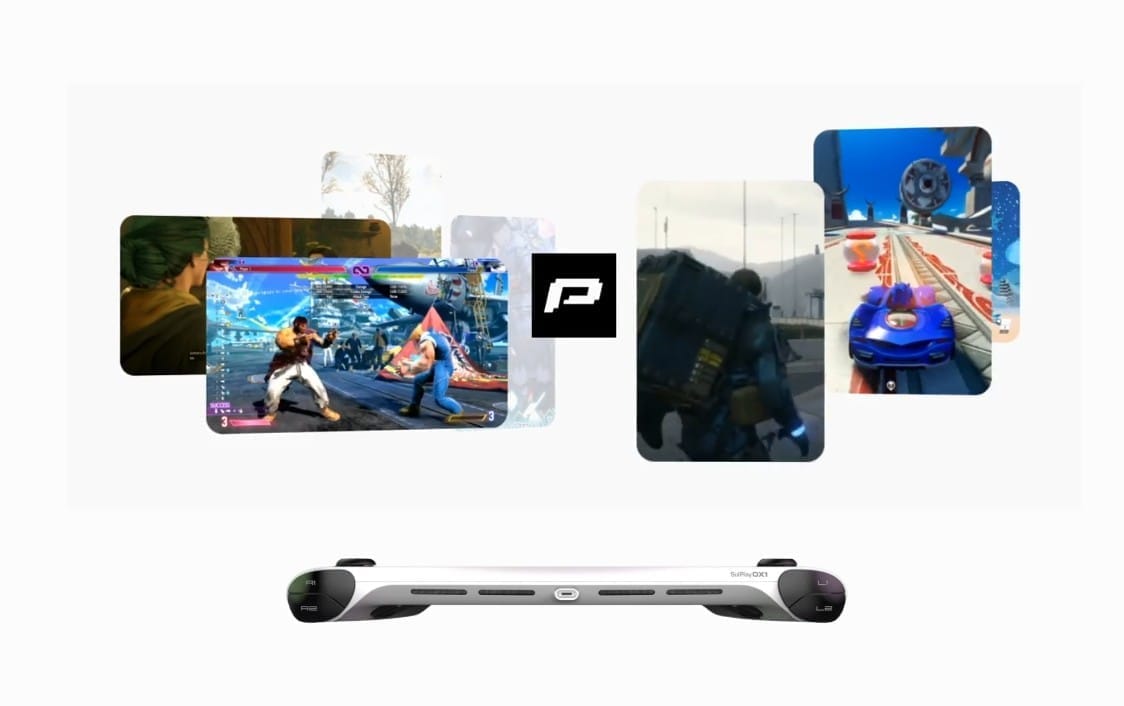
    For those who don’t know, Playtron OS is a gaming-focused operating system based on Fedora Linux. Since the launch of Steam OS, many companies have been trying to produce their own OS to rival Valve’s offering. The Playtron OS development team aims to create a lightweight and secure distribution which works well with popular gaming handhelds like the Steam Deck, ASUS ROG Ally, and AYANEO devices, while also ensuring compatibility for games that are not just on Steam. Interestingly, the OS isn’t just for handhelds; the alpha two version includes features that will also assist laptop and desktop users.

    Key Updates in the Alpha Two Release

    The main focus of the Playtron OS alpha two release is on hardware support. Here are some key highlights from the latest update:

    The Playtron OS Alpha Two introduces several new features and significant updates to various components.

    Known Issues in Alpha Two

    However, as this is still an alpha version, there are several bugs that need to be fixed. Many of the problems from alpha one persist, and users may encounter some entirely new issues in alpha two. Those interested in trying out the OS should take note of some critical problems, such as:

    As expected with an alpha release, the list of bugs is ongoing. For further information on the update or to download the OS, please check out the official announcement linked below.

    Source: Link

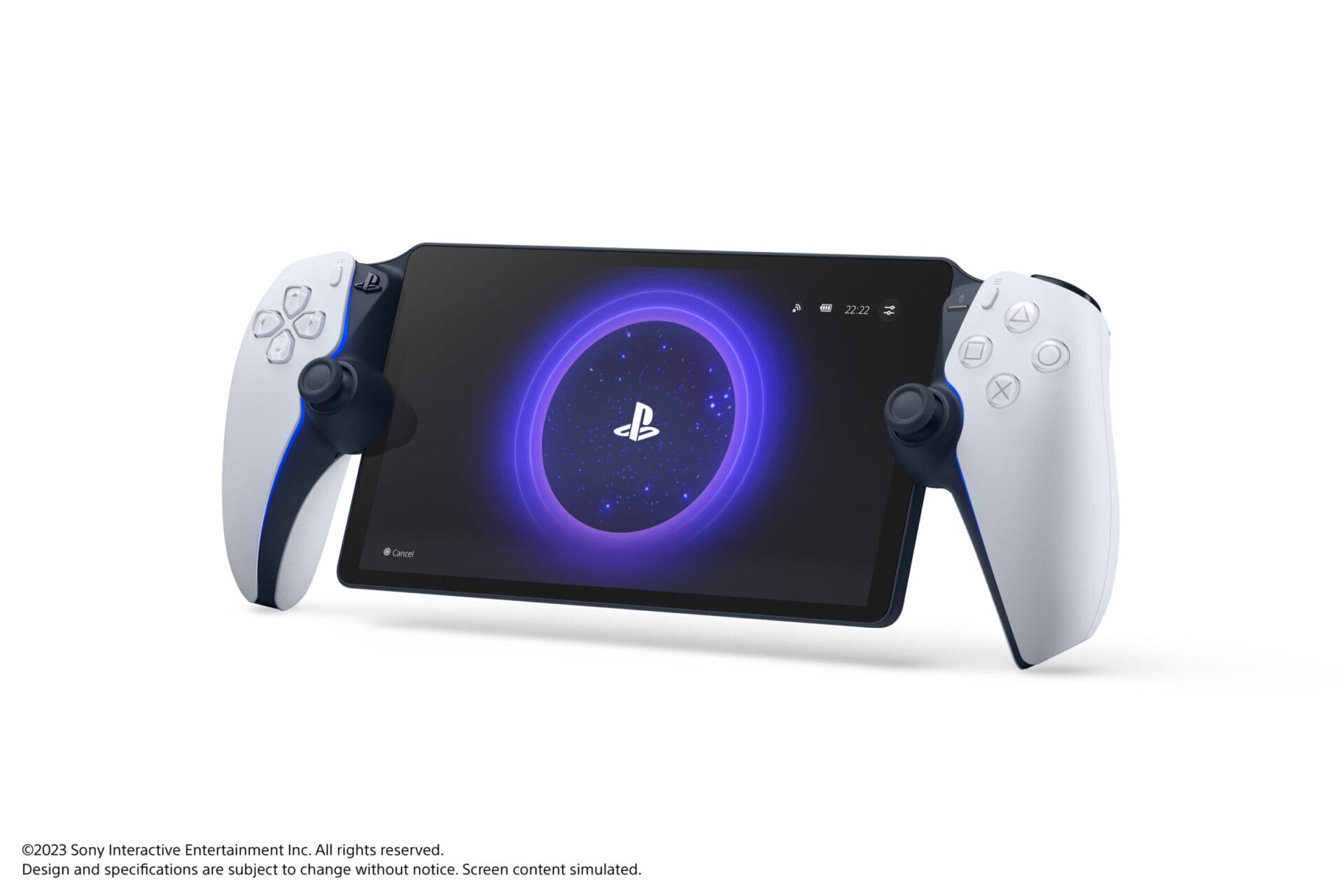
  • Sony Developing Handheld Console for Native PS5 Game Play

    Sony Developing Handheld Console for Native PS5 Game Play

    A previous speculation suggested that Sony was closely monitoring the handheld console scene after the Steam Deck achieved great success. Although Sony did release the PlayStation Portal, it’s not really a direct rival to the many Windows-based consoles available today. Now, a report from Bloomberg reinforces the idea of Sony possibly re-entering the handheld gaming market.

    Sony’s Future Plans

    Sony’s concept “builds on” the PS Portal and aims to allow players to enjoy PlayStation 5 games while traveling. Of course, this project is still in the initial phases of development, so it likely won’t be available for some time. Creating a handheld device that can deliver PS5-level graphics will require significant advancements in technology that simply aren’t ready yet.

    Technical Challenges Ahead

    To begin with, high-bandwidth memory will be necessary to supply the GPU with data efficiently. This might be somewhat addressed with LPDDR6 modules. Then there’s the challenge of finding a CPU and GPU combination that can produce PS5-quality graphics without excessive power consumption. A Zen 4/Zen 5 along with a UDNA chip could potentially make this happen, but that won’t be anytime soon.

    Additionally, for Sony and AMD to succeed, they will need access to TSMC’s advanced manufacturing processes. Traditionally, AMD has lagged by one node, so if that trend continues, they might not have access to TSMC N2 until 2026, which could set the stage for a 2027 launch. All these elements, along with AI image upscaling techniques like PSSR, should make the concept feasible, at least in theory.

    Developer Support Challenges

    However, there’s also the hurdle of developer backing. Game studios will have to release toned-down versions of their titles to function on the PlayStation handheld, complicating the entire process. Ideally, Sony would benefit from positioning this device as a companion to the PlayStation 6. This separation actually makes sense, as it provides two distinct ways for users to engage with the same games.

    An earlier statement from Phil Spencer of Xbox indicated that Microsoft is also developing a handheld console that is “a few years away.” There’s a strong possibility that both devices could launch within weeks of each other, escalating the competition in the console market. Plus, we can’t forget about the Steam Deck 2, which has been said to not be launching soon, but Valve could disrupt Sony and Microsoft’s plans with its next-generation handheld.

    Source: Link

  • Xbox App Receives UI Overhaul for Windows Gaming Handhelds

    Xbox App Receives UI Overhaul for Windows Gaming Handhelds

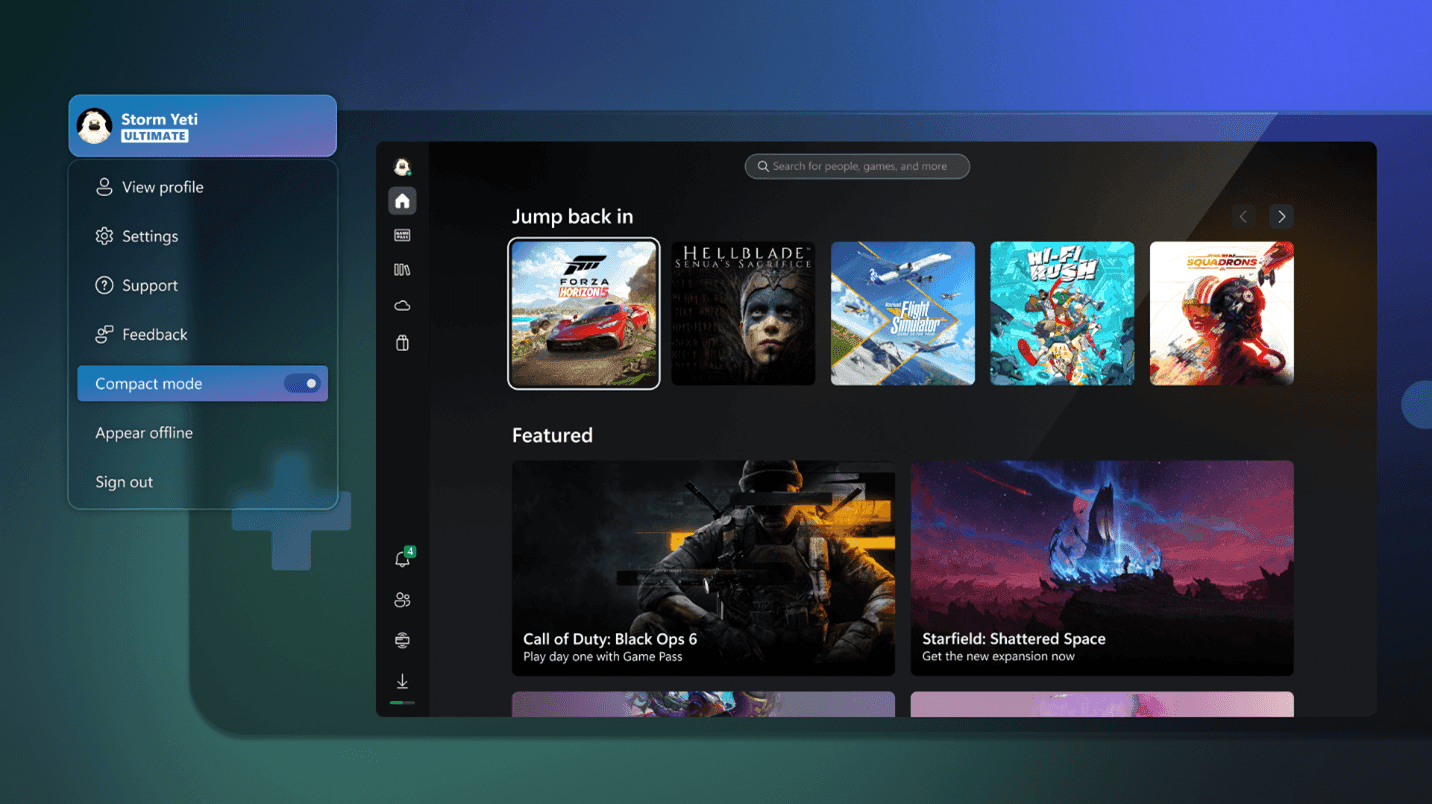
    Microsoft appears to have finally acknowledged the competition in the gaming arena. They recently confirmed they are developing a handheld gaming device and are now working to enhance the Xbox app experience across multiple gaming platforms. An update is being rolled out for the Xbox App on Windows, introducing a new Home experience and a Compact mode designed for handheld devices, which seems to be heavily influenced by Valve’s Steam Deck.

    Home Layout and Compact Mode

    The most significant changes come from the redesigned Home layout and the introduction of Compact mode, which features a new function called “Jump Back In.” This new ribbon showcases recent games, much like the Recent Games section found in Steam Deck’s SteamOS and Steam Big Picture. When Compact mode is activated, this section appears in the upper half of the Xbox App for Windows. This update aims to simplify returning to your most recently played games on devices like the Asus ROG Ally (currently priced at $499 at Best Buy).

    Enhanced Navigation and Features

    The revamped Home UI for the Xbox app on Windows now includes a clean column of icons and shortcuts on the left side of the screen, enhancing navigation on smaller displays. Additionally, the update brings news and suggested content from Game Pass and the Xbox Store directly into the Home UI, again borrowing ideas from the SteamOS framework.

    The new Home experience combines the latest and most exciting content from Game Pass and the Store into one easy-to-access location. Users will also find access to the latest games, news, tailored recommendations, free-to-play offerings, and special deals.

    Competition with Valve

    Valve has also stirred things up with recent SteamOS updates that improved compatibility with the Asus ROG Ally’s display and button setups. The company has declared that SteamOS will eventually be downloadable as an ISO for other AMD-based gaming systems and handheld PCs, which predominantly operate on Windows—an operating system often criticized for its inadequate handheld optimizations. With Microsoft’s handheld-oriented updates, it seems that both Valve and Microsoft are in a direct competition, aiming to create a widely available handheld operating system.

    For comprehensive details on the November Xbox App update, including a new friend request feature and AI-powered search, you can check the full notes here.

    Source: Link


    Image 1
  • Steam Deck Now Available in Australia for Gaming Enthusiasts

    Steam Deck Now Available in Australia for Gaming Enthusiasts

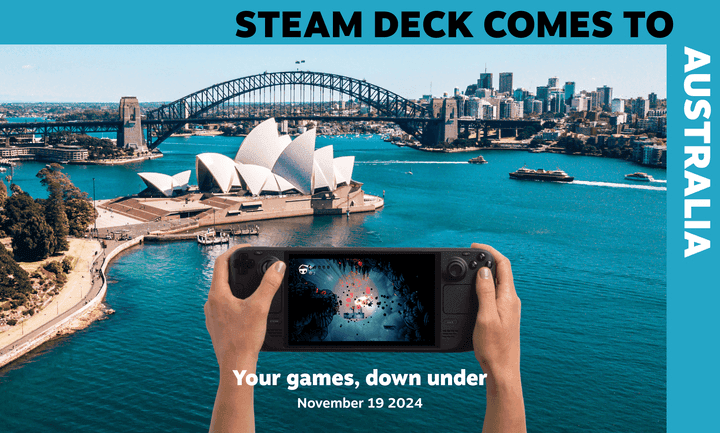
    Gamers in Australia have some exciting news: Valve will start selling the console in their region on November 19. As of now, it seems that pre-orders are not yet available, but this should change soon. The shipping for the consoles will commence at 10 AM AEDT on November 19.

    Variants and Pricing

    Valve is offering both the LCD and OLED versions of the Steam Deck. The LCD variant comes with 256 GB of storage and is priced at A$649 (US$428). If you’re looking for more storage, the 512 GB Steam Deck OLED will cost A$899 (US$593), while the 1 TB model will be available for A$1,049 (US$691).

    Discontinuation of LCD Variant

    As previously mentioned, Valve has basically stopped producing the Steam Deck LCD variant, so it will eventually run out of stock. This isn’t necessarily a bad thing, as the OLED version has several quality-of-life improvements that makes it a better choice. These enhancements include a bigger battery, Wi-Fi 6E support, and a smaller 6 nm SoC.

    The Future of Handheld Gaming

    Moreover, a new Steam Deck isn’t expected to release in the near future. However, the handheld gaming market has become more diverse with big names like Asus, MSI, Acer, and Lenovo getting involved. There are also many options from Chinese companies such as Ayaneo, AYN, OneXPlayer, and Aokzoe to consider.


    Image 1