Tag: Samsung

  • Samsung Boosts DDR4 RAM Production Amid Ongoing Price Shortage

    Samsung Boosts DDR4 RAM Production Amid Ongoing Price Shortage

    Key Takeaways

    1. DDR5 RAM prices are high, leading buyers to consider older DDR4 options despite their increased costs.
    2. Samsung plans to continue DDR4 RAM production until 2026 but does not expect price reductions or improved supply.
    3. Samsung’s strategy focuses on enterprise clients, with NCNR agreements ensuring stable pricing and supply for DDR4.
    4. Competitor SK Hynix will also produce DDR4 RAM, but prices are expected to remain high; outdated gaming PCs may benefit.
    5. Industry experts believe the memory shortage may not last long, with potential price stabilization in about six months.


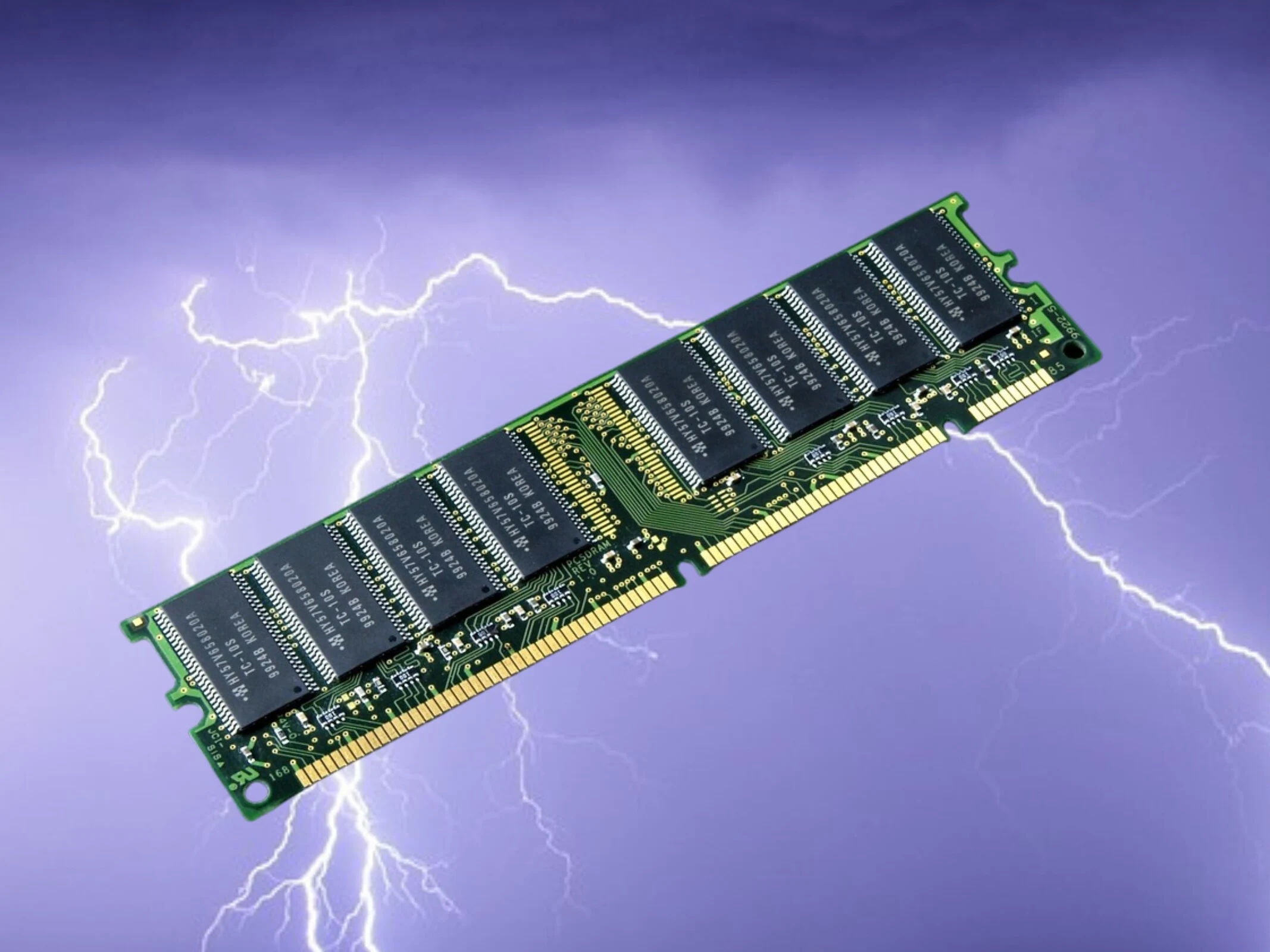
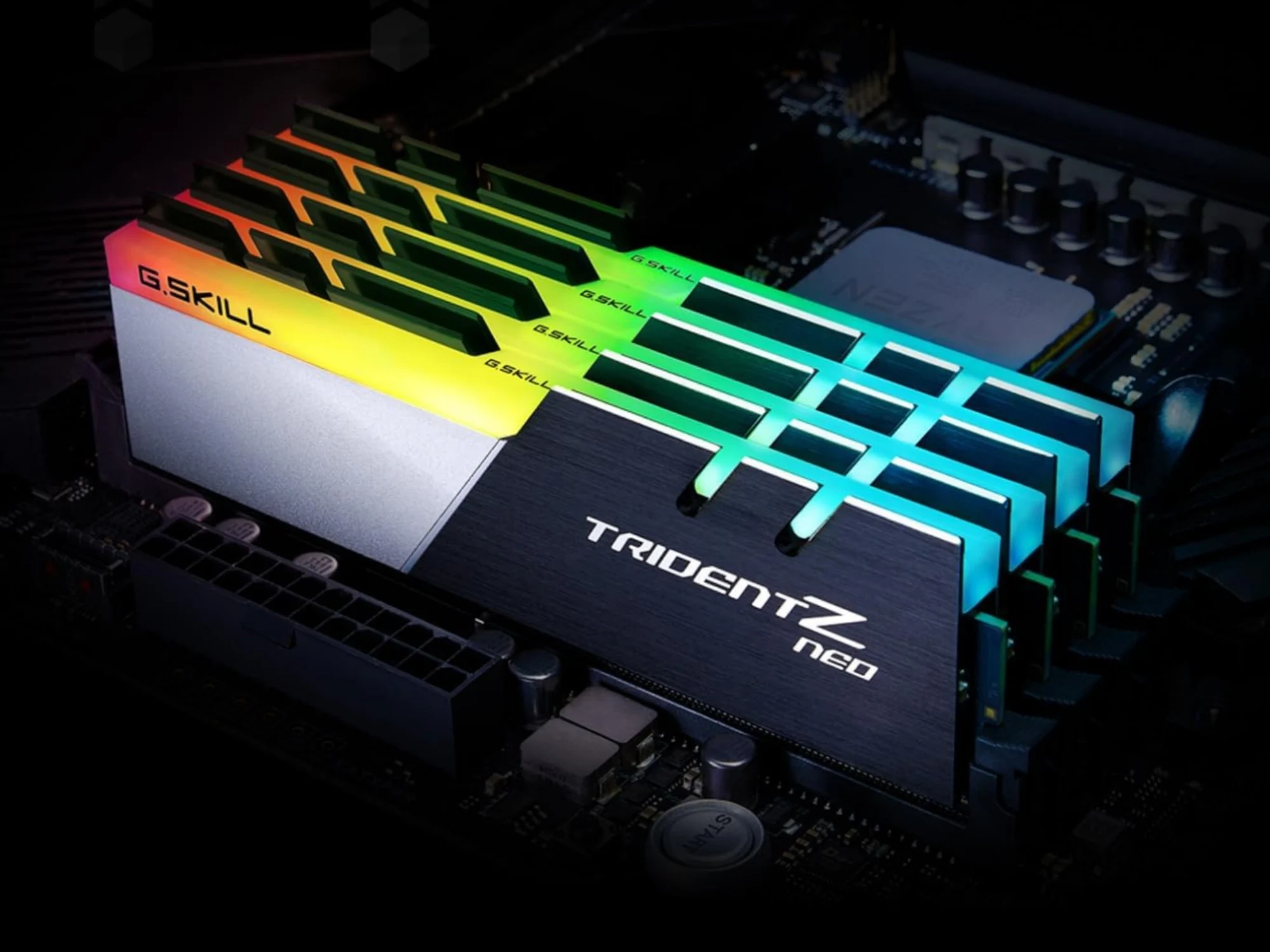
    With the prices of DDR5 RAM skyrocketing, many buyers have turned back to older memory options for some relief. Although these older components are also pricier, some PC builders are ready to make compromises regarding performance. As reported by DigiTimes, Samsung has decided to keep producing DDR4 RAM until 2026. Unfortunately, this new plan is not expected to result in lower prices or a better supply for customers.

    Sales Trends and Production Adjustments

    The Taiwanese site notes that demand for older memory components remains robust. This has led Samsung to adjust its strategies to maximize profits. However, similar to its specialized DDR5 chips, the focus remains on enterprise clients and server setups. It is said that the company has already entered into a Non-Cancellable, Non-Returnable (NCNR) agreement with a specific customer.

    This contract guarantees a consistent supply of DDR4 RAM at a predetermined price, protecting Samsung from fluctuations in the market. This arrangement helps alleviate worries that demand from AI data centers might decrease. Regrettably, Samsung does not plan to ease the memory shortage by increasing its production output.

    Competitors and Market Dynamics

    Another key player in the market, SK Hynix, will also continue to produce DDR4 RAM in their factories. However, buyers in urgent need should expect prices to stay at historic highs. On a brighter note, gaming PCs that are somewhat outdated might find a chance for revival.

    One upside is that Intel’s 12th-14th generation CPUs can work with motherboards compatible with older memory types. Some gamers might be exploring online marketplaces for second-hand components. Meanwhile, companies are reacting to the situation by launching new products. ASRock has recently introduced its H610M Combo micro-ATX motherboard, which accommodates both DDR4 and DDR5 memory.

    Market Outlook and Gamer Resilience

    Not every source in the industry sees the memory shortage as a long-term concern. Edward Crisler, a public relations manager at Sapphire, advised gamers against panic-buying. During an episode of The Hardware Unboxed Podcast, he suggested that prices could stabilize within six months. Crisler also praised gamers for their ingenuity, noting how they have historically adapted by making the best use of older hardware during tough times.

    Source:
    Link


  • Samsung Unveils AI-Powered Bespoke Refrigerator with Google Gemini

    Samsung Unveils AI-Powered Bespoke Refrigerator with Google Gemini

    Key Takeaways

    1. Samsung will showcase its high-end kitchen appliance, the Bespoke AI refrigerator, at the First Look event before CES 2026.
    2. The refrigerator features an internal camera and Gemini technology, allowing it to detect a wider range of food items and recommend recipes.
    3. Gemini can read wine bottle labels in wine refrigerators to maintain an inventory list.
    4. Samsung is launching new AI-enabled appliances, including the Bespoke AI AirDresser and refreshed AI Laundry Combo for faster wash-to-dry cycles.
    5. Innovations in air conditioning include the WindFree Air Conditioner Pro with improved airflow and the Bespoke AI Jet Bot Steam Ultra robot vacuum cleaner, requiring less human involvement.


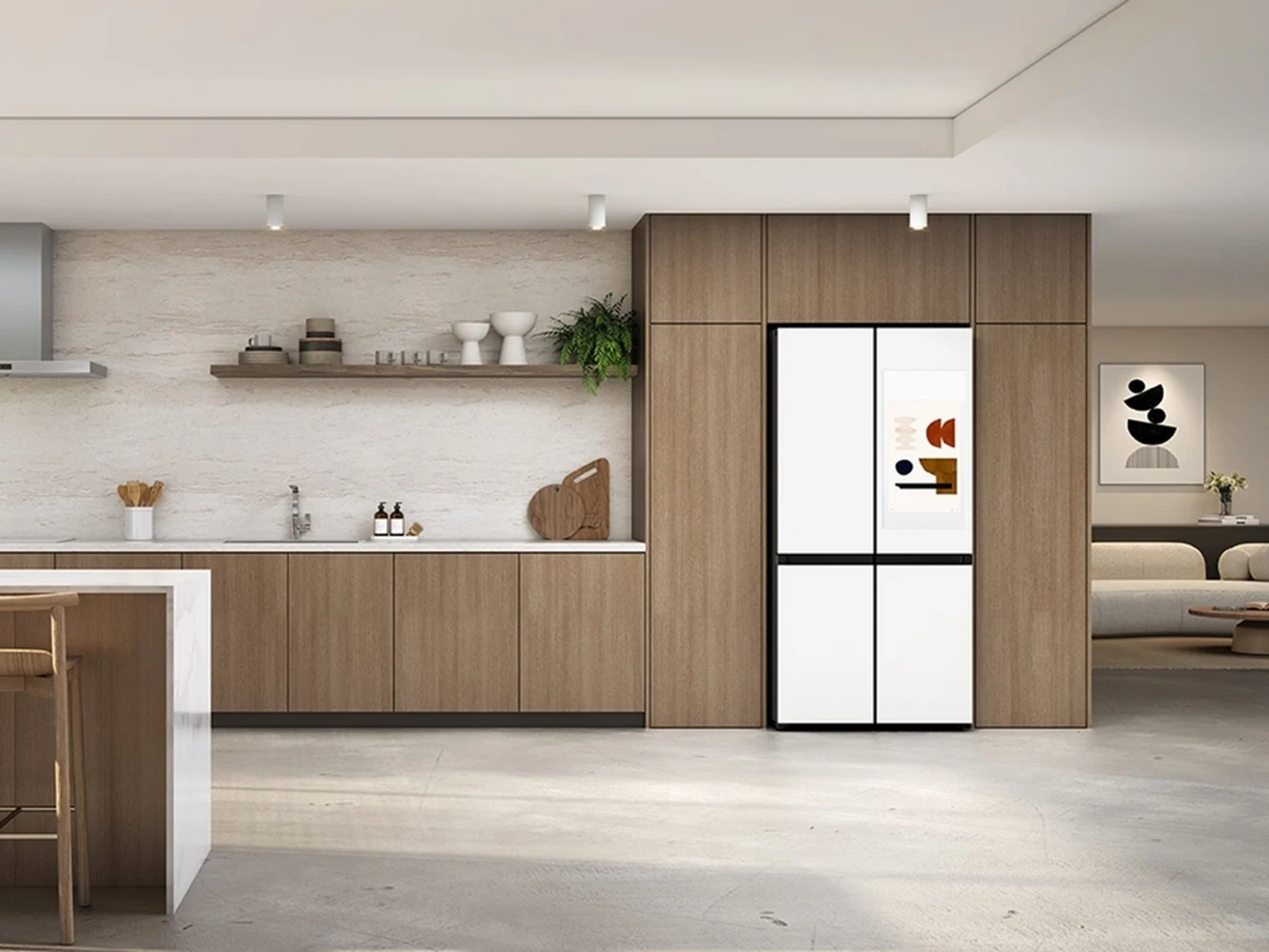
    Samsung, a leading South Korean company, is set to showcase its high-end kitchen appliance at the First Look event prior to the Consumer Electronics Show (CES) taking place in the United States in January 2026.

    Smart Features of the Refrigerator

    The Bespoke AI refrigerator stands out due to its ability to detect various food items inside it, which is made possible by an internal camera. This appliance is the first of its kind to feature Gemini, enabling it to recognize a broader range of food items compared to previous versions.

    Using Gemini, Samsung will be able to recommend recipes based on the ingredients it identifies. Additionally, the AI will assist users in creating shopping lists for restocking their supplies.

    Advanced Capabilities

    Furthermore, Samsung indicated that Gemini would be able to read wine bottle labels in its wine refrigerators, using that information to keep an inventory list.

    The tech giant has been advancing AI-driven devices even prior to partnering with Google. Samsung has announced plans to unveil its newest AI-enabled home appliances at CES 2026. Among these is the Bespoke AI AirDresser, designed to quickly remove wrinkles. The refreshed Bespoke AI Laundry Combo will provide faster wash-to-dry cycles along with enhanced drying capabilities.

    New Innovations in Air Conditioning and Cleaning

    The latest WindFree Air Conditioner Pro will feature improved airflow thanks to two extra blades, allowing it to direct air in various directions. Lastly, the revamped Bespoke AI Jet Bot Steam Ultra robot vacuum cleaner will demand even less human involvement during its operation.

    Source:
    Link


  • Samsung Employees Accused of Taking Bribes Amid DDR5 RAM Price Surge

    Samsung Employees Accused of Taking Bribes Amid DDR5 RAM Price Surge

    Key Takeaways

    1. Samsung is investigating possible kickbacks from distributors amid a memory shortage, indicating potential internal corruption issues.
    2. The demand for DRAM, particularly for AI data centers, is driving DDR5 prices to new highs, with predictions of sustained high prices until at least 2028.
    3. There are suspicions that senior Samsung employees in Taiwan may have violated internal rules related to the memory supply chain.
    4. Consumer distrust in memory manufacturers is rising due to increased prices and perceived neglect from companies like Micron.
    5. Despite current challenges, some experts believe DDR5 prices may improve in the near future, potentially benefiting the overall hardware market.


    Whenever a part becomes hard to find, some people try to make money from the situation. In this instance, it looks like Samsung workers might be taking advantage of the memory shortage. According to DigiTimes, some suppliers in Taiwan are said to have received kickbacks from distributors. This prompted the company to start an investigation, which led to changes in its marketing and sales teams.

    Increasing Demand for Memory

    With DRAM supplies running low, Samsung and other big players are focusing on AI data centers. As demand from businesses grows rapidly, DDR5 prices have reached new highs. Certain analysts predict that prices won’t decrease until 2028 or even later. Consequently, anyone who can get their hands on this memory could earn significant profits.

    Potential Bribery Issues

    It’s not clear how much distributors were prepared to pay Samsung employees or the size of possible bribes. Nevertheless, when buying in large quantities, the chance for profit was likely very high.

    Samsung has been quiet about the report, which isn’t surprising. However, DigiTimes suggests that the chip manufacturer has recently interviewed several employees in Taiwan. There are suspicions that even workers at the “senior management level” may have violated internal rules. The issue might also reach beyond Taiwan, with possible connections in Singapore and China.

    Consumer Distrust Grows

    Nowadays, consumers have more reasons to be skeptical of memory makers. Other companies, like Micron, have stopped their Crucial brand, leaving buyers feeling neglected. The rising costs are not just affecting DRAM; storage prices are also going up. Samsung denied a rumor that it would stop making SSDs, which could have made the situation worse.

    The whole hardware sector is facing challenges, as buyers are paying extra for essential parts. Still, not every company has such a dark view of the future of PC building. A representative from Sapphire PR thinks that DDR5 prices might improve in about six months, which would also help the VRAM used by GPUs. Until that happens, distributors will search for any way to buy and resell the memory at inflated prices.

    Source:
    Link


  • Cloud AI Consumes Memory Chips: Impact on PCs and Phones

    Cloud AI Consumes Memory Chips: Impact on PCs and Phones

    Key Takeaways

    1. Memory Shortage Crisis: There is a significant shortage of memory chips, with prices increasing by 100% since early 2025, and supply is not expected to stabilize until 2027 or 2028.

    2. Shifting Production Focus: Major memory manufacturers are prioritizing production of high-performance memory for AI data centers, reducing output of older components essential for PCs and smartphones.

    3. Impact on Consumer Technology: Increased memory prices are leading to higher costs for PCs and smartphones, with potential declines in global smartphone shipments expected in 2026.

    4. Long-Term Outlook: The memory shortage is seen as a long-term barrier to AI growth, as the availability of RAM and high-bandwidth memory will limit the expansion of AI capabilities.

    5. Market Disparity: Tech giants with financial resources are securing long-term memory contracts, putting smaller manufacturers and budget smartphone brands at risk of being priced out of the market.


    The surge in AI technology is not just about the lack of GPUs anymore. An influx of new AI data centers is now consuming the world’s available memory chips, leading tech companies and device manufacturers to vie for the limited supplies of DRAM, NAND flash, and high-bandwidth memory (HBM).

    Memory Shortage Crisis

    According to a Reuters report that includes insights from almost 40 industry executives and insiders, there is a significant shortage of memory that has already caused some memory prices to increase by 100% compared to early 2025. Inventory levels are at historic lows, and experts predict that supply won’t stabilize until 2027 or 2028.

    Shifting Production Focus

    To meet the rising demand for AI, major memory manufacturers like Samsung, SK hynix, and Micron have redirected their wafer production toward HBM and high-performance DRAM for data center GPUs. This shift has led to a reduction in the output of older, yet essential components such as DDR4 and LPDDR4, which are used in PCs, laptops, and budget smartphones.

    At the same time, tech giants like Microsoft, Google, and ByteDance are securing long-term contracts for memory supplies and sometimes placing indefinite orders. This strategy puts them ahead of smaller buyers, thereby reducing market flexibility. Analysts mentioned in the report caution that the growth of AI is facing a supply chain that cannot fulfill its immediate needs.

    Impact on Consumer Technology

    The ramifications of this crisis are already affecting consumer technology. Samsung has increased prices on certain memory products by up to 60% since September. Meanwhile, PC manufacturers and custom PC builders are warning of widespread price increases on systems that require a lot of RAM.

    Smartphone producers are also encountering challenges. According to Counterpoint Research, global smartphone shipments are likely to decline in 2026 as the rising cost of memory drives up the production costs of entry-level phones by 20–30%, with models priced under $200 being the most affected. Brands like Xiaomi and Realme have already indicated that they may need to raise retail prices if memory costs do not decrease.

    Long-Term Outlook

    With new memory fabrication facilities and process technologies taking years to develop, most analysts now view the memory shortage as a long-term limitation on AI expansion. As new GPU clusters become operational, many operators may discover that the availability of RAM and HBM—rather than the accelerators themselves—will dictate the pace at which AI capacity grows.

    Currently, tech giants with substantial financial resources and long-term agreements are in the strongest position to weather this crisis. In contrast, smaller OEMs, white-box manufacturers, and budget smartphone brands may find themselves priced out of the market or forced to produce lower-spec devices until the supply situation improves.


    Source:
    Link


  • DRAM Crisis Forecast: SK Hynix Predicts No Quick Recovery Until 2028

    DRAM Crisis Forecast: SK Hynix Predicts No Quick Recovery Until 2028

    Key Takeaways

    1. The memory crisis is worsening, with Samsung reportedly doubling contract prices for DDR5 RAM.
    2. Companies like Dell and Lenovo are limiting mid-range laptops to 8 GB of RAM due to the shortage.
    3. SK Hynix predicts the DRAM shortage could last until at least 2028, driven by slow production capacity expansion.
    4. AI data centers are significantly increasing demand for memory, impacting supply for PCs.
    5. While some experts believe DDR5 prices could stabilize in 6 to 8 months, SK Hynix’s outlook remains grim.


    The memory crisis, fueled by the rising needs of AI data centers, seems to be worsening. Reports indicate that Samsung has allegedly increased contract prices for DDR5 RAM by two times. Additionally, companies like Dell and Lenovo are reportedly restricting mid-range laptops to only 8 GB of RAM. The much-awaited Steam Machine might also experience delays or be launched as a basic model due to this shortage. While many are eager for a quick fix, SK Hynix offers a much grimmer perspective on the future.

    Long-lasting Shortage Expected

    SK Hynix suggests that the DRAM shortage could persist until at least 2028, as revealed in internal reports shared by tech analyst BullsLab Jay on X.

    The main factor contributing to this dismal forecast is the sluggish pace of expanding production capacity. New DRAM fabrication plants are not expected to provide substantial output until 2028. Meanwhile, demand continues to surge: AI servers are taking up an increasing portion of production, alongside the growing memory needs for PCs, especially as AI PCs become more popular (currently, a 2 x 16 GB kit of Crucial Pro DDR5 RAM is priced around $390 on Amazon).

    Market Imbalance Continues

    Due to the current mismatch between supply and demand, SK Hynix estimates that the DRAM market won’t find stability before 2028. However, this is only one perspective among many, and it doesn’t represent a fixed prediction—more positive forecasts are out there. For instance, Edward Crisler, PR manager at Sapphire, argues that DDR5 prices could stabilize within six to eight months, assuming consumers refrain from panic buying.

    Source:
    Link


  • Samsung Increases DDR5 Contract Prices by Over 100%

    Samsung Increases DDR5 Contract Prices by Over 100%

    Key Takeaways

    1. Samsung has raised DDR5 contract prices by over 100%, reaching $19.2 per Jukan, leading to ongoing high prices for DRAM.
    2. DDR4 prices are also increasing, with 16 GB now costing $18, impacting budget options for consumers and OEMs.
    3. Spot prices for DDR5 have significantly inflated in December, with no signs of price decreases for DDR4 either.
    4. OEMs are likely to pass the increased memory costs onto consumers, potentially raising prices for laptops and smartphones.
    5. Immediate purchases of memory products are advised, as significant price increases are expected in early 2026, with improvements not anticipated until 2027.


    It seems that the extremely high prices of DRAM are likely to continue, as Samsung has supposedly raised the contract price for DDR5 by more than 100%. This abrupt rise has pushed the DDR5 contract price to $19.2 per Jukan on X. According to reports from Taiwanese media, Jukan states that Samsung has told “downstream customers,” or OEMs, that there is “no stock!”

    DDR4 Prices on the Rise Too

    In addition to the increase in DDR5 prices, the contract pricing for DDR4 DRAM has also surged. Jukan mentions that the cost for 16 GB of DDR4 DRAM has now reached $18. Therefore, OEMs and consumers looking at DDR4 memory as a temporary, budget-friendly option may now face similar price hikes as those seen with DDR5.

    Spot Prices and Future Expectations

    Lastly, Taiwanese media has noted that, against the hopes of a gradual price decrease, spot prices for DDR5 memory have experienced even more significant inflation in December. DDR4 memory costs are also climbing, with “no signs of stopping.”

    Samsung’s increase in DDR5 contract pricing will directly impact the OEMs who purchase memory chips in bulk, and it’s likely that these OEMs will pass the extra costs on to consumers. For instance, Lenovo might raise the prices of its 2026 laptop models to reflect the new DDR5 pricing. Laptop manufacturers may also cut down on the memory in entry-level models to save money. The same could apply to smartphone producers like Apple and Samsung.

    So, if you find yourself needing a new phone, laptop, or desktop RAM right away, it could be wise to purchase what you need immediately. We anticipate significant price increases in the first quarter of 2026, and improvements are not expected until 2027.

    Source:
    Link


  • Samsung Launches 60W Charger for Galaxy S26 Ultra Charging Upgrade

    Samsung Launches 60W Charger for Galaxy S26 Ultra Charging Upgrade

    Key Takeaways

    1. The Galaxy S25 Ultra is expected to be unveiled in late February, currently priced at $1,051 on Amazon.
    2. Initial render images of the Galaxy S25 Ultra were released in a One UI 8.5 Beta update.
    3. The Galaxy S26 Ultra has been spotted at the FCC, with model numbers SM-S948B and SM-S948U.
    4. The Galaxy S26 Ultra will feature a Qualcomm Snapdragon 8 Elite Gen 5 and support Qi2-compatible accessories.
    5. The Galaxy S26 Ultra is expected to support faster charging up to 60 W, with a new charger priced at €52.90 (about $62) available separately.


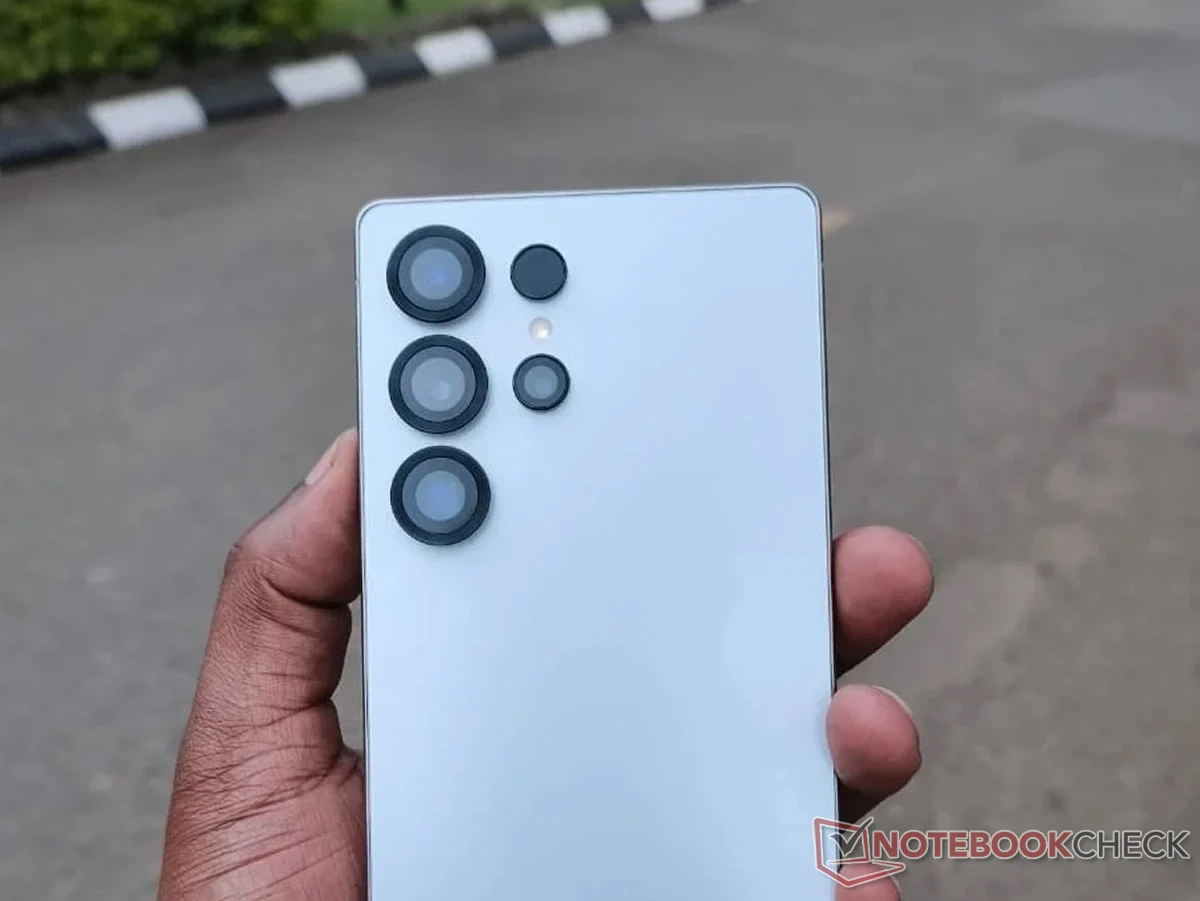
    Samsung is not likely to unveil the Galaxy S25 Ultra until late February (currently priced at $1,051 on Amazon). However, in recent days, several specific details about the upcoming model have come to light. For example, the initial official render images of the phone appeared in a recent One UI 8.5 Beta update.

    New Developments on the Galaxy S26 Ultra

    Shortly after, the Galaxy S26 Ultra was spotted at the Federal Communications Commission (FCC) in the US, designated as the SM-S948B and SM-S948U. This model will be powered by a Qualcomm Snapdragon 8 Elite Gen 5 and will support a range of Qi2-compatible accessories. Recently, there has been more proof backing earlier reports that the Galaxy S26 Ultra will feature faster charging capabilities compared to the previous version, as seen in certification by the CCC in China.

    Charging Capabilities and Accessories

    As shown in the screenshot below, the CCC has approved the SM-S948 for charging up to 60 W at 20V/3A. In line with this, Samsung has begun advertising a compatible charger on many of its regional websites. Notably, the company has started to sell the EP-T6010NBEGWW, which includes a single USB Type-C port, with a price tag of €52.90 (about $62). However, it is unlikely that this charger will be included with the Galaxy S26 Ultra upon its release.

    Source:
    Link


  • Samsung to Halt SATA SSD Production, Prices to Rise for 18 Months

    Samsung to Halt SATA SSD Production, Prices to Rise for 18 Months

    Key Takeaways

    1. Samsung is planning to completely exit the SATA SSD market, impacting consumer prices significantly.
    2. SATA SSDs still represent a large portion of retail sales, especially in budget segments, making their absence a concern for price stability.
    3. The removal of Samsung’s SATA SSDs could lead to supply shortages, raising prices for both SATA and NVMe drives.
    4. Unlike brand reshuffles, Samsung’s exit means a genuine decrease in supply, potentially causing panic buying among consumers and builders.
    5. Future pricing trends may improve by 2027, but the availability of low-cost SATA SSDs from Samsung is likely over.


    Samsung is said to be getting ready to shut down its SATA SSD production. A well-known hardware leaker has stated that this decision might have a bigger impact on consumer prices than Micron’s choice to stop its Crucial-branded consumer RAM. This information comes from Tom, who runs the Moore’s Law Is Dead YouTube channel. He claims that various sources in distribution and retail have confirmed Samsung’s long-term exit from the SATA SSD market. This news follows a report stating that Samsung has increased DDR5 memory prices by as much as 60%.

    Impact on Retail Sales

    Even though interest in SATA SSDs is decreasing among enthusiasts, they still play a significant role in retail sales. They make up a large portion of the best-selling SSDs on major sites like Amazon, especially in budget and upgrade categories. Tom points out that losing a major manufacturer like Samsung could restrict supply and lead to higher SSD prices across the board, at least in the near to medium term.

    Supply Concerns

    Tom emphasizes that the main concern isn’t whether SATA SSDs are outdated, but how much they still contribute to the market. He mentions that around 20% of Amazon’s top SSD bestsellers are still SATA-based, with Samsung drives being a significant part of this. If that quantity is removed from the market, even gradually, it lowers the overall availability of SSDs, which raises prices for both SATA and NVMe drives.

    This aligns with a recent forecast from memory expert Dave Eggleston, who told Tom during a podcast, while addressing a question from the audience, that NAND SSDs might be the next PC components to see price hikes.

    A Different Scenario

    Tom also notes that Samsung’s decision is quite different from a brand reshuffle. Sources indicate that Samsung intends to completely stop SATA SSD production after completing current contracts, instead of just supplying the same NAND under different consumer brands. This results in a real supply decrease, not merely a change in branding. Moreover, the potential difficulty in sourcing SATA could lead to panic buying among system builders and companies that still depend on this interface, which Tom believes would further drive up short-term prices.

    In contrast, he compares Samsung’s situation with Micron’s choice to reduce the Crucial consumer RAM brand, which he sees as mostly symbolic regarding its market impact. Micron, similar to Samsung and SK Hynix, already provides memory chips directly to other brands like G.Skill and ADATA. Therefore, the supply remains mostly unchanged even without the Crucial-branded kits.

    Future Price Trends

    Looking into the future, Tom mentions that industry forecasts indicate pricing pressure could decrease once manufacturers shift back towards consumer hardware, likely by 2027. This shift would be fueled by local AI workloads and next-gen consoles needing fast SSDs and ample RAM. However, he warns that while SSD prices might eventually lower, the days of inexpensive SATA SSDs are probably over, especially from Samsung.

    Moore’s Law Is Dead

    Source:
    Link


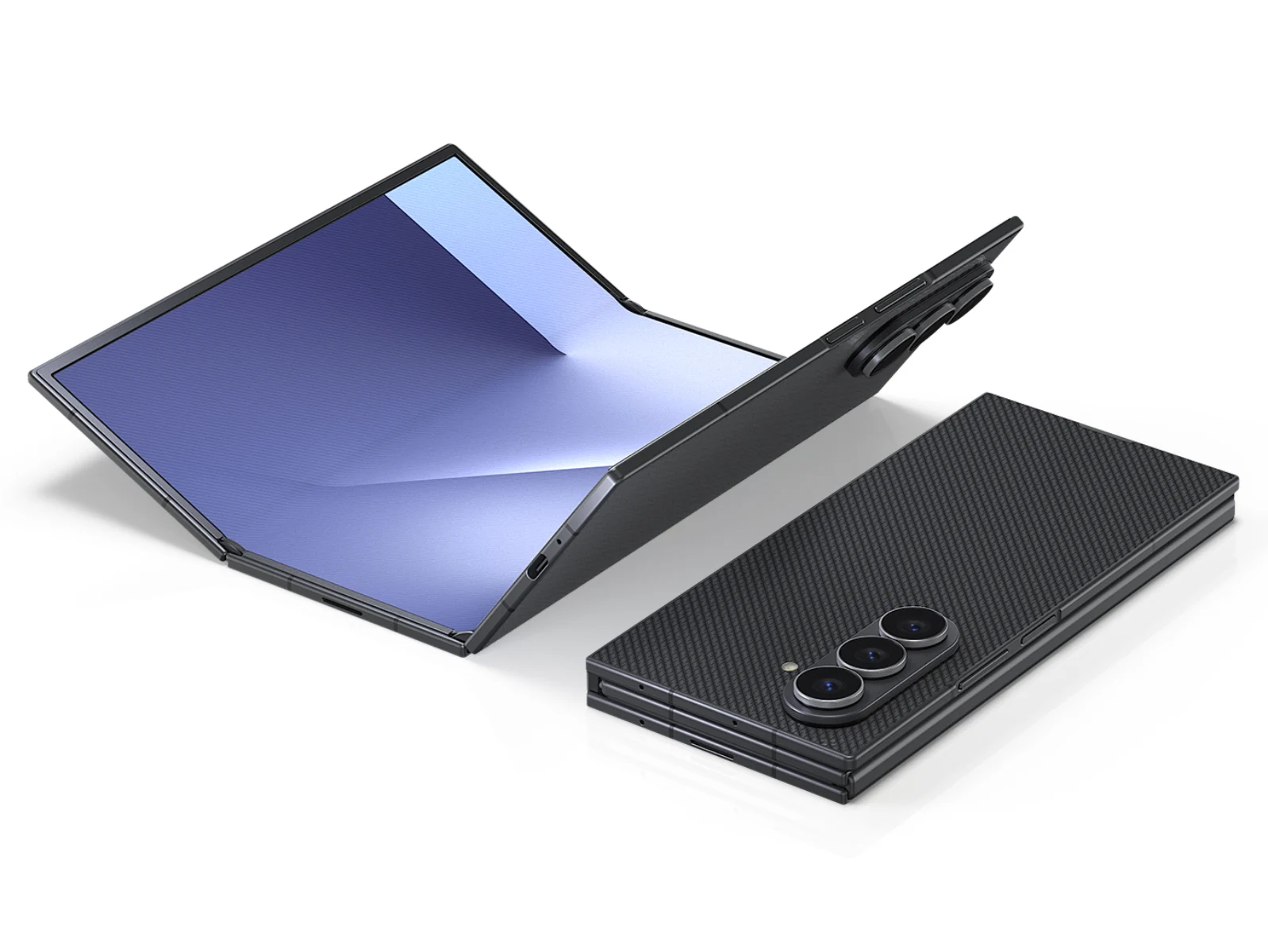
  • Galaxy Z TriFold Launch: Samsung’s Premium Foldable Now Global

    Galaxy Z TriFold Launch: Samsung’s Premium Foldable Now Global

    Key Takeaways

    1. Samsung launched the Galaxy Z TriFold in China, priced at CNY 19,999 (about $2,835) for 16 GB RAM and 512 GB storage.
    2. A higher storage option with 1 TB costs CNY 24,999 (around $3,545).
    3. Limited availability of the Galaxy Z TriFold will extend to South Korea, Singapore, Taiwan, the UAE, and the US.
    4. Third-party importers are selling the Galaxy Z TriFold at prices above $4,000, with Average Dad Tech and Trinity Electronics as notable sellers.
    5. Samsung has not announced a specific release date for the Galaxy Z TriFold in the US, and prices may decrease as availability increases.


    Earlier this week, Samsung introduced the Galaxy Z TriFold in China. It’s priced at CNY 19,999 (approximately $2,835) for the model that features 16 GB of RAM and 512 GB of storage. If you’re looking for more space, the version with 1 TB of storage costs CNY 24,999 (around $3,545). Later, there will be limited availability in South Korea, Singapore, Taiwan, the UAE, and the US to go along with the already available Galaxy Z Fold7 (currently priced at $1,999 on Amazon).

    Third-Party Importers

    While waiting for broader availability, third-party importers have begun to sell the Galaxy Z TriFold for those willing to spend more than the manufacturer’s suggested retail price. Specifically, Average Dad Tech and Trinity Electronics are offering Samsung’s first trifoldable on a global scale, but there are some important details to consider. For example, Average Dad Tech has mentioned that orders may take a long time to fulfill.

    Pricing Information

    The pricing for this foldable device is set above $4,000, with Trinity Electronics being the slightly cheaper option at around $4,367.49 before a 3% discount for members is applied. Keep in mind that these prices do not cover shipping fees. As the Galaxy Z TriFold becomes available in more markets, these prices could potentially decrease. Unfortunately, Samsung has yet to announce a specific release date for the 10-inch foldable in the US. For more information, check out our Galaxy Z TriFold launch article.

    Source:
    Link


  • Samsung’s New Sensor Technology Eliminates Distortion in Action Photos

    Samsung’s New Sensor Technology Eliminates Distortion in Action Photos

    Key Takeaways

    1. Action photography on smartphones has struggled with image distortion when capturing fast-moving subjects, leading to skewed images.
    2. Samsung has developed a high-resolution global shutter sensor that allows for instant freezing of scenes, addressing these distortion issues.
    3. This new sensor overcomes the “jello effect,” where quick-moving objects appear bent due to timing differences in image capture.
    4. The sensor utilizes a modified rolling shutter system with a new pixel layout and incorporates an analog-to-digital converter directly into the pixels for faster processing.
    5. With a resolution of 12MP and a pixel size of 1.5 microns, the sensor is expected to be used in ultrawide or telephoto lenses in future Galaxy flagship models.


    Action photography using smartphones has faced challenges with image distortion, especially when capturing fast-moving subjects, which often appear skewed or warped. According to a recent article from Sisa Journal, Samsung might have tackled this problem by creating a high-resolution global shutter sensor. Most smartphone cameras today operate with a rolling shutter that captures pixel lines one after another, but this new technology reportedly offers global shutter-like functionality, enabling instant freezing of scenes.

    Tackling the Jello Effect

    This advancement addresses the well-known “jello effect,” where quick-moving objects look bent due to the camera capturing the top part of the image at a different time than the bottom part. Samsung has managed to overcome the low-resolution challenges typically associated with traditional global shutters by implementing a modified rolling shutter system that simulates global functionality through a newly designed pixel layout. The publication notes that an analog-to-digital converter is now incorporated directly into the pixels, which greatly speeds up the transition of analog signals to digital data.

    High-Speed Processing Capability

    According to a representative from Samsung Electronics, as reported by Sisa Journal, four pixels share one converter, enabling the sensor to process information at remarkable speeds, while an optical flow algorithm mathematically adjusts for movement. This sensor boasts a resolution of 12MP and pixel size of 1.5 microns, suggesting it is more likely to be used in an ultrawide or telephoto lens rather than the main lens in upcoming Galaxy flagship models.

    Source:
    Link