Tag: Model Y

  • Tesla October Incentives for Model 3, Model Y in China

    Tesla October Incentives for Model 3, Model Y in China

    Key Takeaways

    1. Tesla is offering new buying incentives for customers in China until October 31.
    2. The updated Model 3 has an 8,000 yuan insurance subsidy and up to five years of interest-free financing.
    3. The Model Y also benefits from five-year, zero-interest financing and an 8,000 yuan referral paint credit.
    4. The new six-seat Model Y L qualifies for three years of 0% financing along with the referral paint credit.
    5. Tesla allows Full Self-Driving package transfers for high-end models, encouraging upgrades.


    Tesla is introducing new buying incentives for its customers in China this month. According to information found on Tesla China’s official site, these promotions will be available for certain models until October 31.

    Model 3 Benefits

    The updated Model 3 is set to enjoy the most substantial advantages. Buyers can benefit from an 8,000 yuan (approximately $1,100) insurance subsidy along with up to five years of interest-free financing. Additionally, through Tesla’s referral program, customers can receive an 8,000 yuan credit for paint, which lowers the price of premium color choices. Furthermore, any orders made in October will qualify for 5,000 km of free Supercharging.

    Model Y Promotions

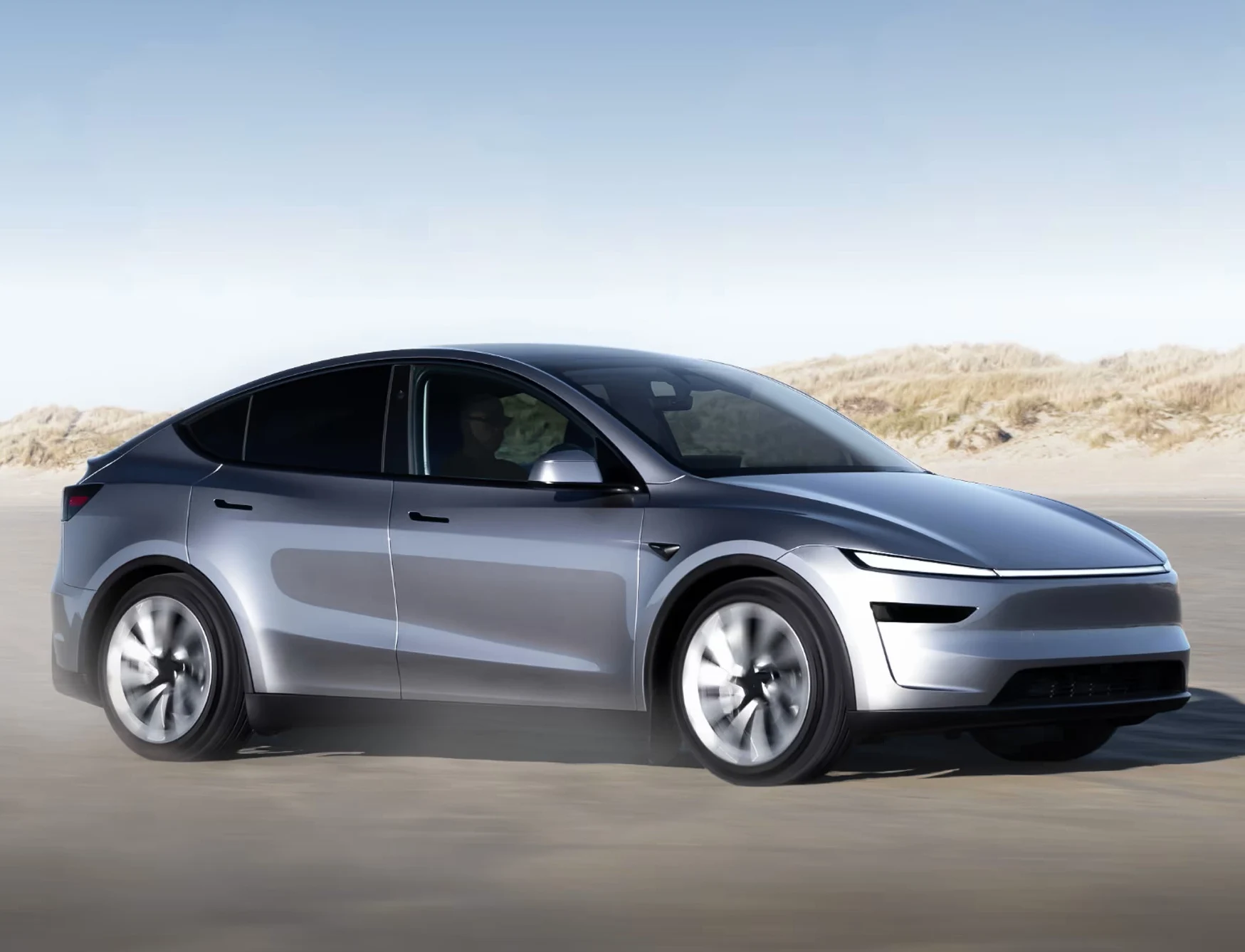
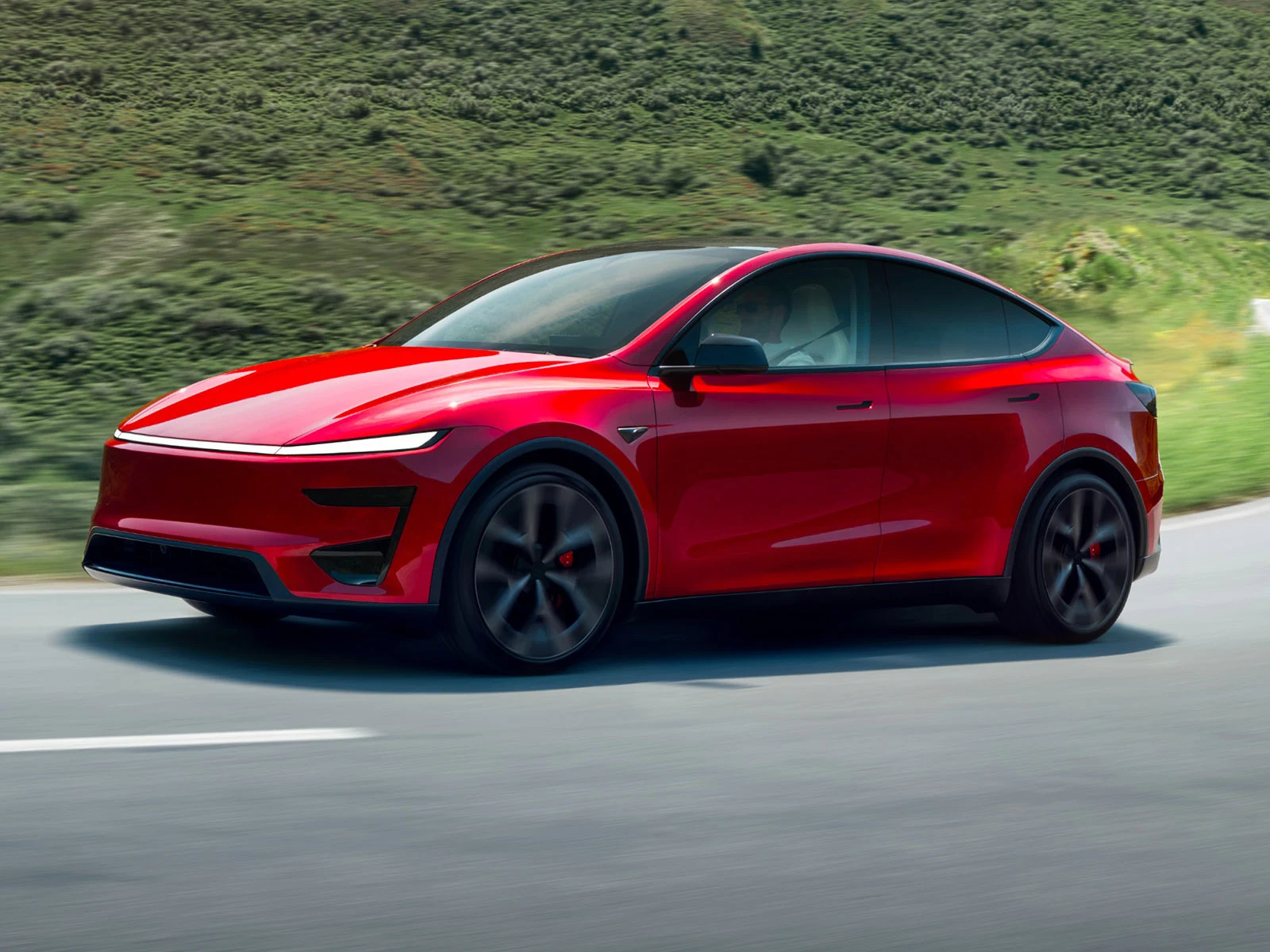
    The popular Model Y is also part of this offer. Buyers have the chance to take advantage of five-year, zero-interest financing and the same 8,000 yuan referral paint credit. The newly released six-seat Model Y L, which debuted in August, qualifies for three years of 0% financing in addition to the referral paint credit.

    Full Self-Driving Transfers

    For high-end models such as the Model S, Model X, Model 3, and Model Y, Tesla is providing Full Self-Driving (FSD) transfer options. This incentive allows current owners who have the FSD package to transfer it to a new vehicle, which has been a significant motivation for upgrades in other areas.

    These incentives represent Tesla’s ongoing effort to keep up sales in the competitive Chinese electric vehicle market as Q4 begins.

    Source:
    Link


  • Cheapest Model Y S Lacks Comfort Features and Suspension Upgrades

    Cheapest Model Y S Lacks Comfort Features and Suspension Upgrades

    Key Takeaways

    1. The most affordable Model Y is now in production and will launch after the federal EV tax credit ends on September 30.
    2. The cheaper Model Y may have a shorter wheelbase and lack several features compared to existing models, such as a panoramic glass roof and powered mirror folding.
    3. Concerns have been raised about the suitability of the Model Y S for colder regions due to omitted features like rear camera heating and tire pressure sensors.
    4. The basic Model Y trim may target markets like Mexico, following Tesla’s pattern of simplified trims in other regions.
    5. The starting price for the least expensive Model Y is expected to be at least $35,000, following the removal of the federal tax credit.


    The least expensive Model Y so far is now in production in the United States and is set to be launched after the federal EV tax credit ends on September 30, as stated by Tesla’s chief engineer, Lars Moravy.

    Insights from Firmware Codes

    Numerous firmware code references related to Tesla’s E41 project suggest that the release of the most affordable Model Y is approaching. However, it appears that potential buyers may have to sacrifice some specifications and design features for the lower price point.

    Design Changes Expected

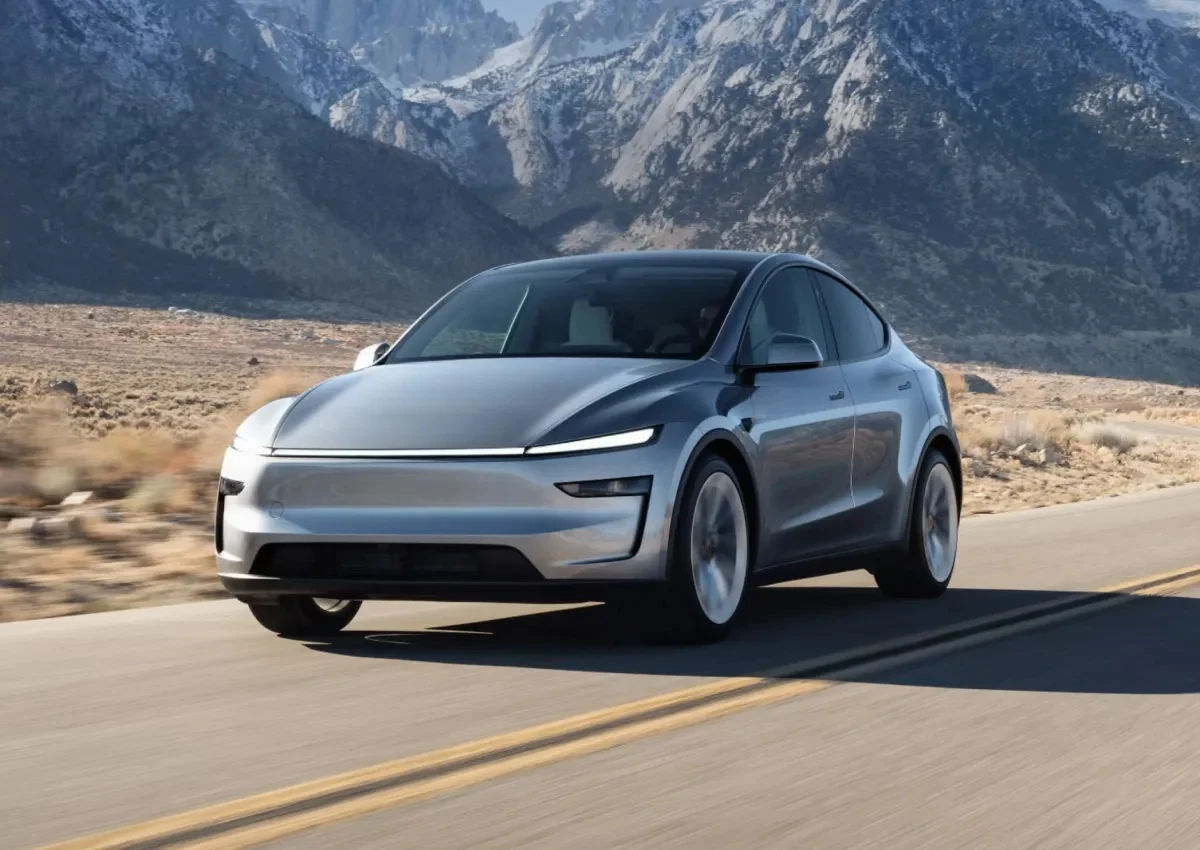
    Reports indicate that the cheaper Model Y may feature a slightly shorter wheelbase compared to the existing version, resembling a Model Y S, similar to how Tesla introduced a larger and pricier Model Y L earlier this year. There are mentions of both a RWD Model Y S, which is expected to be the least expensive Model Y ever, and an AWD variant.

    Features That May Be Cut

    As previously speculated about the E41 project, this new Model Y might not include a panoramic glass roof, light bar, rear seat display, or even clothing hooks inside. The code suggests it might also lack powered mirror folding, while the powered seats will only adjust back and forth, potentially compromising some of its current suspension specifications.

    Concerns About Market Suitability

    While these omissions in the Model Y S are anticipated based on Tesla’s past approaches with simplified trims, such as the Model 3 for Mexico with basic cloth seats, two particular feature cuts raise questions about where the E41 model will be sold. The absence of rear camera heating implies that the Model Y S might not be suitable for colder regions like Canada, and the lack of tire pressure sensors is concerning. In the U.S., a TPMS system has been mandatory for new vehicles, although some have evaded that requirement using ABS system sensors. It’s unclear how much Tesla would save by eliminating these options, especially since a set of Model Y TPMS sensors is available for under $100 on Amazon.

    Potential Market Implications

    The absence of these features could mean that this basic Model Y trim is aimed at other markets like Mexico. Regardless, the deadline on September 30 is approaching, and Tesla is expected to unveil the specs and pricing for the most affordable Model Y soon after.

    Pricing Expectations

    Previously, the rumored price for the cheapest Model Y was around $30,000 after applying the federal tax credit. However, since the government has removed this subsidy, even if Tesla adjusts its pricing after cutting some specs and features, the starting price for the least expensive Model Y is likely to be at least $35,000.

    Final Thoughts

    Whether the upcoming base Model Y will be worth this price, considering features like cloth seats, the absence of a rear display or lighting extras, and a downgraded suspension, is yet to be determined.

    Source:
    Link


  • Europe’s EV Sales Jump 26% in 2025 as Tesla Sales Drop

    Europe’s EV Sales Jump 26% in 2025 as Tesla Sales Drop

    Key Takeaways

    1. Electric vehicle (EV) sales in Europe have increased by 26% over the past eight months compared to the previous year.
    2. Tesla’s sales are declining, with the Model Y and Model 3 experiencing drops of 34% and 29%, respectively.
    3. Volkswagen has overtaken Tesla, achieving a 45% increase in sales, with notable models like the ID.3 and ID.4.
    4. In August, Tesla sold 14,245 vehicles, marking a 23% decrease year-over-year, while BMW saw a 7% increase in sales.
    5. The overall EV market in Europe remains strong, with electric vehicles making up 20% of all new car sales in August.


    Electric mobility is growing rapidly in Europe. In the past eight months, electric vehicle (EV) sales have jumped by 26% across the continent compared to the previous year. Nevertheless, not all carmakers are benefiting from this trend. Tesla, a major player in the EV market, is experiencing a drop in sales within Europe.

    Sales Figures for Tesla

    As per the early statistics from DataForce (reported by Automotive News), the Model Y continues to be the top-selling EV in Europe, even though its sales are decreasing. From January to August 2025, only 83,314 units of the Model Y were sold, marking a notable decline of 34% from the same period last year. Similarly, the Model 3, which ranks as Europe’s third-best-selling EV, also experienced a sales drop of 29%, with 50,237 units sold during the same timeframe.

    Competition in the Market

    While Tesla still ranks among the top 10 EV manufacturers in Europe, its sales are actually declining, unlike other brands that are seeing growth. Volkswagen, for instance, has taken the lead with 16,105 units sold in August, reflecting an impressive 45% increase year-over-year. Notable models from Volkswagen include the ID.3, ID.4, and ID.7.

    In August, Tesla secured the second position with 14,245 vehicles sold, representing a 23% decrease from the previous year. BMW followed closely in third place, selling 12,546 EVs, which is a 7% rise compared to last year.

    Overall Market Performance

    In general, the EV market in Europe remains robust. In August alone, 154,582 electric vehicles were purchased, making up 20% of all new car sales. Analysts indicate that achieving a 20-25% market share is crucial to meet the EU’s emissions goals for 2025-2027, and Europe has successfully reached that target.

    Source:
    Link


  • CATL Sodium-Ion Battery Achieves 300-Mile Range and EV Certification

    CATL Sodium-Ion Battery Achieves 300-Mile Range and EV Certification

    Key Takeaways

    1. CATL’s sodium-ion batteries can power EVs for over 300 miles on a single charge, rivaling lithium batteries in performance and cost-effectiveness.
    2. The Naxtra sodium-ion batteries are designed for wide temperature resilience and have received safety certification under China’s GB 38031-2025 standard.
    3. CATL plans to start mass production of sodium-ion batteries next year, following successful customer testing and initial orders.
    4. The new battery technology could feature in 40% of future Chinese electric vehicles, enhancing safety and environmental benefits.
    5. CATL is developing a network of battery swap stations, which may facilitate the widespread adoption of sodium-ion batteries in collaboration with major EV manufacturers like NIO.


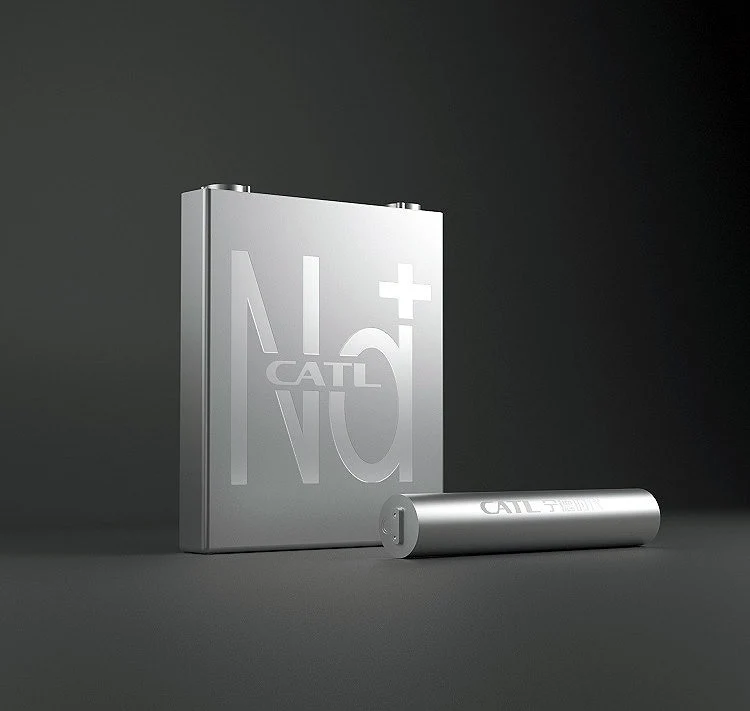
    CATL has successfully launched the first sodium-ion battery for electric vehicles, matching the range of existing mass-market EVs that use LFP cells.

    Impressive Range and Cost Efficiency

    The next generation of CATL’s sodium-ion batteries can power electric vehicles for more than 300 miles on a single charge. With an energy density of 175 Wh/kg, it is getting close to the performance of lithium batteries used in popular models like the Model Y and Model 3, while also being more affordable.

    Interestingly, Bluetti, known for its mobile stations equipped with LFP batteries such as the AC180 sold on Amazon, has developed the first power station using sodium-ion technology.

    Temperature Resilience and Safety Certification

    High energy density isn’t the only benefit of CATL’s Naxtra sodium-ion battery series. It functions effectively across a broader temperature range without capacity loss in freezing conditions. The absence of reactive metals in its design, combined with CATL’s manufacturing expertise, has led to this battery becoming the first to receive a prestigious EV safety certification under China’s strict new GB 38031-2025 national standard.

    This achievement paves the way for its application in various electric vehicles, making it especially ideal for those operating in colder climates. CATL claims that the Naxtra sodium-ion battery line offers significant advantages in cost, safety, and environmentally friendly production, potentially appearing in 40% of future Chinese electric vehicles.

    Testing and Future Production Plans

    Currently, the sodium-ion battery is undergoing testing with customers, and CATL plans to start mass production next year after receiving initial orders. While details about which manufacturers will first launch mass-market electric cars with this new battery remain undisclosed, CATL’s extensive client list of major EV makers suggests positive prospects for the technology’s advancement and widespread adoption.

    Additionally, CATL is ensuring that the Naxtra sodium-ion battery aligns with its 20/25 battery pack standardization initiative, which focuses on battery swap stations. The company is developing a network of these stations, collaborating with partners like NIO, whose electric vehicles come equipped with swappable batteries.

    If CATL’s latest sodium-ion battery generation is integrated into battery swap stations, the ease of having a fully charged battery installed in just minutes could significantly boost the adoption of sodium-ion battery technology within the industry.

    Source:
    Link


  • Tesla Considers Removing Hidden Door Handles and Emergency Levers

    Tesla Considers Removing Hidden Door Handles and Emergency Levers

    Key Takeaways

    1. The NHTSA is investigating incidents where drivers got stuck in the Model Y due to issues with hidden door handles.
    2. China plans to ban flush door handles, prompting Tesla to consider redesigning its handles for better safety and usability.
    3. Tesla’s lead designer confirmed they have a “very good solution” ready if flush handle regulations change.
    4. Tesla plans to merge electronic and mechanical latch systems to improve door opening during emergencies.
    5. Current mechanical handles in rear doors are often hidden, causing issues for users, especially children and in rental situations.


    Faced with more rules about its car door handles, Tesla is getting ready to change the iconic design both inside and outside.

    NHTSA Investigation

    Recently, the National Highway Traffic Safety Administration (NHTSA) has been looking into several incidents where people got stuck in the Model Y due to issues with the hidden handles. These problems left some drivers unable to exit their vehicles when the power failed.

    Regulatory Changes in China

    In China, Beijing is planning to ban door handles that are flush with the car’s body. These handles have caused many problems, especially during accidents. This change will impact more than just Tesla. Its lead designer, Franz von Holzhausen, mentioned that Tesla is considering a complete redesign of the door handles. In a recent interview about the new autonomous Robovan, he assured that Tesla has a “very good solution” ready if flush door handles become a regulatory concern.

    When asked if this new design would resemble Ferrari’s flat handles, which can still be pulled out, Franz didn’t give a clear answer. However, he expressed confidence in the new design’s ergonomics and functionality.

    Merging Latch Systems

    In an effort to improve usability, Tesla plans to respond to the NHTSA’s door opening investigation by combining the electronic and mechanical latch systems. Currently, Tesla doors can be opened with a button from the inside, but there is also a backup system for emergencies when the power goes out.

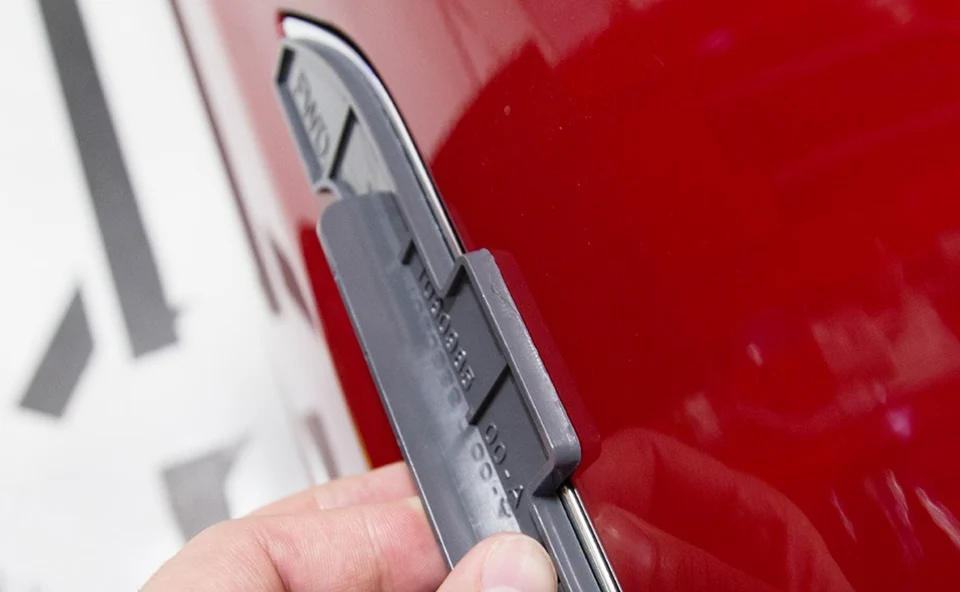
    The mechanical lever that must be pulled in such cases is easy to see at the front, but it is hidden under a lid in the back doors. These rear mechanical handles are often at the center of stories about people trapped in rental Teslas or children who don’t know how to get out. Tesla aims to fix these issues by merging the electronic and mechanical latches. After all, as Tesla’s design chief pointed out, people instinctively reach for the button to open their doors, so it makes sense to apply that same instinct in an emergency.

    Source:
    Link


  • Tesla Boosts Berlin Gigafactory Production for Rising EU EV Demand

    Tesla Boosts Berlin Gigafactory Production for Rising EU EV Demand

    Key Takeaways

    1. Tesla will increase production at Giga Berlin through the rest of 2025 to meet rising demand in Europe.
    2. The plant manager reported strong sales figures, prompting an upward adjustment in production plans for the third and fourth quarters.
    3. Tesla has faced declining sales in some European markets, particularly in Germany, due to intense competition from Chinese brands.
    4. Giga Berlin achieved a milestone by producing its 500,000th Model Y in three years and has started making an upgraded version.
    5. Tesla is implementing efficiency measures and planning to double production capacity at the Giga Berlin facility.


    Tesla is set to boost production at Giga Berlin for the rest of 2025. The factory in Germany is responding to a surge in demand throughout Europe.

    Increased Production Plans

    In the upcoming months, Giga Berlin will ramp up its activities as Tesla aims to cater to the growing needs in various European car markets. André Thierig, the plant manager, shared with DPA that the company is seeing “very good sales figures” which has led them to adjust their production plans upward for the third and fourth quarters.

    Positive Shift for Tesla

    This development is a promising change for the American electric vehicle manufacturer, which has experienced declining sales in several European regions. Germany remains a challenging market for Tesla due to fierce competition, particularly from Chinese brands that are aggressively expanding. According to the KBA road transport agency, sales fell by 57.8 percent.

    Milestones at Giga Berlin

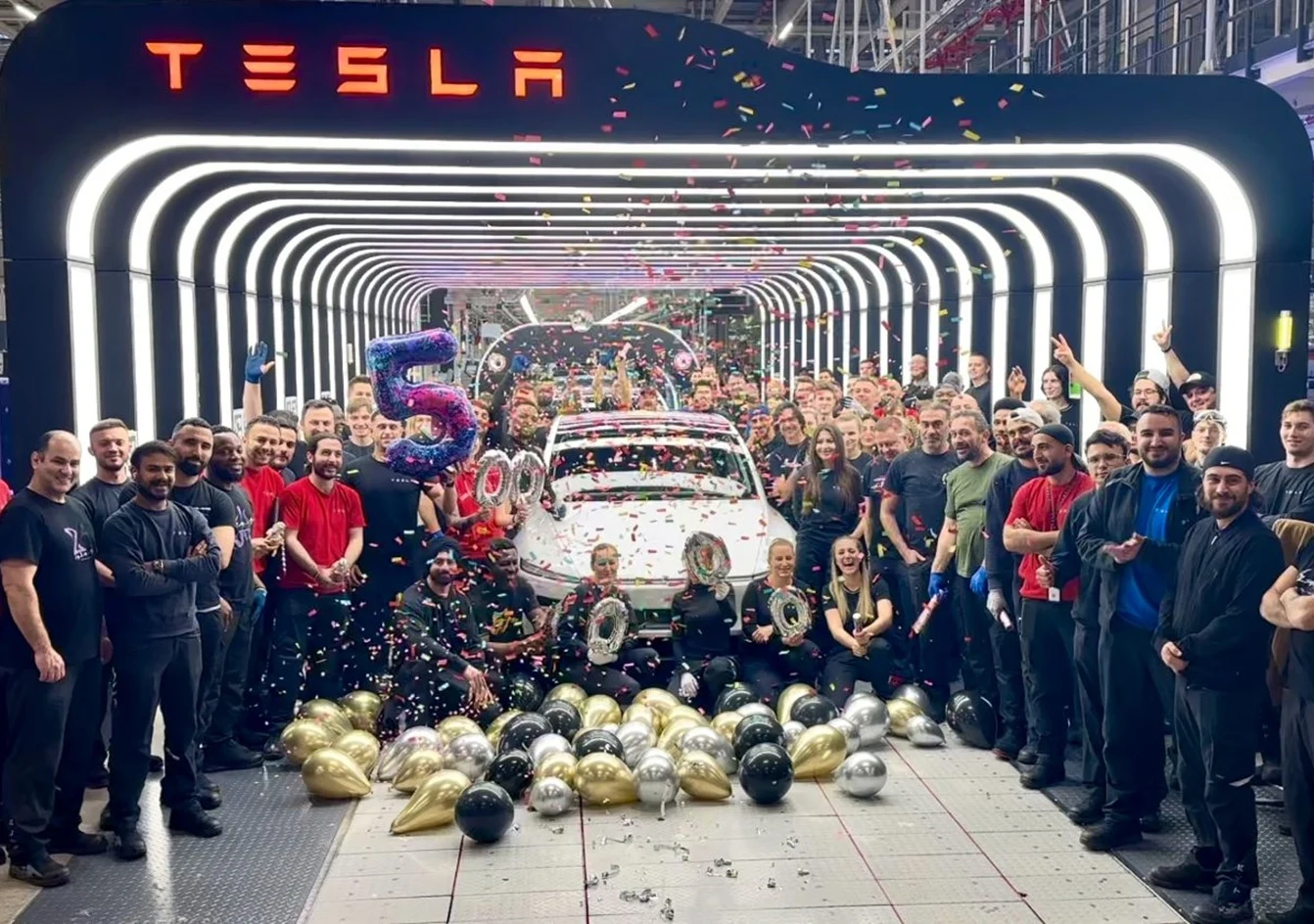
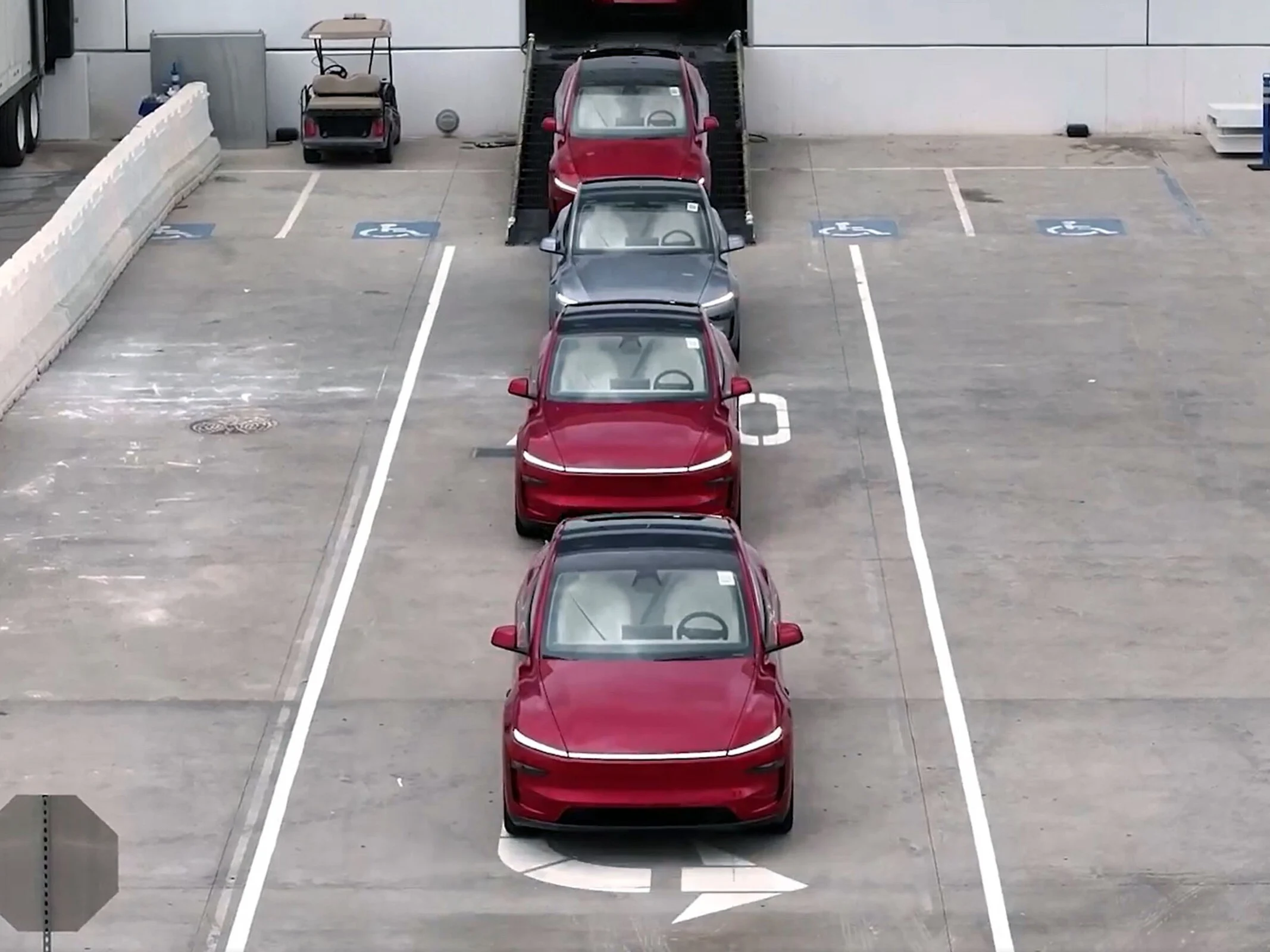
    Earlier this year, Giga Berlin celebrated the production of its 500,000th Model Y, reaching this milestone in just three years. The plant also began producing an upgraded version of the Model Y in September. To improve efficiency, Tesla has implemented measures such as autonomously parking completed vehicles in the logistics area. Additionally, the company is working on expanding the facility to increase its production capacity two-fold.

    Source:
    Link


  • Model Y Airbags Inflate Before Collision with FSD Camera Detection

    Model Y Airbags Inflate Before Collision with FSD Camera Detection

    Key Takeaways

    1. Tesla is upgrading its airbag system to use camera technology for pre-crash deployment, enhancing safety.
    2. The new system will inflate airbags before an impact, based on predictions made by the Tesla Vision camera system.
    3. This approach aims to reduce serious injuries, like whiplash, by cushioning occupants earlier in a potential collision.
    4. There are concerns about false alarms leading to unnecessary airbag deployment, which could compromise safety.
    5. The new airbag system will be implemented only in unavoidable head-on collision scenarios, alongside existing sensors.


    Instead of relying on the usual bumper and sensors to trigger airbags instantly during an accident, Tesla cars will now utilize their cameras to inflate them in advance.

    Airbag System Upgrade

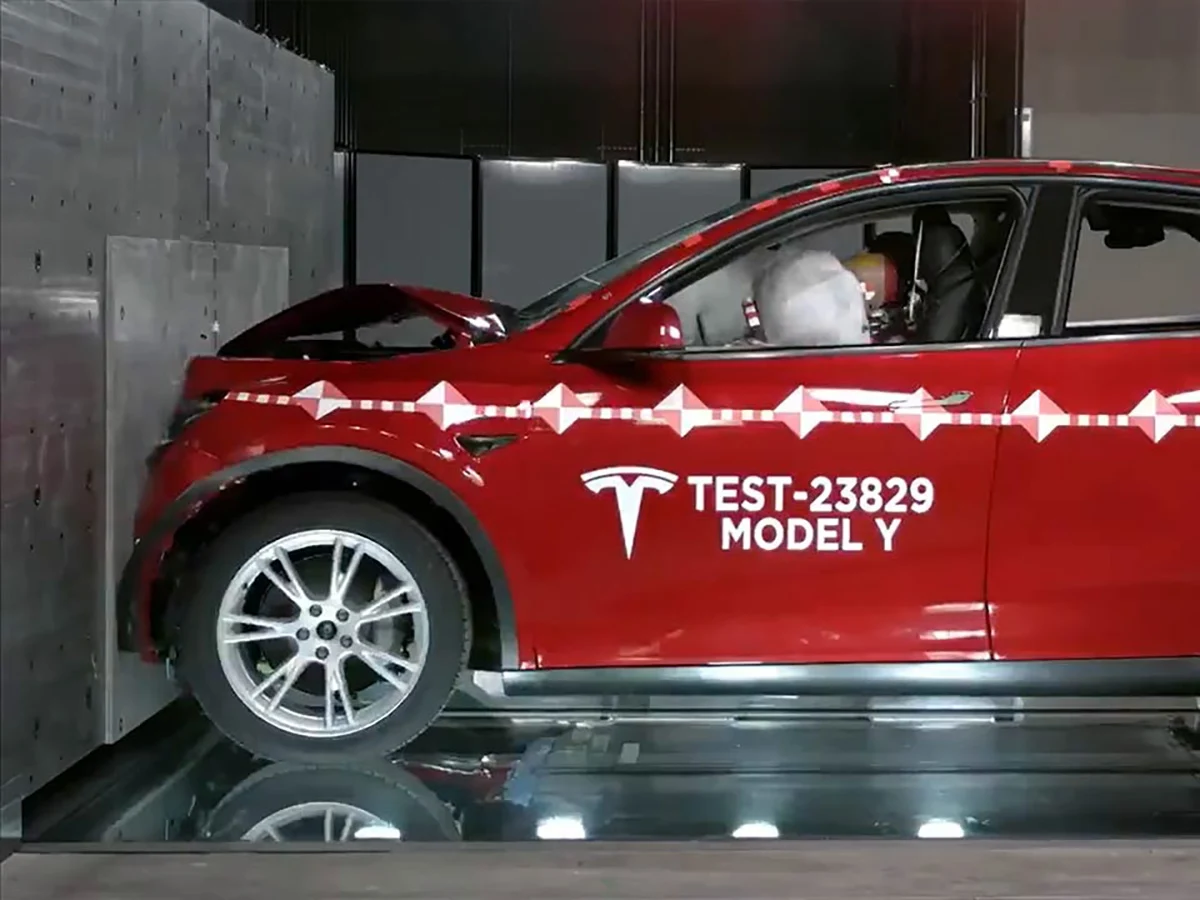
    This debated feature is promoted as a safety “improvement” to the Frontal Airbag System, included in Tesla’s latest 2025.32.3 software update. “Building on regulatory and industry crash tests, this update allows front airbags to start inflating and restraining occupants sooner, in a unique way that only Tesla’s integrated systems can manage, enhancing your vehicle’s safety over time,” states the electric vehicle manufacturer.

    New Technology

    Currently, the technology for deploying airbags relies on accelerometers and pressure sensors to detect a crash and deploy airbags, but only after the impact occurs. Tesla vehicles consistently receive 5-star safety ratings, yet the company is looking to change this process. The new method will use the Tesla Vision camera system, which is installed around the vehicle, to identify an impending accident and inflate the airbags just before it happens.

    Safety Benefits and Concerns

    This pre-crash airbag deployment could offer many benefits for the safety of those inside the vehicle. For instance, key body areas of both drivers and passengers will be cushioned before the impact, reducing the chances of serious whiplash injuries.

    However, this approach could also lead to some negative outcomes, particularly due to false alarms. If Tesla misidentifies a rapidly approaching object that isn’t actually on a collision path, the airbags could deploy unnecessarily, potentially putting the safety of occupants at risk.

    Controlled Deployment

    This might be the reason why Tesla plans to implement the new airbag system only in cases where a head-on collision seems unavoidable, in addition to the existing sensors that detect real impacts.

    Tesla has certainly run various tests before relying on the Tesla Vision camera set and FSD software for airbag deployment. Nevertheless, it will be interesting to see how effective the Frontal Airbag System Enhancement will be when it is rolled out as an OTA update for the 2022 and later Model Y and Model 3 vehicles.

    Source:
    Link


  • Tesla Raises Model Y Lease Prices Before Tax Credit Deadline

    Tesla Raises Model Y Lease Prices Before Tax Credit Deadline

    Key Takeaways

    1. Tesla plans to increase lease prices for the Model Y and Model 3 after September 21, 2023.
    2. The monthly lease price for the Model Y will rise from $399 to $479, and the Model 3 will increase from $299 to $349.
    3. Customers must order by September 21 to utilize the $7,500 federal tax credit as a down payment for the Model Y lease.
    4. Tesla is reducing some incentives due to high demand, but manufacturing costs may also lead to further price hikes.
    5. The promotional APR rate for the Model Y remains at 3.99%, while the company focuses on leasing over direct cash price increases.


    Tesla has hinted that the high demand for its top-selling vehicles, including the Model Y and Model 3, might lead to price increases. The company has confirmed that the current leasing promotions for the Model Y will conclude on September 21.

    Upcoming Lease Price Changes

    After September 21, the monthly lease price for the Model Y will rise from $399 to $479. In contrast, the Model 3 will see a smaller increase. The least expensive lease currently starts at $299, but from September 22, it will increase to $349 per month.

    This means an $80 increase for the Model Y lease and a $50 rise for the Model 3. Tesla is taking advantage of the surge in orders this quarter, driven by the approaching deadline for the government tax credit expiration. Customers who wish to apply the federal tax credit as a down payment for their new Model Y must place their orders by September 21 to benefit from the $399 lease offer.

    Tax Credit Remains Available

    After this date, the lease price will go up. However, if customers sign a lease with a small down payment or start a trade-in, they can still utilize the $7,500 tax credit upon delivery, even if it occurs after September 30, when the credit officially ends.

    Tesla mentioned that the various Model Y APR financing offers and leasing promotions have generated a level of demand not seen in recent quarters, which experienced a decline due to Elon Musk’s political actions and general issues in the electric vehicle market.

    Adjustments to Incentives

    As a result, the company has begun to eliminate some incentives, like free wheel or color upgrades for inventory models, but it hasn’t been enough to reduce demand. Tesla has also noted that additional components ordered from suppliers beyond the original amounts have led to increased manufacturing costs, which may require a price hike.

    Given that most customers in the U.S. choose to lease their Teslas, the company decided to cut back on the promotional monthly lease rates for the Model Y and Model 3 instead of increasing the cash prices directly or modifying the promotional APR rate, which remains at 3.99% for the Model Y.

    Source:
    Link


  • Tesla Seizes 30% of South Korea’s Imported Car Market

    Tesla Seizes 30% of South Korea’s Imported Car Market

    Key Takeaways

    1. Tesla became the leading imported car brand in South Korea in 2025, with over 6,500 sales in May.
    2. Imported car sales in South Korea rose by 22.6% in August 2025, with Tesla accounting for about one-third of total sales.
    3. Tesla’s popularity is growing in South Korea, traditionally dominated by German brands, with the Model Y and Model 3 as top sellers.
    4. Tesla achieved nearly 8,000 deliveries in August, making South Korea its third-largest market after the U.S. and China.
    5. Tesla launched the Cybertruck in Asia, marking its first introduction outside North America.


    For the second time in 2025, Tesla has emerged as the leading imported car brand in South Korea, following its impressive record of over 6,500 sales in May. The Korea Automobile Importers & Distributors Association (KAIDA) reported that imported car sales in South Korea rose by 22.6% in August 2025 compared to the same month the previous year, totaling 27,304 units. Remarkably, Tesla made up around one-third of this total.

    Growing Popularity of Tesla

    This achievement indicates a rising popularity of Tesla vehicles in a market that has been predominantly occupied by German brands. The three top-selling vehicles include the Tesla Model Y, Model 3, and Model Y Long Range.

    Continuous Success in South Korea

    Tesla has been experiencing significant success over the past few months in South Korea. July concluded with a strong performance, resulting in 7,357 deliveries after a small dip in June. The momentum carried on into August, allowing the electric vehicle giant to reach a record of nearly 8,000 deliveries in South Korea. With this accomplishment, South Korea now ranks as Tesla’s third-largest market, following the United States and China.

    The Model Y stood out as the top-selling electric vehicle, achieving 6,683 sales, which is roughly 80 percent of the total sales figure. Following closely was the Model 3, marking 1,290 deliveries. If this trend continues, there is a bright outlook that Tesla could finish the year breaking all previous year-over-year records.

    Launching the Cybertruck in Asia

    Tesla has shown its commitment to the Asian market by introducing the Cybertruck for the first time outside of North America.

    Source:
    Link


  • Tesla Model Y Price Increase Expected Amid Tax Credit Deadline

    Tesla Model Y Price Increase Expected Amid Tax Credit Deadline

    Key Takeaways

    1. Tesla may increase the price of the Model Y due to low inventory and high demand, though this is not guaranteed.
    2. The end of the $7,500 federal tax credit has revived interest in the Model Y, with new rules allowing extended eligibility for the credit.
    3. A surge in orders for the Model Y has led to significant inventory shortages, especially in areas like Austin.
    4. Tesla has removed various promotions for the Model Y, such as 2.99% APR financing, in response to changing demand dynamics.
    5. The company has not confirmed if it will raise prices on the Model 3, but it may be influenced by the situation with the Model Y.


    Tesla is getting ready to increase the price of the Model Y since their inventory is getting low. They also want to boost factory production to match the demand, which is leading to urgent orders for parts that are turning out to be more expensive.

    Uncertain Price Increase

    The potential price hike for the Model Y isn’t guaranteed. Tesla’s Vehicle Service leader mentioned they are “trying hard” to avoid this situation. However, based on past trends, Tesla usually raises prices during high demand periods, so we could see a price increase by the end of August.

    Demand Shift Due to Tax Credit Changes

    After experiencing several quarters of weak sales where demand for Tesla vehicles dropped due to Elon Musk’s political actions and a sluggish EV market, the announcement that the federal government will be ending the $7,500 tax credit has revived interest in the Model Y.

    Those looking to purchase a Model Y with the tax credit initially needed to take delivery by September 30. However, the IRS has adjusted its rules to allow a sort of extension on the tax credit deadline. Now, anyone who makes even a small down payment or starts a trade before the third quarter ends will qualify for the government subsidy, even if they receive their vehicle after September 30.

    Inventory Shortages and Ordering Chaos

    The rush to purchase the Model Y before the federal tax credit runs out has led to a significant ordering frenzy, resulting in places like Austin having no inventory vehicles within a 200-mile area. It seems Tesla was not prepared for such strong demand in this last quarter when the tax credit is still valid, and they are now scrambling to increase production, which might influence the Model Y’s pricing.

    Tesla has already removed most of the Model Y promotions that were offered at the start of the quarter, when they were uncertain about the impact of the EV tax credit’s expiration on demand. For example, the Model Y’s 2.99% APR financing deal is no longer available, nor is the complimentary options upgrade for inventory vehicles.

    Tesla is also discontinuing the zero APR financing offer for the Model 3 on September 1. However, they haven’t confirmed whether they will be raising prices on their popular sedan as well, which could be related to what’s happening with the Model Y.

    Source:
    Link