Tag: Model Y

  • Tesla Offers Zero Down Model Y Leases on Certified Used Cars

    Tesla Offers Zero Down Model Y Leases on Certified Used Cars

    Key Takeaways

    1. Tesla will gradually discontinue the Model Y APR financing offer, increasing the promotional interest rate from 3.49% to 3.99% due to strong demand.
    2. The final quarter for customers to take advantage of the $7,500 federal tax credit has led to increased deliveries of the Model 3 and Model Y.
    3. To manage preowned inventory, Tesla is introducing affordable leasing options for certified preowned Model 3 and Model Y vehicles.
    4. The new leases offer flexible terms of 12 to 24 months with annual mileage options of 10,000 to 15,000 miles and a zero down payment option.
    5. Customers have the option to purchase the leased preowned vehicle at the end of the lease, with some payments as low as $130 per month for Model 3 after a $1,000 down payment.


    Tesla announced it will be slowly discontinuing the Model Y APR financing offer based on demand, raising the promotional interest rate from 3.49% to 3.99%.

    Demand Remains Strong

    With this quarter being the final opportunity for customers to benefit from the $7,500 federal tax credit, Tesla seems to be experiencing robust demand. The Model 3 and Model Y are being delivered quickly, indicating that the company no longer requires the full range of incentives and promotions it introduced back in July, especially after a challenging Q2.

    New Leasing Options

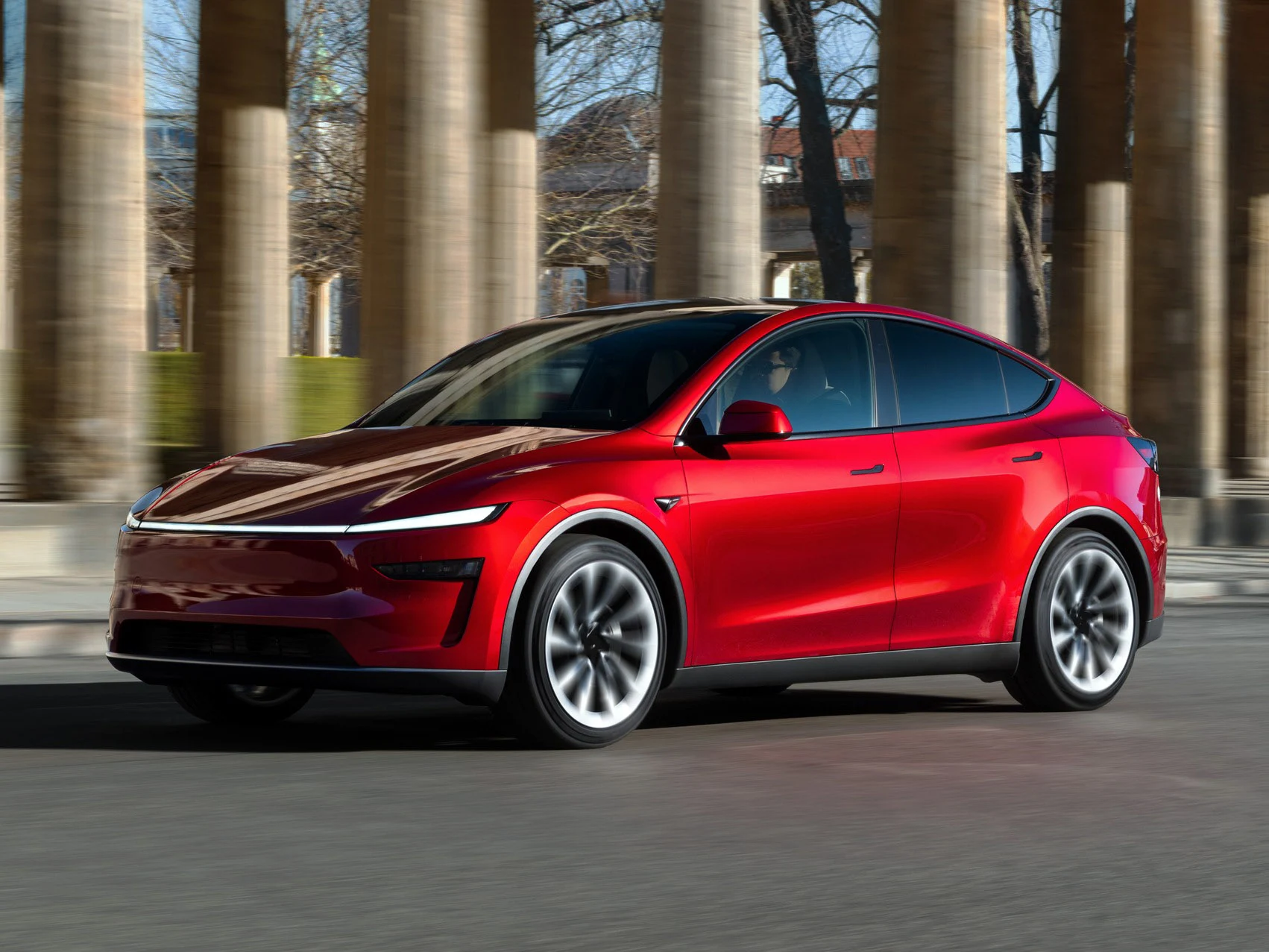
    Despite the strong sales, some customers are choosing to return or upgrade their vehicles after only a few thousand miles. To address the need for clearing out preowned inventory, Tesla is now offering a more affordable option for driving a Model 3 or Model Y by leasing certified preowned vehicles.

    Affordable Lease Plans

    These economical leases for used Model 3 or Model Y models are available for selected inventory in states like Texas and California, allowing customers to choose between 12-month or 24-month lease terms. The annual mileage options are flexible, ranging from 10,000 to 15,000 miles.

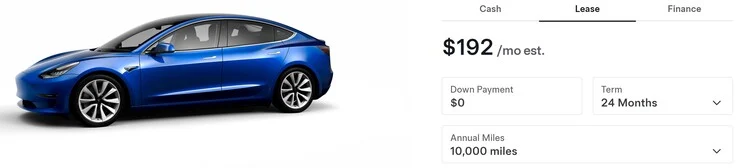
    The exciting thing about these leases is that they come with a zero down payment option. This means buyers can take home a certified used Tesla starting at just $192 per month for the Model 3 or $225 per month for the Model Y.

    Purchase Option at Lease End

    Similar to new car purchases, Tesla allows customers to buy the preowned vehicle at the end of their lease. For certain Model 3 units, lease payments can even drop to as low as $130 per month after a modest $1,000 down payment.

    Source:
    Link


  • Tesla Raises Model Y Lease Price as Tax Credit Nears End

    Tesla Raises Model Y Lease Price as Tax Credit Nears End

    Key Takeaways

    1. Tesla has increased the monthly lease payment for the Model Y from $349 to $399 due to rising demand.
    2. The company is pulling back on incentives as the quarter ends, marking the first price hike for the Model Y in 18 months.
    3. A promotional APR financing rate of 3.49% is available for customers who receive their vehicle by September 30th.
    4. The increase in lease prices typically occurs when demand is high and inventory is low, indicating confidence in future sales.
    5. The expiration of the federal tax credit on September 30th may drive more customers to lease a Model Y to take advantage of the $7,500 subsidy.


    Tesla is adjusting to the rising demand for the Model Y by changing its various incentives introduced this quarter, which includes an increase in the monthly lease payment.

    Changes in Lease Payments

    Not long ago, buyers could lease a base Model Y for only $349 a month with a $3,000 down payment, thanks to the federal tax credit. This offer was supposed to last until the quarter ended, but Tesla has now scrapped it, increasing the lease payment for the Model Y RWD to $399.

    During the most recent earnings call, Tesla mentioned that as the quarter draws to a close, it would start to pull back on incentives. The company has now initiated the first price hike for the Model Y in about 18 months. Presently, customers can also take advantage of a promotional APR financing rate of 3.49%, which will remain available for those who receive their vehicle by September 30th.

    Demand and Inventory Considerations

    Typically, Tesla raises the lease prices for the Model Y when demand is high and inventory is low. This trend had been on hold for some time due to a sluggish electric vehicle market and Elon Musk’s involvement in politics, which led to several lackluster sales quarters.

    However, with the federal tax credit set to expire on September 30th, many Tesla enthusiasts might be eager to secure a Model Y before the quarter ends to benefit from the $7,500 in government subsidies that can be used as a down payment.

    Implications for Future Sales

    Most customers choose to lease the Model Y, so raising the monthly lease payment from $349 to $399 signals that Tesla believes there will be sufficient demand to compensate for this increase, especially when compared to other ongoing promotions for the Model Y.

    Source:
    Link


  • Tesla Provides Free FSD Transfer to New Vehicle Ahead of Europe Approval

    Tesla Provides Free FSD Transfer to New Vehicle Ahead of Europe Approval

    Key Takeaways

    1. Tesla is expanding its free Full Self-Driving (FSD) transfer promotion to international markets for new Model Y, Model 3, and refreshed Model S/X buyers.
    2. The promotion is valid until September 30th, with potential for extension, while FSD approval is expected in several European countries by year-end.
    3. In the US, the free FSD transfer has been a regular offer since early 2024, allowing seamless feature transfers for customers.
    4. European customers have faced delays in FSD approval, but improvements with FSD 13 are encouraging regulatory progress, especially for complex driving scenarios.
    5. To assist European Tesla owners awaiting FSD access, Tesla is providing the free transfer promo under specific conditions to boost sales of the refreshed Model Y.


    Tesla is expanding its free FSD transfer promotion to international markets. Customers who buy a new Model Y, Model 3, or refreshed Model S/X can now transfer the Full Self-Driving (FSD) feature they previously paid for to their new car.

    Promotion Period

    The free transfer offer is valid until September 30th, but it might be extended. Tesla anticipates that FSD will receive approval for use in several European nations by the end of this year.

    Ongoing Offers in the US

    In the United States, the free FSD transfer has become a regular promotion. Since early 2024, customers have consistently been able to move the Full Self-Driving feature from their old vehicle to a new one without any issues.

    Delays in Europe

    On the contrary, many European customers who invested in the FSD option have been left watching the US enjoy the perks. This is because local regulators have been slow to approve the feature for public use. However, the situation is starting to change with the introduction of FSD 13, which is significantly better at handling Europe’s narrow streets and tricky roundabouts.

    Tesla has been sharing positive updates about FSD testing in Europe, including successful navigation through the complex Arc de Triomphe roundabout in Paris, known for its many roads and confusing right-of-way rules. With each new FSD software release, Tesla has been gaining favor with regulators, and they are hopeful that countries like the Netherlands will approve their autonomous driving package for public roads soon.

    Helping European Tesla Owners

    To support Tesla owners in Europe who have been waiting a long time for their FSD options to become available, Tesla is now offering the free FSD transfer promo to new vehicles across Germany and the EU under certain conditions.

    This initiative not only aims to placate frustrated legacy FSD owners but also hopes to boost sales of the refreshed Model Y. The European market has faced significant challenges, particularly due to Elon Musk’s controversial political actions, which have resulted in sales drops of over 50% in certain EU nations since early 2025.

    Source:
    Link


  • Tesla Robotaxi Launches in California, Cheaper Than Uber

    Tesla Robotaxi Launches in California, Cheaper Than Uber

    Key Takeaways

    1. Tesla has launched its Robotaxi service in Austin with initial flat fares of $4.20 and $6.90, reflecting Elon Musk’s playful pricing approach.
    2. The company introduced a dynamic pricing model for rides based on distance, making them more affordable than competitors.
    3. Tesla’s Robotaxi fares are at least 50% cheaper than Uber, especially over longer distances (e.g., $1.25 per mile for Tesla vs. $2.08 per mile for Uber).
    4. Regulatory challenges in California require Tesla to have a supervising driver for its Robotaxi service, which affects pricing and operations compared to Austin.
    5. Future expansion of Tesla’s Robotaxi service is planned for more US cities, leading to more direct fare comparisons with other ride-hailing services.


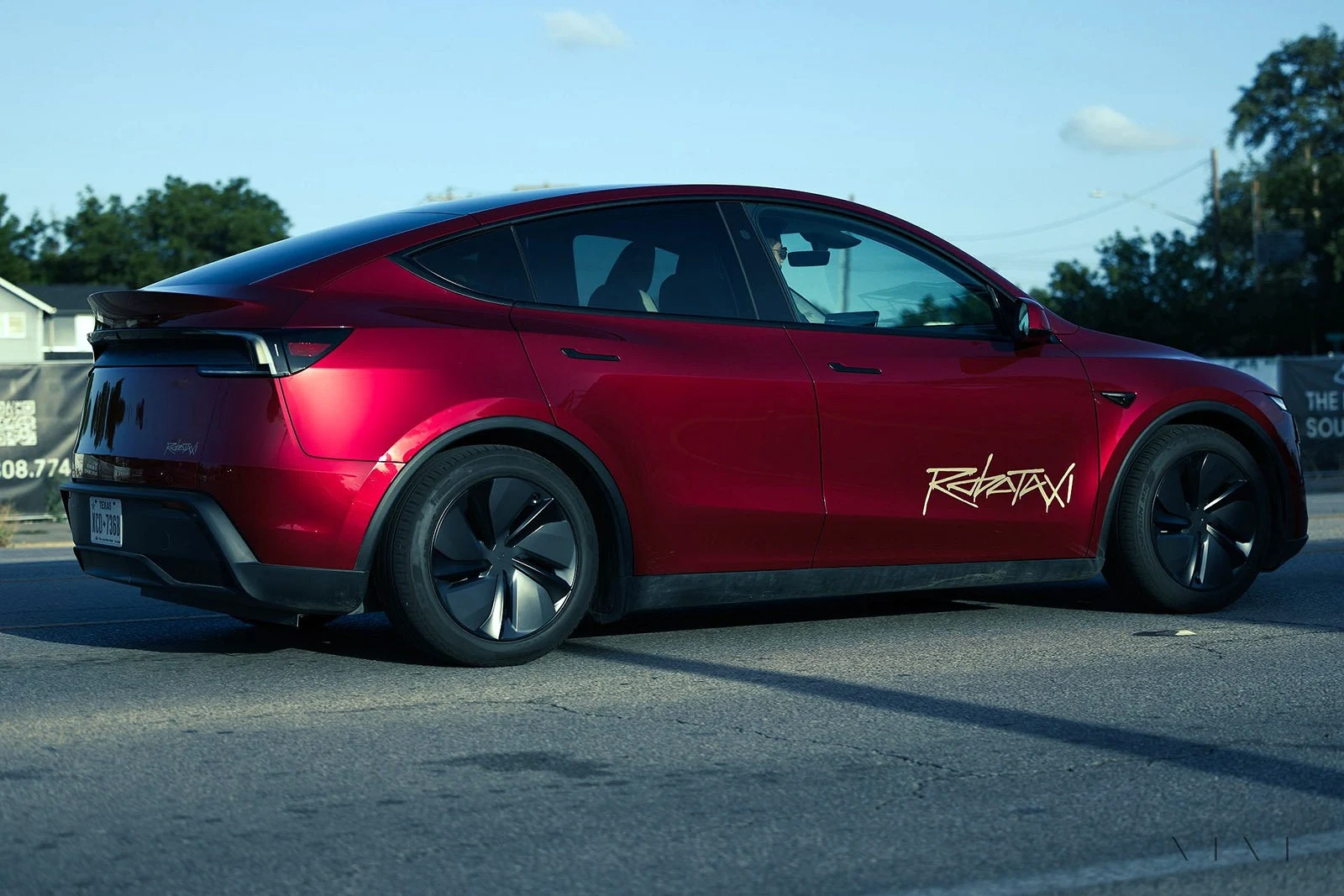
    Tesla has rolled out its Robotaxi ride-hailing service in Austin with a playful flat fee of $4.20 per ride, a nod to one of Elon Musk’s favored numbers. They then increased the geofenced area and jokingly bumped the fare to $6.90.

    Introduction of Dynamic Pricing

    Now, Tesla has launched a dynamic pricing model for its Model Y robotaxi rides based on the distance traveled, making it clear that this service will be more affordable than its rivals.

    Price Comparisons with Competitors

    Dynamic pricing for ride-hailing services can differ by city, distance, time of day, and availability of vehicles. However, initial comparisons between Tesla’s Robotaxi and Uber show that Tesla rides are at least 50% less expensive. The disparity in pricing is especially noticeable over longer distances. For example, an 11-mile journey with a Model Y robotaxi in Austin costs $13.71, which breaks down to $1.25 per mile, while a 9-mile Uber ride in the same vicinity costs $2.08 per mile, making it roughly 70% pricier.

    Direct Comparisons Highlight Savings

    In another direct comparison, a Tesla robotaxi ride was quoted at $3.12 for the same distance where the cheapest Uber option charged $7.98. This is more than twice the fare of the driverless Model Y, and an added benefit is that Tesla robotaxis do not require tips. In the Bay Area, Tesla’s geofenced robotaxi area has expanded considerably beyond Waymo’s, with charges around $2 per mile. This is higher than in Austin, where the current dynamic pricing offers rides for about $1 per mile on average.

    Regulatory Challenges in California

    The difference in pricing could stem from the need for an employee to supervise the vehicle in California, as the permit there is strictly for ride-hailing services, unlike in Austin where Model Y robotaxis are classified as Level 4 autonomous vehicles. California has more stringent rules regarding fully autonomous cars without a driver. Tesla has been in talks with the DMV to understand what it needs to do to obtain the proper permit. Authorities in California are skeptical about Tesla’s “Rodeo drivers” who are testing the limits of the company’s unsupervised driving technology on public roads, cautioning that they may be bending the rules of the autonomous vehicle permit.

    “Rodeo drivers are trained to respond at once if they think their vehicles might create a dangerous situation for themselves or other drivers,” Tesla stated. The Robotaxi service has been launched in the Bay Area with such safety personnel present in the driver’s seat, as shown in the accompanying video, even though the robotaxis are equipped with specialized unsupervised Full Self-Driving software that does not require human oversight.

    Future Expansion Plans

    Expect further comparisons between the Tesla Robotaxi and Uber ride-hailing services as the platform is set to expand into additional US cities.

    Source:
    Link


  • Tesla’s AI6 Chip on Samsung 2nm: Optimus & Dojo, Not Cars

    Tesla’s AI6 Chip on Samsung 2nm: Optimus & Dojo, Not Cars

    Key Takeaways

    1. Tesla and Samsung’s multibillion-dollar agreement aims for vertical integration and reducing geopolitical risks, with AI6 chip production expected to start in 2028.
    2. Samsung has begun preparatory work for the AI6 chip, focusing on designs for the Optimus humanoid robot and Dojo supercomputer, not specifically for Tesla vehicles.
    3. Elon Musk announced plans to use the AI6 chip across all Tesla products, but initial production may prioritize robots and supercomputers while vehicles continue with AI4 and AI5 chips.
    4. Tesla’s partnership with Samsung allows it to distance itself from TSMC and geopolitical concerns, while maintaining in-house chip design and optimizing production in Texas.
    5. Tesla is shifting away from Chinese suppliers for key components, opting for LG batteries in new models and reinforcing partnerships with South Korean companies like Samsung.


    The recent multibillion-dollar agreement between Tesla and Samsung regarding the AI6 chip appears to be driven by a desire for vertical integration and a strategy to mitigate geopolitical risks. Analysts predict that the production of the 2nm Tesla AI6 chip will kick off in 2028, with maximum output expected between 2029 and 2032.

    Samsung’s Early Steps

    In contrast, reports from Korean media suggest that Samsung has commenced the preparatory work for manufacturing the AI6 chip. However, the focus of the initial designs is directed towards the next generation of the Optimus humanoid robot and the Dojo FSD supercomputer clusters, rather than specifically for Tesla’s vehicles.

    Musk’s Vision vs. Reality

    This situation raises questions, particularly since Elon Musk stated during the last quarterly call that Tesla plans to utilize the same AI6 chip across all its necessary products, including cars, robots, and the expansive Dojo computer vision initiative. He also noted that the company’s vehicles are set to receive next-gen self-driving hardware by late 2026, with the AI5 chip being so “spectacular” it may conflict with U.S. export regulations concerning AI computing capabilities.

    Tesla may not find it practical to design the AI5 chip and rely on TSMC for its 3nm production just to use it in cars for a year before transitioning to the 2nm Samsung AI6 in 2028. It’s likely that the initial batches of the AI6 will be utilized for Optimus robots and Dojo computer clusters, while Tesla’s vehicles continue to operate with the AI4 and AI5 chips, benefiting from FSD algorithm updates developed by Dojo.

    Strategic Choices

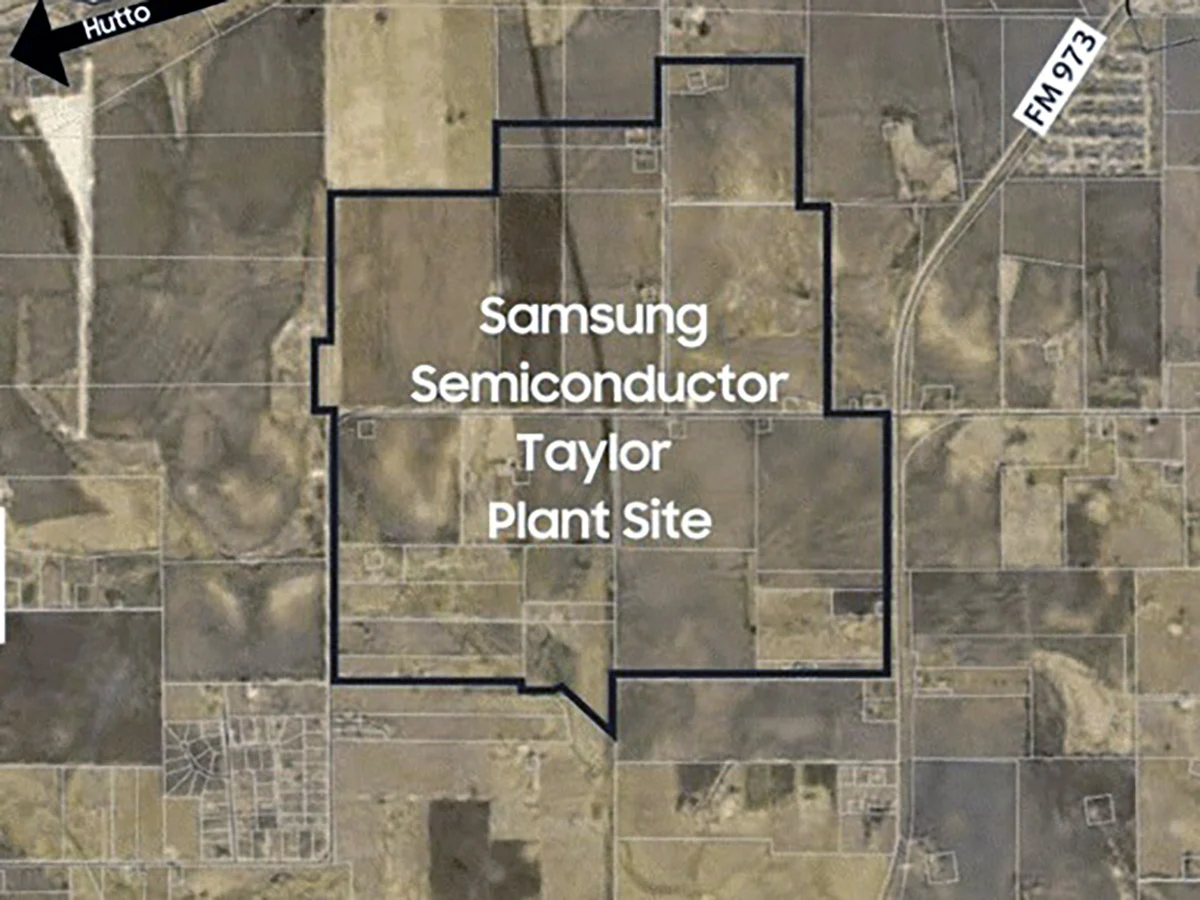
    Tesla’s partnership with Samsung appears to have been motivated by a compelling price proposal and the opportunity for joint development of the AI6 silicon. Musk has indicated that he intends to oversee production processes at Samsung’s Taylor, TX facility, focusing on optimization and cost-efficiency.

    By shifting to Samsung’s chips produced in Texas, Tesla can distance itself from TSMC and any related geopolitical concerns, while adhering to U.S. government regulations or subsidies, all while still designing its AI chips in-house.

    Moving Away from China

    Tesla’s strategy to move away from Chinese suppliers for key EV components such as AI computing and batteries is evident in its new models. For example, the upcoming Model 3+ in China will feature the LG ternary battery pack used in the Model Y, instead of the CATL batteries. The LG battery not only offers higher energy density but also positions the sedan favorably in markets where CATL products might encounter tariffs or restrictions.

    The new six-seat Model Y L variant, which is set to launch in the fall, will use the same battery pack. Additionally, Tesla has entered into a $4.3 billion agreement with LG for energy storage batteries, further reinforcing its shift from Chinese suppliers to those based in Korea.

    Samsung’s Foundry Win

    For Samsung, this deal is a significant boost for its foundry operations. Its own Exynos chips, which power devices like the Galaxy Z Flip 7—currently $200 off on Amazon—have frequently lagged behind Qualcomm’s Snapdragon series due to thermal issues linked to TSMC’s production processes.

    Samsung has faced challenges with the yield of its 2nm GAA production method, but it has improved from initial low figures to about 40%. It is expected to reach the required yield of 60% or more at the Taylor foundry after new equipment is installed next year. If this goal isn’t met, Samsung might initially produce the AI6 chip at a loss. However, the contract with Tesla is seen as valuable, potentially breaking TSMC’s stronghold on advanced chip manufacturing.

    Notably, TSMC’s U.S. foundry can only supply 7% of the chips that American companies need, which may have influenced Tesla’s decision to partner with Samsung and its Texas facility, humorously noted by Musk to be “conveniently located not far from my house.”

    Source:
    Link

  • Tesla FSD Monitors Toll Booth Payments for Autonomous Driving

    Tesla FSD Monitors Toll Booth Payments for Autonomous Driving

    Key Takeaways

    1. Tesla plans to launch an unsupervised version of its Full Self-Driving (FSD) software for individual users by the end of this year.
    2. The current FSD system is being tested in a few Model Y vehicles for pilot Robotaxi rides in Austin and soon in California.
    3. Tesla is training its self-driving software on various edge case scenarios to improve safety for Level 4 fully driverless rides.
    4. FSD version 13.2.9 can autonomously identify completed payments at tolls and parking booths, enabling it to drive away without human intervention.
    5. Owners of older Tesla models with HW3 kits will miss out on some FSD advancements, but free HW4 retrofits may be offered if unsupervised FSD can’t function on those models.


    Tesla is aiming to launch the unsupervised version of its Full Self-Driving (FSD) software for individual users by the end of this year.

    Current Deployment of FSD

    The non-supervised FSD system is presently available on a small number of Model Y vehicles, which are providing pilot Robotaxi rides in Austin and will soon expand to California. This software has also been installed on a Model Y that made its way directly from the production line to its new owner, and it has been utilized to park completed cars at the factory by themselves.

    Training for Safety

    To reach the desired safety level for Level 4 fully driverless rides and to reduce disturbances for users of the supervised FSD versions, Tesla is currently training its self-driving software on various edge case scenarios. This effort enhances the software’s ability to manage the complicated and often unpredictable conditions faced on public roads, which the AI must recognize and react to. Nevertheless, these scenarios are not the only ones considered by Tesla’s AI team, which has been developing solutions for a wide range of challenges.

    Enhanced Features in FSD v13.2.9

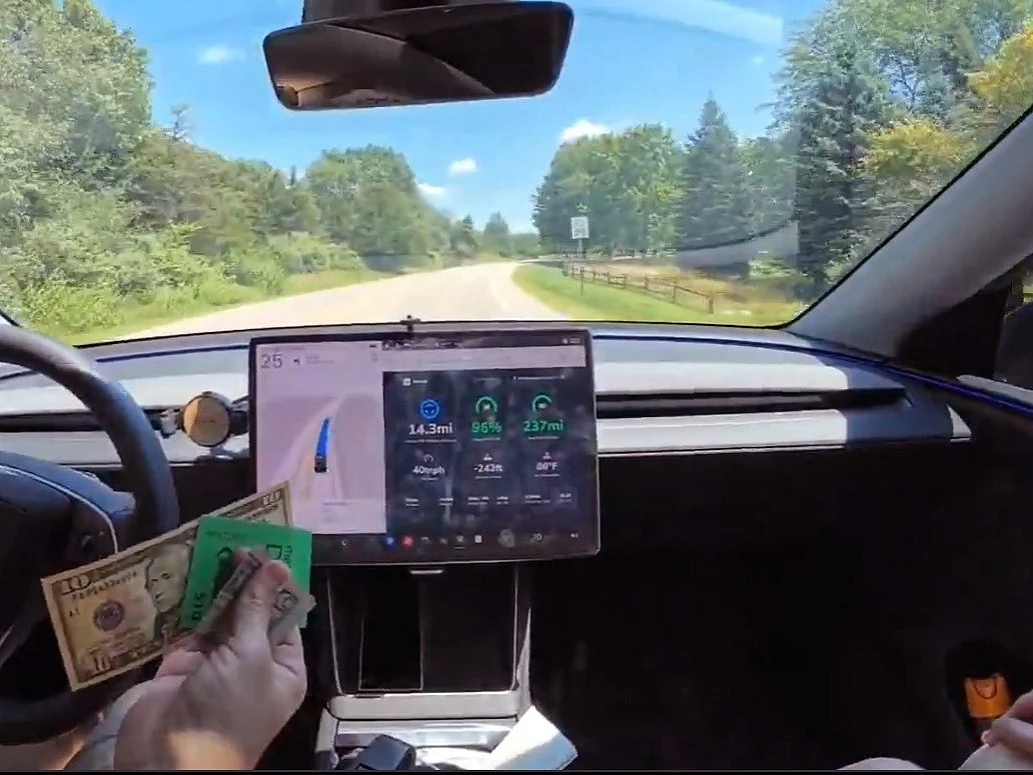
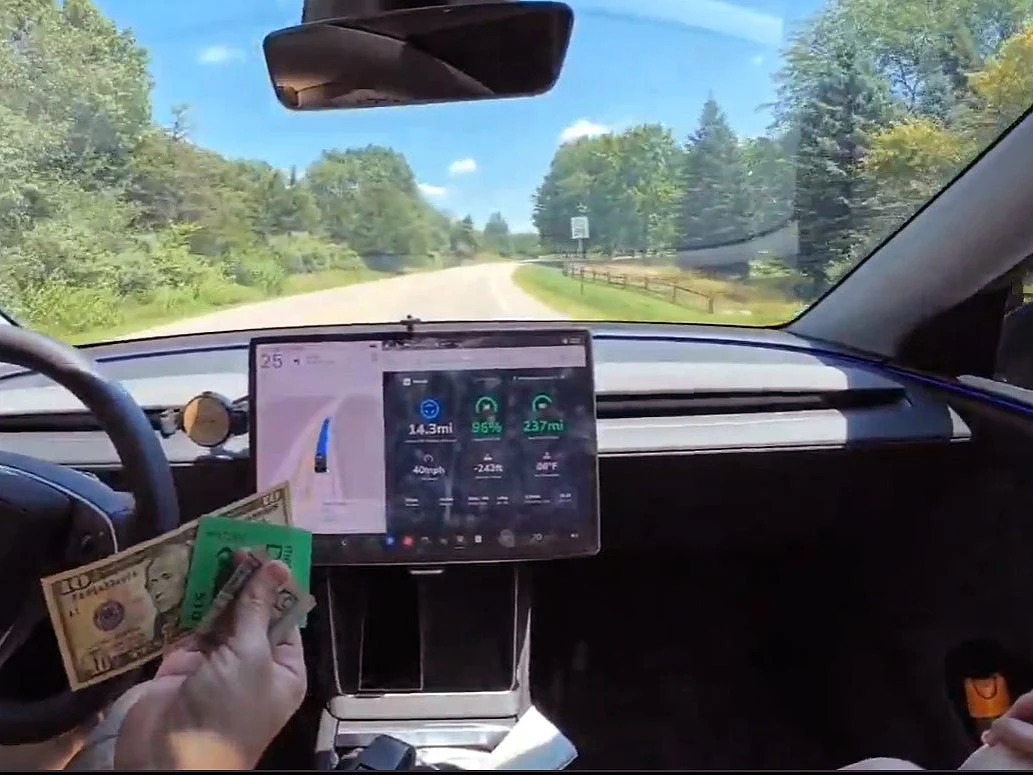
    As demonstrated in the video below, FSD version 13.2.9 can now identify when a payment has been completed at an open road toll or parking booth, allowing it to drive away without any human intervention.

    How did the Model Y accomplish this? Tesla’s AI leader explains that it employed its pillar and side cameras to monitor the money exchange and the handover of parking tickets. It waited until the entire process was finalized before gradually moving away from the toll booth once the payment was complete.

    Interestingly, the Tesla Model Y didn’t require a barrier to be lifted or a green light to proceed. Instead, it relied on its cameras to observe the interaction between the driver and the booth attendant to determine the right moment to move forward.

    Limitations for Older Models

    Sadly, Tesla owners with older vehicles equipped with HW3 kits often miss out on these FSD advancements. For instance, they currently cannot lend their cars to the Robotaxi platform. Elon Musk has stated that free HW4 retrofits will be offered if Tesla cannot make unsupervised FSD function with these older models.

    Source:
    Link

  • Budget Tesla Model Y: No Glass Roof Leaks, Simple Interior

    Budget Tesla Model Y: No Glass Roof Leaks, Simple Interior

    Key Takeaways

    1. The upcoming budget Model Y, known as project E41, will likely miss features like a glass roof, LED light strip, and rear reflector.
    2. Interior changes include the absence of ventilated seats, reduced audio system speakers, and modified central console without cupholder storage.
    3. The budget Model Y will maintain similar dimensions to current models, avoiding changes to the wheelbase for cost reasons.
    4. Tesla aims to price the budget Model Y around $35,000, targeting affordability as tax credit subsidies expire in 2025.
    5. A larger six-seat Model YL is set to launch this fall, priced over $10,000 higher than the existing Model Y.


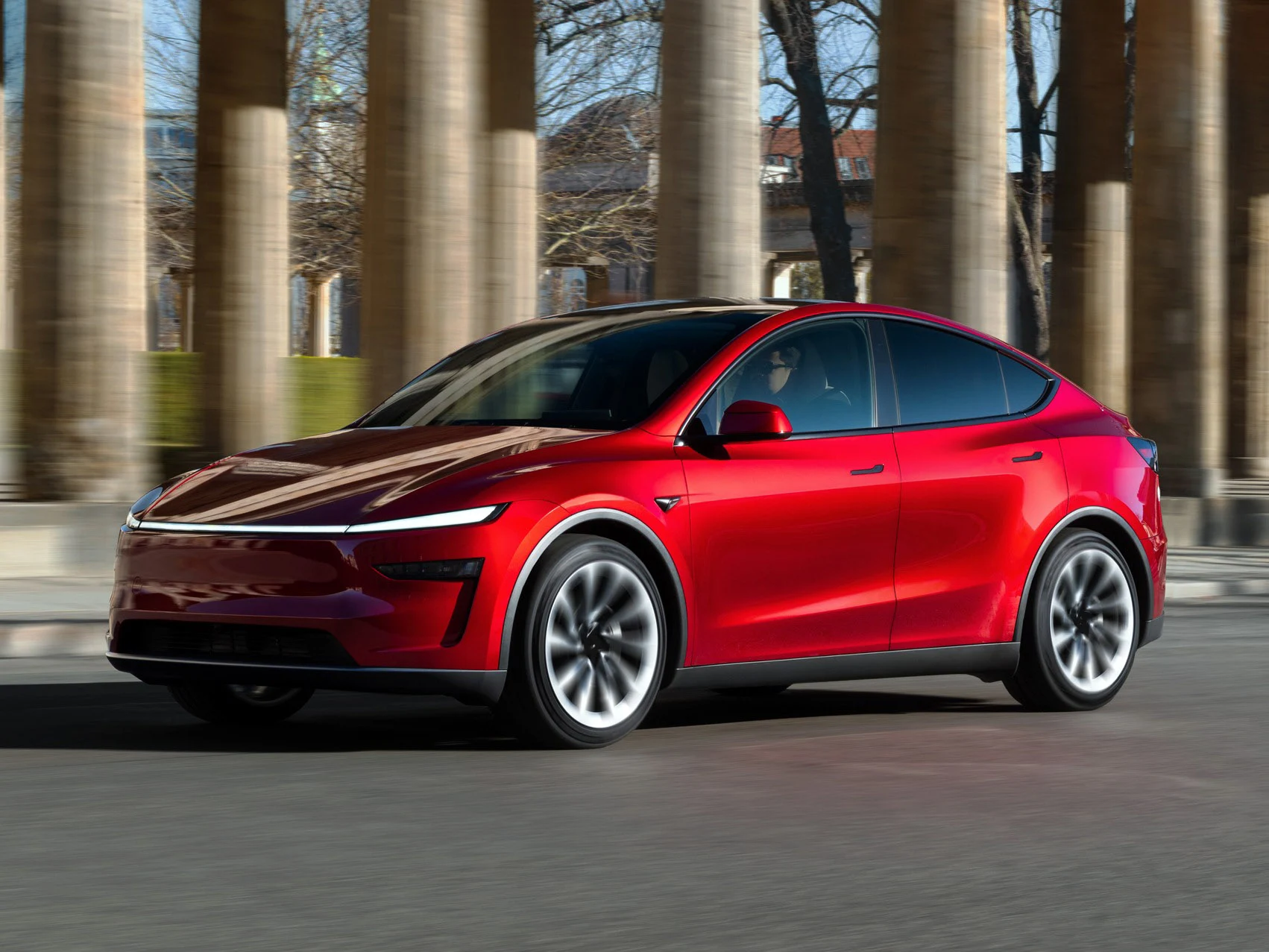
    The upcoming Model Y from Tesla, which is set to launch next quarter, might miss out on some features. This budget version may not come with a glass roof, LED light strip, or rear reflector that were part of the Juniper refresh. Additionally, it is expected to lack vented seats, cupholder storage, A-pillar speakers, and even clothing hooks.

    First Sightings of Project E41

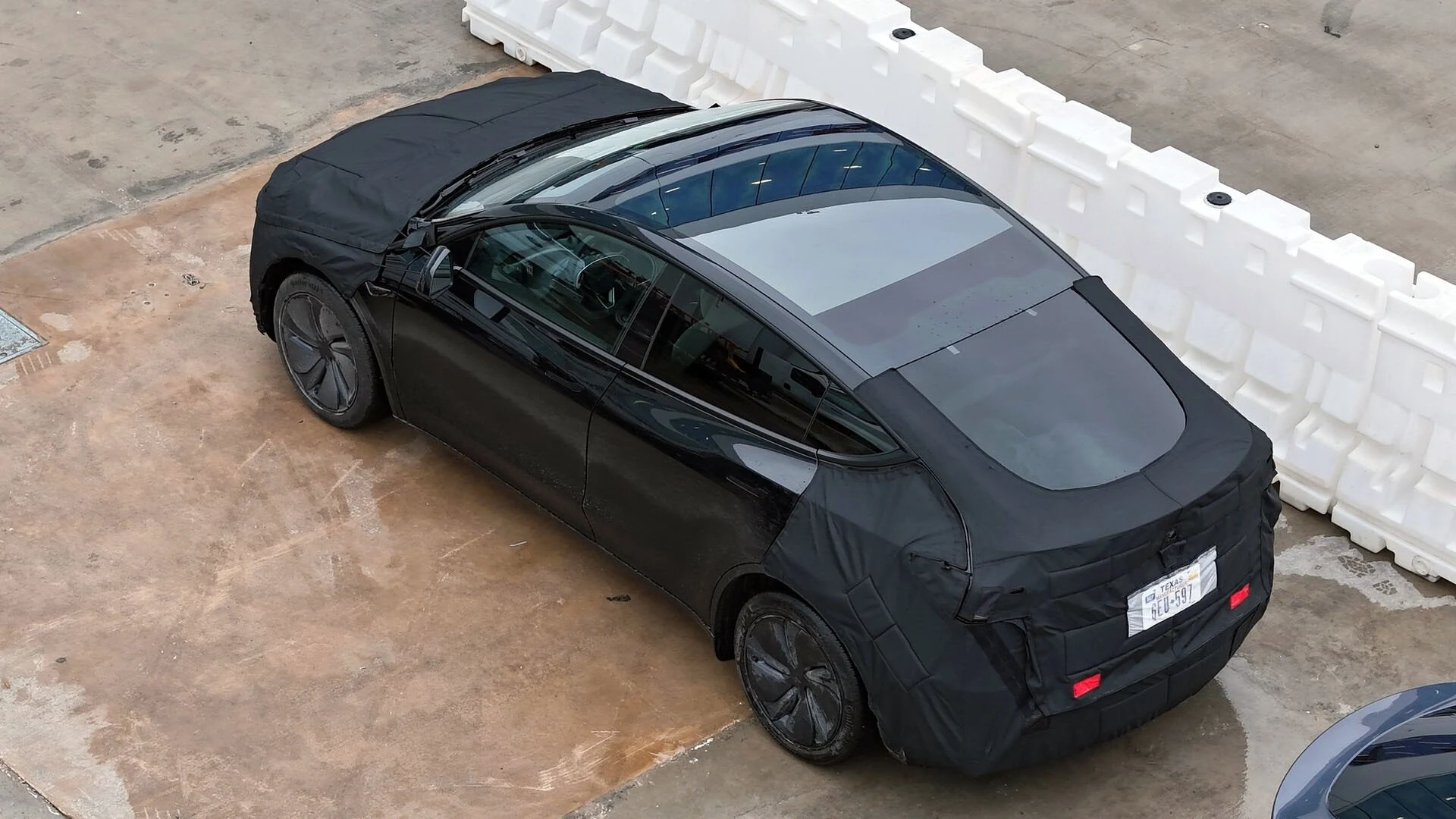
    This more basic Model Y, known internally as project E41, was spotted for the first time near the Giga Shanghai factory, covered in camouflage for testing. The headlights have been repositioned, suggesting that the LED light bar seen in the Juniper refresh could be absent in this more affordable model. The unique rear reflector that casts red light on the ground is also likely to be removed.

    Changes Inside the Vehicle

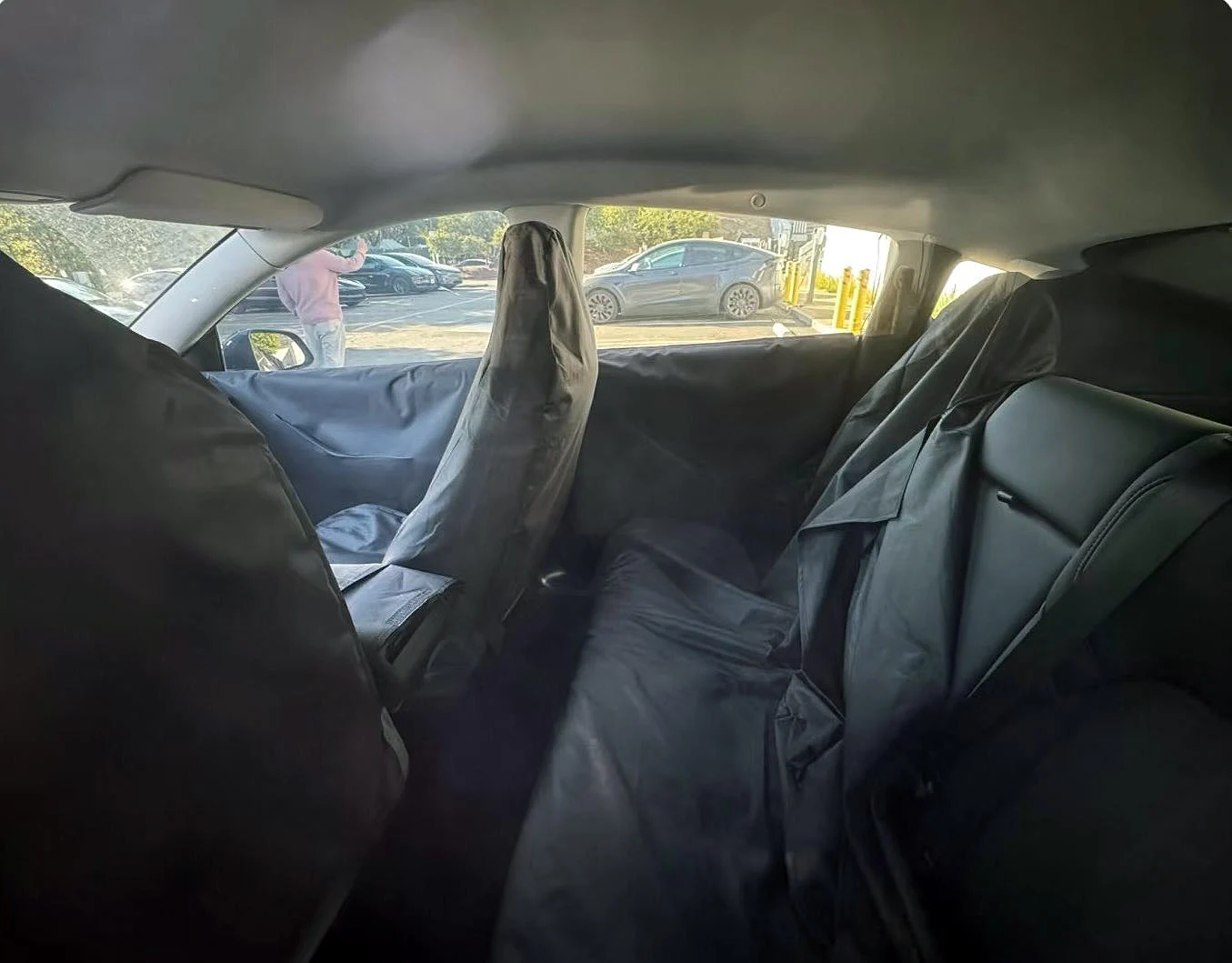
    The interior of this supposed budget Model Y is missing several features found in the current Juniper refresh. The ventilated front seats are not included, and the upholstery appears to be a mix of vegan leather and some fabric. There is no rear display, and the central console has been modified to eliminate cupholder storage, similar to what Tesla did with the lower-cost Cybertruck. The audio system has fewer speakers, particularly lacking those in the A-pillar, and the clothing hooks above the window have also been taken out.

    Size and Future Plans

    Besides these changes, the anticipated budget Model Y looks to be about the same size as its more equipped counterparts, as seen in the video below. This indicates that Tesla might keep the dimensions unchanged instead of undergoing the hassle of shortening the wheelbase. Elon Musk mentioned that Tesla’s affordable vehicle would be “smaller, to be certain,” but he was actually discussing a different model, tentatively called the Model 2, rather than this simplified Model Y.

    During the Q2 investor call, Musk clarified that the less expensive Tesla set to be released in Q4 will just be “a Model Y” trim aimed at lowering costs, without calling it more compact. Adjusting production lines for a shorter version could be pricier than maintaining the current frame and components.

    Pricing Strategy

    While Tesla plans to introduce a larger six-seat Model YL with an extended wheelbase this fall, it will reportedly be priced over ten thousand dollars higher than the existing Model Y. The aim with the budget Model Y, however, is to keep costs as low as possible, utilizing the current production lines. Tesla is said to target a price of $35,000 to offset the loss of tax credit subsidies, as this budget version is expected to launch after the subsidies expire on September 30, 2025.

    Source:
    Link

  • Affordable New Tesla Model in Production Before Tax Credits End

    Affordable New Tesla Model in Production Before Tax Credits End

    Key Takeaways

    1. Tesla’s less expensive cars are entering pilot production and quality testing, with a planned release between October and December.
    2. The upcoming budget-friendly model, possibly named Model Z, is expected to be a smaller version of the Model Y.
    3. Tesla may introduce multiple affordable models, including a compact Model Y and a budget version of the Model 3.
    4. The company aims for the lowest monthly lease options, with current leases for Model 3 starting at $299 per month.
    5. The release of the new models is focused on creating a desirable car at a lower price, potentially after the federal tax credits expire.


    The less expensive cars that Tesla has been hinting at for some time are now entering the pilot production and quality testing phase, with a planned release between October and December.

    In a call about the company’s quarterly results, the CFO stated, “we began producing the lower-cost model as we scheduled in the first half,” indicating that Tesla is actively working on and testing its most affordable vehicle yet.

    Naming the New Model

    Originally known as the Model 2 or Model Q, Tesla’s upcoming budget-friendly car might actually be named Model Z. This new model is expected to be a smaller, less expensive version of the well-liked Model Y crossover SUV.

    Lars Moravy, the chief engineer, confirmed that these more affordable Tesla models have been in production aimed at quality validation since June, and will be announced in the fourth quarter. This is also when production will increase, as Tesla is currently prioritizing the output of Model Y and Model 3 units that meet the federal tax credit criteria before it ends on September 30, 2025.

    More Than One Model?

    Interestingly, Lars mentioned “new, more affordable models” as a plural term. The speculation is that Tesla might introduce a compact version of the Model Y with simpler features and a smaller battery, along with a budget option of the Model 3 based on the cloth-seated version they have been selling intermittently, hence the use of plural.

    Regarding pricing, Moravy noted in the Q1 earnings call that they aim for the lowest monthly lease option available, as most customers in the U.S. are looking to lease cars. Presently, leases for the Model 3 begin at $299 per month, but this includes the tax credit.

    Commitment to Affordability

    Tesla’s engineering head expressed that they are postponing the release of the more affordable Tesla models “just to create a car that everyone loves and wants at a lower price.” However, the timing of the release of the Model 2/Q/Z, or whatever it may be called, after the tax credits run out, may not solely be about enhancing the customer experience.

    Source:
    Link

  • Tesla Model Y Frunk LED Light Strip and Pricey Supercharged Gummies

    Tesla Model Y Frunk LED Light Strip and Pricey Supercharged Gummies

    Key Takeaways

    1. Tesla has launched its long-awaited Supercharged Gummies, featuring flavors like Cyberberry, Mango Bolt, and Dog Mode Chill.
    2. The gummies are packaged in a box shaped like a lightning bolt and are priced at $35, also included in goodie bags at the grand opening of a new Tesla diner.
    3. The new Supercharger station on Santa Monica Boulevard is inspired by 1950s drive-in theaters and offers organic food items along with the gummies.
    4. Tesla is also introducing an LED lighting strip for the frunk of Model Y and Model 3, with easy installation and a $100 price tag.
    5. There are concerns about the pricing of the frunk LED strip, as it is considered high for a feature that many believe should come standard.


    After the release of Tesla’s tequila and beer set, the car manufacturer has introduced its long-anticipated gummy candies, which have been talked about since they were trademarked last year.

    Supercharged Gummies Launch

    Named Supercharged Gummies, this clever name plays on words perfectly. The Tesla candy options feature a strawberry-flavored Cyberberry, a Mango Bolt, and a raspberry Dog Mode Chill.

    The Supercharged Gummies are packaged in a box shaped like a Tesla lightning bolt, which appears to be influenced by its Diner Supercharger, similar to the themed salt and pepper shakers. They are now available at the diner for $35, and were also included in the goodie bags for guests who attended its grand opening on Monday.

    Diner Inspiration

    The newly opened Supercharger station on Santa Monica Boulevard draws inspiration from 1950s drive-in movie theaters and diners. It offers organic burgers, milkshakes, and other exclusive items beyond the Supercharged Gummies, including a new black Optimus action figure where the robot is dressed as a fast-food server.

    To keep up with the festive product launches, Tesla is also introducing an LED lighting strip designed for the frunk of the Model Y and Model 3. The installation is said to be simple, as the Model Y frunk lighting strip connects directly to the SUV’s power supply. The ambient lighting for the front box in both the Model 3 and Model Y comes with a constant current control module and boasts an IP67 water-resistance rating, perfect for those occasions when the frunk is used as a cooler for parties.

    Pricing Concerns

    However, similar to the Supercharged Gummies, the $100 price tag for the Model Y frunk LED strip feels steep for an ambient lighting feature that arguably should have been included as standard.

    Source:
    Link


  • Tesla Vehicles Get Robotaxi FSD Upgrade for Major Autonomy Boost

    Tesla Vehicles Get Robotaxi FSD Upgrade for Major Autonomy Boost

    Key Takeaways

    1. Tesla’s Robotaxi platform expansion will be closely evaluated ahead of the earnings announcement on July 23, with a focus on the upcoming significant Full Self-Driving (FSD) release.

    2. The Model Y robotaxis in Austin use unique FSD software that differs from the version available to regular Tesla owners, with plans for careful integration in the future.

    3. The “unsupervised” FSD used by the robotaxis operates without driver input and is classified as Level 4 autonomous vehicle software by the Austin transportation department.

    4. Tesla employs geofencing for its Robotaxi operations to ensure regulatory compliance and safe navigation, while conducting extensive testing before merging the robotaxi software with the public FSD version.

    5. Tesla emphasizes the advantages of its camera-only FSD system over competitors and plans to enhance the robotaxi software with a fourfold increase in parameters, focusing on efficient memory use for improved algorithm processing.


    Ahead of Tesla’s earnings announcement on July 23, the expansion of its Robotaxi platform is set to be closely examined. Elon Musk has promised a “step change improvement” for the next significant Full Self-Driving (FSD) release, drawing from experiences gained through operating the driverless ride-sharing service.

    Unique Software for Robotaxis

    Tesla has modified a small fleet of Model Y vehicles to operate as robotaxis in Austin. While these units are equipped with factory hardware, their FSD software differs from what is available to regular Tesla owners. Musk stated that Tesla plans to integrate the separate FSD software used by the robotaxis with the commercial version currently employed in its other vehicles, but this will be done cautiously.

    Unsupervised FSD Explained

    Tesla has labeled the FSD branch utilized by its robotaxi fleet during the pilot phase in Austin as “unsupervised” FSD. This is distinct from the Full Self-Driving (Supervised) designation given to the paid driver assistance feature. The term “unsupervised” indicates that it does not require any driver input or attention. The transportation department in Austin has classified this system as Level 4 autonomous vehicle software, meaning it can operate without human intervention.

    Regulatory Challenges and Testing

    To achieve the necessary regulatory approvals, Tesla operates its Model Y robotaxi quite differently from the FSD versions accessible to the general public. For instance, Tesla has geofenced the operational area for its Robotaxi platform, similar to Waymo, to verify that the “unsupervised” vehicles navigate routes in the same manner as its other cars. This explains the variety of Tesla validation vehicles equipped with additional camera setups seen driving around Austin before the launch of the Robotaxi service.

    Before merging the robotaxi FSD with the version available to the public, Tesla aims to conduct more tests to ensure a seamless transition. Musk emphasized, “We need to validate that improvements for Austin don’t cause regressions elsewhere.”

    Safety Measures and Future Plans

    Tesla takes pride in the advantages of its camera-only FSD system compared to the geofenced methods and extra sensors, like LiDAR, used by competitors such as Waymo. However, in Austin, Tesla continues to employ geofencing for enhanced safety and regulatory compliance. The company wants to ensure that the performance of its robotaxis within this controlled environment aligns with the behavior of Tesla vehicles outside of mapped areas.

    The merging of the robotaxi software with the general FSD version is set to take place later this year. Musk hinted at a fourfold increase in parameters and emphasized a “super frugal use of memory bandwidth, caching exactly what is needed” to facilitate the processing of additional algorithms.

    Source:
    Link