Tag: google

  • Google and Mozilla Take Offense at Apple’s Browser Rule Modification

    Google and Mozilla Take Offense at Apple’s Browser Rule Modification

    Apple is making some big changes to how browsers work on iPhones and iPads in Europe, and it’s all because of new rules from the European Union. These rules are supposed to help other companies compete better with big ones like Apple. Now, browsers like Chrome and Firefox can use their own technology on iOS devices, but there’s a catch – this is only happening in Europe.

    Apple’s Changes for European Browsers

    The European Union is responsible for this change. Google and Mozilla, the companies behind Chrome and Firefox, aren’t too happy about this. They say that by making these changes only in Europe, Apple is making things complicated for them. They’ll have to work on two different versions of their browsers, one for Europe and another for the rest of the world. Mozilla thinks this is unfair and makes it hard for any browser other than Safari to compete.

    Discontent Among Google and Mozilla

    Google’s Chrome team agrees. They think Apple’s not really trying to make it easier for other browsers to compete on iPhones and iPads. Right now, if you download Chrome or Firefox on an iOS device, you’re basically using Safari with a different look. That’s because Apple hasn’t let other browsers use their own tech until now.

    Competition and Safari’s Improvement

    People have been complaining about Safari for a while, saying it’s slow to add new features that other browsers have. But Safari is getting better, and having more competition could push it to improve even faster. The problem is, with Apple’s new rules, this competition is only happening in Europe.

    Even though these changes are a big deal for Europe, they don’t help everyone else. Google and Mozilla have been getting ready for this by working on their browsers for iOS, hoping to bring new features to users. But with Apple’s restrictions, it looks like the rest of the world will have to wait to see any real change in how they browse the web on their iPhones and iPads.
  • Unexpected January Pixel Feature Drop introduces Galaxy S24 features and beyond

    Unexpected January Pixel Feature Drop introduces Galaxy S24 features and beyond

    Google Releases January Pixel Feature Drop: What’s New for Pixel Users?

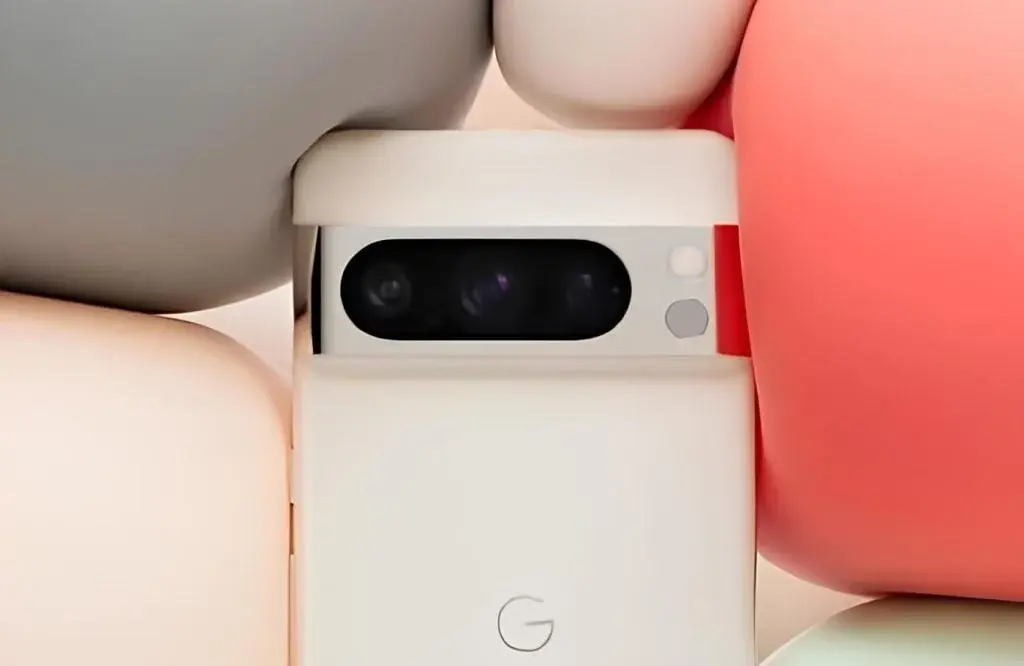
    Google has surprised users with a January Pixel Feature Drop, introducing a range of new features to Pixel devices. Some of these features have been inspired by the recently launched Galaxy S24. Let’s take a closer look at what’s in store for Pixel users.

    Enhanced Pixel 8 Pro Temperature Sensor

    The Pixel 8 Pro’s temperature sensor, which was previously shrouded in mystery, can now be utilized for measuring human body temperature. Users can simply point their phones at themselves or others to obtain temperature readings. Additionally, there is an option to integrate this feature with the Fitbit app for tracking purposes.

    Circle to Search Arrives on Pixel Phones

    One of the standout features of the Galaxy S24, Circle to Search, has made its way to Pixel devices with the January feature drop. Powered by Google AI, this tool enables users to draw circles around elements on any screen, such as videos, images, or text, in order to trigger information searches. However, it is worth noting that Circle to Search is only available on Pixel 8 and 8 Pro smartphones.

    Photomoji

    Pixel users can now convert messages into unique emojis for instant reactions. By pressing and holding a message in Google Messages, users can select a picture, and their phone will automatically transform it into a personalized emoji. This feature is available on Pixel 3a and later models.

    Magic Compose

    Magic Compose, which was announced earlier, is finally being rolled out to Pixel 8 and 8 Pro users. This feature suggests personalized and creative response options for text messages, making it easier for users to compose their replies.

    Quick Share

    Samsung and Google have collaborated on Android’s default file-sharing service, now known as Quick Share. This feature is now available on Pixel devices, complete with a new Quick Share icon. Users can share files quickly and seamlessly using this feature.

    Pixel Buds Pro Gain Seamless Audio Switching

    Pixel Buds Pro users can now enjoy improved connectivity with the addition of automatic device switching. This means that the earbuds will seamlessly transition audio playback between connected devices. For example, users can switch from listening to music on a tablet to taking calls on a phone without any interruptions.

    These exciting new features are currently rolling out to Pixel users. Keep an eye out for updates on your device to take advantage of these enhancements.

  • Settlement Reached by Google in Patent Lawsuit Involving Tensor Processing Unit (TPU) Technology

    Settlement Reached by Google in Patent Lawsuit Involving Tensor Processing Unit (TPU) Technology

    Google Settles Patent Infringement Lawsuit Over TPU Chips

    Google has reached a settlement in a patent infringement lawsuit over the Tensor Processing Units (TPUs) that power its artificial intelligence (AI) technology. The settlement was reached just hours before closing arguments were set to begin in the case filed by Massachusetts-based Singular Computing. The lawsuit alleged that Google used Singular’s technology in its TPUs and sought $1.67 billion in damages.

    What are TPUs?

    TPUs are specialized hardware accelerators designed specifically for machine learning and AI workloads. They are optimized to perform complex calculations involved in AI tasks and are significantly faster and more efficient than traditional CPUs or GPUs. TPUs are used to power AI features in popular Google services like Google Search, Gmail, and Translate.

    Settlement Details

    The details of the settlement between Google and Singular remain confidential. Both parties have confirmed the agreement but declined to provide further comment. Google spokesperson Jose Castaneda maintained the company’s innocence and stated that they were pleased to have resolved the matter.

    Singular’s Allegations

    Singular, founded by computer scientist Joseph Bates, claimed that Google used their technology in TPUs. Bates allegedly shared his ideas with Google between 2010 and 2014. The lawsuit argued that TPU versions 2 and 3, released in 2017 and 2018, infringed on two of Singular’s patents.

    Google’s Defense

    Google countered Singular’s claims by stating that the employees who designed their chip had never met Bates and that the technology was created independently. The company argued that their TPU technology differed significantly from Singular’s patents.

    Internal Emails Presented at Trial

    During the trial’s opening, internal Google emails were presented as evidence. The emails showed the company’s chief scientist, Jeff Dean, discussing with others how Bates’ ideas were “well-suited” for their chip development.

    While the exact terms of the settlement remain undisclosed, the resolution of this lawsuit brings an end to the legal dispute between Google and Singular over the alleged patent infringement related to TPUs.

  • Google tests Pixel Tablet voice typing toolbar

    Google tests Pixel Tablet voice typing toolbar

    Google’s Gboard Unveils a Minimalistic Toolbar for Voice Input on Pixel Tablet

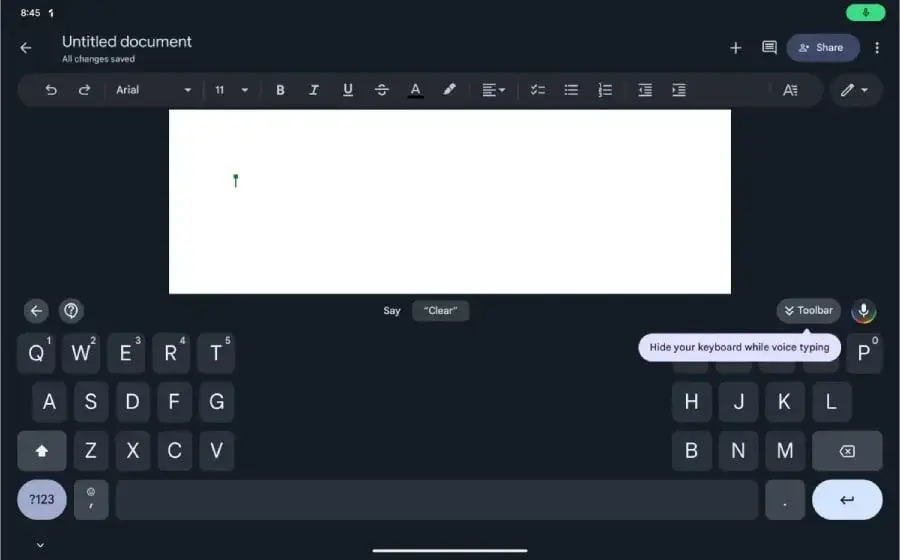
    Google’s Gboard, the popular keyboard application, is gearing up to introduce an innovative feature that focuses on voice typing for the Pixel Tablet. With the release of the latest beta version (13.7) of the app, Google has implemented significant modifications to elevate the overall user experience. Instead of retaining the conventional full keyboard layout, they have opted for a more straightforward and sleek design.

    Streamlined and Effective Toolbar

    The highlight of this update is centered around a streamlined toolbar option in a pill shape that will be displayed when users engage the Google Assistant voice typing functionality. According to Google, this new user interface is aimed at allowing users to "Maximize your screen real estate while using voice input."

    The primary objective of this toolbar is to offer users an unobstructed view of their screen during voice-based typing sessions. It has been meticulously crafted to be compact and efficient, showcasing only essential functionalities without occupying excessive screen space.

    Handy Features at Your Disposal

    The toolbar comes packed with several convenient features that enrich the voice typing process. Users can swiftly adjust settings, employ voice commands, switch to emojis, and access their clipboard with ease. Moreover, the toolbar’s flexibility enables users to reposition it on the screen as per their liking, including vertically, thus enhancing its adaptability for a variety of tasks and personal comfort.

    Moreover, users will continue to benefit from text suggestions near the typing area, facilitating seamless typing and editing processes. When the situation calls for a full keyboard layout, it remains just a tap away for users.

    Availability and Future Outlook

    Currently, this new toolbar feature is exclusive to a specific Pixel Tablet running on Android 14 QPR1. Regrettably, it is not yet supported on other devices such as the Pixel Fold.

    While the extension of this feature to additional devices, like Pixel phones, remains uncertain, it is evident that this forward-thinking approach to voice typing harbors significant potential. Google had previously alluded to a similar feature for phones last year, hinting that this novel voice typing method might not be limited to tablets exclusively.

  • Google Pixel Watch 3 Set for Release in Two Different Sizes

    Google Pixel Watch 3 Set for Release in Two Different Sizes

    The Google Pixel Watch 3: Addressing Size Concerns and Enhancing Features


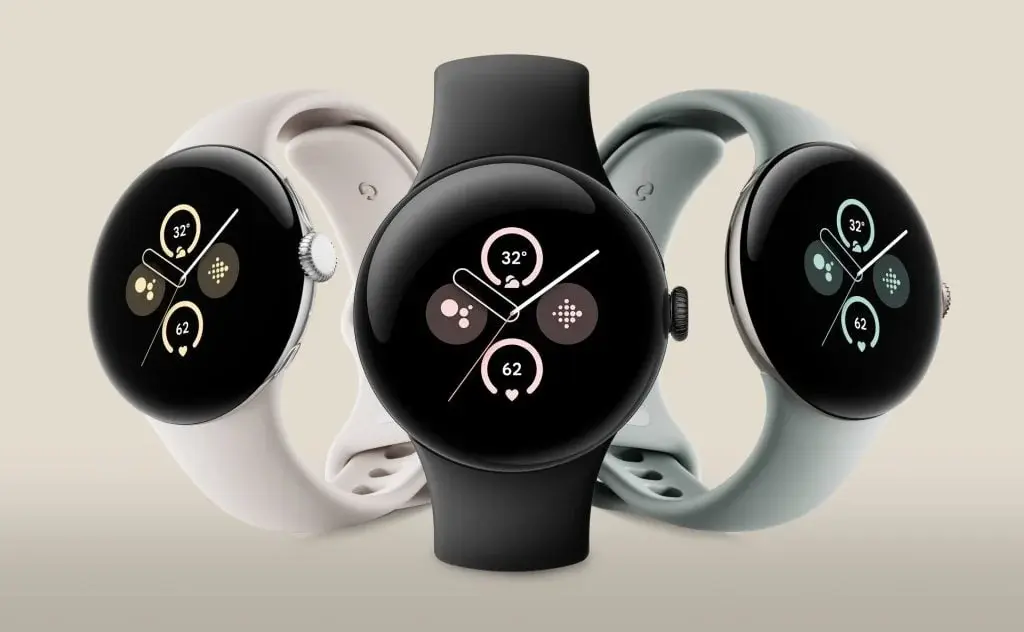
    The Google Pixel Watch 3 is poised to tackle a recurring issue seen in its previous iteration – its compact size. In stark contrast to competitors such as Samsung, which deliver more spacious alternatives reaching up to 47mm, the Pixel Watch 2 remains confined to a 41mm option. Nevertheless, Google is anticipated to introduce two size variants for the Pixel Watch 3, furnishing a remedy for individuals favoring a larger smartwatch.

    Enhanced Dimensions and Feature Set

    Though the precise dimensions of the Pixel Watch 3’s cases remain unconfirmed, the larger variant is projected to surpass the 41mm footprint of the Pixel Watch 2. This upsize could facilitate a larger screen, possibly reaching 1.3 inches, and accommodate a beefier battery, consequently elevating battery longevity. Moreover, the expanded casing might house a broader array of health sensors, amplifying the watch’s functionality.

    Refined Aesthetics and Interoperability

    The enlarged iteration of the Pixel Watch 3 is expected to sport 22mm bands, trumping the 20mm bands utilized in the current model. This alteration in band dimensions could contribute to a more streamlined appearance for the timepiece. Furthermore, trimming the bezel encircling the screen could further elevate the overall visual appeal of the device.

    Suited for Larger Wrists and Prolonged Battery Performance

    The advent of a larger Pixel Watch would cater well to individuals with more substantial wrists and those who prioritize enduring battery life. While the Pixel Watch 2 already boasts a 24-hour battery span with its ever-active display feature, a grander model may likely deliver even more robust battery efficiency, meeting the demands of users necessitating prolonged usage sans frequent recharges.

    Launch Schedule and Technological Aspects

    The advent of the Pixel Watch 3 is anticipated in early October, aligning with Google’s tradition of unveiling new gadgets alongside their Pixel mobile series. Concerning technology, the Pixel Watch 3 is presumed to leverage the identical Snapdragon W5 chipset as its forerunner, given the absence of reports suggesting a fresh chipset explicitly tailored for Wear OS.


    In summary, the forthcoming Google Pixel Watch 3 seeks to resolve the size limitation evident in its precursor by introducing two size selections. The larger rendition is anticipated to offer an expanded display, enhanced battery life, and an augmented suite of health sensors. With a more elegant design and compatibility with broader bands, the Pixel Watch 3 is set to accommodate individuals with heftier wrists. The launch date is set for early October, coinciding with the introduction of the new Pixel 9 series.

  • TSMC to Potentially Produce Google Tensor G5

    TSMC to Potentially Produce Google Tensor G5

    Google Initiates Testing of In-House Chip

    Reports suggest Google partners with Taiwanese firm KYEC for evaluating a chip it developed internally, signaling a shift towards independent chip creation. KYEC offers testing services for fresh chips made in Taiwan. Google procures testing equipment at KYEC, with testing set to commence in the middle of the year and scale up gradually.

    Elaboration on Tensor G5 Chip

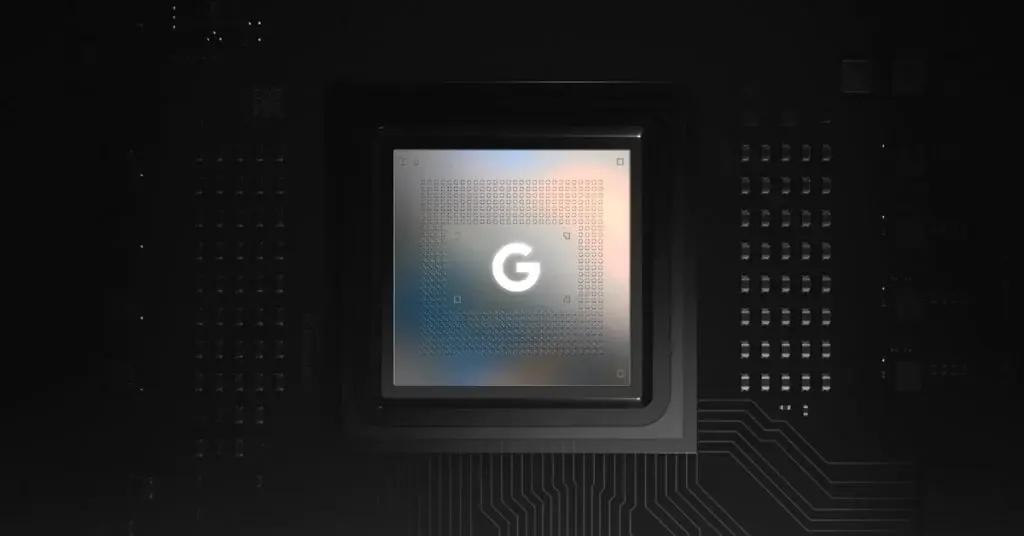
    The chip undergoing testing, named "Laguna," is speculated to be the Tensor G5. Set for unveiling in 2025, it will be produced using TSMC’s 3nm process. This chip will emphasize AI functionalities, aligning well with Google’s emphasis on AI-driven attributes in Pixel gadgets.

    Noteworthy Transition in Chip Development

    This potential change represents Google’s premier endeavor in crafting custom chipsets. Previously, the company banked on Samsung’s Exynos chips. Moving production to TSMC empowers Google with enhanced control over chip design, facilitating the development of more robust and competent Pixel phones. It also sidesteps Samsung’s Exynos chips, currently trailing Qualcomm’s Snapdragon lineup in performance and efficiency.

    Ongoing Relationship with Samsung

    In the immediate future, Google upholds its alliance with Samsung. The forthcoming Pixel 9 series will showcase the Tensor G4 chip, constructed utilizing Samsung’s 4nm process. While presenting marginal enhancements over the Tensor G3 chip of the Pixel 8, it shares technology with Samsung’s Exynos 2400 SoC, hinting at marked improvements in CPU and GPU performance.

    In a Nutshell

    Google’s collaboration with KYEC for chip assessment hints at potential self-reliant chip development efforts. The Tensor G5 chip is foreseen to give precedence to AI capabilities by 2025. Shifting production to TSMC might augment Google’s authority in chip design, leading to more potent Pixel devices. Nevertheless, Google maintains its partnership with Samsung through the Tensor G4 chip in the upcoming Pixel 9 series.

  • Google’s New Data Center: Boosting the UK’s Digital Future with a Billion-Dollar Investment

    Google’s New Data Center: Boosting the UK’s Digital Future with a Billion-Dollar Investment

    Google Plans $1 Billion Investment in UK Data Centre to Drive Tech Sector Growth and AI Innovation

    Google is set to make a substantial financial commitment to the UK’s digital landscape by constructing a cutting-edge data center in Waltham Cross, Hertfordshire. This billion-dollar endeavor not only reinforces the UK’s standing as the largest tech economy in Europe but also underscores Google’s faith in the rising demand for AI and cloud services.

    Acknowledging the Rising Need for AI and Cloud Services

    At the heart of Google’s strategy lies an acknowledgment of the increasing requirement for AI and cloud services. This sprawling 33-acre location transcends mere infrastructure; it emerges as a hub for groundbreaking AI solutions and resilient digital services. The repercussions of this investment will reverberate throughout various Google platforms, spanning from Google Cloud to everyday staples like Search, Maps, and YouTube.

    A Testament to Google’s Ongoing Dedication

    Ruth Porat, Alphabet’s CFO, stresses that this investment represents not just an extension but a continuation of Google’s dedication to the UK’s digital economy. This financial venture aligns with their prior projects, including the Saint Giles and Kings Cross offices, and partnerships with Cambridge University. Moreover, Google’s participation in the Grace Hopper subsea cable, linking the UK with the US and Spain, further illustrates their unwavering commitment to the UK’s tech industry.

    Prioritizing People and the Environment

    The new data center initiative transcends technological advancements; it places a strong emphasis on both individuals and environmental concerns. Google’s investment promises the generation of construction and technical roles, thereby bolstering the local community’s economic outlook. Furthermore, the pledge to transition to carbon-free energy by 2030 underscores their dedication to environmental sustainability. Notably, the data center plans to recycle its heat to benefit nearby residences and businesses.

    Emphasizing Skill Development and Education

    Google’s initiative extends beyond physical infrastructure. The company has already upskilled over a million Britons in digital competencies and expanded its AI-centric Digital Garage syllabus. This educational emphasis epitomizes Google’s stake in the UK’s future, not limited to servers and wires but also encompassing the enhancement of individuals and their proficiencies.

    UK’s Ascendant Position in the Tech and AI Landscape

    Google’s monumental $1 billion investment coincides with Microsoft’s recent announcement of a £2.5 billion data center project in the UK. These financial injections further underpin the UK’s ascendant status as a frontrunner in technology and AI. With its tech ecosystem already outpacing the combined stature of Germany and France, the UK stands poised to achieve even greater progress with these substantial investments.


    Investment Details and Specifications

    • Investment Amount: $1 billion
    • Location: Waltham Cross, Hertfordshire
    • Site Area: 33 acres
    • Environmental Commitment: Transition to carbon-free energy by 2030
    • Educational Initiatives: Over a million Brits trained in digital skills, expansion of AI-focused Digital Garage curriculum
  • Google modifies Chrome’s private browsing warning following privacy lawsuit

    Google modifies Chrome’s private browsing warning following privacy lawsuit

    Google Updates Explanation of Incognito Browsing

    Google has made changes to its explanation of incognito browsing, aiming to provide a clearer understanding of its function. This update comes after Google settled a lawsuit in which it was accused of tracking users even when they were in incognito mode. The settlement required Google to pay a hefty $5 billion.

    The updated explanation was spotted by MSPowerUser in the latest version of Google Chrome (version 122.0.6251.0). The new disclaimer now states:

    “Others who use this device won’t see your activity, so you can browse more privately. This won’t change how data is collected by websites you visit and the services they use, including Google. Downloads, bookmarks, and reading list items will be saved.”

    In comparison, the previous version stated:

    “Now you can browse privately, and other people who use this device won’t see your activity. However, downloads, bookmarks, and reading list items will be saved.”

    The updated disclaimer clarifies that while incognito mode hides a user’s activity from others using the same device, it does not prevent websites and services like Google from collecting data. Additionally, downloads, bookmarks, and reading list items will still be saved.

    Google claims that this update offers users “even more information” and they are satisfied with resolving the lawsuit that they “long disputed.” However, it is likely that the update is a response to the lawsuit and the potential ruling by the judge, which may have required Google to be even more transparent about their data collection practices.

    The plaintiffs in the lawsuit argued that Google’s practices resulted in an “unaccountable trove of information” about users who believed they were protecting their privacy.

    Despite denying the allegations, Google’s decision to settle the case and update the disclaimer suggests a willingness to be more transparent about data collection in incognito mode.

    This is not the first time Google has faced privacy lawsuits. They have previously been accused of violating federal wiretap laws and collecting user data from Wi-Fi networks without permission. The incognito mode case serves as a reminder to be cautious about the amount of information shared online, even when browsing privately.

  • Revolutionizing Smartphone Experience: Google Introduces New In-App Search Feature

    Revolutionizing Smartphone Experience: Google Introduces New In-App Search Feature

    Google Introduces “Circle to Search” Feature for Android Users

    Google has announced a new feature for Android users that is set to transform the way we interact with our smartphones. Named “Circle to Search,” this innovative functionality allows users to search for content within other applications, making information more accessible than ever before. The feature is set to debut on select premium Android devices starting on January 31.

    Enhancing User Experience with Seamless Integration

    With Circle to Search, users can simply circle or tap on an item in a video or app, and Google will provide relevant information without the need to leave the app. This eliminates the hassle of switching between applications to search for information, enriching user engagement and enhancing the overall app experience. Early tests conducted by Google have shown that users tend to return to their original app after using the Circle to Search function, indicating a seamless integration that doesn’t disrupt the user’s journey.

    Rolling Out on Samsung Galaxy S24 Series

    The Circle to Search feature will initially roll out on Samsung’s new Galaxy S24 Series, showcasing Google’s commitment to integrating its services with leading smartphone technology. However, it remains uncertain whether this feature will be available on iPhones. Nevertheless, Google is enthusiastic about extending this capability to more users in the future.

    Driving Growth in Search and YouTube Segments

    Google’s introduction of the Circle to Search feature is part of its continuous pursuit of growth in its search and YouTube segments. The company has reported a significant increase in revenue, partly due to advancements in these areas. By integrating its search capabilities into other applications, Google aims to provide a seamless and convenient experience for users.

    Challenges in Hong Kong

    While Google continues to innovate, it also faces challenges in certain regions, particularly in Hong Kong. The company is currently dealing with governmental pressures over content censorship issues, which adds complexity to its operations. However, Google remains committed to providing valuable services to its users, and the introduction of the Circle to Search feature is a testament to its dedication.

    In conclusion, Google’s Circle to Search feature is set to revolutionize how we search for information on our smartphones. By integrating its search capabilities into other applications, Google aims to enhance user experience and make information more accessible. With the initial rollout on Samsung’s Galaxy S24 Series, Google is demonstrating its commitment to integrating its services with leading smartphone technology. While challenges exist in certain regions, Google remains focused on driving growth and providing valuable services to its users.

  • EU Google Users Now Have the Option to Opt Out of Data Sharing from Services including YouTube, Maps, and More

    EU Google Users Now Have the Option to Opt Out of Data Sharing from Services including YouTube, Maps, and More

    European Users Gain Control Over Data Sharing with Google Services

    Google is making a significant change to its suite of services for European users in response to the EU’s Digital Markets Act (DMA), which will be enforced starting on March 6th. The new policy introduced by Google allows users to have granular control over data sharing across select Google services, including popular ones like YouTube, Maps, and more.

    Adjusting Data Sharing

    With this update, users now have the freedom to choose which Google services can access their data. They can decide to stop sharing their data with all, some, or none of these select services, giving them greater control over their personal information.

    Unlinking Google Services

    Users can now unlink certain Google services from their data sharing. The list of services that can be unlinked includes some of Google’s most popular offerings, such as Search, YouTube, Ad services, Google Play, Chrome, Google Shopping, and Google Maps.

    Limitations and Exceptions

    While the new policy gives users more control, there are certain limitations and exceptions to data sharing. Google clarifies that data sharing may still occur in specific situations, such as completing transactions, fulfilling legal obligations, or preventing fraud. These exceptions ensure that essential functionalities are not compromised.

    Balancing Personalization and Features

    Google acknowledges that linking services can enhance personalization of content and ads. By having Google services linked, users can enjoy a more tailored experience. However, if services are unlinked, certain features may be lost. For example, if Search, YouTube, and Chrome are disconnected, search recommendations and the Discover feed won’t be as personalized. Similarly, if Search and Maps are unlinked, Search reservations won’t appear in Maps.

    User Control and Data Usage

    Ultimately, the decision to unlink services rests with individual users. While there may be some feature loss, it also provides users with more control over their data usage within the Google ecosystem. This change aligns with the EU’s efforts to empower users and ensure transparency in data handling.

    The DMA’s Impact

    The DMA not only affects data sharing but also restricts Google’s ability to prioritize its own services in Search results. This creates a more level playing field for competitors. While Google embraces the DMA, other tech giants like Apple, Meta, and TikTok are challenging its designation in court.

    In conclusion, European users of Google’s suite of services now have greater control over their data sharing. The new policy allows users to selectively unlink certain services while still maintaining essential functionalities. This change reflects Google’s compliance with the EU’s Digital Markets Act and its commitment to empowering users in managing their personal information.