Google’s Search Generative Experience (SGE) is now available in over 120 new countries and territories, thanks to its utilization of artificial intelligence to provide more interactive and informative search results.
Initially launched in the United States, SGE has expanded to India and Japan, and now includes countries such as Mexico, Brazil, South Korea, Indonesia, Nigeria, Kenya, and South Africa. A complete list of supported countries and territories can be found on Google’s website.
To enable SGE in Chrome on desktop, users can visit Search Labs. Access to SGE through the Google app on Android and iOS will be available in the coming week.
In addition to the expanded availability, Google has introduced four new languages for SGE: Spanish, Portuguese, Korean, and Indonesian. This means that users in these countries can now enjoy the benefits of SGE in their native language.
New Features
SGE also includes new features that enhance the search experience. Users can now ask follow-up questions directly from search results pages, allowing for a more conversational approach. Additionally, there is now a dedicated ad slot for displaying prior questions and search results, including search ads. These features will be rolled out gradually over the next few weeks, starting with English in the US.
Google is also working on new AI-powered translation capabilities for SGE. Users will soon be able to indicate the specific meaning they have in mind when asking SGE to translate a phrase with words that can have multiple meanings. This feature is currently being launched in the US for English to Spanish translations, with plans to support more countries and languages in the future.
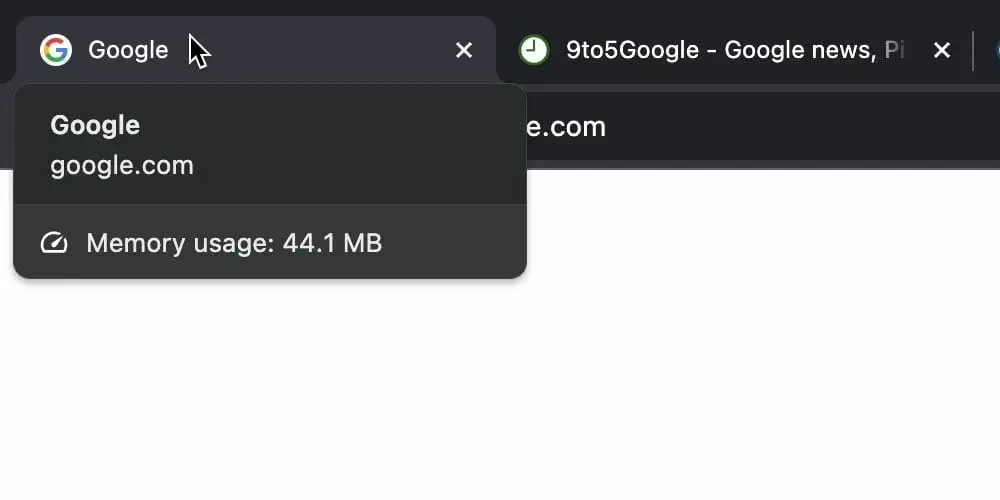
Where multitasking on browsers has become a norm, managing system resources effectively is crucial. Google Chrome, a web browser used by millions, has introduced a nifty feature that lets users keep tabs on the memory usage of individual tabs, quite literally. This new update, as reported by 9to5Google, is a step towards providing users with transparent information about how much system memory their open pages are consuming.
Real-Time Memory Usage Data
Previously, Chrome had launched a Memory Saver mode, which conserves system memory by limiting the resources used by inactive tabs. But this latest feature goes a step further by providing real-time memory usage data with a simple hover over a tab. This means you can now see which of your open websites are hogging system resources without the need to navigate through multiple settings.
This convenience is particularly useful for users who work with numerous tabs open and need to keep their computers running smoothly. It’s a feature that speaks to the everyday user’s needs—no need for technical know-how to monitor your computer’s performance. Simple, on-the-fly, and informative, it can help you decide which tabs to close when your machine starts to lag.
Accessing Memory and Energy Saver Modes
To access the Memory and Energy Saver modes, users can go into the browser’s settings under the ‘Performance’ section. There’s also an option to keep certain important sites always active, ensuring that critical pages are not reloaded every time you click on them.
The update is already available on the stable Chrome 119 channel and is expected to be accessible to all users soon. For those who can’t wait, there’s a way to enable it manually via Chrome’s experimental settings.
Google has recently announced that its Home Panel feature will soon be available to all Android devices running Android 14. Previously, this feature was exclusive to Pixel smartphones and the Pixel Tablet. However, Google has now confirmed that it will expand the feature to all Android devices running the latest version of the operating system.
Control Your Smart Home Devices with Ease
The Home Panel feature allows users to conveniently control their smart home devices directly from their lock screen or Quick Settings. Users can quickly access their Spaces and Favorites, which are groups of smart home devices that have been configured to work together. This makes it effortless to perform actions like turning off all the lights in a room or initiating a scene that adjusts the lighting and plays music.
The Home Panel eliminates the need to open the Google Home app every time you want to control your smart home devices. It is particularly useful for frequently used devices such as lights and thermostats.
Expanding Access to All Android Devices
In the past, only users of Pixel smartphones and the Pixel Tablet had access to the Home Panel feature. However, Google has now made the decision to make this feature available to all Android devices running Android 14. This means that regardless of the device you own, as long as it is running the latest version of Android, you will be able to enjoy the convenience of controlling your smart home devices through the Home Panel.
The rollout of the Home Panel feature to all Android devices is dependent on users updating their devices to Android 14. Once the latest operating system update is available for a particular device, the Home Panel will become accessible.
Pricing and Availability
As of now, there is no information regarding any pricing changes or limitations for the Home Panel feature. It is expected that the feature will be available to all Android users with devices running Android 14, free of charge.
Overall, the expansion of the Home Panel feature to all Android devices running Android 14 is great news for users who want a more convenient way to control their smart home devices. With the Home Panel, managing your smart home has never been easier.
New Smartwatch Sensors: Google Files Patent for Gesture Recognition
New Smartwatch Sensors: Google Files Patent for Gesture Recognition
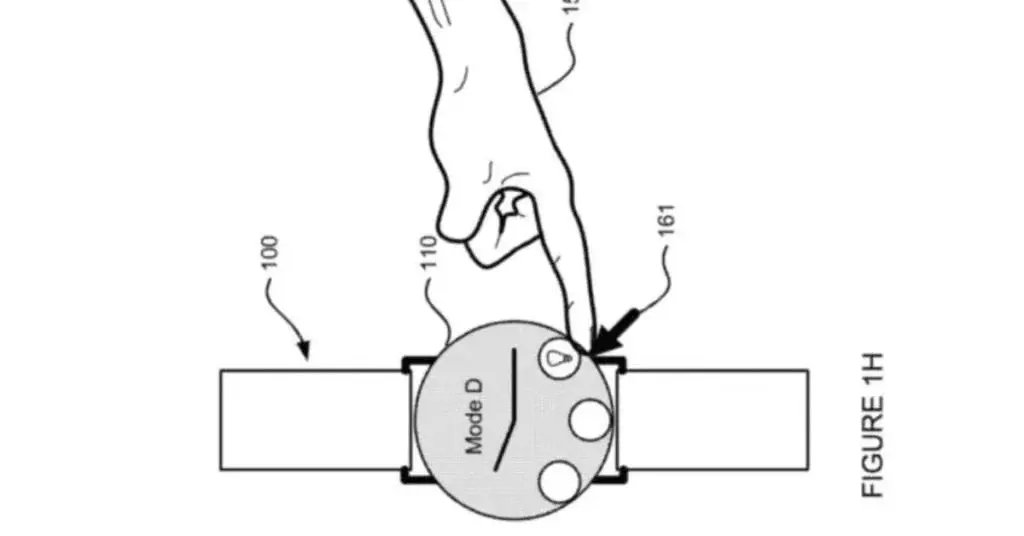
Google has recently filed a patent for new smartwatch sensors that have the ability to detect various gestures such as presses, taps, squeezes, and swipes. The patent, titled “Gesture recognition on watch bezel using strain gauges,” indicates that the upcoming Pixel Watch may introduce a novel way of interacting with the device.
Simplifying Design and Enhancing User Experience
The patent filing elaborates on Google’s intention to simplify the design of smartwatches while also ensuring that users don’t have to obstruct the already limited screen real estate. By incorporating gesture recognition controls, Google can eliminate physical buttons and other input mechanisms from the design of the Pixel Watch 3, resulting in a cleaner and more streamlined appearance.
Furthermore, the patent acknowledges the limitations of current methods used to control smartwatches, such as rotating crowns and bezels. These mechanisms can be complex and expensive to manufacture, and they may pose challenges in terms of waterproofing. Gesture recognition controls offer a potential solution by providing a more efficient and reliable way to operate smartwatches. According to the patent, these sensors could be embedded in the housing of the Pixel Watch 3, enabling users to control the device without needing to touch the screen.
Exploring New Possibilities
It is important to note that this patent is purely speculative, and it remains uncertain whether Google will indeed incorporate this technology into the Pixel Watch 3. Nevertheless, the filing suggests that Google is actively exploring innovative approaches to enhance the design and functionality of smartwatches.
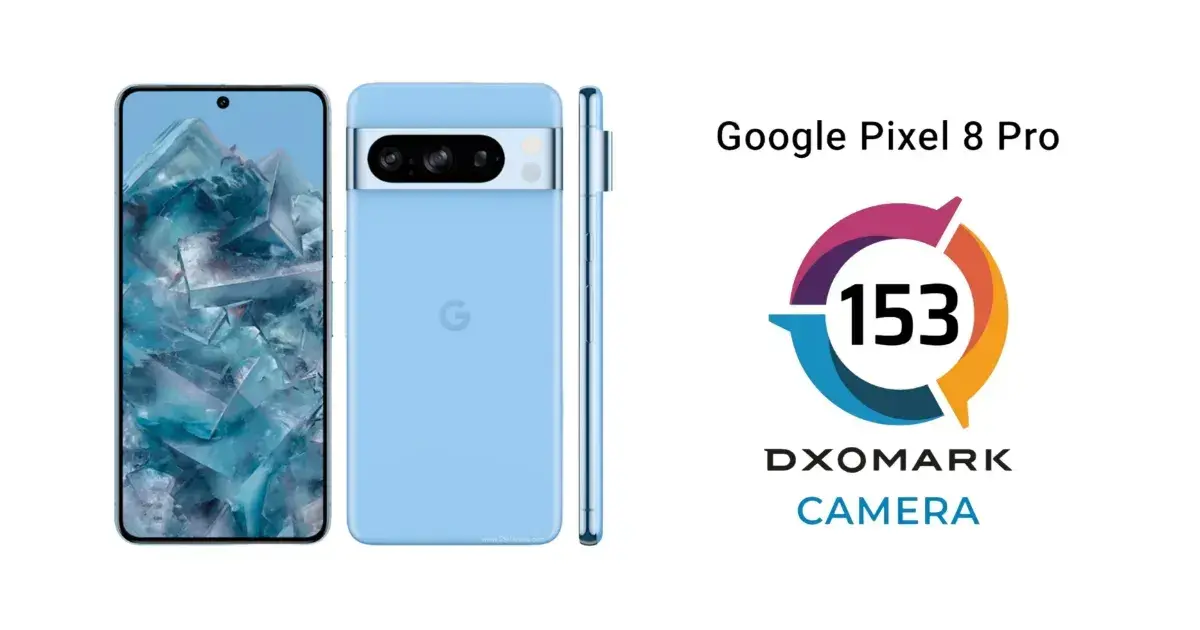
The Google Pixel 8 Pro, the latest flagship from the tech giant, has notched an impressive feat in the realm of mobile photography. The esteemed benchmarking platform DxOMark has recently put the smartphone’s camera capabilities under the microscope, and the outcomes are telling. Garnering a substantial score of 153 points, the Pixel 8 Pro‘s camera performance has not only outclassed numerous rivals but also emerged as a strong contender among the crème de la crème of smartphone photography.
Stellar Performance Outshines Rivals
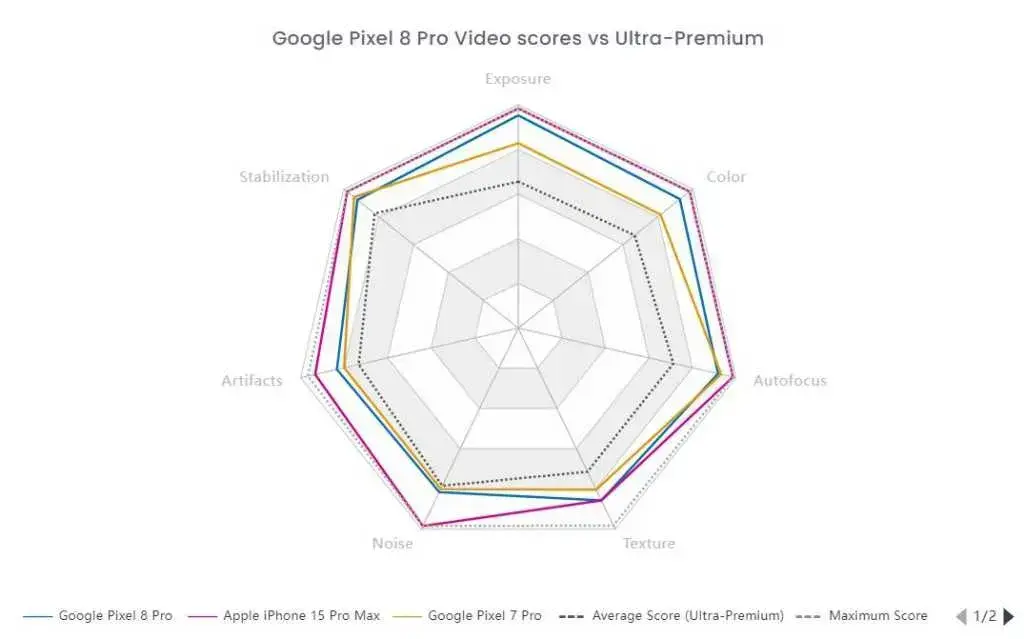
The DxOMark tests threw a spotlight on the Google Pixel 8 Pro’s exemplary camera attributes. Its color reproduction was found to be excellent, paired with a quick autofocus that ensures crisp images even on the move. The score of 153 puts it ahead of the pack, notably outperforming the Samsung Galaxy S23 Ultra, a notable adversary in the Android ecosystem. The comparison doesn’t end here; when pitted against the iPhone 15 Pro Max, which secured a marginally higher score of 154, and the Huawei P60 Pro, leading with 156 points, the Pixel 8 Pro holds its ground firmly. However, it’s worth noting that the Huawei P60 Pro, despite its higher score, has limited availability, being exclusive to the Chinese market. This exclusivity effectively positions the Google Pixel 8 Pro as the zenith of camera performance among Android smartphones available globally.
A Close Look at the Triple Rear Camera Setup
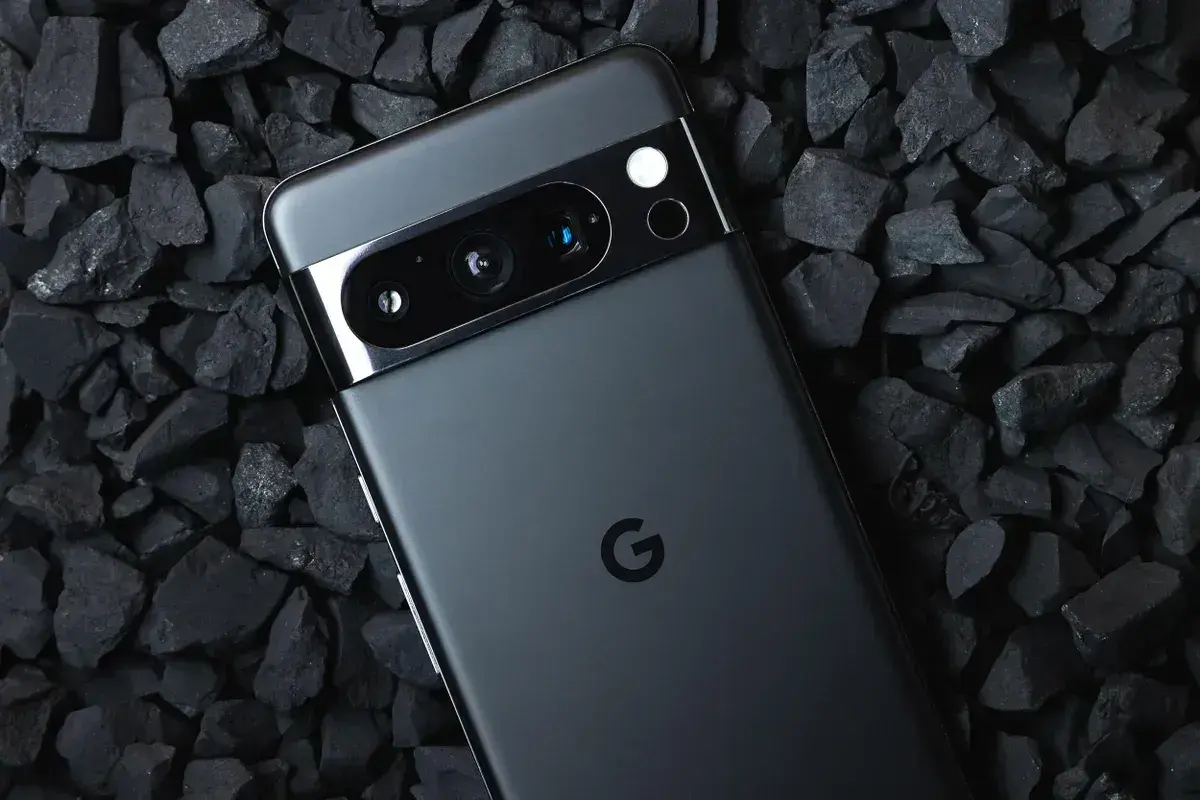
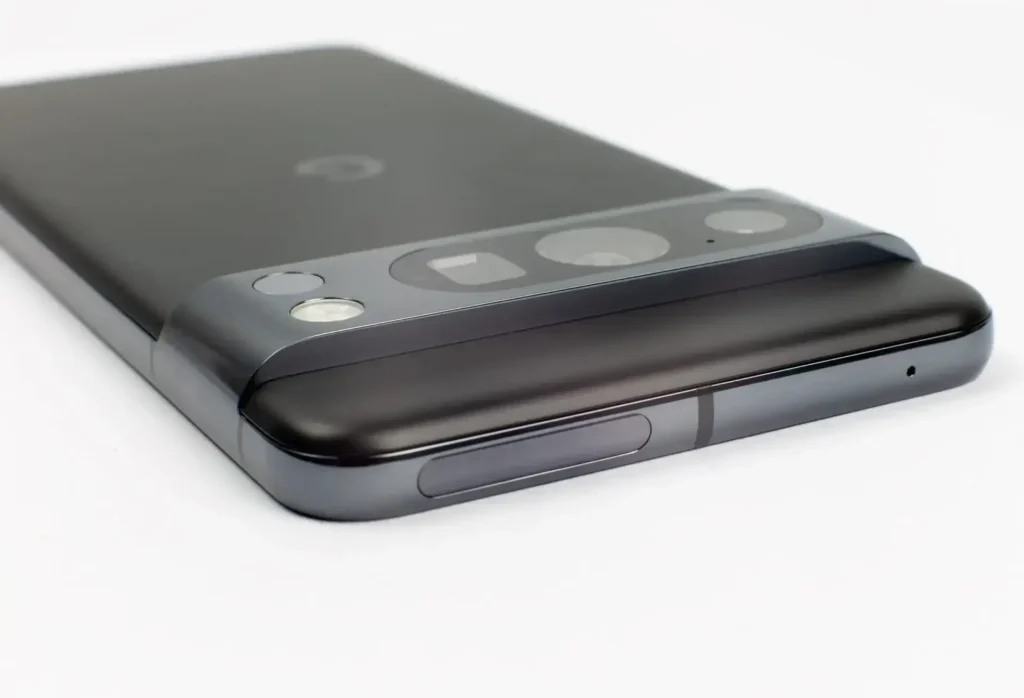
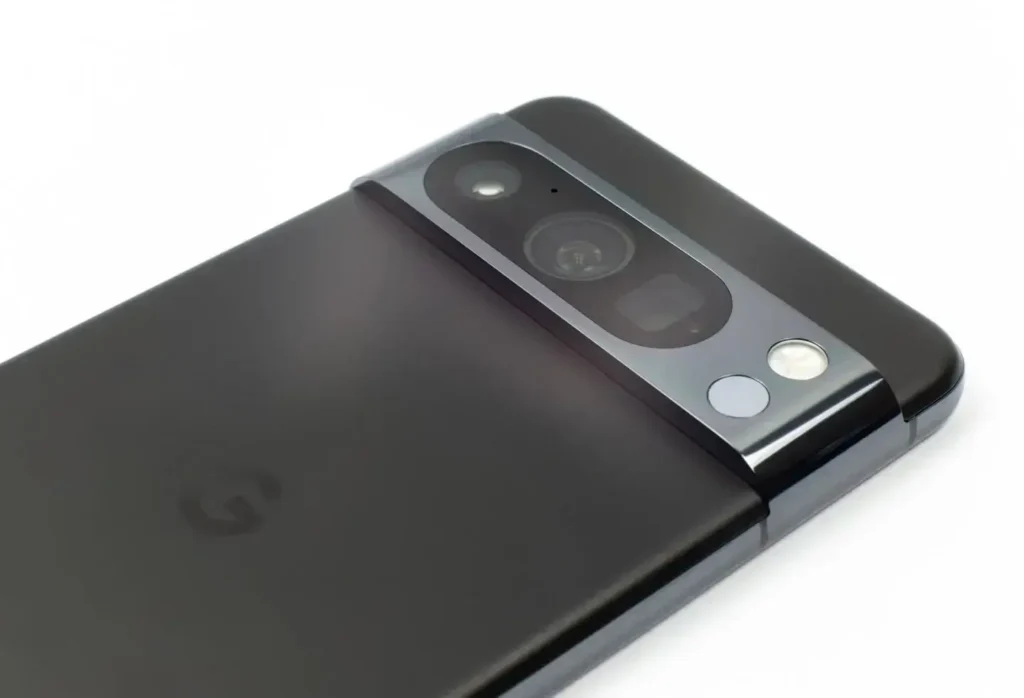
The commendable score by DxOMark was largely due to the Google Pixel 8 Pro’s robust triple rear camera setup. This intricate setup is engineered to capture pristine images, embodying a balance of sharpness, color accuracy, and low-light performance. The tests highlighted how the smartphone’s camera setup has been optimized to deliver remarkable photo quality, which is a testament to Google’s ongoing endeavors to enhance mobile photography.
Implications for the Smartphone Camera Race
The results from DxOMark are more than just numbers; they depict a larger narrative in the competitive landscape of smartphone photography. The Google Pixel 8 Pro’s laudable performance underscores the significant advancements Google has made in the camera domain. With every iteration, the Pixel series continues to narrow the gap with its rivals, and the Pixel 8 Pro is no exception. Its high DxOMark score sends a strong message to both consumers and competitors about the level of camera excellence that Google has achieved with its latest flagship.
The Google Pixel 8 Pro’s substantial DxOMark score is a robust endorsement of its camera prowess. It reaffirms Google’s commitment to providing top-tier camera performance, thus making a compelling case for consumers eyeing a smartphone capable of exceptional photography.
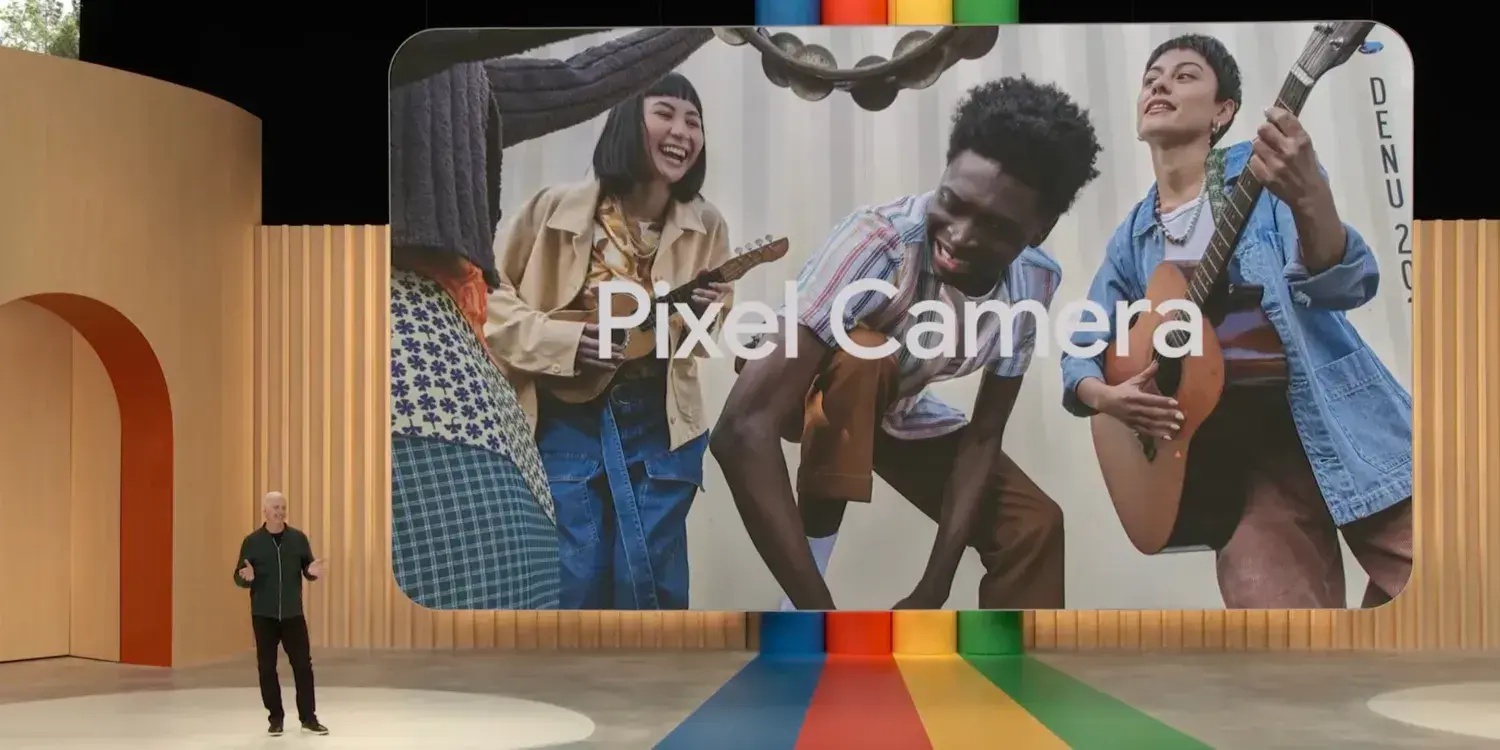
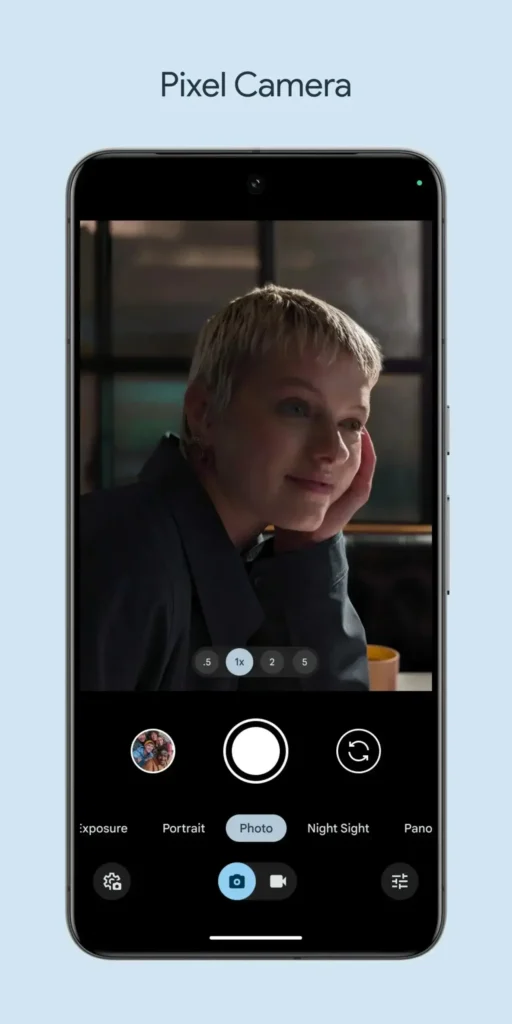
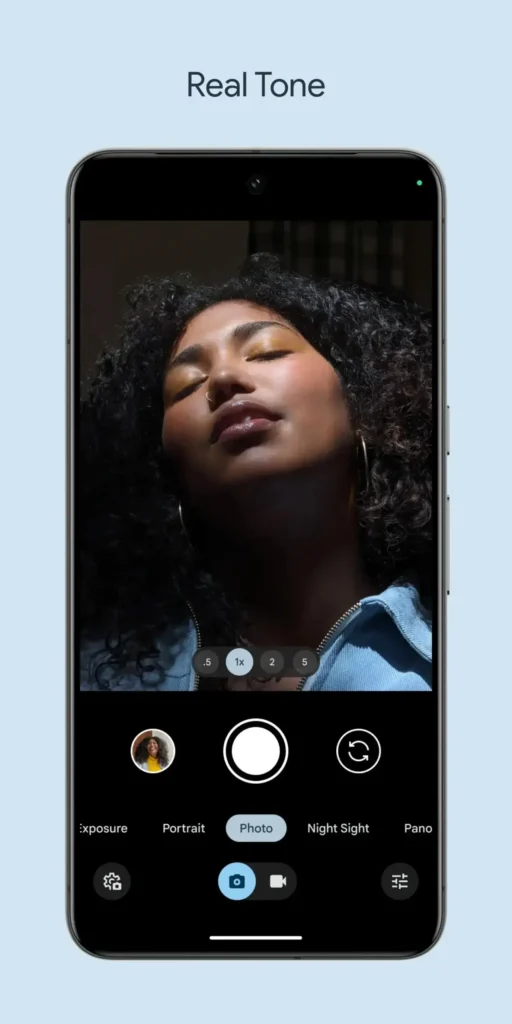
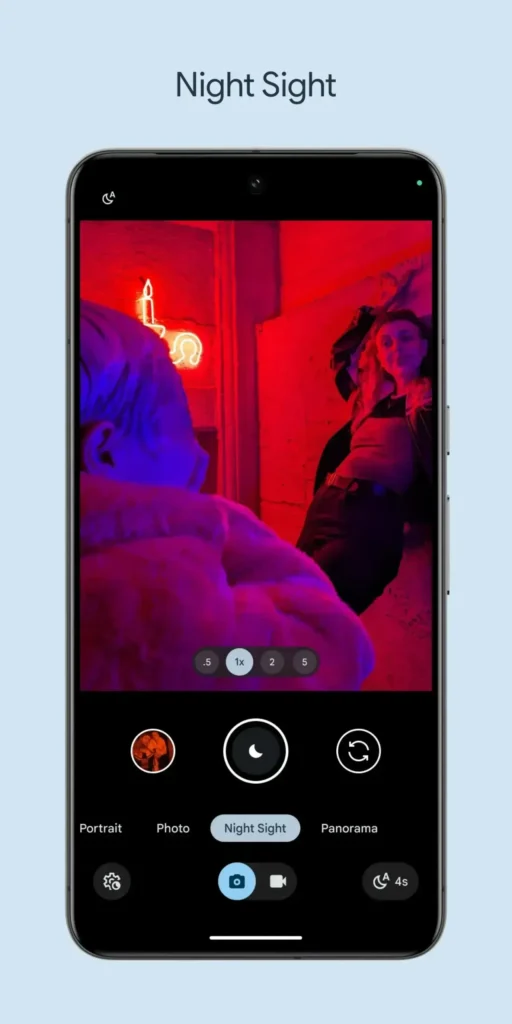
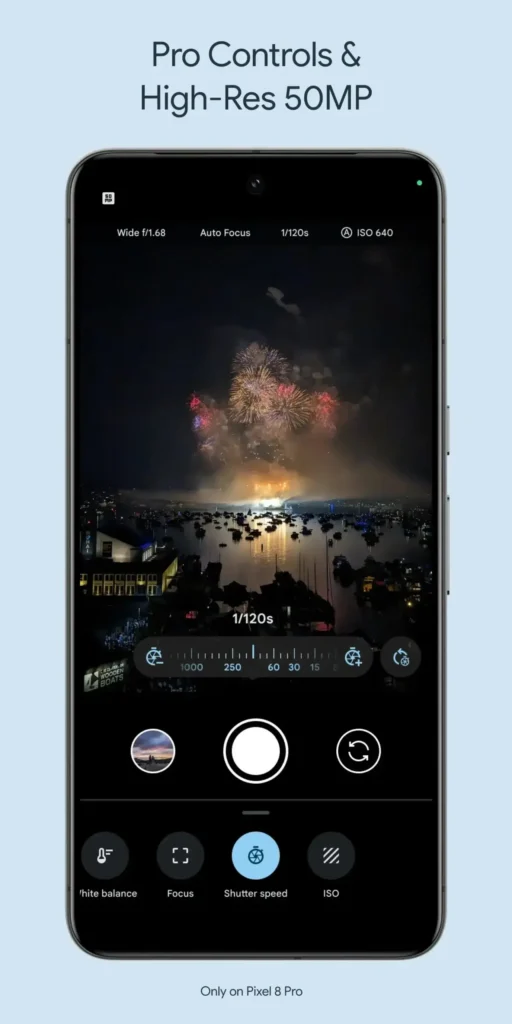
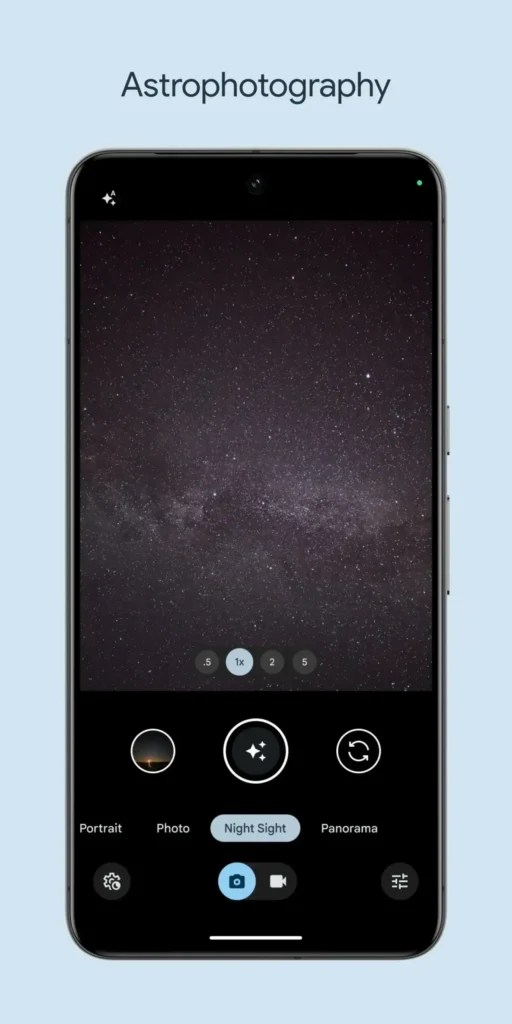
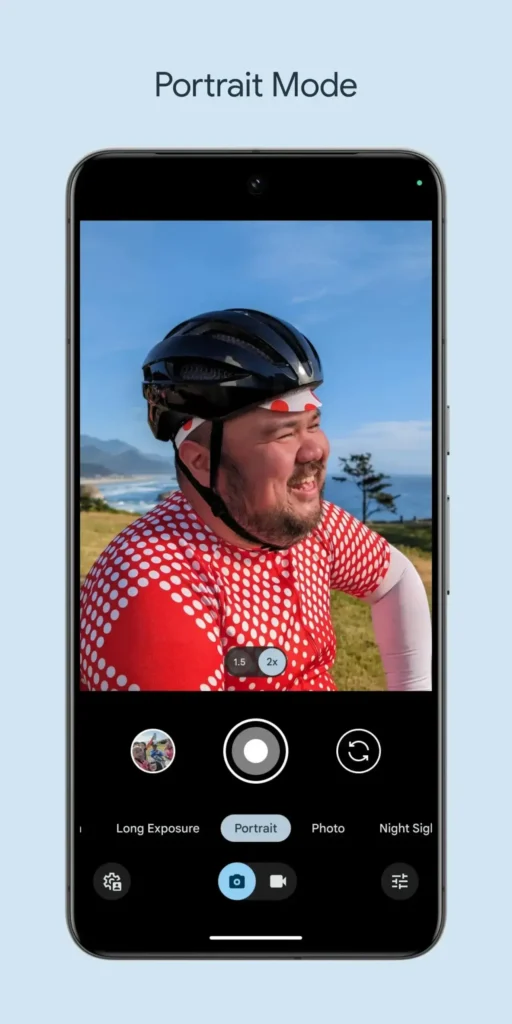
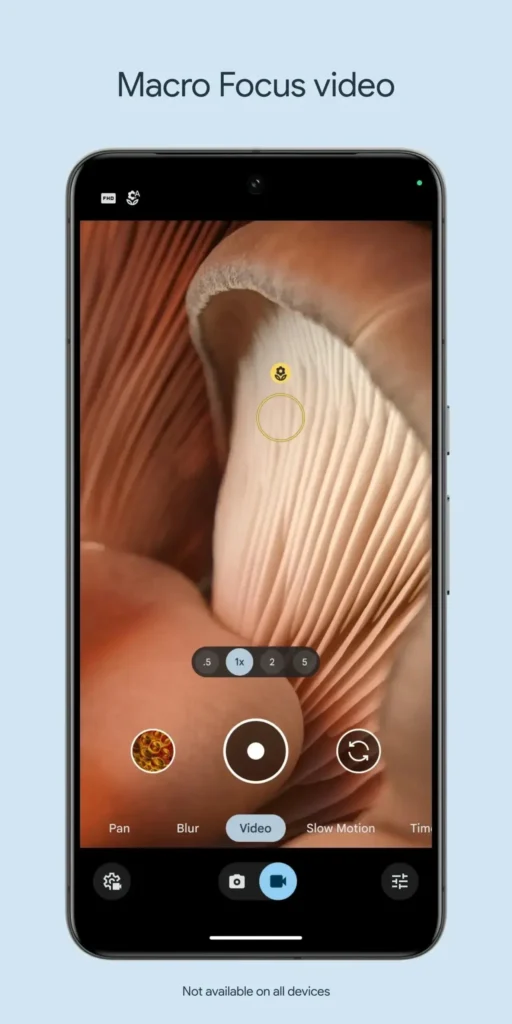
In a recent move, Google has renamed its exclusive ‘Google Camera’ app to ‘Pixel Camera’ on the Play Store, reflecting the app’s long-standing association with Pixel devices. This rebranding comes with a fresh description highlighting the app’s revamped design and its enhanced features including Portrait, Night Sight, Time Lapse, and Cinematic Blur. Particularly, version 9.0 is unveiled for the Pixel Fold, Tablet, and 7 Pro, while the Pixel 8 and 8 Pro are set to receive version 9.1 along with a patch update. This renaming was officially introduced at I/O 2023, aligning with other Pixel-branded services like Pixel Call Assist and Pixel Speech.
Enhanced Features for a Richer Experience
With the rebranding, users can anticipate a richer photography and videography experience. The new title also comes with exclusive features for the Pixel 8 Pro, such as 50MP High Res and Pro Controls, marking a significant upgrade aimed at delivering a superior user experience.
Compatibility Across Devices
The latest update is compatible with Pixel devices running Android 14 and above, while the Wear OS version is tailored for Wear OS 3 (and above) devices connected to Pixel phones, ensuring a seamless user experience across different devices.
In the realm of smartphones, performance is a significant factor that influences consumer choices. Recently, the Google Pixel 8 Pro and 8s have come under the spotlight as their Tensor G3 GPU was put to the test in various benchmarks. While the results unveiled a concoction of decent efficiency and underwhelming performance, it paints a broader picture of what consumers might expect from these gadgets. This article delves into the nitty-gritty of the benchmark results and what they mean for potential buyers.
Benchmark Undertakings
The benchmarks aimed at gauging the performance and efficiency of the Tensor G3 GPU, which powers the Google Pixel 8 Pro and 8s. Various tests were conducted, evaluating how well the GPU performs under different circumstances. The findings were a mixed bag, with some aspects outshining others.
Performance Metrics
The performance of the Tensor G3 GPU did not quite match up to the expectations set by its predecessors. In comparison to competing models, the GPU fell short in delivering a high-performance output. Nonetheless, it was not all gloomy as the GPU showcased decent efficiency metrics, which is a silver lining for users prioritizing battery life and thermal management over raw performance. This balance between efficiency and performance may appeal to a specific demographic of users.
Efficiency Under the Lens
The efficiency of the Tensor G3 GPU is a notable highlight. With the growing demand for longer battery life, this feature might resonate well with users. Moreover, efficient thermal management ensures that the device remains cool, thereby contributing to a smoother user experience. This aspect of the Tensor G3 GPU is a welcome advantage, especially for those who engage in moderate smartphone usage and seek a device that harmoniously blends performance with longevity.
In conclusion, the Google Pixel 8 Pro and 8s, powered by the Tensor G3 GPU, present a narrative of compromise. While they might not satiate the appetite of performance-hungry users, they certainly carve a niche for themselves among those who value a balanced approach towards performance and efficiency. As Google continues to refine its in-house silicon, the future iterations might bridge the performance gap while retaining the efficiency quotient.
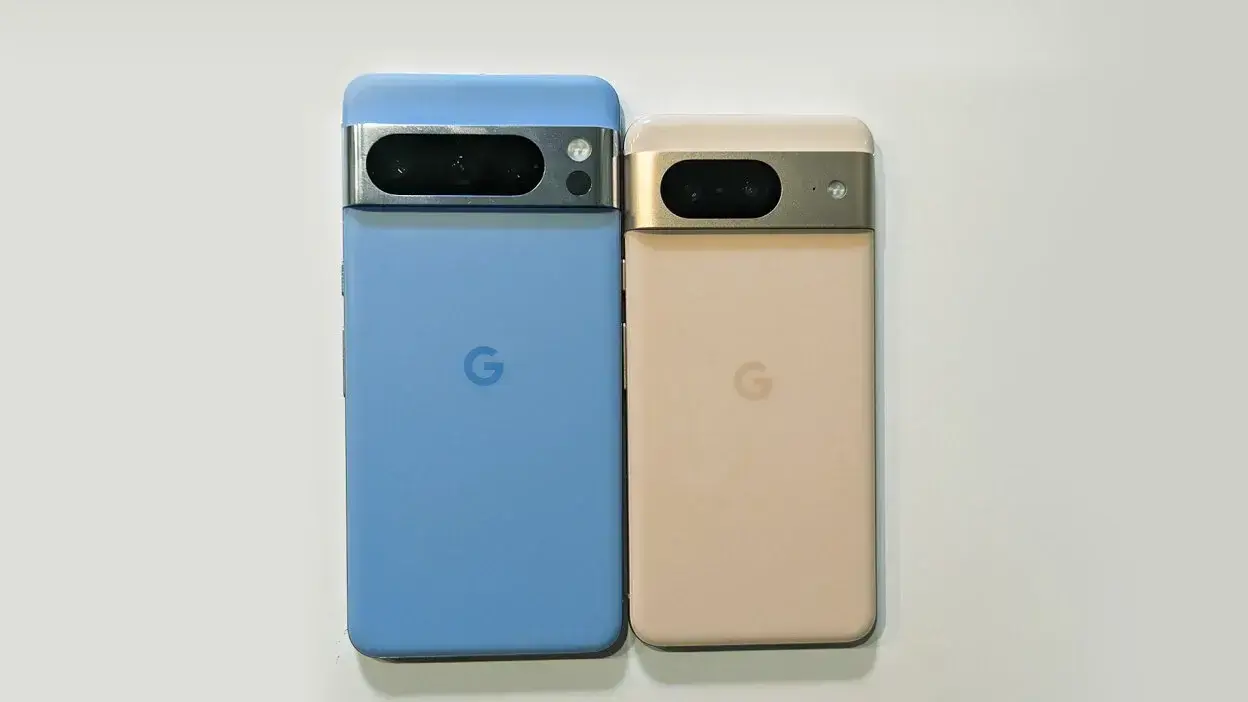
In a world where smartphones have become an indispensable part of our daily lives, the quest for the perfect device continues. The Google Pixel 8 and 8 Pro, the latest offerings from tech giant Google, aim to carve out a space in the fiercely competitive smartphone market with their array of remarkable features and a few noticeable drawbacks. Drawing insights from various expert reviews, this article will delve into the intricate details, assessing the pros and cons of the devices, and exploring whether they live up to the expectations set by their predecessors.
Unparalleled Software Support: A Future-Proof Investment
Pros: Longevity and Enhanced Security
One of the standout features of the Google Pixel 8 series is its commendable software support, offering 7 years of updates. This unprecedented move by Google not only ensures that the device stays relevant with the latest features and security updates but also underscores a commitment to reducing electronic waste, thereby contributing to sustainability. Users are assured of a device that will not only stand the test of time but also adapt and evolve, providing a future-proof user experience.
Cons: Initial Cost Implications
However, with longevity comes an upfront cost. The pricing of the Pixel 8 and 8 Pro is a notable increment from their predecessors, which might deter budget-conscious consumers. While the extended software support does provide long-term value, the initial investment is undoubtedly hefty, and users might be torn between opting for a premium current-gen device or exploring alternatives with a lower entry point.
New temperature measuring feature:
Google Pixel 8 Camera: Capturing Moments with Precision and Clarity
Pros: Superior Photographic Capabilities
The Pixel 8 Pro especially has been lauded for its camera capabilities, cementing Google’s reputation for delivering stellar photography experiences. With a more significant sensor, faster apertures across all camera modules, and enhanced computational photography, users can expect sharp, vibrant, and dynamically balanced photos across various lighting conditions. The advancements in the ultra-wide camera and the overall improved imaging department stand out prominently, offering photographers, both amateur and professional, a tool that captures moments with utmost precision and clarity.
Cons: Incremental Upgrades
However, critics argue that the upgrades, while noticeable, are incremental. Users of the Pixel 7 Pro might find the enhancements in the Pixel 8 Pro’s camera department subtle, especially if photography isn’t their paramount concern. The question looms: Is the camera upgrade compelling enough to warrant the transition from its predecessor, especially considering the price bump?
Here are some photos we found taken with Pixel 8 phones:
Design and Display: A Nod to Ergonomics and Aesthetics
Pros: Ergonomic Design and Display Quality
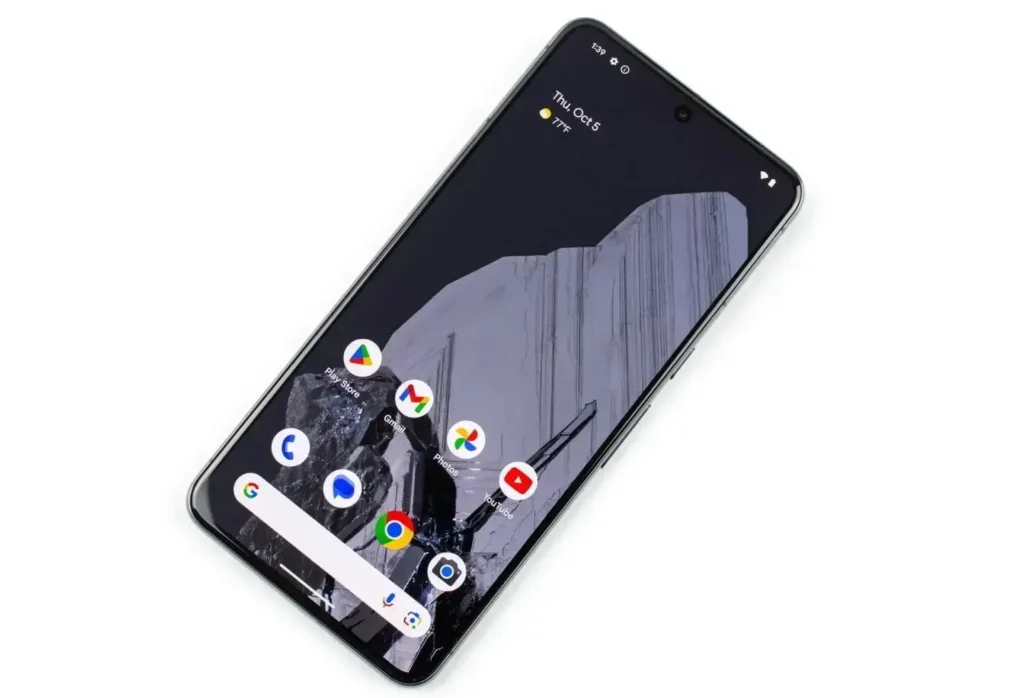
The flat display of the Pixel 8 Pro has been highlighted as a welcome move towards ergonomic and common-sense phone design. The absence of curved edges means reduced accidental touches, providing a more seamless and frustration-free user experience. The display quality, with its vibrant colors and sharp contrasts, enhances various user interactions, whether it be media consumption, gaming, or general usage.
Cons: Conservative Design Language
On the flip side, some might argue that the design language of the Pixel 8 series is somewhat conservative. In an era where smartphone manufacturers are exploring bold and innovative designs, the Pixel 8 and 8 Pro, while elegant, do not necessarily stand out in a crowded market in terms of aesthetic innovation.
Artificial Intelligence: Powering a Smart User Experience
Pros: Generative AI Features
The incorporation of generative AI features in the Pixel 8 series adds a layer of intelligent functionality that aims to enhance user experience across various facets of the device. These AI-driven features not only facilitate smarter interactions but also pave the way for a more intuitive and personalized user experience, learning, and adapting to the user’s habits and preferences over time.
Cons: Learning Curve and Privacy Concerns
However, the integration of AI also introduces a learning curve for users who might be new to such intelligent interactions. Additionally, concerns regarding data privacy and how the AI processes and learns from user interactions might be a point of contention, necessitating clear communication from Google about data handling and user privacy assurance.
Conclusion: Striking a Balance between Innovation and Practicality
The Google Pixel 8 and 8 Pro, with their array of features and a few drawbacks, present a compelling option for users seeking a blend of innovative technology and practical usability. The extended software support, enhanced camera capabilities, and intelligent AI features position these devices as noteworthy contenders in the premium smartphone market. However, the price point, incremental upgrades, and conservative design might give potential buyers pause, urging them to weigh these factors against the undeniable pros.
In the dynamic and ever-evolving smartphone landscape, the Pixel 8 series strikes a balance, offering users a glimpse into the future of mobile technology while maintaining a firm grip on the practicalities of present-day usage. Whether the devices are worth the investment largely depends on user priorities, making the Pixel 8 and 8 Pro excellent options for some, but perhaps not for all.
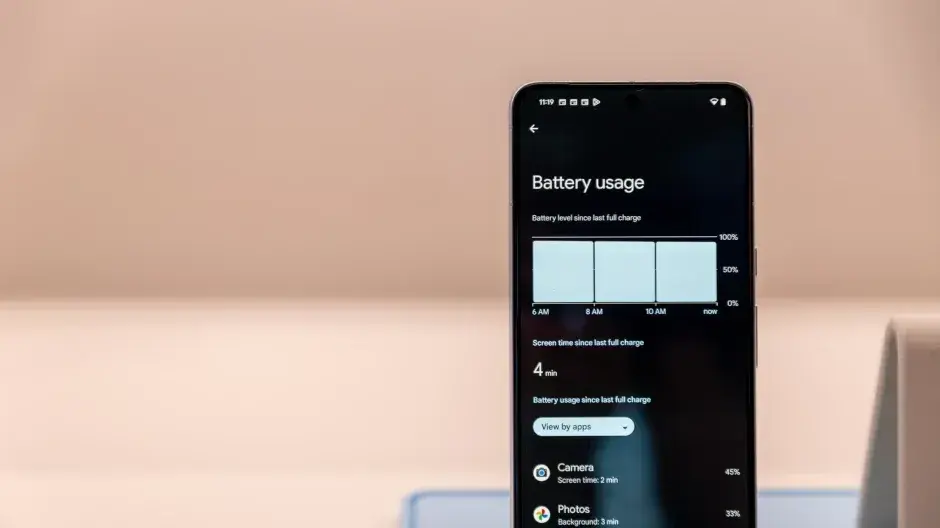
n a bid to enhance the user experience and tackle common technical glitches, Google has rolled out a new feature exclusively for its Pixel 8 and Pixel 8 Pro users. The tech giant introduced a built-in troubleshooting app aimed at identifying and resolving typical battery and network issues that users often encounter12.
Seamless Troubleshooting at Your Fingertips
The Pixel Troubleshooting app, embedded as a system app within the device settings, facilitates a smooth self-diagnostic experience for users facing battery drainage or network connectivity problems. To access the app, users simply need to navigate to the “Battery” section under settings and select “Battery diagnostics” for battery-related issues, or choose “Network and Internet” for the network troubleshooter to address connectivity concerns. Once initiated, the app conducts a thorough scan to identify any prevailing issues and provides apt recommendations to rectify them2.
The app’s Battery Diagnostics section offers various options to describe the battery issues accurately, followed by diagnostic tests based on the chosen issue. For instance, if a user is experiencing battery drain, a test can be run to identify apps guzzling the battery, followed by tips on enhancing battery life. Similarly, the Network Troubleshooter section of the app provides tips to improve connectivity and offers assistance to contact Pixel support for further help2.
Bridging the Troubleshooting Gap
The introduction of the Pixel Troubleshooting app marks a significant step towards self-service troubleshooting, enabling users to address common tech glitches without the need for external support. While the app currently caters only to the Pixel 8 series users, it’s anticipated to extend its support to older Pixel models in near future, potentially with the Android 14 QPR1 release, broadening the spectrum of self-help diagnostics across the Pixel lineup1.
This move by Google is not just a leap towards enhancing user satisfaction but also a catch-up to Apple, which has had a similar tool for some time. The addition of an in-built troubleshooting app is indeed a laudable initiative, offering a quick and easy solution to the common issues that often hinder the smooth operation of smartphones2.
It’s a step forward in the right direction, ensuring that users have the necessary tools at their disposal to enjoy an uninterrupted smartphone experience.
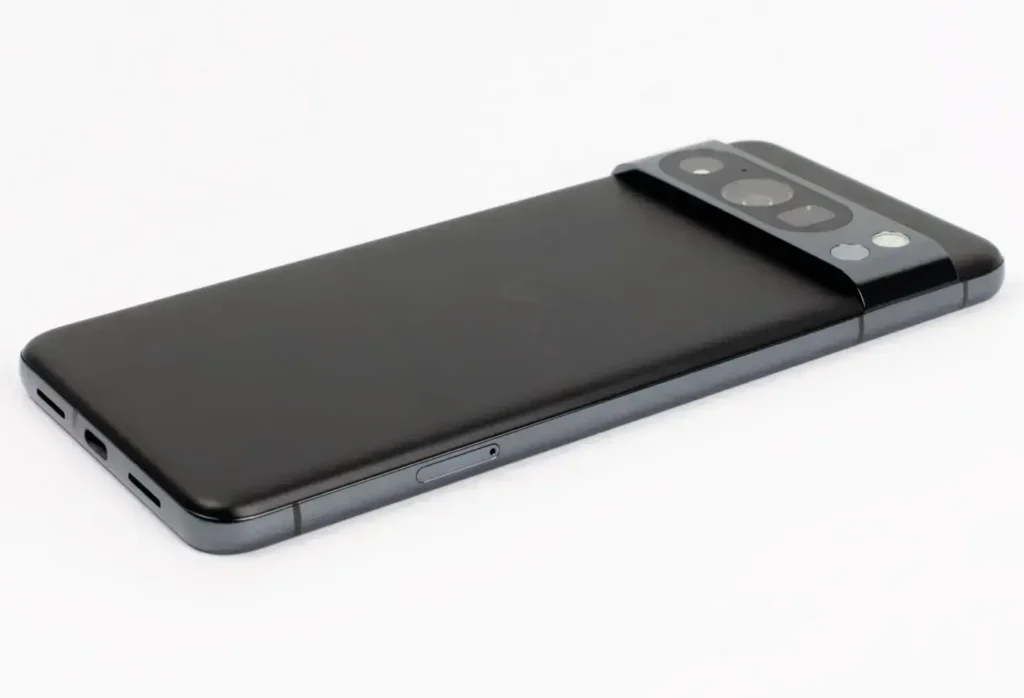
In a world inundated with fragile smartphones that succumb to the slightest mishaps, the Google Pixel 8 Pro emerges as a beacon of durability. The recent scratch, burn, and bend tests performed on this gadget affirm its robustness, making it a worthy contender for those seeking a sturdy, reliable smartphone.
Exceptional Scratch Resistance
One of the critical aspects contributing to the Pixel 8 Pro’s durability is its remarkable scratch resistance. The phone’s screen remained unscathed even when subjected to rigorous scratching attempts, showcasing its superior quality. The back panel also exhibited a high level of scratch resistance, making the Pixel 8 Pro an ideal choice for individuals who prioritize longevity in their smartphones. This sturdy build does not compromise the sleek design that the Pixel line is known for, which is an added advantage.
Impressive Heat Withstandability
Moreover, the Google Pixel 8 Pro impressed with its ability to withstand exposure to heat. During the burn test, the smartphone’s display sustained a flame for a considerable amount of time before showing signs of damage. Even then, the affected area recovered swiftly once the heat source was removed. This test is a testament to the Pixel 8 Pro’s resilience, reassuring potential buyers about its performance under extreme conditions.
Bend Test Triumph
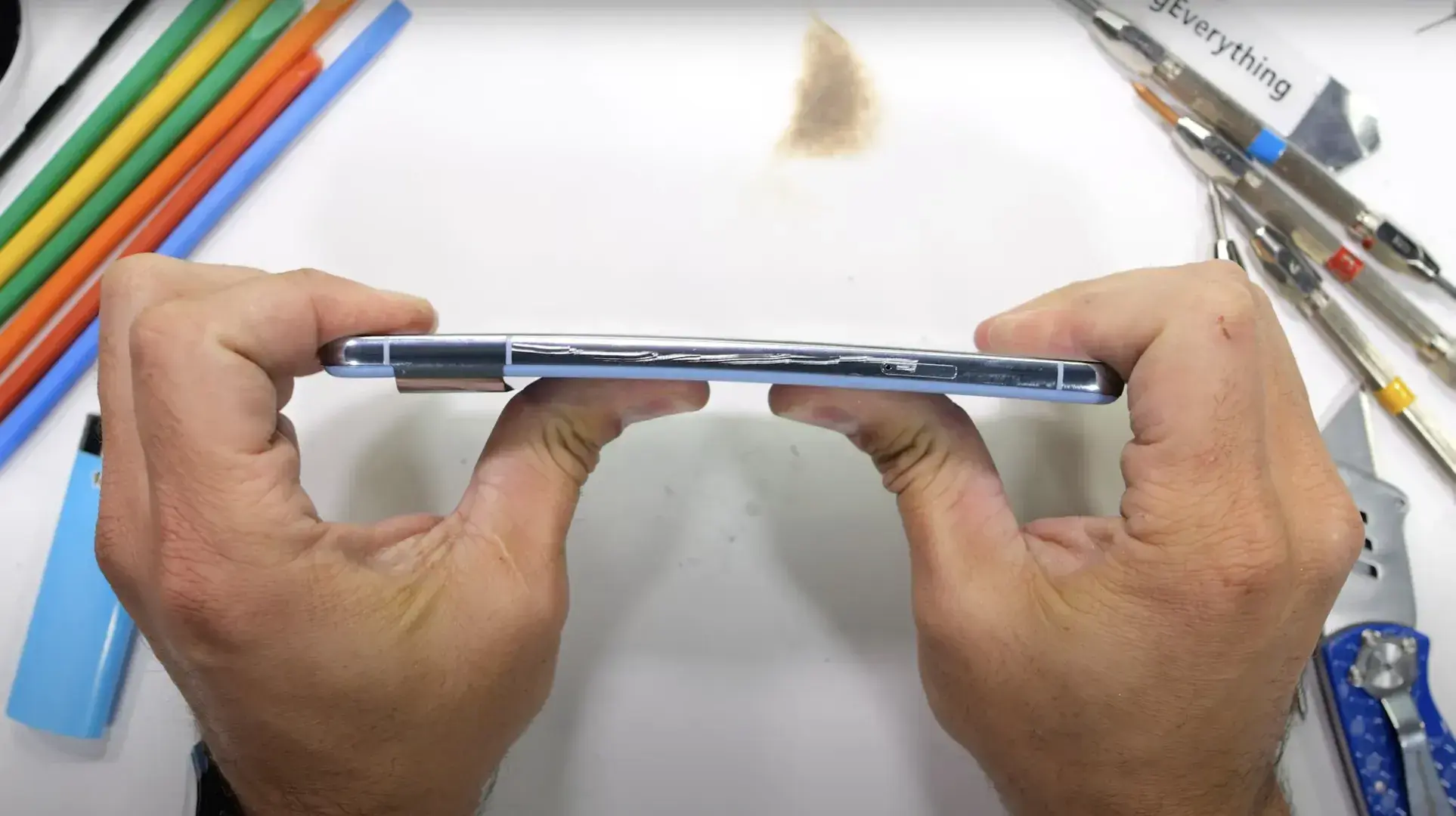
Perhaps the most noteworthy testament to the Pixel 8 Pro’s durability came from the bend test. Unlike many contemporary smartphones that bend or snap under pressure, the Pixel 8 Pro remained intact even when substantial force was applied. Its structural integrity remained unimpaired, further solidifying its place as a reliable and robust smartphone choice in the market.
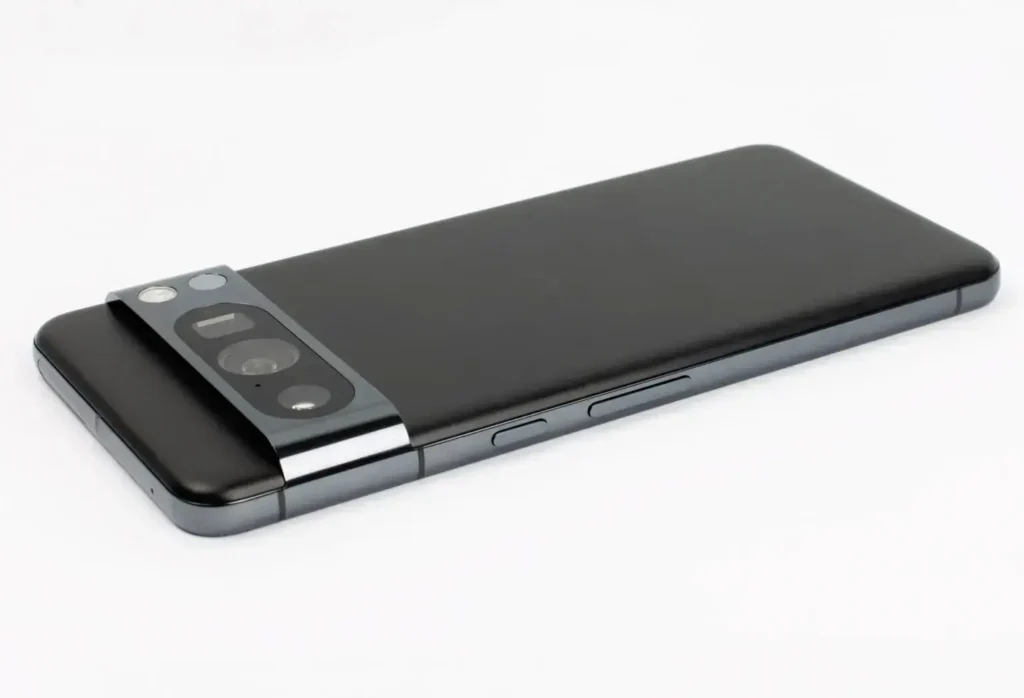
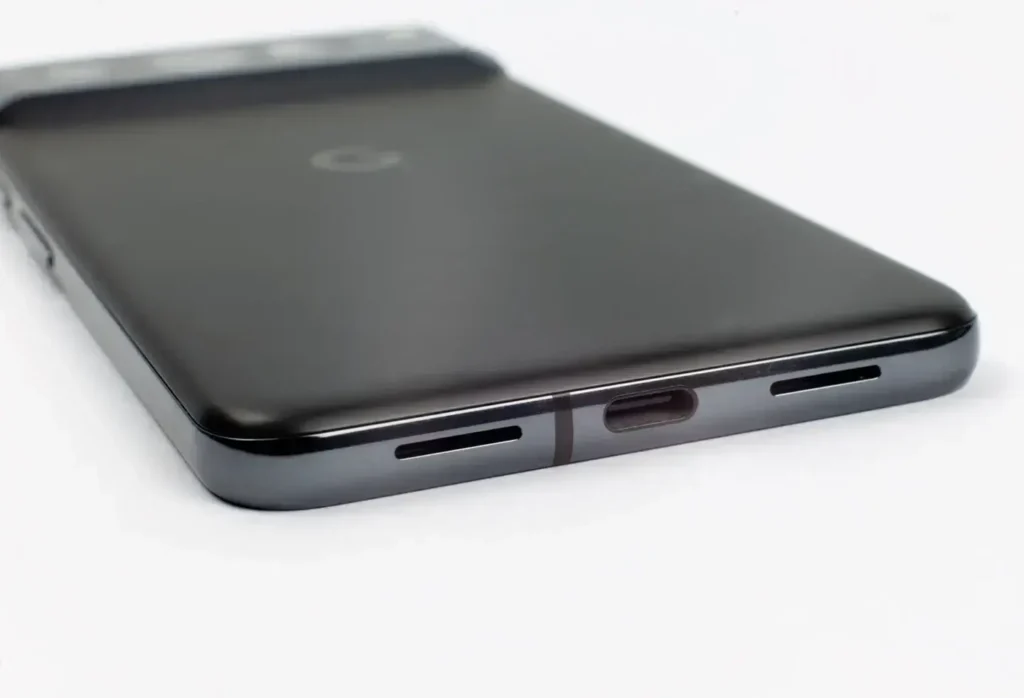
The Google Pixel 8 Pro not only boasts a sophisticated design but also stands tall when it comes to durability. These qualities make it a lucrative option for consumers seeking a blend of aesthetics and reliability in a smartphone. The recent tests have significantly bolstered the Pixel 8 Pro’s reputation, making it a much-talked-about gadget in tech circles. The Pixel 8 Pro is not just a smartphone; it’s a statement of durability melded with elegance. Its price starts at $899, which is a competitive pricing point given its robust features.
The meticulous tests that the Pixel 8 Pro underwent and triumphed are well-documented in recent articles published on Notebookcheck, GSM Arena, and 9to5Google, which provide a detailed analysis of the smartphone’s performance in scratch, burn, and bend tests.