Tag: ASUS

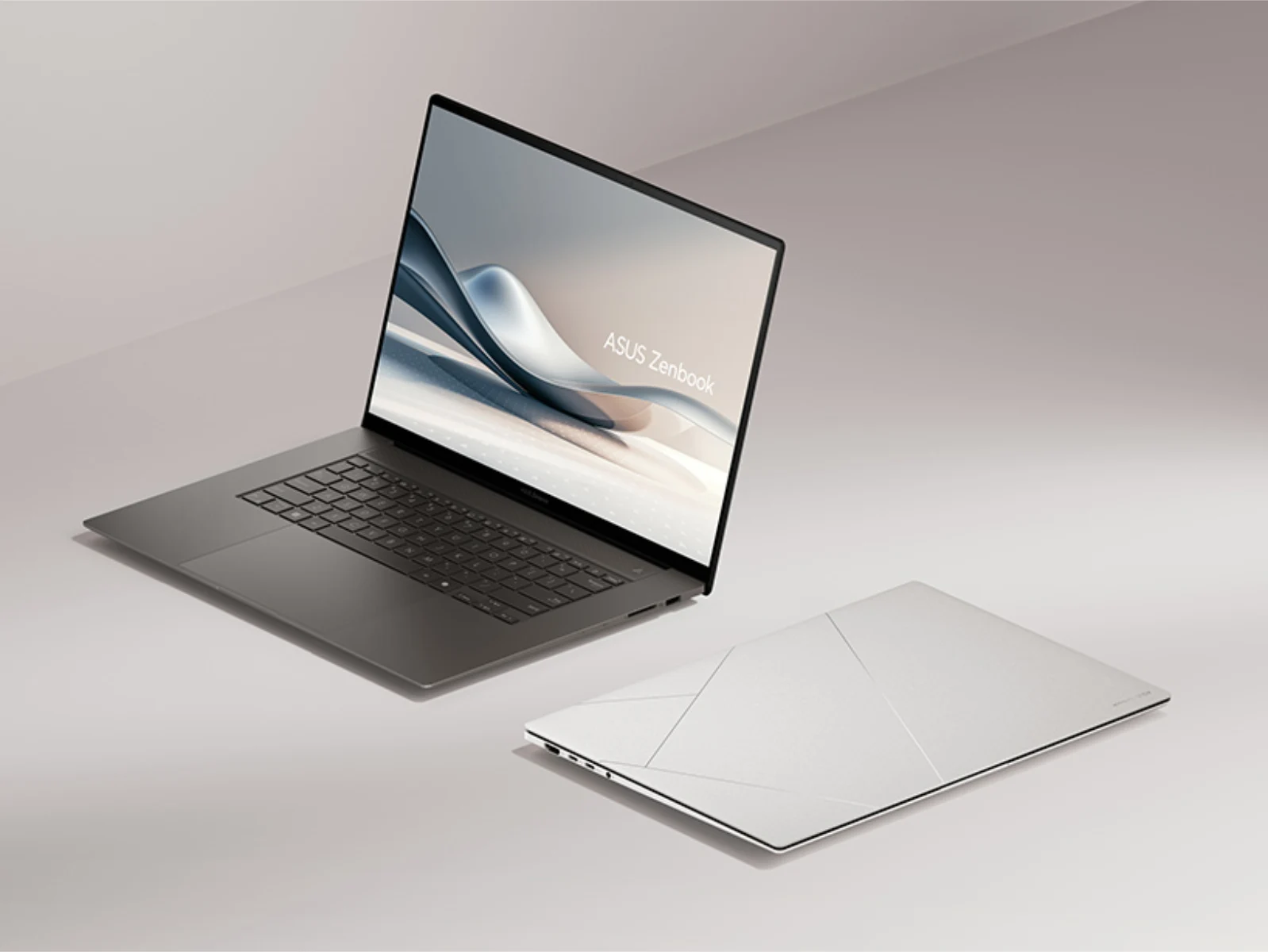
  • Asus Launches New 16-Inch OLED Laptop with 32GB RAM

    Asus Launches New 16-Inch OLED Laptop with 32GB RAM

    Key Takeaways

    1. Asus launched the Zenbook 16 Air in China with AMD Gorgon Point processors and an 83 Wh battery, as a China-exclusive version of the Zenbook S16.
    2. Pre-orders for the Zenbook S16 have started in Europe, specifically in Poland and the UK, with plans for Germany to follow soon.
    3. The Zenbook S16 is priced at £1,699.99 (~$2,345) in the UK and PLN 7,499 (~$2,218) in Poland, with different SSD options available.
    4. The Zenbook S16 pre-orders are expected to ship by early February 2026.
    5. Asus plans to release a more affordable Ryzen AI 7 445 model for £1,499.99, but it is not yet available for pre-order.


    Last week, Asus unveiled the Zenbook 16 Air in China. Featuring AMD Gorgon Point processors and a robust 83 Wh battery, the Zenbook 16 Air is designed as the China-exclusive version of the Zenbook S16, which made its global debut earlier this month at CES 2026.

    Pre-Orders in Europe

    Now, the company has discreetly begun pre-orders for the Zenbook S16 in Europe. Currently, Asus is making the Zenbook S16 available in Poland and the UK. It appears that Germany will also get this laptop shortly. Meanwhile, Asus’ US store is still listing older Ryzen AI 9 HX 370 and Ryzen AI 9 365 models (priced at $1,283 on Amazon), which come with 32 GB and 24 GB of RAM, respectively.

    Pricing Details

    At the moment, the Zenbook S16 can be purchased with the Ryzen AI 9 465 and 32 GB of RAM for £1,699.99 (~$2,345) in the UK and PLN 7,499 (~$2,218) in Poland. Both prices include VAT, while the UK version boasts a 2 TB SSD option, and Asus Poland has chosen a 1 TB SSD instead. The new Zenbook S16 pre-orders are expected to begin shipping by early February.

    Upcoming Variants

    Furthermore, Asus UK has disclosed plans for a more affordable Ryzen AI 7 445 model, which features 32 GB RAM and a 1 TB SSD, priced at £1,499.99. However, this variant is not currently available for pre-order. For more information, check out our Zenbook S16 launch article.

    Asus Poland & Asus UK

    Source:
    Link


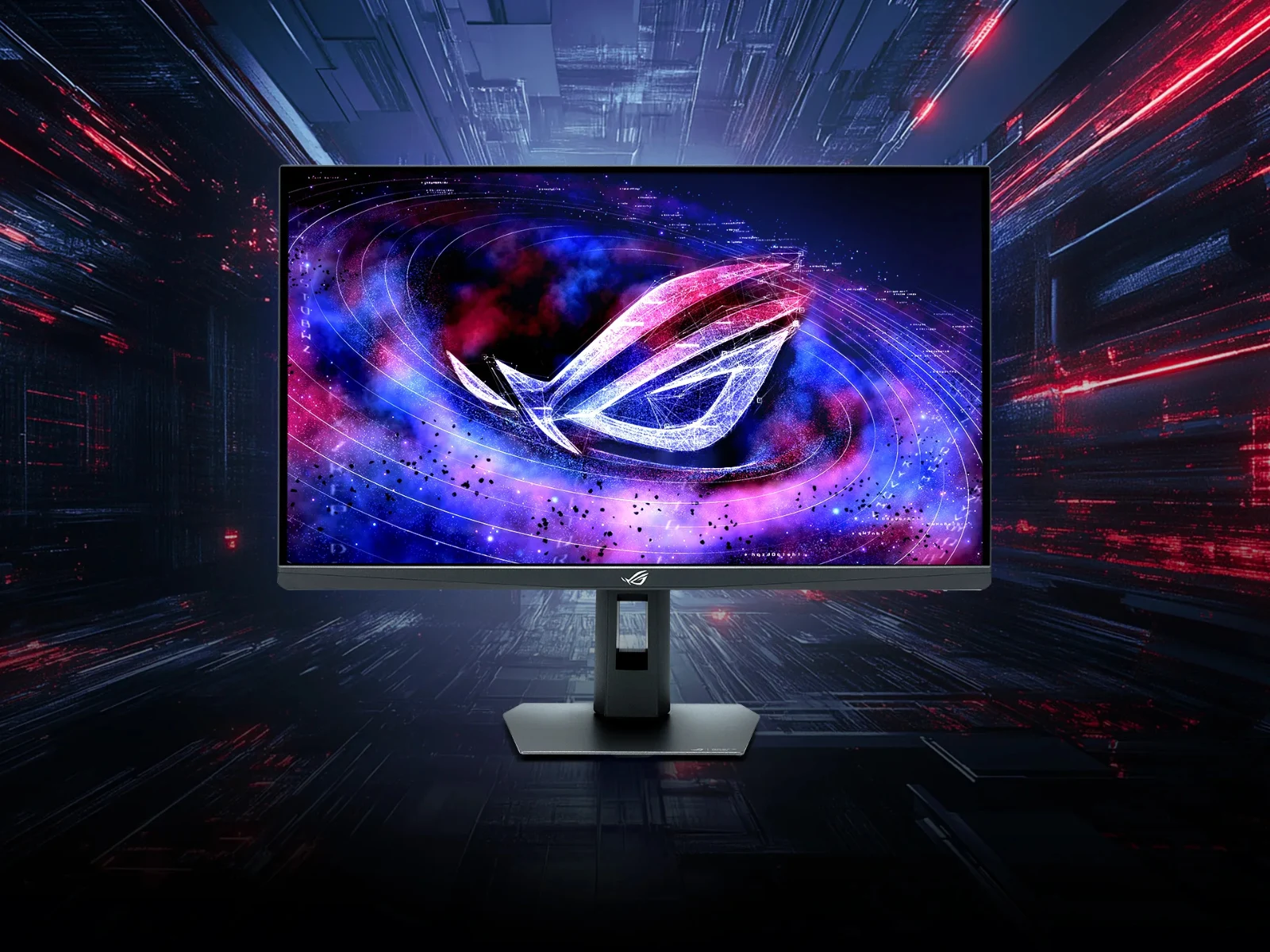
  • Asus to Launch New 4K OLED Gaming Monitor This Year

    Asus to Launch New 4K OLED Gaming Monitor This Year

    Key Takeaways

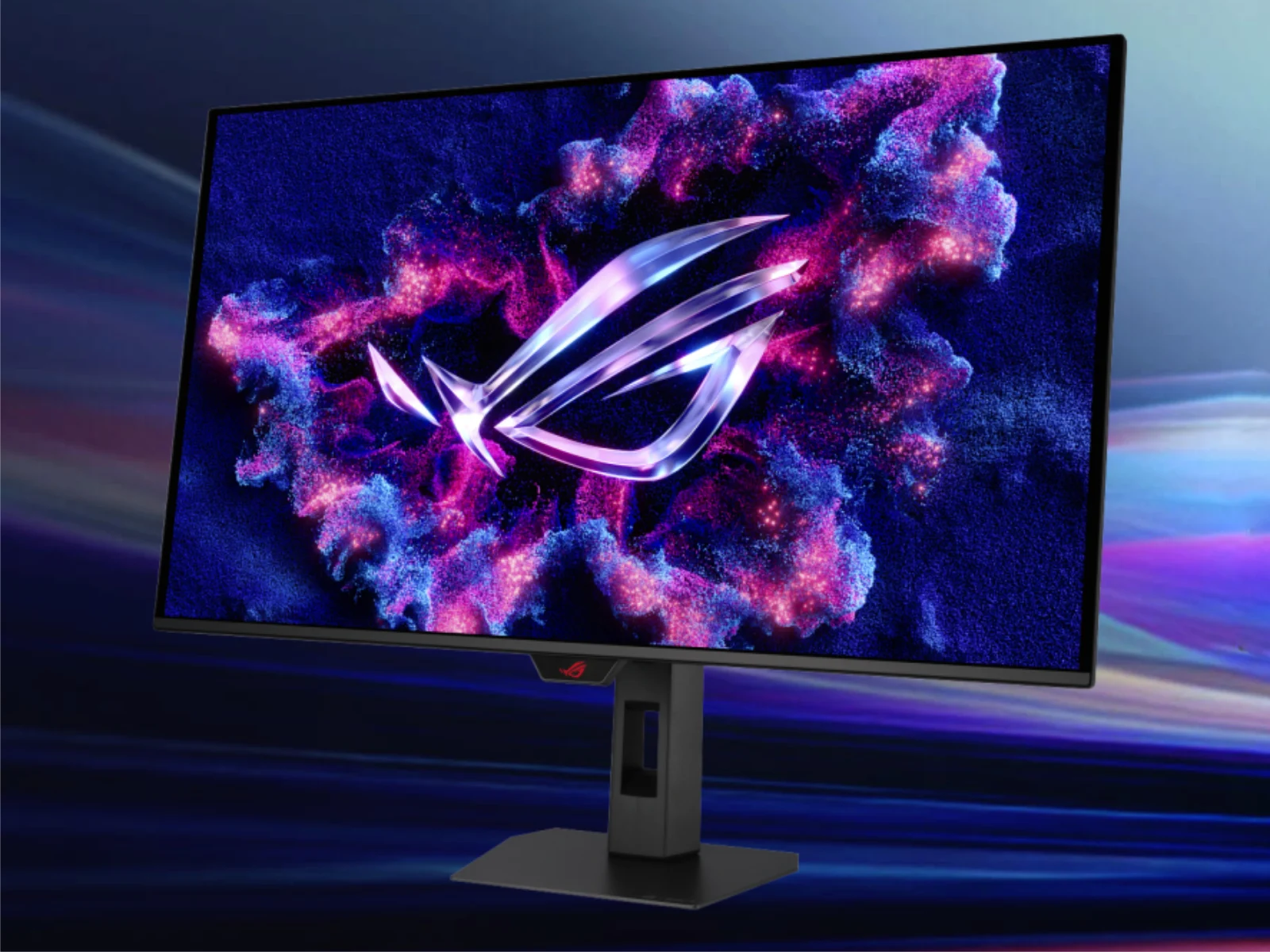
    1. Asus launched the ROG Strix OLED XG32UQDMS, returning to Samsung Display’s panel technology after using Gen 3 QD-OLED in earlier models.
    2. The monitor features a 32-inch display with 4K resolution, a 240 Hz refresh rate, and a pixel density of 140 PPI.
    3. It offers a maximum brightness of 250 nits in SDR mode and up to 1,000 nits in HDR mode (APL 3%).
    4. The ROG Strix OLED XG32UQDMS has a 0.03 ms GtG response time and supports AMD FreeSync Premium Pro and Nvidia G-Sync technologies.
    5. The monitor includes an ergonomic stand, three display outputs, a three-port USB hub, and is expected to ship in Europe by the end of March 2026.


    Asus has launched a variety of Gen 3 QD-OLED gaming monitors since they started using this panel technology in early 2024, beginning with the ROG Swift OLED PG32UCDM (currently priced at $1,239 on Amazon). However, the brand has chosen to go back to Samsung Display’s well-known panel technology with the introduction of the ROG Strix OLED XG32UQDMS.

    Impressive Specs and Performance

    The ROG Strix OLED XG32UQDMS features a stunning 4K resolution and a refresh rate of 240 Hz on its 32-inch display, which has a pixel density of 140 PPI and a maximum brightness of 250 nits in SDR mode. When HDR mode is activated, this new monitor can reach up to 1,000 nits in small areas (APL 3%). The ROG Strix OLED XG32UQDMS also boasts an ultra-fast 0.03 ms GtG response time, and it supports AMD FreeSync Premium Pro as well as Nvidia G-Sync technologies to help prevent image tearing during high refresh rate gaming.

    Additional Features and Availability

    In addition, Asus has designed an ergonomic stand for comfort and convenience, included three display outputs, and equipped a three-port USB hub for easy connectivity. While the monitor does not come with built-in speakers, it does provide a 3.5 mm audio jack for connecting headphones or external audio devices. Asus expects that the ROG Strix OLED XG32UQDMS will start shipping to various parts of Europe by the end of March 2026 at the latest. As for pricing and availability in other regions, that information is still not known at this time.

    Source:
    Link


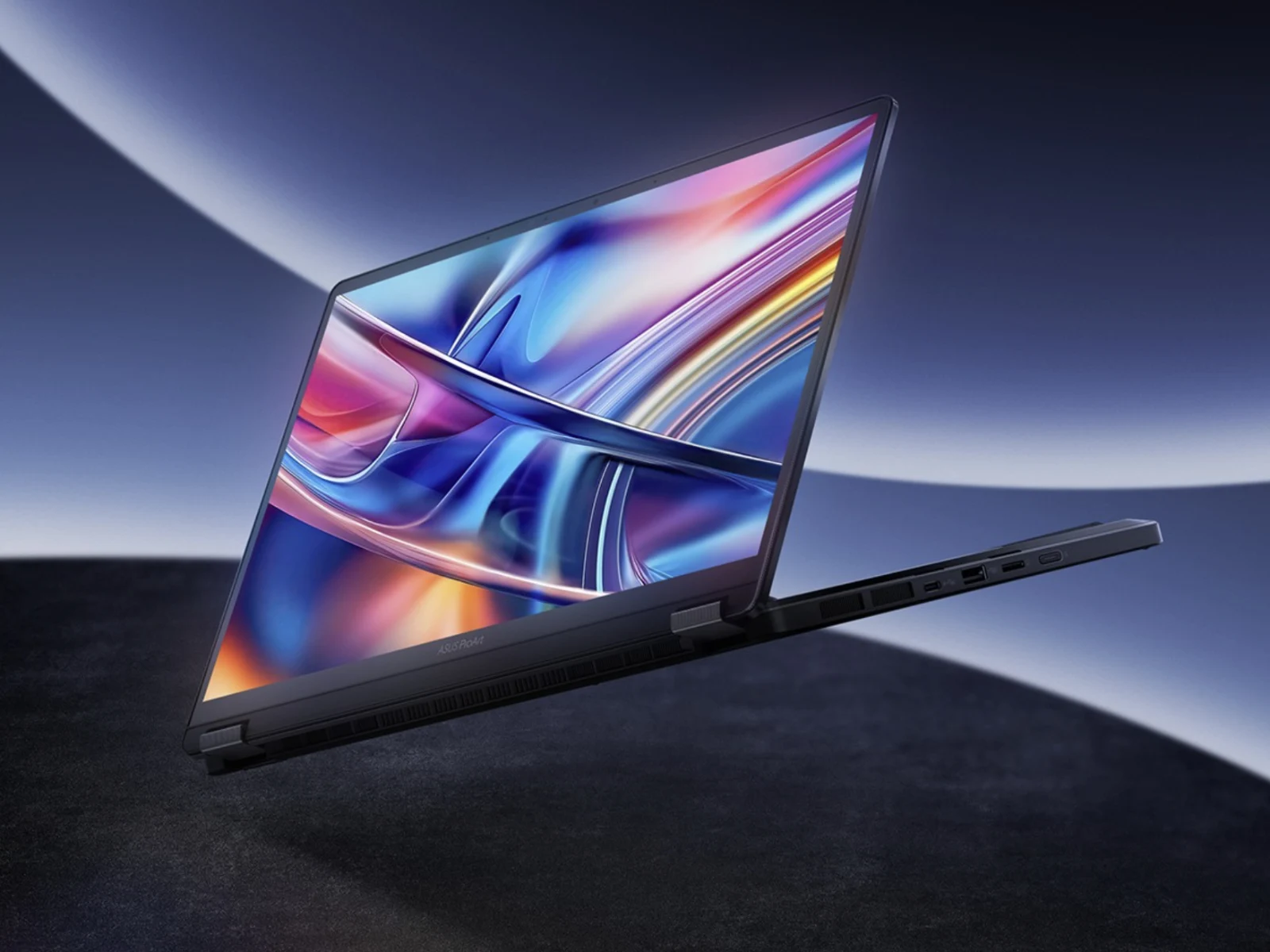
  • Asus Unveils AMD Strix Halo Convertible, Global Launch Soon

    Asus Unveils AMD Strix Halo Convertible, Global Launch Soon

    Key Takeaways

    1. Asus has started selling laptops introduced at CES, including the TUF Gaming A14 with AMD Strix Halo support.
    2. The new ProArt PX13 model features a 23% CPU performance boost and improved GPU capabilities over the previous model.
    3. Currently, the ProArt PX13 is only available for purchase in China, with pricing announced for the UK market.
    4. The GoPro version of the ProArt PX13, featuring Ryzen AI Max+ 395, is priced at £2,999.99 (~$4,049).
    5. A variant with 64 GB RAM and a 1 TB SSD is priced at CNY 14,999 (~$2,150.99), with no confirmed release date for other regions.


    The CES event has wrapped up for this year, and Asus is now beginning to sell a selection of laptops that were introduced during the show. One notable model, the AMD Strix Halo-supported TUF Gaming A14, is making its way to various countries, including some regions in Europe.

    New Releases

    Additionally, Asus has discreetly launched the ProArt PX13. To summarize, this year’s ProArt PX13 replaces Strix Point with Strix Halo, offering a 23% boost in CPU performance compared to the 2025 model (currently priced at $1,889.99 on Amazon) when you choose the Ryzen AI Max+ 395 SKUs. The real enhancements are seen in GPU capabilities; the Radeon 8060S delivers over double the gaming performance compared to the Radeon 890M.

    Current Availability

    At the moment, it appears that the 13-inch creator laptop can only be bought in China. However, Asus has announced pricing for the UK market, setting the price for the GoPro version, which includes a Ryzen AI Max+ 395, 128 GB LPDDR5X RAM, and a 2 TB SSD, at £2,999.99 (~$4,049).

    Pricing Options

    In comparison, Asus has a variant with 64 GB RAM and a 1 TB SSD priced at CNY 14,999 (~$2,150.99), with a suggested retail price of CNY 16,999 (~$2,438). Unfortunately, we still don’t know when these will be available in other regions. For more information on Asus’ recent ProArt PX13 launch, be sure to check out our original article.

    Source:
    Link


  • ROG Strix GS-BE7200: WiFi 7 Router with Bold Design & Fast Ethernet

    ROG Strix GS-BE7200: WiFi 7 Router with Bold Design & Fast Ethernet

    Key Takeaways

    1. The Asus ROG Strix GS-BE7200 is a WiFi 7 router supporting 2.4 GHz and 5 GHz bands with high data transfer rates (1,376 Mbit/s and 5,764 Mbit/s).
    2. It features five 2.5 Gbit/s Ethernet ports, which may limit performance with high-speed NAS devices.
    3. The router has six internal antennas, RGB lighting, and allows for multiple network setups, including guest and IoT networks.
    4. It includes parental controls and VPN settings for enhanced network security.
    5. Pricing and availability of the Asus ROG Strix GS-BE7200 are not yet announced.


    Technical details have been disclosed for the newly unveiled Asus ROG Strix GS-BE7200. This WiFi 7 router aims to provide dependable wireless and Ethernet connections, supporting both the 2.4 GHz and 5 GHz frequency bands, with data transfer rates reaching up to 1,376 and 5,764 Mbit/s, respectively. Although it does not function on the 6 GHz band, it does come with features like Beamforming, OFDMA, and MU-MIMO. It includes five 2.5 Gbit/s Ethernet ports: one for connecting to a modem and four for devices such as PCs or NAS systems. A possible downside is that the 2.5 Gbit/s Ethernet might turn into a bottleneck when used with a NAS that has high-speed SSDs.

    Design and Features

    While Asus has chosen to incorporate six internal antennas instead of external ones, the ROG Strix GS-BE7200 is far from subtle. It boasts RGB lighting and prominent branding on various parts of its chassis. Like many contemporary routers, it allows users to establish multiple networks. This capability can be helpful for a variety of reasons: for example, IoT devices with uncertain support can be isolated on a different network. Additionally, you can set up a guest network so visitors can use the Internet without accessing your local network. The router comes with parental controls, and VPN settings can be adjusted at the router level to safeguard all home network traffic. Users can manage the ROG Strix GS-BE7200 through a web interface and a mobile app. Pricing and availability details are still pending.

    Source:
    Link


  • Asus Chairman Halts Smartphone Launches to Focus on AI Tech

    Asus Chairman Halts Smartphone Launches to Focus on AI Tech

    Key Takeaways

    1. Asus will stop launching new smartphone models and focus on the AI market.
    2. The company plans to invest in AI robotics and AI glasses for future developments.
    3. Asus experienced a 26.1% revenue growth, mainly from increased AI server installations.
    4. Future laptops may use Snapdragon X processors instead of Qualcomm chips.
    5. Asus acknowledges rising RAM costs and plans to manage price increases through design and supply chain strategies.


    As the AI boom is happening, businesses are quickly changing their focus. Jonney Shih, the chairman of Asus, has confirmed that the company will no longer be launching new smartphones. Instead, the focus will shift to making profits in the highly profitable AI market, particularly in robotics and smart glasses.

    Confirmation of Shift in Strategy

    VideoCardz shared recent statements made by Shih, which were captured by Taiwanese Money UDN. During a gala on January 16th, he stated, “Asus will no longer add new mobile phone models in the future.” Because of this, customers might not see a new Zenfone or ROG Phone for a while. Nonetheless, Shih promised to support the current models throughout this transition.

    Focus on AI Innovations

    The chairman mentioned that the company plans to explore “AI robot & robotics” and “AI glasses.” Looking at its 2025 financial report, the rationale behind this shift is clear. Revenue rose by 26.1% from the previous year, with a significant portion of the growth coming from increased AI server installations.

    Asus has never really taken the lead in the smartphone market with its high-end Zenfone or gaming models. Similarly, smart glasses from tech giants like Google and Apple have also had a hard time achieving widespread acceptance. Regardless, Shih might think that progress in AI technology could turn these gadgets into more mainstream products.

    Future Product Developments

    Inside TW expects that Asus will move away from using Qualcomm chips in its smartphones. Consumers might notice that more of its laptops will be powered by Snapdragon X processors. Qualcomm’s Dragonwing platform will play a vital role in creating more autonomous robots.

    Shih also talked about the memory shortage, acknowledging that current laptops and other items may see price increases. The company plans to rely on “design thinking and supply chain collaboration” to lessen the effect of rising RAM costs. Asus has already increased some MSRPs for laptops and desktops. However, it maintains that it has enough parts on hand to postpone other price hikes.

    Source:
    Link


  • Asus Rep Discusses Memory Shortage Impact on Laptop Prices

    Asus Rep Discusses Memory Shortage Impact on Laptop Prices

    Key Takeaways

    1. Delayed Price Effects: The impact of rising memory prices on consumer electronics will take time to reach retail prices, possibly a few months.

    2. Current Price Stability: Companies like Asus have not raised prices yet due to securing supplies in advance, but this may change as inventory depletes.

    3. Future Price Increases: Rising memory costs are expected to gradually affect the prices of laptops and other devices, with potential improvements in shortages by 2027.

    4. Inconsistent Seller Responses: Not all manufacturers will react the same way to price changes, with some potentially keeping prices high even after increases become standard.

    5. Impact on Smaller Businesses: Smaller companies may struggle more during the memory shortage, leading to price hikes, while larger companies like Sony might have better protection against rising costs.


    Even with growing worries about the rising prices of memory, not all products relying on these components have been impacted yet. Some companies have made changes, but many laptops remain at similar prices as they were a few months ago. The Director of Technical Marketing at Asus discussed with Tom’s Guide when we might start to notice the full effects of this situation.

    Delayed Effects on Prices

    Sascha Krohn pointed out that customers will be taken aback by “how long it takes for that shockwave to travel through the supply chain until it actually affects the price of devices that you see in Best Buy, Walmart, or Amazon.” He mentioned it “takes a couple of months,” suggesting that shoppers who act quickly can still dodge higher prices for laptops, smartphones, and consoles.

    Why Prices Haven’t Increased Yet

    The main reason companies like Asus haven’t raised prices widely is their preparedness. Manufacturers often secure a reliable supply of parts well ahead of potential market changes. However, eventually, these reserves will run low, pushing companies to pass on the increased costs to consumers.

    Krohn thinks that the rising memory prices will gradually affect the costs of laptops and other devices. In another article by Tom’s Guide, he forecasts that the shortage may begin to improve by 2027. This prediction is a bit more hopeful than what RAM makers like Micron have indicated. The Asus representative believes that factories have not been running at full capacity. Boosting production will help more than just AI data centers.

    Varied Responses from Sellers

    Regardless of when DDR5 RAM becomes less expensive, not every seller will react similarly. Krohn foresees that once high laptop prices become standard, some manufacturers may be reluctant to lower them back to previous levels. This could mean tighter budgets for gamers and workers even after 2027.

    Smaller businesses may struggle more than Asus during the memory shortage. Framework has already increased notebook prices since they can’t absorb the losses as easily.

    Console gamers might also experience rising costs for gaming systems at different intervals. There’s speculation that Microsoft and Nintendo may not have long-term agreements with Micron, Samsung, or SK Hynix. On the other hand, Sony reportedly has a substantial DRAM reserve, potentially shielding the PS5 from price hikes.

    Source:
    Link


  • Asus ROG Swift OLED PG32UCDM3 Pricing and Upgrades from PG32UCDMR

    Asus ROG Swift OLED PG32UCDM3 Pricing and Upgrades from PG32UCDMR

    Key Takeaways

    – The Asus ROG Swift OLED PG32UCDM Gen3 (PG32UCDM3) features a QD-OLED panel with a semi-glossy coating called ‘BlackShield’.
    – It offers a 4K resolution with a 240 Hz refresh rate and peak brightness of 1,000 nits for HDR, achieving VESA TrueBlack 500 certification.
    – Connectivity includes two HDMI 2.1 ports, a DisplayPort 2.1 connection, a USB Type-C port, three USB Type-A ports, and one USB Type-B connection.
    – The PG32UCDM3 is priced at $1,299, consistent with its predecessors, and will launch towards the end of Q1.
    – The monitor lacks the SPIF audio output found in the previous model, PG32UCDM, but is present in the PG32UCDMR.


    Asus has recently provided complete details on its ROG Swift OLED PG32UCDM Gen3 gaming monitor, often referred to as PG32UCDM3 for convenience. To summarize, initial glimpses of this monitor appeared in December, and not long after, Asus showcased it at CES 2026 along with the PG27UCWM and PG34WCDN models.

    Specifications Unveiled

    The company has disclosed the full technical specs for the PG32UCDM3, in addition to the retail price and anticipated launch date. Notably, the PG32UCDM3 utilizes an advanced QD-OLED panel that has a semi-glossy coating, which Asus has branded as ‘BlackShield’. This monitor maintains a 4K resolution with a refresh rate of 240 Hz, while also boasting a peak brightness of 1,000 nits for HDR, and holds a VESA TrueBlack 500 certification, offering 99% coverage of the DCI-P3 color spectrum.

    Connectivity Options

    Additionally, the PG32UCDM3 is equipped with two HDMI 2.1 ports and a DisplayPort 2.1 connection that provides an impressive 80 Gbps bandwidth (UBHR20). It also includes a USB Type-C port that allows for data transfer, DisplayPort Alt mode support, and 90 W power delivery. Asus has integrated three USB Type-A ports along with one USB Type-B connection into the monitor. However, it’s important to note that the PG32UCDM3 does not have the SPIF audio output found in its predecessor, the PG32UCDM, but it is not absent in the PG32UCDMR model.

    Pricing and Availability

    In summary, the PG32UCDM3 will be priced the same as its predecessors, the PG32UCDM and PG32UCDMR (currently priced at $1,199 on Amazon). Therefore, when it becomes available, the PG32UCDM3 will retail starting at $1,299. At present, Asus anticipates that sales of the ROG Swift OLED PG32UCDM Gen3 will commence “towards the end of Q1.”

    Source:
    Link


  • Asus Limits Availability of Core Ultra X Zenbook S14 and S16 Models

    Asus Limits Availability of Core Ultra X Zenbook S14 and S16 Models

    Key Takeaways

    1. Powerful Processors: The Zenbook S14 features Intel’s latest Panther Lake processors, while the Zenbook S16 introduces AMD’s Ryzen AI 400 Gorgon Point APUs.

    2. Shared Specifications: Both models include 32 GB LPDDR5x RAM, 1 TB PCIe NVMe SSD, and a 3K 120 Hz OLED display with a peak HDR brightness of 1,100 nits.

    3. Varied Regional Options: Processor options differ by region, with the US models offering more premium choices compared to Canadian and European editions.

    4. Connectivity Features: Zenbook S14 has Thunderbolt 4 ports, while the Zenbook S16 replaces these with USB4 ports, though the top-tier S16 variant still includes Thunderbolt 4.

    5. Launch and Availability: Both laptops are set to launch in February 2026, with pricing details yet to be announced.


    After making its debut at IFA 2024 with Intel’s Lunar Lake and at Computex 2024 with AMD’s Strix Point, Asus has revealed updated versions of the Zenbook S14 and Zenbook S16 laptops during CES 2026.

    Zenbook S14 Specifications

    The new Zenbook S14 (UX5406) features the latest Intel Panther Lake processors. However, the premium Core Ultra X Series 3 chips appear to be limited to select regions like the US. According to Asus’s announcements, the US edition of the Zenbook S14 comes with options for the Core Ultra X7 and Core Ultra X9, while the Canadian versions only offer the Core Ultra 9 386H and Core Ultra 7 355. Meanwhile, European models are also set to include the Core Ultra X Series 3 CPUs, which have integrated Arc B390 graphics.

    Common Features Across Models

    Despite the differences in processors, many specifications are shared among all versions. The Zenbook S14 is constructed from an all-aluminum material that Asus labels as Ceraluminum. It includes 32 GB LPDDR5x RAM, a 1 TB PCIe NVMe SSD, and a 14-inch 3K 120 Hz OLED display with a peak HDR brightness of 1,100 nits. Additionally, it has a Full HD webcam that supports Windows Hello.

    The port selection features 1x USB 3.2 Gen2 Type-A, 2x Thunderbolt 4, an HDMI 2.1-out port, and a 3.5 mm audio jack. Networking is managed by a Wi-Fi 7 WLAN card along with Bluetooth 5.4. Furthermore, all models come equipped with a 4-cell 77 Whr battery. The Core Ultra X variants are bundled with a 100 W power adapter, while the other models utilize a 68 W mini AC charger.

    Zenbook S16 Features and Availability

    On the other hand, the Zenbook S16 (UM5606) introduces the new AMD Ryzen AI 400 Gorgon Point APUs. In the US market, configurations include the Ryzen AI 9 HX 470, Ryzen AI 9 465, and a peculiar Ryzen AI 5 445 (which is likely a mistake) that isn’t currently listed in AMD’s lineup. For Canadian customers, Asus is providing the Zenbook S16 with Ryzen AI 7 445 and Ryzen AI 9 HX 470 options.

    All Zenbook S16 models feature a 16-inch 3K 120 Hz OLED display with similar specs to the 14-inch version. Most other features are consistent throughout the lineup, but since this is an AMD setup, USB4 ports replace the Thunderbolt 4 options. Interestingly, Asus does mention Thunderbolt 4 for the top-tier variant that uses the Ryzen AI 9 HX 470.

    Both the Zenbook S14 and S16 are set to launch in February 2026, available for purchase at Asus.com and other authorized retailers. Pricing details have yet to be disclosed.

    Source:
    Link


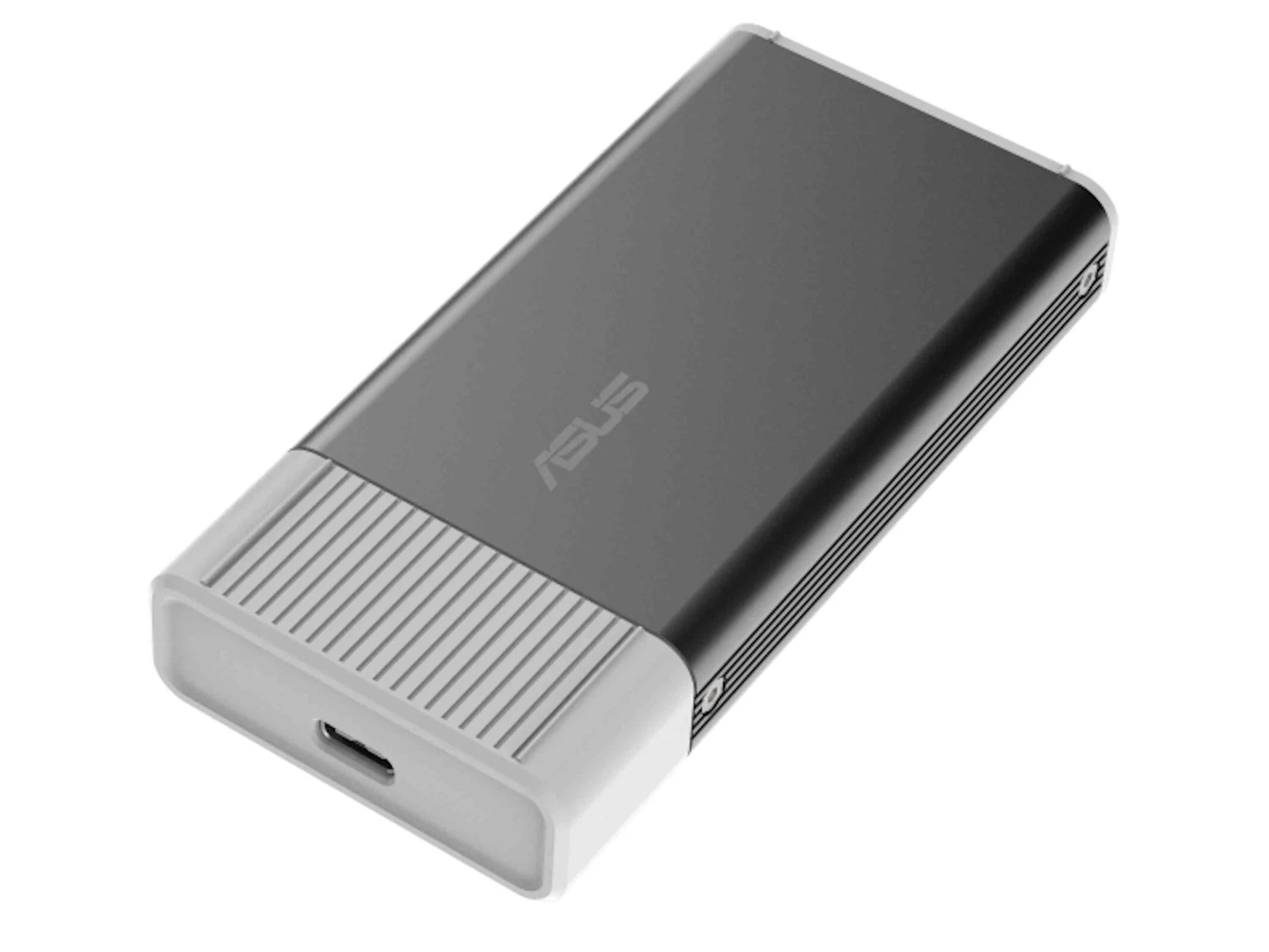
  • Asus Launches First USB Edge AI Accelerator for Classic and Generative AI

    Asus Launches First USB Edge AI Accelerator for Classic and Generative AI

    Key Takeaways

    1. Expansion cards, like the UGen300, enhance AI capabilities in PCs, even with built-in NPUs in newer systems.
    2. The UGen300 is a USB expansion card that does not require installation in a PCI slot, simplifying setup.
    3. It features a Hailo 10H NPU with a performance of 40 TOPS (INT4) and low power usage of 2.5 watts.
    4. The card is compatible with x86 and ARM platforms, supporting Windows, Linux, and Android, along with popular AI frameworks.
    5. Asus offers over 100 pre-trained models for various applications, such as image and pattern recognition, but pricing and availability are not yet announced.


    Expansion cards have been around for PC systems for quite some time, with special graphics cards being essential for gamers who demand high performance. In the past, we’ve talked about expansion cards that help speed up AI models. However, many new PCs now come with NPUs built into their APUs, meaning these cards might not be as necessary as before. Still, they can be handy for boosting the AI capabilities of current setups. Asus has recently introduced an expansion card called the UGen300.

    Product Features

    The UGen300 is a USB expansion card that operates using USB 3.1 Gen 2. This means you don’t need to install it in a PCI slot or even open up your PC case. It features a Hailo 10H NPU, which is claimed to deliver performance of 40 TOPS (INT4). The power usage is quite low, at just 2.5 watts, making it almost negligible. It also comes with 8 GB of LPDDR4 RAM, which may not be enough for serious AI fans, as dedicated AI setups typically offer more than 100 GB of RAM.

    Compatibility and Usage

    This expansion card is said to work with both x86 and ARM platforms, along with supporting Windows, Linux, and Android devices. It is also compatible with several frameworks including TensorFlow, PyTorch, and ONNX. Asus has mentioned that there are over 100 pre-trained models ready for users. One of the typical uses could be for advanced image or pattern recognition and analysis. Unfortunately, there is no information yet about its pricing or when it will be available for purchase.

    Source:
    Link


  • Asus ROG Strix Pulsar XG27AQNGV: New 1000 Hz Gaming Monitor

    Asus ROG Strix Pulsar XG27AQNGV: New 1000 Hz Gaming Monitor

    Key Takeaways

    1. Asus unveiled the ROG Strix XG27AQNGV gaming monitor featuring G-Sync Pulsar technology at CES 2026, with global pre-orders starting soon after.
    2. The monitor is a 27-inch IPS panel with a resolution of 1440p and a high refresh rate of 360 Hz, aimed at enhancing gaming experiences.
    3. G-Sync Pulsar technology improves motion clarity by using variable backlight strobing, effectively providing a perceived refresh rate of 1,000 Hz.
    4. Key specifications include a 1 ms GtG response time, 400 nits SDR and 500 nits HDR peak brightness, and various connectivity options including DisplayPort 1.4 and HDMI 2.1.
    5. The ROG Strix XG27AQNGV is priced at $649.99 in the US, with higher prices in Europe (£628.99 and €749.90).


    Earlier this week, Asus showcased its first gaming monitor featuring G-Sync Pulsar technology at CES 2026 in Las Vegas. The company announced that the ROG Strix XG27AQNGV would be available by the end of this month in several markets. Quite unexpectedly, the monitor is now globally available, with pre-orders having begun in Europe, the US, and the UK, among other regions.

    Specs and Features

    At its core, the ROG Strix XG27AQNGV is a 27-inch gaming monitor that utilizes a 1440p IPS panel and boasts an impressive 360 Hz refresh rate. In this regard, the ROG Strix XG27AQNGV is akin to the ROG Swift PG27AQN which was launched a few years back (current price $679.99 on Amazon). However, the G-Sync Pulsar technology is designed to enhance motion clarity beyond what other monitors can offer.

    G-Sync Pulsar Benefits

    Simply put, G-Sync Pulsar employs variable backlight strobing to keep fast-moving objects clearly visible. Asus and Nvidia assert that G-Sync Pulsar works in conjunction with existing G-Sync variable refresh rate (VRR) tech to provide “4x effective motion clarity,” which translates to a perceived refresh rate of 1,000 Hz. Additionally, the ROG Swift PG27AQN features a 1 ms GtG response time, 400 nits SDR and 500 nits HDR peak brightness, as well as DisplayPort 1.4, HDMI 2.1 (FRL), and dual USB 3.2 Gen 1 Type-A ports.

    Pricing and Availability

    The ROG Swift PG27AQN is being offered at a price of $649.99 in the US, where it’s available from retailers like Microcenter and Newegg. In the Eurozone and the UK, the same monitor is priced at £628.99 (~$845) and €749.90 (~$873), respectively. For more information, check out Asus’ official website.

    Source:
    Link