Tag: ASUS

  • Asus 14-Inch Gaming Laptop with AMD Strix Halo and 165Hz Display UK

    Asus 14-Inch Gaming Laptop with AMD Strix Halo and 165Hz Display UK

    Key Takeaway

    1. Asus’s TUF Gaming A14 FA401EA, the first AMD Strix Halo-powered gaming laptop, is now available in the UK.
    2. It features AMD’s Ryzen AI Max+ 388 APU with a 14-inch 2.5K display and weighs just 1.48 kg.
    3. The laptop is limited to 32 GB RAM in the UK and US, with a specified price of £1,649.99 for the configuration with 1 TB storage.
    4. It offers an up to 85 W Turbo mode for the Strix Halo APU and dual M.2 slots for storage.
    5. The FA401EA provides up to 16 GB of VRAM, and a 64 GB RAM option is available in the Eurozone.

    Asus Expands AMD Strix Halo Gaming Laptop Availability to the UK

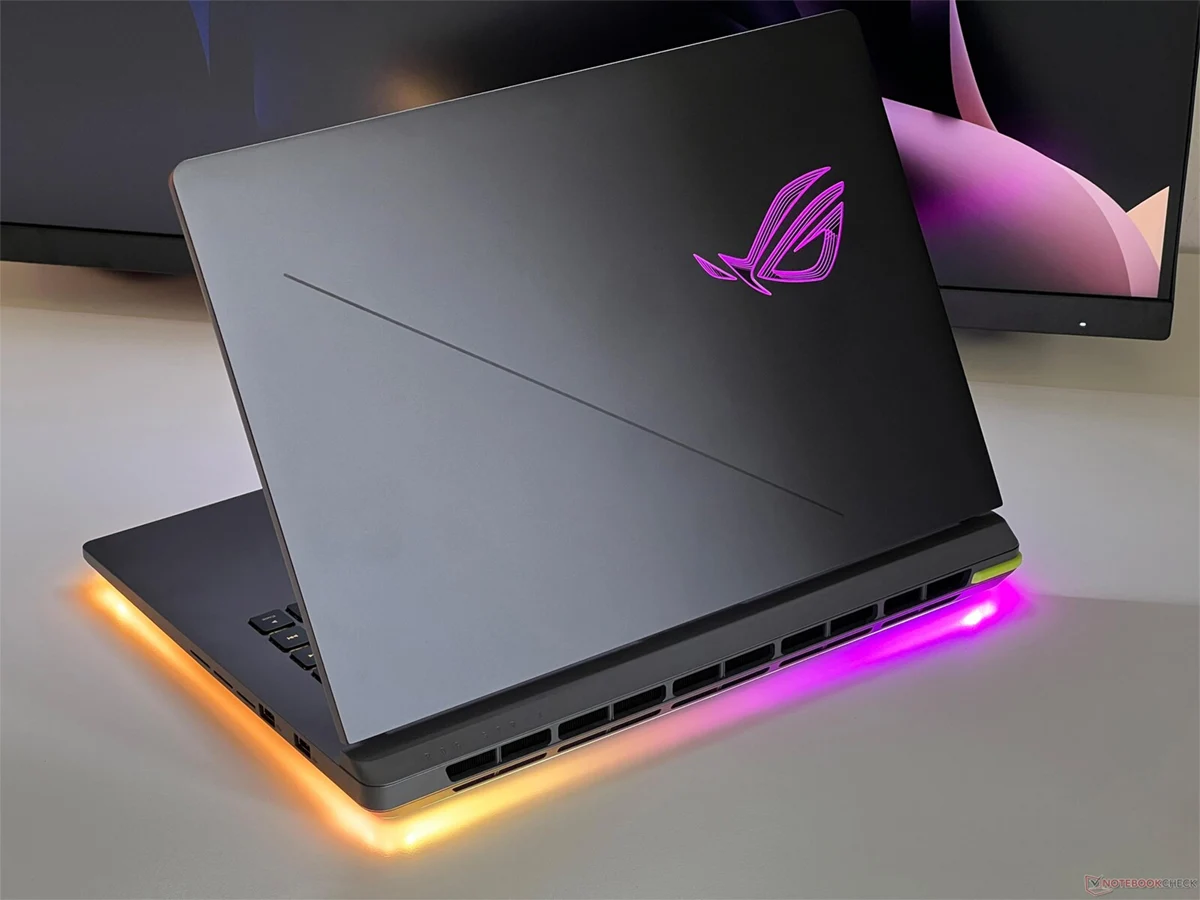
    Asus has serously been making moves to make their AMD powered gaming laptops more available globally. In a surprise move, they’ve now launched the TUF Gaming A14 FA401EA in the UK markets. Previously, in March this year, this particular model was only available in the US, so it’s good to see it finally reaching more gamers across Europe.

    Power and Performance of the TUF Gaming A14

    This laptop’s got some pretty interesting specs. It is notably the first to feature AMD’s Ryzen AI Max+ 388 APU, which is supported by the Radeon 8060S integrated graphics. The Ryzen AI Max+ 388 has four cores less and eight threads fewer than the Ryzen AI Max+ 395 used in high-end models like the ROG Flow Z13, which costs around $2,069. This configuration delivers a balance suitable for gaming and multitasking, even if not top-tier compared to its higher-end sibling.

    Design, Display, and Battery Life

    In terms of design, the FA401EA combines AMD’s Strix Halo platform with a 14-inch IPS display. It has a resolution of 2.5K (2560 x 1600) pixels and a refresh rate of 165 Hz that assures smooth gameplay. The entire chassis weighs just 1.48 kilograms, making it quite portable, especially for a gaming laptop. The device is equipped with a 73 Wh battery, which paired with the hardware, should offer decent usage times, and it supports up to 85 W power input to the CPU in Turbo mode.

    Limitations and Pricing Details

    One downside, however, is that in the UK, Asus has limited the RAM to 32 GB. That means the laptop can only handle up to 16 GB VRAM, and basically, the rest of the system is restricted similarly. The price tag is set at £1,649.99 with a 1 TB storage setup. It’s worth noting that outside the UK, particularly in the Eurozone, some variants with 64 GB RAM are available for more flexibility. So, enthusiasts might want to consider regional options depending on their needs.


    Sources

  • Asus Reveals New Prices for Latest 14-inch and 16-inch OLED Laptops

    Asus Reveals New Prices for Latest 14-inch and 16-inch OLED Laptops

    Key Takeaway

    1. Asus launched new Zenbook A14 and Zenbook A16 laptops in the US, with some models already available in Europe.
    2. Prices for the new Zenbook models increased significantly in the US, with the Zenbook 14 now costing 35% more than previous pricing.
    3. Price adjustments resulted in the Zenbook S16 becoming $100 cheaper than the Zenbook 14, despite initial pricing inconsistencies.
    4. Asus did not raise prices in Europe, where the laptops are sold at Euro and Pound sterling prices, but did not disclose reasons for US price hikes.

    Recent Asus Laptop Launches in the US

    Just a few days ago, Asus unveiled a big lineup of new laptops in the united states. Some models were already present over in europe, but the Zenbook A14 and Zenbook A16 were brand new on the scene. For those interested, here’s a quick list of the fresh releases with their detailed articles.

    Pricing Started Out Reasonable, Now It’s Not

    The initial pricing for these laptops was quite tempting, starting at just $999 or $1,149 for the models with Snapdragon X2 processors. But as we observed, the pricing of the Zenbook S14 and S16 was pretty odd, with weaker specs coming in at higher costs than more robust versions. Also, the prices didn’t stay static, instead they jumped, and now they’ve increased across the board for all these beautiful devices.

    Price Hikes and Regional Differences

    Right now, the Asus Zenbook 14 in the US costs about 35% more than it did yesterday, which is pretty big jump. Interestingly enough, in europe, Asus decided not to change the prices: it still retails for €1,299 and £1,249 with VAT included. On the other hand, the Zenbook A14 had a starting price of $1,349, and the larger Zenbook A16’s prices climbed up to $1,699 after a hundred dollar hike.

    Impacts on the Cost and Market Position

    This means the Zenbook A14 now costs way more than its earlier version, which used to be around $769 on Amazon. Meanwhile, the price increases have led to an unusual situation where the Zenbook S16 is actually $100 cheaper than the smaller Zenbook 14. Asus has yet to explain why all these price changes took place, leaving many to wonder about their pricing strategy.

  • Asus Launches New Open-Ear Wireless Earbuds with RGB Lighting

    Asus Launches New Open-Ear Wireless Earbuds with RGB Lighting

    Key Takeaways

    1. The ROG Cetra Wireless Open-Ear earbuds feature Aura RGB Lighting with customizable effects and colors.
    2. They offer low-latency audio via a 2.4 GHz wireless connection and are compatible with PlayStation 4 and 5.
    3. The earbuds include a detachable reflective neck strap for convenience during activities like running.
    4. They have 14 mm drivers, a frequency response range of 20 Hz to 20 kHz, and a maximum battery life of 16 hours without certain features.
    5. The retail price is $229.99 in the US, €219 in the Eurozone, and £184.99 in the UK.


    Asus has launched its new ROG Cetra earbuds in Europe and the US. These earbuds were first presented at CES 2026 in Las Vegas earlier this year and come with some unique features that set them apart from other open earbuds on the market.

    Unique Features

    One interesting aspect of the ROG Cetra Wireless Open-Ear earbuds is the Aura RGB Lighting, which has four preset effects and offers a palette of up to 16.8 million colours. Additionally, users can customize their sound experience through the Gear Link app, which also boasts IPX5 water resistance. For those who enjoy running, a detachable reflective neck strap is included for added convenience.

    Performance and Compatibility

    The ROG Cetra Wireless Open-Ear earbuds operate on a 2.4 GHz wireless connection, ensuring low-latency audio. They are compatible with gaming systems like the PlayStation 4 and PlayStation 5. However, be aware that at launch, they only support Bluetooth 6.0 for Android and iOS. Asus has stated that 2.4 GHz audio support will be added to Android devices through a future update.

    Sound Quality and Pricing

    In terms of specifications, these earbuds feature 14 mm drivers with an impedance of 16 ohms and a frequency response range of 20 Hz to 20 kHz. Asus claims that the battery life can reach up to 16 hours, but this is only when RGB lighting, Phantom Bass, Immersion Mode, and microphone functions are turned off. The retail price for the ROG Cetra Wireless Open-Ear earbuds is $229.99 in the US, €219 in the Eurozone, and £184.99 in the UK.

    Source:
    Link


  • Asus Halts Sales of Certain Laptops and PCs After Nokia Ruling

    Asus Halts Sales of Certain Laptops and PCs After Nokia Ruling

    Key Takeaways

    1. Asus has suspended its operations in Germany, including its official website and online store, due to a court injunction related to a patent dispute with Nokia.
    2. Acer has also halted direct sales of affected laptops and PCs in Germany, while Hisense has secured a licensing agreement.
    3. The court ruling affects specific products using HEVC technology, which are currently unavailable for direct purchase from Asus.
    4. After-sales support, including warranty services, will continue for affected products in Germany.
    5. Asus is exploring additional legal options to resolve the situation, but the duration of the sales suspension remains uncertain.


    After a court decision in Munich, Asus has released a statement detailing how it will affect its operations in Germany. The Munich I Regional Court issued a temporary injunction concerning a patent disagreement with Nokia. This ruling also impacted Acer and Hisense, with Hisense already having secured a licensing agreement.

    Acer’s Response

    In contrast, Acer has recently declared that it has halted the direct sales of the impacted laptops and PCs in Germany, and Asus has now taken similar actions. Asus mentioned that this injunction has caused the suspension of their official website and online store in Germany.

    Products Affected

    The company has clarified that the ruling, referenced under case no. 7 O 4102/25, pertains to specific products. These products incorporate HEVC technology and will not be available for purchase directly from Asus at this time. However, third-party sellers can still offer their existing stock, but it is unlikely that new inventory will arrive soon (like the Vivobook 18 M1807HA, currently priced at €899 on Amazon.de).

    After-Sales Services

    Asus further assures that after-sales support will continue to function in Germany. This includes warranty services for the products affected by the ruling.

    Regarding prior reports, the Munich court determined that neither Asus nor Acer fulfilled the requirements of a willing FRAND licensee. This framework outlines fair, reasonable, and non-discriminatory licensing agreements, prompting the court to grant injunctive relief.

    Future Legal Actions

    Returning to Asus’ statement, the company has indicated that it is exploring additional legal avenues to resolve the situation. However, it hasn’t provided specific information on how long the sales suspension will remain in effect, as this will likely hinge on the results of licensing discussions.

    Asus via: TechPowerUp

    Source:
    Link


  • Asus and Acer Face Laptop Sales Ban in Germany Over Nokia Patent

    Asus and Acer Face Laptop Sales Ban in Germany Over Nokia Patent

    Key Takeaways

    1. Asus and Acer have halted direct sales of certain laptops and desktops in Germany due to a ruling by the Munich I Regional Court regarding patent disputes with Nokia.

    2. The court found that Acer and Asus did not comply with FRAND guidelines, which require fair, reasonable, and non-discriminatory licensing terms.

    3. Acer is exploring legal options and has temporarily stopped sales, while Asus has not issued a public statement but has taken its online store offline.

    4. The injunction affects the manufacturers, allowing existing stock to be sold through retailers, but future replenishment may face challenges.

    5. This case is part of a pattern, as other companies like Amazon and OnePlus have also faced sales bans in Germany after losing patent disputes with Nokia.


    Following a recent decision made by the Munich I Regional Court, Asus and Acer have stopped the direct sale of certain laptops and desktop computers in Germany. This action comes after a legal dispute with Nokia concerning standard-essential patents linked to the H.265 video codec, also known as HEVC.

    Court’s Findings

    According to the court, Acer and Asus did not comply as willing licensees under the FRAND guidelines. The FRAND framework stands for fair, reasonable, and non-discriminatory licensing terms. Based on the court’s conclusion, an injunctive relief has been granted.

    Company Responses

    In a statement to PC Welt, Acer acknowledged that it has temporarily halted direct sales of the impacted products in Germany. The company mentioned that it is looking into legal alternatives and considering further steps to resolve the situation. Products that are not affected by the ruling are still available for purchase through the official store. Asus has not yet issued a public statement, but HardwareLuxx pointed out that its official German online store is currently offline for “service enhancements.”

    Retailer Impact

    It’s important to note that the injunction targets the manufacturers rather than third-party sellers (ROG Strix G18 G814FP currently €2,399 on Amazon.de). This means that existing stock can still be sold through retail channels, however, the replenishment of these stocks may encounter disruptions if direct shipments are paused.

    Previous Cases

    Furthermore, this isn’t the first instance where a patent dispute loss against Nokia has led to a sales ban. For instance, Amazon lost a legal case in 2024 and had to alter its Fire TV Sticks. Similarly, OnePlus faced a sales ban in Germany in 2023 after losing a patent dispute with Nokia.

    After the ruling, Nokia indicated that it is pursuing fair compensation for the use of its technology. The company has also shown a willingness to continue discussions with both Asus and Acer. Nokia’s announcement also referenced Hisense, which has obtained a license in associated proceedings.

    Source:
    Link


  • Asus Launches ExpertBook B5 G2 Laptops with Intel Panther Lake

    Asus Launches ExpertBook B5 G2 Laptops with Intel Panther Lake

    Key Takeaways

    1. Lightweight Design: The ExpertBook B5 G2 is a slim laptop for business users, available in 14-inch and 16-inch sizes, weighing about three pounds.

    2. Processor Upgrade: The laptop features newer Intel Core Ultra Series 3 processors, with options up to Core Ultra 7 366H, enhancing performance for AI tasks and multitasking.

    3. Display Options: Users can choose between 2560 x 1600 and 1920 x 1200 resolutions on 16:10 matte IPS displays, with brightness up to 400 nits and an optional touch screen.

    4. Enhanced Battery Life: The battery life has improved to up to 19 hours, despite keeping the same capacity as the previous model.

    5. Security and Connectivity: Includes advanced security features, AI tools, Wi-Fi 7, MIL-STD-810H durability, and multiple ports like Thunderbolt 4, HDMI, and USB-A.


    Last month, Asus introduced three new ExpertBook laptops aimed at businesses, featuring the ExpertBook B3 G2 with AMD Gorgon Point and the ExpertBook Ultra equipped with Intel’s high-end Panther Lake Core Ultra X9 and X7 processors, which we had an opportunity to test. Now, they’re launching an additional model meant to take the place of last year’s ExpertBook B5.

    Lightweight Design for Professionals

    The latest ExpertBook B5 G2 is a slim laptop designed for business users. It is available in both 14-inch and 16-inch variants, with a starting weight of about three pounds, making it slightly heavier than the 2.2-pound ExpertBook Ultra. This time, Asus has replaced the Intel Core Ultra Series 2 processors found in the older model with the newer Series 3 versions, which can go up to a Core Ultra 7 366H. Featuring up to 50 TOPS on the NPU and as much as 64GB of DDR5 RAM, this model should handle local AI tasks and multitasking with ease.

    Familiar Look with Upgrades

    Besides the CPU enhancement, not many features have been altered. The design remains quite similar, and users can still select between 2560 x 1600 and 1920 x 1200 resolutions for both screen sizes. These displays are 16:10 matte IPS with TÜV Rheinland eye protection, offering brightness levels up to 400 nits. An optional touch display is now available as well. Asus also claims improved battery life, stretching up to 19 hours compared to the previous 15 hours, despite the battery capacity staying the same.

    Security and Connectivity Features

    As a laptop aimed at business professionals, security and AI functionalities are emphasized. Asus has stated that the ExpertBook B5 G2 features a NIST SP 800-193-compliant BIOS, TPM 2.0, dual BIOS support, and fingerprint login for enhanced security. It also includes Copilot integrated, along with extra AI tools in the Asus MyExpert suite. Other notable features comprise Wi-Fi 7, MIL-STD-810H durability, and a wide array of ports, such as Thunderbolt 4, HDMI, and USB-A.

    The 14-inch (B5405CAA) and 16-inch (B5605CAA) models have been posted on the Asus website; however, details regarding pricing and availability are currently absent.

    Source:
    Link


  • Asus Unveils MX Master 4 Rival with Swappable Switches and Battery Life

    Asus Unveils MX Master 4 Rival with Swappable Switches and Battery Life

    Key Takeaways

    1. Asus has launched the ProArt Mouse MD301 as a competitor to the Logitech MX Master 4, available for CNY 599 (around $86.8) in China.
    2. The ProArt MD301 is lighter at 99.7 grams compared to the Logitech MX Master 4, which weighs 150 grams, with an ergonomic design for comfort.
    3. It features a larger 800 mAh battery providing up to 180 days of usage, significantly longer than the MX Master 4’s 650 mAh battery offering 70 days.
    4. The ProArt MD301 has swappable switches that can endure up to 80 million clicks, promising “unmatched accuracy and precision.”
    5. The mouse includes six programmable buttons, three connectivity modes, and supports fast charging via USB-C, with a global launch expected soon.


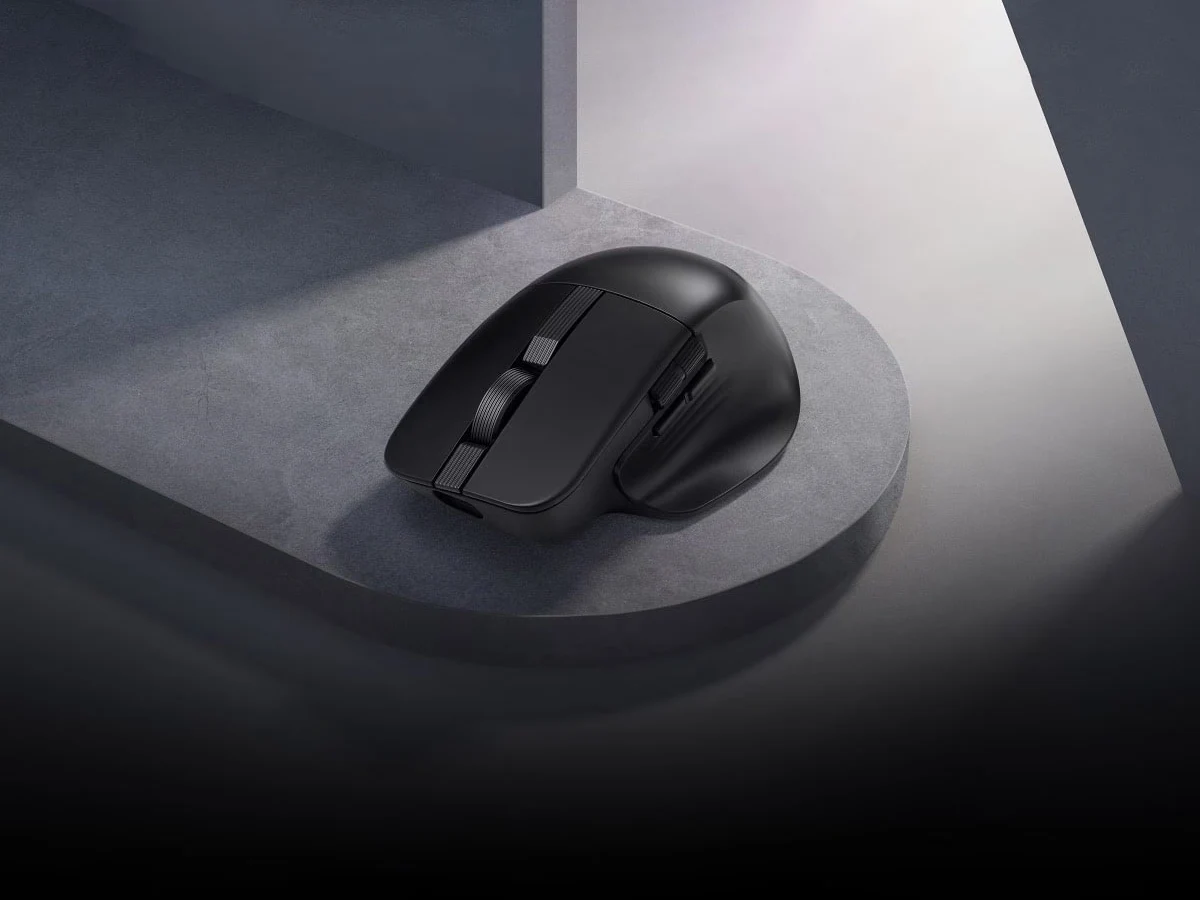
    Asus has unveiled a competitor to the Logitech MX Master 4 at CES 2026, named the ProArt Mouse MD301. The company recently showcased this wireless mouse again, and it is now available for purchase in China.

    Pricing and Availability

    With the promotional pricing, the ProArt MD301 can be bought for CNY 599, which is approximately $86.8. This is more cheaper than the usual price of the MX Master 4 in China, which is CNY 899, roughly $130 (or $120 if you check Amazon). Also, when comparing the two, Asus’ new mouse is lighter than Logitech’s latest productivity offering.

    Specifications and Design

    According to the specifications, the ProArt MD301 has a weight of 99.7 grams, whereas the Logitech MX Master 4 weighs in at 150 grams. This lightweight build, along with its ergonomic design, is claimed to help the wireless mouse fit comfortably in your hand, providing a nice grip.

    Battery Life and Performance

    Even though the Asus mouse is lighter, it actually contains a bigger battery. Specifically, it features an 800 mAh battery, which is said to deliver up to 180 days of usage on a single charge. In contrast, the MX Master 4 has a 650 mAh battery, with a maximum runtime of 70 days.

    Unique Features

    A standout feature of the ProArt MD301 is its swappable switches. The Push-Fit sockets support both micro and optical switches, with Asus mentioning that the included switches can endure up to 80 million clicks. While the specifics of the sensor inside are not disclosed, the company guarantees “unmatched accuracy and precision.”

    Additional Features

    Moreover, the mouse possesses six programmable buttons, three modes of connectivity, and supports fast charging via USB-C. While Asus has not revealed when it will be available worldwide, it is anticipated that an international launch will happen soon.

    Source:
    Link


  • Windows Secure Boot 2026: Microsoft Warns of Expiring Certificates

    Windows Secure Boot 2026: Microsoft Warns of Expiring Certificates

    Key Takeaways

    1. Microsoft is rolling out a new Secure Boot certificate chain, replacing the original 2011 certificates that will expire starting June 2026.

    2. Firmware readiness is crucial; devices not updated to accept the new certificates may enter a “degraded security state,” losing access to future boot and security updates.

    3. Windows updates after February 13, 2024, will add the new 2023 certificates to the UEFI Secure Boot database, necessary for future updates.

    4. Vendor policies are significant; some devices may require firmware updates from their manufacturers to apply the new certificates correctly.

    5. Windows 10 users face pressure to upgrade, as support will end on October 14, 2025, meaning devices running unsupported Windows versions won’t receive updates, impacting Secure Boot transitions.


    Microsoft has begun the rollout of a new Secure Boot certificate chain that Windows will require as the original 2011 certificates start to expire in June 2026. Notebookcheck recently reported on Microsoft’s warning and the early rollout signals that have appeared in recent cumulative updates. The next steps focus more on the readiness of firmware rather than Windows itself.

    Firmware Readiness is Key

    If your computer’s UEFI firmware isn’t ready to accept and keep the new 2023 certificates, Windows Update might try to make the switch but could leave the device in what Microsoft calls a degraded security state. This means that future security updates related to booting may not apply properly.

    The original Secure Boot trust anchors from Microsoft, which date back to 2011, are set to expire starting on June 24, 2026, with other expirations happening later that year. Dell has provided a clear timeline, noting that the first certificate expiration is for the Microsoft Corporation KEK CA 2011 on June 24, followed by the Microsoft Corporation UEFI CA 2011 on June 27, and another significant certificate expiring on October 19, 2026, which is associated with Microsoft Windows Production PCA 2011.

    Important Transition Details

    Various vendors are emphasizing the same critical point: while systems are expected to continue booting, devices that do not upgrade to the 2023 certificate chain may lose the ability to obtain future bootloader and Secure Boot updates. This is where Microsoft’s mention of “degraded security” comes into play.

    The necessary technical support is already included in supported versions of Windows. According to Microsoft’s KB5036210, Windows updates released on or after February 13, 2024, will include the ability to add the Windows UEFI CA 2023 certificate to the UEFI Secure Boot Allowed Signature Database (db). Updating the db will be crucial for receiving future boot loader updates during monthly updates.

    Microsoft has stated that “most personal Windows devices” should receive the new certificates automatically through Microsoft-managed updates. However, it also warns that some devices may need an OEM firmware update to correctly apply the new certificates.

    Vendor Firmware Policies Matter

    This is where the policies of vendors become more important than many home users realize. Dell’s Secure Boot Transition FAQ makes a distinction between the Active Secure Boot database (which the system enforces during boot and is frequently modified by Windows Update) and the Default Secure Boot database (the factory reset state, typically updated via BIOS flashing). Dell also cautions that certain firmware actions, such as toggling “Expert Key Mode,” could erase Active variables that were set by Windows Update if the Default database has not been updated correctly.

    The same Dell document explains a “dual certificate strategy,” indicating that the company began shipping both 2011 and 2023 certificates on new platforms launched in late 2024, and has expanded this strategy across existing platforms by the end of 2025.

    Lenovo similarly advises that the fix for commercial PCs involves a BIOS update to add the 2023 certificates to the default Secure Boot variables, and additional steps may be needed to activate these variables on systems that are not already configured. It also mentions BitLocker recovery as a potential issue, which is why backing up recovery keys before firmware changes is a wise move.

    Other Vendor Actions

    HP has also been collaborating with Microsoft to prepare Secure Boot-enabled products for the new certificates and warns that certificate expiration could hinder systems from receiving Secure Boot and Windows Boot Manager security updates, thus increasing vulnerability to bootkit threats.

    ASUS stands out as one of the few consumer-oriented vendors that has published a detailed step-by-step guide for this transition. This guide includes instructions on how to check if the new 2023 entries are in the firmware and what steps to take if they are missing.

    In its FAQ, ASUS elaborates on how to navigate UEFI Secure Boot key management and verify that the KEK includes “Microsoft Corporation KEK 2K CA 2023” and that the db contains “Windows UEFI CA 2023” along with other 2023 Microsoft entries. It also outlines remediation steps like “Install Default Secure Boot Keys” or “Restore Factory Keys” after a BIOS update, which effectively refreshes the key databases from the firmware’s default store.

    This situation often impacts DIY systems the hardest: Windows can provide updates, but motherboard firmware can still need manual adjustments before the new keys are active and recognized.

    For IT Managed Systems

    For IT-managed fleets, Microsoft’s Secure Boot playbook provides clear indicators to monitor.

    Microsoft states that a successful deployment can be confirmed by checking Windows System Event Log for Event ID 1808. If there are failures in applying the updated certificates, this is linked to Event ID 1801. The playbook also points to the UEFICA2023Status registry key, which should ultimately read “Updated.” Moreover, the UEFICA2023Error key should not be present unless there is an outstanding error.

    The playbook also recommends applying OEM firmware updates before Secure Boot-related Windows updates if your organization has identified issues or if your OEM suggests a BIOS update, reinforcing the idea that the Windows aspect is only part of the overall picture.

    Implications for Windows 10 Users

    Lastly, the certificate refresh adds pressure on those still using Windows 10. Microsoft’s own support documentation indicates that support for Windows 10 ended on October 14, 2025, and positions Windows 10 Extended Security Updates (ESU) as the paid route for users wanting to continue receiving security updates post that date.

    Microsoft’s Secure Boot guidance stresses that devices running unsupported versions of Windows will not get Windows updates, which ties the Secure Boot transition directly to remaining on a supported servicing path (or ESU for Windows 10, where applicable).

    Source:
    Link



  • Asus ROG Strix OLED XG27UQDMS: Early Release for 240Hz Monitor

    Asus ROG Strix OLED XG27UQDMS: Early Release for 240Hz Monitor

    Key Takeaways

    1. Asus has launched the ROG Swift OLED PG32UCDM3 4K OLED gaming monitor with a 240 Hz refresh rate, initially available in China.
    2. The ROG Strix OLED XG27UQDMS is a new 27-inch Gen 3 QD-OLED monitor, offering a compact design with similar high specifications.
    3. The XG27UQDMS features a peak brightness of 1,000 nits in HDR mode and a fast 0.03 ms GtG response time, along with AMD FreeSync Premium and Nvidia G-Sync support.
    4. The monitor is available for pre-order in the UK for £738.98, which is about £60 (~$80) cheaper than its predecessor.
    5. Asus expects the XG27UQDMS to be available in the Eurozone between April and May 2026.


    Asus has quietly launched a brand new 4K OLED gaming monitor with a refresh rate of 240 Hz. To give some background, the company has just begun selling the ROG Swift OLED PG32UCDM3 in China, with plans for a worldwide release before the end of March. Meanwhile, the ROG Strix OLED XG27UQDMS has made its debut in the UK before becoming available in other regions.

    New Smaller Option

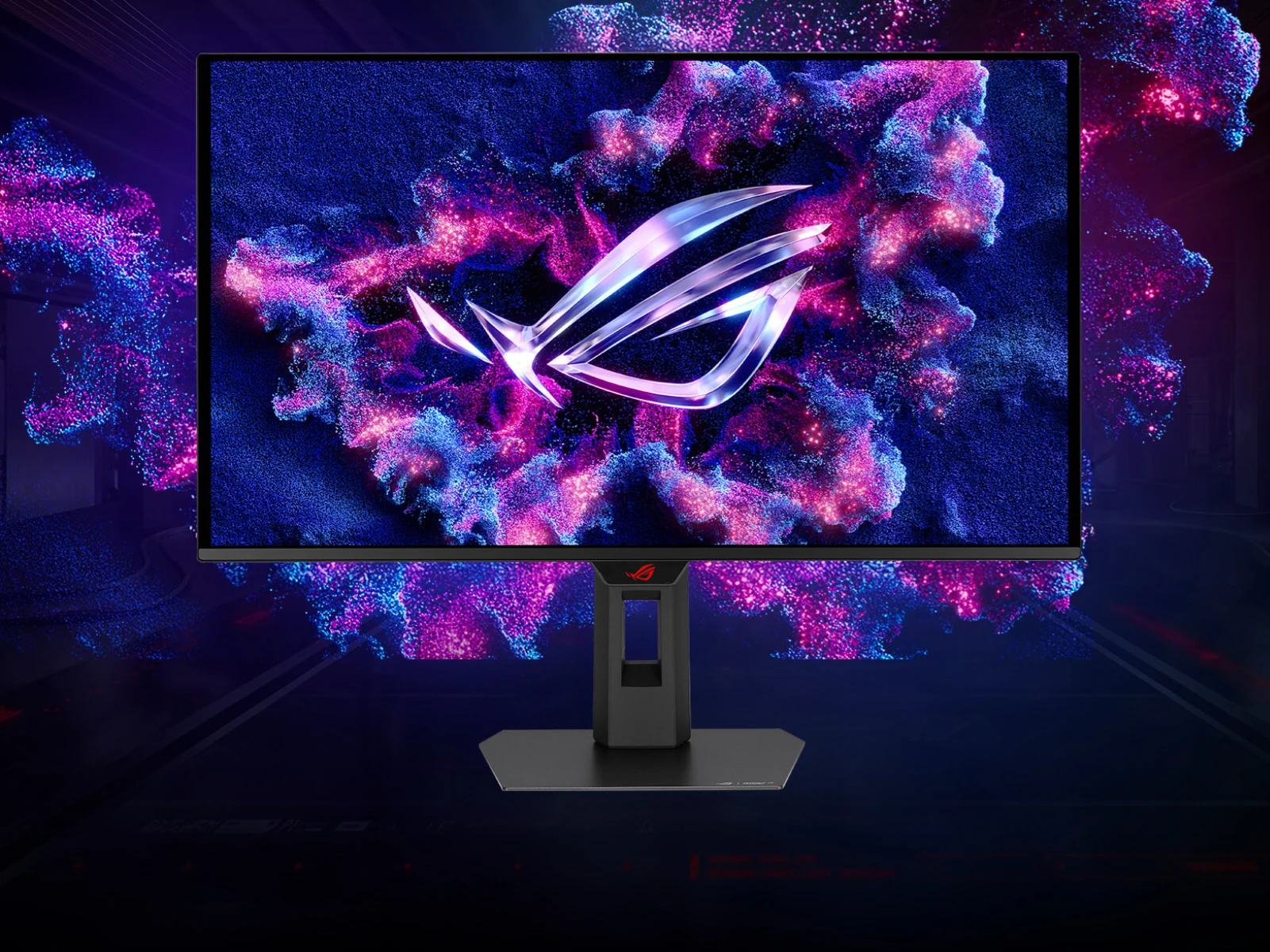
    The ROG Strix OLED XG27UQDMS is another Gen 3 QD-OLED monitor, providing a more compact choice compared to the ROG Strix OLED XG32UQDMS, which has also arrived in the UK. This 27-inch display not only supports 4K resolution and 240 Hz refresh rate, but it also boasts a peak brightness of 1,000 nits in HDR mode (APL 3%) and incredibly fast 0.03 ms GtG response times. It reduces image tearing thanks to technologies like AMD FreeSync Premium and Nvidia G-Sync. Asus has included several ports for connectivity:

    Pricing and Availability

    You can pre-order the ROG Strix OLED XG27UQDMS from Scan UK for £738.98, which includes a 20% VAT. This means that Asus’ latest 27-inch gaming monitor is roughly £60 (~$80) less expensive than the previous model, the ROG Strix OLED XG27UCDMG (currently priced at $960 on Amazon). Asus anticipates that sales of the ROG Strix OLED XG27UQDMS will begin in the Eurozone sometime between April and May 2026.

    Asus & Scan UK

    Source:
    Link


  • Asus ROG Swift OLED PG32UCDM3 Gaming Monitor Launch Ahead of Schedule

    Asus ROG Swift OLED PG32UCDM3 Gaming Monitor Launch Ahead of Schedule

    Key Takeaways

    1. Asus has launched the ROG Swift OLED PG32UCDM Gen3 gaming monitor, also known as PG32UCDM3, which debuted at CES 2026.
    2. The monitor features a 4K resolution and a 240 Hz QD-OLED panel, with a peak brightness of 1,000 nits in HDR mode.
    3. It includes a new feature called BlackShield for improved image clarity and meets VESA TrueBlack 500 certification for better black levels.
    4. Connectivity options include DisplayPort 2.1, dual HDMI 2.1, and a USB Type-C (90 W) port.
    5. The monitor is priced at CNY 8,499 (approximately $1,225) in China, with a projected price of $1,299 in the United States.


    Asus has finally introduced its ROG Swift OLED PG32UCDM Gen3 gaming monitor. This monitor, also known as the PG32UCDM3, was first seen in December and made its full debut at CES 2026 in Las Vegas.

    Availability Updates

    Shortly after the initial reveal, Asus mentioned that the ROG Swift OLED PG32UCDM Gen3 would be available ‘towards the end of Q1’. However, nearly a month has gone by since that statement, and the company has not provided further information regarding its availability.

    Early Launch in China

    Recently, Asus has quietly launched the monitor earlier than expected in China. The ROG Swift OLED PG32UCDM Gen3 features a 4K resolution and a 240 Hz QD-OLED panel, similar to its predecessors, the PG32UCDM and PG32UCDMR (currently priced at $1,199.99 on Amazon). The new model boasts a peak brightness of up to 1,000 nits in HDR mode and meets the VESA TrueBlack 500 certification for exceptional black levels.

    Enhanced Features

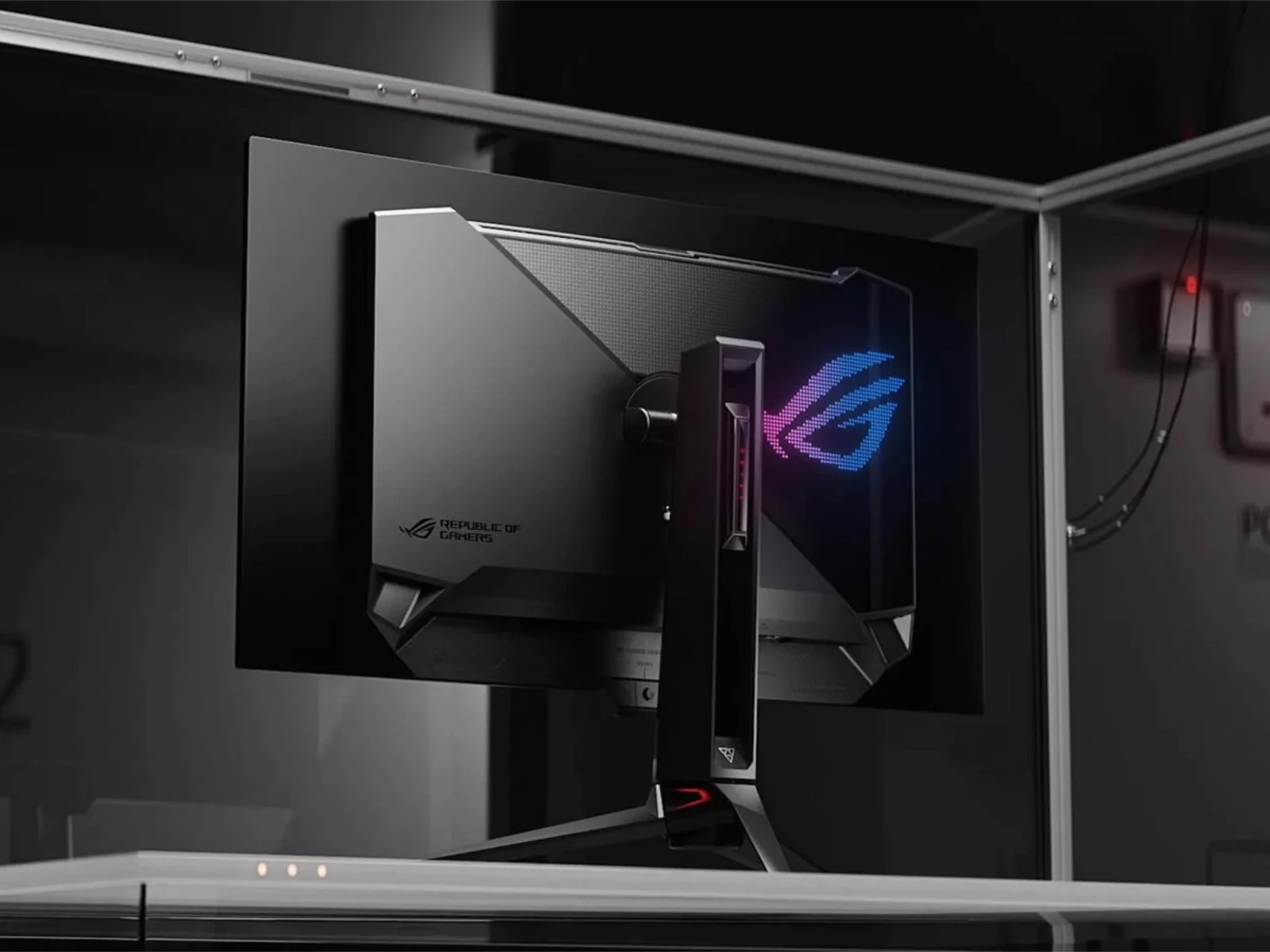
    In addition, Asus has added a feature called BlackShield to this monitor, which is a semi-glossy film designed to improve image clarity compared to the previous models. The ROG Swift OLED PG32UCDM Gen3 is also equipped with a DisplayPort 2.1 (UHBR20) port, as well as dual HDMI 2.1 and a USB Type-C (90 W) connection. The pricing for the ROG Swift OLED PG32UCDM Gen3 in China is set at CNY 8,499 (approximately $1,225). In comparison, Asus had previously indicated a price of $1,299 for the same monitor in the United States.

    Source:
    Link