Tag: ASUS

  • Asus ROG NeoCore WiFi 8 Router: Lag-Free Gaming Experience

    Asus ROG NeoCore WiFi 8 Router: Lag-Free Gaming Experience

    Key Takeaways

    1. Asus showcased the ROG NeoCore concept device for WiFi 8 at CES 2026, highlighting its features before the standard is finalized.
    2. WiFi 8 aims to enhance reliability and stability rather than just increasing maximum speed, maintaining a peak of 46Gbps like WiFi 7.
    3. The new standard promises better performance in crowded areas with improved spectrum management and coordination among access points.
    4. Early tests indicate WiFi 8 can deliver double the throughput over medium distances compared to WiFi 7 and more stable connections for smart devices.
    5. Asus plans to release market-ready WiFi 8 routers and mesh systems in 2026, ahead of the IEEE’s finalization of the standard in 2028.


    While the market is still waiting for WiFi 7 routers to become widely available, Asus has already showcased a device for the upcoming wireless standard at CES 2026 in Las Vegas. This device, named the Asus ROG NeoCore concept, aims to highlight the features of WiFi 8 or IEEE 802.11bn. The main goal is not merely to boost the theoretical maximum speed, which currently stays the same as WiFi 7 at 46Gbps, but to enhance reliability and stability in everyday situations.

    Benefits of WiFi 8

    WiFi 8 is expected to offer significant advantages in crowded areas with numerous competing wireless networks. With improved spectrum management and enhanced coordination among multiple access points, Asus is promising marked improvements in these environments. Early tests show that the router can achieve up to double the throughput over medium distances compared to WiFi 7 and provide a more stable connection for smart home devices. Additionally, gamers can anticipate a reduction in P99 latency, which concerns extreme ping outliers, with an expected decrease of up to six times.

    Design and Release Timeline

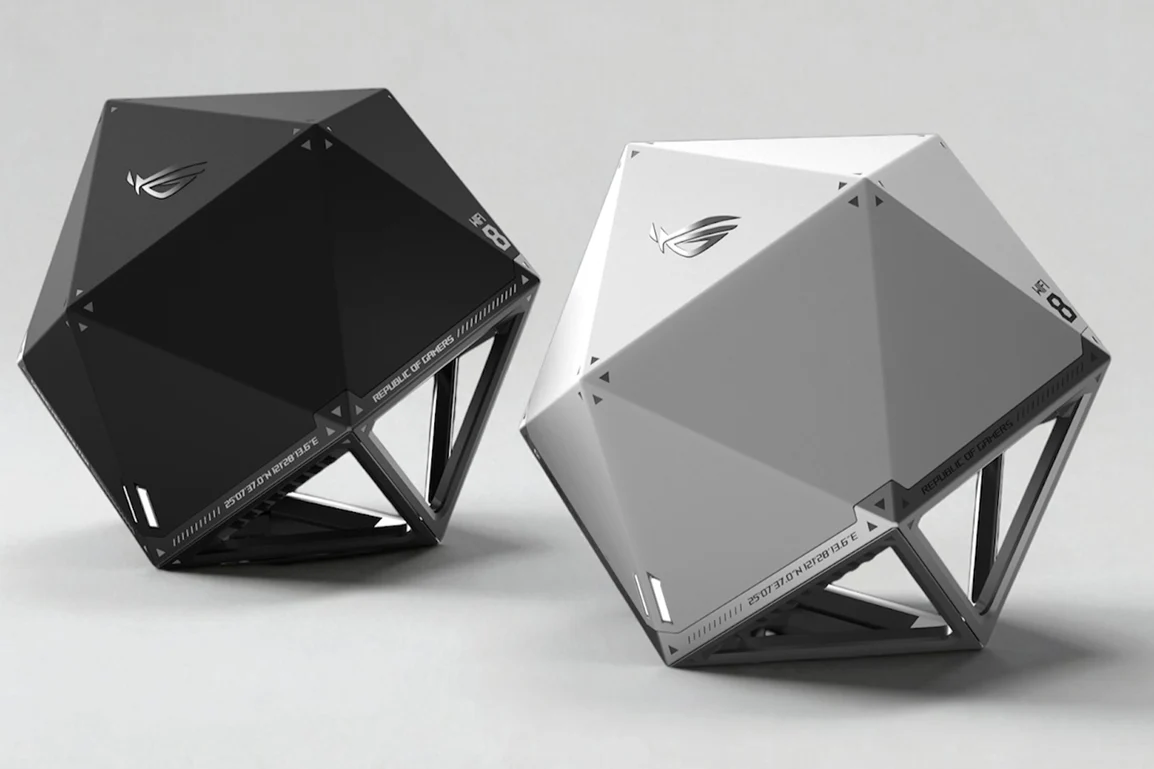
    In terms of design, the Asus ROG WiFi 8 router doesn’t feature a flashy antenna layout but resembles a fairly straightforward polyhedron with a hollow base. Asus is aiming to launch the first market-ready WiFi 8 routers and mesh systems in 2026, even though the IEEE is not set to finalize the standard until 2028. Nevertheless, Asus tends to embrace new wireless standards much sooner than many other companies.

    Asus via press release

    Source:
    Link


  • Asus NUC 16 Pro: Core Ultra X9 & Intel Arc B390 iGPU Unveiled

    Asus NUC 16 Pro: Core Ultra X9 & Intel Arc B390 iGPU Unveiled

    Key Takeaways

    1. Asus introduced the NUC 16 Pro mini PC at CES 2026, featuring upgraded specifications from the NUC 14 Pro.
    2. The mini PC can be equipped with a Core Ultra X9 series 3 processor and an Intel Panther Lake integrated GPU.
    3. It supports the Intel Arc B390 iGPU, expected to outperform AMD’s Radeon 890M by about 16%.
    4. The NUC 16 Pro is compatible with LPDDR5x RAM and two SSDs, though detailed specifications are not fully disclosed.
    5. The design remains similar to the NUC 14 Pro, with no confirmed release date or price yet, but the previous model started at $394.


    Asus has unveiled several new devices at CES 2026, including the NUC 16 Pro. This mini PC is the next version of the NUC 14 Pro and comes with an enhanced specification list. A standout feature is its ability to be equipped with a Core Ultra X9 series 3 processor, which also includes a powerful Intel Panther Lake integrated GPU.

    Enhanced Performance

    Specifically, Asus highlights that this mini PC can support the Intel Arc B390 iGPU, which leaks suggest may deliver about 16% more performance compared to AMD’s top-tier iGPU, the Radeon 890M from the Strix Point series. The CPU is said to be compatible with LPDDR5x RAM and two SSDs, but the details about these components are not fully disclosed in the press materials.

    Port Configuration

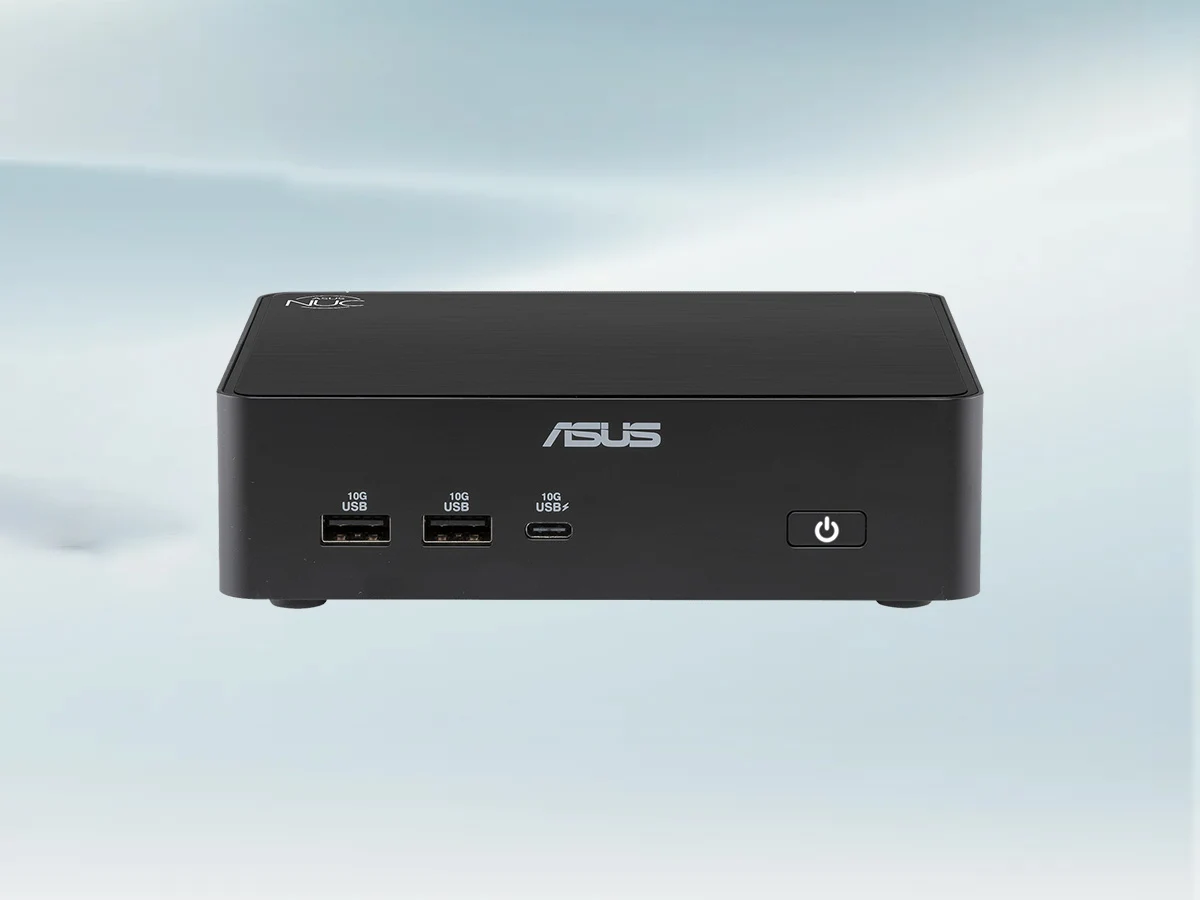
    The promotional content outlines the port setup for the mini PC, with the Asus NUC 16 Pro including several ports. Aside from this, there have not been major changes in the design department. The NUC 16 Pro maintains a similar look to its predecessor, the NUC 14 Pro. Asus has not yet revealed the release date for this Intel Panther Lake mini PC, and the price has also not been officially announced. However, it is important to note that the previous generation, the 14 Pro, had a launch price starting at $394.

  • Asus ROG Zephyrus G14: Now with Intel and AMD Ryzen CPUs

    Asus ROG Zephyrus G14: Now with Intel and AMD Ryzen CPUs

    Key Takeaways

    1. The ROG Zephyrus G14 now offers options for both Intel and AMD processors, unlike last year’s version.
    2. AMD GPU options are limited to the GeForce RTX 5060, while Intel can be paired with RTX 5080 or RTX 5070 Ti.
    3. The Intel model supports up to 64 GB of LPDDR5x memory, whereas the AMD version is capped at 32 GB.
    4. Port configurations vary, with the Intel version featuring Thunderbolt 4 and the AMD version including a USB 4.0 port.
    5. The ROG Zephyrus G14 has a 14-inch WQXGA+ display with HDR brightness of 1,100 nits and a 120 Hz refresh rate.


    Alongside the ROG Zephyrus G16, Asus has also refreshed its smaller counterpart, the ROG Zephyrus G14. This time, customers can choose between Intel and AMD processors, which was not an option in last year’s version. However, there are some limitations regarding GPU selections. The Intel Panther Lake variant can be combined with either an Nvidia GeForce RTX 5080 or an RTX 5070 Ti GPU.

    AMD GPU Limitations

    Conversely, the AMD Ryzen AI 400 Gorgon Point model is restricted to a GeForce RTX 5060. This GPU not only provides significantly less VRAM compared to the RTX 5070 Ti (12 GB against 8 GB), but it also has fewer CUDA cores and a TDP of 130 Watts versus 100 Watts. This limitation may push gamers to use AI-enhanced upscaling technologies like DLSS and FSR to maintain high framerates. Additionally, the Intel Panther Lake SKU can support up to 64 GB of LPDDR5x-7500 memory, while the AMD version is capped at 32 GB. Both ROG Zephyrus G14 configurations can be set up with a maximum of 2 TB NVMe SSD for storage.

    Port Layout and Other Specs

    There are minor distinctions, such as the arrangement of ports, but these shouldn’t significantly impact everyday usage. The Intel version includes one Thunderbolt 4 port, one USB 3.2 Gen2 Type-C port, two USB 3.2 Gen2 Type-A ports, a micro SD card reader, an HDMI 2.1 port, plus a 3.5mm combo audio jack. Meanwhile, the AMD edition substitutes the Thunderbolt 4.0 port with a USB 4.0 port, a change seen across many laptops. Other specifications, including a 73 Wh battery with 200 W fast charging capability, Wi-Fi 6, Bluetooth 6.0, and a six-speaker array, remain unchanged.

    Display and Availability

    Similar to the ROG Zephyrus G16, the Zephyrus G14 features an enhanced ROG Nebula display. The 14-inch WQXGA+ (2,880 x 1,800) screen achieves a peak HDR brightness of 1,100 nits and boasts a 120 Hz refresh rate. Asus presents the laptop in Grey and White color options. While a price and launch date have not been disclosed, they will be announced in the future.

  • Asus ROG Xreal R1 AR Glasses: 240Hz Refresh Rate & Bose Audio

    Asus ROG Xreal R1 AR Glasses: 240Hz Refresh Rate & Bose Audio

    Key Takeaways

    1. Asus is showcasing various gaming monitors and new AR glasses, the ROG Xreal R1, at CES 2026.
    2. The ROG Xreal R1 is co-developed with Xreal and continues the legacy of previous Xreal AR glasses.
    3. The AR glasses have limitations, including FHD resolution, a narrow 57-degree field of view, and only 3 degrees of freedom.
    4. The ROG Xreal R1 features a high 240 Hz refresh rate and Bose-tuned speakers for improved audio quality.
    5. The glasses will be released with the ROG Control Dock for connectivity, but pricing and full specifications are not yet available.


    Asus is showcasing a variety of gaming monitors at CES 2026 in Las Vegas this week. In addition to the ROG Swift OLED PG27UCWM and other models, the company has also introduced a new pair of augmented reality (AR) glasses.

    Collaboration with Xreal

    The ROG Xreal R1, as indicated by its name and the accompanying video, has been co-developed with Xreal rather than being a solely Asus product. This means these glasses aren’t smart glasses like the Ray-Ban Meta Gen 1 or Gen 2. Rather, they continue the legacy of previous Xreal AR glasses, such as the Xreal One Pro, which is currently priced at $649 on Amazon.

    Technical Limitations and Advantages

    Sadly, the limitations of older AR glasses persist, including the FHD (1,920 x 1,080) resolution, a somewhat narrow 57-degree field of view (FoV), and only 3 degrees of freedom (DoF). However, the ROG Xreal R1 does boast some notable advantages over competing AR glasses. Primarily, it offers an impressive 240 Hz refresh rate on its micro OLED displays, which is a step up from the 120 Hz maximum found in many current AR glasses.

    Audio and Connectivity Features

    The ROG Xreal R1 is equipped with Bose-tuned speakers, addressing a common issue with audio quality in many AR glasses. Furthermore, Asus promotes these glasses alongside the ROG Control Dock, an accessory that connects the ROG Xreal R1 to devices like PCs using DisplayPort 1.4 and HDMI 2.0 ports. Currently, Asus plans to release the ROG Xreal R1 and the ROG Control Dock before summer. However, the pricing and complete technical specifications are still unknown at this time.

    Source:
    Link


  • Asus Discontinues Zenfone and ROG Phone Lineup for 2026

    Asus Discontinues Zenfone and ROG Phone Lineup for 2026

    Key Takeaways

    1. Asus has a rich history with mobile devices, notably the Zenfone series since 2014 and pioneering gaming smartphones in 2018.
    2. After experimenting with compact flagship models post-2021, Asus returned to larger smartphones with the Zenfone 11 Ultra in 2024.
    3. There are strong rumors that Asus will pause the Zenfone and ROG Phone lines in 2026, with no new releases expected, including Zenfone 13 and ROG Phone 10.
    4. Despite the hiatus, Asus will continue to provide software updates and warranty services for existing Zenfone and ROG devices.
    5. Asus faces stiff competition from Chinese and South Korean manufacturers, raising questions about the future of its smartphone production after this pause.


    Asus has an intriguing past with its mobile devices. The Zenphones, which have been present since 2014, have consistently amazed with unique features like flip cameras. After 2021, the Taiwanese brand, similar to Apple, jumped on the trend of popular yet commercially unsuccessful compact flagship models before reverting to traditional larger smartphones with the Zenfone 11 Ultra in 2024 and the Zenfone 12 Ultra in 2025. Notably, Asus was one of the pioneers in gaming smartphones in 2018, but following the ROG Phone 9 Pro at the close of 2024, the series seemingly came to a halt, as no new models were introduced in 2025.

    Speculations and Confirmations

    In 2023, there were already whispers about the potential end of the Zenfone line, but Asus strongly refuted those claims at that time. Now, fresh rumors have re-emerged, and they seem to hold more weight this time, as reported by the Taiwanese industry source, Digitimes. The article states that Asus is not completely exiting the smartphone market, but plans to take a pause, meaning no new phone releases will happen in 2026. This indicates there won’t be a Zenfone 13 this year and likely no ROG Phone 10 either. However, Asus emphasizes that it will continue to offer software updates and warranty services for all current Zenfones and ROG devices.

    The Competitive Landscape

    It seems Asus is facing tough competition from manufacturers in mainland China and nearby South Korea. Its PC counterpart, Acer, left the smartphone market back in 2016 and now only markets mobile devices in India through a licensing agreement. Whether Asus will resume production of the Zenfone and ROG Phone in 2027, or if this hiatus will ultimately lead to a permanent shutdown, is something that remains to be seen.

    Source:
    Link


  • ASUS RAM and Flash Memory Prices Set to Rise After January 5

    ASUS RAM and Flash Memory Prices Set to Rise After January 5

    Key Takeaways

    1. ASUS is set to increase prices on certain memory products, including SSDs and DRAM kits, starting January 5, 2026.
    2. The price hikes are seen as a strategic move to establish new pricing standards ahead of CES 2026, with potential increases up to 45% throughout the year.
    3. The impact of these price changes may affect various hardware sectors, including laptops, prebuilt PCs, and graphics cards.
    4. ASUS is supporting DDR4 motherboards to provide users with a more budget-friendly option despite some price increases in DDR4.
    5. Other companies are responding to the situation by planning to release more laptops with only 8 GB of RAM.


    Just before CES 2026, the situation with RAM supplies seems to be getting quite serious. ASUS has announced that it will increase prices on some memory products starting January 5. This information comes from a leaked internal message to business partners, which was first reported by Videocardz. ASUS in Taiwan has confirmed that the document is real, stating it was meant for internal business communication and not for public view.

    Price Changes Affecting SSDs and DRAM

    The price changes will specifically target SSDs and DRAM kits, but only certain product combinations and configurations will be affected, according to the leaked document. The timing, right before CES 2026, is interpreted by many in the industry as a strategic effort to set new pricing standards. ASUS has not yet shared specific details about which models will be affected or how extensive the price increases will be. Industry speculations indicate that RAM prices might rise by as much as 45% throughout 2026.

    Impact on Hardware Segments

    These price increases could have a ripple effect on all hardware sectors that rely on memory components like DRAM or NAND flash, which includes laptops, prebuilt PCs, and graphics cards. In response, ASUS is offering continued support for DDR4 motherboards, allowing users to stick with the older standard. While DDR4 has also seen some price hikes, it still remains more budget-friendly overall. Other companies are starting to implement similar temporary solutions, with an increase in laptops expected to ship with just 8 GB of RAM in the near future.

    Current Product Pricing

    The ASUS Low-Profile GeForce RTX 5060, featuring 8 GB of GDDR7 memory, is presently available on Amazon for about $424.


    Source:
    Link


  • ASUS Refuses Replacement for ROG Matrix RTX 5090 Due to Design Claim

    ASUS Refuses Replacement for ROG Matrix RTX 5090 Due to Design Claim

    Key Takeaways

    1. The ASUS ROG Matrix RTX 5090 graphics card costs $4,000 and has a misaligned 12VHPWR connector, affecting its performance.
    2. ASUS claims the connector misalignment is part of the original design and will not offer replacements or warranty fixes.
    3. Users have reported difficulty fitting the connector properly, which could hinder the GPU’s peak performance of 800W.
    4. Affected customers can either return the GPU within 30 days or risk potential damage due to the misalignment.
    5. This issue follows previous quality concerns with the ROG Matrix, leading to temporary shipment halts by ASUS.


    A fresh problem has emerged regarding the high-end ROG Matrix RTX 5090 graphics card from ASUS. This limited-edition version of the powerful GPU comes at an eye-watering price of $4,000.

    Pricey Expectations

    With such an exorbitant price tag, one would assume that the RTX 5090 GPU would function flawlessly right out of the box. Unfortunately, the 12VHPWR connector is misaligned, making it fit improperly. To make matters worse, ASUS has refused to offer any replacements, stating that this is simply “part of the original product design.”

    User Experience

    However, a Reddit user by the name of Adrenaline424 illustrates that there’s another side to this story. They highlighted that their 16-pin connector, officially referred to as the 12V-2×6, is not perfectly aligned with the GPU’s frame.

    While this misalignment might seem like a minor issue, it creates only a small space for the connector housing to properly fit into the graphics card, which could hinder the card from achieving its claimed peak performance of 800W.

    Design Choices

    Interestingly, this misalignment is not considered a factory defect; rather, it is part of the design of the card, which ASUS has promoted as a premium 30th-anniversary edition GPU, featuring dual power inputs aimed at extreme overclocking.

    A mere 1,000 units have been manufactured globally. Given the rarity of this GPU, it’s uncertain how many users have faced this problem. The Reddit user experimented with various cables, but the limited space always resulted in the connector housing being seated incorrectly.

    Customer Support Response

    In light of their situation, the Reddit user contacted ASUS customer support, assuming the misaligned connector was an unnoticed factory error. However, to their astonishment, ASUS explained that the positioning of the power connector was deliberate. ASUS stated:

    “After review by our engineering team, the non-centred positioning of the power connector is part of the original product design, determined based on overall structural and electrical layout considerations.”

    This answer effectively eliminates any possibility of warranty fixes or replacements for the connector issue on the ROG Matrix RTX 5090, leaving the customer with two choices: return the GPU or risk damaging the connector. They could return it within the 30-day window or attempt to utilize the provided HPWR connector, which requires a compatible BTF board from the same manufacturer.

    Previous Concerns

    This isn’t the first instance of the ROG Matrix making news. Back in December, ASUS temporarily halted GPU shipments due to quality issues. Nevertheless, the company clarified that there were no recalls and that deliveries resumed shortly thereafter, which is indeed a peculiar situation.

    At this point, an affected customer like Adrenaline424 has chosen to return their ROG Matrix RTX 5090 due to the potential hazard of connecting their power supply to the misaligned connector, which could lead to an expensive problem that ASUS might deny responsibility for.

    Source:
    Link


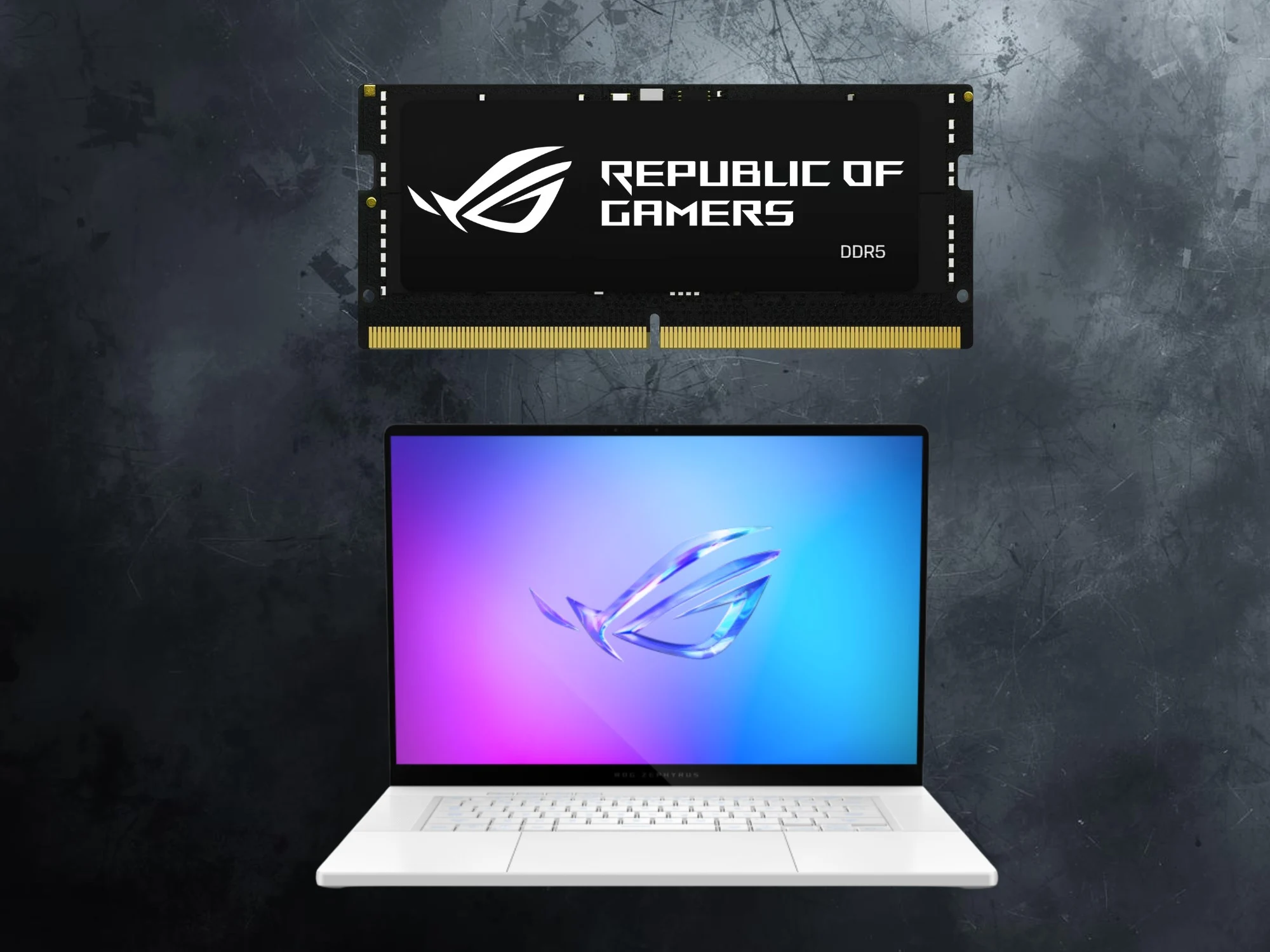
  • Asus to Produce DDR5 RAM to Address Memory Shortage and Costs

    Asus to Produce DDR5 RAM to Address Memory Shortage and Costs

    Key Takeaways

    1. Asus and other companies are facing increased laptop prices due to a serious memory shortage.
    2. Major memory producers like Samsung, Micron, and SK Hynix are focusing on AI data centers, impacting supply for other hardware sectors.
    3. High memory prices are affecting gaming laptops and components, making new PC builds more expensive for consumers.
    4. CMXT, a new Chinese memory producer, could provide alternative solutions but faces regulatory and production challenges.
    5. There are concerns that Asus may raise prices for its DDR5 RAM, disappointing consumers hoping for a resolution to the memory shortage by 2028.


    Asus, along with other companies like Dell and Framework, is gearing up to increase laptop prices due to a serious shortage of memory. However, it might soon compete with firms like Samsung, Micron, and SK Hynix to prevent costs from soaring. As reported by Sakhtafzarmag, a Persian IT publication, the Taiwanese firm is considering opening DRAM production facilities in 2026.

    Memory Prices Soar

    The prices of DDR4 and DDR5 RAM have been climbing rapidly after the three major memory producers shifted their attention to AI data centers. Even though Asus is a significant player in the hardware sector, it is not being prioritized when it comes to the limited supply of components. This situation means that Asus has to either pass the increased costs onto customers or take more extreme measures.

    Impact on Gaming Laptops

    If Asus manages to find a solution, popular gaming laptops like the ROG Zephyrus G16 could see improvements. The company also offers a broad selection of desktops and parts, which are now at risk due to high memory prices. Their reliance on VRAM might also result in elevated costs for GPUs, causing potential buyers to think twice about assembling new PCs.

    According to Wccftech, Sakhtafzarmag has accurately anticipated important changes in the technology industry. However, some experts doubt whether Asus can start producing its own memory quickly. They might still need to purchase modules from leading DRAM manufacturers, which would limit any potential benefits.

    New Competitors in the Market

    CMXT, a Chinese memory producer, has emerged as a possible solution. Recently, it surprised many analysts by introducing its own LPDDR5X and DDR5 RAM. In theory, this company could offer a crucial alternative to larger competitors like Samsung and SK Hynix.

    Unfortunately, CMXT has its own hurdles to overcome in order to create enough inventory to make a difference. Among these challenges are stringent U.S. regulations regarding equipment imports, which have hampered its ability to produce large volumes of chips efficiently.

    Consumer Concerns

    Naturally, Asus might also opt to sell its DDR5 RAM at inflated prices, which would not be what customers are hoping for. Buyers are looking for any indication that the memory shortage won’t extend until 2028, as SK Hynix has predicted.

    Source:
    Link


  • Asus ROG G1000 Gaming Desktop Teased Ahead of CES 2026

    Asus ROG G1000 Gaming Desktop Teased Ahead of CES 2026

    Key Takeaways

    1. Asus will launch new Republic of Gamers (ROG) products next month, showcasing them at CES 2026.
    2. A new Zenbook Duo and a GoPro-themed ProArt PX13 are also expected to be announced.
    3. Asus is teasing an upcoming gaming tower case, likely to be a complete desktop system.
    4. The ROG G1000 is anticipated to be a full desktop system, based on the pricing of the ROG G700.
    5. The focus is on AniMe Holo, a new display technology that creates animated images using an optical illusion.


    Asus has openly stated that a fresh lineup of Republic of Gamers (ROG) products will be launched next month. It’s been nearly two weeks since the company announced that CES 2026 will be the platform to showcase “what’s next in ROG gaming.” During this time, Asus has also hinted at the arrival of a new Zenbook Duo and a GoPro-themed version of the ProArt PX13.

    Details About Gaming Tower Case

    Recently, Asus has shared some initial information about an upcoming gaming tower case. At this point, it’s still uncertain if this will be just a case or an entire desktop system. If we look at the ROG G700 (2025), currently priced at $1,526 on Amazon, it suggests that the ROG G1000 is probably a complete desktop system rather than just a case.

    Focus on AniMe Holo

    Asus has not provided any technical specifications yet. Instead, the emphasis has been on the AniMe Holo, which is showcased several times in the video below. From what we can gather, AniMe Holo appears to be a new version of the AniMe Matrix displays that are featured on various ROG Zephyrus laptops. However, this time, it looks like AniMe Holo employs a persistence of vision optical illusion to create the appearance of animated images. For more information, please watch the video below.

    Source:
    Link


  • Asus Teases ProArt PX13 Laptop Inspired by GoPro Design Before CES 2026

    Asus Teases ProArt PX13 Laptop Inspired by GoPro Design Before CES 2026

    Key Takeaways

    1. Asus will showcase new gadgets at CES 2026, focusing on innovations for gamers.
    2. The new Zenbook Duo features a completely redesigned model compared to the 2025 version.
    3. Asus is introducing the ProArt PX13, which includes a unique ‘GoPro’ shortcut button in collaboration with GoPro.
    4. The ProArt PX13 has a design reflecting the latest GoPro action camera styles.
    5. Further details about the ProArt PX13’s features compared to the current model are still pending, with potential upgrades hinted at.


    Asus has announced multiple times in recent weeks that it will be present at CES 2026 next month with a variety of new gadgets. The company first hinted that its “latest innovations for gamers” would be featured at the trade show in Las Vegas next year.

    Exciting New Products

    Not long after that, Asus revealed a new Zenbook Duo that boasts a completely new design compared to the 2025 model. Now, they have teased another laptop that will be added to the lineup alongside the Zenbook Duo 2026 during the Las Vegas event.

    A Closer Look at ProArt PX13

    Asus has unveiled a glimpse of a new ProArt PX13. However, the upcoming model is not simply a traditional upgrade from Asus’ existing version (currently priced at $1,899.99 on Amazon). The company confirmed that the next ProArt PX13 features a special ‘GoPro’ shortcut button, thanks to its collaboration with GoPro.

    The GoPro logo appears on the laptop, along with a series of vertical lines designed to reflect the latest GoPro action camera styles. Sadly, Asus hasn’t provided more information about how the ProArt PX13 2026 GoPro Edition sets itself apart from its AMD Strix Point-based version. There’s a possibility that a Gorgon Point refresh might be in the works, especially with the recent leaks about the Ryzen AI 9 HX 470.

    Source:
    Link