Tag: amd

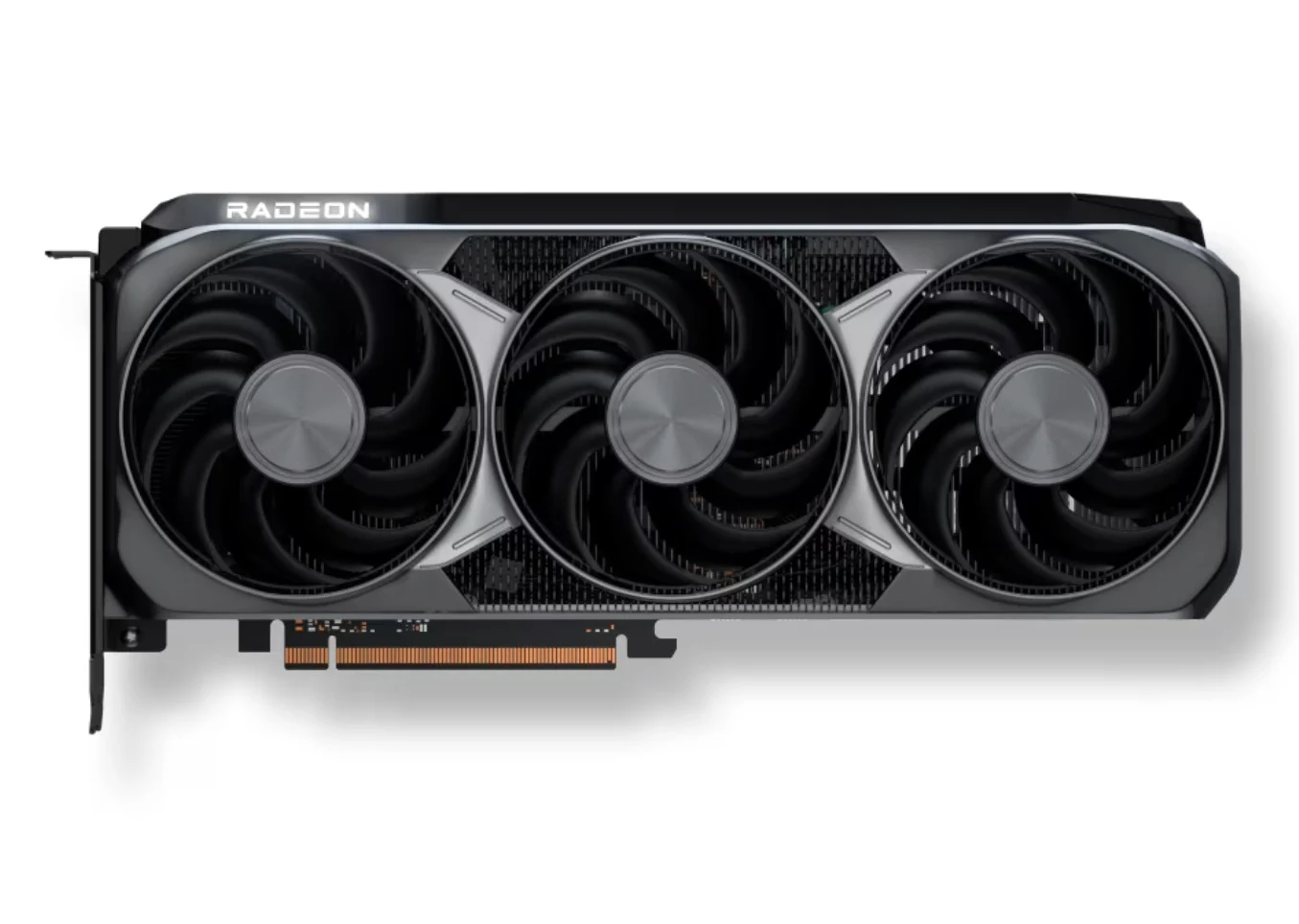
  • AMD RDNA 4 GPU Prices Surge Again Due to Memory Supply Issues

    AMD RDNA 4 GPU Prices Surge Again Due to Memory Supply Issues

    Key Takeaways

    1. AMD and Nvidia may stop producing lower-end and mid-range graphics cards due to rising memory prices.
    2. AMD plans to increase prices by $10 for every 8 GB of GDDR VRAM in the RDNA 4 series.
    3. Retailers have adjusted prices to reflect a return to higher pricing seen during past stock shortages.
    4. Current MSRPs for RDNA 4 GPUs are lower, making it a good time to consider purchasing an AMD Radeon card.
    5. No specific price hikes for Nvidia GeForce RTX 50 GPUs have been mentioned, but increased costs for GDDR memory are expected to affect pricing.


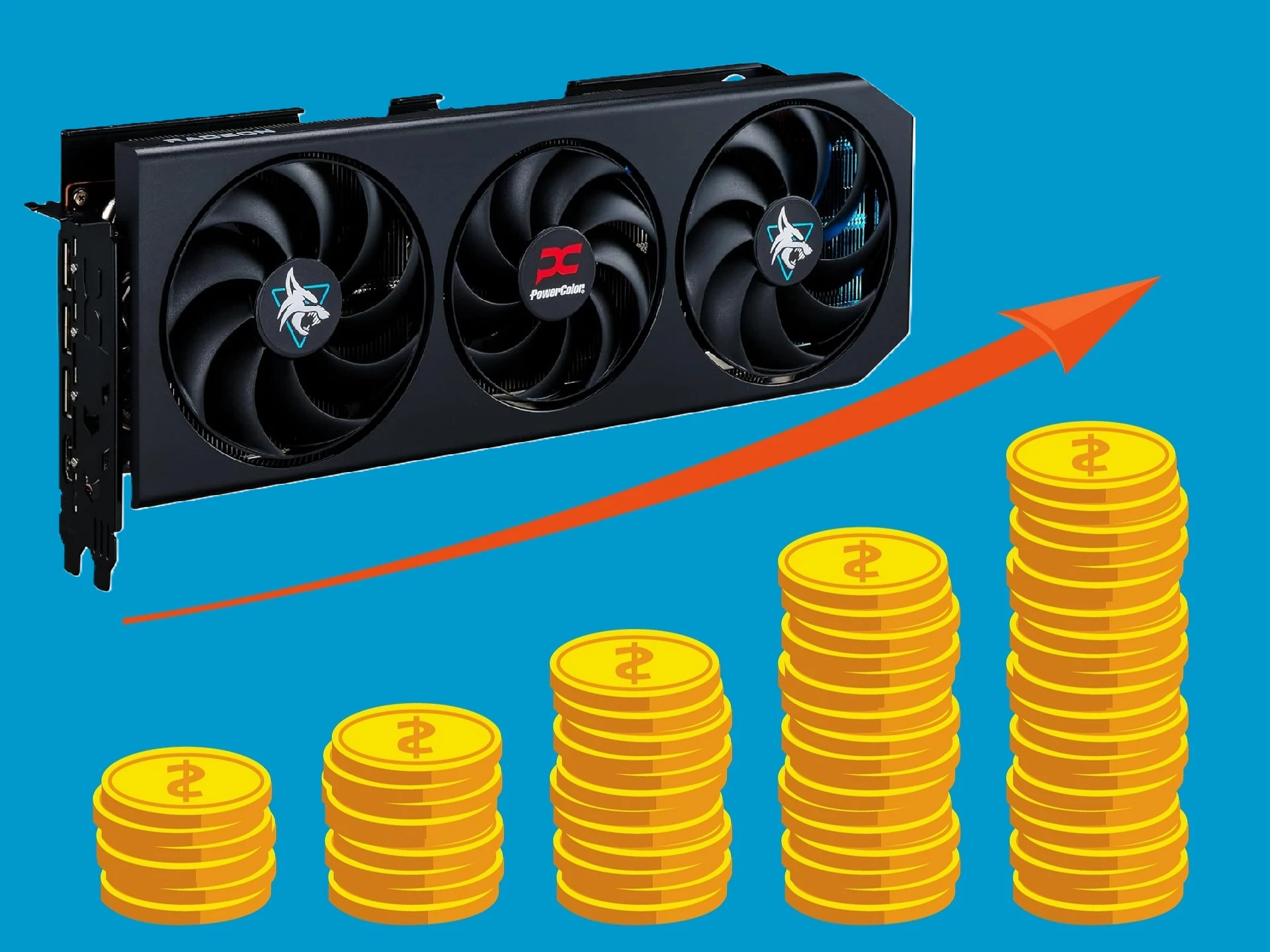
    Ever since the prices of memory shot up dramatically, it was anticipated that desktop gaming GPUs would experience significant impacts. There have been claims that AMD and Nvidia might stop producing their lower-end and mid-range desktop graphics cards due to the financial constraints in this sector. Recently, rumors have spread that AMD plans to raise prices by $10 for every 8 GB of GDDR VRAM.

    Revised Pricing for RDNA 4

    This supposed price hike for the RDNA 4 series will change the Manufacturer’s Suggested Retail Prices (MSRPs) for the existing RDNA 4 models. When comparing these prices to current DDR5 kit prices, the increase seems relatively modest and should not greatly affect consumers. However, according to Moore’s Law Is Dead, the actual price rise for RDNA 4 RX 9000 GPUs, such as the RX 9070 XT, might be considerably higher.

    Retailer Adjustments

    Sources indicate that retailers have already adjusted their internal prices, and the outlook appears grim. Essentially, it seems the RDNA 4 graphics cards will revert to the pricing seen back in 2025 when stock shortages were prevalent, where the RX 9070 and RX 9070 XT were sold for significantly higher than their original MSRPs.

    Expected Retail Prices

    Following the price increase due to memory inflation, MLID anticipates that RDNA 4 graphics cards will be sold at:

    When you look at these figures, the current MSRPs for the RDNA 4 GPUs mentioned above are much lower. Thus, if you’ve been deliberating on purchasing an AMD Radeon card, now might be an excellent opportunity to do so.

    MLID doesn’t mention any price hikes for Nvidia GeForce RTX 50 GPUs. Although Nvidia will likely pass the increased costs of GDDR memory onto customers, it remains unclear how much more Team Green will require for GPUs like the RTX 5070.

    Source:
    Link


  • AMD Ryzen 7 9850X3D Boost Clock Revealed in Geekbench Data

    AMD Ryzen 7 9850X3D Boost Clock Revealed in Geekbench Data

    Key Takeaways

    1. The Ryzen 7 9850X3D features eight Zen 5 CPU cores and sixteen threads.
    2. Boost clock speeds for the processor vary between listings, showing 5.6 GHz and 5.4 GHz.
    3. Performance tests reveal the Ryzen 7 9850X3D currently lags behind the Ryzen 7 9800X3D.
    4. The processor was tested with DDR5-4800 RAM, with potential for faster memory compatibility.
    5. The Ryzen 7 9850X3D is anticipated to be unveiled at CES 2026, alongside the Ryzen 9 9950X3D2.


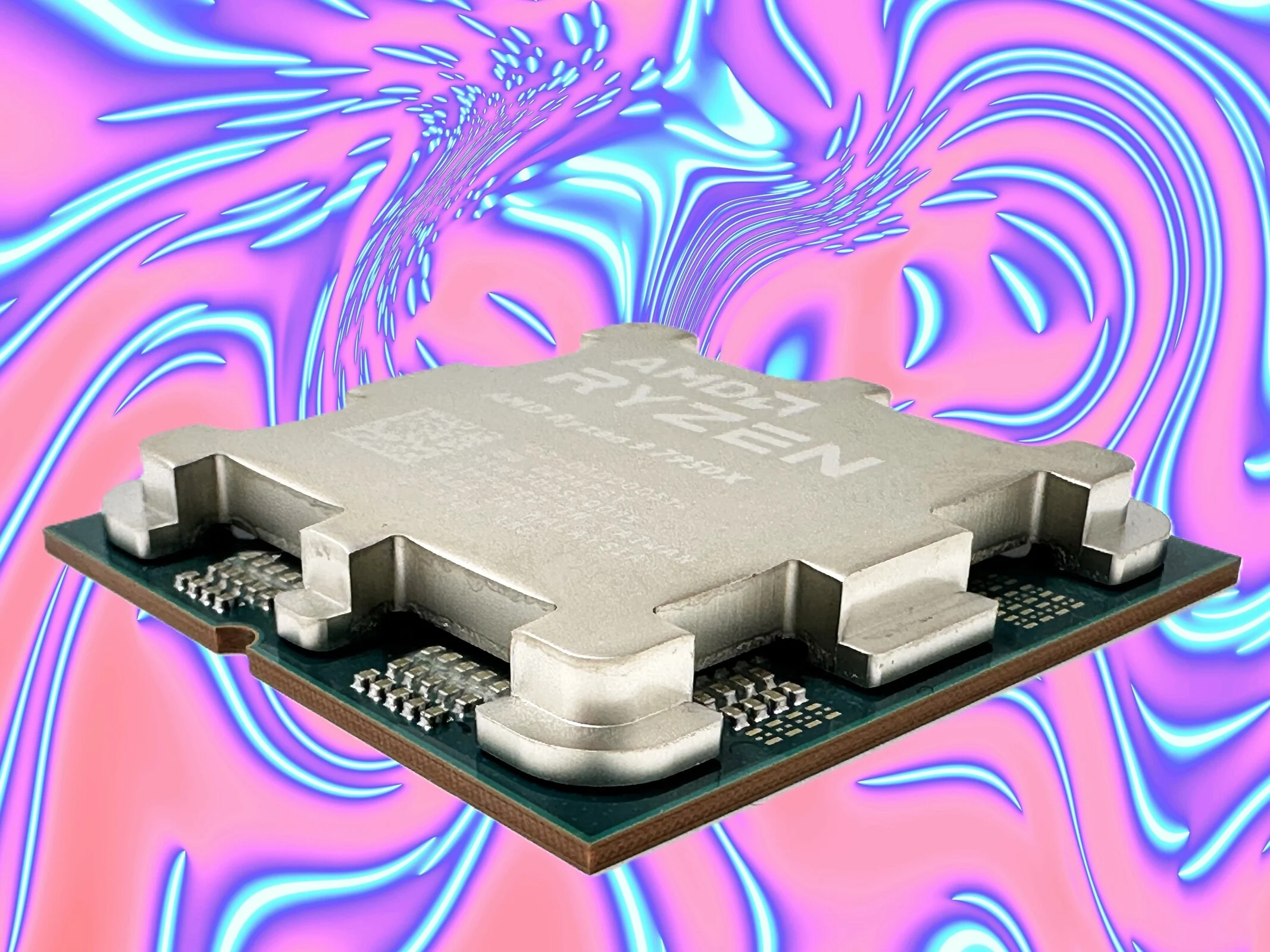
    A recent listing on Geekbench has revealed important details about AMD’s forthcoming Ryzen 7 9850X3D processor. As expected, this model features eight Zen 5 CPU cores and sixteen threads. However, there is some inconsistency in its boost clock speed, which varies between different listings.

    Varying Clock Speeds

    One listing shows a boost clock of 5.6 GHz, while another lists it at 5.4 GHz. This discrepancy could be due to the fact that the chip was evaluated on different motherboards, which might have affected the performance outcomes. In its initial test with the Colorful B850M motherboard, the Ryzen 7 9850X3D achieved scores of 3,439 and 17,530 points. In a second test using the Maxsun B850ITX motherboard, it managed scores of 3,260 and 16,149.

    Performance Expectations

    In terms of performance, the Ryzen 7 9850X3D still trails behind the Ryzen 7 9800X3D, but this is not surprising since the new board has not been officially launched yet. Furthermore, both samples of the Ryzen 7 9850X3D were tested with DDR5-4800 RAM, while the B850 and AM5 platforms are compatible with much faster memory types.

    Anticipated Release

    Although not confirmed, the frequent sightings of this processor suggest that AMD may unveil the Ryzen 7 9850X3D at CES 2026. It is also expected that the Ryzen 9 9950X3D2 will be introduced at the same time. This would mark AMD’s first consumer-grade gaming CPU to feature a 3D V-cache tile on both of its CCDs.

    Geekbench (1)

    Source:
    Link


  • AMD Ryzen 7 9850X3D TDP Revealed in Recent Leak

    AMD Ryzen 7 9850X3D TDP Revealed in Recent Leak

    Key Takeaways

    1. The AMD Ryzen 7 9850X3D has a base TDP of 120 Watts, same as the Ryzen 7 9800X3D.
    2. It is expected to maintain eight Zen 5 CPU cores and may achieve boost clocks of around 5.5 GHz.
    3. Potential overclocking capabilities could allow reaching up to 6 GHz with proper cooling.
    4. No official release date is set, but it may be revealed at CES 2025 alongside other new models.
    5. Enthusiasts are excited about the performance enhancements hinted at by recent leaks.


    The AMD Ryzen 7 9850X3D has made another appearance online, just after AMD mistakenly posted details about the new Zen 5 X3D CPU on its site. This time, an X leaker found it in a shipping document, revealing that its base TDP is identical to that of the Ryzen 7 9800X3D, which is 120 Watts.

    Possible Upgrades

    Even though the name might imply only a small upgrade, the Ryzen 7 9850X3D could offer more than just a minor enhancement over the 9800X3D. It is expected to maintain eight Zen 5 CPU cores. An earlier leak from Moore’s Law is Dead suggested that a new CCD might enable higher boost clocks. A figure of 5.5 GHz appears to be reasonable from the start since that’s what the higher-end Ryzen 9 9900X3D runs at.

    Overclocking Potential

    This new CCD could allow overclockers to push the Ryzen 7 9850X3D even further. With the right cooling and luck with the silicon, hitting the impressive 6GHz mark could be within reach—a remarkable feat for a Ryzen 7 X3D processor. Currently, the 9850X3D does not have a set release date, but given the rising number of leaks, it is likely to be revealed at CES 2025 along with the dual-X3D Ryzen 9 9950X3D2 and Gorgon Point laptop models. There are rumors about new RDNA 4 GPUs making an appearance too, but there hasn’t been any proof of their launch yet.

    Conclusion

    It remains to be seen how these new processors will perform upon release, but the excitement around the AMD Ryzen 7 9850X3D is certainly building. The leaks are giving enthusiasts much to discuss, and the potential for enhanced performance is something many are looking forward to.

    Source:
    Link


  • Ryzen AI 5 430 Appears on CrossMark with Small Performance Boost

    Ryzen AI 5 430 Appears on CrossMark with Small Performance Boost

    Key Takeaways

    1. The Ryzen AI 5 430 is the entry-level Gorgon Point CPU, featuring four cores and eight threads.
    2. It scored 1,526 points in BAPco’s CrossMark database, indicating a performance increase of about 13% over its predecessor, the Ryzen AI 5 330.
    3. The CPU is paired with a Radeon 840M iGPU and supports 64 GB of DDR5-5600 memory.
    4. There is limited information available on key specifications such as base and boost clock speeds and TDP.
    5. The performance of the Ryzen AI 5 430 in real-world scenarios is expected to improve since the tested sample is likely a pre-production version.


    After the anticipated release of AMD’s Ryzen AI 9 HX 470, Ryzen AI 9 465, and Ryzen AI 7 450, another Gorgon Point CPU has appeared online. Up to this point, most of the CPUs we’ve seen are updated versions of Strix Point CPUs with slight improvements in specifications. A well-known leaker on X, @Olrak29_, has revealed that the Ryzen AI 5 430 seems to be the entry-level Gorgon Point CPU for this generation.

    Scoring Details

    It was found in BAPco’s CrossMark database, achieving an overall score of 1,526 points. According to the listing, the Ryzen AI 5 430 features four CPU cores and eight threads. If we look at the previous generation Ryzen AI 5 330 as a guide, it will probably have a 1+3 core setup, consisting of one Zen 5 core and three Zen 5c cores. Sadly, the listing lacks information on other important specifications, including base and boost clock speeds and TDP.

    Performance Insights

    This CPU is paired with a Radeon 840M iGPU and comes with 64 GB of DDR5-5600 system memory. In terms of performance, the Ryzen AI 5 430 is roughly 13% faster compared to the Ryzen AI 5 330, which managed to score 1,347 points in the same test. The actual performance in real-world scenarios is expected to be even better, since the Gorgon Point sample examined above is likely a pre-production version.


    Source:
    Link


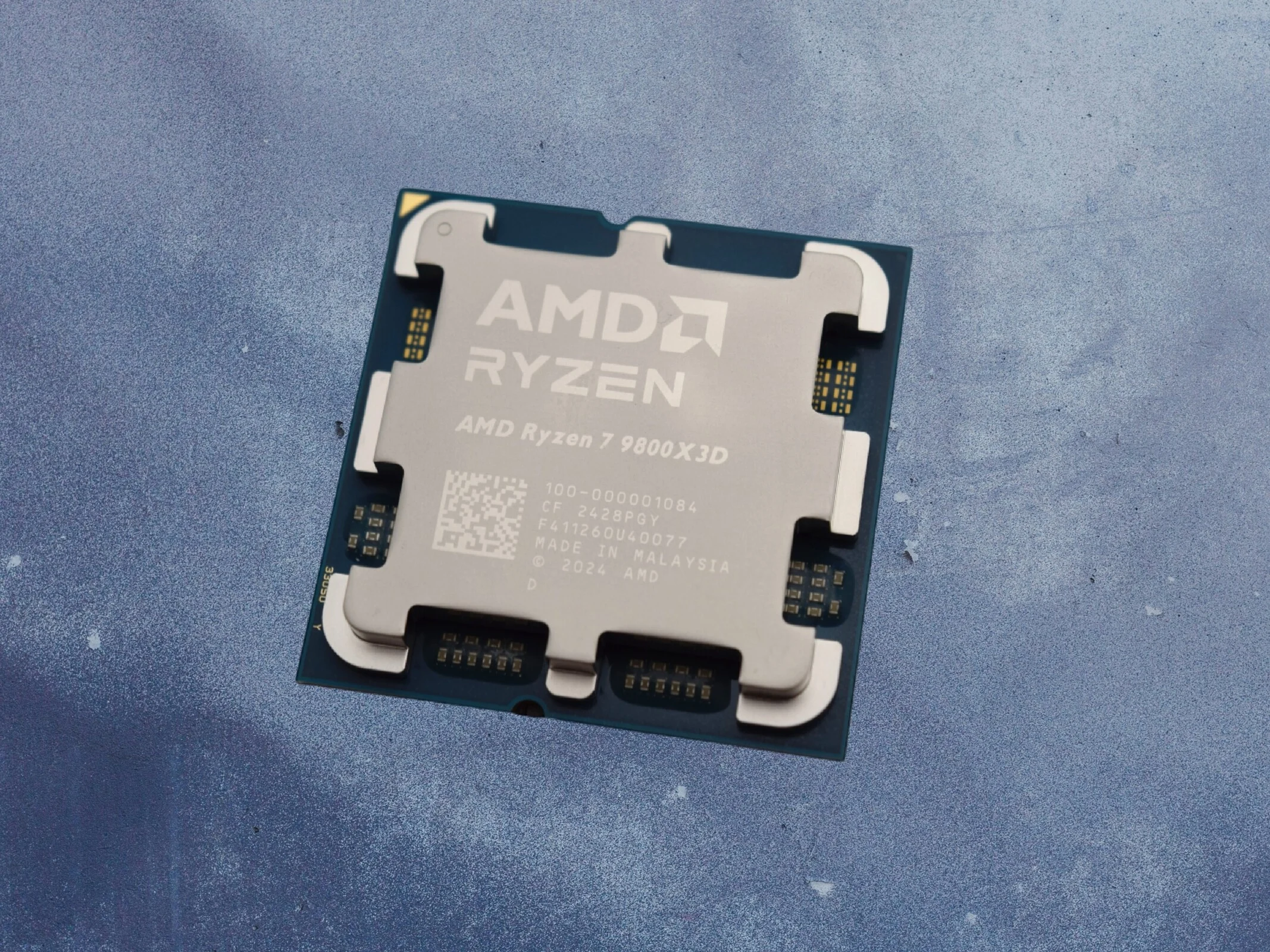
  • AMD Ryzen 7 9850X3D Unveiled: New Zen5X3D CPU on Official Site

    AMD Ryzen 7 9850X3D Unveiled: New Zen5X3D CPU on Official Site

    Key Takeaways

    1. AMD has a history of releasing multiple SKUs for a single CPU base, like the Ryzen 7 5800X3D and its variants.
    2. The Ryzen 7 9850X3D is expected to be the next Zen5X3D processor, with a dedicated page on AMD’s French website.
    3. The Ryzen 7 9850X3D is anticipated to have eight cores and potentially higher clock speeds than its predecessor.
    4. Online discussions suggest a possible increase in boost clock speed of around 400 MHz, which could improve gaming performance.
    5. No official release date or pricing is available yet, but the Ryzen 7 9850X3D is expected to be priced higher than the Ryzen 7 9800X3D, currently listed at $449.


    AMD has a history of releasing various SKUs for a single CPU base. One example is the Ryzen 7 5800X3D, which was the first in its lineup to feature 3D V-Cache technology. After the debut of the Ryzen 7 5700X3D in April 2022, AMD later introduced the Ryzen 5 5600X3D in July 2023. This latter model has two fewer cores, acting as a more basic version of the Ryzen 7 5800X3D. We also saw the release of the Ryzen 9 9900X3D and Ryzen 9 9950X3D.

    New CPU on the Horizon

    It looks like AMD is gearing up to introduce yet another Zen5X3D processor, having quietly acknowledged the Ryzen 7 9850X3D. The CPU has a dedicated “Drivers and Downloads” page on AMD’s French website. Unfortunately, the page is blank right now, so there are no technical specifications available for the Ryzen 7 9850X3D at this moment.

    Performance Insights

    From the name alone, we can deduce a few key details. As the Ryzen 7 9850X3D is categorized under the “Ryzen 7” series, it’s expected to have eight cores, similar to the Ryzen 7 9800X3D. The “xx50X3D” label suggests that it will have higher clock speeds. While the exact boost clock speed remains uncertain, online discussions hint at an increase of around 400 MHz. This could lead to noticeable improvements in gaming performance.

    Currently, there’s no official information regarding the pricing or when it will be released. However, the presence of a dedicated webpage for the CPU could mean that the launch is imminent. As for pricing, the Ryzen 7 9850X3D is anticipated to be priced higher than the Ryzen 7 9800X3D, which has a suggested retail price of $479. At present, the Ryzen 7 9800X3D is listed for $449 on Amazon.

    Source:
    Link


  • AMD and Nvidia May Cut Budget GPUs Due to Rising Memory Costs

    Key Takeaways

    1. Rising Memory Prices: Demand from AI companies is driving up the prices of DDR4 and DDR5 memory, affecting the cost of gaming GPUs.

    2. Potential GPU Production Cuts: AMD and Nvidia may halt production of budget-friendly GPUs if GDDR VRAM costs remain high, impacting models like RX 9060 XT and RTX 5060.

    3. Price Increases Expected: AMD plans to raise prices on RX 9000 GPUs, with Nvidia likely to follow for the RTX 50 series, making entry-level GPUs less affordable.

    4. OEMs Reducing Offerings: Manufacturers may limit memory configurations and product lines to manage increased costs, leading to fewer affordable gaming GPU options.

    5. Market Timing: Current GPU prices may present a good buying opportunity as significant value loss is anticipated in the gaming GPU market.


    Rather than providing, the “gift” of AI continues to take from gamers. A recent example of this is the relentless rise in memory prices. As we have reported before, strong demand from AI companies and datacenters has caused consumer DDR4 and DDR5 memory prices to double or even more from their lowest points. This inflation was also anticipated to affect gaming GPUs, such as the new RX 9000 and the RTX 50 series. However, the situation seems to be worse than we thought.

    Potential GPU Production Cuts

    According to The Korea Economic Daily (via Jukan on X), both AMD and Nvidia might stop making mid-to-low-end gaming GPUs if the cost of GDDR VRAM accounts for a significant part of the Bill of Materials (BOM). In simpler terms, budget-friendly GPUs like the RX 9060 XT, the RTX 5060, and the RTX 5060 Ti could be cut from production if AMD and Nvidia can’t get VRAM for these models at acceptable prices.

    Rising Costs and Market Impact

    This situation makes sense when we look at today’s memory market. Just yesterday, a report surfaced on the Chinese Board Channels stating that AMD may raise the prices of all RX 9000 GPUs due to escalating memory costs. Naturally, Nvidia is likely to follow suit soon and raise the prices for the RTX 50 series as well.

    One could argue that a consumer looking for a mid-range or high-end gaming GPU, which costs more than $500 or $600, can handle the extra VRAM price. However, for entry-level gaming GPUs, even small price changes can be a big deal for consumers. Thus, a 10 or 20% increase in the price of a $300 GPU like the RX 9060 XT would hit harder for budget-conscious gamers than it would for someone looking for $700+ GPUs like the RTX 5070 Ti (Available on Amazon).

    OEMs Facing Challenges

    The Korea Economic Daily also mentions that OEMs, such as Asus, are thinking about “reducing memory configurations.” This suggests that AIBs might narrow their offerings to include only those gaming GPUs where the increased VRAM pricing is more manageable. Moving forward, it could be quite challenging to find affordable gaming GPUs at reasonable prices, a situation reminiscent of what we experienced during the COVID era.

    In conclusion, it looks like gaming GPUs are going to lose value significantly. So, if you’re in the market for one, now might be the right time to buy. Fortunately, you can still find some good deals on gaming GPUs. For example, as of now, the ASRock Challenger Radeon RX 9070 is listed at $540 on Newegg, while a PNY NVIDIA GeForce RTX 5070 OC is priced at just $489 at Walmart.


    Source:
    Link


  • Lenovo Yoga Pro 7 14: Intel Boosts Screen & SD Card Reader Features

    Lenovo Yoga Pro 7 14: Intel Boosts Screen & SD Card Reader Features

    Key Takeaways

    1. Lenovo’s Aura Editions laptops include the Yoga Pro 7i Gen 10, featuring a strong partnership with Intel.
    2. The Yoga Pro 7i Gen 10 is powered by the Intel Core Ultra 9 285H, offering solid CPU and integrated GPU performance, but lacks a significant advantage over AMD models.
    3. The laptop has an impressive 3K OLED touchscreen with a 120 Hz refresh rate, providing excellent visual quality compared to the AMD version.
    4. The high-performance Intel processor has a power cap of 115 Watts, leading to challenges in maintaining power and increased fan noise under high loads.
    5. The AMD version of the Yoga Pro 7i Gen 10 offers better battery life and overall value, despite the Intel model’s superior display features.


    Lenovo has introduced some laptops under the Aura Editions brand, highlighting a strong partnership with Intel. One of these models is the 14-inch multimedia laptop, the Yoga Pro 7i Gen 10, which we recently evaluated. This laptop is clearly powered by an Intel processor, and our test model was fitted with the Core Ultra 9 285H. It delivers solid performance metrics for both the CPU and the integrated GPU, but there isn’t a significant edge over its AMD counterpart. Nonetheless, the Intel processor demands a considerable amount of power, with a short-term power cap set at 115 Watts, posing a challenge for such a compact device. Consequently, the Yoga struggles to maintain this power level for extended periods. When utilizing the highest Performance power profile, the fans become noticeably loud very quickly.

    Display Features

    The Intel variant is also equipped with an OLED touchscreen boasting a 3K resolution and a refresh rate of 120 Hz. The visual quality is outstanding and slightly outshines the 2.8K screen found on the AMD version, offering better frequency, brightness, and reduced PWM flickering. However, the combination of the high-resolution 3K display and the Intel processor negatively impacts battery life, with the AMD model performing better in this area, especially at higher brightness settings.

    Comparison of Models

    It’s puzzling why Lenovo only includes a card reader with the Intel models, which seems like a strategic choice against the AMD variants, unrelated to the CPU selection. This raises the question of which version is superior. While they share many characteristics, taking the price into account, the AMD model emerges as the more advantageous option overall. For further details, check out our comprehensive review of the new Yoga Pro 7i G10 Aura Edition.


  • AMD Ryzen X3D CPUs Outsell Intel on Amazon in October

    AMD Ryzen X3D CPUs Outsell Intel on Amazon in October

    Key Takeaways

    1. AMD outperformed Intel in the US retail CPU market on Amazon, selling nearly 16,000 units of Ryzen 9800X3D and 7800X3D in October.
    2. AMD captured 83.8% of the market share, while Intel held under 20%.
    3. The Ryzen 5 5500 was the top-selling budget CPU, with about 5,000 units sold; Intel’s best was the Core Ultra 7 265K.
    4. AMD’s average selling price was $272.05, lower than Intel’s average of $308.62, appealing to both performance and budget buyers.
    5. AMD is successfully attracting customers with its range of CPUs, while Intel needs new strategies to improve sales.


    AMD has once again outperformed Intel in the US retail CPU market on Amazon. Data from market analyst TechEpiphanyYT reveals that AMD sold nearly 16,000 units of the Ryzen 9800X3D and 7800X3D during October. These two processors alone surpassed the total sales of Intel’s entire lineup, which managed to sell fewer than 10,000 units.

    Market Share Insights

    In total, AMD secured a commanding 83.8 percent of the market share, leaving Intel with a meager portion of under 20 percent. AMD’s X3D chips were particularly popular, with consumers willing to pay their higher prices. In the budget category, the Ryzen 5 5500 emerged as the top choice, with approximately 5,000 units sold. Intel’s standout performer was the Core Ultra 7 265K, which experienced a sales increase after its price fell below $300.

    Pricing Comparison

    Throughout the month, AMD maintained an average selling price of $272.05, which is significantly lower than Intel’s average of $308.62. These sales figures highlight AMD’s strategy of targeting both performance enthusiasts and budget-conscious buyers. On the other hand, Intel continues to face challenges with its chips from the 12th to 14th generation due to rising production costs.

    Future Outlook

    Sales data from October indicate that AMD is effectively drawing in customers for both its high-performance and more affordable CPUs. In contrast, Intel must find strategies to attract buyers as it seeks to balance efficiency and costs, while AMD’s pricing remains steady.

    Source:
    Link


  • AMD Ryzen 5 7500X3D: Budget-Friendly Zen 4 X3D GPU Review

    AMD Ryzen 5 7500X3D: Budget-Friendly Zen 4 X3D GPU Review

    Key Takeaways

    1. AMD is releasing the Ryzen 5 7500X3D, following the Ryzen 7 9700X3D and Ryzen 5 5500X3D.
    2. The Ryzen 5 7500X3D scored 2,399 in single-core and 11,232 in multi-core performance on Geekbench.
    3. It has a maximum boost clock of 4.6 GHz, with performance similar to the Ryzen 5 7600X3D.
    4. The CPU features 6 Zen 4 cores and 96 MB of L3 cache, with a thermal design power (TDP) of 65 Watts.
    5. Pricing details are still unknown and will be revealed with AMD’s official announcement.


    The flow of AMD’s X3D CPUs appears to be unending. A previous listing on PassMark highlighted the Ryzen 7 9700X3D, and now a recent Geekbench entry reveals insights about its Zen 4-based counterpart: the Ryzen 5 7500X3D. This new model follows the Ryzen 5 5500X3D, which was also quietly introduced long after the Zen 3 generation was available.

    Performance Details

    In Geekbench’s benchmark tests, the Ryzen 5 7500X3D achieved scores of 2,399 in single-core and 11,232 in multi-core performance, with a maximum boost clock of 4.6 GHz. Its performance is roughly comparable to the already launched Ryzen 5 7600X3D, and in practical usage, the performance gap between these two processors may not be significant. Nevertheless, it provides another choice for budget-conscious consumers.

    Specifications

    On the specifications front, the Ryzen 5 7500X3D is equipped with 6 Zen 4 cores and features 96 MB of L3 cache. Its thermal design power (TDP) is expected to peak at 65 Watts, similar to other Ryzen 5 models. The only uncertainty remaining is its pricing, which will only be clarified when AMD officially announces it along with a host of other X3D CPUs.

    Source:
    Link


  • AMD Confirms Ongoing Driver Support for RX 5000 and RX 6000 GPUs

    AMD Confirms Ongoing Driver Support for RX 5000 and RX 6000 GPUs

    Key Takeaways

    1. AMD clarifies that RX 5000 and RX 6000 GPUs will still receive updates, including game support and stability improvements.
    2. The company has a dual development strategy, focusing on both older RDNA 1 and RDNA 2 GPUs, and newer RDNA 3 and RDNA 4 models.
    3. Older GPUs will not be neglected; they will continue to receive necessary stability updates and optimizations.
    4. AMD reassures gamers of their commitment to provide consistent performance and security updates for all GPU generations.
    5. The company emphasizes that every Radeon gamer is valued and part of the same gaming community.


    AMD has recently issued a press release that clears up some misunderstandings about driver support for older GPUs. The Adrenalin 25.10.2 update notes sparked debate among gamers, as they mentioned that RX 5000 and RX 6000 GPUs would move into maintenance mode. This led many to think that AMD was pulling support altogether.

    Clarification on Support

    The tech giant has now reassured users that neither RDNA 1 nor RDNA 2 is being neglected. Updates will still be delivered, which will include game support, optimizations, security patches, and improvements to stability.

    Development Strategy Going Forward

    AMD has introduced a dual development strategy for the future. One path will focus on RDNA 1 and RDNA 2, which includes the Radeon RX 5000 and RX 6000 series, while another will target RDNA 3 and RDNA 4 (Radeon RX 7000 and RX 9000).

    The newer GPUs will receive updates at a quicker pace, but AMD promises that older models will still get necessary stability updates. They ensured customers that these GPUs will benefit from ongoing enhancements, enabling them to run both current and upcoming games smoothly.

    Commitment to Gamers

    AMD is reassuring its gaming community that older GPUs are not finished. The company is dedicated to providing consistent performance and security updates. They stated, “We’ve supported Radeon gamers for generations and that commitment isn’t changing. Whether you’re gaming on an RX 5000, RX 6000, or the latest RX 9000, you’ll continue to get the reliability, performance, and care you expect from AMD. Because we’re all part of the same gaming community and every Radeon gamer matters.”