
Key Takeaways
1. AMD is likely to announce the new Zen 5 X3D CPUs, named 9950X3D2 and 9850X3D, at CES 2026, confirming earlier leaks.
2. The new CPUs are expected to support higher memory speeds, with potential official figures between DDR5-6400 and DDR5-7200, compared to the current Ryzen 9 9950X3D’s DDR5-5600.
3. The performance boost comes from a new CCD stepping and improved memory controllers, leading to modest gains in certain workloads, particularly in gaming and multi-threaded tasks.
4. AMD’s broader strategy for CES 2026 may include a new OEM approach and a stronger promotion of Strix Halo, reflecting increased interest from manufacturers.
5. Speculation includes potential RAM shortages, leaks about RTX 5090 supply, and a possible delay for PS5, indicating ongoing industry challenges.
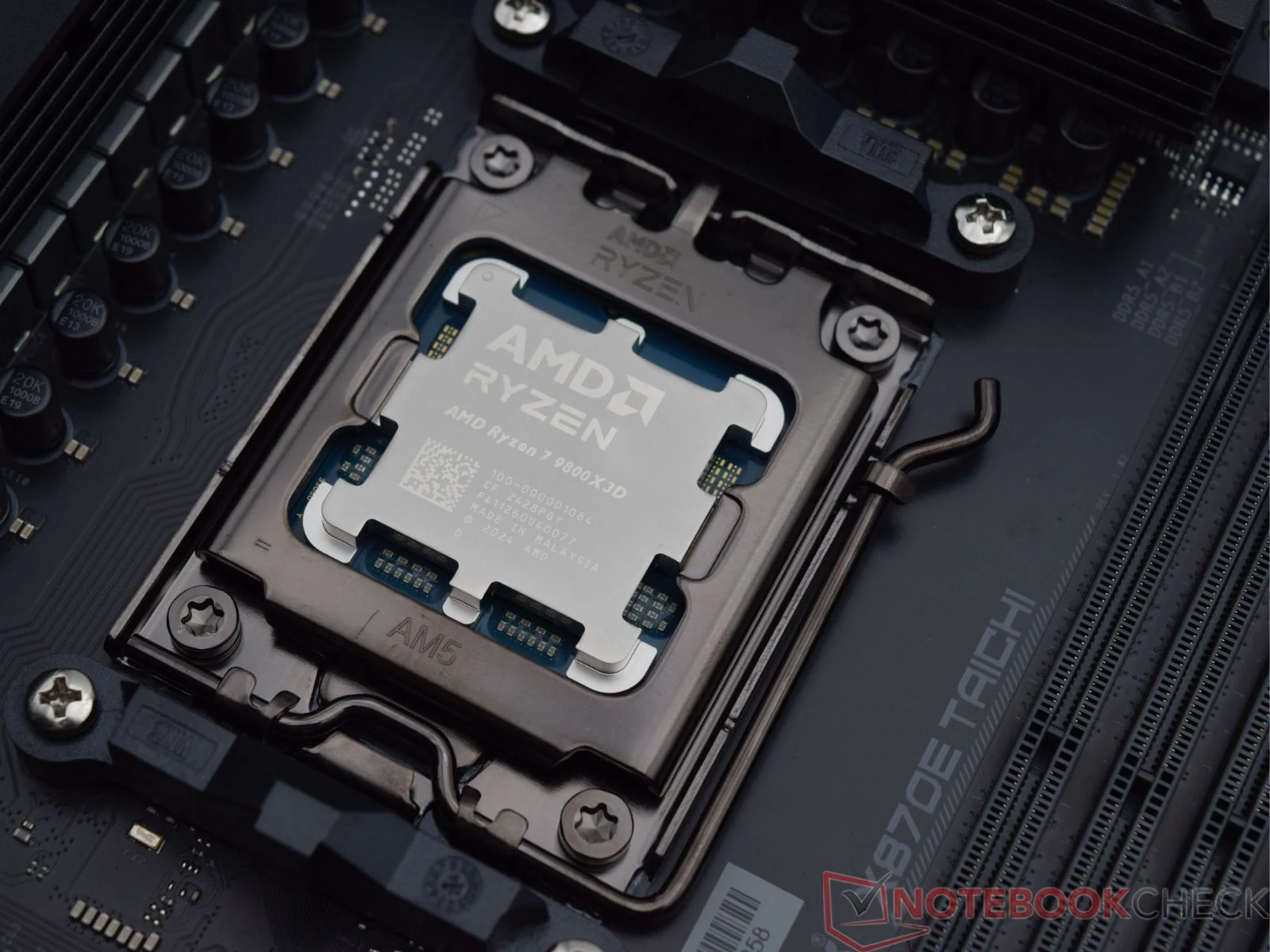
For a while, there have been many talks about AMD working on new Zen 5 X3D gaming CPUs. Recently, hardware insider Tom from the YouTube channel Moore’s Law Is Dead stated that the names 9950X3D2 and 9850X3D have been confirmed through internal AMD documents that his sources have seen, rather than just being rumors.
Official Announcement Expected
Tom mentions that both CPUs will likely be officially revealed during CES 2026. While he downplays this news as not a “bombshell,” it does provide solid backing to previous leaks.
Memory Performance Insights
A significant technical detail involves how the memory functions. Tom claims that AMD showed Zen 5 X3D CPUs internally in late December using DDR5-9800 kits without problems. Although AMD has not yet finalized or made official memory support figures public, his sources indicate that AMD will announce a higher official JEDEC memory standard than the current Ryzen 9 9950X3D, which is priced at $469 on Amazon and is rated for DDR5-5600. While the precise number is not set, he anticipates it to be between DDR5-6400 and DDR5-7200. He points out that these X3D chips should manage significantly faster memory than the current Zen 5 models, even if not every retail CPU will achieve DDR5-9800 speeds.
This leak is distinct and should not be mixed up with a recent post from the account @9550pro on X, formerly Twitter, which shared an image of an AMD Ryzen 7 9850X3D using 32 GB of DDR5-9600 memory.
New Architecture Insights
Tom also sheds light on why this performance boost is occurring. He states that these CPUs utilize a new CCD stepping, indicating it’s not simply a binning of older chips. Furthermore, AMD is said to be using specially selected “golden sample” memory controllers, improved by better yields from both Zen 5 and late Zen 4 production. This combination allows AMD to deliver X3D parts with more robust memory controllers than standard models.
Regarding performance, the YouTuber refrains from providing specific benchmarks but has been informed to expect modest single-digit performance improvements in certain workloads. He emphasizes that this gain is dependent on the workload: not all games or applications will see an 8–9% boost, but some games and multi-threaded tasks likely will. The suggestion is that increased memory speeds and enhanced silicon quality will lead to real gains, though they may not be revolutionary.
AMD’s Broader Strategy
In addition to the CPUs, Tom offers new context about AMD’s larger CES 2026 strategy. He suggests AMD will announce a “new OEM strategy,” which he interprets as a significant effort for Gorgon Point, similar to how Hawk Point followed Phoenix. Though performance increases here are speculative, he hints that modest improvements are probable, stressing that independent benchmarks will be more significant than AMD’s own presentations.
Tom also speculates, clearly labeling it as his own opinion, that AMD may promote Strix Halo more vigorously soon. He connects this to heightened OEM interest compared to last year, better sales feedback from companies like HP and Asus, and the chance that AMD manufactured Strix Halo units with bundled RAM before supply issues escalated. He reinforces this idea with rumors of future Strix Halo SKUs featuring higher core and compute unit counts, suggesting that AMD would likely not expand the lineup if the platform were underperforming.
Source:
Link
Leave a Reply