Category: Video / Photo

  • Fusion Thermal Vision Now Available for Raspberry Pi

    Fusion Thermal Vision Now Available for Raspberry Pi

    Key Takeaways

    1. Adafruit released a beginner-friendly guide to create a dual-camera thermal vision imager using a Raspberry Pi 4 Model B and several Adafruit components.
    2. The project combines the Raspberry Pi camera module 3 with a thermal feed from the Adafruit MLX90640, producing a real-time heatmap while maintaining visible light image quality.
    3. The guide includes CAD files for a custom case, making assembly easy for users.
    4. Setting up the thermal camera’s GUI involves a user-friendly Python library (Blinka) and an automatic script for installing dependencies.
    5. The total cost of components is under $200, making this project an affordable option compared to other entry-level thermal cameras.


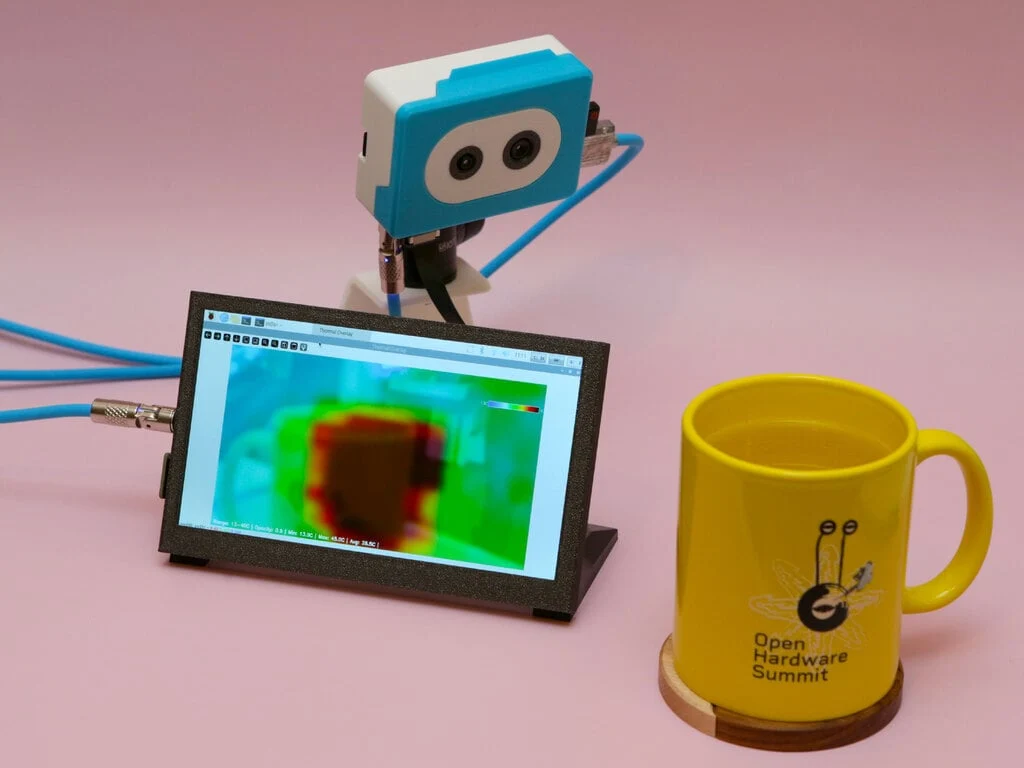
    Adafruit has unveiled a new guide designed for beginners that utilizes several Adafruit components along with a Raspberry Pi 4 Model B to create a dual-camera thermal vision imager. This project draws inspiration from the “PitFusion” thermal camera concept, integrating the Raspberry Pi camera module 3 with a thermal feed sourced from the Adafruit MLX90640. The result is a real-time heatmap of the subject being observed, while still preserving the image quality of the visible light camera. Additionally, the guide provides CAD files for a custom case that easily snaps together, making assembly simple. It’s important to note that while hardware is essential, the software component is equally user-friendly.

    Software Setup Made Easy

    To operate the thermal camera’s GUI, users need to first set up the Pi’s custom Python library, named Blinka. A script is included to help automatically install all the required dependencies. Once that’s done, users can install the software bundle for the project, which configures the cameras for the GUI. This setup enables users to access numerous features, such as modifying the minimum and maximum temperature ranges for detection and changing the opacity of the thermal overlay. Moreover, users can easily save images captured by the camera system.

    Affordable and Versatile

    Although it may not offer the highest resolution among thermal cameras, this project opens the door to new possibilities for the Raspberry Pi. With all necessary components costing under $200, this build is competitively priced compared to other entry-level thermal cameras. Interested individuals can find additional details regarding the Raspberry Pi thermal camera project linked below.

    Source:
    Link
  • Sony PXW-Z300 4K Camcorder: 17x Zoom, AI Tracking, Triple Sensors

    Sony PXW-Z300 4K Camcorder: 17x Zoom, AI Tracking, Triple Sensors

    Key Takeaways

    1. 4K Video Capabilities: The PXW-Z300 shoots in 4K at 60 frames per second, designed for professionals in journalism and documentary filmmaking.

    2. Advanced Zoom and Lens Features: It features a 17x optical zoom and a constant f/1.9 aperture lens, along with an electronic variable ND filter for clear shots in bright conditions.

    3. AI Focus Technology: The camcorder uses AI to automatically follow subjects and adjust focus, while also allowing manual control through lens rings.

    4. Flexible Storage and Audio Options: It supports dual card slots for CFexpress Type A or SDXC cards, live streaming capabilities, and up to four channels of audio recording via XLR inputs.

    5. Power and Accessory Compatibility: The PXW-Z300 can be powered by different battery types or USB-C PD power sources and includes a V-Mount for attaching accessories.


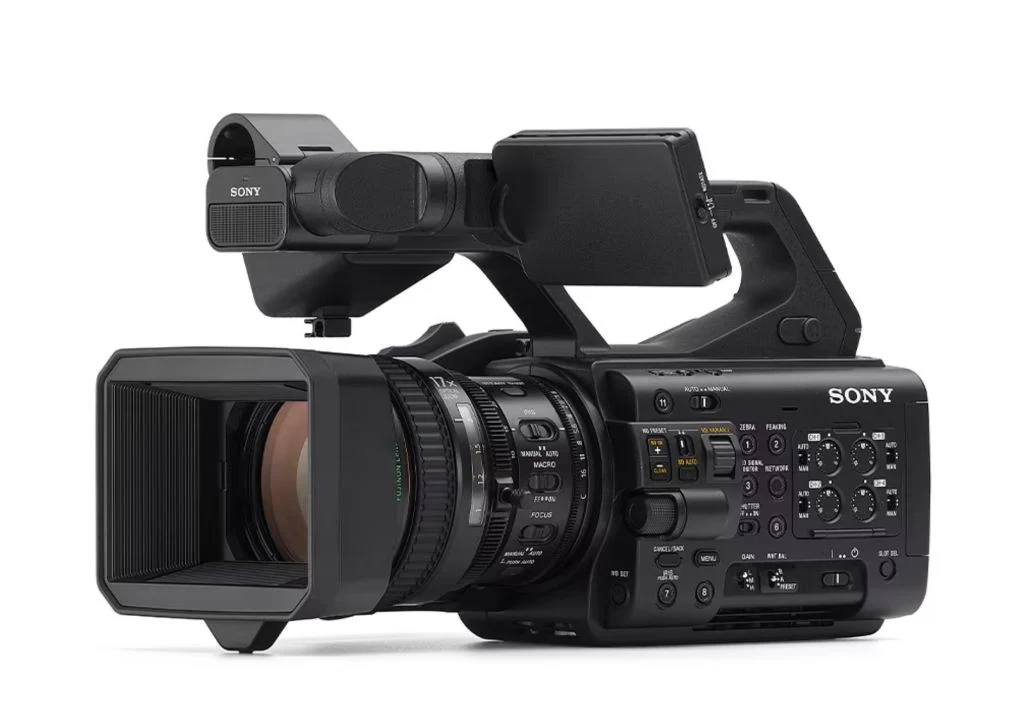
    Sony has revealed the PXW-Z300, a camcorder that shoots in 4K at 60 frames per second, aimed at professionals in journalism and documentary filmmaking. This durable camcorder comes with various features that these users find essential for their work.

    Zoom and Lens Features

    The PXW-Z300 boasts a 17x optical zoom with a focal length ranging from 30.3 mm to 515 mm. In 4K mode, a 1.5x digital zoom expands the range to 772.5 mm. Its constant f/1.9 aperture lens is complemented by an electronic variable ND filter, which can be modified from 1/4 to 1/128 ND. This helps achieve clear shots even in bright daylight. A prism directs light to three 1/2-inch 4K Exmor R CMOS sensors, effectively reducing aliasing that often occurs in single-chip camcorders equipped with Bayer filters.

    Intelligent Focus and Display

    This camcorder utilizes AI technology to follow human subjects, automatically adjusting focus, composition, and exposure. Alternatively, users can manually control focus, zoom, and iris through the three rings on the lens. The device features numerous buttons and dials that provide quick access to various camera settings. To monitor recordings from various angles, shooters can use its high-brightness 3.5-inch display, which has 2.76 million pixels and is attached to a flexible LCD arm.

    Storage and Audio Options

    The BIONZ XR processor processes images, which can be saved onto CFexpress Type A or SDXC UHS-II/UHS-I cards in its dual card slots. Users have the option to transfer files to cloud storage or FTP, or even stream live using RTMP/RTMPS and SRT protocols over both wired and wireless networks. It supports multiple output resolutions up to 4K at 60P, with various codecs including MPEG HD422, XAVC Intra, XAVC Long, and MP4 proxies. Up to four channels of audio can be recorded using XLR inputs and the Multi Interface (MI) Shoe.

    Power and Accessories

    The PXW-Z300 can be powered by BP-U35, BP-U70, or BP-U100 batteries, or by any 100-watt USB-C PD power source. Users can also attach a range of accessories via the V-Mount located on the camcorder’s side.

    The expected launch date for this camcorder is Fall 2025. While the price has not been announced, the previous model, PXW-Z280, had a retail price of $10,200. For those looking for a more budget-friendly option, the PXW-Z90V available on Amazon may be worth considering.

    Source:
    Link

  • Insta360’s Anti-Gravity Drones Challenge DJI and Competitors

    Insta360’s Anti-Gravity Drones Challenge DJI and Competitors

    Key Takeaways

    1. DJI is entering the 360-camera drone market with its budget-friendly Osmo 360.
    2. Insta360 is responding to DJI’s advancements by introducing two anti-gravity drones.
    3. Early images of Insta360’s drones suggest a design similar to DJI mini drones.
    4. The weight of Insta360’s drones is expected to be under 250 grams, typical for camera drones.
    5. There is no confirmed release date for the Insta360 drones, and their final name remains uncertain.


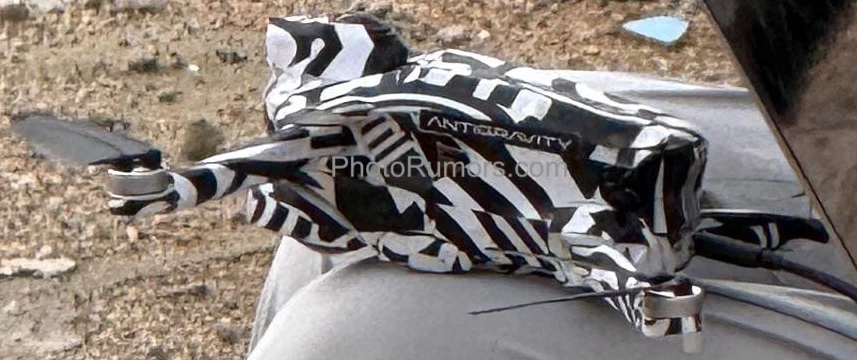
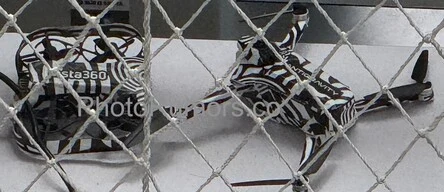
    Interesting developments are taking place in the drone industry. DJI is stepping into Insta360’s established domain with its upcoming and seemingly budget-friendly Osmo 360. Meanwhile, Insta360 seems to be taking a proactive stance against DJI by introducing two anti-gravity drones. Recent leaks have shown early images of what looks like Insta360’s initial counteraction against DJI. The drones, dubbed “Antigravity,” are expected to be a direct answer to the new DJI Mini 5 Pro, DJI Flip, and DJI Neo.

    Speculation on Specifications

    Details regarding the specifications of these first drones from Insta360 remain under wraps, aside from a clear glimpse of the dark Flip/Neo-like Insta360 drone in one of the images below. The alternative to the DJI Mini is still largely hidden behind a privacy cover, but its design, featuring four foldable propeller arms, is strikingly similar to the typical DJI mini drones.

    Weight and Launch Uncertainty

    It remains uncertain how much the two drones will weigh, but it’s likely they will be standard camera drones weighing less than 250 grams. The question of whether “Antigravity” is merely a working title or the final name for the product is still unanswered. Unfortunately, there is no word on a release date yet, as only these images have surfaced, so it could be a while before the first Insta360 drones are officially launched.

    Source:
    Link


  • MagicLink: Fastest Multi-Card Reader at 2,790 MB/s Speed

    MagicLink: Fastest Multi-Card Reader at 2,790 MB/s Speed

    Key Takeaways

    1. Memory cards come in various types, affecting their performance and data transfer speeds.
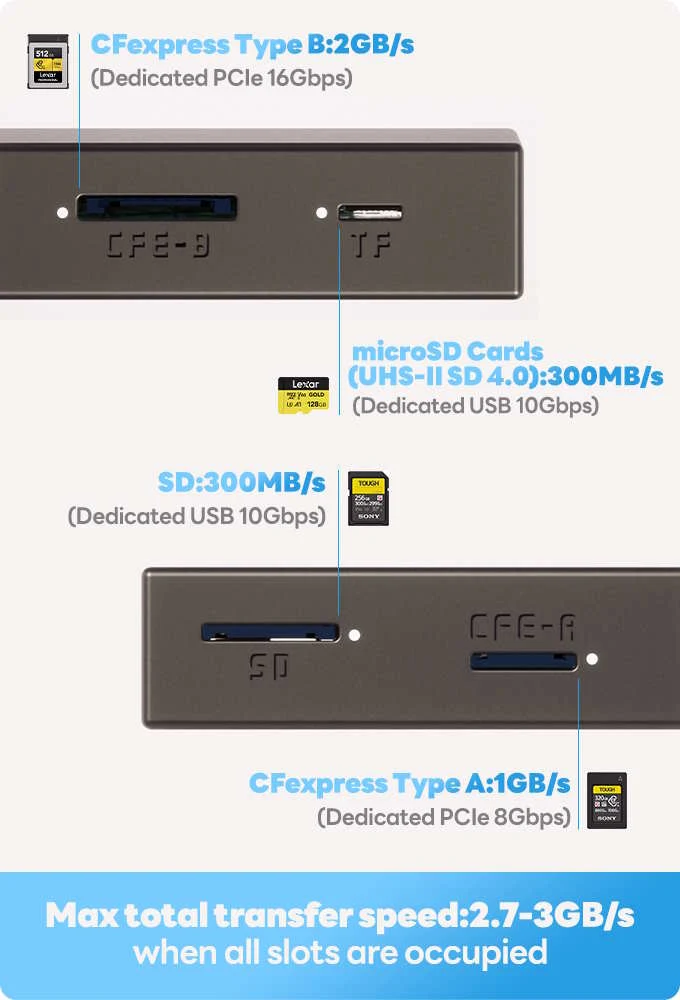
    2. The MagicLink 4-in-1 memory card reader claims a maximum transfer rate of 2,790 MB/s for high-resolution video files.
    3. Actual transfer speeds can vary; CFexpress Type B cards reach up to 2 GB/s, while Type A cards are slower at 1 GB/s, and microSD/standard SD cards transfer at 300 MB/s.
    4. The reader features dimensions of 105 x 50 x 30 mm, weighs 165 grams, and connects via Thunderbolt or USB-C with active cooling.
    5. The crowdfunding campaign on Kickstarter has a starting price of $119, with delivery expected in November, but potential risks should be considered.


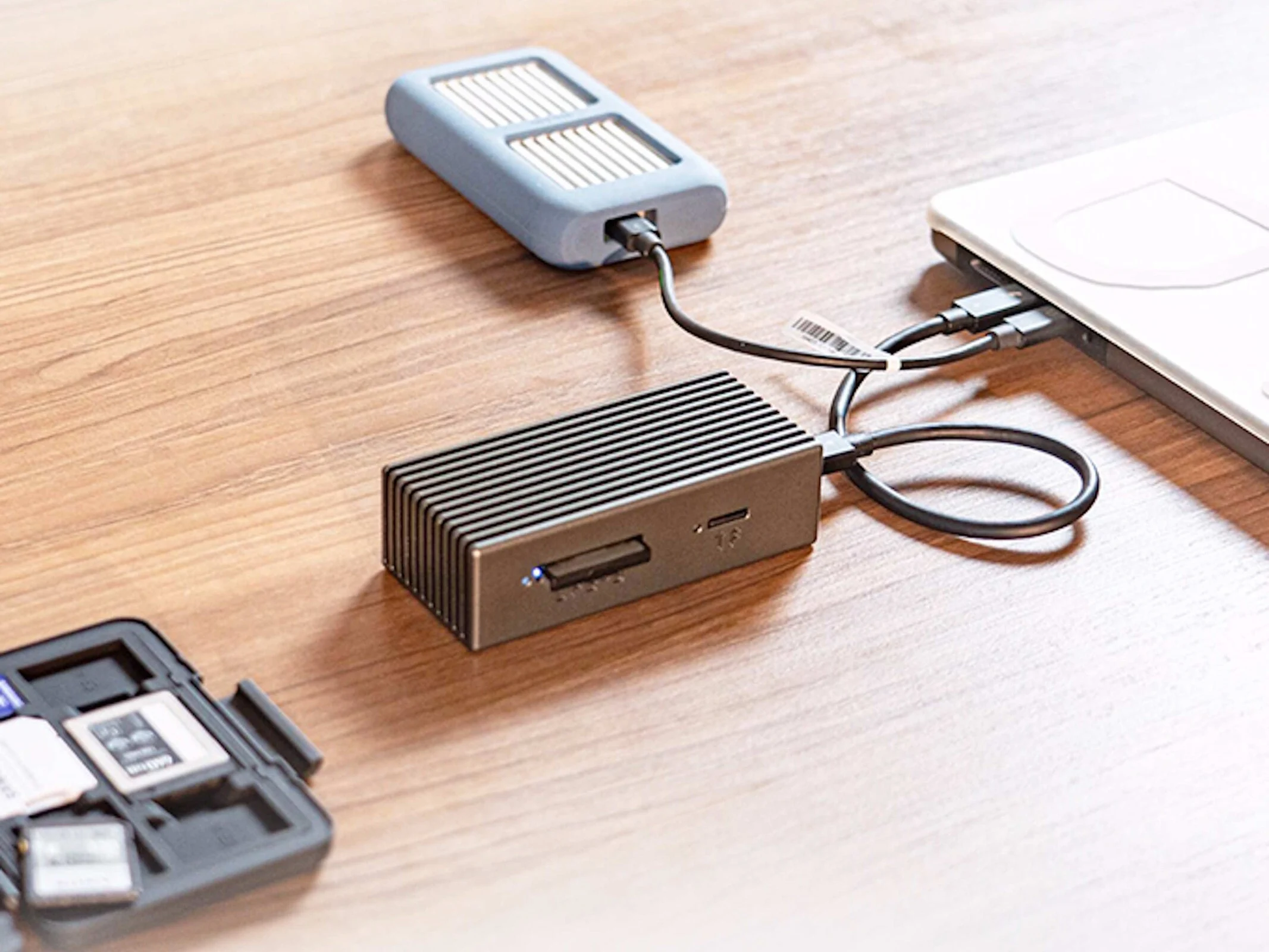
    Memory cards are available in many different types, and their design and standards can greatly affect their performance. Some memory cards can transfer data much faster than traditional hard drives and can even compete with SSDs. Recently introduced is the MagicLink 4-in-1, which is being marketed as the quickest memory card reader for various cards. It boasts a maximum data transfer rate of 2,790 MB/s, which means that high-resolution video files can be moved quickly.

    Caution on Speed Claims

    However, it’s important to be cautious about this claimed transfer speed, as this figure represents the highest possible speed across all connections; no individual port will reach this maximum. CFexpress Type B cards can reportedly hit speeds up to 2 GB/s when connected through PCIe. CFexpress Type A cards are said to be slower, functioning at half that speed, while microSD cards (UHS-II SD 4.0) are capable of transferring data at up to 300 MB/s. The same transfer speed of 300 MB/s is also noted for standard SD cards.

    Specifications and Pricing

    The memory card reader has dimensions of 105 x 50 x 30 millimetres and a weight of 165 grams. It connects through Thunderbolt or USB-C, and it features active cooling, with cooling fins designed for additional passive cooling that are clearly visible. The crowdfunding campaign is seeking a starting price of $119, with expectations for delivery in November. As is common in crowdfunding, potential backers should weigh the risks, including the possibility that the product might not be delivered at all.

    Kickstarter Campaign

    The project is being promoted on Kickstarter, where innovative tech items often find their beginnings.

    Source:
    Link


  • Hubsan Launches New Drone: 10-Mile Range and 4K Camera

    Hubsan Launches New Drone: 10-Mile Range and 4K Camera

    Key Takeaways

    1. Hubsan Mini competes with DJI drones and is priced at approximately $429, including two batteries.
    2. The drone weighs around 260 grams, exceeding the 250-gram limit for recreational flying in many regions.
    3. It boasts a maximum flight time of 45 minutes and a top speed of 25 km/h under ideal conditions.
    4. Equipped with a 1-inch CMOS sensor, it can record 4K video at 30 fps and take 5,472 x 3,648 resolution photos.
    5. The Mini features a 16 km signal range, GPS control, visual tracking, and obstacle detection, with data stored on a microSD card.


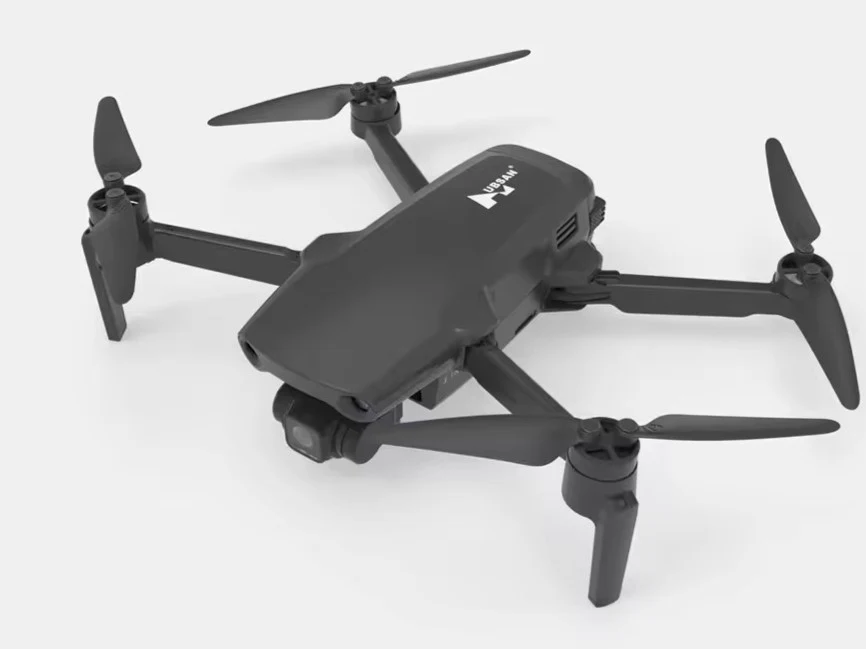
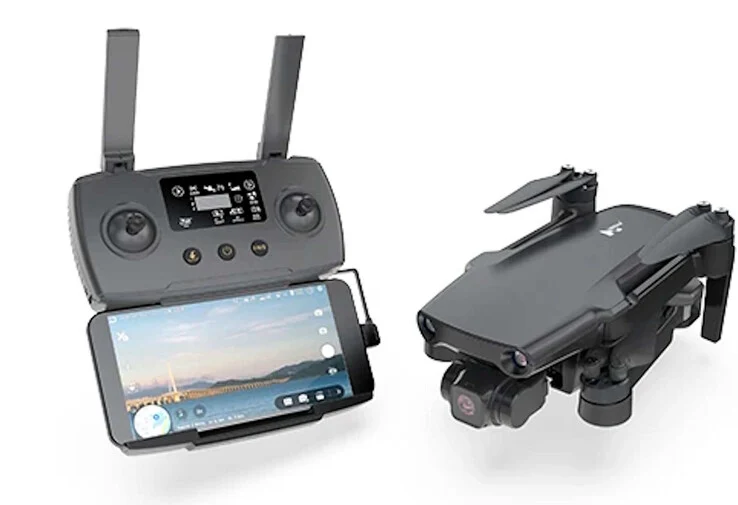
    We’ve shared before about Hubsan, a company that sells a variety of quadcopter drones. Their latest product, the Hubsan Mini, presents itself as a competitor to similar offerings from DJI and is now available for import. The price is just shy of $429 directly from the maker (though it’s currently out of stock at the time this was written). At this price point, buyers get the drone along with two batteries. As is common, local warranty rights may not be applicable if there’s a need for claims.

    Specifications and Performance

    The drone has a takeoff weight of around 260 grams, which just crosses the 250-gram limit for flying drones recreationally in many nations. Hubsan claims that it can achieve a maximum flight time of 45 minutes at a speed of 25km/h, assuming there are no windy conditions. The Mini is fitted with a 1-inch CMOS sensor that is stabilized on a gimbal and can shoot videos at a resolution of 3,840 x 2,160 at 30 frames per second. For those who want higher frame rates, it can also record at 60 frames per second in 2,720 x 1,530 resolution. Pictures can be taken at an impressive resolution of 5,472 x 3,648.

    Range and Features

    The stated signal range reaches up to 16 kilometers (about 10 miles). Users can control the drone not just through direct commands, but also by using GPS for indirect control. It also features visual tracking for people and is said to be capable of detecting obstacles without needing any action from the user. Lastly, data storage is managed through a microSD card.

    Source:
    Link


  • DJI Osmo 360 Leak: 120 MP Camera for GoPro Max 2 Rival

    DJI Osmo 360 Leak: 120 MP Camera for GoPro Max 2 Rival

    Key Takeaways

    1. The DJI Osmo 360 is the company’s first 360-degree action camera, set to release on July 29, competing with Insta360 X5 and GoPro Max 2.
    2. A new promotional image has been leaked, showcasing the Osmo 360 with its Battery Extension Bar and retail packaging.
    3. Pricing for the Osmo 360 is uncertain but is estimated to be between $505 and $515; possible Canadian pricing may be indicated.
    4. The Osmo 360 features a 120 MP camera and can record video at 8K/30 FPS, with 120 MP photos only in 360-degree mode.
    5. Unlike other recent models, the Osmo 360 has a 1-inch camera sensor, highlighting its unique specifications.


    Igor Bogdanov has recently revealed more information about DJI’s eagerly awaited 360-degree action camera. Being the company’s first attempt at this type of device, the Osmo 360 aims to compete against the Insta360 X5 (currently priced at $549.99 on Amazon) and the GoPro Max 2, which was teased earlier this month. While there has been no announcement from GoPro regarding the official launch of the Max 2, the Osmo 360 is anticipated to be released on July 29, alongside the Mic 3 wireless microphone.

    New Promotional Image

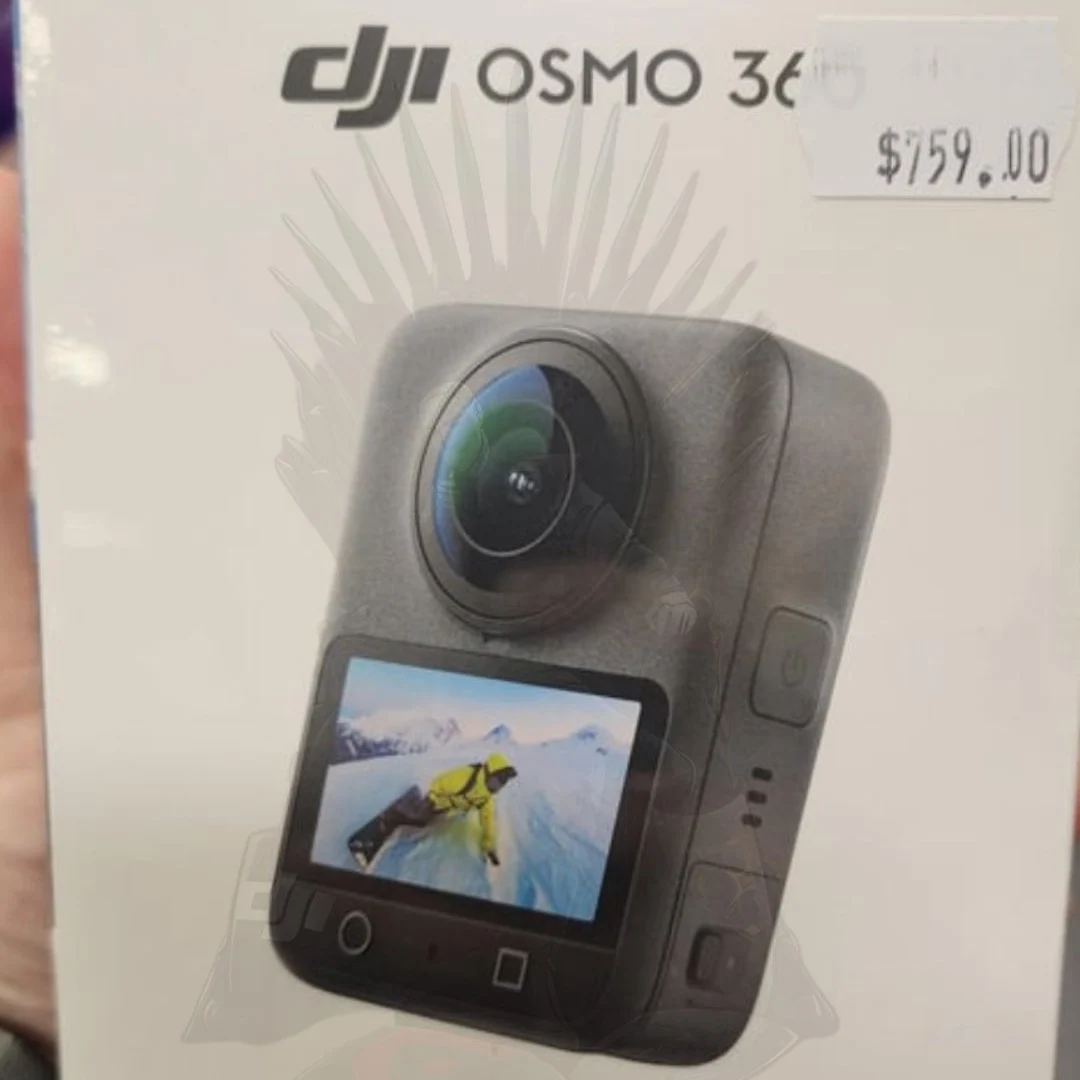
    Just a day ago, Bogdanov leaked a new promotional image for the Osmo 360, showcasing the action camera paired with its first-party Battery Extension Bar. He has also shared a glimpse of the official retail packaging. These images, which he claims to have received from a source, not only back up previous leaks but also reveal launch pricing for the very first time.

    Pricing Uncertainty

    At this point, it’s unclear what currency the Osmo 360 and the optional Adventure Combo are priced in. While it seems like the prices might be in US dollars, Bogdanov states that the Osmo 360 will retail for somewhere between $505 and $515. Therefore, we suspect that the $759 and $989 tags for the Osmo 360 and its Adventure Combo might actually be in Canadian dollars, with Bogdanov possibly subtracting a 5% VAT.

    Camera Features

    Nonetheless, the images confirm that the Osmo 360 boasts a 120 MP camera, aligning with earlier leaks. It can record video at 8K/30 FPS, but it seems to only capture 120 MP photos when the 360-degree mode is in use. Unlike the Osmo Action 5 Pro and other recent models, DJI’s inaugural 360-degree action camera is equipped with a 1-inch camera sensor. For more details, please refer to the images included throughout.

    Source:
    Link


  • NASA Unveils Stunning Space Photo of Aurora Australis Sister

    NASA Unveils Stunning Space Photo of Aurora Australis Sister

    Key Takeaways

    1. NASA released a stunning image of the Aurora Australis captured by astronaut Nichole Ayers from the International Space Station.
    2. The Aurora Australis is less accessible than the Aurora Borealis, mainly visible over Antarctica and surrounding oceans.
    3. Key viewing locations for the Southern Lights include Stewart Island, Tasmania, and the southern tip of South America, but sightings can be faint and weather-dependent.
    4. The optimal time to view the aurora is during the Southern Hemisphere’s autumn and winter, from March to September, due to longer dark nights.
    5. Astronaut photography provides a rare opportunity for people to see the beauty of the Southern Lights, as many may never witness them in person.


    NASA has released a breathtaking new picture of the Aurora Australis, giving a view of the Southern Lights that few people will ever experience firsthand. The image, captured by astronaut Nichole Ayers on June 12, 2025, displays the bright green arcs of the aurora shining above the Indian Ocean while the International Space Station was orbiting 269 miles (432.91 km) above Earth.

    The Mystery of the Southern Lights

    While its northern sibling, the Aurora Borealis, attracts many tourists, the Aurora Australis remains one of the most hard-to-find light displays in the world. This is largely due to its geographic location — the southern lights are mainly visible over the expansive, unpopulated land of Antarctica and the adjacent oceans. In contrast to the Northern Hemisphere, there are very few accessible areas within the best viewing regions, making it tough to catch a glimpse from the Earth’s surface.

    The Quest for the Southern Lights

    For those who are determined to see the Southern Lights, the search can be quite challenging. The most dependable places to view the aurora are located at the extreme southern parts of the planet. These include Stewart Island in New Zealand, Tasmania in Australia, and the southern tip of South America. However, even from these optimal spots, the aurora usually shows up as a faint glow along the horizon, and unpredictable weather conditions can often ruin the view.

    The prime time for attempting to see the aurora is during the long, dark nights of the Southern Hemisphere’s autumn and winter, which runs from March to September. The limited daylight during this period creates a dark background that allows the aurora’s soft light to stand out.

    The Importance of Astronaut Photography

    Due to these difficulties, images like this one from the Crew Earth Observations team on the space station are extremely valuable. For many around the globe, photographs taken by astronauts using handheld cameras provide the only opportunity to appreciate the complete beauty of this magnificent and remote celestial event.

    Source:
    Link


  • DJI Osmo 360: New Rival to Insta360 X5 and GoPro Max 2 Emerges

    DJI Osmo 360: New Rival to Insta360 X5 and GoPro Max 2 Emerges

    Key Takeaways

    1. DJI will launch its first 360-degree action camera, the Osmo 360, on July 29, alongside the Mic 3 wireless microphone.
    2. The Osmo 360 can record 8K video at 30 FPS for up to 180 minutes with the Battery Extension Bar; without it, recording time drops to around 100 minutes.
    3. The Battery Extension Bar allows for wireless charging and includes a 1/4-inch threaded mount for attaching accessories.
    4. The Osmo 360 will compete with the Insta360 X5 and the upcoming GoPro Max 2.
    5. Full specifications and pricing for the Osmo 360 are expected to be revealed on July 22, ahead of its launch.


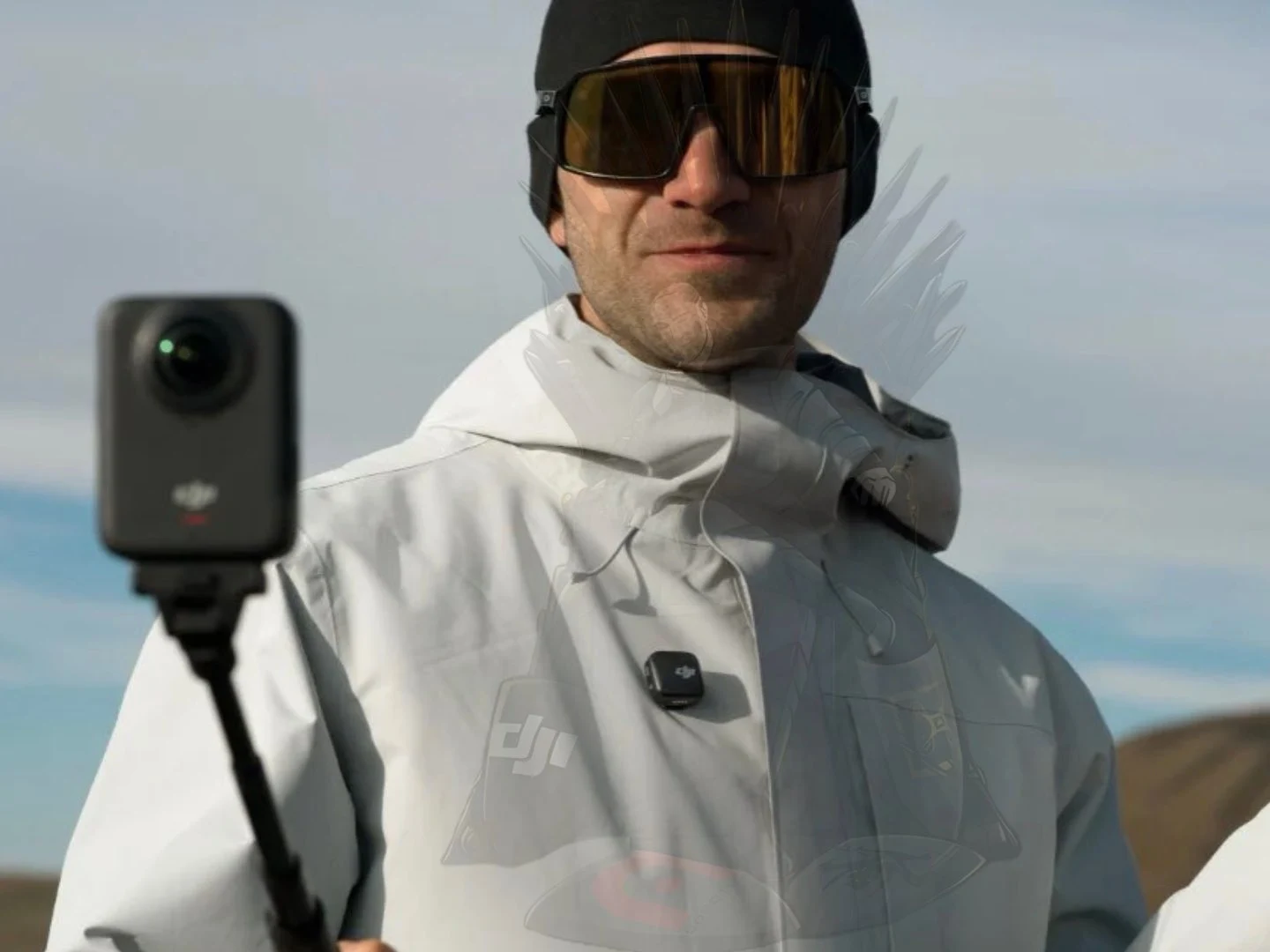
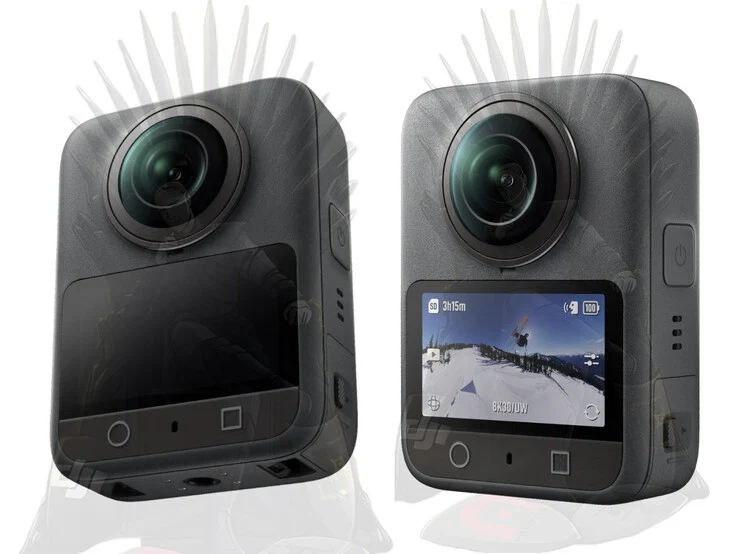
    According to new updates, the debut of DJI’s very first 360-degree action camera is just about here. The company is set to present the Osmo 360 on July 29 along with its Mic 3 wireless microphone. To emphasize this, Igor Bogdanov has shared a new image of the much-anticipated action camera, which you can see below.

    Camera and Battery Features

    From the latest leaks, the image reveals not only the Osmo 360 but also DJI’s Battery Extension Bar. When used together, the camera can operate for as long as 180 minutes while recording 8K video at 30 FPS. Without the battery bar, this time is expected to drop to around 100 minutes. Additionally, this accessory can charge the Osmo 360 wirelessly and features a 1/4-inch threaded mount that allows for magnetic attachment of accessories.

    Competition and Expectations

    On another note, the Osmo 360 is set to compete directly with the Insta360 X5 (currently priced at $549.99 on Amazon) and the forthcoming GoPro Max 2. It is anticipated that full details regarding specifications and pricing for both of these upcoming action cameras will be released within the next week. For the Osmo 360, it’s likely that DJI will provide a teaser for the product by July 22, aiming for a launch on July 29.

    Source:
    Link


  • NASA Reveals Stunning New Details of the Cat’s Paw Nebula

    NASA Reveals Stunning New Details of the Cat’s Paw Nebula

    Key Takeaways

    1. NASA celebrates the third anniversary of the James Webb Space Telescope with a new image of the Cat’s Paw Nebula (NGC 6334), located 4,000 light-years from Earth.
    2. Webb’s Near-Infrared Camera (NIRCam) captured a star-forming region, highlighting the chaotic creation of new stars and their effect on surrounding gas and dust clouds.
    3. The intense light from these young stars creates a vibrant glow in various shades of blue, showcasing dynamic star formation processes.
    4. Webb’s high-resolution imaging provides unprecedented insights into the structure of star formation, revealing details never seen before.
    5. The findings from Webb not only answer important questions about the universe but also pave the way for future research with upcoming telescopes like the Nancy Grace Roman Space Telescope.


    NASA is marking the third year of its James Webb Space Telescope with the release of an amazing new image that showcases a star-forming area inside the Cat’s Paw Nebula. This nebula, which is also referred to as NGC 6334, is situated in the Scorpius constellation, approximately 4,000 light-years from Earth.

    A Closer Look at the Nebula

    Webb’s Near-Infrared Camera (NIRCam) zoomed in on a specific part of the nebula, exposing a chaotic nursery where new stars are emerging. The image illustrates how these stars are actively shaping the surrounding gas and dust clouds. Their intense light brightens the region, creating a stunning, nebulous glow in various shades of blue. However, this vibrant activity is not permanent — the actions of these young stars will ultimately stop star formation in the area.

    Insights into Star Formation

    The recent observation allows scientists to delve into the intricate process of how stars are formed. Webb’s high-resolution imaging has brought to light structural details of this region that have never been seen before.

    Three years into its mission, Webb is proving its worth by uncovering aspects of the universe that were previously concealed, ranging from star formation to some of the earliest galaxies. — Shawn Domagal-Goldman, who is the acting director of the Astrophysics Division at NASA Headquarters.

    He emphasized that the intriguing questions raised by Webb are just as thrilling as the answers it has uncovered, setting the stage for future research with the Nancy Grace Roman Space Telescope and the Habitable Worlds Observatory.

    Source:
    Link

  • Fujifilm X Half: Bestselling Camera with 1-Inch Sensor & Film Mode

    Fujifilm X Half: Bestselling Camera with 1-Inch Sensor & Film Mode

    Key Takeaways

    1. The Fujifilm X half became the top-selling camera in June at Map Camera despite launching later in the month.
    2. Fujifilm’s X100 VI and X-M5 also ranked high in sales, demonstrating strong competition in the market.
    3. The X half features an 18 MP 1-inch sensor and a 32 mm f/2.8 fixed lens, lacking optical zoom, making it less competitive against cheaper models.
    4. Its unique vertical design and film camera mode, requiring users to complete a full roll before checking photos, contribute to its appeal.
    5. The demand for compact cameras with larger sensors remains high, with potential for even more sales if supply could meet demand.


    First revealed in mid-June, the Fujifilm X half (around $850 on Amazon) began shipping on June 26. Even though it launched later in the month, the X half stood out as the top-selling camera for June at the Japanese retailer Map Camera, as shown in their recent statistics.

    Strong Competition

    Fujifilm also placed second and third with the X100 VI and X-M5, followed by competitors like the Nikon Z5 II, Ricoh GR IIIx, and Nikon Z50 II. The success of the X half is especially impressive, considering it doesn’t compete well against cheaper compact cameras like the Sony ZV-1 (about $698 on Amazon) when looking at specs. Fujifilm chose to use an 18 MP 1-inch sensor combined with a fairly slow 32 mm f/2.8 fixed lens, completely omitting optical zoom.

    Unique Features

    The unusual design of the Fujifilm X half seems to be a successful strategy. For example, its sensor and screen are set up vertically, and the camera features various filters that aim to provide a genuine film aesthetic. A particularly interesting aspect is the film camera mode, which requires users to complete an entire “film roll” of either 36, 54, or 72 shots before they can check the photos taken or change filters.

    High Demand for Compact Cameras

    The good results for the Fujifilm X100 VI and Ricoh GR IIIx clearly highlight the ongoing popularity of compact cameras with larger sensors. Map Camera noted that even more of these cameras could have been sold if Fujifilm and Ricoh had managed to meet the demand.

    Source:
    Link