Key Takeaways
1. DJI has filed a lawsuit against Insta360 for allegedly using six of its important patents related to drones and cameras.
2. The lawsuit centers around former DJI employees who joined Insta360 and filed new patents, which DJI claims belong to them under Chinese law.
3. Insta360’s CEO, JK Liu, denies the allegations, stating that the patents were developed independently and that the company aims to protect its inventors from competitor recruitment.
4. Liu has accused DJI of copying features from Insta360 products, claiming that DJI’s current offerings may infringe on 28 of Insta360’s patents.
5. The timing of the lawsuit is strategic as both companies compete in overlapping markets, with Insta360 recently launching a 360-degree drone that pressures DJI’s position.
The competition between two Chinese companies that make cameras and drones has escalated. DJI has officially taken legal action against Insta360 and its parent company, Arashi Vision, filing a lawsuit with the Shenzhen Intermediate People’s Court. The claims are serious, as Insta360 is being accused of illegally using six important DJI patents related to flight control, image processing, and hardware design.
Legal Concerns Over Patent Rights
At the heart of this legal battle are former DJI employees who filed new patents shortly after starting work at Insta360. According to Chinese law, if an employee invents something within a year of leaving a company, and it closely relates to their previous job, those rights belong to the former employer. DJI is now seeking an official transfer of these patent rights.
CEO’s Denial and Counterclaims
Insta360’s CEO, Liu Jingkang—also known as JK Liu—has firmly rejected the claims on Weibo, asserting that the company’s internal investigations show all ideas mentioned in the lawsuit were developed at Insta360. JK Liu explained that they initially kept the inventors’ names private not because they had anything to hide, but to shield their developers from aggressive recruitment by competitors. He also mentioned that the patents in question have not been used for about five years. For instance, a feature for automatic diving that is brought up in the lawsuit would not be included in any product due to strict aviation regulations.
Attacking the Competition
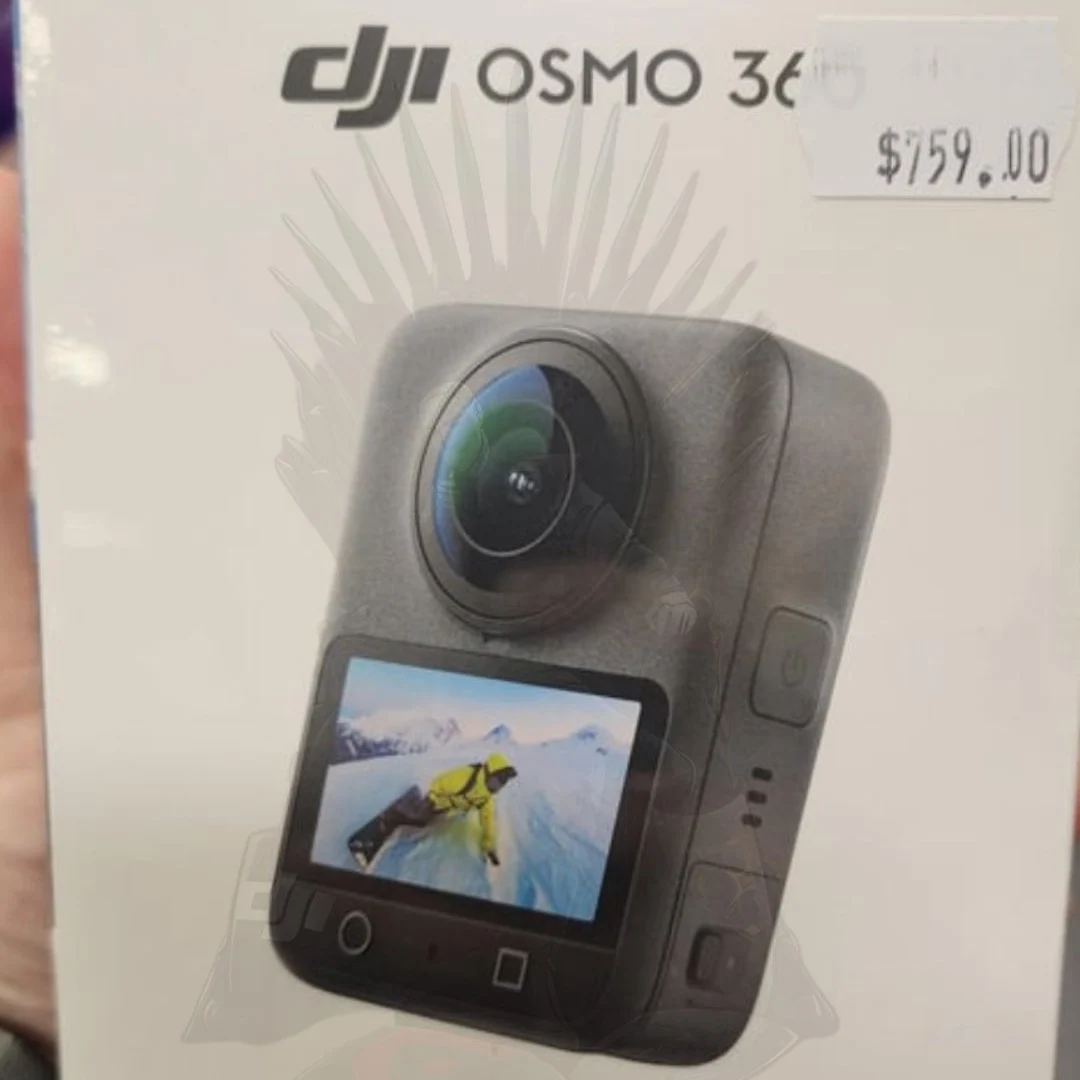
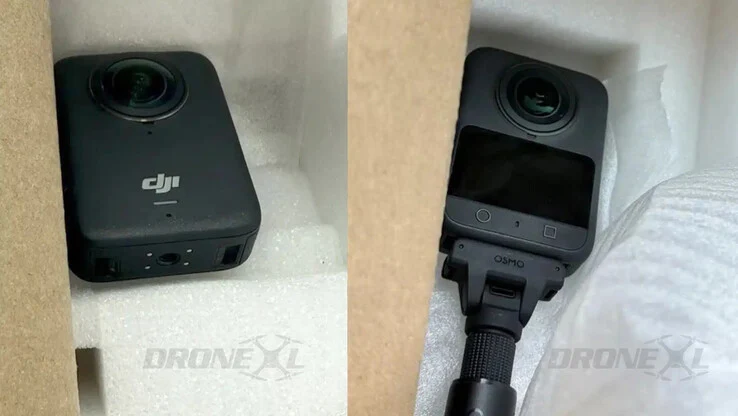
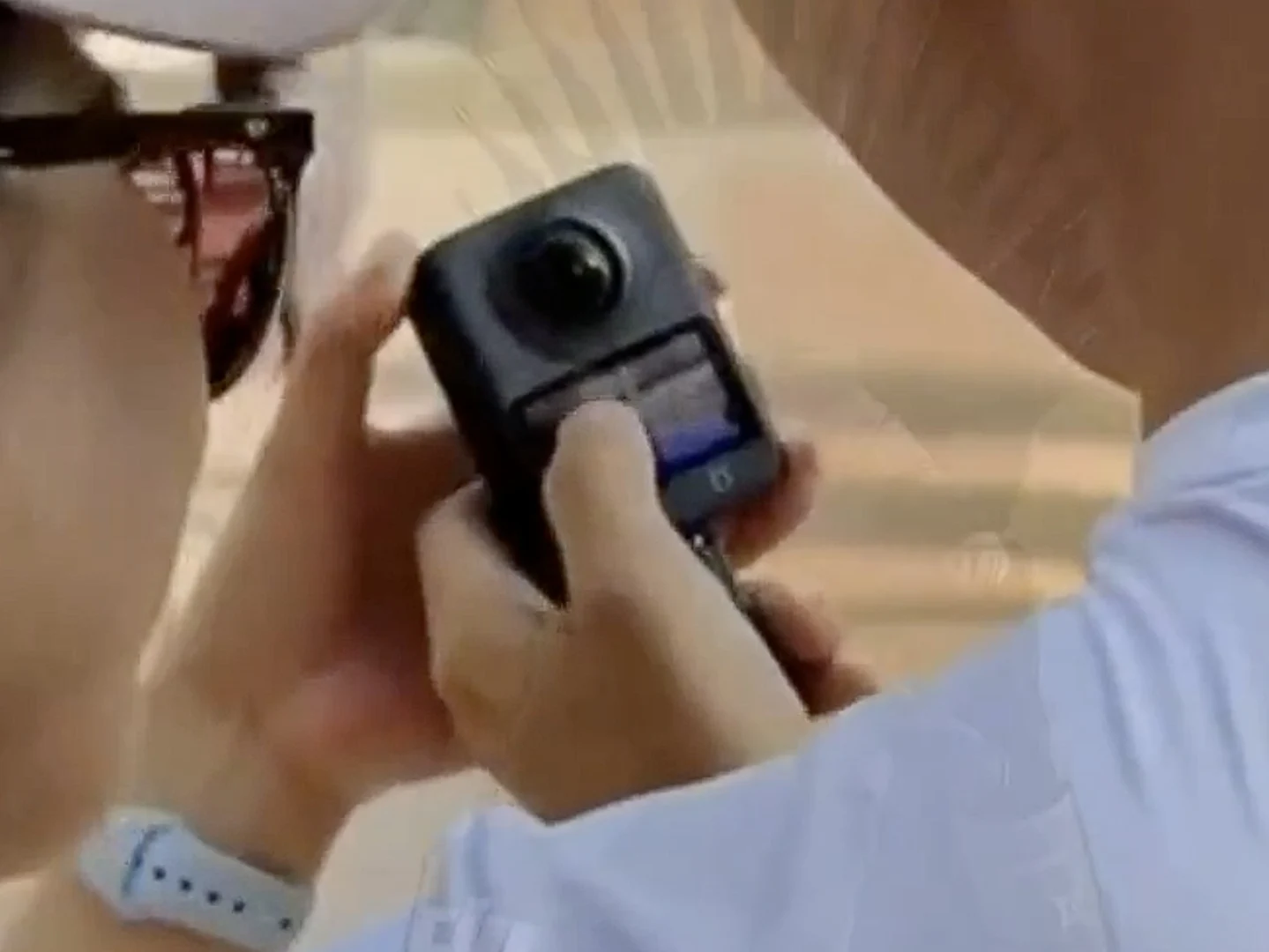
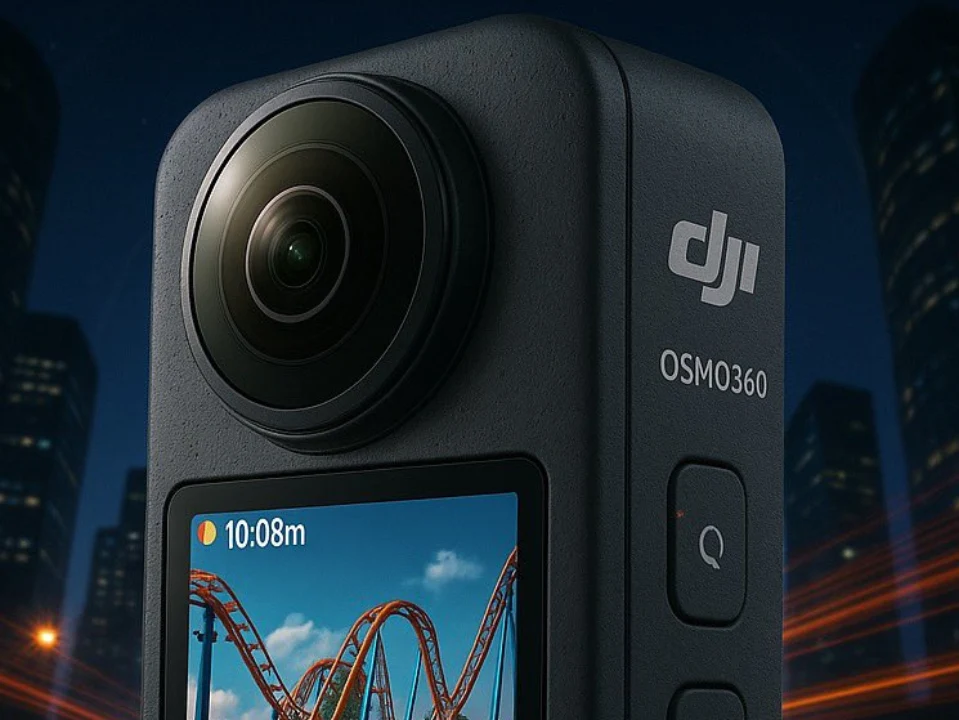
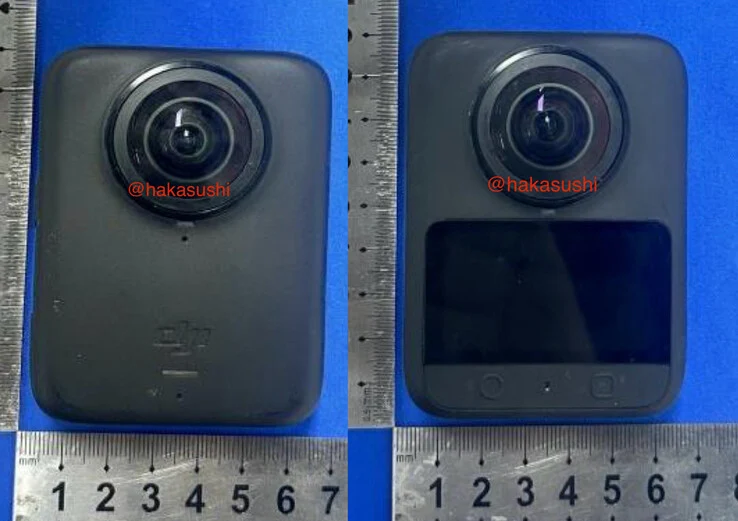
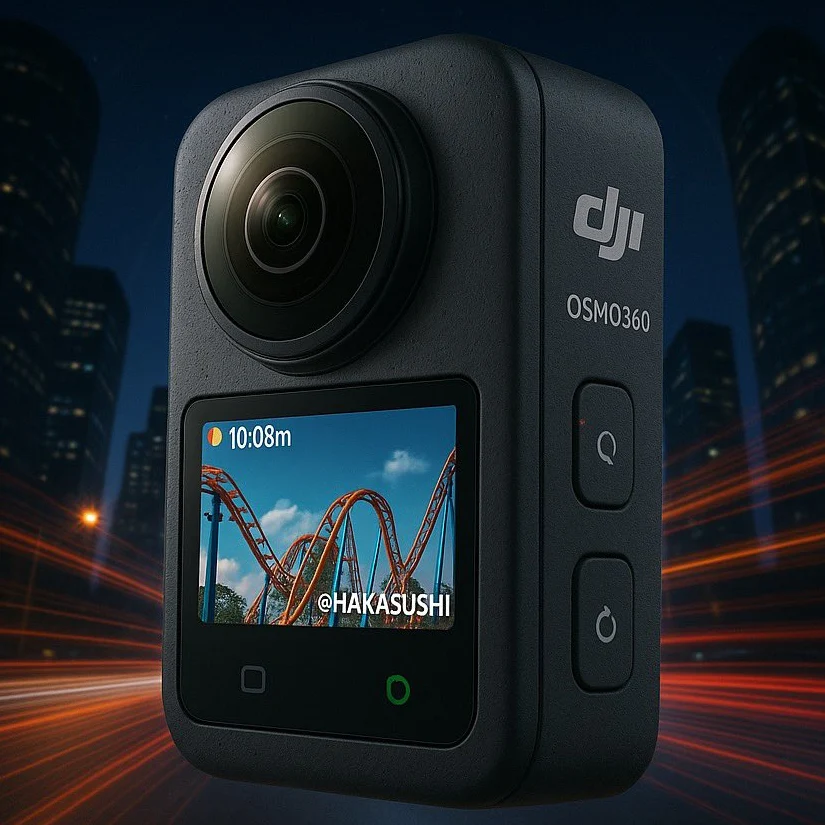
Instead of just defending Insta360, JK Liu has taken a direct jab at DJI, alleging that the market leader often copies components and software features. Insta360’s internal research strongly suggests that current DJI cameras, like the Osmo 360, might infringe on 28 of Insta360’s patents. Still, JK Liu does not plan to counter-sue. His smaller company prefers to put its resources into developing new technologies rather than hiring expensive lawyers. Recently in the US, Liu showed that Insta360 could indeed win legal disputes, as the US International Trade Commission (ITC) dismissed all of GoPro’s patent lawsuits against his company.
Strategic Timing and Market Impact
The timing of this legal hearing is quite strategic. Both tech giants have been stepping into each other’s domains for some time. DJI has been focusing on the profitable 360-degree camera market with products like the Osmo 360, while Insta360 has been working hard to challenge DJI’s stronghold in the drone market. For example, its Antigravity sub-brand introduced the A1 in late 2025, which is the first real 360-degree drone, putting pressure on DJI to respond. DJI’s answer is expected to be unveiled on Thursday, 26 March, in the form of the new Avata 360. This ongoing battle in hardware has already affected the stock market, with Arashi Vision’s share price dropping nearly seven percent after DJI’s complaint was made public.
Source:
Link