Category: Video / Photo

  • New Epson Home Theater Projector with Apple AirPlay Released

    New Epson Home Theater Projector with Apple AirPlay Released

    Key Takeaways

    1. The Epson Home Cinema 1100 is a 1080p projector using 3LCD technology with a brightness of 3,400 lumens for both color and white brightness.
    2. It features wireless screensharing capabilities through Miracast and Apple AirPlay, setting it apart from the Home Cinema 980.
    3. The projector has a dynamic contrast ratio of 16,000:1 and supports three aspect ratios: 16:9, 16:10, and 4:2.
    4. Key connectivity options include two HDMI ports, USB-A, and audio out, along with a built-in 5W speaker.
    5. The Home Cinema 1100 is priced at $829 on Amazon, $899 retail, which is $100 more than the Home Cinema 980, priced at $799.


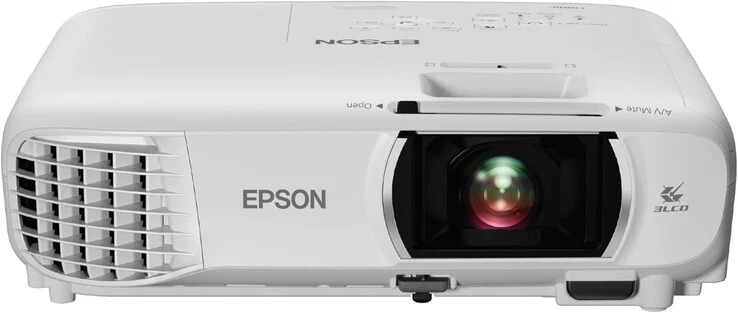
    The Epson Home Cinema 1100 3LCD Wireless 1080p Projector has just hit the market in the US. It has a lot in common with the recently launched Home Cinema 980, but the price is higher.

    Specifications and Features

    The Home Cinema 1100 is a 1080p projector that uses 3LCD technology. Epson claims that its 210W UHE lamp module can deliver up to 3,400 lumens of color brightness rated by IDMS and also 3,400 lumens for white brightness based on ISO ratings. For comparison, the Home Cinema 980 can reach up to 4,000 lumens in both categories.

    Wireless Capabilities

    A distinct feature of the Home Cinema 1100 compared to the Home Cinema 980 is its ability to enable wireless screensharing. With this model, users can easily share content from their mobile devices using Miracast and Apple AirPlay. Additionally, earlier this year, support for AirPlay 2 and Apple HomeKit was added to many of Epson’s projectors.

    Image Quality and Connectivity

    Similar to the 980, the 1100 boasts a dynamic contrast ratio of 16,000:1. Users have the option to select from three aspect ratios: 16:9 (native), 16:10, and 4:2. The projector has a throw ratio ranging from 1.00 to 1.21:1 and can project images as large as 305 inches. Other features include tools for keystone correction, a built-in 5W speaker, and connectivity options like two HDMI ports, USB-A, and audio out.

    You can now purchase the Epson Home Cinema 1100 3LCD Wireless 1080p Projector for $829 on Amazon. However, it has a listed retail price of $899 on the brand’s official website. Priced at $899, it’s $100 more than the Home Cinema 980, which is available for $799.

    Source:
    Link


  • Insta360 Go Ultra: Compact 4K Action Camera with Sensor Upgrade

    Insta360 Go Ultra: Compact 4K Action Camera with Sensor Upgrade

    Key Takeaways

    1. The upcoming Insta360 action camera will be named Go Ultra, not Go 4.
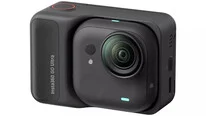
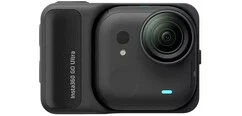
    2. The Go Ultra is compact, measuring 30 x 30 mm and weighing only 53 g.
    3. It features a 1/1.28-inch sensor capable of recording 4K video at up to 60 FPS, with improved low-light performance.
    4. The camera has fast charging capabilities, reaching 80% in just 10 minutes, and includes optional accessories like a magnetic viewfinder.
    5. Details about pricing and availability of the Go Ultra are still unknown.


    Roland Quandt and WinFuture have revealed new information about Insta360’s upcoming product, just after the company launched a new limited edition of the Insta360 X5, which is currently priced at $549 on Amazon. Repeating what was previously leaked, Quandt states that the next action camera from Insta360 will be named the Go Ultra instead of the Go 4.

    Dimensions and Weight

    The leaked promotional images indicate that the Go Ultra is remarkably compact, measuring 30 x 30 mm. Despite these dimensions, it is slightly larger than the Insta360 Go 3S, which measures 25.6 x 24.8 x 54.4 mm. Even so, the Go Ultra weighs only 53 g and has a flatter design compared to the Go 4, thanks to its boxier shape.

    Camera Features

    Quandt mentions that the Go Ultra features a new 1/1.28-inch sensor, capable of recording videos in up to 4K resolution like the Go 3S. However, the maximum frame rate has increased from 30 FPS to 60 FPS, along with a guarantee of better image quality in various lighting conditions, as it captures twice the light compared to the Go 3S. A new ambient light sensor has been added alongside the 1/1.28-inch camera sensor, along with FlowState stabilization, 360° horizon locking, and a wide 156° field of view (FoV).

    Charging and Accessories

    Interestingly, the Go Ultra can charge from 0% to 80% in just 10 minutes, thanks to its enhanced wired charging capabilities. As usual, Insta360 will provide optional accessories to enhance the usability of the Go Ultra, including a magnetic viewfinder that can be easily attached and detached. Unfortunately, details about pricing and availability have yet to be disclosed at this time.

    Source:
    Link


  • Wanbo Vali 1: Affordable Portable Projector Now Available

    Wanbo Vali 1: Affordable Portable Projector Now Available

    Key Takeaways

    1. The Wanbo Vali 1 projector has a brightness of up to 900 ANSI lumens, making it significantly brighter than the Anker Nebula Mars 3 Air.
    2. It supports 1080p resolution and can project images up to 130 inches, with features like automatic focus and keystone correction.
    3. The projector runs on Android TV 11.0, providing access to streaming platforms like Netflix, Disney+, and YouTube, along with Google Assistant support.
    4. It includes integrated 12W speakers, Bluetooth, dual-band Wi-Fi, and various ports such as HDMI, USB-A, and AUX.
    5. The Vali 1 is priced at $319.99 in the US, with potential discounts bringing it down to $229.99, and is available in the UK for £269.99.


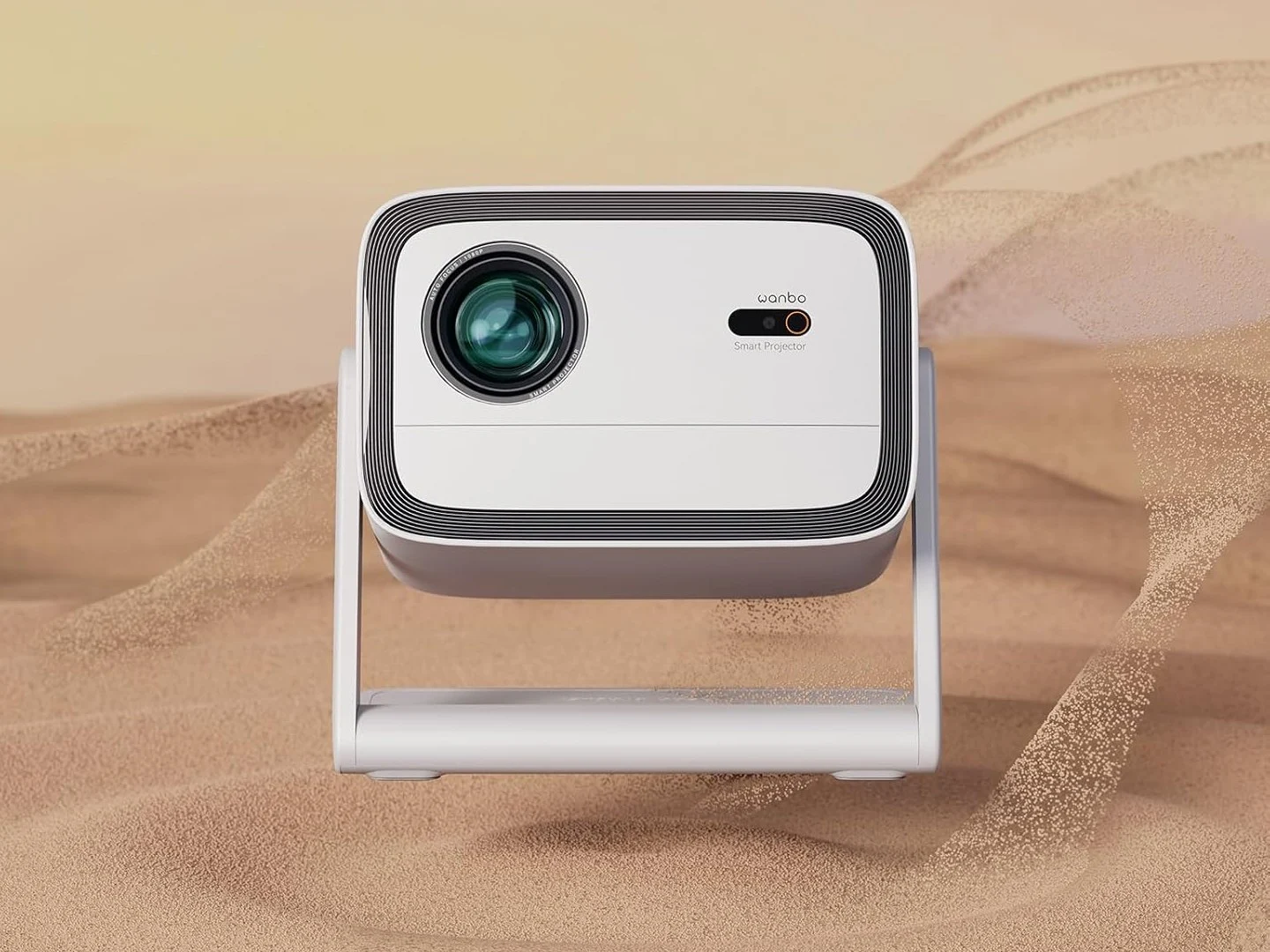
    Wanbo has just launched the Vali 1 projector in various global markets, with its most recent release being in the UK. This model is a budget-friendly portable option, boasting a notably high brightness level.

    Brightness and Comparison

    Wanbo claims that the Vali 1 has a light source that can reach up to 900 ANSI lumens in brightness. To put that into perspective, this makes it over twice as bright as the well-known Anker Nebula Mars 3 Air, which is currently priced at $439.99 on Amazon, with a suggested retail price of $599.99. However, it remains uncertain if this projector will truly meet such expectations.

    Specifications and Features

    The Vali 1 from Wanbo is a 1080p projector that can project images as large as 130 inches. Users can fine-tune the picture quality with features like automatic focus and keystone correction. Additionally, the built-in gimbal stand allows for easy adjustment of the projection angle. Running on Android TV 11.0, it gives access to a variety of streaming platforms such as Netflix, Disney+, and YouTube, alongside support for Google Assistant voice commands and Google Cast for wireless screen sharing. Moreover, it includes integrated 12W speakers, Bluetooth and dual-band Wi-Fi connectivity, and ports like HDMI, USB-A, and AUX.

    Pricing and Availability

    In the United States, the Wanbo Vali 1 projector is priced at $319.99. Some customers on Amazon are able to snag a $90 coupon, bringing the price down to $229.99. In the UK, the projector is available for £269.99 at shops like Robert Dyas. Meanwhile, in other parts of Europe, such as the Netherlands, it is sold for €349.99.

    Source:
    Link


  • Yashica City 300: New Compact Camera with 50MP Sensor and RAW Support

    Yashica City 300: New Compact Camera with 50MP Sensor and RAW Support

    Key Takeaways

    1. The Yashica City 300 features a major upgrade with a 50-megapixel 1/1.56-inch CMOS sensor, improving image quality significantly over the previous City models.
    2. It includes enhanced specifications such as optical image stabilization, a 24mm focal length, and an f/1.8 aperture, comparable to mid-range smartphones.
    3. The camera supports DNG RAW files alongside JPEGs, allowing for more flexible photo editing options.
    4. It can shoot 4K video at 30 fps and 1080p slow-motion at 120 fps, with a detachable flash and microSD card support for storage.
    5. Priced at around $420, the Yashica City 300 is compact and rechargeable via USB-C, but additional costs for shipping and import duties may apply.


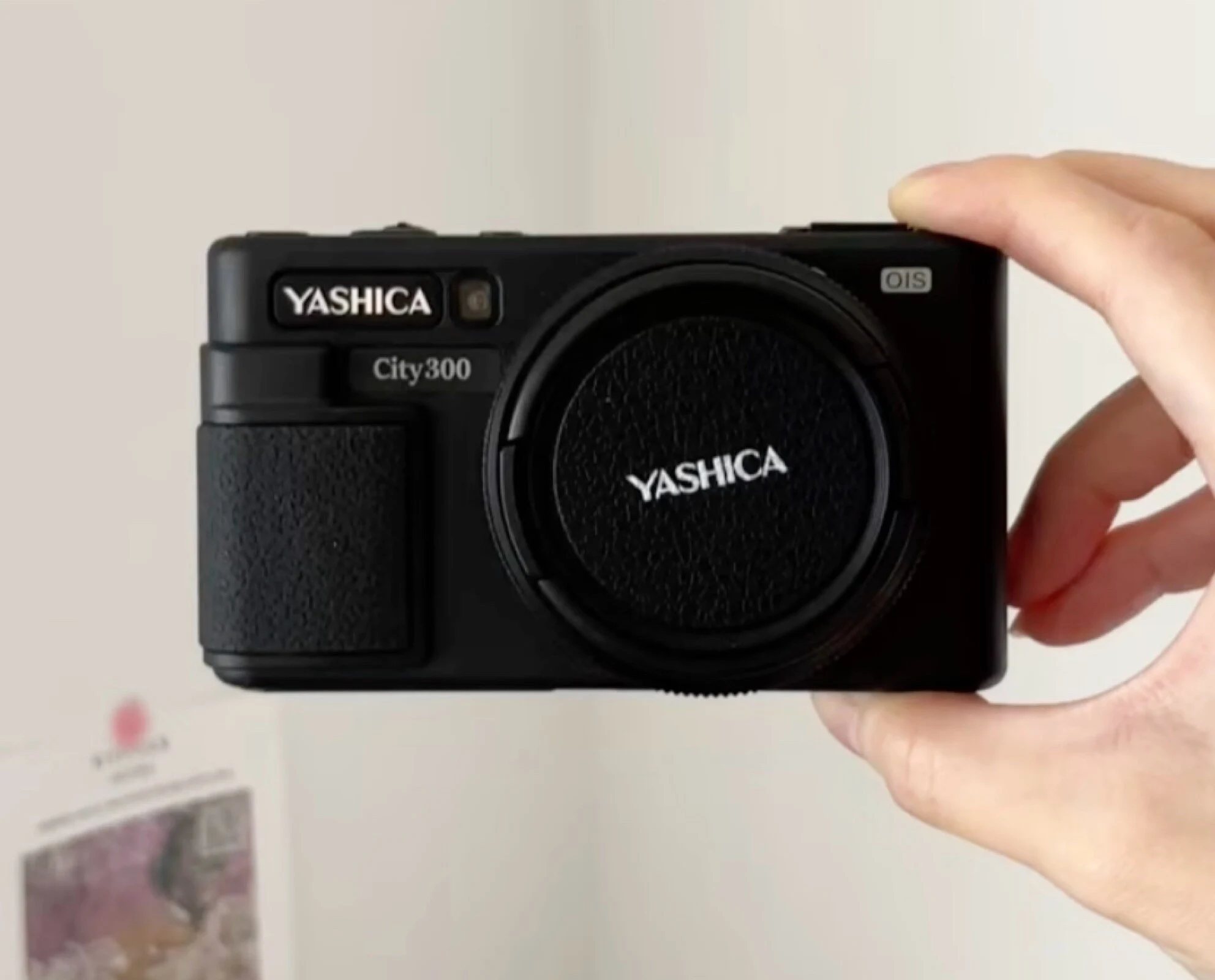
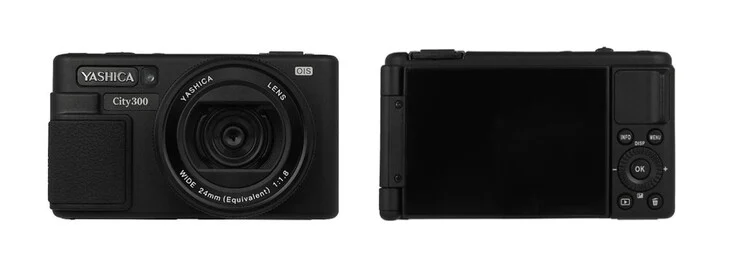
    The Yashica City 100 and City 200 were launched as budget-friendly compact cameras earlier this year, but they received a lot of backlash soon after their release due to poor build quality and unsatisfactory image results. The newly released City 300 aims to address these issues, which is why it’s priced higher. A major improvement is the 1/1.56-inch CMOS sensor boasting 50 megapixels, replacing the 1/3.06-inch 13-megapixel sensor found in the less expensive City models.

    Enhanced Features

    Yashica has equipped this sensor with a lens that includes optical image stabilization (OIS), a 24mm focal length, and an f/1.8 aperture. These specifications are generally similar to the primary camera of a contemporary mid-range smartphone. However, the Yashica City 300 lacks optical zoom, and the 2x digital zoom reduces the effective resolution down to 12 megapixels. Another update is the capability to support DNG RAW files, alongside JPEGs, giving users increased flexibility for photo editing.

    Video Capabilities

    This camera can shoot 4K video at 30 frames per second, as well as 1080p slow-motion footage at 120 fps. It also includes a detachable flash, and users can store photos and videos on a microSD card that can hold up to 256GB. The battery is rechargeable via the USB-C port located on the left side. Measuring 4.2 x 2.4 x 1.8 inches and weighing 6.8 oz, the Yashica City 300 is compact enough to conveniently fit into most pockets.

    Pricing and Availability

    The Yashica City 300 is currently for sale at the manufacturer’s official online store for about $420, but this price does not cover shipping or possible import duties and taxes.

    Source:
    Link


  • Hera Detects Asteroid 3 Million Kilometers Away for Planetary Defense

    Hera Detects Asteroid 3 Million Kilometers Away for Planetary Defense

    Key Takeaways

    1. Hera was launched on October 7, 2024, to survey the Didymos binary asteroid system, following NASA’s successful DART mission that tested asteroid deflection.
    2. The spacecraft is expected to arrive at the Didymos system in late 2026 to assess the impact effects on Dimorphos.
    3. Hera’s Asteroid Framing Camera successfully captured images of the rare A-type asteroid Otero from three million kilometers away.
    4. The imaging system demonstrated quick response capabilities by capturing another asteroid, Kellyday, just two months after Otero.
    5. The mission showcases collaboration between NASA and ESA to improve planetary defense strategies against potential asteroid threats.


    Hera, which was launched on October 7, 2024, is headed towards the Didymos binary asteroid system. This system includes two asteroids: Dimorphos, the smaller one, orbits Didymos, the larger. NASA’s DART (Double Asteroid Redirection Test) was launched in 2022 to test asteroid deflection by crashing into Dimorphos. The mission was a success, changing Dimorphos’ orbit due to the impact.

    Arrival and Purpose

    Hera is expected to reach the Didymos binary system in late 2026, where it will conduct a survey of Dimorphos after the impact. This will aid scientists in understanding how well asteroid deflection methods work for protecting our planet. However, ESA needed to test the spacecraft’s camera in conditions that would be similar to when it first sees Didymos.

    Impressive Imaging

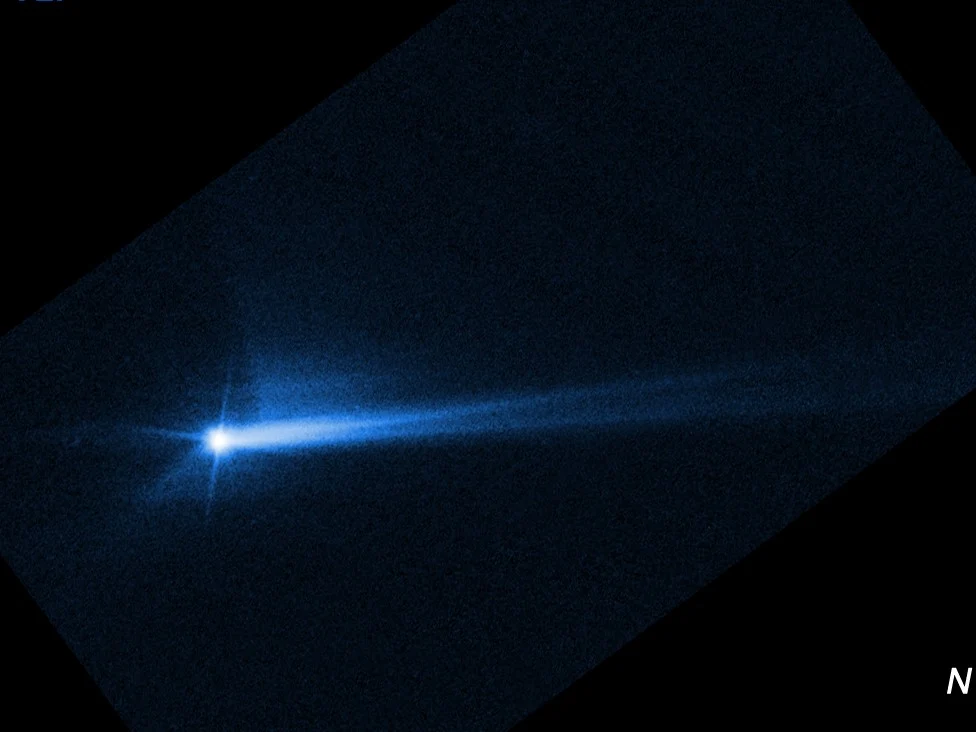
    Using its Asteroid Framing Camera, Hera captured Otero, a rare A-type asteroid, from a distance of three million kilometers. The camera observed Otero for three hours, taking pictures every six minutes. The resulting time-lapse showed the asteroid’s movement, making it clear that it was not a star.

    After spotting Otero in May 2025, Hera’s imaging system was used again just two months later. On July 19, the spacecraft captured Kellyday, which was around 40 times dimmer than Otero. Giacomo Moresco, a Flight Dynamics Engineer at ESA’s European Space Operations Centre (ESOC) in Darmstadt, Germany, referred to the rapid response observation results as “very encouraging.” Hera is demonstrating its readiness for the upcoming mission at Didymos.

    Source:
    Link


  • NASA’s Stunning Image Reveals Mars’ Float Rocks and Sand Ripples

    NASA’s Stunning Image Reveals Mars’ Float Rocks and Sand Ripples

    Key Takeaways

    1. NASA’s Perseverance rover captured 96 images of the ancient site named “Falbreen” on Mars, creating a detailed panorama.
    2. A notable “float rock” was discovered, believed to have originated from a different location and moved by natural processes.
    3. The panorama features a distinctive band separating lighter-toned rocks rich in olivine from darker, older rocks containing clay.
    4. Perseverance has been drilling into the Martian surface at Falbreen, creating a bright white abrasion patch in the images.
    5. The rover is advancing our understanding of Mars and paving the way for future human exploration.


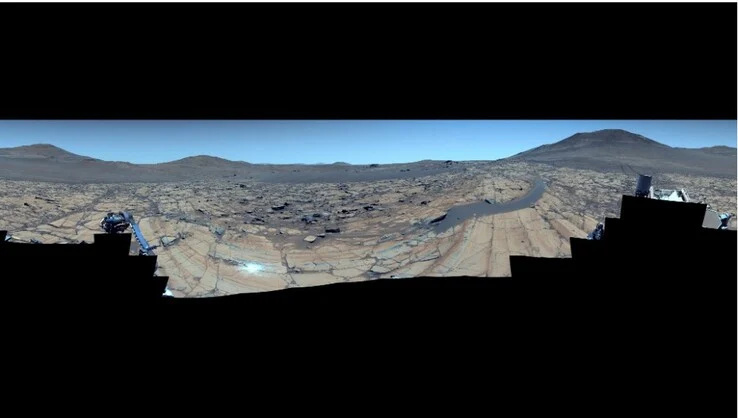
    On May 26, 2025, the imaging team aboard NASA’s Perseverance rover took advantage of the rover’s Mastcam-Z instrument to gather 96 images from a site thought to be among the oldest ever explored by the robotic vehicle. This location has been named “Falbreen” by the science team. The images were combined to create a stunning panorama that presents Mars as clear as daylight.

    Float Rock Discovery

    A prominent feature in the images is a sizeable rock that geologists refer to as a “float rock.” This term is used because scientists think the rock originated from a different location and was moved there by various natural processes, including landslides, water, or wind. The float rock is seen resting on a dark, crescent-shaped sand ripple that is approximately 14 feet (4.27 meters) away from the rover, positioned just to the right of the center of the mosaic.

    Distinctive Rock Bands

    Another interesting aspect of the panorama is a band that crosses the image from one side to the other, located just past the center. This band separates the lighter-toned rocks, which are closer to the rover, from the darker-toned rocks that are further away. The lighter rocks contain a high concentration of olivine, while the darker rocks are thought to be significantly older and rich in clay.

    Drilling and Analysis

    Perseverance has been examining the rocks and soil at Falbreen by drilling into the Martian surface. This drilling has created an abrasion patch that appears as a bright white circle just to the left of the center and near the bottom of the image. NASA’s Perseverance rover, which touched down on Mars on February 18, 2021, is continually enhancing our understanding of the planet, clearing a path for future human exploration.

    Source:
    Link


  • 3 Free Ways to Turn Android TV or Tablet into a Digital Photo Frame

    3 Free Ways to Turn Android TV or Tablet into a Digital Photo Frame

    Key Takeaways

    1. Kodi as a Screensaver: Users can set up Kodi on their Android TV or devices to create a screensaver that displays photos from a NAS, requiring a shared photo directory.

    2. Limitations of Kodi: The Kodi screensaver cannot be set as the default in Android, and prolonged use may fill up storage on devices like the Nvidia Shield.

    3. Immich for Self-Hosting: Immich is a more complex, self-hosted photo management tool that can serve as a Google Photos alternative, allowing for a default screensaver and video playback on Android TV.

    4. Aerial Views Screensaver App: This app offers a simple way to stream images and videos from a NAS without complex setups, featuring additional functionalities like music overlays and OLED burn-in protection.

    5. Preference for Local Data Control: Many users prefer NAS solutions over cloud services for managing photos, allowing them to maintain control over their data.


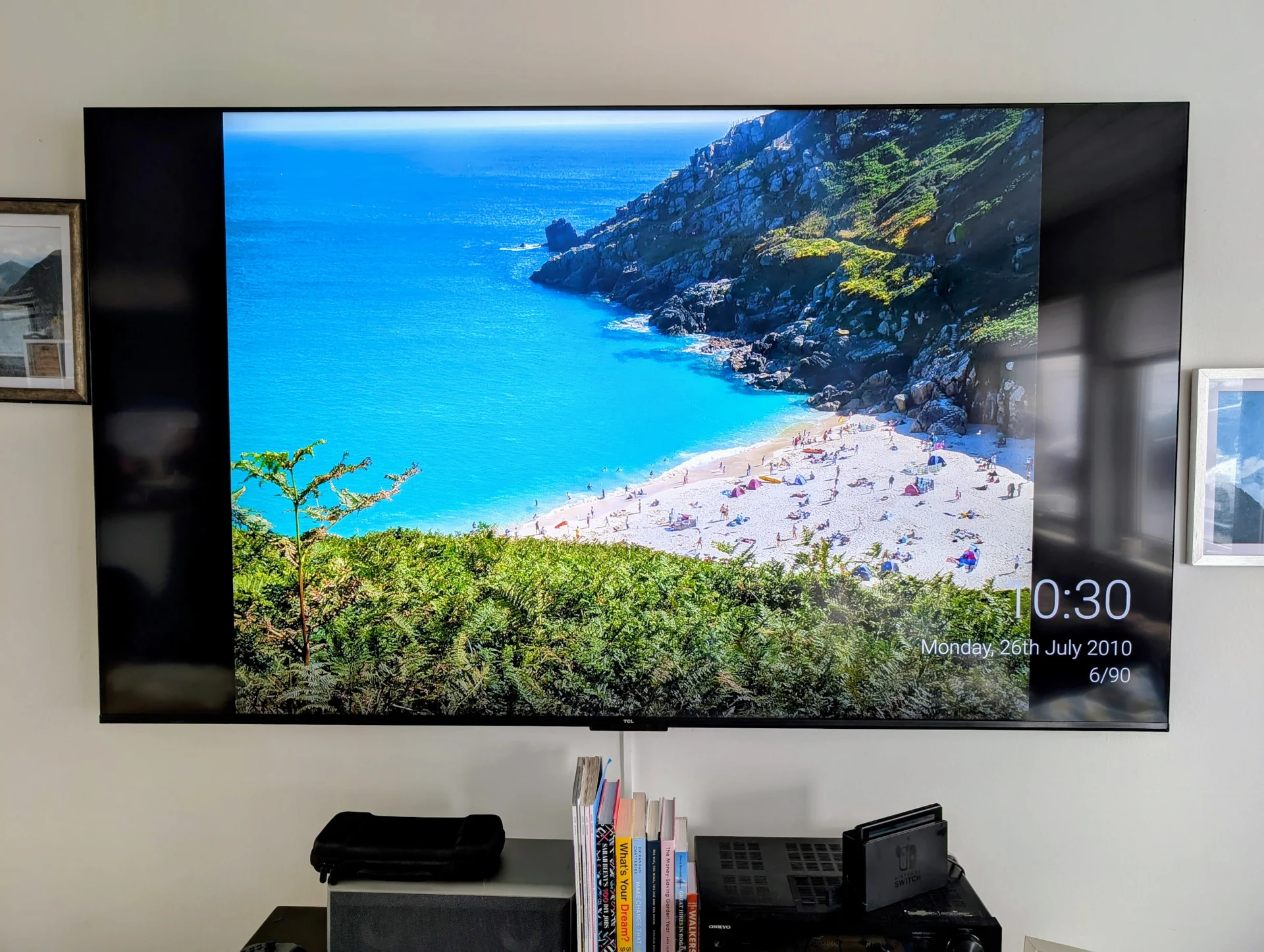
    As Samsung has demonstrated, many people are interested in transforming their TVs into digital art displays. For those who are deep into the Google ecosystem, a simple way to configure your Android TV (or just about any Android device) is to set your screensaver to access images directly from Google Photos. Nevertheless, quite a few users prefer to avoid cloud services to keep control over their own data, and a NAS (Network Attached Storage) is a favored option for this. Below are three methods to set your Android TV or tablet screensaver to retrieve photos from your NAS, effectively converting your TV into a large digital photo frame.

    Setting Up Kodi for Screensavers

    One of the easiest methods to establish a screensaver for pictures using a NAS is through Kodi. Your photo directory on the NAS must be shared in some manner for this to function, either by configuring an SMB or NFS share, but most NAS users probably have this already set up. After that, setting up Kodi is quite straightforward and can be achieved using any compatible client, which includes Android TV, Raspberry Pi, Android tablets, and even iPads if you’re okay with sideloading.

    After getting Kodi running, go to:

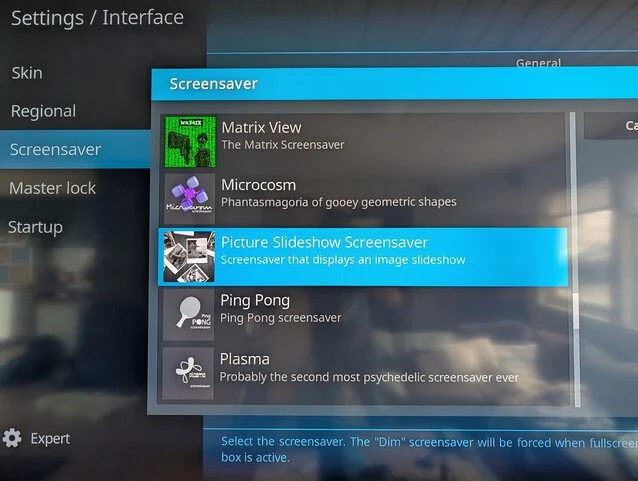
    Settings > Interface > Screensaver > Screensaver Mode

    By clicking on “Add More,” you will see a variety of screensavers that you can download, but the one we want is the “Picture Slideshow Screensaver.”

    Once this is installed, you can add a network location to the screensaver in the same way you would to the Kodi library. You can choose the timeout and select various transition effects, including the Ken Burns effect.

    A Few Caveats with Kodi

    Using Kodi for a pictures screensaver works quite well, but there are a few limitations. For starters, you cannot set the Kodi screensaver as the default in Android, which means Kodi must be open for the screensaver to activate.

    Moreover, running the screensaver can fill up your Android TV’s storage. This doesn’t happen immediately; in fact, it took about four years of using the Kodi picture screensaver before I noticed a slowdown on my 8 GB Nvidia Shield (available on Amazon) due to full storage. However, it’s something to keep in mind if your device has limited space.

    Exploring Immich for Self-Hosting

    Immich is a self-hosted photo and video management tool for computers and NAS devices. Setting it up is a bit more complex than simply installing Kodi, as it requires running an instance of Immich in a Docker container on your network storage. However, if you’re interested in self-hosting a Google Photos alternative, Immich is definitely worth considering. It provides various features, including automated photo backups from phones using the Immich app.

    If you already have or plan to establish an Immich instance, the (unofficial) Immich Android TV app can add a native Immich screensaver to your Android TV. Unlike Kodi, this can be set as the default screensaver and will activate no matter what app is open on your Android TV. The Immich screensaver can also display videos from your collection, with or without sound. Although Immich is completely free, you have the option to buy a personal or server license, which helps support the project, which gets regular updates.

    The Aerial Views Screensaver App

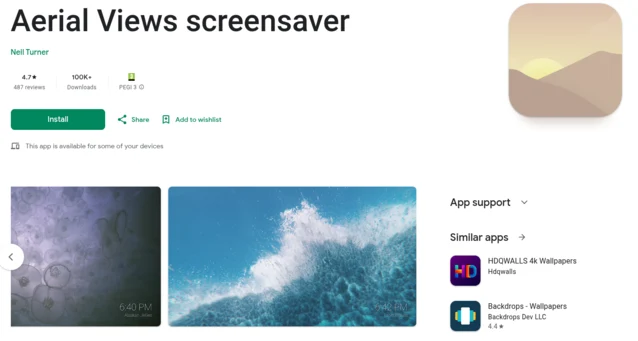
    The Aerial Views Screensaver app was initially created as a screensaver for Android TV that streams 4k videos, similar to the native screensaver on Apple TV. You can even configure it to use the same videos that Apple TV employs. Over time, the software has developed to include the ability to retrieve images and videos from an SMB share for your Android TV or similar devices.

    In contrast to Immich, this setup does not need any special hosting arrangements (although it can also access images from an Immich server). The app is completely free and open-source, allowing the code to be reviewed on GitHub. It also offers various additional features such as overlays for currently playing music, location info, image dates, and a clock. It even includes burn-in protection for OLED TVs when the overlay is used.

    Source:
    Link



  • DJI Osmo Nano Leaks After Osmo 360 Release

    DJI Osmo Nano Leaks After Osmo 360 Release

    Key Takeaways

    1. DJI has launched its first robot vacuum cleaner, available in three versions under the Romo series.
    2. The company has entered the 360-degree camera market with the Osmo 360, competing with GoPro and Insta360.
    3. Leaker Igor Bogdanov hints at an upcoming Osmo Nano that may rival the Insta360 Go Ultra.
    4. The Osmo Nano is expected to be smaller and sleeker than previous DJI action cameras, lacking a front display.
    5. The Osmo Nano’s launch is anticipated by the end of summer, according to predictions from industry insiders.


    DJI has recently introduced its first-ever robot vacuum cleaner, available in three different versions under the Romo series. Just recently, the firm also revealed the Osmo 360, marking its entry into the 360-degree camera market, competing with the GoPro Max 2 and the Insta360 X5 (currently priced at $549 on Amazon). Interestingly, Insta360 has also updated the X5 model.

    New Developments

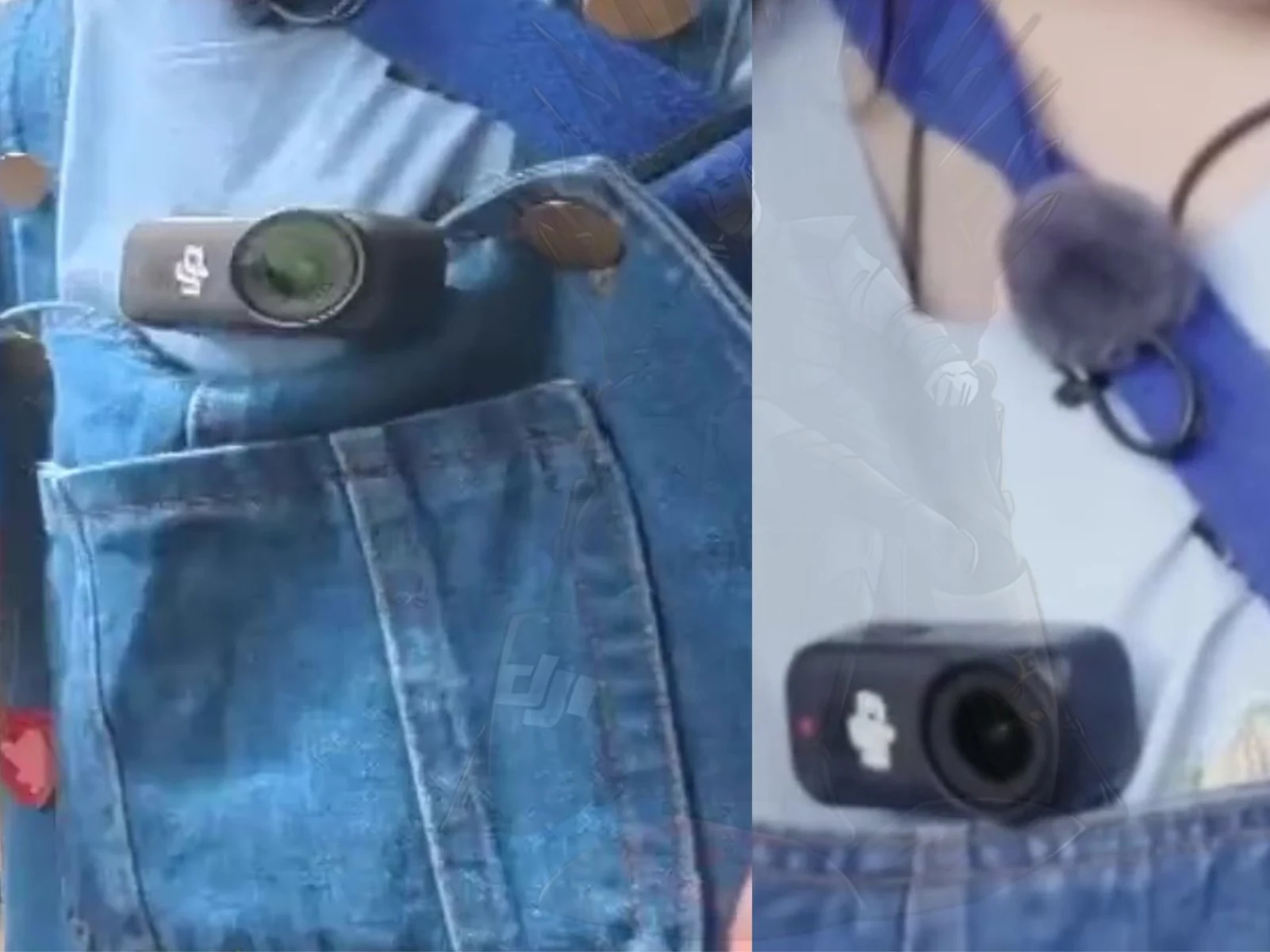
    Now that two of DJI’s long-anticipated products are officially out, leaker Igor Bogdanov has shifted focus to the enigmatic Osmo Nano. New pictures suggest that the Osmo Nano may challenge the Insta360 Go Ultra, although the launch date for that device is still not announced. While details regarding specifications remain scarce for now, it appears the Osmo Nano features a single camera as its main component.

    Smaller and Sleeker

    It looks like the Osmo Nano is more compact compared to DJI’s other recent action cameras, such as the Osmo Action 5 Pro. In line with this, the Osmo Nano does not have a front display. Instead, DJI is likely to provide this capability through a removable display that resembles the design of the older Action 2. Presently, Jasper Ellens predicts that the Osmo Nano will be released by the end of summer.

    Source:
    Link



  • GoPro Max 2 Expected to Outperform Recent Models in Heat Management

    GoPro Max 2 Expected to Outperform Recent Models in Heat Management

    Key Takeaways

    1. The market for 360-degree action cameras is becoming more competitive with new releases from DJI and Insta360.
    2. DJI launched the Osmo 360 and provided significant firmware and app updates to enhance its features.
    3. GoPro has teased the upcoming Max 2 but has not announced an official launch date yet.
    4. GoPro’s Max 2 is expected to outperform the Osmo 360, particularly with replaceable lenses and improved heat management.
    5. Innovations in design, like separate heat sinks, are anticipated in the Max 2 to address overheating issues faced by previous models.


    The market for 360-degree action cameras is becoming more competitive. Just last week, DJI released its first version called the Osmo 360. In response, Insta360 has launched a new limited edition of the X5. Not wanting to fall behind, DJI also rolled out significant firmware and app updates for the Osmo 360, adding several new features.

    GoPro’s Anticipated Release

    On the other hand, GoPro’s new product is still upcoming. They teased the Max 2 over a month ago, but an official launch date is yet to be announced. Influencers are suggesting that it might be coming soon. It looks like GoPro wanted to wait for DJI to release the Osmo 360 before they unveil the GoPro Max 2.

    Speculations and Features

    As we mentioned a few days ago, GoPro hinted that the Max 2 will outperform the Osmo 360, especially in terms of replaceable lenses. Igor Bogdabov has indicated that GoPro might have tackled the overheating issues that have plagued its recent action cameras. If the patent images are accurate, the Max 2 seems to include two separate heat sinks. It appears that GoPro has added a special cooling system for the camera’s sensor, while the outer shell is designed to help dissipate heat, as hinted by a leak from over a year ago. Check out the images below for more information.

    Conclusion

    Igor Bogdanov’s insights add to the excitement surrounding the upcoming Max 2. As competition heats up, consumers can expect more innovative features and improvements in the world of action cameras.

    Source:
    Link



  • Xgimi Unveils New Titan Professional Projector Features

    Xgimi Unveils New Titan Professional Projector Features

    Key Takeaways

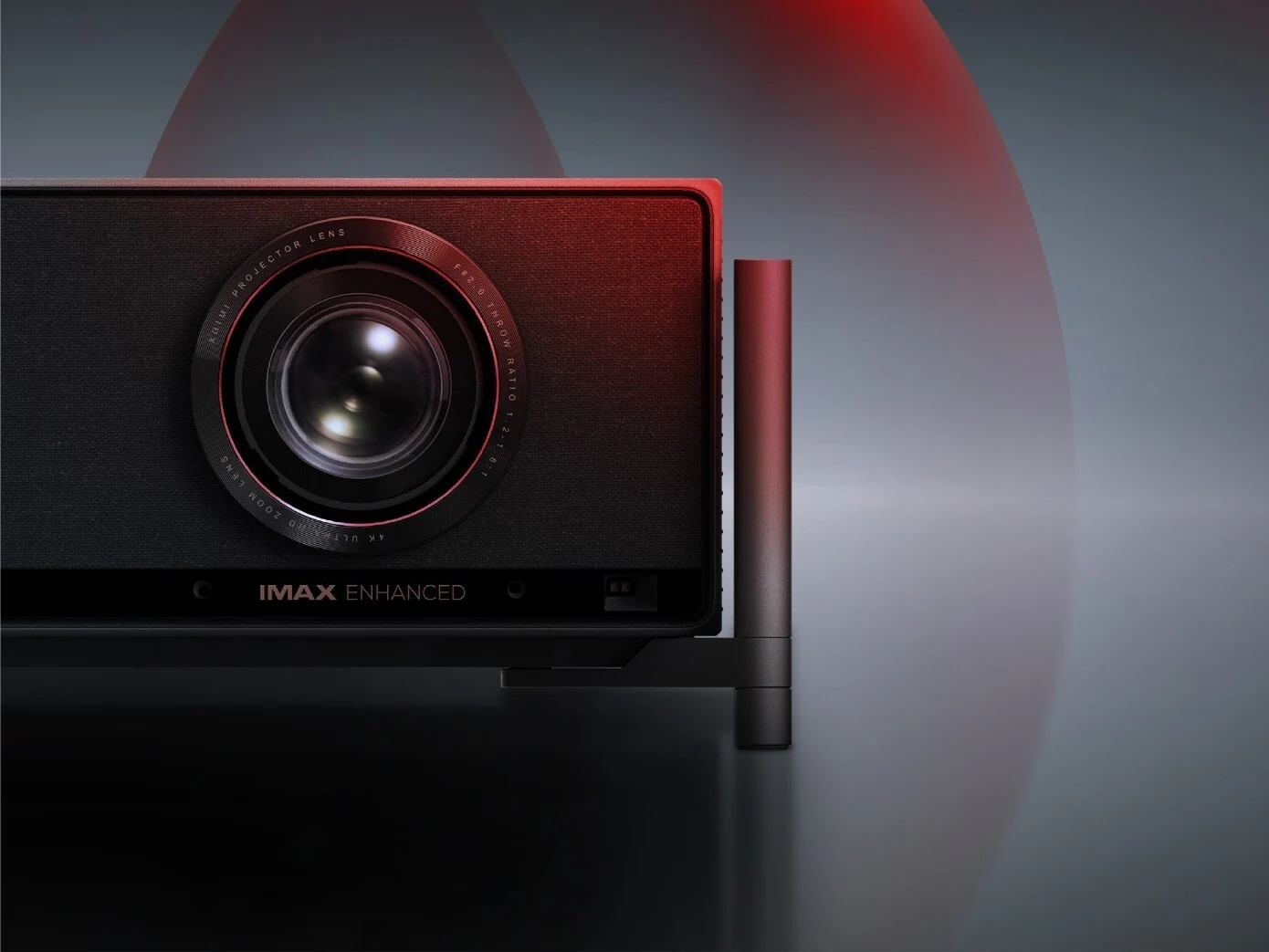
    1. Xgimi is set to launch the Titan projector, designed for professional use in immersive events and meeting rooms, but also suitable for home theater enthusiasts.
    2. The Titan is expected to feature 4K Ultra-HD resolution, a zoom lens, an f/2.0 aperture, and a throw ratio of 1.2 to 1.8:1.
    3. The projector will support IMAX Enhanced technology, enhancing the viewing experience for users.
    4. The official reveal of the Titan will take place at IFA 2025 in Berlin on September 4th, 2025.
    5. Details about the Titan’s market release date and pricing are yet to be announced, with Xgimi’s most expensive model currently priced at $2,699.


    Xgimi is hinting at the arrival of the Titan, their first projector aimed at professional use. This device is intended for environments like immersive events or meeting rooms, but the company also believes it could appeal to those looking to enhance their home theater experience.

    Features and Specifications

    The Titan projector by Xgimi is being touted as ‘category-defining,’ but specific features haven’t been disclosed yet. A teaser image associated with the projector does provide some insight into its specs. It seems to be a 4K Ultra-HD projector equipped with a zoom lens. From the image, it looks like it has an f/2.0 aperture and a throw ratio ranging from 1.2 to 1.8:1. It will also support IMAX Enhanced technology. However, it’s not clear if the stand visible in the image is built-in or separate.

    Upcoming Unveiling

    The full reveal of the Xgimi Titan projector is anticipated at IFA 2025, which kicks off in Berlin on September 4th, 2025. During this event, Xgimi is also expected to reveal additional details about other projectors suited for purposes beyond home use. It is still uncertain when the Titan will hit the market or what its price point will be. As of now, the priciest model from Xgimi is the Aura 2, which can be found for $2,699 on Amazon.

    Source:
    Link