Category: Video / Photo

  • DJI Mini 5 Pro Unboxing and First Flight Video Now Live

    DJI Mini 5 Pro Unboxing and First Flight Video Now Live

    Key Takeaways

    1. The DJI Mini 5 Pro is expected to launch next week, with potential dates on September 16, 17, or 18, but no official confirmation from DJI yet.
    2. Retailers are already stocked with DJI Mini 5 Pro packages, with prices ranging from €819 for the standard package to €1,159 for the Fly More Combo with DJI RC2.
    3. Images of the DJI Mini 5 Pro and its packages have been shared online, showing the product in real settings.
    4. A dealer in India has posted exciting YouTube videos, including unboxings and the drone’s first flight, though the content is in Hindi.
    5. The YouTube videos feature details about the drone, including ND filters, camera specifications, and LiDAR sensors.


    There’s no official teaser yet for the DJI Mini 5 Pro, which is expected to launch next week. While Jasper Ellens has suggested the launch may happen on September 16, other leaks hint at possible dates of September 17 or 18. DJI has not confirmed any date, which could mean there might be more delays.

    Retailers Are Ready

    Interestingly, there are multiple hints from the community on platforms like Reddit and X, showing that retailers are already stocked up. For instance, a DJI retailer in Cyprus has been found with DJI Mini 5 Pro packages ready for order. The standard package is priced at €819, the Fly More Combo with DJI RC-N3 at €1,029, and the Fly More Combo with DJI RC2 at €1,159, all appear to be available for purchase.

    Visuals of the Mini 5 Pro

    We’ve also pulled some images from the source that reveal the items included in the three different drone packages in actual settings.

    Additionally, Mauro Tandoi shared photos of the DJI Mini 5 Pro, both inside and outside its carrying case, on X.

    Exciting Videos from India

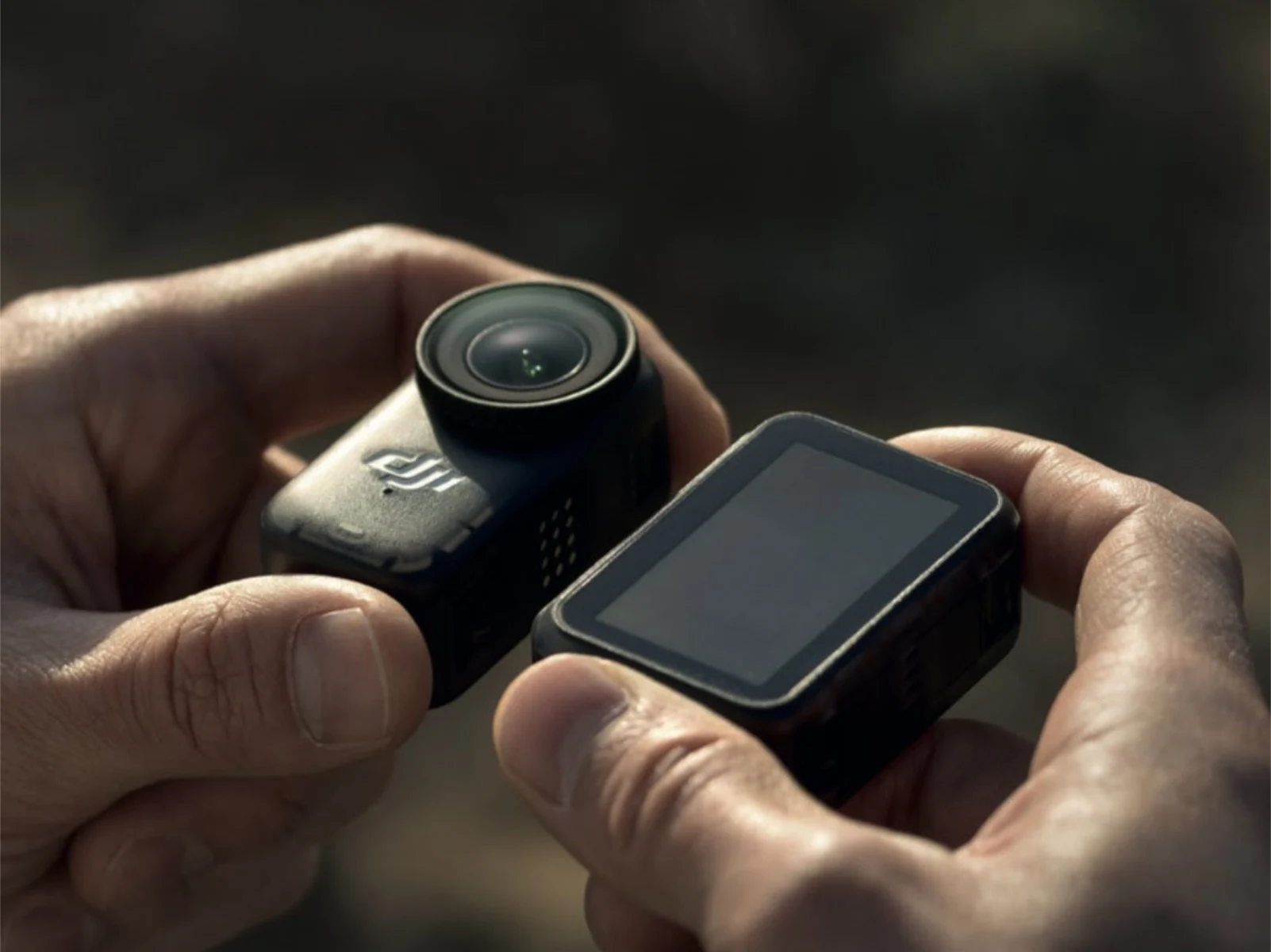
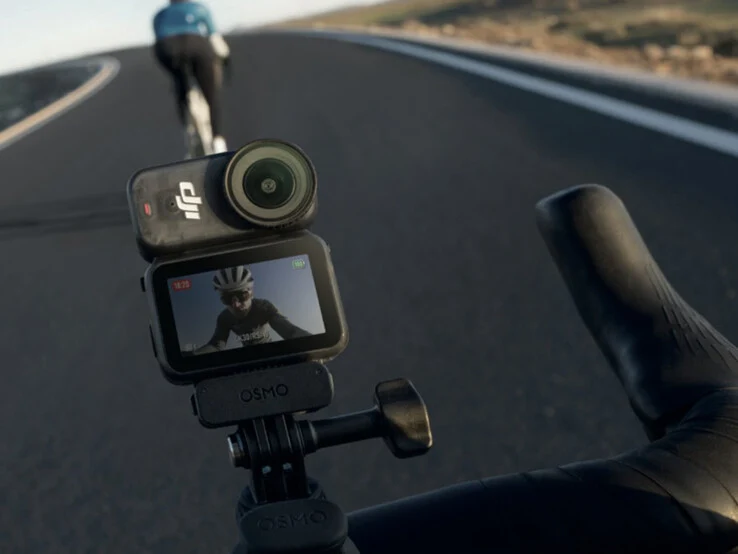
    What’s even more thrilling are the videos posted on YouTube by a dealer in India. You can view a complete 15-minute video at the end of the article, although it’s in Hindi. The auto-translate feature can help you get translations in various languages, and the YouTube channel also presents five short clips from the video. These clips show brief unboxings, the first flight, and various details like ND filters, the camera, and LiDAR sensors.

    Source:
    Link


  • Severance Season 3: Game-Changing Camera Equipment for the Show

    Severance Season 3: Game-Changing Camera Equipment for the Show

    Key Takeaways

    1. Camera Systems: Seasons 1 and 2 were primarily filmed using the Sony Venice 2 camera, known for its rich color science. The Sony FX3 was also used for dynamic shots.

    2. Vintage Look: The show’s ’70s-inspired aesthetic was achieved using Panavision C Series anamorphic lenses, which provide unique optical traits and a wide aspect ratio.

    3. Dolly Zoom Effect: A complex dolly zoom effect illustrates the innie/outie transition, using Kuper motion control software for automated camera movements.

    4. Film Usage: Certain flashback scenes were shot on 35mm and 16mm film to create a distinct texture, contrasting with the digital footage of the main storyline.

    5. Production Changes: Ben Stiller will not direct Season 3 but will remain a producer, working with showrunner Dan Erickson to maintain the series’ vision.


    As excitement grows for the upcoming third season of Apple TV+’s Severance, the show’s unique visual style continues to captivate its audience. Although the official details for Season 3 are still trickling in, insights from the previous seasons and comments from the creative team shed light on the camera gear that will likely help maintain the series’ distinct cinematic aesthetic.

    Camera Systems Used

    Both Season 1 and Season 2 were filmed largely using the Sony Venice 2 camera system. Cinematographer Jessica Lee Gagné confirmed that the Venice served as the main camera, praised for its color science and ability to produce rich images. For more specific or dynamic shots, especially those needing a compact setup, the crew has also made use of cameras like the Sony FX3 on gimbals. This was particularly evident in the intricate and extended hallway scenes of Season 2.

    A Touch of Vintage

    To create the show’s unique, ’70s-inspired look, the camera systems were combined with Panavision C Series anamorphic lenses. Gagné mentioned her fondness for these classic lenses, which offer a wide aspect ratio and distinctive optical traits, such as gentle lens flares and a characteristic oval bokeh that adds to the show’s eerie, cinematic vibe. Additionally, Panavision Primo 70 lenses and the 19-90mm Panavision zoom lens have also been utilized for particular moments, including the now-famous “dolly zoom” effect.

    The Dolly Zoom Effect

    This dolly zoom effect, which visually illustrates the innie/outie transition, is a complicated shot that merges a physical dolly move with a synchronized zoom on the lens. Reports suggest that this technique is automated with Kuper motion control software, which calculates the zoom based on the camera’s manual movements forward or backward.

    For certain flashback scenes in the series, real film was used to give a different texture and grain. These scenes were captured on 35mm film (2-perf Techniscope) and 16mm film, creating a sharp visual difference compared to the digital filming of the main storyline.

    Future of the Series

    Although executive producer Ben Stiller has played a crucial role and directed several episodes in the first two seasons, he has announced that he won’t be directing any episodes for Season 3 due to other obligations. He will still be involved as a producer, working alongside showrunner Dan Erickson to keep the original vision of the show intact.

    As of late 2025, there hasn’t been an official start date for Season 3’s production, though Apple TV+ executives have suggested that they are trying to avoid the three-year hiatus that happened between Seasons 1 and 2.


  • New Anker Nebula Portable Projectors Coming Soon

    New Anker Nebula Portable Projectors Coming Soon

    Key Takeaways

    1. The Nebula P1 is the first portable projector with detachable speakers, with a second version called the Nebula P1i that features adjustable angle speakers.
    2. The projector allows users to change the projection angle and includes a built-in handle for easy transportation.
    3. Technical details like resolution and maximum brightness have not yet been disclosed by Anker.
    4. The Nebula P1 will launch in the US on October 6th with a retail price of $799.99, which can be reduced to $719.99 with a mailing list sign-up.
    5. A complimentary projector screen valued at $169 will be included with the purchase, while the release date for the Nebula P1i and its availability in Europe are still unannounced.


    Anker has revealed the soundcore Nebula P1, a portable projector that came out right after the company introduced the Nebula X1 Pro mobile home theater station.

    Features of the Nebula P1

    Anker claims that the Nebula P1 is the first-ever portable projector with detachable speakers. Additionally, there is a second version, the Nebula P1i, which features speakers that can be adjusted at different angles. The company has not yet shared the technical details of these projectors, including their resolution or maximum brightness. However, pictures of the Nebula P1 indicate that the projector can tilt within its casing, allowing users to change the projection angle. It also includes a built-in handle for easier transportation. On the other hand, the Nebula P1i comes with a stand that positions the projector at a slight incline. Both models are anticipated to have a battery similar to the previously released Nebula Mars 3 Air, which currently retails for $439.99 on Amazon.

    Pricing and Launch Date

    The Anker soundcore Nebula P1 projector is expected to be available in the US starting October 6th. The suggested retail price is set at $799.99, but customers can sign up for the mailing list to receive an $80 discount, bringing the price down to $719.99, along with a complimentary projector screen valued at $169. No announcements have been made yet regarding the release of the soundcore Nebula P1i or its European availability.

    Source:
    Link


  • Oppo Find X9 Pro: Hasselblad Camera Kit Officially Confirmed

    Oppo Find X9 Pro: Hasselblad Camera Kit Officially Confirmed

    Key Takeaways

    1. Hasselblad will introduce a camera grip with dockable optics for the Oppo Find X9 Ultra and Find X9 Pro, enhancing usability with magnets.
    2. The teleconverter lens from Hasselblad is expected to deliver high quality, similar to the Vivo X200 Ultra’s external lens setup.
    3. The Oppo Find X9 Pro will focus on a telephoto camera, featuring a 200 MP sensor and approximately 3x zoom, improving on its predecessor.
    4. Development of a camera solution for the Oppo Find X9 Pro is confirmed, but details about the final product may vary from the initial concept.
    5. Video accessories are planned for the base Oppo Find X9 model, but it’s unclear if they will include external lenses or be available globally at launch.


    A concept image showcasing a Hasselblad camera grip with additional optics was shared by a Weibo user named “Camera-possessed.” This has now been officially validated by Zhou Yibao, who is the product manager for the Find series. For the first time, Hasselblad will offer a camera grip with dockable optics not only for the upcoming Find X9 Ultra, which is anticipated in 2026, but also for the Oppo Find X9 Pro. The Weibo user noted that this setup will be simpler to use due to magnets, making it an improvement over previous snap-on camera kits from brands like Xiaomi and Vivo.

    Quality Expectations

    As the teleconverter lens also comes from Hasselblad, good quality is expected. This setup is likely to work similarly to the Vivo X200 Ultra, which utilizes an external lens to extend its 85mm equivalent telephoto lens to an optical focal length of 200mm. Earlier reports suggest that the Oppo Find X9 Pro will feature only a telephoto camera, unlike its predecessor, the Oppo Find X8 Pro. However, it is anticipated to offer better quality with its 200 MP sensor and approximately 3x zoom.

    Future Developments

    While the Oppo manager has not shared specific details about the camera kit and emphasized that the final product may differ from the concept design shown earlier, he did confirm that a camera solution for the Oppo Find X9 Pro is under development. Additionally, video accessories are planned for the base model of the Oppo Find X9, although it is still unknown if these will include external lenses. It also remains uncertain whether these Hasselblad accessories will be available globally when the Oppo Find X9 is launched, which is expected to happen very soon.

    Source:
    Link


  • MSI Launches Magnetic SSD: 40Gbps Speed for Your Phone

    MSI Launches Magnetic SSD: 40Gbps Speed for Your Phone

    Key Takeaways

    1. Enhanced Speed Capabilities: The Datamag 40Gbps SSD offers speeds of 4,000 MB/s for reading and 3,600 MB/s for writing, a significant upgrade from the previous model’s 1,600 MB/s.

    2. Compact and Portable Design: The SSD features a lightweight aluminum enclosure measuring 2.6 × 0.5 inches, making it easy to carry and attach to devices.

    3. Ideal for Mobile Creators: The magnetic design allows users to easily attach the drive to devices, facilitating productivity for creators and enabling direct recording of ProRes videos on iPhones.

    4. Storage Options: The Datamag 40Gbps will be available in 1 TB, 2 TB, and 4 TB capacities.

    5. Upcoming Release: MSI plans to release the SSD worldwide in the coming months, though specific launch dates and pricing are not yet announced.


    MSI has unveiled the Datamag 40Gbps, a compact magnetic SSD featuring a USB4 40Gbps interface. This latest addition builds upon the 20Gbps version that MSI released in October 2024. Customers can look forward to its availability in the next few months.

    Enhanced Speed Capabilities

    The earlier Datamag model had a maximum speed of around 1,600 MB/s. However, MSI claims that the new USB4 update significantly increases the speed, offering 4,000 MB/s for reading and 3,600 MB/s for writing. This performance level places it among rapid USB4 magnetic drives, similar to the Corsair EX400U, which currently retails for $179.99 on Amazon for the 2 TB variant. To fully utilize these speeds, users will need a device that supports USB4 or Thunderbolt 4, although it remains compatible with any USB-C device, including the latest iPhones.

    Compact and Portable Design

    Constructed from aluminum, the drive’s enclosure measures 2.6 × 0.5 inches, making it highly portable and easy to fit into a pocket or compact camera bag. Weighing slightly less than 3 ounces, it is lighter than the Corsair EX400U, which weighs in at 3.2 ounces, giving it an advantage in terms of portability. Additionally, MSI includes metal rings in the package, allowing the drive to attach securely to nearly any device, such as laptops and cameras, even if you lack a MagSafe or Qi2 phone.

    Perfect for Creators on the Go

    Magnetic drives like the Datamag 40Gbps are ideal for mobile creators. Thanks to the magnetic rings, users can easily attach the drive to the back of their devices, reducing the mess of cables and enhancing productivity while working outside. For iPhone users, it’s also possible to record ProRes videos directly onto the SSD, which helps to avoid issues with internal storage limits. MSI states that the 4TB model can accommodate up to 143 minutes of 4K/120 fps footage, making it a valuable tool for aspiring photographers and videographers.

    Availability and Future Details

    The Datamag 40Gbps will come in storage options of 1 TB, 2 TB, and 4 TB. Though MSI has yet to announce a specific launch date or pricing information, the SSD is anticipated to be released worldwide shortly.

    Source:
    Link


  • HP Launches 5-Inch Touch Screen Film Scanner for Negatives & Slides

    HP Launches 5-Inch Touch Screen Film Scanner for Negatives & Slides

    Key Takeaways

    1. The HP FilmScan (HPFS500) is a compact film scanner that supports 35 mm, 126, and 110 film formats, making it convenient for film lovers to digitize their collections.

    2. It features a 13 MP CMOS sensor with digital interpolation capabilities to enhance images up to 22 MP, although the quality improvement is uncertain.

    3. The user-friendly 5″ LCD touchscreen allows for easy previewing and editing of scanned images, including options for cropping and adjusting exposure, contrast, and white balance.

    4. Film photography is experiencing a revival, and the HP FilmScan provides an accessible way to digitize old negatives and slides, appealing to those who appreciate vintage aesthetics.

    5. Priced at $229, the HP FilmScan is similar to the Kodak Slide N Scan, which is priced at $189 and has a high user rating, making it a competitive alternative for consumers.


    HP FilmScan: A Convenient Scanner for Film Lovers

    The HP FilmScan 5” touchscreen film scanner, known as the HPFS500, has been introduced by C+A Global, which holds the licensing for the HP Devices brand. It features a compact size of 4.6″ in width, 5.7″ in length, and 3.5″ in height. The scanner comes equipped with adapters for 50 mm slides and trays for film strips, making it easy to scan negatives or slide films in 135 (35 mm), 126, and 110 formats.

    Scanning Capabilities

    This device is powered by a 13 MP 1/3.06” CMOS sensor, which is the resolution at which your scans will initially be produced. There’s also a built-in digital interpolation feature allowing you to enhance the images up to 22 MP, though the quality improvement from this process is unclear. A microSD slot enables you to save the digitized images on a card, or you can transfer them straight to your computer via USB-C.

    User-Friendly Display

    The 5″ LCD screen provides a wide viewing angle for previewing and making edits to scanned images. Users can access features such as auto/manual cropping, exposure adjustments (±2 EV), contrast, and white-balance modifications. This could be extremely beneficial for anyone with a collection of old negatives or slides of family memories that they wish to restore.

    Film Photography’s Comeback

    Recently, film photography has seen a significant revival, with popular models like the Pentax 17 (available on Amazon), the Kodak Ektar H35 half-frame point-and-shoot, and the budget-friendly Kodak Funsaver disposable camera. If you’ve embraced this trend and appreciate the vintage aesthetic of film, the HP FilmScan offers a great solution for digitizing your favorite images without needing to print your developed films.

    Pricing and Alternatives

    The HP FilmScan is currently listed on Amazon for $229. However, there’s a useful piece of information: C+A Global also produces the Kodak Slide N Scan, which is practically identical to this scanner but with a different exterior design. Upon reviewing the specifications, we found that both devices utilize the same sensor, lens, LCD, and come with identical features and accessories. The Kodak Slide N Scan, however, is priced at just $189 on Amazon and boasts a 4.4-star rating with over 11,000 reviews.

    For those with professional scanning requirements, consider looking into the more costly yet more powerful Plustek OpticFilm 8200i SE.

    Source:
    Link


  • Leica Auctions Exclusive M-A No.5000000 35mm Rangefinder Kit

    Leica Auctions Exclusive M-A No.5000000 35mm Rangefinder Kit

    Key Takeaways

    1. Auction Event: Leica will auction a unique ‘Pope Francis’ M-A No.5000000 camera on November 22nd at the Hotel Imperial in Vienna during the 47th Leitz Photographica Auction.

    2. Camera History: Leica is a renowned German brand that launched the first successful 35mm film camera, the Leica I, in 1925 and has since excelled in both mechanical and digital photography.

    3. Unique Design: The ‘Pope Francis’ M-A features a special silver chrome and white design with engravings that include the Keys of Peter and the motto ‘Miserando atque eligendo’.

    4. Technical Features: The camera has a shutter speed of 1 to 1/1000th of a second, ISO settings from 6 to 6,400, and includes a Noctilux-M 50mm f/1.2 lens designed for beautiful bokeh effects.

    5. Charitable Auction: The starting bid is €30,000, with all proceeds going to charity, and pre-bidding runs from October 22 to November 22, 2025.


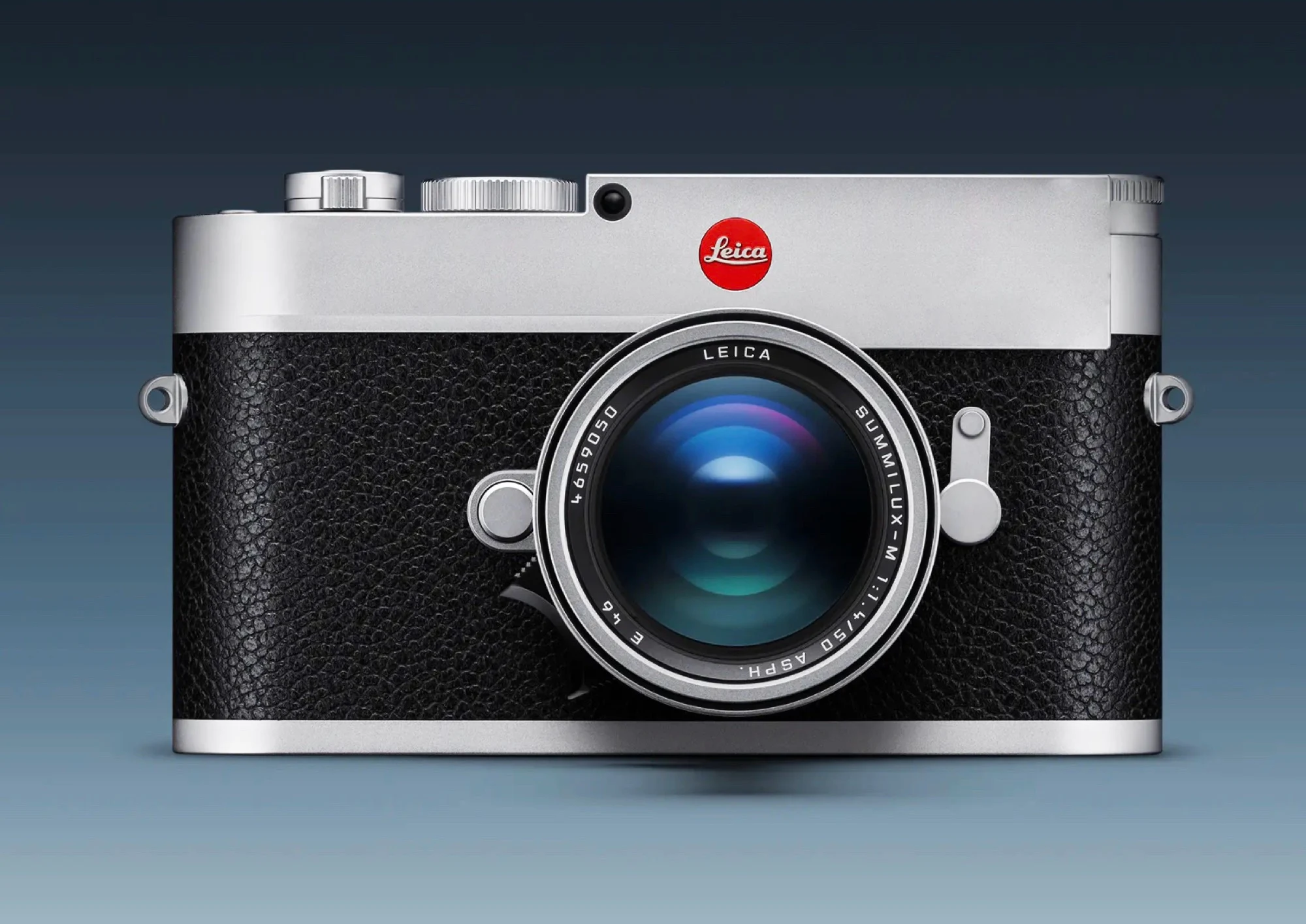
    Leica has revealed plans to auction a unique ‘Pope Francis’ M-A No.5000000, an all-mechanical 35mm rangefinder, during the 47th Leitz Photographica Auction. This event is scheduled for November 22nd at the Hotel Imperial in Vienna.

    History of Leica

    Leica, a well-known German brand, made its mark in 1925 with the launch of the world’s first successful 35mm film camera, the Leica I. Over the years, the company has consistently provided top-notch mechanical 35mm film cameras and lenses, as well as branching into digital photography in recent years.

    Features of the Leica M-A

    The Leica M-A (Typ 127) is a fully mechanical, metal-bodied 35mm film camera that was introduced in 2014. It works well with the company’s acclaimed M-Lenses. Unlike many other 35mm film cameras, the M-A employs a rangefinder focusing system (which is further detailed in the video below). This system does not experience the momentary image blackout that pentaprism SLRs face during shooting. Photographers align two overlapping images to focus accurately with rangefinders, a method some find easier than the single-image adjustment required by SLRs.

    Special Design for His Holiness

    The ‘Pope Francis’ M-A features a distinctive design tailored specifically for the Pope. Its silver chrome body is covered in white instead of the usual black, and it includes white-painted elements such as the back door. Unique engravings on this exclusive rangefinder are filled with black, gold, and white paint. Notable features include the Keys of Peter on the flash cover and the motto ‘Miserando atque eligendo’ on the top plate’s back.

    The paired Noctilux-M 50mm f/1.2 lens boasts a chrome body with engravings in gold and white paint. The lens caps are adorned with engravings of the Coat of Arms of Vatican City and mark the date Pope Francis received this special gift in 2024.

    Technical Specifications

    This camera has a shutter speed ranging from 1 to 1/1000th of a second, with a bulb option, and offers an ISO speed setting between 6 and 6,400. It features a manual rapid wind lever for frame advance, though an optional Leica Winder can automate this process. A hot shoe on top allows for external flash units, with a flash sync speed of 1/50th of a second. The overall dimensions of the base M-A are 138 × 38 × 77 mm (5.43 × 1.50 × 3.03 in.) and it weighs 578 g (1.27 lbs.).

    The lens consists of six elements, including two aspherical lenses arranged in four groups, which help create a beautiful bokeh at the wide open aperture of f/1.2. It can be stopped down to f/16 in half-stop increments, and the focusing range extends from 1 m (3.3 ft.) to infinity.

    Auction Details

    Those interested can sign up for the Leitz Photographica Auction before pre-bidding opens, which runs from October 22 to November 22, 2025. The starting bid is set at €30,000, with all proceeds going to charity. For those who miss out on the Pope’s M-A, the standard Leica M-A in silver and black is available on Amazon.

    Source:
    Link


  • Nikon Launches 24.5 MP 6K Cinema Camera with 15 Stops Dynamic Range

    Nikon Launches 24.5 MP 6K Cinema Camera with 15 Stops Dynamic Range

    Key Takeaways

    1. Nikon’s new 24.5MP ZR camera is designed for professional filmmakers and incorporates RED technologies.
    2. The camera features a full-frame sensor with an ISO range of 100 to 64,000 and stabilization up to 7.5 stops.
    3. It can record video at up to 6K60p and offers over 15 stops of dynamic range in 12-bit Redcode RAW.
    4. The build is made of magnesium alloy, making it dust and drip resistant, with a compact size and weight of 1.19 lbs.
    5. The ZR camera is priced at $2,199.95 and is set to launch in late October 2025.


    Nikon has introduced the new 24.5MP 6K60p ZR full-frame mirrorless cinema camera, designed with RED technologies, aimed at professional filmmakers.

    Background on RED

    RED was established by James Jannard, the same person who created Oakley. The brand has gained popularity in Hollywood, thanks to its impressive resolution, exceptional image quality, and compact design at a reasonable price. Nikon took over RED in 2024.

    Features of the ZR Camera

    The ZR model uses RED’s color science and related technologies, making it suitable not only for filmmaking but also for photography. It includes many features that are typical of other Z cameras, like AI autofocus and compatibility with Z-mount lenses.

    The full-frame sensor offers an ISO range from 100 to 64,000, with a dual base ISO of 800 and 6,400 specifically for video. It also provides stabilization up to 7.5 stops, as stated by Nikon. Filmmakers have the flexibility to adjust the shutter angle from 5.6° to 360°, while photographers can set the electronic shutter speed anywhere between 900 to 1/16,000 sec.

    Recording and Display Capabilities

    The camera can film videos at a resolution of up to 6K60p and boasts over 15 stops of dynamic range in 12-bit Redcode RAW (R3D NE) codec. This allows users to maintain a consistent color space and log curve that match those of RED cameras, facilitating easier post-production when combining footage from different sources. With Nokia OZO Audio, filmmakers can also capture spatial audio for greater realism in their projects.

    Photos and videos are viewable on a 4-inch vari-angle LCD screen that offers 1000-nits brightness and covers the DCI-P3 color space. The monitor is equipped to display features like video histograms, waveforms, and zebra patterns, which help filmmakers keep an eye on the image quality.

    Build and Specifications

    Crafted from magnesium alloy, the body is both dust and drip resistant. The ZR’s dimensions are 5.2 x 3.2 x 1.9 in. (133 x 80.5 x 48.7 mm), and it weighs 1.19 lbs. (0.54 kg). The camera can continuously record for 125 minutes when using its internal battery, or until the CFexpress Type-B or microSD (UHS-1) cards reach capacity if using an external USB-C power source.

    The Nikon ZR has a manufacturer’s suggested retail price of $2,199.95 and is expected to launch in late October 2025. Interested buyers can find it in the Nikon store on Amazon.

    Source:
    Link


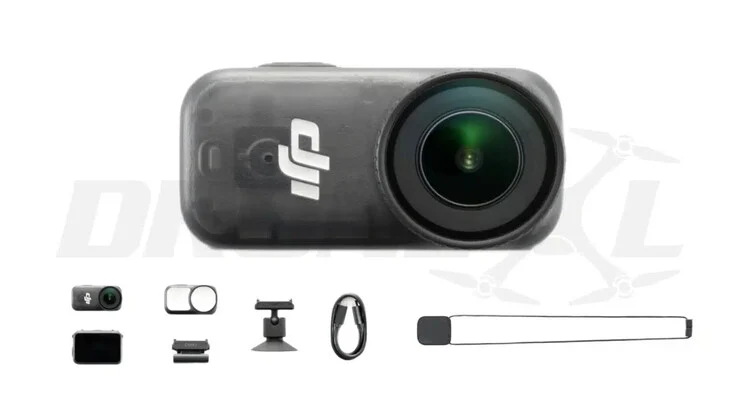
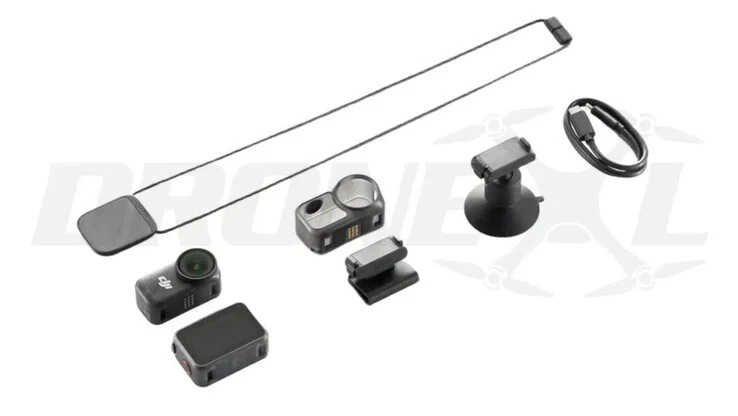
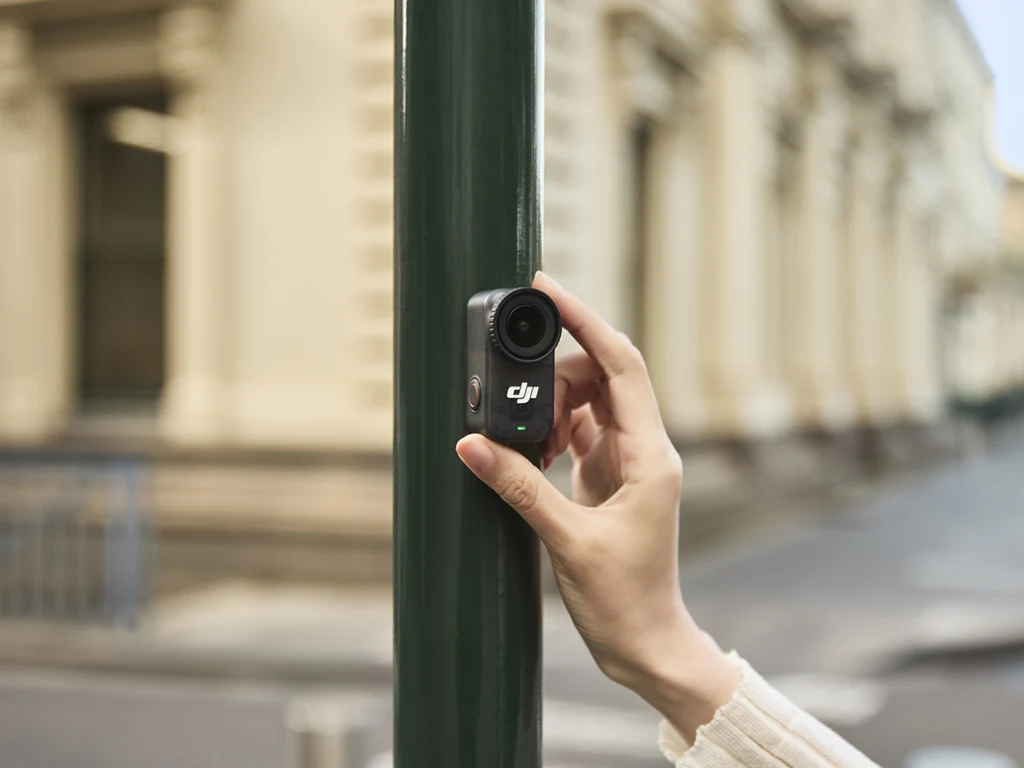
  • DJI Osmo Nano Retail Packaging Leaks; Mini 5 Pro Teaser Missing

    DJI Osmo Nano Retail Packaging Leaks; Mini 5 Pro Teaser Missing

    Key Takeaways

    1. DJI is expected to launch the Mini 5 Pro drone on September 16, but has not confirmed a successor to the Mini 4 Pro.
    2. A new version of the Action 2 camera is rumored to be released today, despite DJI’s lack of teasers.
    3. The Osmo Nano will feature 128 GB of built-in storage and multiple accessory packs, as revealed in a YouTube Short.
    4. Official images of the Osmo Nano were shared by Roland Quandt, indicating its launch date is set for September 10.
    5. There is uncertainty regarding the availability of the Osmo Nano and the Mini 5 Pro, with conflicting launch timelines.


    DJI seems to be keeping leaks on their toes this month regarding new product releases. Just yesterday, there was anticipation for the company’s first teaser about the Mini 5 Pro drone, set to launch on September 16. While it’s clear that the drone is real and in the hands of some influencers, DJI has not yet confirmed that it is working on a successor to the Mini 4 Pro.

    Speculations Around the Osmo Nano

    Similarly, the long-awaited new version of the Action 2, which currently costs $289 on Amazon, is said to be launching later today. Usually, DJI shares a teaser about a week before a product’s official reveal. However, this time the company has chosen to remain silent about the Osmo Nano.

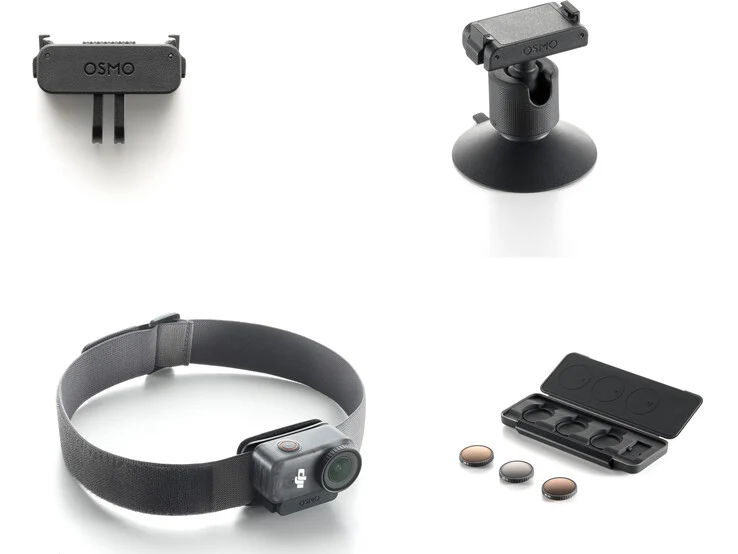
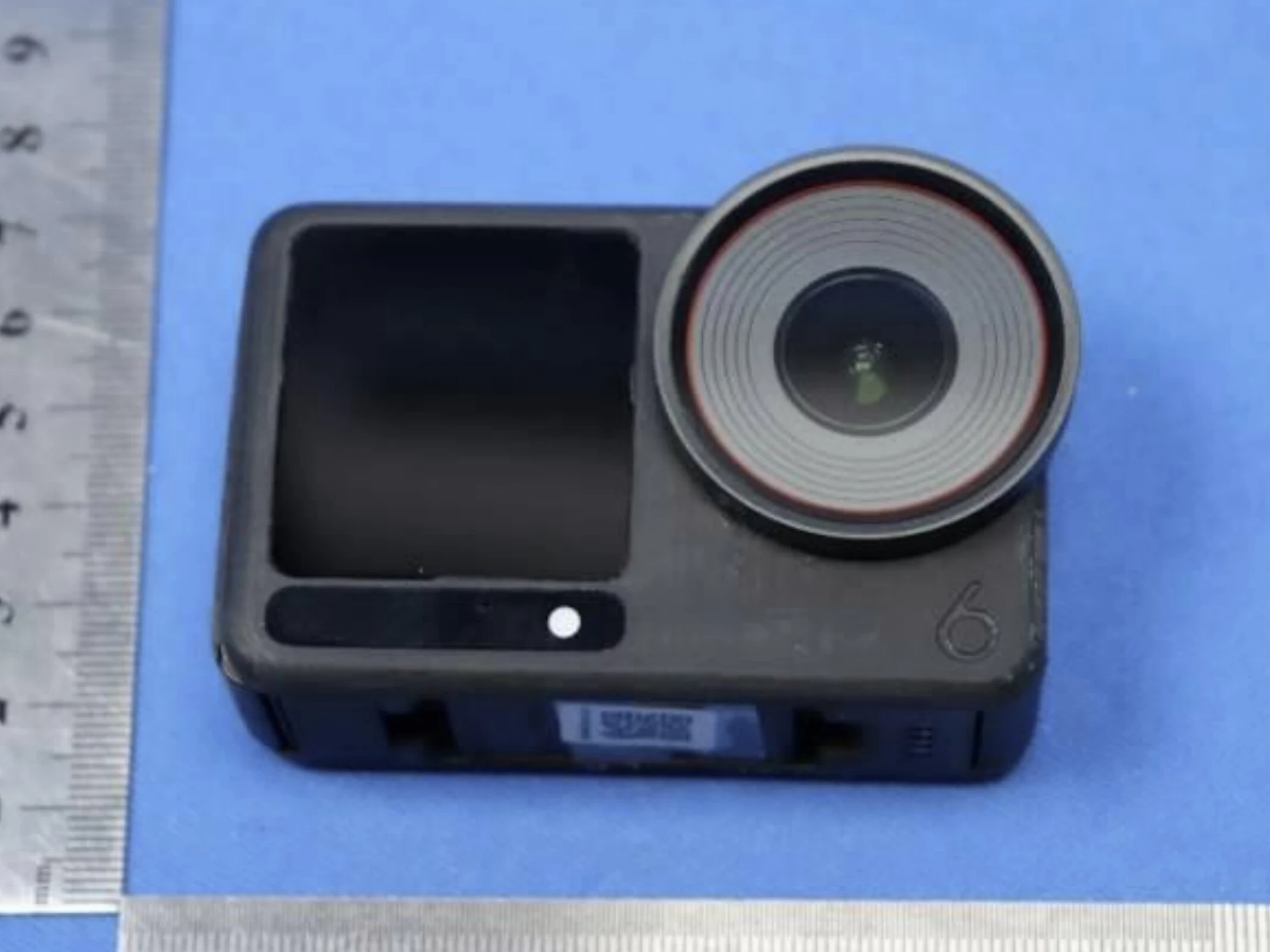
    In spite of this, The Product Village was seen posting a YouTube Short to introduce the Osmo Nano to their audience. This video was shared on X by Igor Bogdanov and shows that the Osmo Nano will come with 128 GB of built-in storage. It also suggests that DJI is offering several accessory packs, similar to their earlier action cameras.

    Product Images and Release Dates

    Moreover, Roland Quandt has posted several official images of the Osmo Nano on Bluesky. It appears that DJI has privately indicated that the Osmo Nano is set to launch on September 10. However, there is still uncertainty about whether the Osmo Nano will be available starting today, or if the Mini 5 Pro will be ready in less than a week.

    Source:
    Link


  • Baseus PrimeTrip VD1 Pro Dash Cam with GPS and No-Wire Parking

    Baseus PrimeTrip VD1 Pro Dash Cam with GPS and No-Wire Parking

    Key Takeaways

    1. Innovative Power System: The PrimeTrip VD1 Pro dash cam features the Solar Sync System 2.0, combining a solar panel and a lithium battery for up to 14 days of parking monitoring without hardwiring.

    2. Superior Recording Quality: It records in 4K resolution using a Sony IMX335 STARVIS sensor, offering a 170-degree field of view, HDR, and night vision capabilities, while the rear camera records at 1080p.

    3. Collision Detection: The built-in G-sensor activates the dash cam during collisions or impacts, capturing 30-second clips from both front and rear cameras.

    4. Additional Features: It includes real-time GPS tracking, hands-free voice control, a 32 GB microSD card, a built-in display, and a companion app for managing recordings and settings.

    5. Price and Availability: The Baseus PrimeTrip VD1 Pro dash cam is available on Amazon for $169.99.


    Baseus has introduced the PrimeTrip VD1 Pro dash cam, claiming it’s the first model that provides parking monitoring without being hardwired to a vehicle’s battery.

    Innovative Power System

    This dash cam runs on Baseus’s Solar Sync System 2.0, which merges a solar panel with a 380 mAh lithium battery. The company asserts that this arrangement can offer up to 14 days of parking monitoring, removing the necessity for a hardwire kit, a feature that sets it apart from most other models. While in parking mode, a built-in G-sensor activates the dash cam upon detecting a collision or impact, capturing 30-second clips from both the front and rear cameras.

    Superior Recording Quality

    When it comes to recording quality, the PrimeTrip VD1 Pro films in 4K resolution, utilizing the same Sony IMX335 STARVIS sensor found in the Rove R2-4K (curr: $97.49 on Amazon). This sensor provides a 170-degree field of view, HDR capabilities, and support for night vision, making it easier to read license plates and road signs in both daylight and nighttime, as per Baseus. However, the rear camera records at 1080p with a 120-degree FOV.

    Additional Features

    Other notable features include real-time GPS tracking, hands-free voice control, a 32 GB microSD card, and a built-in display. Additionally, the dash cam comes with a companion app that lets users review and download recordings, modify settings, and update the firmware. Thanks to Wi-Fi 6 support, managing the dash cam via a smartphone should be more swift and efficient.


    Source:
    Link