Category: Video / Photo

  • DJI Launches Compact Full-Frame Camera with L-Mount in September

    DJI Launches Compact Full-Frame Camera with L-Mount in September

    Key Takeaways

    1. DJI is rumored to release a new full-frame mirrorless camera, possibly by September 15, following their acquisition of Hasselblad.
    2. The camera is expected to have a boxy, rangefinder-style design, larger than the Sony FX-3, and focused more on photography.
    3. Specific specifications are unclear, but it may incorporate Hasselblad’s color science and technology from DJI’s existing Ronin 4D cameras.
    4. The new camera will compete with Nikon Z f and Canon EOS R1 models, but details on features like In-Body Image Stabilization (IBIS) remain unknown.
    5. Insights about the camera were shared by Andrea Pizzini, generating excitement in the camera community.


    Rumors and whispers about a possible new mirrorless camera from DJI have been circulating ever since the action camera company took over Hasselblad. Recent speculation indicates that this full-frame camera from DJI could debut as early as September 15. These insights come from Andrea Pizzini, who is well-known for his reliable leaks related to Sony and Micro Four-Thirds products. However, he cautions that these new rumors aren’t completely certain. DJI has hinted at an upcoming “mysterious” product, which follows their announcement of the Avinox e-bike platform.

    Design and Features

    In addition to the new launch date hints, earlier rumors about the DJI full-frame mirrorless camera suggested a boxy design, resembling a rangefinder-style body akin to the Sony FX-3. The new camera is expected to be slightly larger than the FX-3, making it less compact than the Panasonic Lumix S9 (currently priced at $1,197.99 on Amazon). However, it will likely be more geared towards photography than the FX-3 and S9, featuring an electronic viewfinder positioned in the upper left corner of the camera.

    Specifications and Technology

    At this point, specific details about the camera’s specifications remain unclear. Previous chatter and the latest leak indicate that DJI’s full-frame camera could incorporate technology from Hasselblad, including their color science and an L-Mount. DJI seems to be keeping this full-frame camera under wraps, so sources have not been able to disclose any concrete specifications. Nonetheless, DJI already possesses technology from the Ronin 4D 8K camera—a full-frame cinema camera with a 44 MP sensor—which could be adapted for this new model. Alternatively, it might utilize the 24 MP sensor found in the original 4K DJI Ronin 4D camera.

    Competitive Landscape

    If these rumors hold true, the DJI full-frame camera would compete directly with models like the Nikon Z f and Canon EOS R1, both of which are formidable rivals. There is still no information on whether this new DJI full-frame camera will include In-Body Image Stabilization (IBIS); however, it would be surprising for a flagship mirrorless model to launch in 2025 without this feature.

    Andrea Pizzini shared these insights on YouTube, generating excitement within the camera community.

    Source:
    Link


  • OnePlus 15 Unveils Major Camera Upgrades from OnePlus 13

    OnePlus 15 Unveils Major Camera Upgrades from OnePlus 13

    Key Takeaways

    1. OnePlus will stop collaborating with Hasselblad for camera software.
    2. The new DetailMax Engine aims to produce clearer, more realistic images on smartphones.
    3. The DetailMax Engine is designed to showcase scenes without unnecessary enhancements or distortion.
    4. OnePlus believes the new engine will set a new benchmark for image clarity in its flagship devices.
    5. The upcoming OnePlus 15 is expected to feature the Snapdragon 8 Elite chipset and improvements over its predecessor.


    OnePlus has shared some big news about its camera software moving forward. To give some background, the company plans to launch the OnePlus 15 before this year ends. Although they haven’t set an official launch date yet, they have announced that they will stop working with Hasselblad.

    New Imaging Technology

    Instead, OnePlus is focusing on developing the DetailMax Engine, which they claim keeps the ‘refined aesthetic sense’ seen in recent flagships that have Hasselblad’s influence, like the OnePlus 13 (currently priced at $859 on Amazon). OnePlus goes on to describe its new imaging engine in these words:

    Built from scratch to produce the clearest and most realistic images on a smartphone, it uses the full power of computational imaging to show scenes as they are, without unnecessary enhancements or distortion. When you zoom in on a picture, you’ll see why I believe you’ll be pleased with the outcomes.

    Setting New Standards

    At the moment, OnePlus is optimistic that the DetailMax Engine will allow its next flagship to ‘establish a new benchmark for clarity in its range.’ According to recent leaks, the OnePlus 15 will also feature at least one significant improvement compared to its predecessor. Additionally, the new flagship is anticipated to include Qualcomm’s upcoming Snapdragon 8 Elite chipset, which is expected to be announced before the month’s end. Unfortunately, details about the global release and pricing of the OnePlus 15 are still unclear for now.

    Source:
    Link


  • ShiftCam 240mm Telephoto Lens: 10x Zoom for iPhone Camera

    ShiftCam 240mm Telephoto Lens: 10x Zoom for iPhone Camera

    Key Takeaways

    1. ShiftCam’s LensUltra Explorer Series features a 240 mm equivalent periscope telephoto lens offering about 10x zoom for iPhone users.
    2. The lens is designed for photographers, making it ideal for events like concerts and travel due to its compact size.
    3. It includes a macro adapter for 2x magnification and comes with circular polariser and variable ND filters for enhanced photography.
    4. The series features handy accessories, including ShiftCam’s Planck SSD for extra storage and the Grip Pro for stabilization and power.
    5. The LensUltra Explorer series launches on October 1, with a preview at IFA Berlin from September 5-9, but pricing details are not yet available.


    Hong Kong’s ShiftCam, known for its high-quality iPhone lenses, is back with its latest creation. The LensUltra Explorer Series features a remarkable 240 mm equivalent periscope telephoto lens, which delivers around 10x zoom when attached to the iPhone’s primary or ‘wide’ camera.

    Perfect for Photographers

    ShiftCam believes this lens is ideal for capturing images at concerts, during travels, and in nature. Its compact size makes it more convenient than lugging around a mirrorless camera with a similar telephoto lens or even a compact camera like the Canon PowerShot ELPH 360 that has a built-in zoom lens.

    Additional Features

    In addition to the telephoto lens, the LensUltra Explorer series has a macro adapter that provides 2x magnification, allowing users to stack multiple adapters for even closer shots. It also comes with a circular polariser filter and two variable ND filters that reduce incoming light by either 1-5 or 6-9 stops.

    Handy Accessories

    For those who take a lot of photos, the series includes ShiftCam’s Planck, a small SSD that connects via your phone’s USB-C port, ensuring you never run out of storage when you need it the most. Considering the lens’s long focal length, we suggest adding the ShiftCam Grip Pro to your kit, which stabilizes your shots and doubles as a 5,000 mAh power bank.

    ShiftCam’s products are specifically designed for iPhones. To utilize the lens, you can select from either a fabric-backed camera case or a clear camera case that is also compatible with non-Pro iPhones.

    The LensUltra Explorer series is set to launch on October 1 of this year, but you can catch a glimpse of it at IFA Berlin from September 5-9. The pricing information is still under wraps.

    Source:
    Link


  • Free Adobe Premiere Video Editing App Launches for Phones

    Free Adobe Premiere Video Editing App Launches for Phones

    Key Takeaways

    1. Adobe Premiere is launching a mobile app for iPhones and iPads, with an Android version in development.
    2. The app is user-friendly for touch devices, allowing editing in up to 4K HDR resolution.
    3. It includes AI features for creating sound effects and improving audio quality.
    4. Users can access Adobe Stock assets for free and export videos without watermarks to social media platforms.
    5. Projects created on mobile can be opened in Premiere Pro on Macs and PCs.


    Adobe has introduced Premiere for mobile devices, specifically smartphones and tablets. This app is initially available for Apple iPhones and iPads, while the Android version is still being developed. Apple users who are interested can register for its launch on September 30.

    A Look Back at Adobe Premiere

    First launched in 2003, Adobe Premiere has gained popularity as a video editing tool for both Macs and PCs. It’s commonly used by students and independent filmmakers, however, it hasn’t reached the same level of success as Avid Media Composer, which debuted in 1989 and is the go-to choice for major Hollywood films grossing over $500 million. With the emergence of free, high-quality video editing options like DaVinci Resolve, which Notebookcheck utilizes for its YouTube content and is also accessible on Apple iPads, Adobe is striving to hold on to its market share.

    Features of Mobile Premiere

    The mobile version of Adobe Premiere is designed to be user-friendly for touch devices, transforming the traditional desktop application. Social media creators can easily incorporate images, sound, text, and videos into multiple tracks, offering editing capabilities in up to 4K HDR resolution. The application uses artificial intelligence to create sound effects from text inputs and to improve recorded audio. Users can also enrich their videos with Adobe Stock assets, such as background music and sound effects, at no extra cost.

    Creators can produce videos without watermarks and utilize them however they choose, including a simple export option to platforms like Instagram, TikTok, and YouTube Shorts. Furthermore, projects created on mobile can be opened in Premiere Pro on Macs and PCs.

    Source:
    Link



  • Positive Initial Reports on New NextGen Acela High-Speed Trains

    Positive Initial Reports on New NextGen Acela High-Speed Trains

    Key Takeaways

    1. The Nextgen Acela trains began operating on August 28, marking an upgrade to the US’s first high-speed rail network, increasing maximum speeds from 150 mph to 160 mph, albeit only for short distances.

    2. Early passenger feedback highlights significant improvements in comfort compared to previous Acela trains, but the US high-speed rail system still lags behind international options.

    3. The trains must operate on outdated infrastructure which affects their performance and reliability, with older Acela trains being repurposed for spare parts.

    4. The seating configuration includes a 1-2 arrangement in first class and a 2-2 layout in business class, with a focus on spacious tables for work, though some aspects like internal digital signage are lacking.

    5. Criticism exists regarding certain design features, such as the sliding seat pan design causing discomfort, and the dining car’s distance from first class, though first-class passengers receive seat service.


    Since August 28, the Nextgen Acela trains have been operating along the Northeast Corridor, linking Boston, MA, with Washington, D.C. This event signifies the start of the upgrade to the United States’ first high-speed rail network, which has seen its maximum speed rise from 150 mph to 160 mph.

    Speed Limitations

    Acela is, as per the US definition, one of the only two high-speed rail systems available in the country. However, the 160 mph speed can only be achieved on a few short stretches for just a couple of minutes. There are various sections south of Boston where this speed is possible.

    Passenger Experience

    Early feedback from passengers has been encouraging. The new Acela offers a notable enhancement in comfort when compared to its predecessor trains. In the US, the roll-out of these new trains is being celebrated as a groundbreaking milestone, heralding a fresh era for high-speed rail. Nevertheless, when compared with high-speed rail options in other nations, there is still room for improvement in the US system.

    Aviation journalist Jason Rabinowitz penned an insightful piece for the tech magazine Runway Girl Network. He also sheds light on the modern trains, which must operate safely on outdated infrastructure, contributing to delays in their introduction. Additionally, some older Acela trainsets are being used for spare parts to ensure the current fleet runs smoothly. The four Nextgen Acela trains now in service are expected to alleviate some of the pressure, with a total of 28 planned to be operational.

    Design Features

    An intriguing detail is that every USB port in the First Class car was equipped with USB-A to C adapters during the press trip, which Rabinowitz predicts “won’t stay in place after the first few uses by passengers.” The design of the trains, however, feels somewhat outdated, lacking in modern technological features. On a positive note, Rabinowitz does commend the significantly enhanced ride comfort.

    In both the US and Europe, it is common for passengers to not always be seated facing the direction of travel. The rotation of seats, a practice common in parts of Asia, has not been adopted.

    Seating Configuration

    In first class, seating is arranged in a 1-2 configuration, typical in Europe. The first-class section is always found at the southern end of the train. A reverse seating arrangement is highly unlikely on the Acela network, given that the Northeast Corridor is just one line without any branches.

    Amtrak continues to label the second class as business class, citing the train’s overall high standards as reasoning. In other countries, the amenities provided would be regarded as standard for second class. Regardless, business class passengers enjoy a 2-2 seating arrangement, ensuring that they typically have an empty seat next to them. The business class tables are quite spacious, offering better work space than what a German ICE offers in first class—though this can vary by generation. Out of the nine cars, seven are designated for business class.

    Areas for Improvement

    However, there are some areas of criticism. Amtrak seems to have failed in getting the internal digital signage system operational; digital screens are only available on the outer parts of the train. Additionally, the sliding seat pan design of the table seats can cause passengers’ knees to touch, creating potentially awkward situations. The dining car lacks seating and is distanced from the first-class area, but first-class passengers do receive seat service.

    There are various video reports available online, including one from Gogosupertoe that offers a detailed look at the press trip that took place on August 27, 2025.


  • Hollyland Launches 50MP VenusLiv Air Camera for Creators and Podcasters

    Hollyland Launches 50MP VenusLiv Air Camera for Creators and Podcasters

    Key Takeaways

    1. 24/7 Streaming Capability: The VenusLiv Air is designed for continuous streaming, supporting 4K30 RTMP streaming to multiple social media platforms like TikTok, YouTube, Twitter, and Instagram.

    2. User-Friendly Monitoring: It features a 3-inch, 480p vertical touchscreen that can rotate 180 degrees, allowing for easy monitoring and control.

    3. Versatile Connectivity: The camera supports multiple connections, including Wi-Fi, Ethernet, USB-C, and HDMI, enabling it to function as a USB webcam or HDMI video source.

    4. High-Quality Imaging: Equipped with a 50 MP CMOS sensor and a 25 mm f/1.05 lens, it offers 4x digital zoom and includes options for connecting external microphones for better audio.

    5. AI-Enhanced Features: The camera uses artificial intelligence for automatic adjustments of exposure, white balance, and skin tone, and allows users to create personalized image presets and utilize green screens for virtual backgrounds.


    Hollyland has introduced the VenusLiv Air, a camera specifically crafted for round-the-clock streaming aimed at creators, podcasters, and sales professionals. This device supports 4K30 RTMP streaming, enabling users to broadcast simultaneously to two prominent social media platforms such as TikTok, YouTube, Twitter, and Instagram. The unique body design incorporates built-in air cooling to prevent overheating, as stated by the company.

    Features of the VenusLiv Air

    Equipped with a 3-inch, 480p vertical touchscreen, the monitor can be rotated 180 degrees, allowing for easy monitoring and control of the shoots. Users can also manage the VenusLiv Air through the VenusCam app on smartphones or via HollyStudio software on PCs. In addition to Wi-Fi, this camera supports Ethernet, USB-C, and HDMI connections, making it possible to utilize the camera as a USB webcam or HDMI video source.

    Specifications and Design

    The VenusLiv Air features a 1/1.3-inch, 50 MP CMOS sensor in a vertical orientation with a 25 mm f/1.05 lens, mimicking the aesthetic of smartphone videos popular on social media. With 4x digital zoom capabilities, it can also be used in a horizontal orientation. It includes two tripod sockets, enabling setup on a tripod in either position. Users can connect Hollyland’s Lark wireless lavalier microphones or any mic with a 3.5 mm output for audio recording.

    Advanced Features

    According to Hollyland, artificial intelligence is implemented to automatically adjust exposure, white balance, color, and skin tone, ensuring professional quality images. The camera comes with several default image presets, and users can create up to 20 personalized presets thanks to manual controls. Additionally, when used with the desktop software, it allows for the use of a green screen for virtual backgrounds.

    Hollyland can be followed on Facebook and YouTube for more updates and information.

    Source:
    Link


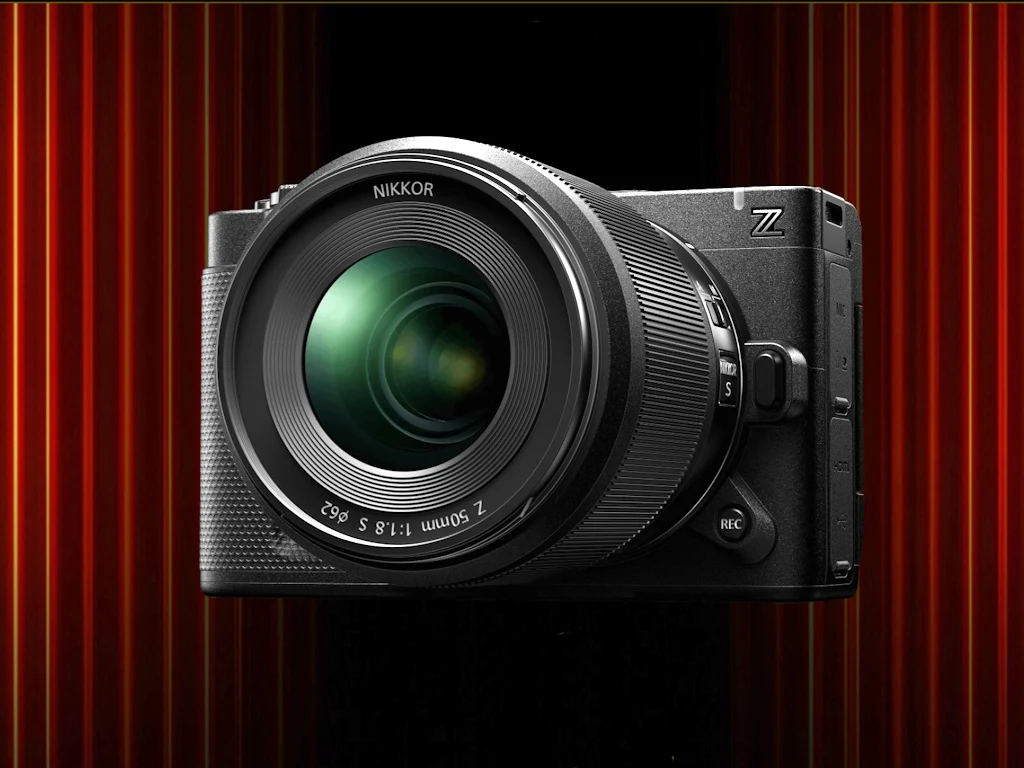
  • Nikon Z f Full-Frame Mirrorless Camera Now in Silver Finish

    Nikon Z f Full-Frame Mirrorless Camera Now in Silver Finish

    Key Takeaways

    1. Nikon has launched six new stylish silver color options for the Z f full-frame mirrorless camera.
    2. The Z f features a 25.28 megapixel FX-format sensor and uses the modern Nikon Z mount system.
    3. It can shoot JPEGs at 14 frames per second and record 4K videos at 60p.
    4. The camera has a 299-point autofocus system and a sensitivity range from ISO 100 to 204,800.
    5. Pre-orders for the Nikon Z f start at $2,199.95, available on the Nikon website and later on Amazon.


    Nikon has introduced six new stylish silver options for its Nikon Z f full-frame mirrorless digital camera. These color combinations feature silver paired with black, cognac brown, mauve pink, moss green, sepia brown, stone gray, or teal blue.

    Camera Specifications

    The Z f is equipped with an FX-format sensor measuring 35.9 mm x 23.9 mm that offers a total of 25.28 megapixels, with 24.5 of those being effective. This camera utilizes Nikon’s Z mount, which is a modern lens mount system that first appeared in 2018. To use older Nikon F mount lenses with the Z f, users will need an FTZ lens adapter. The rear of the camera has a 3.2-inch touchscreen LCD that boasts 2.1 million dots and is able to flip out and rotate 170° for convenient monitoring during shoots.

    Performance and Connectivity

    This camera can shoot JPEG images at speeds up to 14 frames per second and can record 14-bit NEF/RAW images at 10 frames per second onto SDHC/SDXC or microSDHC/microSDXC memory cards. Additionally, it is capable of filming H.264/H.265 MP4 videos at a maximum of 4K 60p. For file transfers, users can connect via wired USB-C or wireless 802.11ac Wi-Fi to their computers.

    The sensor features a sensitivity range that goes from ISO 100 to 204,800 in photo mode, and ISO 100 to 51,200 in video mode. It also includes a 299-point autofocus system with sensitivity ranging from -10 to +19 EV and a 5-axis image sensor shift for vibration reduction. The hybrid AF system, which combines contrast and phase-detection methods, uses AI deep learning to quickly identify and lock onto humans, animals, and common objects, according to Nikon.

    Pricing and Availability

    Those interested in the silver color options of the Nikon Z f can pre-order it for $2,199.95 directly from the Nikon website. After the official launch, it will also be available at the Nikon store on Amazon.

    Source:
    Link


  • Xgimi Launches Titan Dual-Laser Projector with Stunning Features

    Xgimi Launches Titan Dual-Laser Projector with Stunning Features

    Key Takeaways

    1. Xgimi has launched the Titan projector, its first model designed for commercial use, suitable for conference rooms and immersive events, with potential for home theater setups.
    2. The Titan features 4K Ultra-HD quality, a 0.78-inch panel, and a dual laser light source with brightness up to 5,000 lumens, though the brightness standard is not specified.
    3. It boasts a dynamic contrast ratio of 5,000,000:1 and is promoted as “very efficient.”
    4. The projector offers a throw ratio of 1.2-1.8:1, with adjustable picture features including 100% vertical lens shift and 40% horizontal lens shift.
    5. Release date and pricing for the Titan are currently unknown, with additional home theater projectors being showcased at IFA 2025.


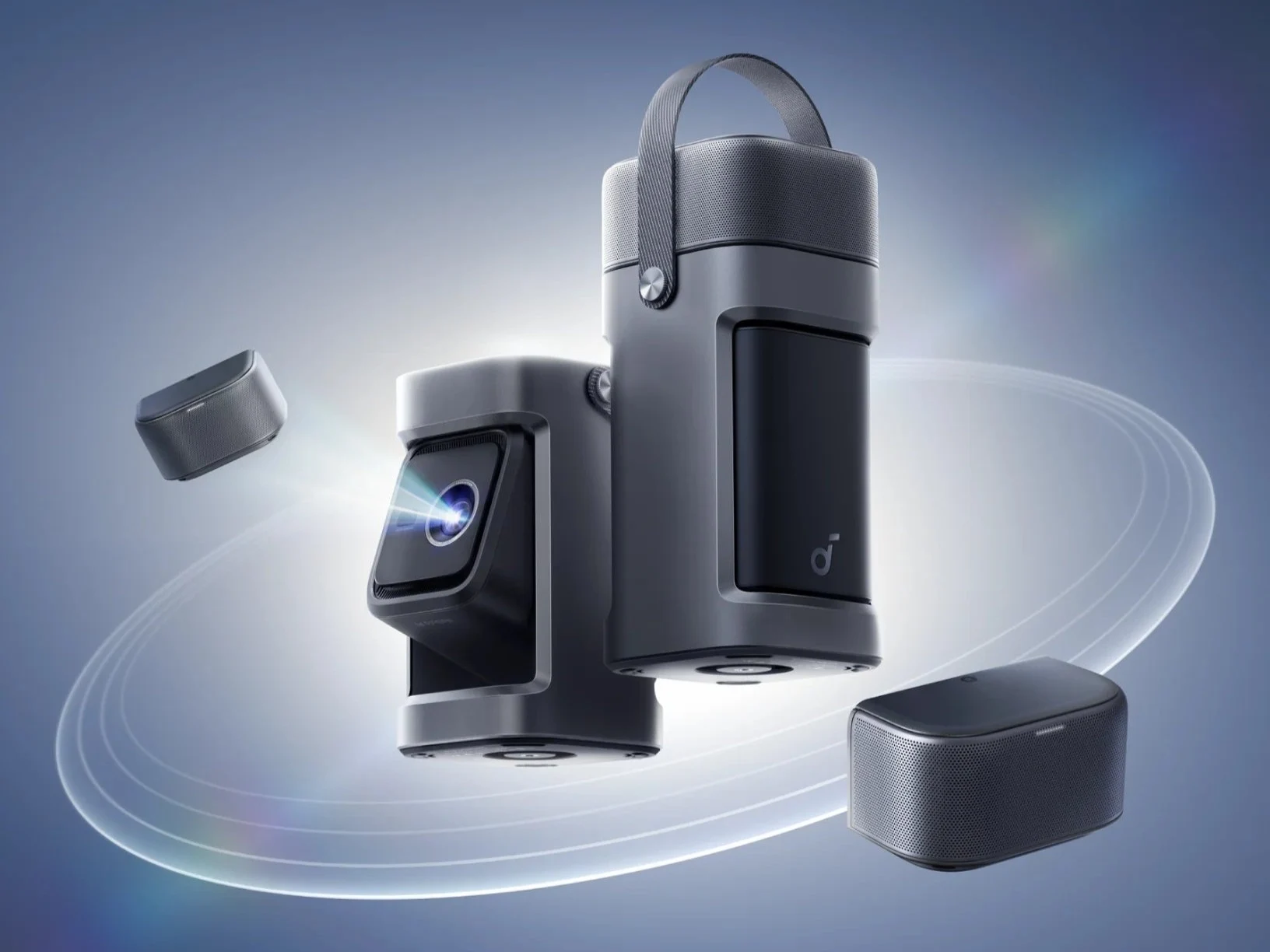
    Xgimi has just rolled out the Titan, which marks its debut projector aimed at commercial use. This model is crafted for settings like conference rooms or immersive events, but the company hints that it might also fit well in home theater installations. Xgimi first teased this advanced projector in early August 2025, and it is now making an appearance at IFA 2025.

    Specifications Unveiled

    During the event, Xgimi shared additional details about the Titan’s specs. This projector boasts 4K Ultra-HD quality and is equipped with a 0.78-inch panel along with a dual laser light source that purportedly achieves brightness levels of up to 5,000 lumens. It’s worth noting, however, that it’s not yet specified whether this brightness aligns with recognized standards such as ISO or ANSI lumens. Furthermore, the company promotes it with an impressive dynamic contrast ratio of 5,000,000:1 and claims it is “very efficient.”

    Image Capabilities and Features

    While the maximum image size for the Xgimi Titan hasn’t been disclosed, it does offer a throw ratio of 1.2-1.8:1. Users can fine-tune the picture using features like vertical lens shift (100%) and horizontal lens shift (40%), along with optical path shift and 1.8X optical zoom. Additionally, Xgimi mentions the inclusion of real-time Field-Programmable Gate Array (FPGA) image processing.

    Pricing and Launch Details

    As for the release date and pricing of the Xgimi Titan projector, those details are still pending. At IFA 2025, the brand is also showcasing the Horizon 20 series home theater projectors, which are specifically aimed at gamers.


  • Hohem iSteady V3 Ultra Gimbal: AI Tracking & Remote Control

    Hohem iSteady V3 Ultra Gimbal: AI Tracking & Remote Control

    Key Takeaways

    1. Compact Design: The iSteady V3 Ultra is smaller and lighter than its competitor, the DJI Osmo Mobile 7P, making it more portable.

    2. Improved Load Capacity: It can support smartphones up to 400 grams, an increase from the previous model’s 300 grams limit.

    3. Advanced AI Tracking: The gimbal features enhanced AI tracking for both subjects and objects, plus gesture control and a detachable touchscreen remote.

    4. 3-Color Fill Light: It includes a built-in adjustable fill light and is compatible with various apps for auto and object tracking.

    5. Battery Life: The V3 Ultra has a battery life of up to 9 hours, which is less than the 13 hours of the previous model.


    A popular manufacturer of camera accessories, Hohem, has introduced a new addition to its iSteady lineup: the iSteady V3 Ultra. This latest smartphone gimbal enhances the previous iSteady V3, which was released in July of last year. The new Ultra variant boasts significant improvements in both design and features compared to the earlier model.

    Compact Design and Compatibility

    In terms of design, the Hohem iSteady V3 Ultra is more compact than its closest competitor, the DJI Osmo Mobile 7P. It measures 160.5 x 44 x 98 mm (6.31 x 1.7 x 3.8 inches) when folded, while the DJI OM 7P is larger at 190 x 46 x 95 mm (7.4 x 1.8 x 3.7 inches). This gimbal can manage loads up to 400 grams (0.88 lbs), an increase from the 300 grams (0.66 lbs) limit of the iSteady V3. It accommodates a range of smartphone widths, from 58 mm (2.2 inches) to 98 mm (3.8 inches). In comparison, the DJI OM 7P and Insta360 Flow 2 Pro only support devices with widths of 67 to 84 mm and 64 to 84 mm, respectively.

    Enhanced AI Tracking Features

    The AI tracking capabilities of the Hohem iSteady V3 Ultra have been improved. It features a multimodal AI tracking module capable of both subject and object tracking, which is a major upgrade over the basic human-only tracking of the DJI Osmo Mobile 7P. Furthermore, the new V3 Ultra includes gesture control for hands-free use. Unlike its predecessor, the iSteady V3, the Ultra has a 1.22-inch full-color detachable touchscreen remote for real-time high-definition previews and complete control.

    Hohem has also integrated its latest iSteady 9.0 anti-shake system with 3-axis mechanical stabilization in the V3 Ultra for smooth footage without shakes. A new feature is the 360° Infinite Pan tracking, which keeps the subject centered during dynamic shots. The gimbal includes a built-in selfie stick that extends up to 205 mm (8 inches). The V3 Ultra is rated to last up to 9 hours on its 1,600 mAh battery, which takes around 2.5 hours for a full charge. However, this is a decrease in battery life from the V3’s 13 hours.

    Versatile Lighting and App Support

    The multimodal AI tracker also functions as an adjustable 3-color fill light (cool, warm, and neutral). Hohem claims that auto tracking and object tracking now work with any app. Like other gimbals from Hohem, the iSteady V3 Ultra is compatible with the Hohem Joy companion app, which offers various features and free tutorials to help users master their gimbal.

    Offered in Shadow Black and Arctic White, the Hohem iSteady V3 Ultra AI tracking smartphone gimbal is priced at $169. It is available for purchase on Hohem’s official website as well as on Amazon.

    Source:
    Link


  • DJI Mini 5 Pro Revealed: New Hardware Photos and Accessory Details

    DJI Mini 5 Pro Revealed: New Hardware Photos and Accessory Details

    Key Takeaways

    1. New images of the DJI Mini 5 Pro reveal orange-tipped propellers and accessories including ND filters and a charging hub.
    2. The drone is expected to feature a new battery design, with options for standard and “Plus” batteries, potentially affecting its weight.
    3. The Fly More Combo with the RC 2 controller is anticipated to be priced at €1,129 in Europe and around £979 in the UK.
    4. Flight time for the Fly More Combo Plus is rumored to be 52 minutes, depending on battery type and configuration.
    5. Key specifications like a 1-inch sensor and 4K/120 recording are still unverified and will be confirmed upon official release from DJI.


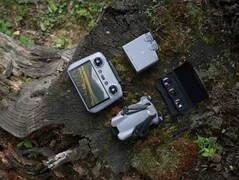
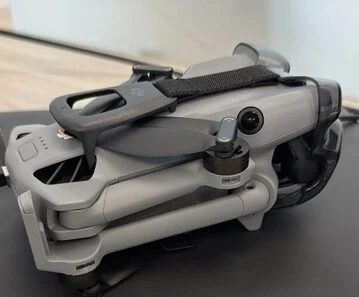
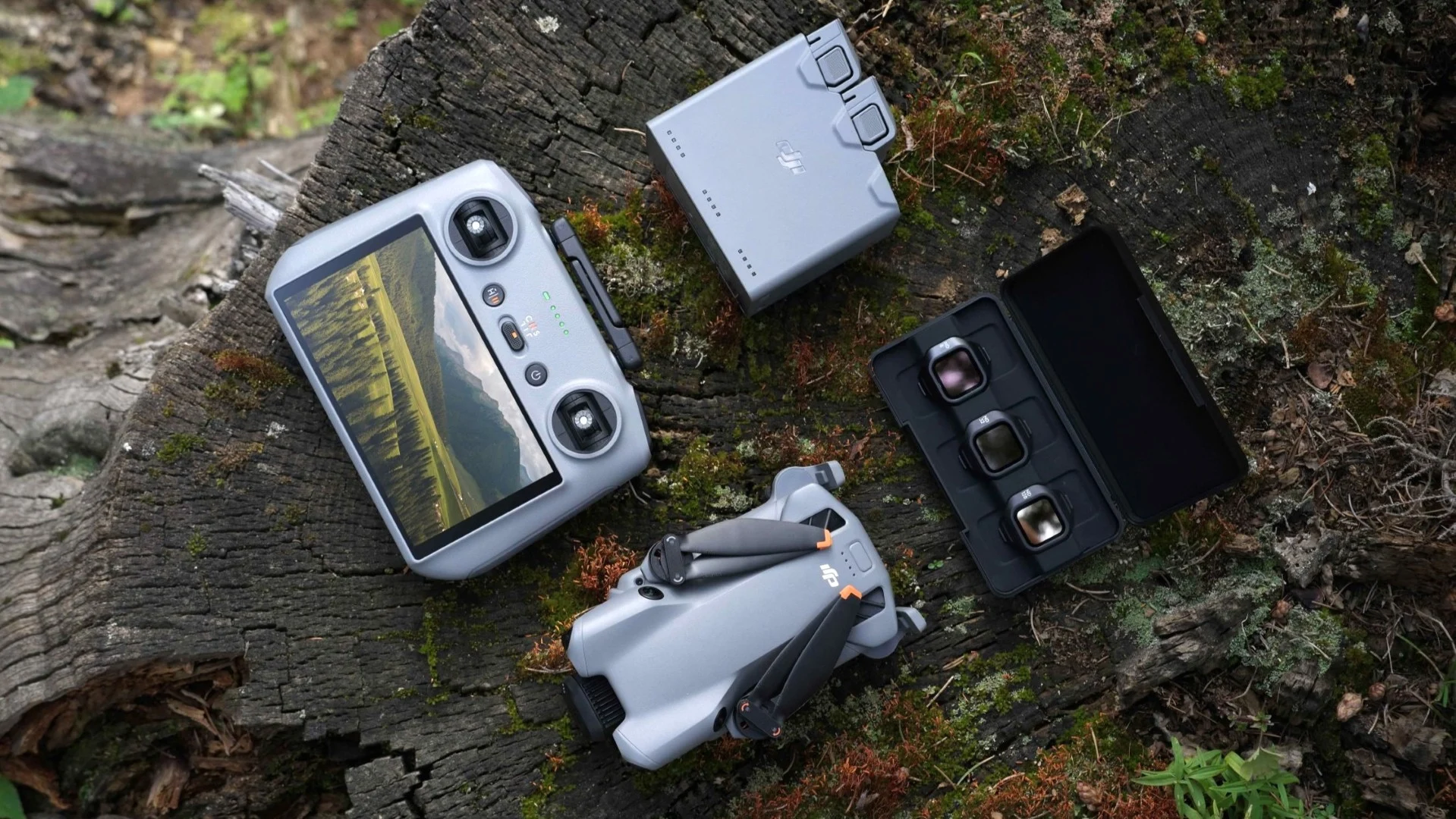
    DJI Mini 5 Pro has made a reappearance with fresh images shared on X/Twitter. The visuals show the drone along with ND filters, a charging hub, quick-release propellers, and what seems to be a new battery design as the anticipated mid-September launch approaches.

    New Images and Accessories

    Well-known leaker Igor Bogdanov (@Quadro_News) has posted a clear image of the Mini 5 Pro, showcasing its orange-tipped propellers and close-up views of the accessories, which include a three-slot hub and a compact ND kit. This aligns with the late-August leaks about packaging that suggested bundled filters would be included in the Fly More box. The battery shown follows the familiar top-latch design observed in recent leaks and aligns with previous pricing mentions of two battery types – standard and “Plus.” It seems DJI plans to continue the Mini 4 Pro’s ecosystem. Earlier retail-box images also hinted at a “52-minute” flight time for the Fly More Combo Plus. If this is related to the heavier “Plus” batteries, it might cause the take-off weight to exceed the sub-250 g limit, depending on the configuration and regional kits.

    Pricing Expectations

    The Fly More Combo featuring the RC 2 controller is expected to be priced at €1,129 in Europe and around £979 in the UK. Meanwhile, accessories such as the hub, filters, and propellers are likely to have similar prices as those for the Mini 4 Pro (currently $1,740 on Amazon for the Fly More Combo). The flow of these leaks coincides with the anticipated September announcement window that several sources have highlighted since late August. As with all pre-release information, specifications like the rumored 1-inch sensor, 4K/120 recording, and LiDAR-assisted omnidirectional sensing remain unverified until DJI releases official information.

    Final Thoughts

    In summary, the DJI Mini 5 Pro is generating buzz as its launch date nears. With the new visuals and the expected features, many enthusiasts are eagerly waiting for confirmation. The combination of innovative accessories and competitive pricing could make this drone a popular choice among users. Keep an eye on updates from DJI for the latest news on this exciting release!

    Source:
    Link