
Key Takeaways
1. Camera Systems: Seasons 1 and 2 were primarily filmed using the Sony Venice 2 camera, known for its rich color science. The Sony FX3 was also used for dynamic shots.
2. Vintage Look: The show’s ’70s-inspired aesthetic was achieved using Panavision C Series anamorphic lenses, which provide unique optical traits and a wide aspect ratio.
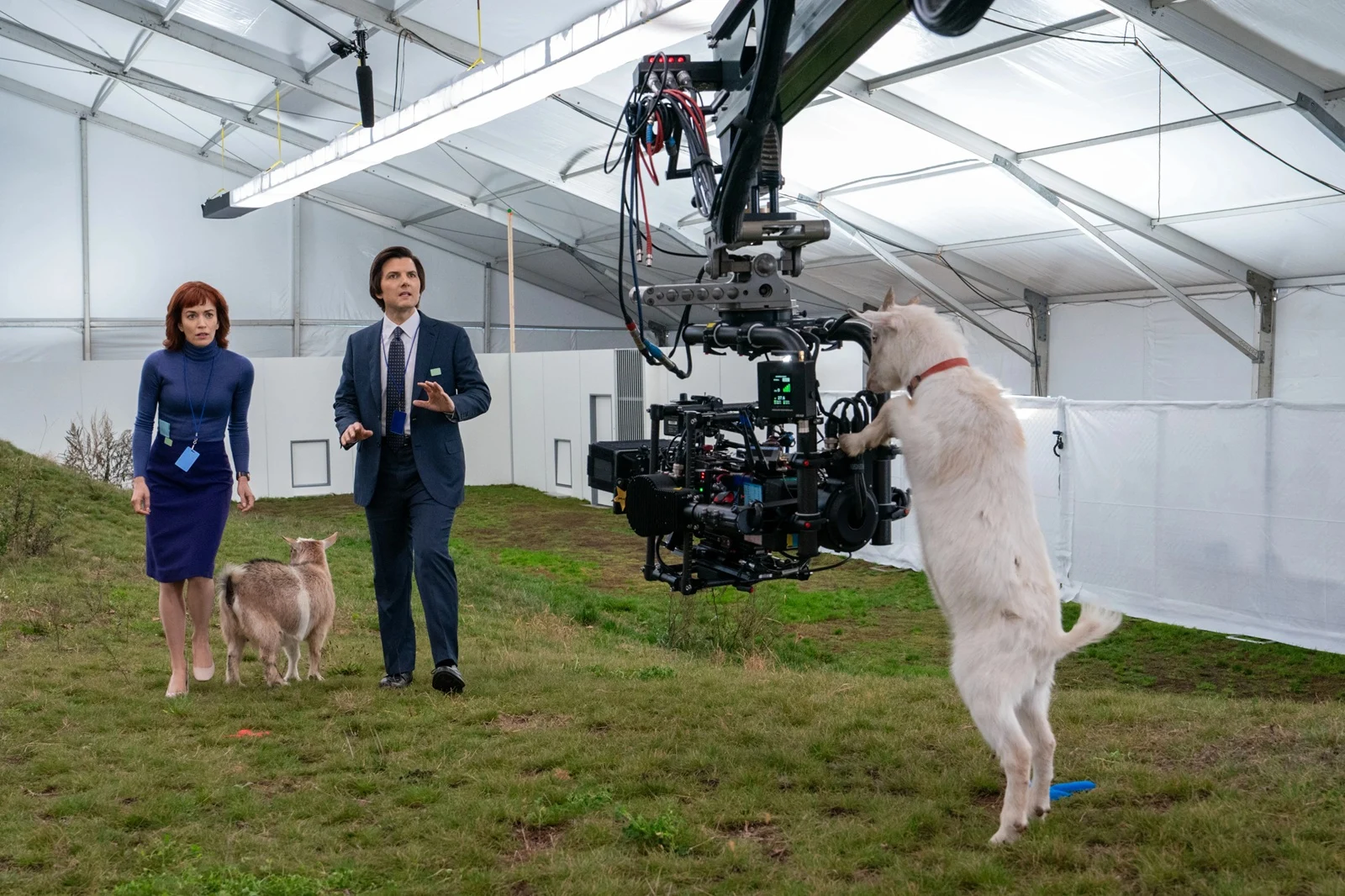
3. Dolly Zoom Effect: A complex dolly zoom effect illustrates the innie/outie transition, using Kuper motion control software for automated camera movements.
4. Film Usage: Certain flashback scenes were shot on 35mm and 16mm film to create a distinct texture, contrasting with the digital footage of the main storyline.
5. Production Changes: Ben Stiller will not direct Season 3 but will remain a producer, working with showrunner Dan Erickson to maintain the series’ vision.
As excitement grows for the upcoming third season of Apple TV+’s Severance, the show’s unique visual style continues to captivate its audience. Although the official details for Season 3 are still trickling in, insights from the previous seasons and comments from the creative team shed light on the camera gear that will likely help maintain the series’ distinct cinematic aesthetic.
Camera Systems Used
Both Season 1 and Season 2 were filmed largely using the Sony Venice 2 camera system. Cinematographer Jessica Lee Gagné confirmed that the Venice served as the main camera, praised for its color science and ability to produce rich images. For more specific or dynamic shots, especially those needing a compact setup, the crew has also made use of cameras like the Sony FX3 on gimbals. This was particularly evident in the intricate and extended hallway scenes of Season 2.
A Touch of Vintage
To create the show’s unique, ’70s-inspired look, the camera systems were combined with Panavision C Series anamorphic lenses. Gagné mentioned her fondness for these classic lenses, which offer a wide aspect ratio and distinctive optical traits, such as gentle lens flares and a characteristic oval bokeh that adds to the show’s eerie, cinematic vibe. Additionally, Panavision Primo 70 lenses and the 19-90mm Panavision zoom lens have also been utilized for particular moments, including the now-famous “dolly zoom” effect.
The Dolly Zoom Effect
This dolly zoom effect, which visually illustrates the innie/outie transition, is a complicated shot that merges a physical dolly move with a synchronized zoom on the lens. Reports suggest that this technique is automated with Kuper motion control software, which calculates the zoom based on the camera’s manual movements forward or backward.
For certain flashback scenes in the series, real film was used to give a different texture and grain. These scenes were captured on 35mm film (2-perf Techniscope) and 16mm film, creating a sharp visual difference compared to the digital filming of the main storyline.
Future of the Series
Although executive producer Ben Stiller has played a crucial role and directed several episodes in the first two seasons, he has announced that he won’t be directing any episodes for Season 3 due to other obligations. He will still be involved as a producer, working alongside showrunner Dan Erickson to keep the original vision of the show intact.
As of late 2025, there hasn’t been an official start date for Season 3’s production, though Apple TV+ executives have suggested that they are trying to avoid the three-year hiatus that happened between Seasons 1 and 2.
Leave a Reply