Category: Software

  • Pokémon Winds and Waves Pre-Orders Open in Europe at High Price

    Pokémon Winds and Waves Pre-Orders Open in Europe at High Price

    Key Takeaway

    – Pokémon Winds and Pokémon Waves are set for a 2027 worldwide release with a simultaneous launch.
    – Pre-orders are live on Amazon Germany, with a placeholder release date of December 31, 2027 and a listed price of €79.99.
    – Price details are uncertain and may differ between physical (game module) and digital (Nintendo eShop); digital prices could be around €69.99 if the higher physical price persists.


    Overview of the Announcement

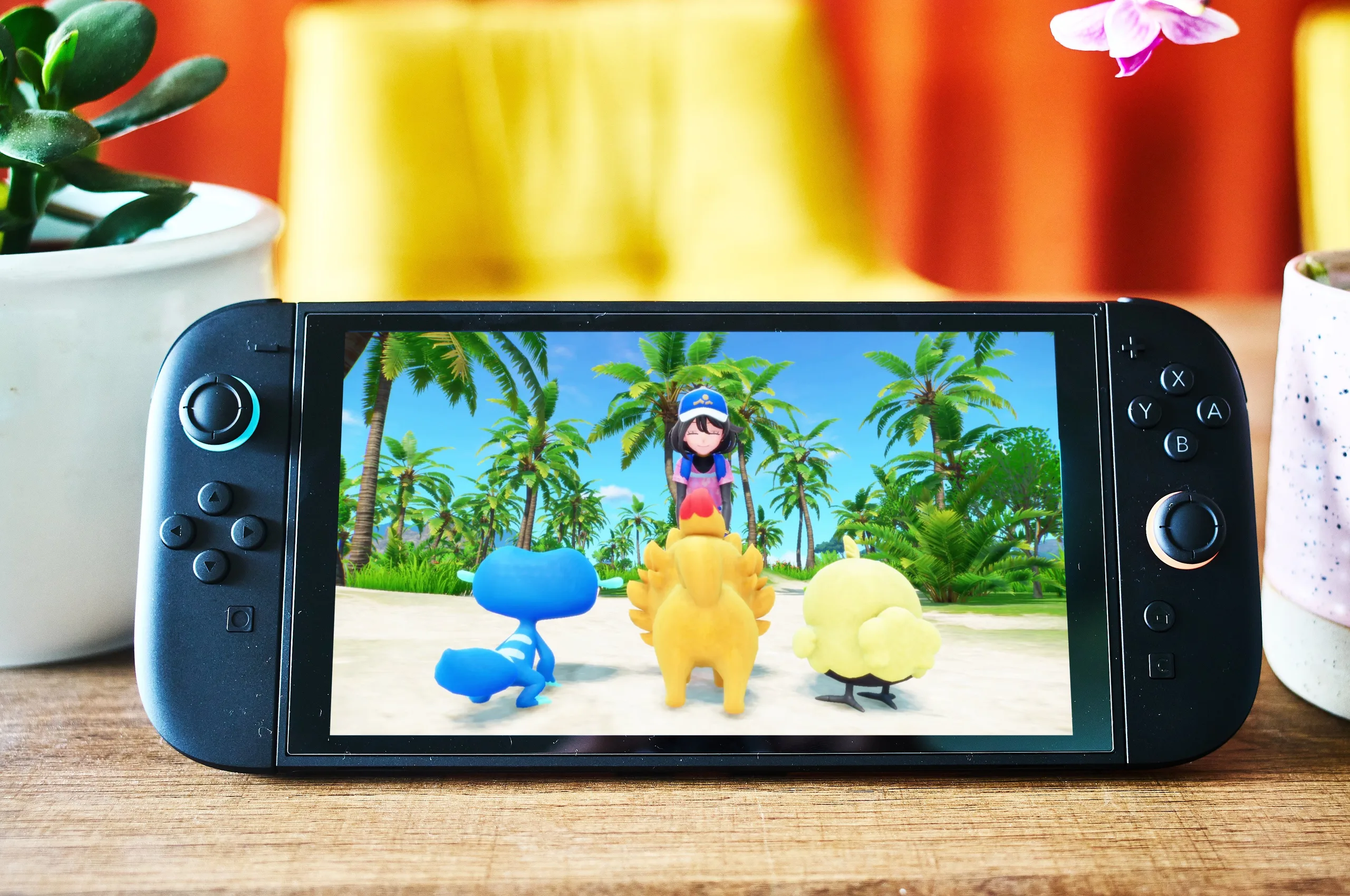
    Nintendo released the first trailer for Pokémon Winds and Pokémon Waves two months ago, not only giving us a first look at the improved graphics and the new starter Pokémon, but also confirming that the two games will be released in 2027 and that the release is planned at the same time worldwide. The information presented hints at a global simultaneity which fans have been hoping for, though specifics remain to be fully clarified by Nintendo in upcoming updates and official communications.

    Preorders and Pricing Details

    The games can now be pre-ordered from Amazon Germany. The stated release date, December 31, 2027, is obviously a placeholder. It is unclear whether this also applies to the price, which is currently set at €79.99. This would be a drastic price increase, as Pokémon Crimson and Ivy were launched in 2022 for a recommended retail price of €59.99 each. Newer Pokémon games for the Nintendo Switch 2, such as Pokémon Pokopia and Pokémon Legends: Z-A, cost €69.99 each. The pricing signals a potential shift in how Nintendo prices new hardware era titles versus older releases.

    Economic Rationale and Potential Market Impact

    This price increase comes after Nintendo has announced that games on game modules will be offered at a higher price than the digital version of the respective game – probably not least a reaction to the rising cost of flash memory. If this pricing model does not change by next year, at least the digital version in the Nintendo eShop is likely to be offered at a slightly lower price, possibly for €69.99. The strategic move could influence consumer choices between physical and digital formats, while also impacting resale value and bundle options.

    Market Caution and Retailer Practices

    As usual, such early information from retailers should be viewed with caution, as it is currently unclear whether Nintendo has even set the final list price. Thanks to the Amazon pre-order price guarantee, customers who pre-order the games now will receive them at a lower price if it is reduced before release. These nuances illustrate how retail channels often present speculative data prior to official confirmations, and why buyers should wait for official price announcements when possible.

    Amazon Germany


    Sources

  • Debian TileOS 2.0 Update with Multiple Changes

    Debian TileOS 2.0 Update with Multiple Changes

    Key Takeaway

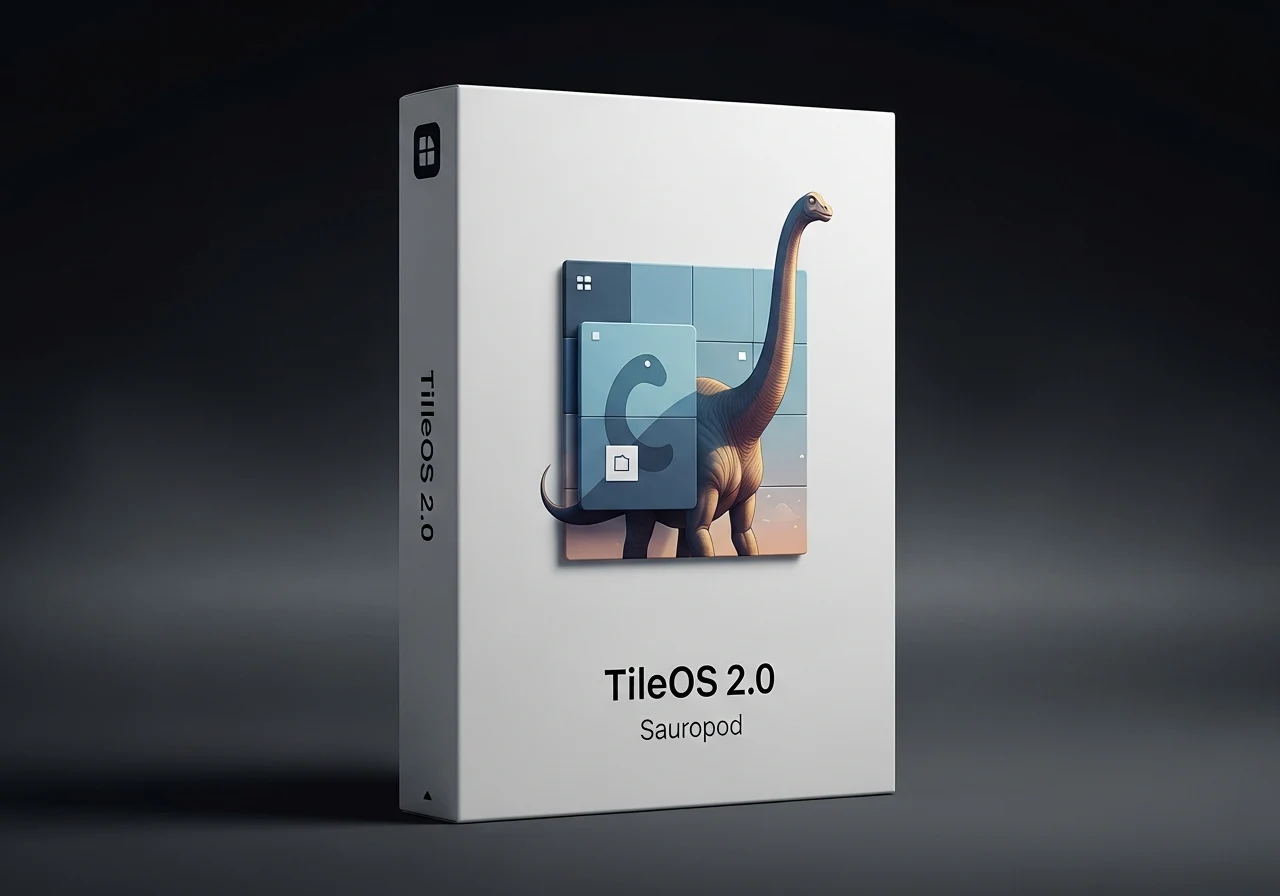
    – Introduces TileOS 2.0 “Sauropod,” a Debian-based distro featuring two new Wayland tiling compositors and updated components.
    – Default kernel is Debian 13 Stable with Secure Boot; option to install Liquorix kernel for desktop-focused optimizations.
    – Stable release supports multiple Wayland tilers (Sway, River, Qtile, Niri, MiracleWM) with ~2.25 GB ISOs available for quick trials.


    TileOS 2.0 Brings Two New Wayland Tiling Compositors

    One of the younger Debian-based distros, TileOS, presents a fresh stable release that focuses on offering two new Wayland tiling compositors along with multiple updated pieces of code. Labeled 2.0 and dubbed “Sauropod,” this distro hails from Russia and ships with the native Debian 13 Stable kernel as default. But those who want a system with optimizations for typical desktop tasks can opt to install the Liquorix kernel instead. Before moving to the other highlights, it should be noted that the default kernel comes with Secure Boot support.

    New Highlights and Core Details

    TileOS 2.0 also sports the following highlights: In addition to the above, there are several other new and updated components. All the release notes are available in the source link further down the page.

    How to Try TileOS 2.0

    While the source code is also available for download, those who want to take this distro for a quick spin can grab one of the ISO files available, each for one of the Wayland tiling compositors available for TileOS, namely Sway, River, Qtile, Niri, and MiracleWM. All ISOs have roughly 2.25 GB in size and can be found on this page.

    Additional Context

    TileOS Git

    Sources
  • Party Animals cancels AI video contest after vote

    Party Animals cancels AI video contest after vote

    Key Takeaway

    – The Party Animals AI video contest was canceled after a landslide community vote, with 57.3% proposing a full shutdown.
    – The Golden Paw Awards and AI mandate caused a rapid drop in Steam reviews (Very Positive to Mostly Negative) within 24 hours, seen as a failure in planning and communication.
    – The contest’s rules were criticized as contradictory: requiring “original works” while mandating AI as the core creative tool across all media.


    Recreate Games Cancels AI Video Contest After Community Poll

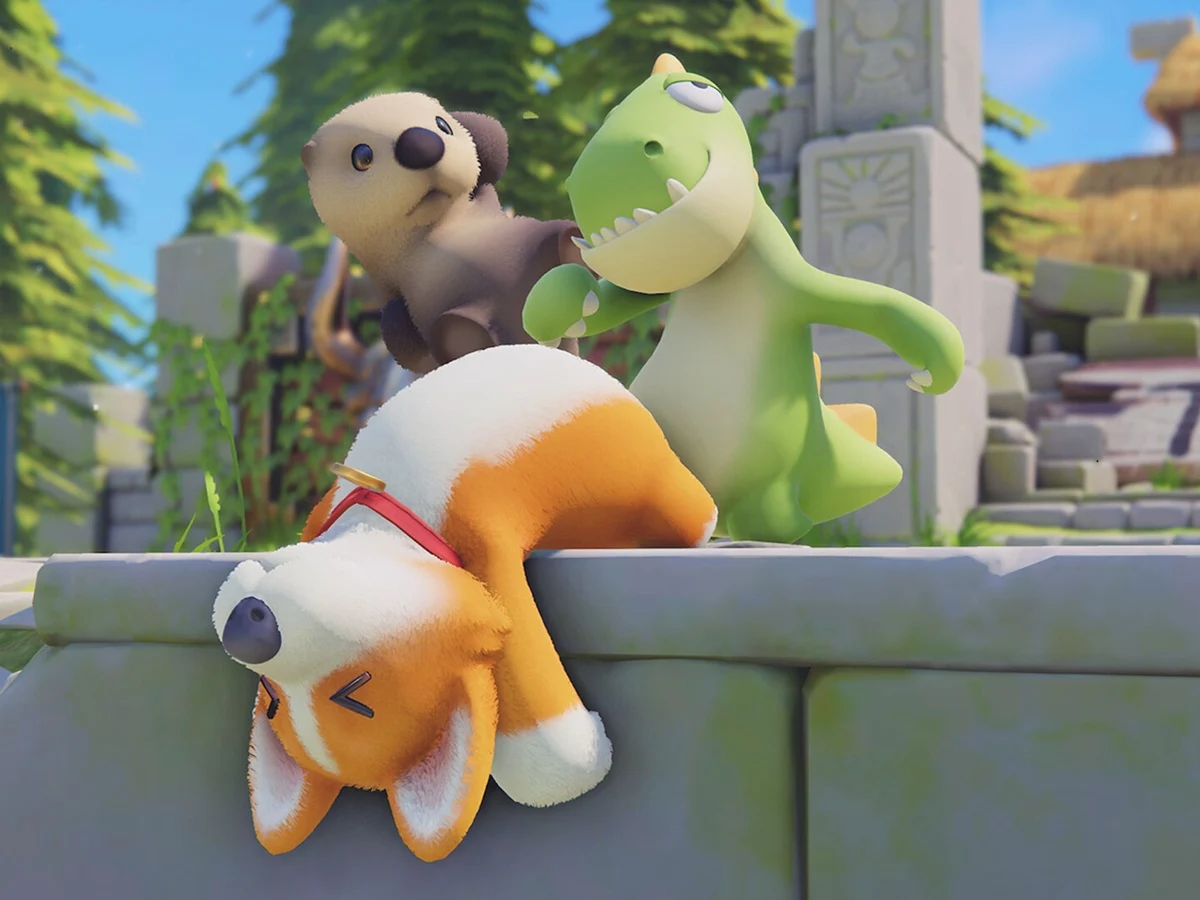
    Recreate Games has officially cancelled Party Animals’ AI video contest, confirming the decision on May 19 after a community poll returned a decisive verdict against it. The studio’s Golden Paw Awards had already driven the game’s Steam rating from Very Positive to Mostly Negative in under 24 hours, a collapse the developer acknowledged as a failure of both planning and communication. The outcome was driven by a clear majority that preferred discontinuation rather than a modification.

    Poll Results and Immediate Reactions

    Cancel entirely: 57.3% Change to non-AI contest: 34.6% Keep AI, add human category: 8.1% With a clear majority opting for a full shutdown, Recreate Games moved to cancel rather than pivot. The studio’s statement admitted the contest was “insufficiently conceived,” the design “inadequately thought through,” and the community communication “not up to par.” The original intent was to lower the barrier to entry for players without traditional video-editing skills, though the developer now acknowledges it has achieved the opposite by mandating AI as the sole creative tool.

    Contracted Rules and Public Discourse

    The rules compounded the problem. While the contest required all submissions to be “original works,” it simultaneously demanded that generative AI serve as “the core creative tool” across images, video, music, voiceovers, and 3D assets. Players flagged the contradiction publicly within hours of the announcement. The speed and scale of the backlash reflect how quickly AI pushback now converts into direct commercial damage for games with an active player base. A years-long, very positive rating was wiped out in a single day. Several fans pointed out during the controversy that if accessibility was the real goal, releasing game assets for players to use in handcrafted submissions would have achieved it without the AI mandate.

    Context and Related Reactions

    Party Animals is not the only title to face this kind of response in recent weeks. Notebookcheck reported earlier this month on Neverness to Everness facing community backlash after players identified suspected AI-generated assets in the game’s environments, with VTuber Ironmouse publicly cutting ties with the developer over the claims. The incident illustrates how communities scrutinize AI usage in games and how those reactions can influence a publisher’s or developer’s standing with fans, backers, and potential buyers. Past coverage Shacknews

    Sources
  • 007 First Light: Sony PSSR Implemented in One Day, Claims Developer

    007 First Light: Sony PSSR Implemented in One Day, Claims Developer

    Key Takeaway

    – PSSR 2 in 007 First Light is reportedly easy to implement, with no per-scene tuning needed and immediate, consistent results across the game.
    – The upgrade significantly improves image quality by resolving more details and reducing noise, per Digital Foundry.
    – PSSR 2 shares similarities with FSR 4, and AMD confirms FSR 4 will reach older RDNA 3 GPUs, suggesting comparable image gains on those cards.


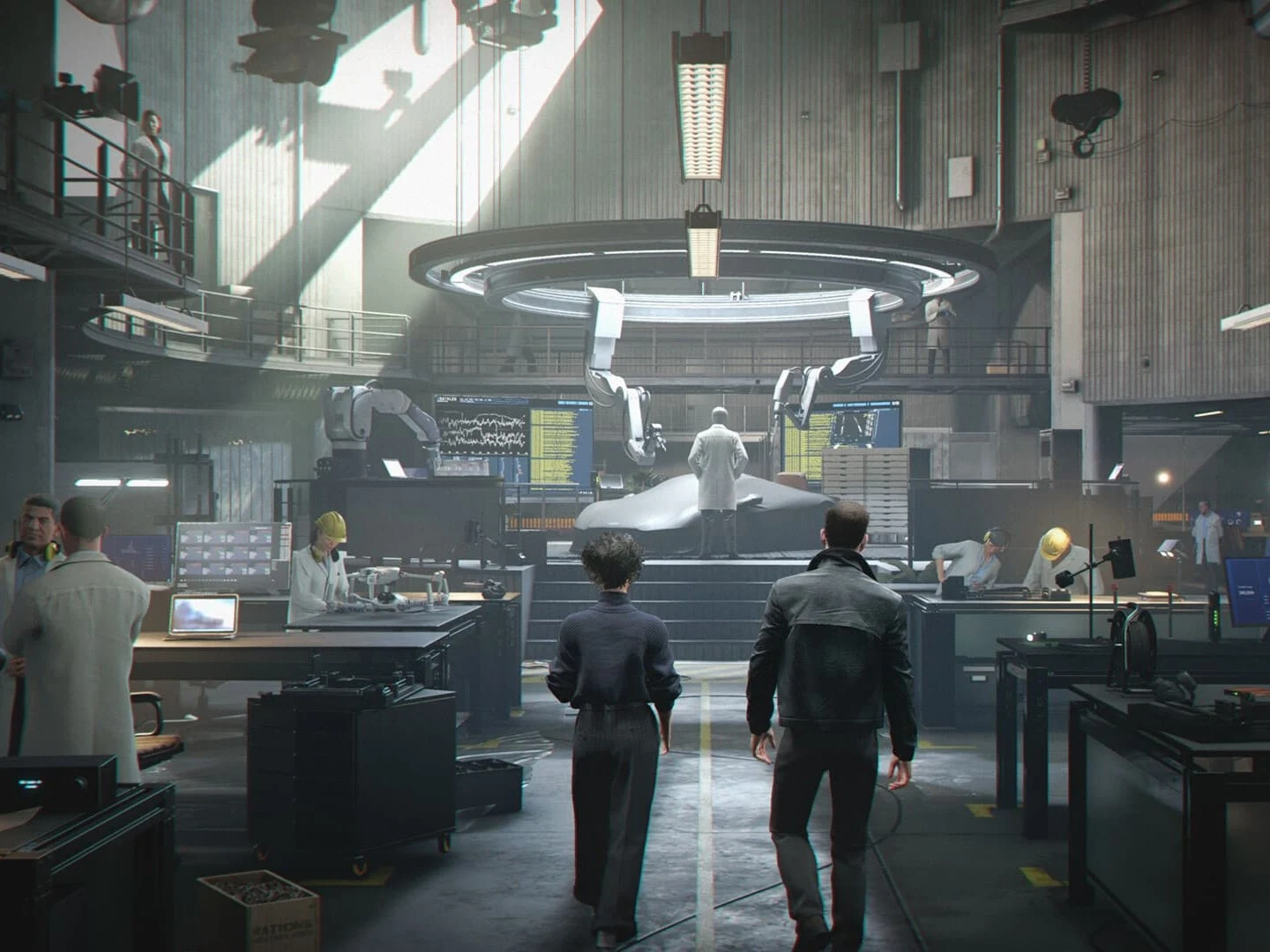
    IO Interactive’s 007 First Light is a AAA James Bond spy action-adventure that many have been waiting for

    the game is scheduled to release on May 27 for the Xbox Series X | S, the Sony PlayStation 5 consoles, and Steam. 007 First Light will also be available on the PS5 Pro, where the game will utilize Sony’s upgraded PlayStation Spectral Super Resolution (PSSR).

    Image quality boosts and quick implementation

    while 007 First Light using the upgraded PSSR is a big deal for image quality, more on that later, it is the manner of the implementation that has piqued our interest. IO Interactive reports on the PlayStation Blog that implementing PSSR 2 in 007 First Light was a breeze.

    Developer notes on the ease of PSSR 2

    Jon Rocatis, Principal Render Engineer at IO Interactive, claims that it only took the developers about a day to implement the new PSSR, and developers “were essentially happy with what we saw straight away. No per-scene tuning, no special-case work — it just held up across the whole game”. Jon’s statement was backed by another IO Interactive developer on X who also claimed that PSSR 2 was super easy to implement and the results looked good right out of the box.

    Expectation of widespread adoption

    so, it seems like it doesn’t need a lot of work to get the upgraded PSSR working in a game. we can expect a lot of games to have the technology baked in, which will be very good news, as Digital Foundry has confirmed that PSSR 2 is a huge upgrade over the original.

    Digital Foundry and comparisons

    Digital Foundry’s analysis of the new PSSR (linked below) essentially backs what IO Interactive exclaims in their write-up on the PlayStation Blog. the upgraded PSSR resolves more details, improves noise, and outputs a much better image than the original.

    Relation to FSR 4 and hardware considerations

    interestingly, it looks like the upgraded PSSR shares a lot in common with FSR 4. some even consider it just an INT8 version of FSR 4. AMD has now confirmed that FSR 4 is coming to older RDNA 3 GPUs, which don’t have access to RDNA 4’s FP8 acceleration. so, when FSR 4 comes to RDNA 3 cards like the RX 7800 XT, we can expect image quality similar to that of the upgraded PSSR.

    Sources
  • Dissidia Final Fantasy Duellum Update Showcase May 23

    Dissidia Final Fantasy Duellum Update Showcase May 23

    Key Takeaway

    – The May 23, 2026 update broadcast will showcase new characters, abilities, and fixes, with Naoya Matsumoto presenting the segment starting around 2 am PT / 5 am ET after a beta-tournament finale.
    – The event marks Square Enix’s first formal roadmap-style communication for Dissidia Duellum since launch, addressing direction beyond filler events.
    – A persistent bug involves bursts and abilities triggering unintentionally against bosses, which developers plan to address in the update.


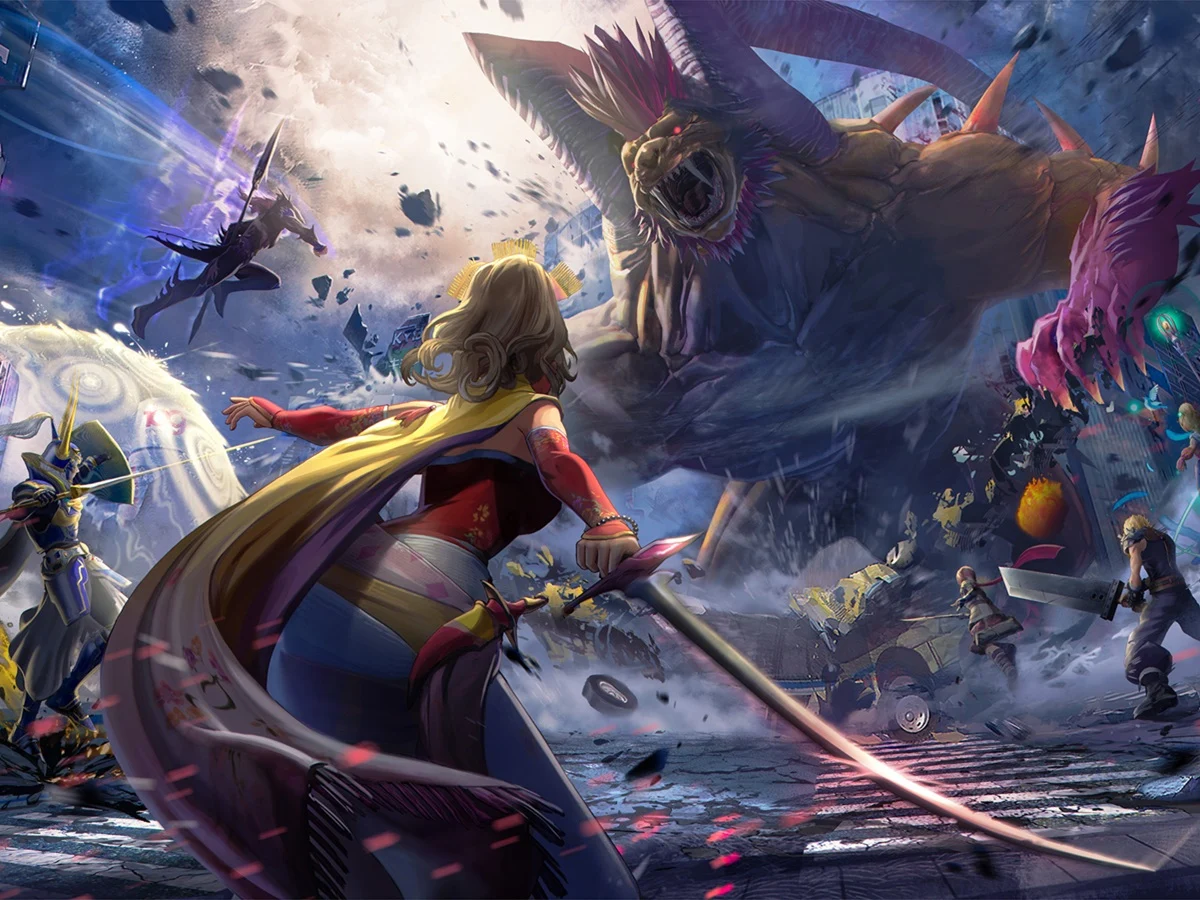
    Square Enix will hold the first official Dissidia Duellum Final Fantasy update broadcast on May 23, 2026, with producer Naoya Matsumoto set to outline upcoming characters, new abilities, and game adjustments. Viewers will first sit through the final round of a beta test tournament before the update content begins roughly two hours in.

    Broadcast timings and content shift

    The stream opens at 12 am PT / 3 am ET, but the actual update content shifts to 2 am PT / 5 am ET when Matsumoto takes over. His segment is expected to address new character additions, ability drops, and fixes for known bugs. One persistent issue involves bursts and abilities triggering unintentionally when facing bosses, which developers have flagged for attention.

    Roster and future roadmap questions

    The last characters added to the roster were Rikku from Final Fantasy X and Clive from Final Fantasy XVI. Fans have been waiting for a clearer roadmap for future picks since launch. Whether Matsumoto provides one on May 23 remains the broadcast’s biggest unanswered question.

    Upcoming events and scope

    The only confirmed upcoming event before the showcase is a Final Fantasy Record Keeper collaboration landing at the end of May, limited to new abilities rather than playable characters. That scope makes the May 23 broadcast the game’s first meaningful communication about where it goes beyond filler events.

    Launch reception and player sentiment

    Dissidia Duellum launched on iOS and Android on March 24, 2026, to mixed-to-positive reviews. Players praised the 3v3 combat and art direction while aiming for the gacha system and the pacing of story access. This broadcast is Square Enix’s first formal attempt to address the game’s direction since launch, and it arrives at a point when player confidence in Square Enix’s mobile commitments is already under scrutiny.

    Context within Square Enix’s fan engagement

    The May 23 broadcast lands as Square Enix’s broader relationship with its fanbase faces friction on multiple fronts. For more on that tension, read our report on how Final Fantasy VI creator Hironobu Sakaguchi stood by his praise of an AI-generated remake video despite significant backlash.

  • Trump Mobile Website Leaking Customer Data: Report

    Trump Mobile Website Leaking Customer Data: Report

    Key Takeaway

    – A data breach on Trump Mobile’s site exposed customer details (names, emails, addresses, order numbers) though credit card data reportedly remained safe.
    – The leak affects the entire Trumpmobile.com ecosystem, including phone orders and Trump Mobile cellular service, with a private demonstration confirming the vulnerability.
    – Pre-order figures appear far lower than initial estimates, with Coffeezilla estimating around 10,000 actual pre-orders versus ~600,000 rumored.


    Much to the relief of everyone who ordered one, the Trump T1 Phone is actually slated to ship later this year amid rumours of cancellation. The smartphone has already been delayed and underwent some design changes along the way. Investigative journalist and YouTuber Coffeezilla, who happened to order one, has some jarring news for people who also pre-ordered a Trump T1 Phone.

    Privacy concerns rise as data leak surfaces

    The official Trump Mobile website has been leaking customer information, such as full names, email addresses, mailing addresses, and order numbers. Thankfully, customers’ credit card information appears to be safe. Coffeezilla received the information via an anonymous source who demonstrated the vulnerability to the YouTuber in private. The exploit is supposedly not complicated.

    Coffeezilla and his source have reached out to the Trump Mobile team, and are yet to hear back from them. The entire Trumpmobile.com website has been affected, meaning anyone who opts for Trump Mobile’s cellular service will also be affected, alongside those who ordered the phone. One can only hope that nobody else found the exploit, and that the Trump Mobile team works on patching it soon.

    The leak also reveals another tidbit about the overall popularity of the Trump T1 Phone. Initial estimates hinted at a little under 600,00 pre-orders, but apparently, the actual number is a lot lower. Based on the total amount of leaked data, Coffeezilla estimates the actual pre-order number to be about 10,000—far lower than what was initially thought.


  • Take-Two Spent $50M to Redefine Borderlands Art Style, CEO Reveals

    Take-Two Spent $50M to Redefine Borderlands Art Style, CEO Reveals

    Key Takeaway

    – Gearbox pivoted Borderlands from a gritty, realistic look to a bold cel-shaded, cartoonish art style, rebuilt the game from scratch, and pushed back the release.
    – Take-Two (Strauss Zelnick) approved an extra $50 million to remake the game, a decision deemed non-obvious and risky at the time.
    – The art-style remake is widely credited as a key factor in Borderlands’ later success and iconic identity.


    The tale here begins in the late 2000s when the first Borderlands was nearly finished and slated for a two month release window, yet the team at Gearbox Software took a longer, deeper look at the game’s original gritty, realistic visuals. The muddy, post-apocalyptic vibe that many Xbox 360 shooters of that era shared started to feel stale to them, so they decided to rethink things and start anew, which is a bold move for a project that already stood close to completion.

    Reinvention and Risk

    Gearbox Software rebuilt the entire game from scratch, opting for a cartoonish and vibrant cel-shaded comic book art style that would come to define the series. That choice, while creative and distinctive, carried substantial risk; it could have damaged both the franchise and the studio’s standing. Yet the team pressed forward, convincing Take-Two Interactive to supply an extra $50 million and to delay the release by more than a year, signaling a major vote of confidence in the new direction.

    Leadership and Decision Making

    The story was shared by Strauss Zelnick, the CEO of Take-Two Interactive, who recently spoke on a podcast hosted by David Senra. During the interview, he recalled how a Gearbox executive walked into his office toward the end of Borderlands’ development and laid out their concerns plainly: the art style was not appropriate, it was not differentiated, and they wanted to remake the game.

    Curious, Zelnick said he dug in and did his homework before making a call. He added, in his words, that he supported the decision, and that the title became Borderlands. He noted that without that decision, Borderlands might not have achieved the success it did, describing it as non-obvious and something that few in the business would have pursued.

    He even framed the dilemma with his own question and answer: why remake the game at all? Because the project was viewed as insane by some, with the fear that the team would be told to just release what existed, abandon the potential for something different, and not justify a $50 million remake into another art style.

    Back in 2007, Take-Two had limited cash reserves, and early previews of Borderlands showed a grittier, more realistic world, reminiscent of Gears of War or early Fallout 3 concepts. The project then faded from the internet briefly before resurfacing in 2008 with its now-iconic cel-shaded look, which has since become a hallmark of the series.

    Final Notes

    Note that any references to retail listings or external purchase links for Borderlands or related products have been removed, and no sources or image credits are included here. The narrative above preserves the core transformation story that reshaped the franchise from its nearly finished state into a distinctive, stylized landmark in the series.

    Sources
  • Open-World Adventure Game Deal: 50% Off on Steam for 84% of Players

    Open-World Adventure Game Deal: 50% Off on Steam for 84% of Players

    Key Takeaway

    – Open-world pirate adventure with procedurally generated islands and up to 5 players, focusing on gathering resources to build a ship and explore.
    – Combat-rich exploration across 200+ dungeons featuring pirates, skeletons, and bosses, plus a main campaign and player-driven exploration.
    – Steam rating is “Very Positive” (84% based on 2,246 reviews); praised for gameplay variety, puzzles, story, and activities, but noted for repetitive islands and lack of naval battles.
    – Price: typically discounted, $9.99 (50% off) through May 25, 2026; first hit $9.99 on December 18, 2025, with multiple recent appearances.
    – Disclaimers: no naval battles; world is diverse but islands can feel similar; price fluctuations may occur and are retailer-driven.


    Developed and published by Lavaboots Studios on November 12, 2025, Salt 2: Shores of Gold is a pirate-themed open-world adventure game. Currently 50% off on Steam, it is available for $9.99 instead of $19.99 through May 25, 2026, according to SteamDB.

    In this opening paragraph, the tone shifts gently toward a concise description while maintaining clarity about the sale and the game’s premise. The surface details are presented with a casual but informative style, setting up expectations for players who enjoy exploration and resource gathering in a maritime setting.

    Gameplay and World Structure

    The second paragraph dives into how the game plays, changing pace and diction to reflect a more narrative voice. You may play solo or with up to five friends online, waking on a mysterious island where the quest centers on gathering resources to assemble a ship. This unlocks access to a procedurally generated archipelago, a design choice that aims to keep each session feeling fresh through varied island layouts and hidden corners to uncover.

    Combat and Dungeons

    The third paragraph adopts a brisk, practical register to cover enemies and progression. Expect encounters with pirates, skeletons, and bosses as you traverse over 200 dungeons, each offering its own treasures and challenges. Defeating foes is essential not just for loot but for advancing through the main campaign or crafting your own legend by carving out a personal path within the sprawling world.

    Reception and Critique

    The fourth paragraph shifts to evaluative commentary in a reflective tone. Since its release, Salt 2: Shores of Gold has drawn attention for its breadth of gameplay options, engaging puzzles, narrative fragments, and ongoing activities that invite experimentation. Yet, the absence of naval battles and the procedural but sometimes repetitious island design temper the experience for some players, prompting ongoing discussions about variety and pacing.

    Finally, the pricing note is presented with a straightforward, utilitarian style. The $9.99 price point has appeared multiple times since December 18, 2025, on Steam, reflecting periodic discount cycles that can influence purchasing decisions for new and returning players alike.


    Sources

  • Android developers vibe-code apps quickly in Gemini AI Studio web

    Android developers vibe-code apps quickly in Gemini AI Studio web

    Key Takeaway

    – Google AI Studio web version enables vibe coding Android apps using Gemini AI without any software installation.
    – Vibe coding allows building apps from natural language prompts, no formal programming knowledge required.
    – The web IDE includes an Android emulator for testing and supports exporting via ADB to real devices; apps can be moved to Android Studio or published to Google Play.


    Google reveals vibe coding for Android apps in web AI Studio

    At its annual I/O 2026 event, Google unveiled the ability to vibe code Android apps in the web version of Google AI Studio using Gemini AI. This new approach promises a browser‑based entry point for creating Android software without the need for traditional installations or setups, reshaping how developers might begin new projects with AI assistance.

    Web‑based Gemini AI powers the studio

    Google AI Studio for the web uses the same Gemini AI technology that powers Google’s Android Studio, the desktop IDE software traditionally used to program Android apps in Kotlin or Java. Unlike Android Studio, which requires a 1.4 GB installer to be downloaded and installed on a compatible system, no software installation is required to begin vibe coding immediately. The web platform thus lowers the barrier to entry for newcomers and accelerates initial experimentation for seasoned developers.

    How vibe coding works in practice

    Vibe coding leverages the power of modern AI chatbots to create complex code from simple prompts. Users do not need to understand how to code using a programming language, but instead, they only need to guide the AI by describing the functionality and appearance of apps like they would with any programmer. This conversational approach aims to translate user intent into functional app components with minimal friction, while still permitting iterative refinements as needs evolve.

    Browser access, emulation, and testing

    Users simply log into Google AI Studio using any compatible web browser to access a complete development environment that includes the Android phone emulator for app testing. Vibe-coded apps can also be downloaded to an Android phone using ADB (Android Debug Bridge) for testing. This setup provides an end‑to‑end workflow from idea capture through testing, all hosted in the cloud and accessible from common devices.

    Future paths for app development and distribution

    App programmers can finesse their apps by moving them to Android Studio to access broader developer features, or upload them to the Google Play Store for beta testing or publication. The integration hints at a hybrid lifecycle where AI‑built prototypes can be refined with traditional tooling before reaching end users, offering flexibility for teams balancing speed with advanced capabilities.

    Further reading and caveats

    Readers interested in vibe coding can read more about how it’s done in this book sold on Amazon.


    Sources

  • Free Steam Game Crashed at Launch and Robbed Users in Background

    Free Steam Game Crashed at Launch and Robbed Users in Background

    Key Takeaway

    – Malware in Beyond The Dark exploited Steam’s update gaps by hijacking a developer account and replacing assets, using a legitimate Unity file to hide payloads.
    – The attack illustrates a broader trend: malware embedded in Steam games is rising, often targeting crypto wallets and sensitive data.
    – Immediate risk mitigation: delete the game, run full AV scans, change passwords (email, browsers, crypto), and transfer funds to a fresh wallet on a clean device.


    Beyond The Dark, a free Steam game, was quietly stealing passwords, browser data, and cryptocurrency from players before Valve pulled it on May 19. But what makes this case important isn’t just the malware — it’s how it got there, and how common this practice has become on Steam.

    Origins and deception

    The game originally had nothing to do with horror. A malicious actor hijacked an existing Steam developer’s account — a simple title called Rodent Race — and replaced the name, screenshots, and game files entirely. They basically exploited Steam’s lack of update verification. The store page was a huge mess of contradictions: survival horror screenshots, but a description calling it a “turn-based strategy game inspired by chess.” All of it appeared to be hastily AI-generated assets.

    Hidden payload and behavior

    The payload was buried inside a file called UnityPlayer.dll — a legitimate Unity engine component — which made it easy to overlook. The game would often crash on launch, but the malware kept running in the background. It connected to a remote server and downloaded tools to steal passwords, browser data, and crypto wallet credentials.

    Public exposure and action

    YouTuber Eric Parker published a video breaking down the malware’s behavior, which prompted Valve to remove the game entirely.

    Broader pattern and investigations

    This isn’t a one-off. The FBI launched a formal investigation in March 2026 into multiple malware-embedded Steam games going back to 2024, naming titles including Chemia, PirateFi, Tokenova, BlockBasters, and others — most of them targeted crypto wallets, with one case exfiltrating $32,000 in cancer donations from a streamer (read more about that here). The frequency of these incidents has only increased despite Valve’s efforts, likely because the sheer volume of new releases overwhelms the vetting system. In some cases, malware is introduced via post-launch updates that bypass initial checks.

    You should delete the game ASAP, run a full AV scan (Malwarebytes or Bitdefender), change passwords for email, browsers, and any crypto accounts, and move remaining wallet funds to a fresh wallet on a clean device.

    Eric Parker – Youtube via @Pirat_Nation, Steam