Tag: FSR 4

  • 007 First Light: Sony PSSR Implemented in One Day, Claims Developer

    007 First Light: Sony PSSR Implemented in One Day, Claims Developer

    Key Takeaway

    – PSSR 2 in 007 First Light is reportedly easy to implement, with no per-scene tuning needed and immediate, consistent results across the game.
    – The upgrade significantly improves image quality by resolving more details and reducing noise, per Digital Foundry.
    – PSSR 2 shares similarities with FSR 4, and AMD confirms FSR 4 will reach older RDNA 3 GPUs, suggesting comparable image gains on those cards.


    IO Interactive’s 007 First Light is a AAA James Bond spy action-adventure that many have been waiting for

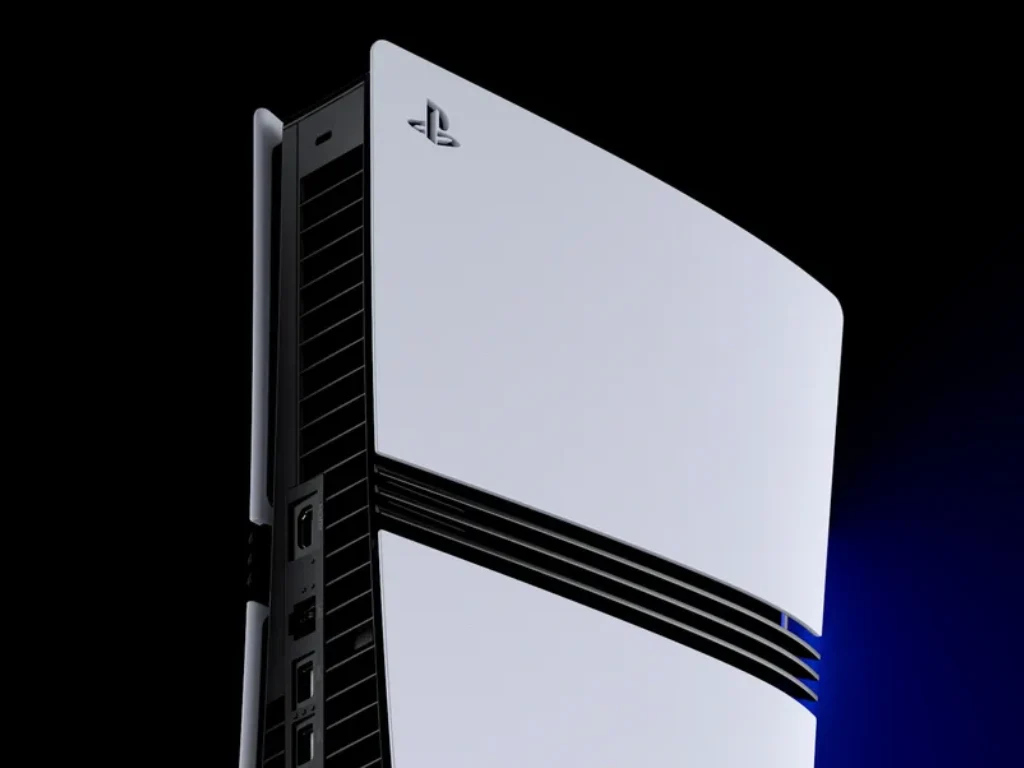
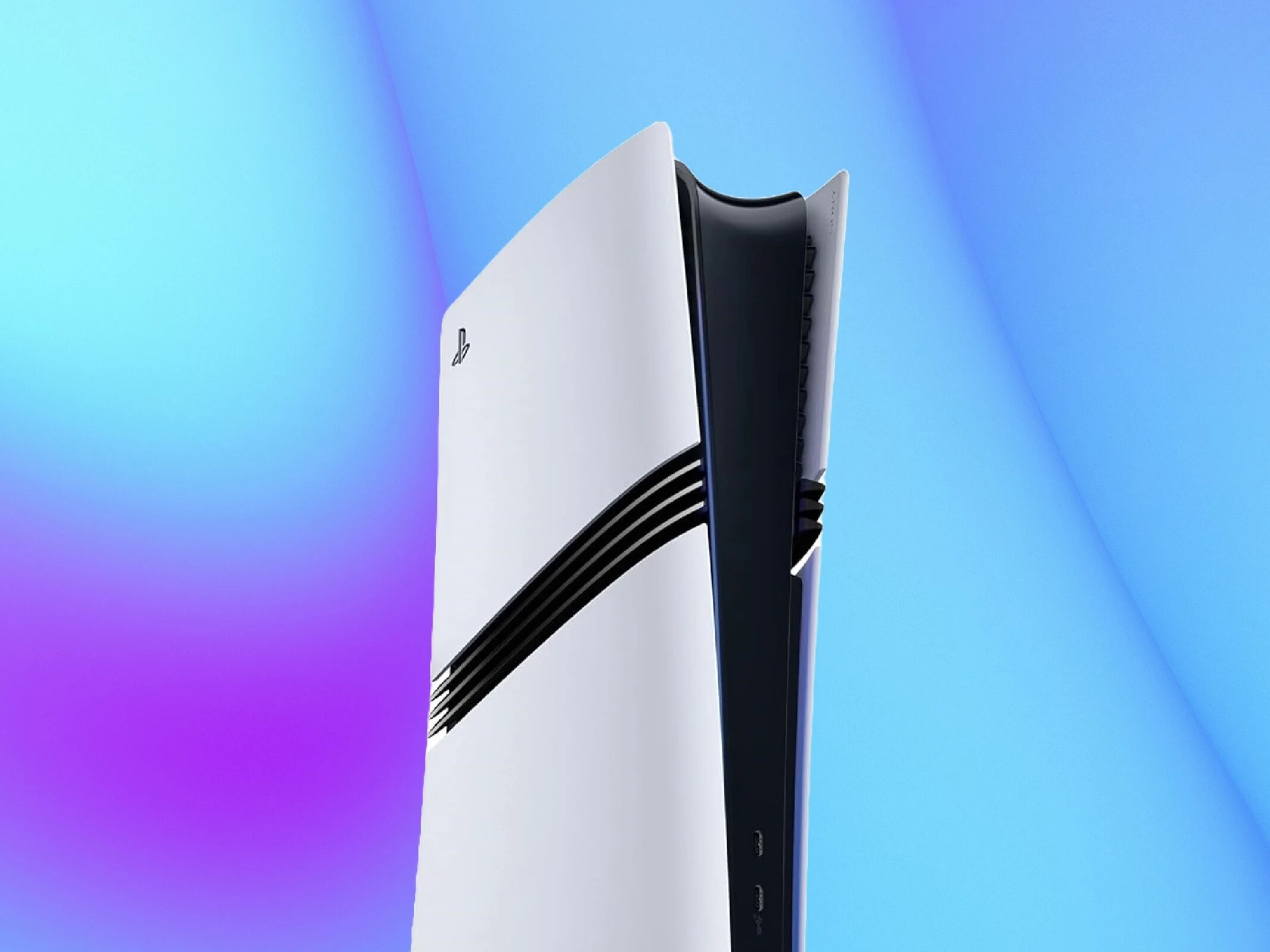
    the game is scheduled to release on May 27 for the Xbox Series X | S, the Sony PlayStation 5 consoles, and Steam. 007 First Light will also be available on the PS5 Pro, where the game will utilize Sony’s upgraded PlayStation Spectral Super Resolution (PSSR).

    Image quality boosts and quick implementation

    while 007 First Light using the upgraded PSSR is a big deal for image quality, more on that later, it is the manner of the implementation that has piqued our interest. IO Interactive reports on the PlayStation Blog that implementing PSSR 2 in 007 First Light was a breeze.

    Developer notes on the ease of PSSR 2

    Jon Rocatis, Principal Render Engineer at IO Interactive, claims that it only took the developers about a day to implement the new PSSR, and developers “were essentially happy with what we saw straight away. No per-scene tuning, no special-case work — it just held up across the whole game”. Jon’s statement was backed by another IO Interactive developer on X who also claimed that PSSR 2 was super easy to implement and the results looked good right out of the box.

    Expectation of widespread adoption

    so, it seems like it doesn’t need a lot of work to get the upgraded PSSR working in a game. we can expect a lot of games to have the technology baked in, which will be very good news, as Digital Foundry has confirmed that PSSR 2 is a huge upgrade over the original.

    Digital Foundry and comparisons

    Digital Foundry’s analysis of the new PSSR (linked below) essentially backs what IO Interactive exclaims in their write-up on the PlayStation Blog. the upgraded PSSR resolves more details, improves noise, and outputs a much better image than the original.

    Relation to FSR 4 and hardware considerations

    interestingly, it looks like the upgraded PSSR shares a lot in common with FSR 4. some even consider it just an INT8 version of FSR 4. AMD has now confirmed that FSR 4 is coming to older RDNA 3 GPUs, which don’t have access to RDNA 4’s FP8 acceleration. so, when FSR 4 comes to RDNA 3 cards like the RX 7800 XT, we can expect image quality similar to that of the upgraded PSSR.
    Sources
  • PlayStation 5 PSSR 2.0 Uses AMD FSR 4 INT8, Skips PC RDNA GPUs

    PlayStation 5 PSSR 2.0 Uses AMD FSR 4 INT8, Skips PC RDNA GPUs

    Key Takeaways

    1. AMD accidentally exposed the full FSR 4 libraries and source code on GitHub, which were quickly removed but noted by modders.

    2. The leaked files included an INT8 version of FSR 4 that works on older RDNA 2 and RDNA 3 GPUs, though AMD has no plans to officially support it for older Radeon cards.

    3. The INT8 version of FSR 4 is being used by Sony in the PS5 and PS5 Pro under the name “upgraded PSSR” upscaling solution.

    4. There are technical differences between FSR 4 and Sony’s PSSR 2.0, with different implementations due to hardware specifications despite similar core technology.

    5. AMD has not commented on the leak, and the only guaranteed access to official FSR 4 support appears to be through the new RX 9000 series GPUs.


    AMD recently made a significant error by unintentionally exposing the full FSR 4 libraries and source code on its GitHub repository through the AMD OpenGPU Project. Although the company quickly removed the files, modders had already taken note of the leak.

    INT8 Version of FSR 4

    The leaked files included details about an INT8 version of FSR 4, which is a lighter version capable of running on older RDNA 2 and RDNA 3 GPUs. Currently, AMD has no plans to launch FSR 4 for older Radeon cards. Interestingly, both the PS5 and PS5 Pro, which utilize RDNA 2 architecture, are operating with an INT8 version of FSR 4, referred to by Sony as its “upgraded PSSR” upscaling solution.

    Context of FSR 4

    When AMD initially presented FSR 4, also known as FSR Redstone, the company highlighted that it was specifically tailored for its newest RDNA 4 GPUs found in the Radeon RX 9000 series. The GitHub leak reveals that the lighter INT8 version of FSR 4 can function well on RDNA 2 and RDNA 3 GPUs, leaving users with RX 6000 and RX 7000 series without access to this technology.

    Despite this, modders quickly downloaded the libraries before AMD could take them down and have started modifying their games to integrate the INT8 FSR 4 build into RX 6000 and RX 7000 series GPUs.

    PSSR 2.0 Rollout

    Sony has implemented and rolled out an upgraded version of PSSR, which is being dubbed PSSR 2.0, in the game Resident Evil: Requiem. In a recent chat, PlayStation’s lead system architect, Mark Cerny, spoke with Digital Foundry about how the new PSSR technology connects back to AMD.

    Cerny elaborated on the technical distinctions between FSR 4 and the new PSSR, stating, “FSR Redstone and the new PSSR have somewhat different implementations due to the underlying hardware, e.g., FSR Upscaling uses 8-bit floating point, and PSSR uses 8-bit integer.”

    Core Technology

    He added that while the fundamental technology remains consistent, the training process is tailored to each platform, like PC and PlayStation 5. Cerny mentioned, “In practice, the same model is used, but it’s trained on different data, e.g., if targeting a 2:1 fixed upscale, then the training data used is just for that upsampling ratio, and that different training results in different parameters… Not seeing too much difference in the results, the various flavors in the updated FSR Upscaling really are rather close to the new PSSR.”

    This provides pretty much confirmation that PSSR 2.0 on the PS5 Pro is effectively utilizing the INT8 version of FSR 4 that AMD inadvertently exposed in its GitHub libraries. To add to the issue, AMD has not commented on the situation, and it appears that Team Red will not offer FSR 4 for older Radeon GPUs, making the purchase of an RX 9000 series GPU likely the only guaranteed way to access official FSR 4 support from AMD.

    Source:
    Link


  • PS5 Pro PSSR2 Leak: Major Image Quality Boost & Efficiency for 2026

    PS5 Pro PSSR2 Leak: Major Image Quality Boost & Efficiency for 2026

    Key Takeaways

    1. PSSR2, or Multi-Frame Super Resolution 2, features a new algorithm and APIs aimed at significantly improving image quality while reducing GPU processing time and memory usage.

    2. Sony is investing heavily in PSSR development, reportedly creating more tools for PSSR than AMD has for its FSR versions.

    3. The improvements from PSSR to PSSR2 are expected to be comparable to the upgrade from FSR 3 to FSR 4, indicating a substantial enhancement in performance.

    4. PSSR will remain separate from FSR, with the PS5 Pro also set to receive FSR 4 support in 2026.

    5. The PS5 Pro is positioned as a cost-effective gaming option, especially given the rising costs of building high-performance gaming PCs.


    Moore’s Law Is Dead was the first source to share detailed insights about the PlayStation Spectral Super Resolution (PSSR) ahead of the PS5 Pro launch. In May 2025, this leaker indicated that Sony was working on PSSR2 to enhance image quality while using fewer resources. Recently, MLID has provided additional information regarding PSSR2.

    New Features of PSSR2

    According to the leaker, PSSR2, internally known as the Mult-Frame Super Resolution 2 or MFSR2, incorporates a novel algorithm along with fresh APIs. It is said that PSSR2 is designed to achieve significant improvements in image quality compared to its predecessor, while also decreasing “GPU processing time” and memory usage. MLID’s insider suggests that PSSR2 is not merely a minor “0.5” update but rather a “huge” advancement.

    Sony’s Commitment to PSSR

    Sony seems to be taking PSSR issues very seriously, reportedly creating more tools for PSSR than AMD has for its FSR 3 or FSR 4 versions.

    To highlight the expected improvements of PSSR2, MLID explains that the transition from PSSR to PSSR2 could be comparable to the leap from FSR 3 to FSR 4. The latter is a significant enhancement over FSR 3, addressing nearly all its critical issues, and bringing AMD’s image upscaler to a level comparable with DLSS. If PSSR2 delivers a similar degree of enhancement, owners of the PS5 Pro can look forward to a major upgrade when the technology is released in 2026.

    Future Support and Upgrades

    Moreover, MLID’s source has also clarified that PSSR will remain distinct from FSR. Thus, in addition to PSSR2, PS5 Pro is still set to receive FSR 4 support in 2026.

    This “free performance upgrade” is excellent news for PS5 Pro owners, especially since PS6 is not expected to be available anytime soon. Additionally, the constant rise in RAM prices has made it nearly impossible to create a gaming PC that outperforms the PS5 Pro without spending over $1,000.

    Source:
    Link


  • FSR 4 Increases Image Quality on RX 6800 XT in Cyberpunk 2077

    FSR 4 Increases Image Quality on RX 6800 XT in Cyberpunk 2077

    Key Takeaways

    1. FSR 4 is primarily designed for the Radeon RX 9000 series but can be modified to work on older RX 7000 and 6000 series GPUs, enhancing their performance at no cost.

    2. Initial tests show that FSR 4 offers clearer graphics than FSR 3, particularly in complex details like foliage and holograms, despite a potential slight drop in frame rates.

    3. In performance mode at 1440p, FSR 3 provides higher frame rates (122 FPS) compared to FSR 4 (114 FPS), but FSR 4 narrows the visual quality gap to native resolution.

    4. Installing FSR 4 on older GPUs requires specific driver versions (23.9.1), and using newer drivers may disrupt compatibility, posing challenges for average gamers.

    5. FSR 4 on RX 6000 GPUs improves visual quality compared to FSR 3 with minimal performance trade-offs, though issues like “sparkling” highlights may still occur.


    While FSR 4 is officially designed for the Radeon RX 9000 series, some unofficial modifications have allowed it to operate on older RX 7000 and even RX 6000 series GPUs. This has given a second life to older Radeon cards and basically offers an enhancement in performance without cost.

    The Bigger Picture

    But, there’s more to the tale. FSR 3 is already compatible with RX 6000 series cards, leading to the question: what advantages does running FSR 4 on these GPUs actually bring? Will we see a performance increase, or could it decline instead?

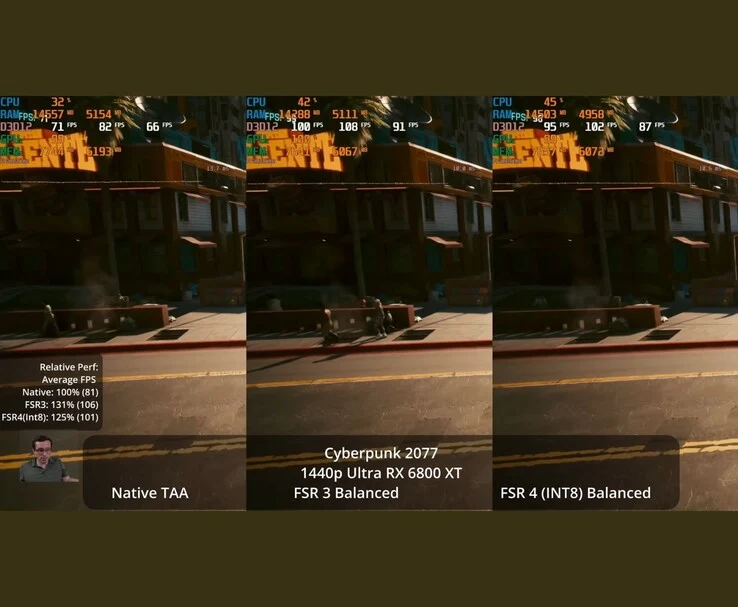
    Initial testing indicates a mix of outcomes. In a recent video, YouTuber Daniel Owen demonstrated that when playing Cyberpunk 2077, FSR 4 on a Radeon RX 6800 XT provides clearer graphics than FSR 3, especially with elements like foliage, holograms, and other intricate details that usually get muddled during temporal upscaling.

    Performance Insights

    The downside, however, is that the performance gain isn’t always significant. For instance, in performance mode at 1440p, FSR 3 achieved frame rates around 122 FPS compared to the native 81 FPS, while FSR 4 managed 114 FPS, which is a bit lower but offers image quality that is much closer to native.

    In simpler terms, FSR 3’s performance mode provides a larger enhancement, but FSR 4 reduces the visual quality gap, even if it sacrifices a few frames per second.

    Installation Challenges

    The tricky part is that getting FSR 4 to work on these GPUs isn’t just about updating to the latest drivers. Owen points out that driver version 23.9.1 enables the leaked INT8 version of FSR 4 to operate, while more recent drivers disrupt this compatibility.

    It is indeed possible to alter current drivers, but this carries risks like conflicts with anti-cheat systems and the potential loss of optimizations specific to newer games. For the average gamer, reverting to an earlier driver is likely the safer, albeit not perfect, solution.

    According to Daniel, using FSR 4 on an RX 6000 GPU can enhance visual quality when compared to FSR 3, with only a slight performance compromise. This version, based on an INT8 leak, lacks the refined FP8 release found on RDNA 4, and issues like “sparkling” highlights may still occur. Nevertheless, in many games, it showed more stable image quality than FSR 3. You can check out the complete video linked below to see the visual differences between FSR 4 and FSR 3 in action.

    Source:
    Link


  • AMD FSR 4 Evidence Grows, AMD Zen 6 iGPU Stays with RDNA 3.5

    AMD FSR 4 Evidence Grows, AMD Zen 6 iGPU Stays with RDNA 3.5

    Key Takeaways

    1. RDNA 4 architecture is confirmed to be exclusive to desktop discrete GPUs, with no application in mobile discrete GPUs or Zen 6 iGPUs.
    2. Upcoming Ryzen APUs, including Medusa Halo and Medusa Point, will utilize the older RDNA 3.5 architecture instead of RDNA 4.
    3. The Medusa Halo iGPU is expected to offer a significant performance boost, potentially up to 50% over the Strix Point 8060S iGPU.
    4. Despite the limitations of the Zen 6 iGPUs, AMD’s FSR 4 technology may still be adapted for older hardware, including devices with RDNA 2.
    5. FSR 4 could become compatible with older devices like the Valve Steam Deck and the original AMD Ryzen Z1 Extreme after optimizations.


    AMD previously mentioned that the RDNA 4 GPU architecture, which powers the impressive Radeon RX 9070 and RX 9070 XT GPUs, wouldn’t be applied to mobile discrete GPUs. However, it now appears that RDNA 4 will be limited to desktop discrete cards, with even the upcoming Zen 6 iGPUs not receiving an upgrade to RDNA 4.

    RDNA 4 Confirmed for Desktop Only

    A recent update to AMD’s GPUOpen driver code on GitHub, brought to light by @Kepler_L2 on X, reveals that RDNA 4 is marked as “dGPU only.” This effectively reinforces earlier speculations that RDNA 4 will not be included in future iGPUs for the Zen 6 Medusa Halo or Medusa Point APUs. Instead, it appears that these forthcoming Ryzen APUs will utilize RDNA 3.5, as previously reported. Even with this reliance on what may seem outdated hardware, rumors suggest that the Medusa Halo iGPU could deliver up to a 50% performance improvement over the Strix Point 8060S iGPU found in the AMD Ryzen AI Max+ 395 APU, which is already a powerful iGPU.

    Impact on Gaming Experience

    While this news might be disheartening by itself, it has broader implications for gamers using current or future AMD iGPUs. The Zen 6 iGPUs sticking to an older GPU architecture adds to the growing evidence that, despite AMD’s statements, it will eventually port its new FSR 4 technology. A recent interview by Digital Foundry with Eurogamer suggested that some version of FSR 4 could run on the PS5 Pro, which is built on RDNA 2 hardware. This implies that FSR 4 could also be compatible with standard consumer-grade PCs that support RDNA 2 and earlier.

    Possible Compatibility with Older Devices

    This means that, after some optimizations, FSR 4 might be adapted for devices as old as the Valve Steam Deck and the original AMD Ryzen Z1 Extreme, which can be found in products like the Asus ROG Ally X (currently priced at $799.99 at Best Buy).

    Source:
    Link

  • OptiScaler Mod Adds FSR4 Support to DLSS2 and XeSS Games

    OptiScaler Mod Adds FSR4 Support to DLSS2 and XeSS Games

    Key Takeaways

    1. The modding community has created OptiScaler, allowing FSR 4 to work in games that support DLSS 2 or XeSS.
    2. OptiScaler enables users to swap between different upscaling technologies for better performance on compatible GPUs.
    3. The mod functions as a mediator using API methods, enhancing frame generation and reducing lag.
    4. Current support for FSR 4 is experimental and limited to Nightly builds, which may have performance issues.
    5. Users have reported significant performance improvements, such as over 60 FPS at 1440p in Cyberpunk 2077 using FSR 4 with OptiScaler.


    The modding community has once again stepped up where companies like Nvidia, Microsoft, and AMD have fallen short. Recently, they created a mod that introduces FSR 4, or AMD’s FidelityFX Super Resolution, to any game that already supports DLSS 2 or XeSS. Currently, this mod is limited to the latest Radeon RX 9070 and RX 9070 XT GPUs, allowing more games to perform better on systems with these graphics cards, instead of just the few that currently offer the upscaling feature.

    Mod Details

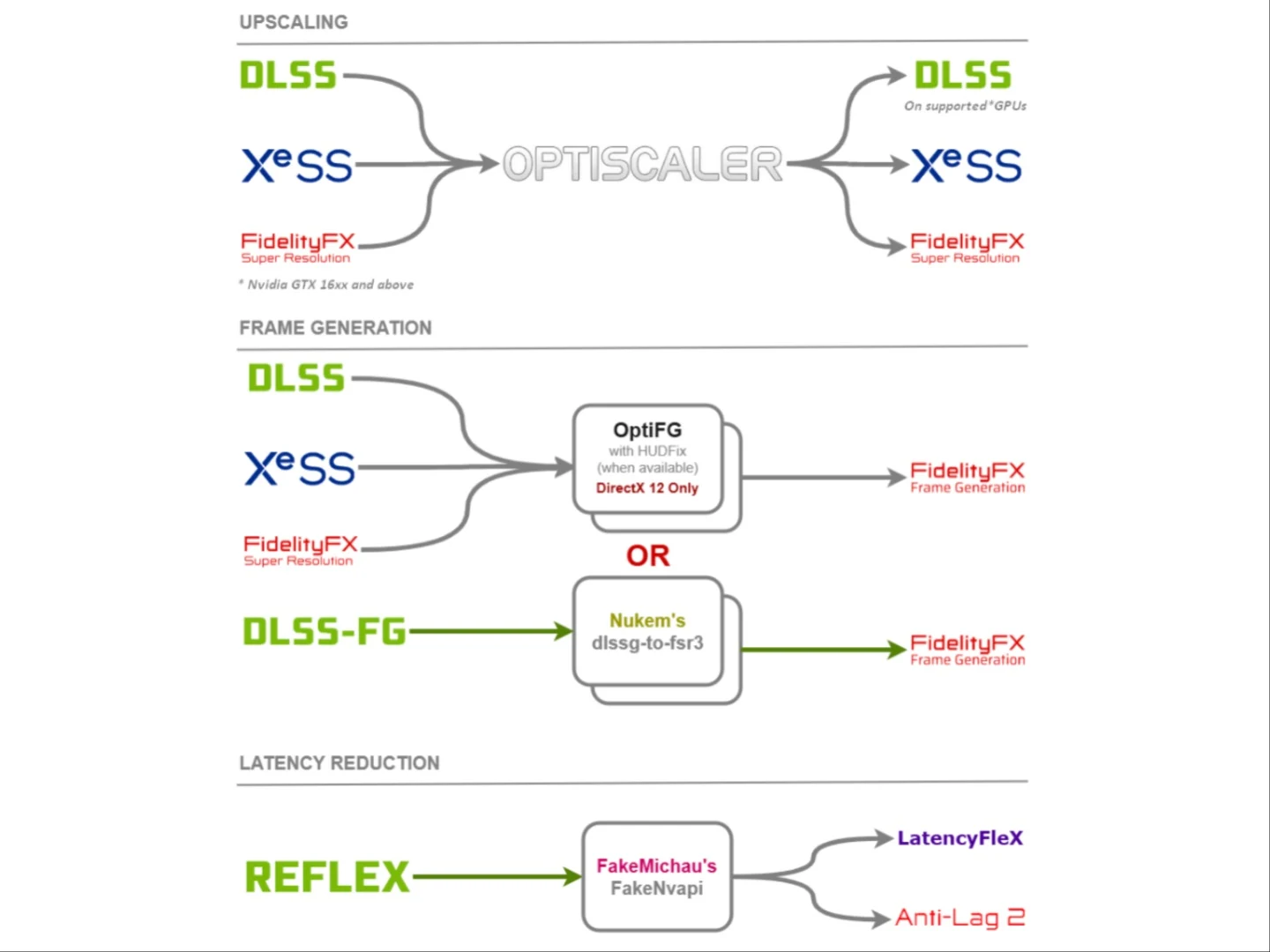
    Uploaded by user cdozdil on GitHub, the mod is named OptiScaler. It enables games that have support for Nvidia’s Deep Learning Super Sampling (DLSS) 2, FSR 2, or Intel’s XeSS to swap out these technologies for any of the other upscalers, including FSR 4. It also works in reverse; for games that only support FSR or XeSS, the mod lets users add support for DLSS, which might perform better on systems with RTX GPUs. This functionality allows players to utilize the frame generation technology that these upscalers provide, even if the game developers haven’t officially included support.

    How It Works

    The GitHub page explains that OptiScaler functions by using the API methods from these different upscaling technologies and acting as a mediator to direct the game to select the user’s desired upscaler. When used with other mods like OptiFG, Nukem’s dlssg-to-fsr3, and FakeMichau’s FakeNvapi, it can facilitate frame generation and Anti-Lag 2.

    Current Limitations

    It’s important to mention that the support for FSR 4 is still in the experimental phase and can only be used through Nightly builds. This means there might be some issues, and the overall performance might not be as refined as when using the other upscalers. However, one user reported impressive results with FSR 4 through OptiScaler while playing Cyberpunk 2077, achieving over 60 FPS at 1440p with full Path Tracing, which is one of the most demanding settings in the game. Since the game does not officially support FSR 3.1, it’s unlikely there will be any official backing for FSR 4 either.

    Source:
    Link

  • FSR 4 vs FSR 3 vs DLSS: FSR 4 Outperforms FSR 3 in Quality

    FSR 4 vs FSR 3 vs DLSS: FSR 4 Outperforms FSR 3 in Quality

    Key Takeaways

    1. Major Improvements in FSR 4: AMD has significantly improved FSR 4 compared to FSR 3, resolving many previous issues and enhancing overall image quality.

    2. Enhanced Visual Effects: FSR 4 addresses ghosting and improves transparency effects, offering sharper images and richer textures in games like Horizon Forbidden West.

    3. Motion Stability Advancements: FSR 4 shows better motion stability and rectifies pixelation and anti-aliasing issues, outperforming FSR 3 and the previous DLSS CNN model.

    4. Competitive Landscape: Despite improvements, Nvidia’s DLSS “Transformer” model still offers superior image quality and anti-aliasing compared to FSR 4, particularly in extreme motion scenarios.

    5. Performance Trade-off: While FSR 4 shows significant advancements, it comes with a performance cost, running slower than both FSR 3 and DLSS CNN in certain scenarios.


    Ever since the introduction of FidelityFx Super Resolution (FSR), AMD has been trailing behind Nvidia in the realm of image reconstruction. The gap in quality has been significant, but with the launch of FSR 4, AMD is determined to bridge this divide. The new FSR 4 has adopted a machine-learning approach similar to Nvidia’s DLSS and Intel’s XeSS, indicating that FSR 4 could finally match the latest version of DLSS.

    Major Improvements Noted

    Digital Foundry conducted an analysis that shows AMD has significantly enhanced FSR 4 when compared to its predecessor, FSR 3. Their testing reveals that FSR 4 has resolved many of the problems that were evident in FSR 3, and in some cases, completely eliminated them.

    Enhanced Visual Effects

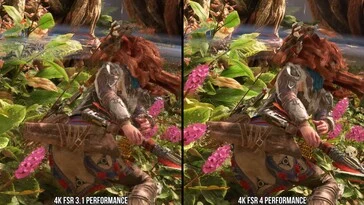
    For example, FSR 4 has addressed the ghosting issues seen in particle effects that were problematic in FSR 3. DF observed a clear enhancement in particle effects in games like Horizon Forbidden West and Ratchet & Clank: Rift Apart. Moreover, the transparency effects on materials such as glass and water have also made notable progress.

    Furthermore, FSR 4 delivers a much higher quality of images with richer textures and surface details. In DF’s tests, the visuals generated by FSR 4 in Horizon Forbidden West appear sharper and significantly cleaner.

    Motion Stability Improvements

    When it comes to motion image stability, FSR 4 again shows a significant advancement over FSR 3. DF highlights that FSR 4 rectifies pixelation and anti-aliasing issues, which is very clear in Horizon Forbidden West. While FSR 3 struggles to maintain a stable image during movement, FSR 4 offers a vastly improved performance without visible artifacts.

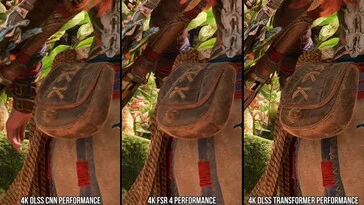
    According to DF, FSR 4 outperforms the previous DLSS Convolutional Neural Networks (CNNs) model in terms of image quality. AMD’s transition to machine learning has enabled FSR 4 to produce superior visuals compared to DLSS CNN. For instance, FSR 4 retains more details and a steadier image in Horizon Forbidden West than its DLSS counterpart.

    A Competitive Landscape

    That said, the new DLSS “Transformer” model is still said to be a step ahead of FSR 4. Nvidia’s latest DLSS technology yields images with greater detail and superior anti-aliasing compared to FSR 4, resulting in a clear difference in image quality between FSR 4 and the DLSS Transformer.

    This trend continues when all three image reconstruction techniques are tested under conditions of extreme motion. In Horizon Forbidden West, for example, FSR 4 does not keep up with the DLSS Transformer regarding motion stability.

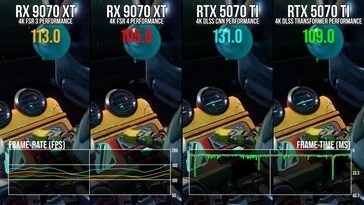
    While it is clear that FSR 4 represents a substantial improvement over FSR 3.1 and is also superior to the DLSS CNN model, the new machine-learning technology does come with a performance trade-off. DF shows that the RX 9070 XT runs Ratchet & Clank: Rift Apart at 4K with FSR 4 performance significantly slower compared to both FSR 3 and DLSS CNN. However, it’s worth noting that the DLSS Transformer also has a higher cost than DLSS CNN.

    In summary, the new image reconstruction technologies from both Nvidia and AMD have advanced beyond their predecessors, but they do incur performance costs.

    To sum things up, FSR 4 is a considerable leap forward from FSR 3. AMD has made substantial improvements and resolved nearly all issues that plagued earlier versions of FSR. Thus, owners of RDNA 4 cards can finally enjoy a much better image reconstruction solution.

    Source:
    Link


  • AMD Discusses FSR 4, Hypr-RX, and Adrenalin Software Updates

    AMD Discusses FSR 4, Hypr-RX, and Adrenalin Software Updates

    Key Takeaways

    1. FSR 4 Transition: AMD’s FidelityFX Super Resolution (FSR) 4 moves to a fully machine learning-based approach, enhancing upscaling calculations and frame generation using dedicated FP8 units in RDNA 4 architecture.

    2. Architectural Advancements: RDNA 4 features second-generation AI accelerators that optimize FSR 4, distinguishing it from older Radeon cards which may not support this technology immediately.

    3. Performance Boost: FSR 4, along with updated features like Anti-Lag 2 and Radeon Super Resolution, is expected to deliver up to a 3.7x FPS boost at 4K with ray tracing enabled through the Hypr-RX functionality.

    4. Game Support: At launch, FSR 4 will support 30 games, with plans for over 75 additional titles to adopt the technology by 2025.

    5. Adrenalin Software Enhancements: Radeon Software Adrenalin Edition 25.3.1 introduces AI-driven features such as Radeon Image Sharpening 2, AMD Chat, and Image Inspector, providing a comprehensive suite of utilities for improved user experience and performance.


    Along with revealing performance figures and explaining the RDNA 4 architecture in the newly launched Radeon RX 9070 XT and RX 9070 graphics cards, AMD is providing insight into its upcoming upscaling technology stack, led by FidelityFX Super Resolution (FSR) 4.

    FSR Evolution

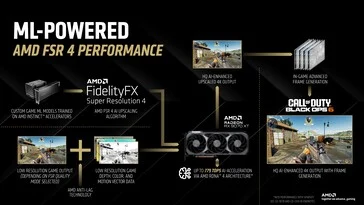
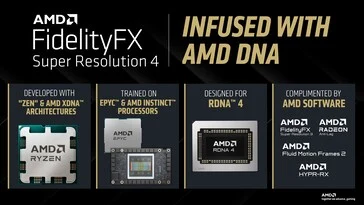
    Up to now, FSR versions, including 3.1, primarily focused on upscaling calculations, utilizing machine learning mainly for generating fluid motion frames (FMF). However, with FSR 4, AMD is transitioning to a fully machine learning-based approach. This process begins with training game models on Instinct GPUs and utilizes dedicated FP8 units on the new RDNA 4 cards for final rendering, frame generation, and Radeon Anti-Lag.

    Similarities with Nvidia

    Nvidia has moved to a transformer model with DLSS 4, which arguably provides better visuals than the earlier conventional neural network (CNN) used in previous versions. AMD is also making similar advancements with FSR 4. The company states that FSR 4 takes advantage of the FP8 capabilities of RDNA 4’s second-generation AI accelerators. This means that older Radeon cards will not benefit from this tech, at least for the time being. While there is potential for backporting FSR 4 or its elements to older models, it’s prudent to not count on that just yet.

    DLSS vs. FSR

    On the flip side, DLSS 4 can be utilized by RTX GPUs dating back to the Turing generation, although the multi-frame generation feature is confined to the RTX 50 series Blackwell cards. FSR 4 employs a proprietary model that combines the strengths of CNN and transformer architectures, as claimed by AMD.

    With updates to AFMF bringing it to version 2.1, alongside Anti-Lag 2, Radeon Boost, and Radeon Super Resolution — all grouped under the Hypr-RX banner — FSR 4 is expected to provide up to a 3.7x FPS boost at 4K with ray tracing activated. Essentially, Hypr-RX allows users to activate all these features in a game with just one click in the Adrenalin driver.

    Game Support and Software

    At launch, AMD assures FSR 4 will support 30 games, with over 75 more expected to adopt this technology through 2025. The RDNA 4 cards will come equipped with Radeon Software Adrenalin Edition 25.3.1, which introduces several handy AI-driven features while keeping a familiar user interface.

    The new Adrenalin version includes Radeon Image Sharpening 2, which provides system-wide image sharpening without relying on any external API. It also supports up to 8K 75 FPS video codec acceleration and hardware flip metering, leveraging updates to RDNA 4’s media engine.

    Additional Utilities

    AMD is including several utilities with Adrenalin 25.3.1, such as AMD Chat, Image Inspector, and AI Apps Manager. AMD Chat is akin to Nvidia’s Chat RTX and functions locally as an LLM, allowing users to chat about GPU-specific questions. It can also assist with local image generation, but users should be ready to allocate 25 GB of disk space for this feature.

    The AI Apps Manager categorizes AI-accelerated applications separately from the rest of your game library. Meanwhile, AMD Image Inspector enables users to capture rendering errors and report them directly to AMD as part of the AMD User Experience program, which is completely optional. It may introduce a slight performance overhead during gaming, but actual performance will be confirmed when we have a chance to test it ourselves.

    AMD Chat and Image Inspector can be customized through the new AMD Install Manager, which also helps ensure that your AMD chipset drivers are up to date. Furthermore, AMD’s ROCm software stack is expected to receive some advancements tailored for RDNA 4, although details on that will be shared at a later date.


  • FSR 4 Support for Radeon RX 9070: Monster Hunter Wilds & Marvel Rivals

    FSR 4 Support for Radeon RX 9070: Monster Hunter Wilds & Marvel Rivals

    Key Takeaways

    1. Players are eager to learn the pricing for the RX 9070 XT and RX 9070 during the February 28 reveal on YouTube.
    2. FSR 4 is AMD’s AI-based upscaling technology aimed at competing with Nvidia’s DLSS 4, but it is limited to AMD’s new GPUs.
    3. An updated list of over 30 games compatible with FSR 4 has been shared, but not all games may support it at launch.
    4. Initial footage of FSR 4 shows improved image upscaling with fewer artifacts, enhancing graphical fidelity.
    5. Gamers are comparing the value of AMD’s RX 9070 series against Nvidia’s RTX 5070 Ti and RTX 5070, especially concerning performance and availability.


    During the reveal on February 28 via YouTube, players are looking forward to discovering the pricing for the RX 9070 XT and RX 9070. AMD might also present some of the newest games that showcase the capabilities of the RDNA 4 architecture. FSR 4 is an AI-based upscaling technology that aims to compete with Nvidia’s DLSS 4. Unlike DLSS 4, however, the advantages of FSR 4 are limited to AMD’s upcoming GPUs. Game compatibility is also crucial, and VideoCardz has shared an updated roster of over 30 games that will be compatible with FSR 4.

    Game Compatibility Concerns

    It’s important to note that this game list isn’t finalized. Moreover, not every game may support FSR 4 when the RX 9070 series launches. However, many key titles are anticipated to take advantage of AMD’s frame generation tech. Capcom’s latest release stands out, especially given the performance challenges highlighted during the Monster Hunter Wilds open beta.

    Additionally, Marvel Rivals is included on the list, which typically performs well on less powerful setups. Nevertheless, not every player is happy with the optimization in the Unreal Engine 5 hero shooter. Other significant titles like Kingdom Come: Deliverance II and Civilization 7 could be utilized by AMD to showcase FSR 4. Previous reports have indicated that more than 75 games will support its features by the close of 2025.

    FSR 4 Technology Insights

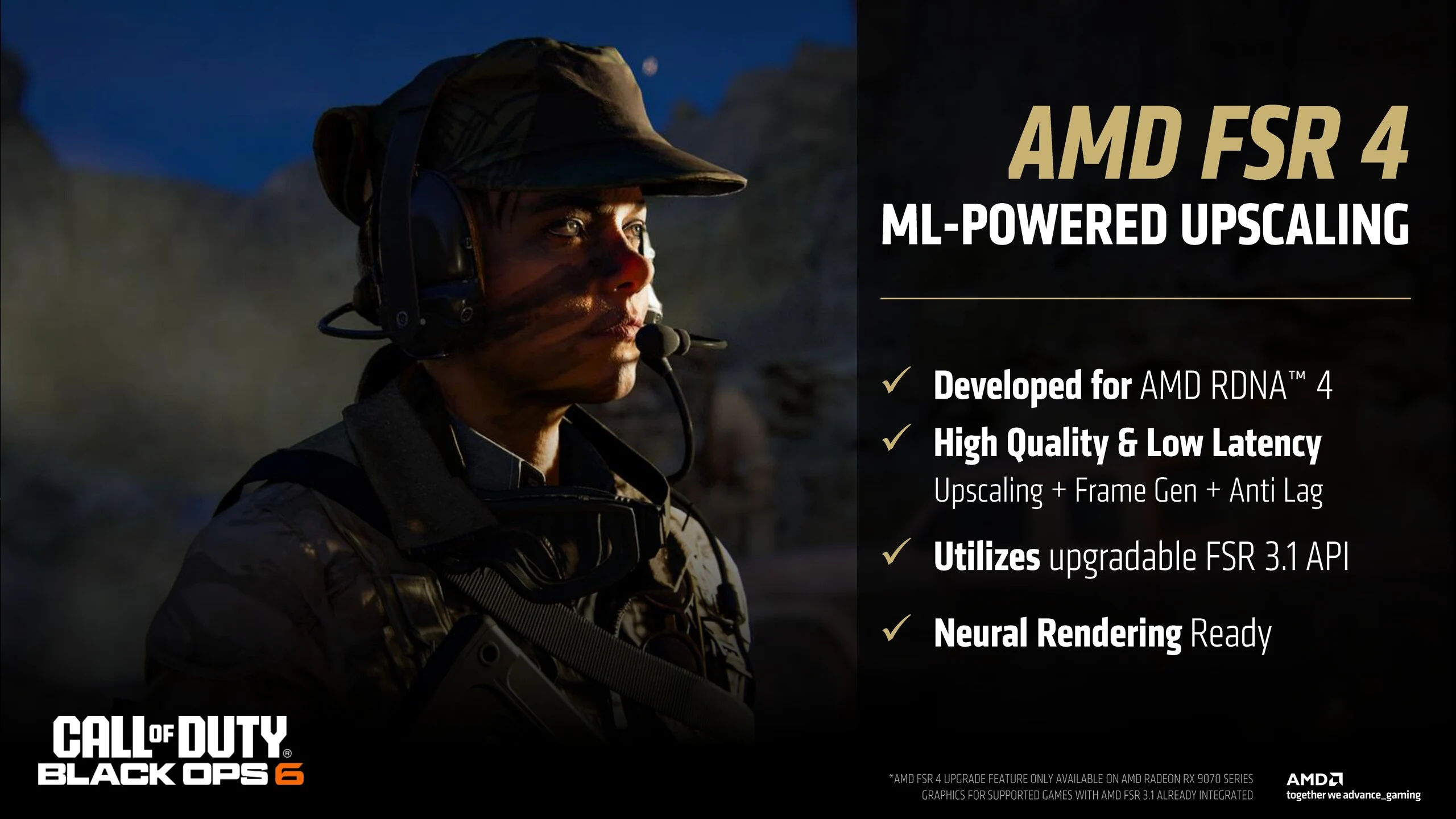
    Initial footage of FSR 4 indicates that it upscales images with fewer artifacts and maintains graphical fidelity. This advancement can help FidelityFX Super Resolution narrow the gap with Nvidia’s DLSS 4, but the requirement for an RDNA 4 GPU can limit its attractiveness. On a brighter note, current games that utilize FSR 3.1 can be upgraded to FSR 4 without much hassle.

    Gamers are also eager to see if the RX 9070 and RX 9070 XT deliver more value for their pricing compared to the RTX 5070 Ti and RTX 5070. Nvidia’s Blackwell cards rely heavily on DLSS 4 to achieve better performance than the RTX 40 series. However, if RDNA 4 cards are seldom available, support for FSR 4 in games won’t matter much.

    Source:
    Link


  • AMD FSR 4 and RX 9070 Enhance Compatibility with FSR 3.1 Games

    AMD FSR 4 and RX 9070 Enhance Compatibility with FSR 3.1 Games

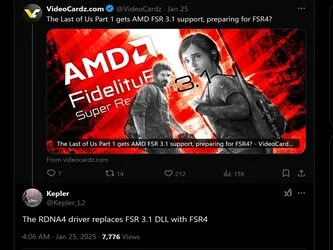
    Recently, news has spread among gamers that the Radeon RX 9070 and RX 9070 XT are now set for a March release. While this may be a wait, those who enjoy AMD graphics can look forward to FSR 4 being compatible with the currently supported FSR 3.1 games. FSR 4 represents AMD’s newest AI-driven upscaling technology that enhances framerates while maintaining image quality. The well-known leaker Kepler_L2 has assured that the upgrade process should be easy for both AMD and its users.

    FSR 4 Exclusivity

    It’s important to note that unlike FSR 3.1, FSR 4 will only work with AMD GPUs built on the RDNA 4 architecture. This means that gamers will have to be patient and await the RX 9000 series to experience the latest advancements in upscaling. Nevertheless, PCGamingWiki has listed many games compatible with FSR 3.1 that could readily take advantage of these upgrades. According to Kepler_L2, the upgrade process is simple and requires just a swap of an older AMD driver file with a new FSR 4 DLL.

    AMD’s Future Plans

    The expectation that FSR 4 would improve upon FSR 3.1 isn’t shocking, especially after AMD’s CES 2025 presentation. When comparing it to Nvidia’s DLSS 4 demonstration, the details about how FSR 4 will enhance gaming performance were somewhat vague. Nonetheless, the updated upscaler is designed to work together with frame generation to boost framerates. Additionally, AMD Anti-LAG 2 is expected to decrease latency, which often follows upscaling. Toward the end of the CES preview slide, AMD indicated that FSR 4 will necessitate that games already support FSR 3.1.

    Implications of Delay

    The unexpected delay of the RX 9000 series provides AMD with additional time to fine-tune games. Recently, well-known titles such as The Last of Us Part 1 have received patches for FSR 3.1 support. Some gamers remain doubtful that FSR 4 will mark a significant advancement in upscaling technology, making the pricing and raw performance of AMD’s upcoming GPUs crucial factors to consider.

    Source:
    Link