Category: Phones

Stay updated with the latest phone news, reviews, and trends. Discover cutting-edge smartphones, features, and innovations in our Phones category at GizNewsDaily

  • Google Pixel 10 Teardown Reveals Major Repair Enhancements

    Google Pixel 10 Teardown Reveals Major Repair Enhancements

    Key Takeaways

    1. The Google Pixel 10 has reduced camera quality compared to the Pixel 9 but improved repairability.
    2. The back cover can be removed easily without heat or special tools, allowing for straightforward access to internal parts.
    3. The battery is simpler to replace, requiring only a few screws and cables to be detached.
    4. Key components like the speaker and USB-C port are individually replaceable, but the three rear cameras are a single module.
    5. The Pixel 10 has a repairability rating of 6 out of 10, highlighting its easier maintenance despite some challenges with the display.


    The Google Pixel 10 may have seen significant reductions in camera quality when compared to its predecessor, the Pixel 9, but it has certainly compensated for this with various enhancements in repairability. The teardown video from iFixit, which is included below, reveals that getting the back cover off the Pixel 10 to access its internal parts is quite straightforward.

    Easy Access to Components

    Although the back cover is typically glued to the body, the adhesive can be taken off without needing heat or special tools. Once the adhesive is loosened, only a single cable has to be disconnected, allowing for the back cover and Qi charging coil to be swapped out easily. Also, there’s good news regarding the battery, which is now simpler to replace than it was in previous models. Just by taking out a few screws and detaching two more cables, you can extract the battery using a large, green tab. The battery does have glue holding it in, but the adhesive is less strong compared to what is found in many other smartphones.

    Replaceable Parts

    Additionally, parts like the speaker, USB-C port, and mmWave antenna can be replaced one by one. However, the three rear cameras come as a single module, meaning if one camera fails, you’ll likely have to change the whole module. Changing the display remains a challenge because the screen is firmly attached to the frame with tough adhesive, increasing the risk of causing damage when trying to take it off. According to iFixit, the Google Pixel 10 scores a repairability rating of 6 out of 10.

    Final Thoughts

    Overall, while there are some setbacks with the camera, the improvements in repairability could be a strong point for users looking to maintain their devices longer. The video from iFixit provides useful insights for those interested in DIY repairs.

    Source:
    Link


  • Motorola Moto G06 Review: Upgrades and Downgrades Explained

    Motorola Moto G06 Review: Upgrades and Downgrades Explained

    Key Takeaways

    1. Larger Display: The Moto G06 features a 6.88-inch IPS display, a size increase from the 6.67-inch display of the Moto G05, but maintains the same HD+ resolution.

    2. Improved Refresh Rate: The refresh rate has been upgraded from 90Hz to 120Hz, although the design for the front camera has changed from a hole punch to a waterdrop notch.

    3. Similar Specifications: The Moto G06 retains the MediaTek Helio G81 Extreme processor and camera system from the G05, with storage options of 64GB, 128GB, or 256GB.

    4. Battery and Charging Changes: The Moto G06 has the same 5,200mAh battery as its predecessor, but the charging speed has decreased from 18W to 10W.

    5. New Software Features: It will launch with Android 15, offering new features like Google Gemini and various AI photo editing tools, starting at a price of €129.99.


    Motorola has revealed the Moto G06, its latest smartphone, following the Moto G05, which was launched about eight months ago in December. Instead of waiting a whole year, the company decided to introduce the G06 at the IFA 2025 event.

    Display and Design Changes

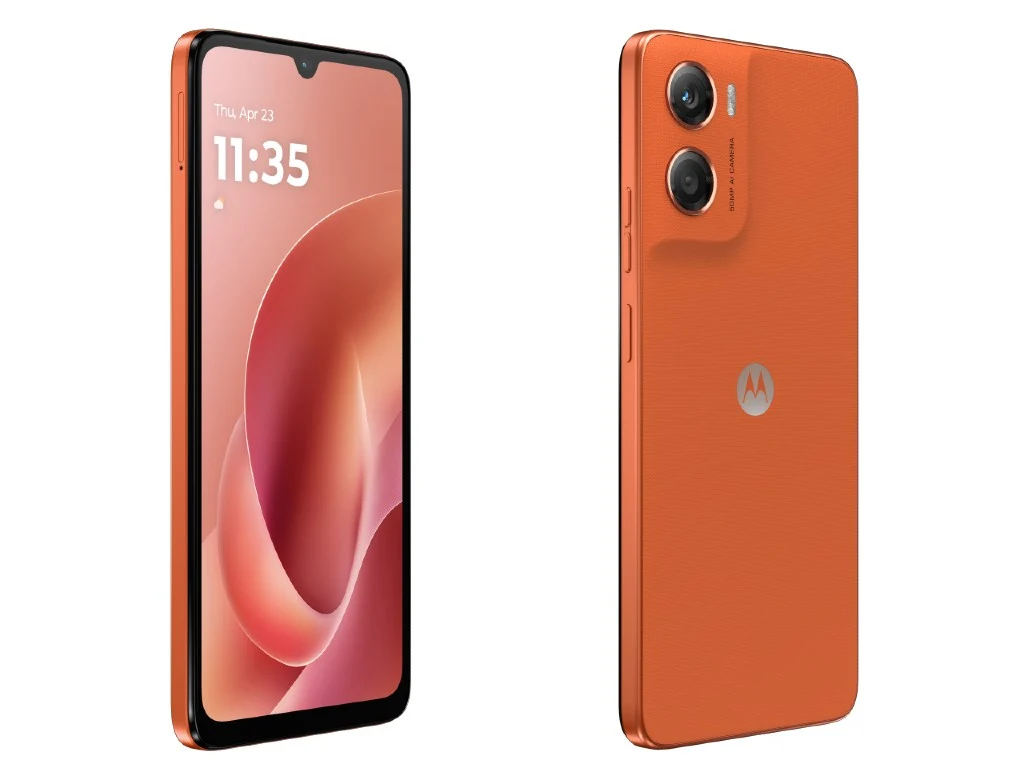
    The Moto G06 features a bigger screen, moving from the 6.67-inch display of the Moto G05 to a 6.88-inch IPS display that is safeguarded by Gorilla Glass 3. Motorola has stated that this is the largest screen in the Moto G series, but the resolution remains at HD+, just like its predecessor.

    The refresh rate has been improved from 90Hz to 120Hz; however, some users may not like the switch from the hole punch design to a waterdrop notch for the front-facing camera. On the bright side, it retains the G05’s Water Touch technology, allowing for use even with wet fingers.

    Similarities in Specifications

    Besides the bigger display, the Moto G06 keeps many specifications similar to the Moto G05. It is powered by the same MediaTek Helio G81 Extreme processor and comes with either 4GB or 8GB of RAM, along with storage options of 64GB, 128GB, or 256GB that can be expanded. The camera system is also the same, featuring a 50MP f/1.8 rear camera with a 2-in-1 light sensor and an 8MP front camera.

    This entry-level device includes an audio jack, stereo speakers that offer a Bass Boost feature, which supposedly provides double the bass of the G05, and supports Dolby Atmos. It also includes Bluetooth 6.0, NFC, a fingerprint reader, and FM radio. Unlike the Moto G05 with its IP54 rating for dust and water resistance, the G06 boasts a higher IP64 rating.

    Battery and Software Features

    Sadly, even with the larger screen, the Moto G06 does not have a bigger battery, as it still holds a 5,200mAh battery like its predecessor. The letdown continues as the charging speed has also decreased from 18W on the G05 to 10W on the G06.

    The Moto G06 will come pre-installed with Android 15, including features like Google Gemini, Circle-to-Search, and various AI photo editing tools such as Magic Editor, Magic Eraser, and Photo Unblur through the Google Photos app.

    With a starting price of €129.99, the smartphone is now available in four Pantone colors: Laurel Oak, Arabesque, Tapestry, and Tendril, all of which come with a dust-resistant and oleophobic coating. Depending on the region, the Moto G06 will include a USB-C cable, earphones, a protective case, a screen protector, and a 10W charger.

    Source:
    Link


  • Oppo Find X9 & X9 Pro: Giant Batteries Outperform Apple & Samsung

    Oppo Find X9 & X9 Pro: Giant Batteries Outperform Apple & Samsung

    Key Takeaways

    1. Oppo’s Find X9 series will feature significant battery capacity enhancements without a major increase in thickness compared to the Find X8 models.
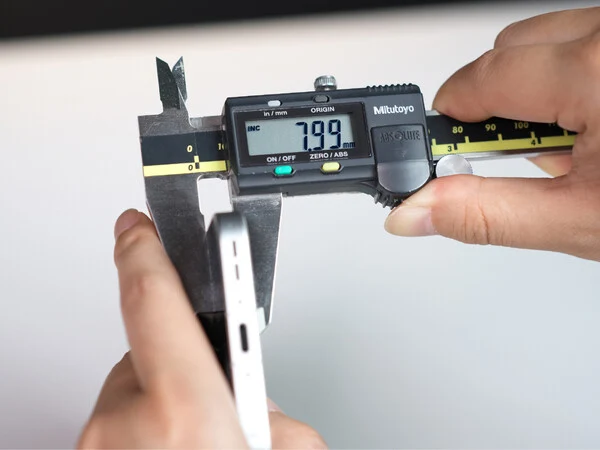
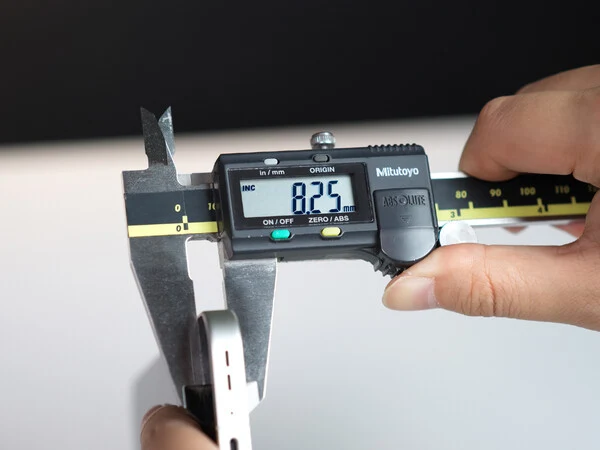
    2. The Find X8 has a 5,630 mAh battery in a 7.9 mm casing, while the Find X8 Pro has a 5,910 mAh battery in an 8.2 mm casing.
    3. The Find X9 and Find X9 Pro will be slightly thicker at 7.99 mm and 8.25 mm, respectively.
    4. The Find X9 is expected to have a battery exceeding 6,630 mAh, and the Find X9 Pro may reach up to 7,500 mAh.
    5. The launch of the Find X9 series is anticipated for this fall, coinciding with MediaTek’s Dimensity 9500 chipset introduction.


    Oppo’s executive Zhou Yibao has revealed fresh details about the Find X9 series, having dismissed rumors regarding the design of the company’s flagship models earlier this week. This time, he hinted that Oppo will roll out notable enhancements in battery capacity without needing to increase the thickness of its upcoming flagships significantly compared to the current Find X8 and Find X8 Pro.

    Battery Breakthrough

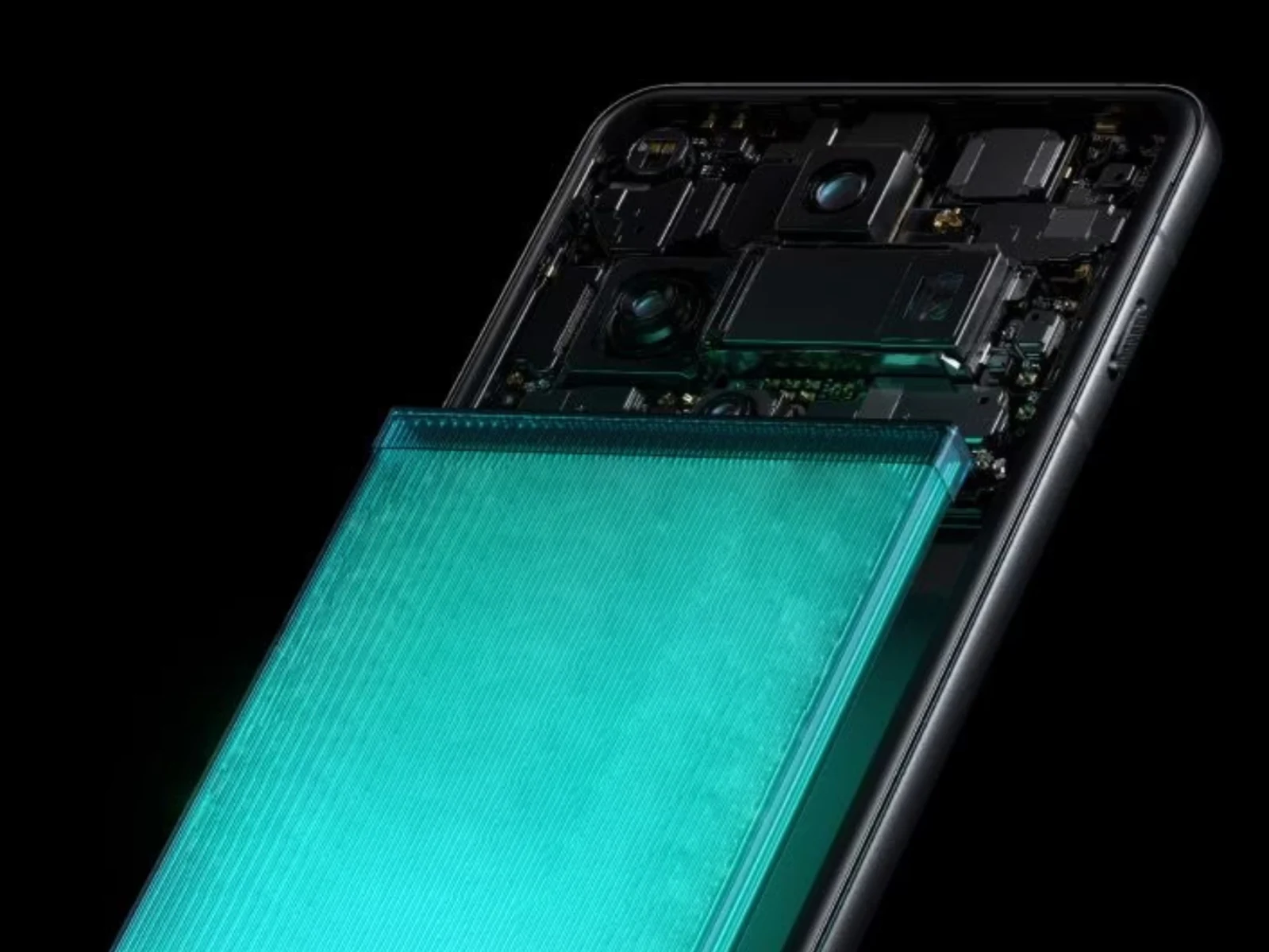
    To give some background, the Find X8 and Find X8 Pro already outperform competitors from Apple and Samsung, such as the iPhone 16 Pro and Galaxy S25 Plus (currently priced at $999 on Amazon), thanks to their larger batteries. Oppo employs silicon carbon technology, enabling the Find X8 to house a 5,630 mAh battery within a slim 7.9 mm casing. The Find X8 Pro, on the other hand, is slightly thicker at 8.2 mm but boasts a larger 5,910 mAh battery.

    Slightly Thicker, Much Better

    As per Zhou Yibao, the Find X9 and Find X9 Pro are just a tad thicker than their predecessors, measuring 7.99 mm and 8.25 mm, respectively. Nevertheless, Oppo has cleverly managed to integrate a battery that exceeds 6,630 mAh in the Find X9, while the Find X9 Pro is expected to come close to a remarkable 7,500 mAh. It is anticipated that Oppo will launch the Find X9 and Find X9 Pro this fall, coinciding with MediaTek’s introduction of its Dimensity 9500 chipset.

    Source:
    Link


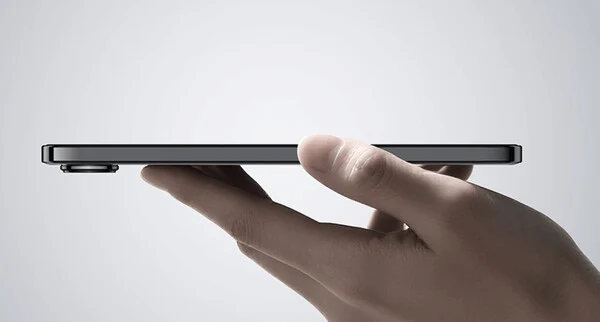
  • Nubia Air Debuts to Compete with iPhone 17 Air and Galaxy S25 Edge Under $300

    Nubia Air Debuts to Compete with iPhone 17 Air and Galaxy S25 Edge Under $300

    Key Takeaways

    1. Apple is set to release its first Air-branded iPhone with a slim design, the thinnest since the iPhone 6.
    2. ZTE has launched the Nubia Air, a budget-friendly smartphone priced at €249 in Europe and $279 worldwide.
    3. The Nubia Air is expected to compete with the discounted Samsung Galaxy S25 Edge, which originally launched at $699.
    4. The actual thickness of the Nubia Air may be closer to 6.7 mm, not the claimed 5.9 mm.
    5. The Nubia Air will come in three color variants and is expected to launch in Europe soon, with other regions pending confirmation.


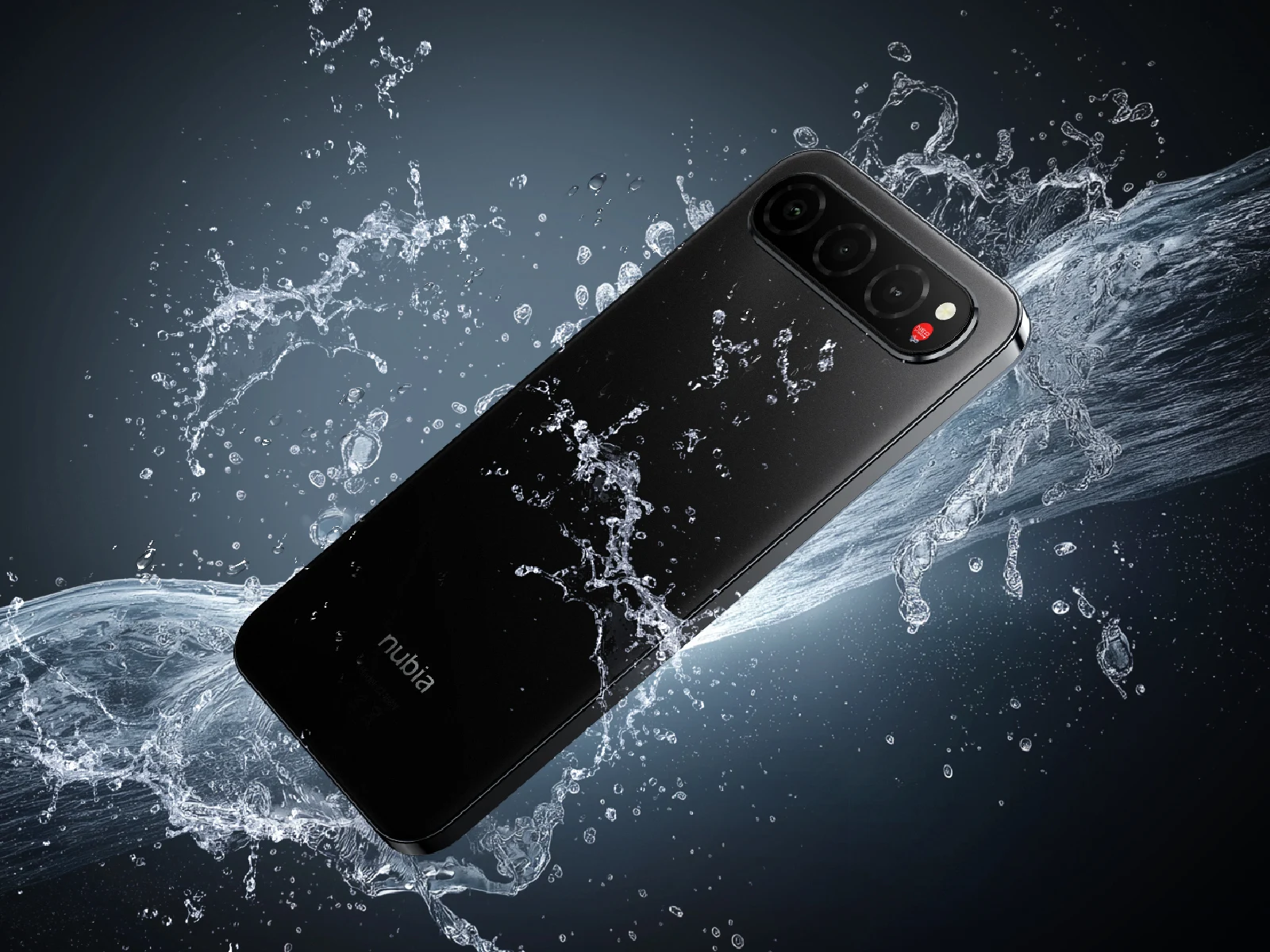
    Apple is gearing up to release its first Air-branded iPhone this month, featuring the slimmest design since the iPhone 6. At the same time, ZTE has introduced the Nubia Air, a budget-friendly option that competes with Samsung’s Galaxy S25 Edge, which debuted earlier this year for around $699 on Amazon.

    Pricing and Availability

    While the Galaxy S25 Edge has been frequently discounted since its launch, the Nubia Air is set to launch at a much lower price point than the discounted Galaxy S25 Edge. Specifically, ZTE plans to sell the Nubia Air for €249 in Europe and $279 worldwide. For this price, buyers will receive the following specifications:

    Design and Features

    Previously, we mentioned that the Nubia Air may not actually be the 5.9 mm thick device that ZTE claims. In reality, it’s likely to measure closer to 6.7 mm. Regardless, the Nubia Air will come in three color variants: Streamer Black, Titanium Black, and Titanium Desert. It is expected to be available in Europe later this month, followed by a launch in the Middle East, Latin America, and Southeast Asia. However, ZTE has yet to confirm if the Nubia Air will be sold in the US or provide specific launch dates for the other regions. For more information, check Nubia’s product page.

    Source:
    Link


  • Galaxy S26 Ultra vs S25 Ultra: Size and Design Comparison Leak

    Galaxy S26 Ultra vs S25 Ultra: Size and Design Comparison Leak

    Key Takeaways

    1. The Galaxy S26 Ultra is rumored to have a design with more rounded corners, resembling the iPhone.
    2. The phone’s dimensions are expected to be slightly larger than the Galaxy S25 Ultra, measuring approximately 163.4 mm in height and 77.9 mm in width.
    3. The overall size change between the S26 Ultra and S25 Ultra is minor, with the main difference likely being a slimmer thickness.
    4. The front design of the Galaxy S26 Ultra will be distinct from the S25 Ultra, though not as rounded as the iPhone 16 Pro Max.
    5. Samsung is rumored to be making significant changes to the rear camera setup to accommodate improved cameras in a thinner design.


    The Samsung Galaxy S26 Ultra, which is the top-tier model in the upcoming Galaxy S26 lineup, is rumored to have a design that resembles the iPhone more closely. This could indicate that the corners of the Galaxy S26 Ultra will be more rounded compared to its predecessor, the Galaxy S25 Ultra. Until now, it was unclear if this design change would also mean any alterations to the phone’s overall size.

    New Dimensions Revealed

    A leaker known as UniverseIce has disclosed the precise height and width measurements for the Galaxy S26 Ultra. They also shared a mock-up showing the front of the Galaxy S26 Ultra alongside the Galaxy S25 Ultra, allowing us to see how the supposed rounded corners modify its look.

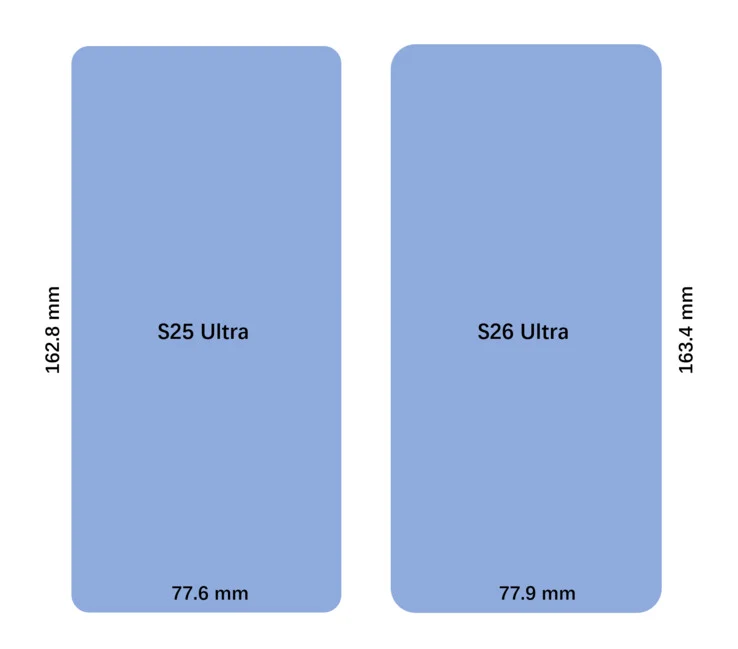
    According to UniverseIce, the Galaxy S26 Ultra will measure approximately 163.4 mm in height and 77.9 mm in width. This represents a minor increase from the Galaxy S25 Ultra, which stands at 162.8 mm tall and 77.6 mm wide. Thus, the two devices may be quite similar in size, with the main difference likely being the thickness, as there are rumors suggesting that Samsung intends to make the S26 Ultra slimmer.

    Design Differences

    The mock-ups shared by UniverseIce on X show that the front of the Galaxy S26 Ultra appears rounder compared to that of the Galaxy S25 Ultra. Although its corners may not be as rounded as the iPhone 16 Pro Max, the design of the Galaxy S26 Ultra is expected to be distinct from the Galaxy S25 Ultra.

    In summary, those who anticipated significant size changes in the Galaxy S26 Ultra may need to adjust their expectations, as it appears they will be getting a phone that is largely the same size for yet another year. Furthermore, it is rumored that Samsung, similar to Oppo, is planning some radical changes to the rear camera setup of the Galaxy S26 Ultra to potentially fit improved cameras into a thinner design.

    Source:
    Link


  • Flagship Smartphones with Continuous Zoom Cameras Like Sony Xperia 1 VII

    Flagship Smartphones with Continuous Zoom Cameras Like Sony Xperia 1 VII

    Key Takeaways

    1. The Sony Xperia 1 VII features a 12-megapixel telephoto camera with a real zoom lens, allowing for 3.5x to 7.1x zoom without image quality loss.
    2. Continuous zoom telephoto cameras may become standard in future flagship smartphones, with Samsung reportedly developing a model for Chinese brands.
    3. Current examples of continuous zoom technology exist in compact cameras, like the Sony RX100 VII.
    4. Challenges for continuous zoom lenses include the need for more space, often requiring smaller sensors to fit into compact designs.
    5. The telephoto camera on the Xperia 1 VII uses a small 1/3.5-inch sensor, while competitors like the Xiaomi 15 Ultra use larger sensors for better optical zoom performance.


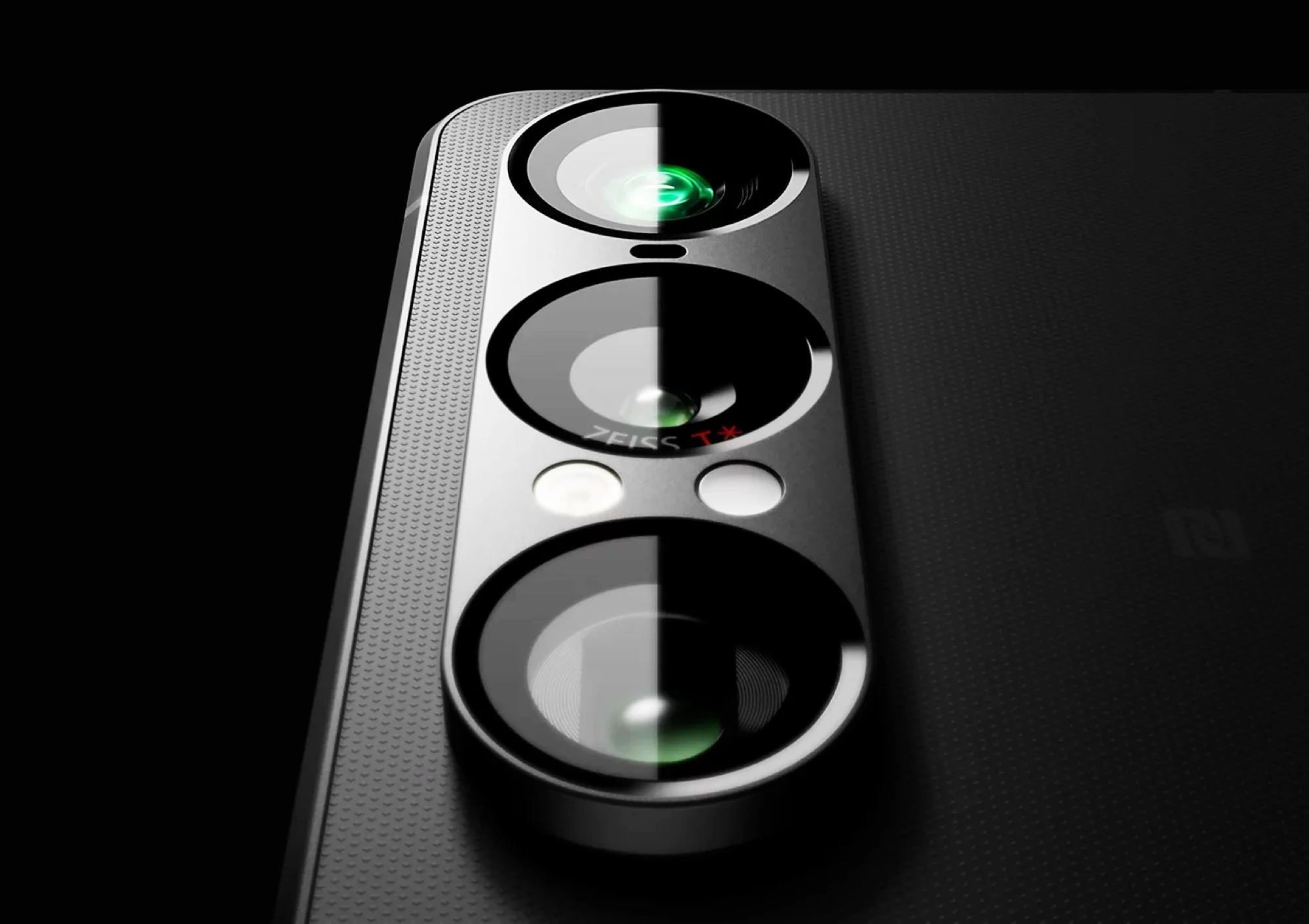
    One of the standout features of the Sony Xperia 1 VII is its 12-megapixel telephoto camera, which includes a real zoom lens. This allows for a continuous adjustment of the 35mm-equivalent focal length ranging from 85mm to 170mm, providing 3.5x to 7.1x zoom without degrading the image quality, unlike digital zoom.

    Future of Telephoto Cameras

    Zoom lenses like this are already present in compact cameras, for instance, the Sony RX100 VII, which is priced at $1,698 on Amazon. There are indications that in the future, continuous zoom telephoto cameras might become a norm in flagship devices from various brands. According to reports from The Elec, Samsung is working on developing such a camera for Chinese smartphone makers. The specifications for this upcoming telephoto camera are not yet available, and there is no information about when it might be released. The report highlights that this camera is mainly designed for Chinese flagship smartphones rather than for Samsung Galaxy S, Apple iPhones, or Google Pixel devices.

    The Advancements and Challenges

    Continuous zoom lenses are anticipated to be a significant advancement in smartphone camera technology. However, they come with their own set of challenges. These lenses require considerable space, which means they might need to be combined with smaller sensors to fit into compact camera setups. For example, the telephoto camera on the Sony Xperia 1 VII utilizes a small 1/3.5-inch sensor, in contrast, the Xiaomi 15 Ultra features a 200MP periscope telephoto camera that boasts a 4.3x optical zoom using a larger 1/1.4-inch sensor—about five times bigger than Sony’s sensor.

    Source:
    Link


  • Samsung Galaxy S26 Edge: Major Design Changes Expected

    Samsung Galaxy S26 Edge: Major Design Changes Expected

    Key Takeaways

    1. The Galaxy S25 series maintains Samsung’s traditional brick-style design, but the upcoming Galaxy S26 series may introduce significant changes, especially with a potential Edge model replacing the Plus version.
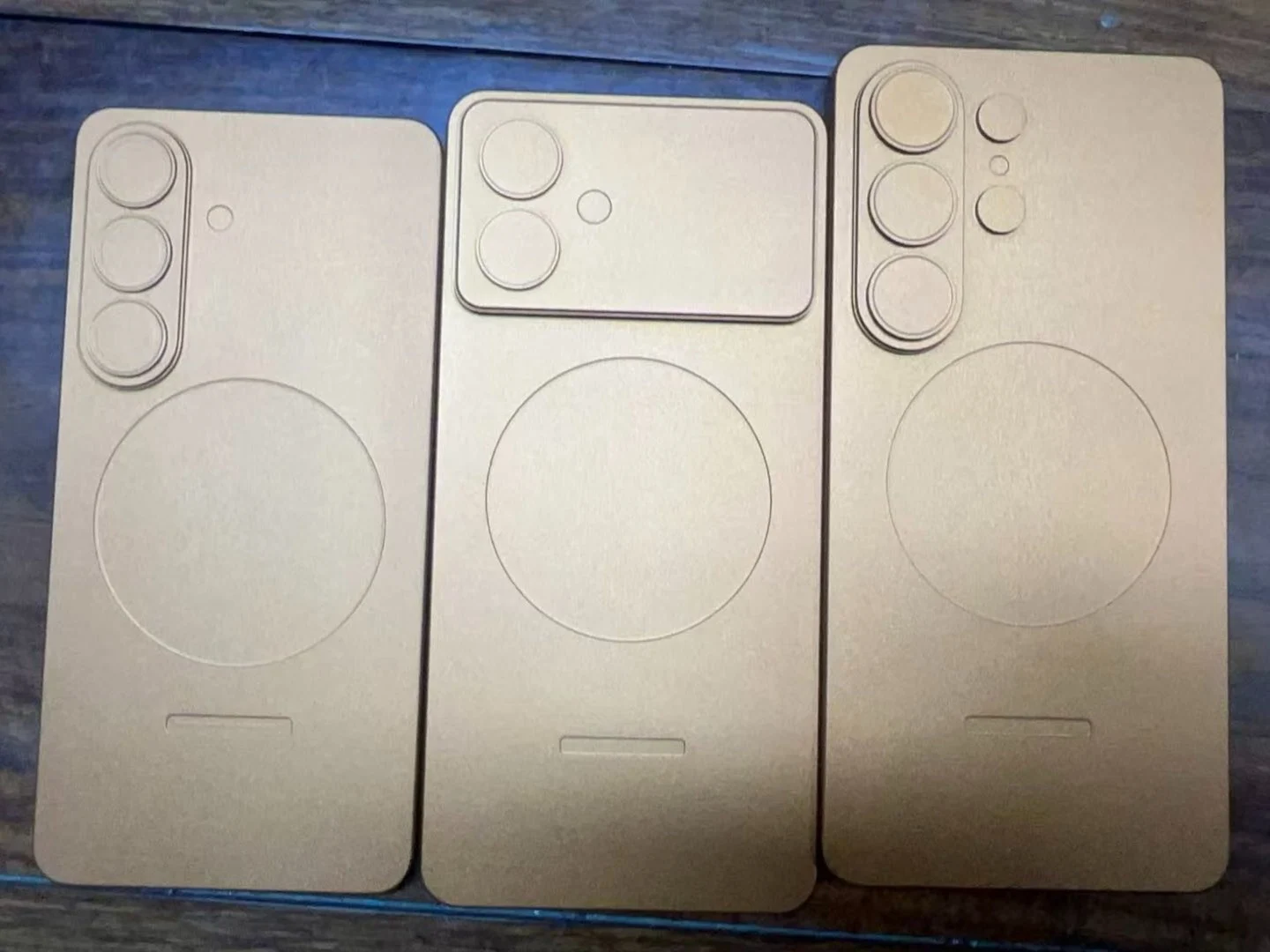
    2. Leaked images suggest the Galaxy S26 Edge could feature a camera bar similar to the iPhone 17, with two vertically aligned cameras and a flash cutout.
    3. The camera layout for all Galaxy S26 models will include a vertical camera bar, with the S26 Ultra having additional cameras beside the flash.
    4. There’s speculation about the inclusion of MagSafe-like functionality in the Galaxy S26 series, indicated by round indentations for wireless charging coils.
    5. Samsung is expected to unveil the Galaxy S26 series in January of the upcoming year, following its recent product launches in September.


    For a long time, Samsung has kept its basic brick-style phone design for the Galaxy S series, and the new Galaxy S25 series follows this tradition. However, with rumors suggesting the company will swap the Plus model for an Edge version in the upcoming Galaxy S26 series, there could be a significant design change ahead. The other two models are likely to experience only slight adjustments in their designs.

    New Design Features

    A recent image of supposed dummy units for the Galaxy S26 series was shared by Sony Dickson on X, suggesting that Samsung might be taking inspiration from the iPhone 17 series, particularly with the Galaxy S26 Edge. The phone features a camera bar that stretches across its entire width, similar to what has been rumored for the iPhone 17 models. On the left side, two cameras are positioned vertically with a flash cutout nearby, leaving the rest of the bar empty.

    Camera Layout Changes

    In terms of the Galaxy S26, Galaxy S26 Pro, and Galaxy S26 Ultra, instead of having separate camera cutouts, there is a vertical camera bar that contains the three sensors. The Galaxy S26 Ultra includes two additional cameras on either side of the bar, next to the flash.

    Additionally, all three dummy units show a round indentation where the wireless charging coil is usually located. Some commenters believe this could hint at the inclusion of MagSafe functionality in the Galaxy S26 series. Following a similar approach, Google introduced its Pixel Snap ecosystem with the Pixel 10 series, which featured internal magnets, so it wouldn’t be too shocking if Samsung decides to implement this as well.

    Expected Launch

    As has been the case in the past, Samsung is projected to reveal the Galaxy S26 series in January of the upcoming year. Just recently, on September 4, the company introduced the Galaxy S25 FE, Galaxy Tab S11, and Galaxy Tab S11 Ultra at its Galaxy event.

    The insights shared by Sony Dickson on X highlight the potential shifts in Samsung’s design direction, emphasizing both innovation and continuity in its latest offerings.

    Source:
    Link


  • OnePlus 15 to Feature Next-Gen BOE Display Technology

    OnePlus 15 to Feature Next-Gen BOE Display Technology

    Key Takeaways

    1. The OnePlus 15 is expected to feature the third-generation BOE Oriental display with a resolution of 1.5K and a refresh rate of 165Hz.
    2. It will be powered by the Snapdragon 8 Elite 2 processor.
    3. The device is rumored to have a battery capacity of around 7,000mAh with 120W wired fast charging.
    4. A revamped design aesthetic is anticipated for the OnePlus 15, which will be unveiled in October 2024 in China.
    5. A budget-friendly model, the OnePlus Ace 6, and a new Turbo series of smartphones are also reportedly in development.


    The OnePlus 13 was unveiled in November 2024 in China, showcasing the impressive BOE X2 Oriental display that earned the top grade of A++ from DisplayMate. Recently, there’s been a leak that shares some insights about the display of the upcoming OnePlus 15.

    New Display Details

    According to Digital Chat Station on Weibo, the anticipated OnePlus 15, which is expected to be powered by the Snapdragon 8 Elite 2, will feature the third-generation Oriental screen from BOE. The source hints that the announcement for BOE’s supposed X3 Oriental panel is on the horizon. This approach mirrors what was done with the OnePlus 13 last year when its display specs were made public before the phone’s official launch.

    Impressive Specifications

    Leaks indicate that the OnePlus 15 will come with a 6.78-inch display. It’s rumored to have a resolution of 1.5K and a refresh rate of 165Hz. For reference, the OnePlus 13 (currently priced at $873 on Amazon) sports a slightly larger 6.82-inch display with a 2K resolution but has a lower refresh rate of 120Hz.

    Upcoming Features

    Other rumored features include a robust battery capacity of approximately 7,000mAh, along with 120W wired fast charging and a revamped design aesthetic. It is anticipated that this flagship device will make its debut in China in October, alongside a more budget-friendly model, the OnePlus Ace 6. Additionally, there are reports suggesting that the company is also developing a new budget-friendly Turbo series of smartphones.

    Source:
    Link


  • Vivo X300 Pro: First Zeiss Telephoto Camera Samples & Specs Revealed

    Vivo X300 Pro: First Zeiss Telephoto Camera Samples & Specs Revealed

    Key Takeaways

    1. The Vivo X300 Pro will not have major changes compared to the Vivo X200 Ultra but will offer significant camera improvements.
    2. It features a 200-megapixel ISOCELL HPB sensor and impressive telephoto capabilities.
    3. The X300 Pro will use a 1/1.28-inch Sony LYT-828 sensor, promising more dynamic images with an F/1.57 lens and CIPA 5.5-level stabilization.
    4. The triple camera system will benefit from Zeiss APO telephoto technology.
    5. The series includes a new 50-megapixel selfie camera with autofocus and a 92-degree field of view.


    The upcoming Vivo X300 Pro is not expected to feature major changes like its counterpart, the Vivo X200 Ultra, which boasts a 35mm camera and large sensors. However, there are still some impressive upgrades in the works. The most significant improvements are related to the camera system. Even though the launch of this smartphone in China is still a few weeks away, Vivo’s Han BoXiao has been actively promoting the X300 Pro since September 1.

    Camera Features Highlighted

    Recent days have revealed official details about the Vivo X300, which includes a 200-megapixel ISOCELL HPB sensor, along with highlights of the Vivo X300 Pro’s telephoto capabilities. The X300 Pro is not expected to hit European markets until 2026, or possibly late 2025 at the earliest. A short video shared on Weibo showcases the impressive zoom capabilities of the new 200-megapixel telephoto lens, and we have included screenshots from it.

    Technical Specifications of the X300 Pro

    Unlike the Vivo X300, which has a 1/1.4-inch 200-megapixel ISOCELL HPB main sensor, the Vivo X300 Pro will feature the 1/1.28-inch Sony LYT-828. This new sensor, a direct upgrade from the LYT-818 found in the Vivo X200 Pro, may not be larger but promises to deliver more dynamic images, according to the product presentation. It will also come equipped with an F/1.57 lens, which reportedly offers CIPA 5.5-level stabilization and incorporates a Zeiss T* coating. The X300 Pro’s triple camera system will also benefit from the advantages of the Zeiss APO telephoto.

    Enhanced Selfie Camera

    Additionally, the entire Vivo X300 series is set to feature a new, larger 50-megapixel selfie camera that includes autofocus and a 92-degree field of view. This upgrade is part of Vivo’s ongoing commitment to enhancing their smartphone camera technology.

    Source:
    Link


  • Oppo A6 Pro Launch Date Aligned with iPhone 17 Event

    Oppo A6 Pro Launch Date Aligned with iPhone 17 Event

    Key Takeaways

    1. Launch Timing: Oppo A6 Pro is launched on the same day as Apple’s iPhone 17 series, aiming to intensify competition between the two brands.

    2. Sustainability Focus: The smartphone highlights remarkable battery longevity, claiming it can last up to six years, emphasizing sustainability in the mid-range market.

    3. Modern Design: The A6 Pro features a contemporary design with a flat display, sleek edges, and a gold color option, aligning with current design trends.

    4. Mid-Range Hardware: The device is powered by MediaTek’s Dimensity 6300 chipset, includes 8 GB of RAM, and offers storage options of 128 or 256 GB, with decent performance benchmarks.

    5. Comparison with A6 Max: The release follows the Oppo A6 Max, which has superior specs, raising questions about how the A6 Pro will differentiate itself in features or performance.


    One might question the wisdom of launching a new smartphone on the same day that the leading smartphone maker showcases its yearly Apple iPhone 17 series. Yet, Oppo has selected this exact date to officially introduce the Oppo A6 Pro in China. Some could argue that the iPhone 17 presentation holds little interest for the Chinese audience, but that would be misleading. The iOS devices continue to perform remarkably well in that market. However, it seems Oppo aims to intensify the rivalry between these two tech giants.

    Focus on Sustainability

    In the announcement, the company emphasizes the remarkable battery longevity, claiming it can last as long as six years. This clear emphasis on sustainability and durability is something that is not often prioritized in the mid-range smartphone category.

    A Modern Design

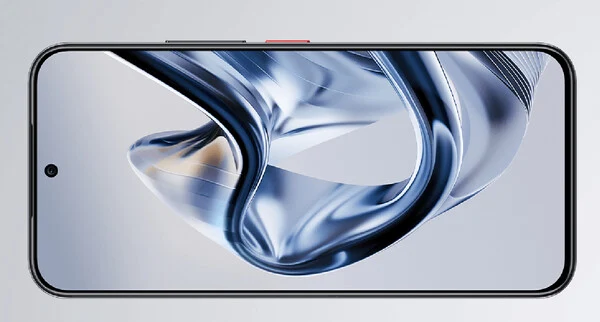
    Oppo has embraced a contemporary aesthetic for the A6 Pro, aligning with the trend for sleek edges and flat surfaces. The device features a punch-hole display with the front camera situated at the top center. The display is completely flat, showcasing the trendy flat-edge design. A gold color option has been confirmed, adding a touch of elegance to the device. Oppo has not yet disclosed any details regarding the rear of the smartphone, suggesting the final look will only be revealed during the unveiling.

    Mid-Range Hardware

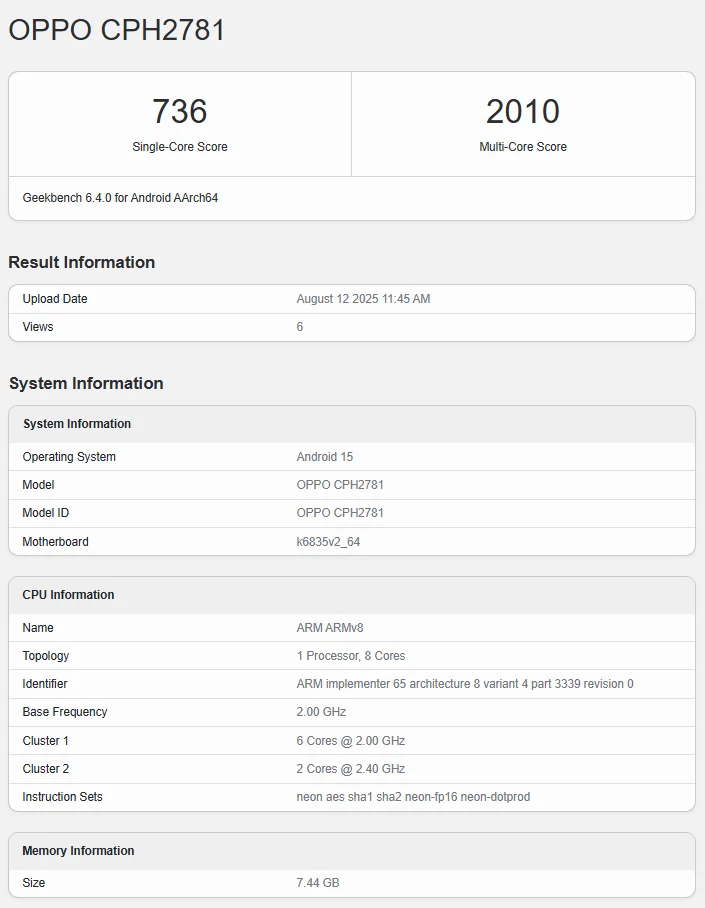
    When it comes to hardware, the A6 Pro clearly fits into the mid-range category. Reports from Geekbench indicate that it is powered by MediaTek’s Dimensity 6300 chipset, which is produced using a 6-nanometer fabrication process. It features two performance cores, ARM Cortex-A76, that can reach speeds of up to 2.4 GHz. The energy-saving operation is handled by six ARM Cortex-A55 cores running at 2.0 GHz. The system on a chip (SoC) is enhanced with an ARM Mali G57 MP2 GPU. Oppo pairs the MediaTek processor with 8 GB of RAM and Android 15 as the OS. Similar to its predecessor, the Oppo A5 Pro, it will offer options for 128 or 256 GB of internal storage.

    In initial tests at Geekbench, the device achieved 736 points in single-core performance and 2,010 points in multi-core performance, indicating decent but not remarkable capabilities. TÜV certification shows that Oppo has included 80-watt fast charging, although the exact battery capacity is still unknown, meaning only the charging speed has been confirmed.

    Following the A6 Max

    The introduction of the Oppo A6 Pro comes shortly after the launch of the Oppo A6 Max, which features a much more powerful Snapdragon 7 Gen 3 processor, an impressive 7,000 mAh battery, and a 6.8-inch 120 Hz OLED screen. The Max version also includes features like IP69 rating and a 50 MP main camera, raising the bar in its segment.

    It remains to be seen whether the A6 Pro will incorporate similar features or set itself apart more distinctly with its “Pro” label. It’s possible that Oppo might enhance the display or camera capabilities or concentrate on the promised battery life. Hence, for now, only the chipset and visible design aspects have been confirmed.

    Source:
    Link