Category: Phones

Stay updated with the latest phone news, reviews, and trends. Discover cutting-edge smartphones, features, and innovations in our Phones category at GizNewsDaily

  • New BlackBerry-Inspired Smartphone with Android 16 and 5G

    New BlackBerry-Inspired Smartphone with Android 16 and 5G

    Key Takeaways

    1. The Zinwa Q27 smartphone features a physical keyboard, reminiscent of classic BlackBerry designs.
    2. It is expected to run on a MediaTek Dimensity 7300 chipset with 12GB of LPDDR5 RAM and 256GB of UFS 3.1 storage.
    3. The device has a 3.92-inch AMOLED screen with a resolution of 1080 x 1240 and a nearly square aspect ratio.
    4. Camera specifications include a 50-megapixel main camera and a 16-megapixel front-facing camera.
    5. The Q27 is anticipated to have a battery capacity between 3,500 and 4,000mAh, with 33-watt charging support and expansion options for storage via microSD.


    The brand Zinwa might ring a bell for some, as we have talked about one of its smartphones before. Now, there are new updates about a fresh Zinwa smartphone that could be seen as a modern twist on the classic BlackBerry design, featuring a physical keyboard.

    Available Options

    Other smartphones with physical keyboards still exist, and a few even come with add-on keyboards. However, the Zinwa Q27 is not quite ready for consumers yet, but there are fairly precise specs already circulating. Unlike the Q25 Pro, the Q27 does not function as an upgrade kit.

    Specifications and Features

    This smartphone is likely to run on a MediaTek Dimensity 7300 chipset coupled with 12GB of LPDDR5 RAM. Moreover, Zinwa has chosen UFS 3.1 storage with a capacity of 256GB, and there will be just one configuration available. This could be a smart move for manufacturing, considering the probably limited production numbers.

    Camera and Battery Details

    Additionally, this BlackBerry-inspired device boasts a 3.92-inch AMOLED screen with a 1080 x 1240 resolution and an aspect ratio of 31:27, making it nearly square. It also features a 50-megapixel main camera and a 16-megapixel front-facing camera. The battery is anticipated to have a capacity of either 3,500 or 4,000mAh and supports charging speeds of up to 33 watts. Zinwa claims that the Q27 will accommodate both physical SIM cards and eSIM, and users will be able to expand storage via microSD.

    Source:
    Link



  • TCL Unveils NxtPaper 60 Ultra with 120Hz Paper-Like Display

    TCL Unveils NxtPaper 60 Ultra with 120Hz Paper-Like Display

    Key Takeaways

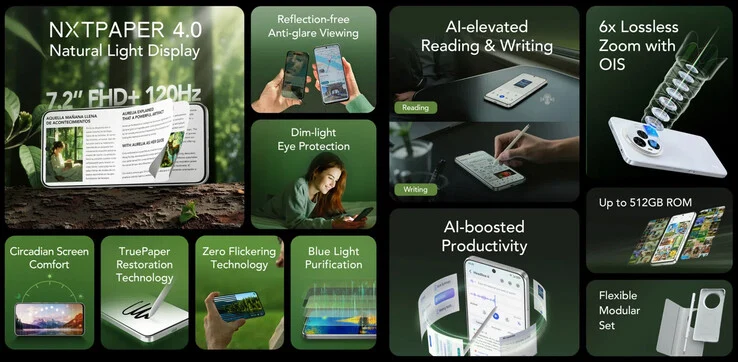
    1. NxtPaper 4.0 Display: Features a 7.2-inch FHD+ display with 120 Hz refresh rate, designed to reduce glare and reflections for better outdoor visibility.

    2. Eye Comfort Features: Includes dim-light mode, adaptive brightness, color temperature settings, and a special NxtPaper key for switching display modes.

    3. Performance Specs: Powered by Dimensity 7400 SoC, with 12 GB of RAM, 512 GB storage, and a 5,200 mAh battery with 33 W fast charging.

    4. Camera System: Equipped with a 50 MP primary sensor with OIS, a 50 MP telephoto lens with 3x optical zoom, an 8 MP ultrawide camera, and a 32 MP front camera.

    5. Pricing and Availability: Launching in Europe at €479.99, with plans to expand to LATAM and APAC markets soon.


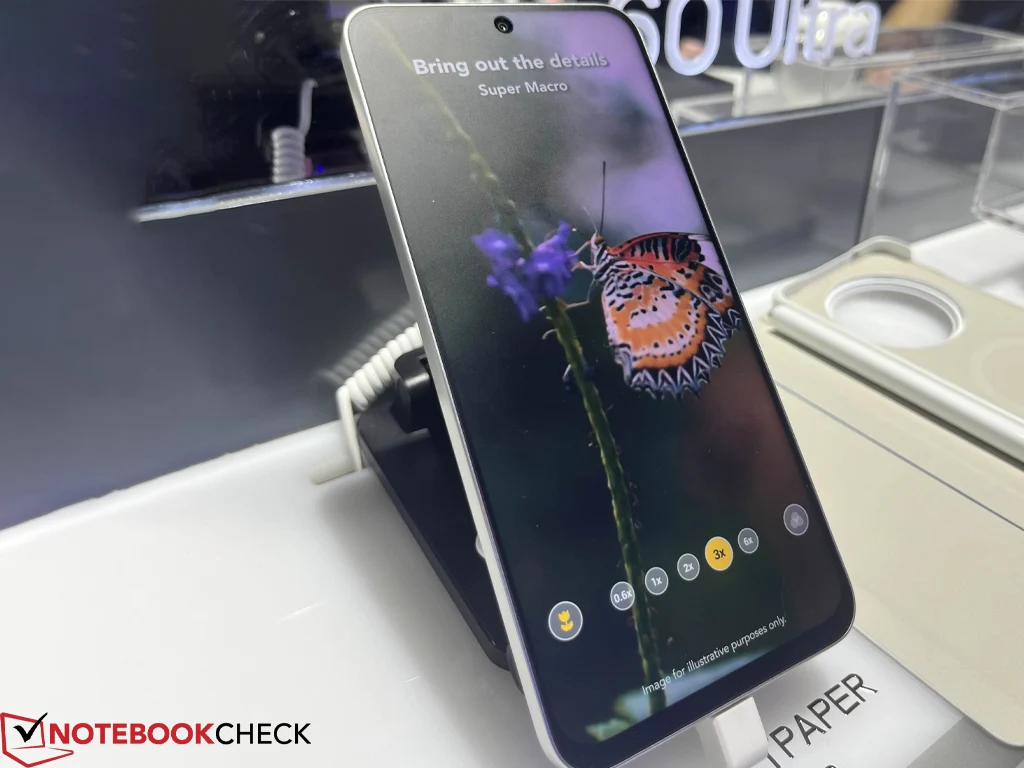
    TCL has launched the NxtPaper 60 Ultra during the IFA 2025 event. A standout feature of this new mid-range smartphone is the NxtPaper 4.0 display. This display mimics paper and boasts a 7.2-inch size, FHD+ resolution, and a smooth 120 Hz refresh rate. It aims to reduce glare and reflections, making it easier to use in bright sunlight compared to traditional screens.

    Eye Comfort Features

    The paper-like screen also includes several features designed for eye comfort. One of these is a dim-light mode that can lower brightness to just two nits. There’s also adaptive brightness and color temperature settings. TCL has added a special NxtPaper key that allows users to quickly switch between Ink Paper, Max Ink Mode, and Color Paper modes, enhancing the visual experience.

    Performance Specs

    Inside, the device is powered by the Dimensity 7400 SoC, coupled with 12 GB of RAM and 512 GB of internal storage. The phone’s internals are supported by a 5,200 mAh battery that features 33 W fast charging capability, ensuring long-lasting performance throughout the day.

    Camera and Additional Features

    On the camera front, the NxtPaper 60 Ultra is equipped with a 50 MP primary sensor with optical image stabilization (OIS) on the rear, along with a 50 MP telephoto lens offering 3x optical zoom and an 8 MP ultrawide camera. For selfies, there’s a 32 MP front shooter.

    Other notable aspects of this mid-range smartphone include an IP68 rating for water and dust resistance, NFC support, and it comes pre-installed with Android 15. The device also supports T-Pen Magic, providing a low-latency, pressure-sensitive stylus experience. However, since there is no built-in slot for the pen, TCL suggests using a special case designed for both the stylus and the phone.

    In terms of pricing, the TCL NxtPaper 60 Ultra is set to launch in Europe at a starting price of €479.99. It is also anticipated to be available in the LATAM and APAC markets soon.

    Source:
    Link


  • Oppo Find X9 Ultra vs Xiaomi 16 Ultra vs Vivo X300 Ultra Differences

    Oppo Find X9 Ultra vs Xiaomi 16 Ultra vs Vivo X300 Ultra Differences

    Key Takeaways

    1. The Oppo Find X9 Ultra is still an early prototype, with specifications likely to change before release, including potential camera configurations (triple or quad-camera).

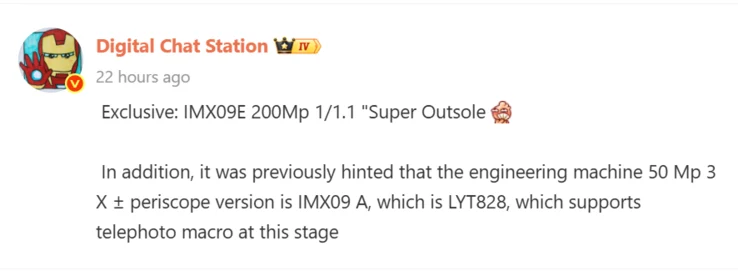
    2. The Oppo Find X9 Ultra may feature a 200 MP Sony sensor (IMX09E) as the main camera, along with a 50 MP 3x periscope telephoto lens and a 50 MP ultrawide-angle lens.

    3. Vivo X300 Ultra will be the first smartphone to include two 200 MP sensors, enhancing its camera capabilities, with one serving as the main camera and the other as a periscope telephoto.

    4. Xiaomi 16 Ultra is shifting from a quad-camera setup to a triple-camera setup, retaining a 1-inch main camera and a 200 MP periscope telephoto lens.

    5. By 2026, competition may increase as the Oppo Find X9 Ultra and Vivo X300 Ultra could debut outside China, challenging Xiaomi’s position in the global market.


    Three flagship smartphones, each with its own unique approach. The Oppo Find X8 Ultra, Vivo X200 Ultra, and Xiaomi 15 Ultra showcase how diverse high-end smartphone cameras can be. Predictions for 2026 suggest this variety will only grow, especially with recent insights from leakers like Digital Chat Station. A recent post on Weibo about the Oppo Find X9 Ultra indicates it is still an early prototype, meaning that the specifications could change before it officially releases.

    Camera Setups and Sensors

    Previous reports from Digital Chat Station indicate that Oppo is testing both triple and quad-camera configurations for the successor to the Find X8 Ultra. However, it’s still uncertain which setup will be the final choice. The latest prototype features a 1/1.1-inch Sony sensor boasting 200 MP, the largest so far and the first from Japan, as Samsung has mostly led this market. This flagship sensor, known as IMX09E, might be paired with a 50 MP Sony LYT-828 serving as a 3x periscope telephoto lens, and also providing telemacro capability. In addition, recent leaks about the Oppo Find X9 Ultra suggest we can expect a 50 MP 6x periscope telephoto lens and a 50 MP ultrawide-angle lens.

    Vivo’s Unique Offering

    On the flip side, Vivo is set to be the first brand to install two 200 MP sensors in the Vivo X300 Ultra. Digital Chat Station reports that Vivo will likely be the only manufacturer to achieve this for the time being. The new Sony 200 MP sensor might serve as the main camera, while Vivo continues the use of the 200 MP 1/1.4-inch periscope telephoto sensor, improving it with a new ISOCELL HPB sensor, confirmed by official teasers for the Oppo Find X9 Pro. However, it remains uncertain whether the larger ultra-wide angle and the 35mm main camera will stay.

    Xiaomi’s Changes Ahead

    Earlier leaks have provided substantial information about the Xiaomi 16 Ultra. This device appears to be undergoing the most significant transformations, moving from a quad-camera to a triple-camera setup, albeit using three new sensors. Xiaomi is also the sole manufacturer aiming to retain a 1-inch main camera in 2026, pairing it with a 200 MP periscope telephoto lens. For the first time, Xiaomi may not be the only player in the global market in 2026, as either the Oppo Find X9 Ultra or the Vivo X300 Ultra could debut outside China, according to rumors circulating in the tech community.

    Source:
    Link


  • Samsung Galaxy Tri-Fold Leak Reveals New Cover Display Design

    Samsung Galaxy Tri-Fold Leak Reveals New Cover Display Design

    Key Takeaways

    1. The Huawei Mate XT features a Z-shaped design with a main display over 10 inches, which influenced initial expectations for tri-fold devices.
    2. Samsung’s upcoming tri-fold competitor will have a central cover display, differing significantly from Huawei’s design.
    3. The central display placement may improve selfie previews with main cameras positioned on the left side.
    4. Users may need to lay the device flat to charge earbuds on the cover display, which has a wireless charger beneath the rear cameras.
    5. This design could enhance comfort and grip while using the main display, reducing fingerprints on the secondary screen.


    When the Huawei Mate XT was first introduced, it unfolded in a unique Z-shape, revealing a main display that measures over 10 inches diagonally. Many people thought that all new tri-folding devices would follow this design.

    Samsung’s Unique Approach

    However, recent leaks suggest that Samsung’s upcoming competitor may not follow suit. According to the latest information shared by @TechHighest, there are significant differences between the Huawei XT (and its future versions) and the anticipated tri-fold from the Galaxy series.

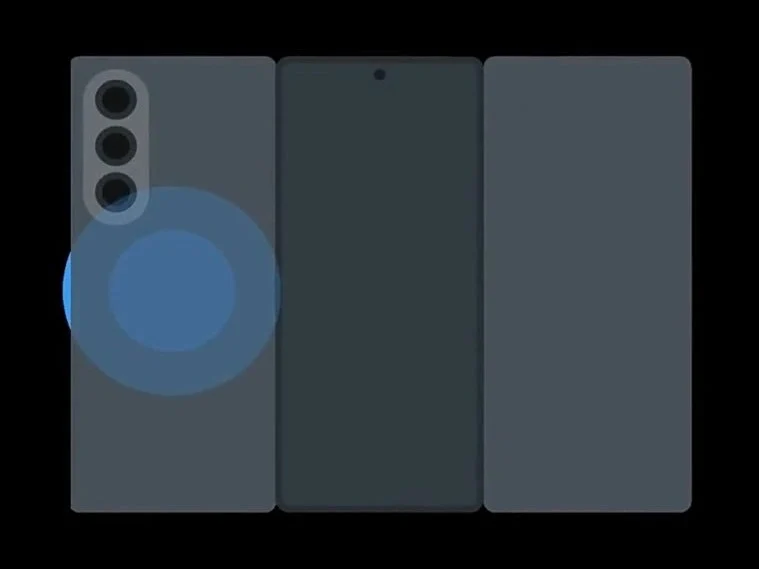
    The new One UI animations appear to confirm that the Samsung’s cover display is positioned in the center of the device. This setup allows for two panels to fold and unfold around it, which is quite different from what Huawei offers.

    Design Insights

    This middle placement may have been strategically chosen to enhance selfie previews using the main cameras, which are located to the left when viewed from the front. The new clip indicates this feature could be beneficial for users.

    Moreover, it raises the possibility that users might need to lay the device flat on its cover display when it is closed. This would be necessary for charging earbuds using the wireless charger, which seems to be situated beneath the rear cameras.

    Practical Considerations

    On the flip side, this design could make the smartphone more comfortable to hold while using the main display. It would help prevent fingerprints on the secondary screen while still providing a secure grip on the two inactive surfaces.

    Source:
    Link


  • iPhone 17 Air: New Internal Storage Suppliers SanDisk and Kioxia

    iPhone 17 Air: New Internal Storage Suppliers SanDisk and Kioxia

    Key Takeaways

    1. The iPhone 17 Air will feature fewer rear cameras and a smaller battery to achieve an ultra-slim design.
    2. Premium-grade data storage will be provided by major suppliers, including Kioxia, SK Hynix, SanDisk, and Samsung.
    3. Kioxia holds 35% of the internal storage orders for the 17 Air, while SK Hynix has 30%, SanDisk 20%, and Samsung 15%.
    4. Storage options for the 17 Air will include 128GB, 256GB, and 512GB, with the 1TB option reserved for the 17 Pro Max.
    5. The 17 Air may be priced lower than expected for some configurations compared to the 17 Pro Max.


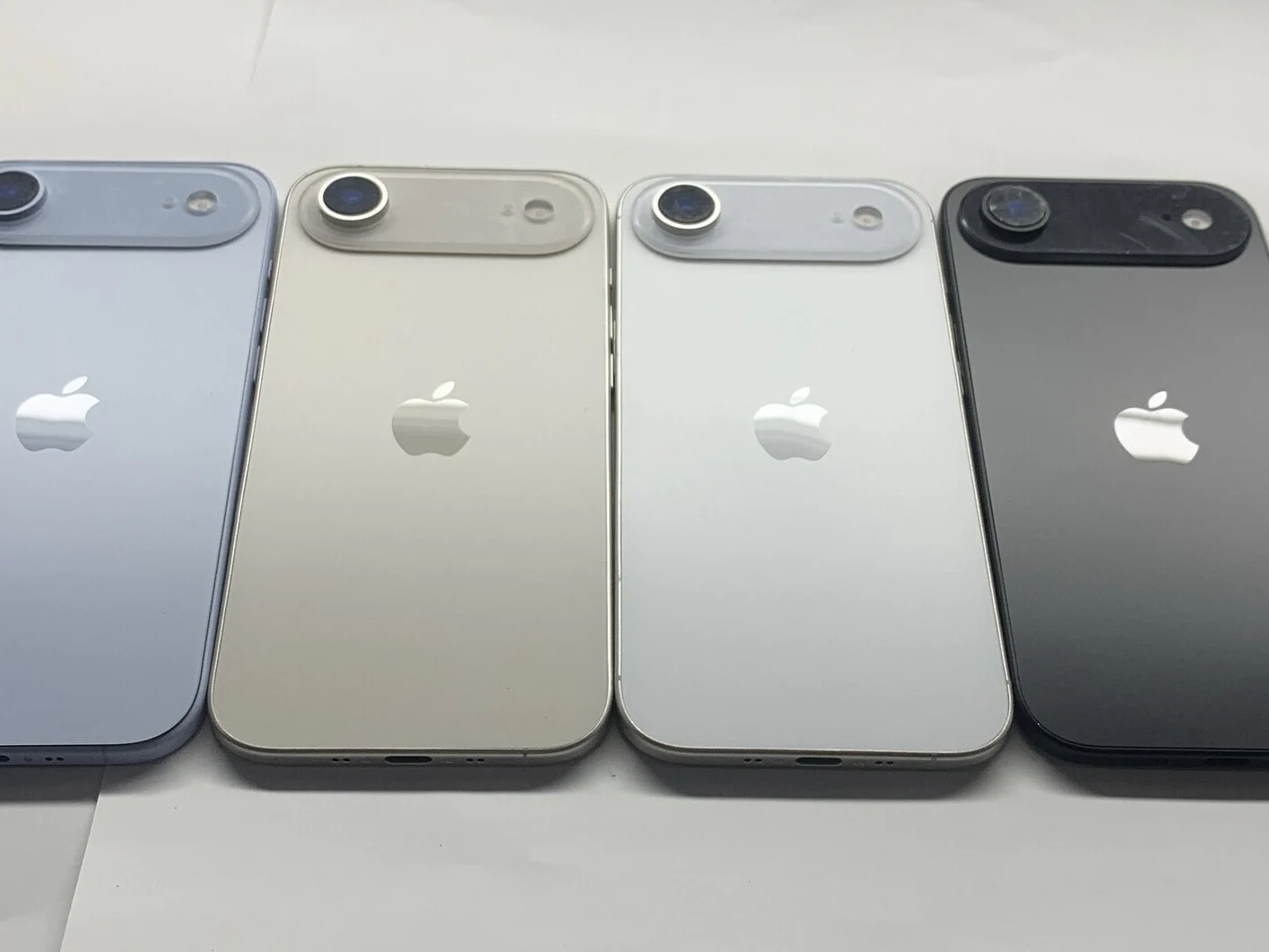
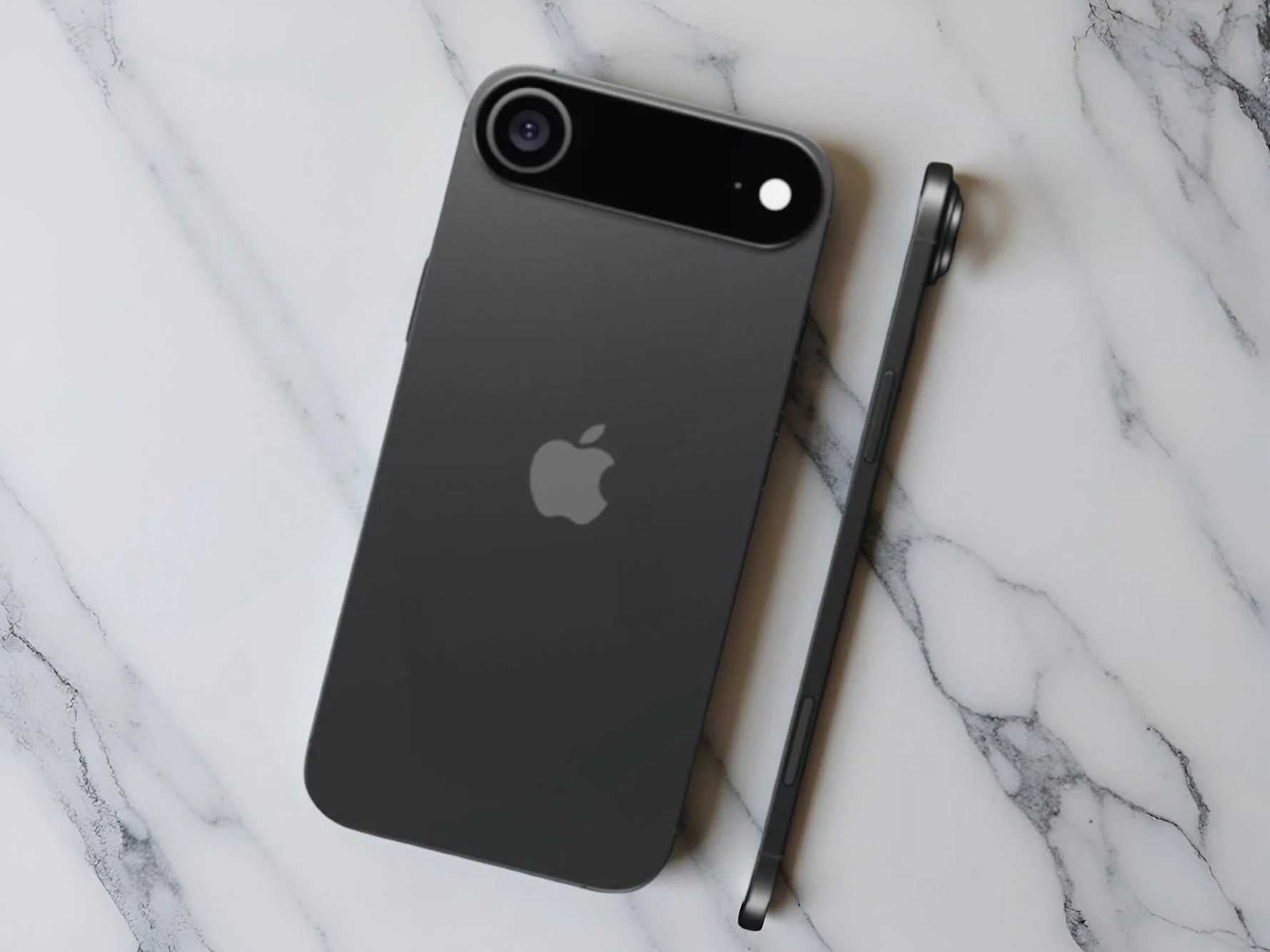
    The 17 Air is expected to be released very soon as a fresh iPhone, featuring fewer rear cameras and a smaller battery compared to some models. This change aims to introduce a new and ultra-slim design to Apple’s leading smartphone range.

    Storage Insights

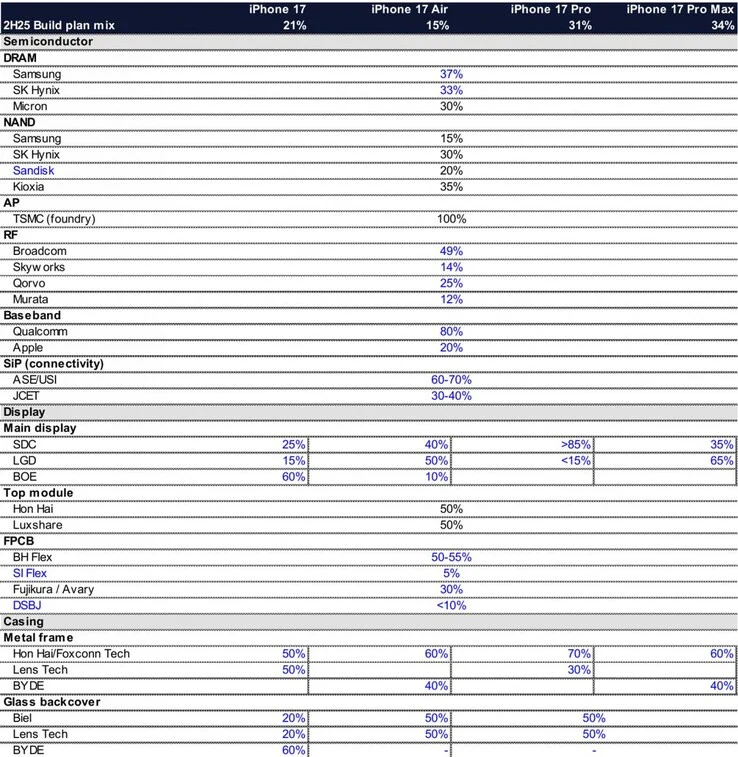
    According to a recent analysis of Apple’s supply chain shared on X by @Jukanlosreve, which was reportedly compiled by Citigroup, it seems that premium-grade data storage will still be available. This will be thanks to top suppliers like SanDisk, Kioxia, Samsung, and SK Hynix.

    The data suggests that Kioxia has secured 35% of the internal storage orders for the 17 Air, while SK Hynix has 30%, and SanDisk holds 20%. Samsung, on the other hand, has been assigned the remaining 15%.

    Storage Options

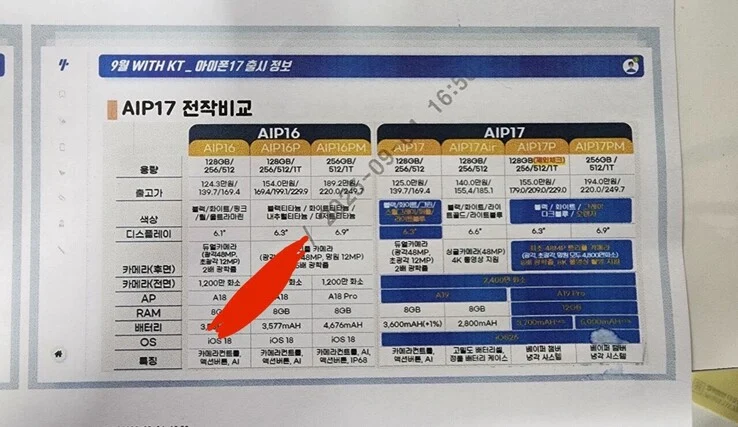
    Some of these NAND chips could be as small as 128GB, based on another tip from @Jukanlosreve, which is said to be sourced from Korean telecom companies. The other storage choices for the 17 Air include 256GB and 512GB, with the 1TB option once again only available for the 17 Pro Max according to this leak.

    This information might indicate that the 17 Air could be priced slightly lower than previously expected for some configurations. For instance, a 1TB 16 Pro Max currently sells for $1,400 on Amazon, even in Renewed Premium condition.

    Source:
    Link


  • iPhone 17 Air Weight and Depth Benefits vs Samsung Rival Confirmed

    iPhone 17 Air Weight and Depth Benefits vs Samsung Rival Confirmed

    Key Takeaways

    1. Apple will unveil the iPhone 17 Air on September 9, 2025, making it the slimmest premium smartphone at 5.5mm thick.
    2. The iPhone 17 Air will weigh just 145 grams, lighter than the Samsung Galaxy S25 Edge at 163 grams, possibly due to its smaller ~2,800mAh battery.
    3. The S25 Edge, despite having a larger 3,900mAh battery, will be shorter at 158.2mm compared to the iPhone 17 Air’s 163mm.
    4. Pricing for the iPhone 17 Air is expected to start at approximately 1.4 million Korean won (~$1,010), while the S25 Edge is currently around $699.99.
    5. The iPhone 17 Air will feature 8GB of RAM and storage options of 128GB, 256GB, and 512GB, while the S25 Edge offers 12GB of RAM.


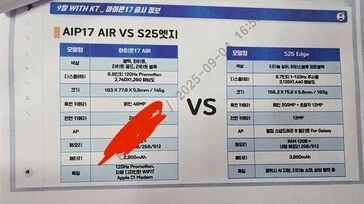
    Apple is set to unveil the slimmest premium smartphone in the world on September 9, 2025, measuring only 5.5 millimeters (mm) thick. This puts it ahead of its closest rival, the Samsung Galaxy S25 Edge, which has a thickness of 5.8mm.

    A New Era of Slimness

    The iPhone 17 Air is expected to dominate the race for ultra-slim designs, as per a recent leak shared on X by the tipster @Jukanlosreve. The leak suggests that the 17 Air will weigh a mere 145 grams (g), which is lighter than the S25 Edge that comes in at 163g. This difference in weight could be attributed to the smaller ~2,800mAh battery that the iPhone is rumored to have.

    Surprising Dimensions

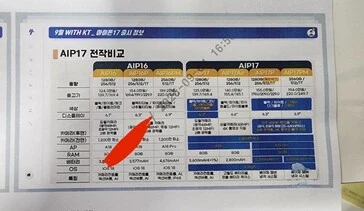
    Interestingly, the S25 Edge, with its larger 3,900mAh battery, is anticipated to be shorter than the iPhone 17 Air, measuring at 158.2mm versus the 17 Air’s 163mm. This is curious, especially since the latter is rumored to feature a smaller display of 6.6 inches diagonally. The S25 Edge boasts a larger 6.7-inch screen, which is expected to have a higher resolution of 3,120 x 1,440, while the 17 Air is said to offer a resolution of 2,740 x 1,260 with ProMotion. Fortunately, both devices will likely support a 120Hz refresh rate, based on leaked documents that allegedly originated from the Korean carrier KT.

    Potential Pricing and Specs

    Moreover, the Samsung device could also be narrower, at 75.6mm compared to the 17 Air’s 77.6mm. This leads to the conclusion that, in practical terms, the S25 Edge might be the more compact “beyond slim” smartphone, despite the slight difference in thickness. On another note, the 17 Air is rumored to come with a base model of 128GB, along with options for 256GB and 512GB, similar to the S25 Edge.

    The latest leaks suggest that the 17 Air will feature 8GB of RAM, in contrast to the 12GB that the S25 Edge offers. However, the new Apple smartphone is expected to be somewhat costly, starting at 1.4 million Korean won (~$1,010), according to this leak. The Samsung competitor also started off at a high price but is currently available for around $699.99 on Amazon.

    Source:
    Link


  • Xiaomi 16 Pro Max: Spy Shots Confirm Leica Camera’s Second Display

    Xiaomi 16 Pro Max: Spy Shots Confirm Leica Camera’s Second Display

    Key Takeaways

    1. Xiaomi may revive the Mi 11 Ultra design with a secondary screen in the camera area for the Xiaomi 16 Pro Max.
    2. Initial rumors were linked to a post on Weibo about a new foldable device, later clarified to be about the Xiaomi 16 Pro Max.
    3. Leaked photos of the Xiaomi 16 Pro Max have surfaced, showing credible details about the device.
    4. The camera module features a full-width design with a secondary display and multiple cameras, including a main camera, a periscope telephoto, and an ultrawide camera.
    5. The involvement of a Xiaomi manager in the leaked images adds credibility to their authenticity.


    We were quite shocked when leaker Kartikey Singh suggested that Xiaomi might bring back the design of the Mi 11 Ultra, featuring a secondary screen in the camera area for the bigger Xiaomi 16 Pro model, but with a more modern look this time. This rumor initially stemmed from a post on Weibo by Digital Chat Station, which displayed the cover screen of a new foldable device. Many assumed this was a leak related to the Honor Magic V Flip 2.

    New Insights

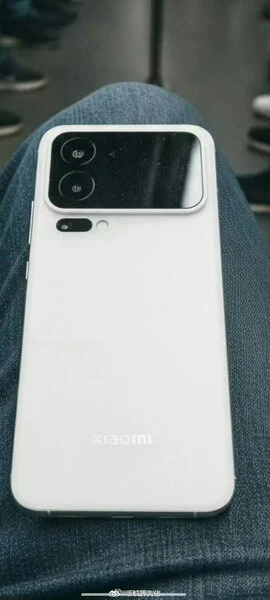
    Now, it appears that the claims were actually about the Xiaomi 16 Pro Max, and it seems the leakers could have been accurate. This conclusion comes after examining leaked photos from China that surfaced today, initially on Weibo, and are gradually being shared on X. The source of these images remains uncertain, but they have been circulated numerous times and are considered credible by several insiders, including Kartikey Singh. The images depict one individual operating the Xiaomi 16 Pro Max camera, while another person seemingly has the Snapdragon 8 Elite Gen 5 flagship phone resting on their leg.

    Details on the Camera Module

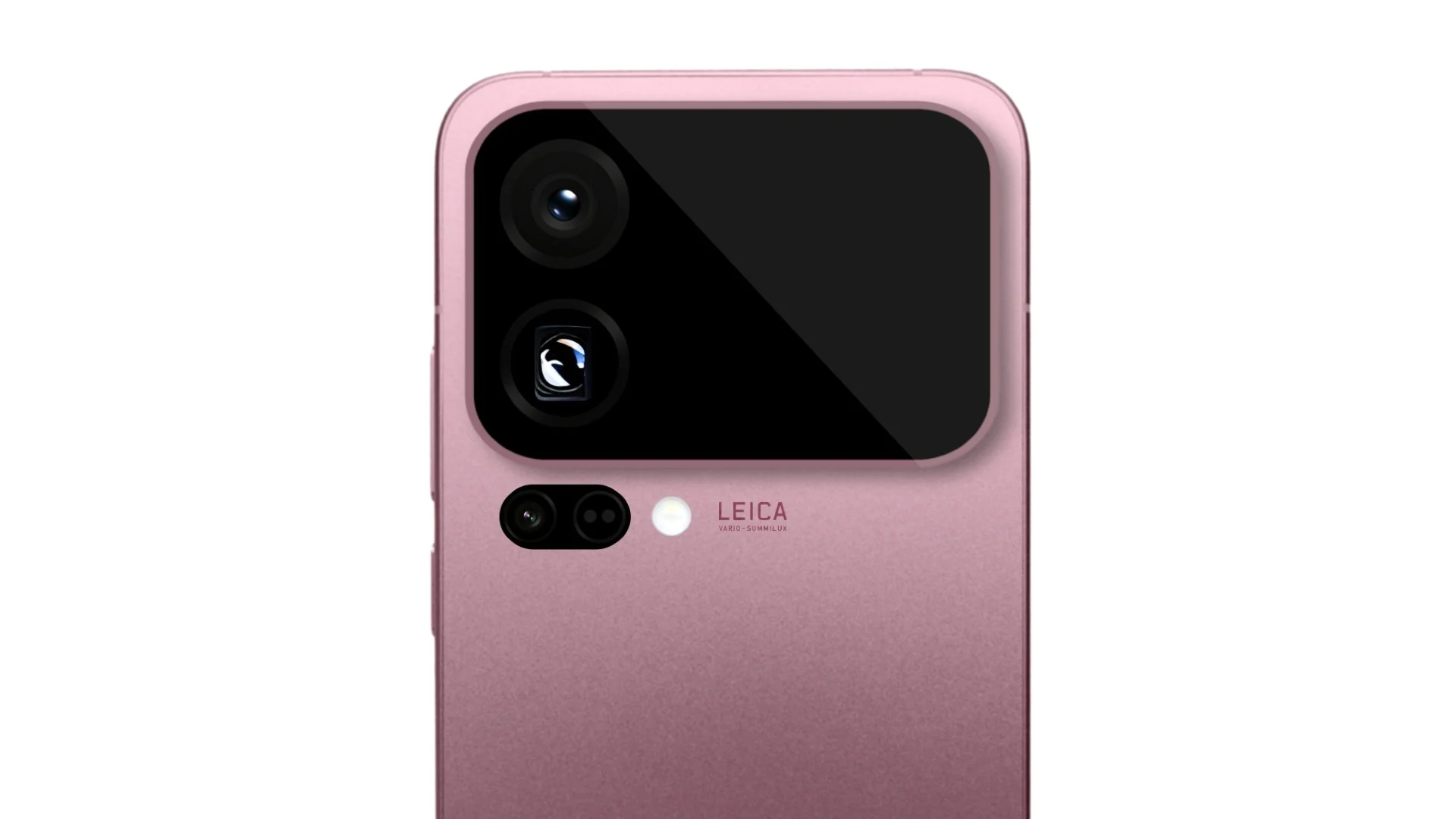
    Reportedly, the camera module stretches across the full width of the back, and similar to a foldable device’s cover screen, it features a secondary display with two punch-hole cameras, likely one main camera and a periscope telephoto. A smaller (ultrawide) camera can be found below, along with an LED flash and what seems to be Leica’s branding on the camera. Despite the possibility that these images may be fabricated, it seems quite unlikely, especially since the woman in the image holds a significant position as a manager at Xiaomi.

    Source:
    Link


  • Oppo Find X9 and X9 Pro Launch Date Leaked: Coming Soon

    Oppo Find X9 and X9 Pro Launch Date Leaked: Coming Soon

    Key Takeaways

    1. The Oppo Find X9 series may have a global launch on October 28 for the first time, breaking the usual January release pattern in Europe.
    2. Possible launch markets include India, some European nations, and locations in Asia such as Hong Kong, Malaysia, and Singapore.
    3. The previous global launch for the Oppo Find X8 Pro did not occur, with limited release in specific European countries.
    4. The Oppo Find X9 will be available in Space Gray and Satin Pink, while the Pro model will come in Titanium Gold and White/Red.
    5. Storage options for the Chinese market have already been revealed, but details for global markets remain unclear.


    To this point, people in Europe have gotten used to seeing new flagship smartphones released every January, with a few announcements scattered between late November and late December. However, if the information from leaker Yogesh Brar is accurate, we might see a global launch this October for the first time. He suggests that the global unveiling (not just for China) of the Oppo Find X9 series is set for October 28.

    Possible Markets for Launch

    If this turns out to be correct, the upcoming Hasselblad camera flagships could be hitting markets outside of China soon after their domestic release, but it’s still unclear which specific regions will get them. India seems likely to be one of the first countries to follow, with some European nations possibly also being included. There’s a chance that the October 28 date could also cover markets like Hong Kong or other Asian locations, including Malaysia and Singapore.

    Previous Launches and New Models

    For reference, the global launch of the Oppo Find X8 Pro hinted at in the spring never actually happened, with only a few European countries, notably in the Benelux area, seeing the release. Leakers have indicated that the Oppo Find X9 will come in Space Gray and Satin Pink, while the Pro model will be offered in Titanium Gold and White/Red. Additionally, details about storage options for the Chinese market have already been shared.

    Source:
    Link


  • OnePlus 15, Vivo X300 Pro, Oppo Find X9 Get 3C Certification

    OnePlus 15, Vivo X300 Pro, Oppo Find X9 Get 3C Certification

    Key Takeaways

    1. Two new top-tier chipsets, MediaTek Dimensity 9500 and Qualcomm Snapdragon 8 Elite 2, are set to launch soon.
    2. Chinese firms like Xiaomi, Oppo, Vivo, and OnePlus are expected to be the first to release smartphones using these chipsets.
    3. Three flagship smartphones, OnePlus 15, Vivo X300 Pro, and Oppo Find X9, have received 3C certification in China.
    4. The OnePlus 15 will use the Snapdragon 8 Elite 2 and is confirmed to include a 120W charger.
    5. Vivo X300 Pro and Oppo Find X9 are expected to feature the MediaTek Dimensity 9500, with 90W and 80W chargers, respectively.


    Later this month, we can expect the launch of two new top-tier chipsets: the MediaTek Dimensity 9500 and the Qualcomm Snapdragon 8 Elite 2. Several Chinese firms, such as Xiaomi, Oppo, Vivo, and OnePlus, are likely to be the first to introduce smartphones that utilize these new chipsets. In fact, three flagship models have already achieved 3C certification in China.

    Certified Smartphones

    The smartphones that have obtained 3C certification include the OnePlus 15, Vivo X300 Pro, and Oppo Find X9. The OnePlus 15 is anticipated to run on the Snapdragon 8 Elite 2 chipset. It has been listed on the 3C certification website under the model number PLK110, and it confirms that it will come with a 120W charger.

    Device Specifications

    On the other hand, both the Vivo X300 Pro and Oppo Find X9 are expected to feature the MediaTek Dimensity 9500 chipset. According to the 3C certification site, these devices have been certified with the model numbers V2502A and PLJ110, respectively. The Vivo X300 Pro could come with a 90W charger, while the Oppo Find X9 might have an 80W charger included.

    In the wake of the new flagship chipsets being announced by MediaTek and Qualcomm in late September, Chinese smartphone brands are predicted to launch these devices in October within China. However, the worldwide release might happen later on.

    Source:
    Link


  • Huawei Plans World’s First Mid-Range Widescreen Foldable Smartphone

    Huawei Plans World’s First Mid-Range Widescreen Foldable Smartphone

    Key Takeaways

    1. Devices with a unique ~16:10 aspect ratio are expected to gain popularity, especially if Apple adopts this design for a flexible-display phablet.
    2. The first-ever market-ready model has attracted around 700,000 users, but this is modest compared to competitors like the Samsung Galaxy Z Fold series.
    3. Huawei’s Pura X series is anticipated to continue, with a potential introduction of a sub-flagship model that maintains a 6.3-inch main display.
    4. The upcoming Huawei device may sacrifice some features to offer a more appealing price.
    5. The expected launch price for the new Huawei device is around 5,999 yuan (~$841).


    Devices with a unique ~16:10 aspect ratio when opened are expected to become popular soon, especially if Apple decides to embrace this design for its first flexible-display phablet, as the rumors suggest. Meanwhile, the first-ever market-ready model has gained around 700,000 users based on the latest figures.

    Market Competition

    This number might not appear significant, particularly when you compare it to well-established market competitors like the Samsung Galaxy Z Fold series. Even the latest tri-folding Mate XTs is likely to exceed the 1,000,000 active user milestone, thanks to its continuous upgrades and lower starting price.

    Future of Huawei’s Offerings

    Huawei is anticipated to continue with its groundbreaking, initially priced at ~$1,250 Pura X series. They might even introduce their first sub-flagship model soon.

    This new device might retain the unique 6.3-inch main display but might make sacrifices in other features to offer a more appealing starting price.

    Expected Pricing

    However, it could still be on the pricey side, with an expected launch cost around 5,999 yuan (~$841) as it stands.

    Source:
    Link