Key Takeaways
1. The Huawei Mate XT features a Z-shaped design with a main display over 10 inches, which influenced initial expectations for tri-fold devices.
2. Samsung’s upcoming tri-fold competitor will have a central cover display, differing significantly from Huawei’s design.
3. The central display placement may improve selfie previews with main cameras positioned on the left side.
4. Users may need to lay the device flat to charge earbuds on the cover display, which has a wireless charger beneath the rear cameras.
5. This design could enhance comfort and grip while using the main display, reducing fingerprints on the secondary screen.
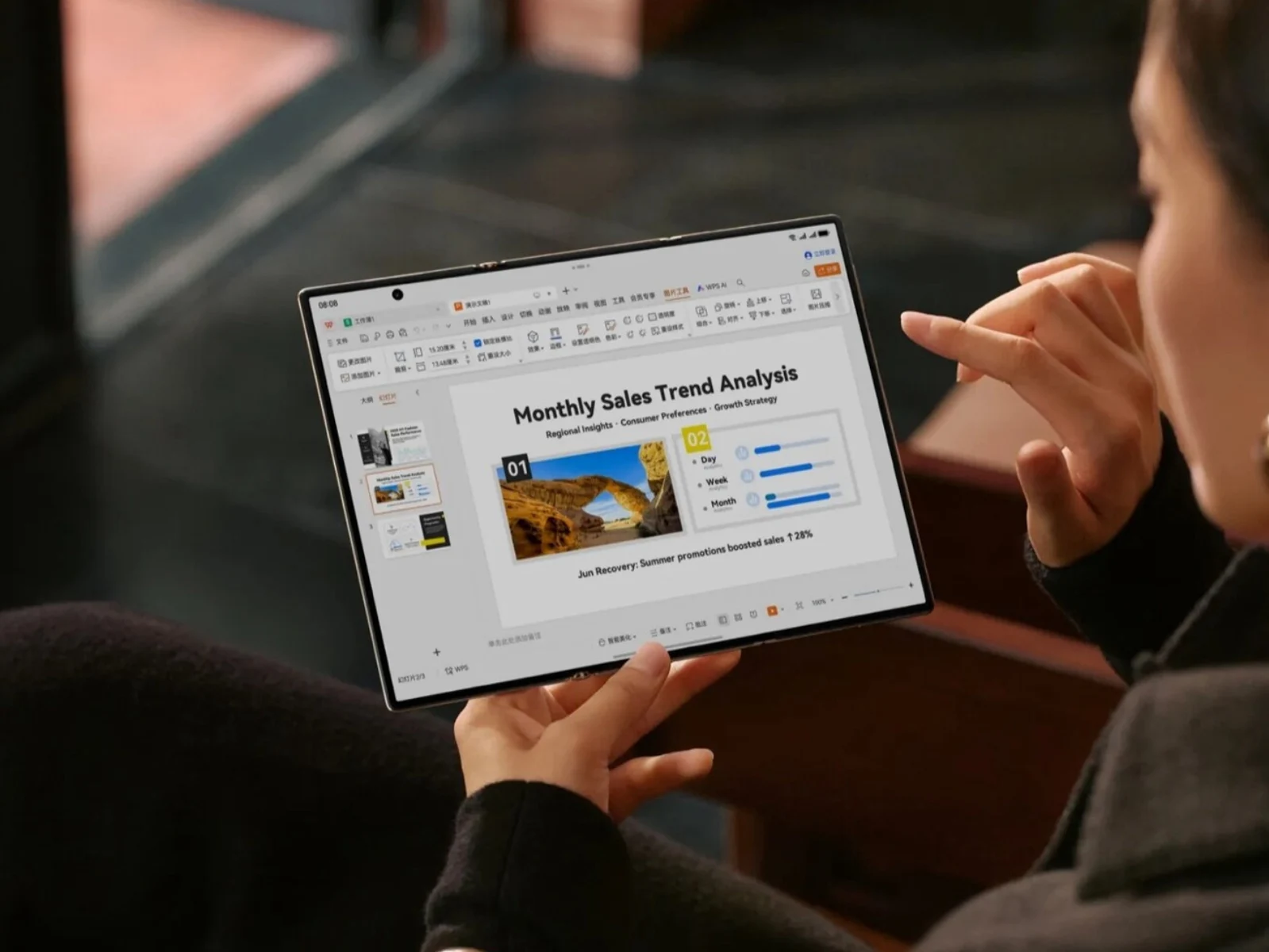
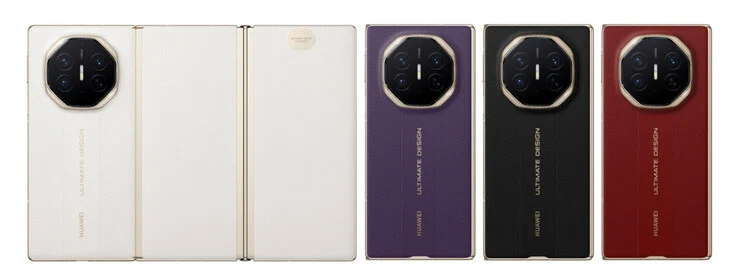
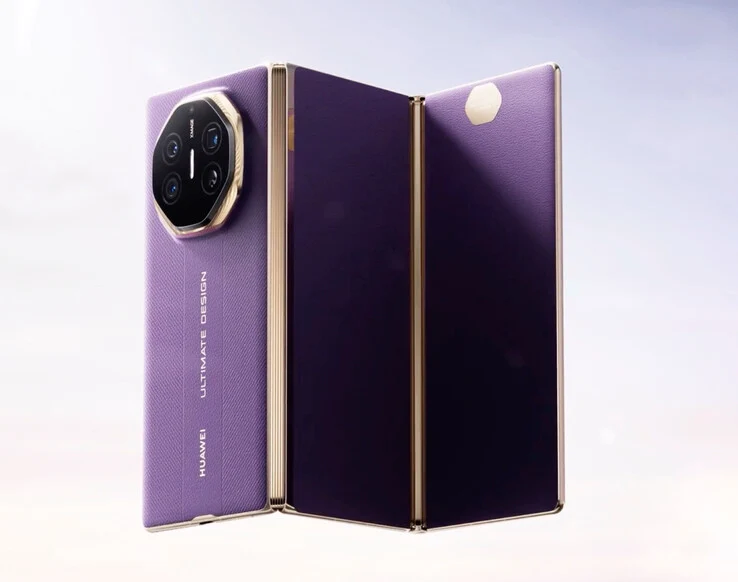
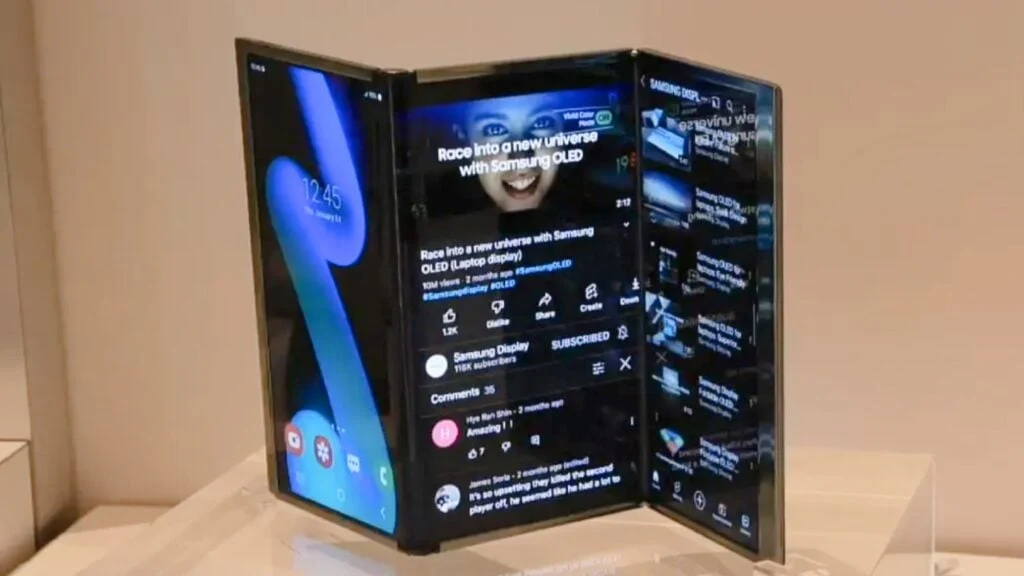
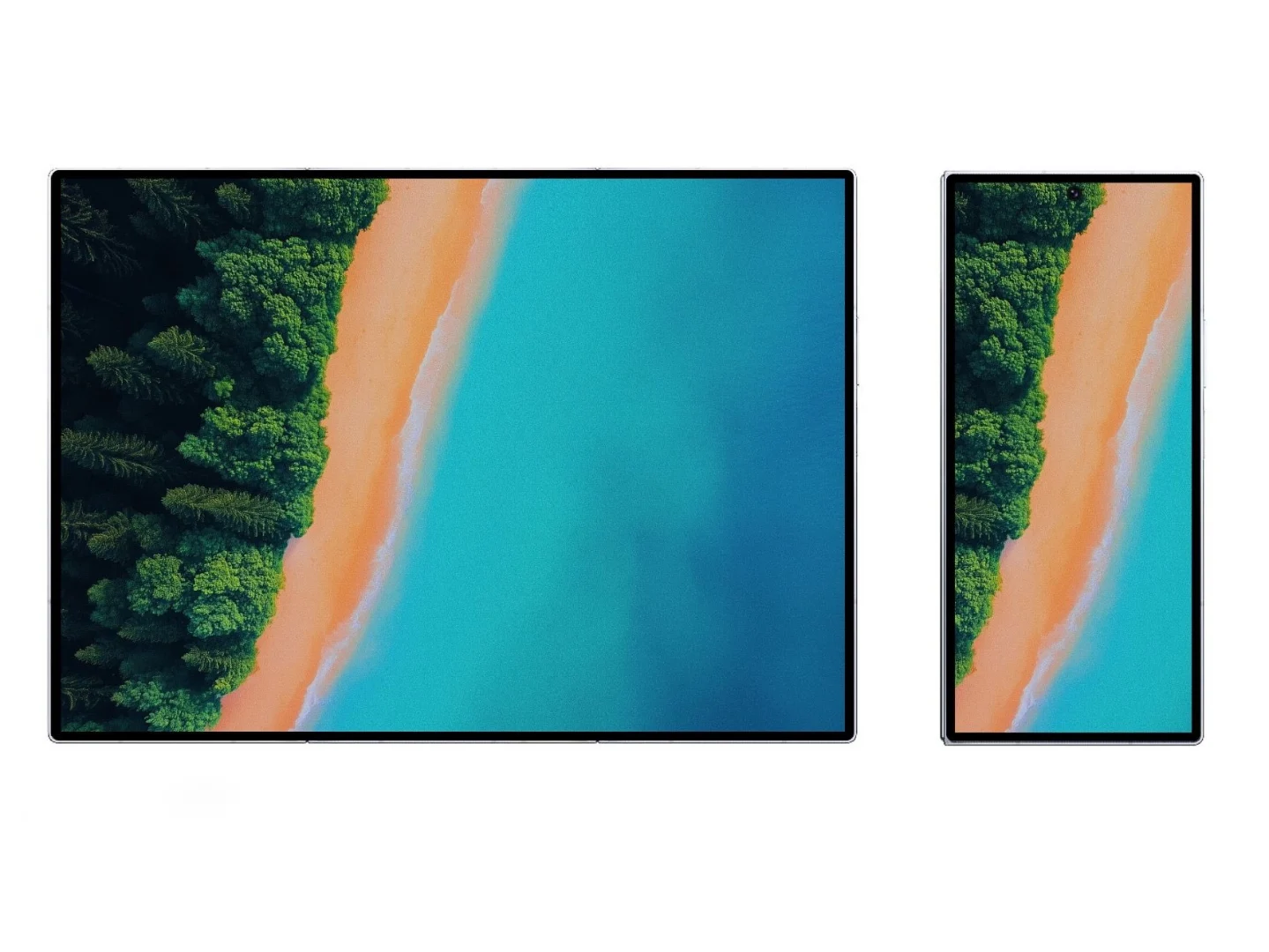
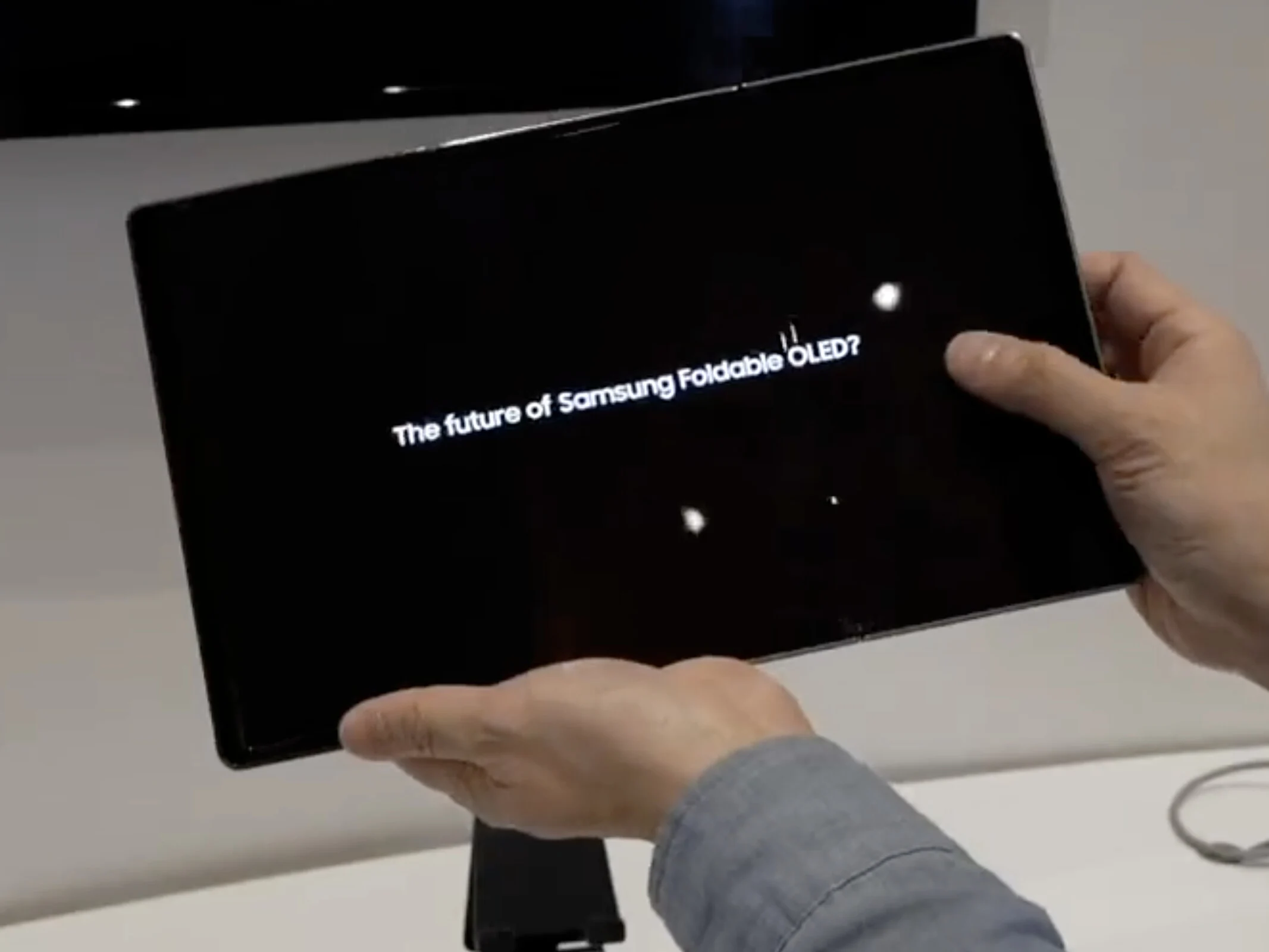
When the Huawei Mate XT was first introduced, it unfolded in a unique Z-shape, revealing a main display that measures over 10 inches diagonally. Many people thought that all new tri-folding devices would follow this design.
Samsung’s Unique Approach
However, recent leaks suggest that Samsung’s upcoming competitor may not follow suit. According to the latest information shared by @TechHighest, there are significant differences between the Huawei XT (and its future versions) and the anticipated tri-fold from the Galaxy series.
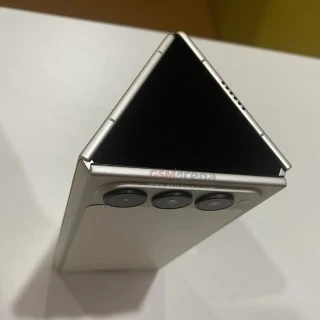
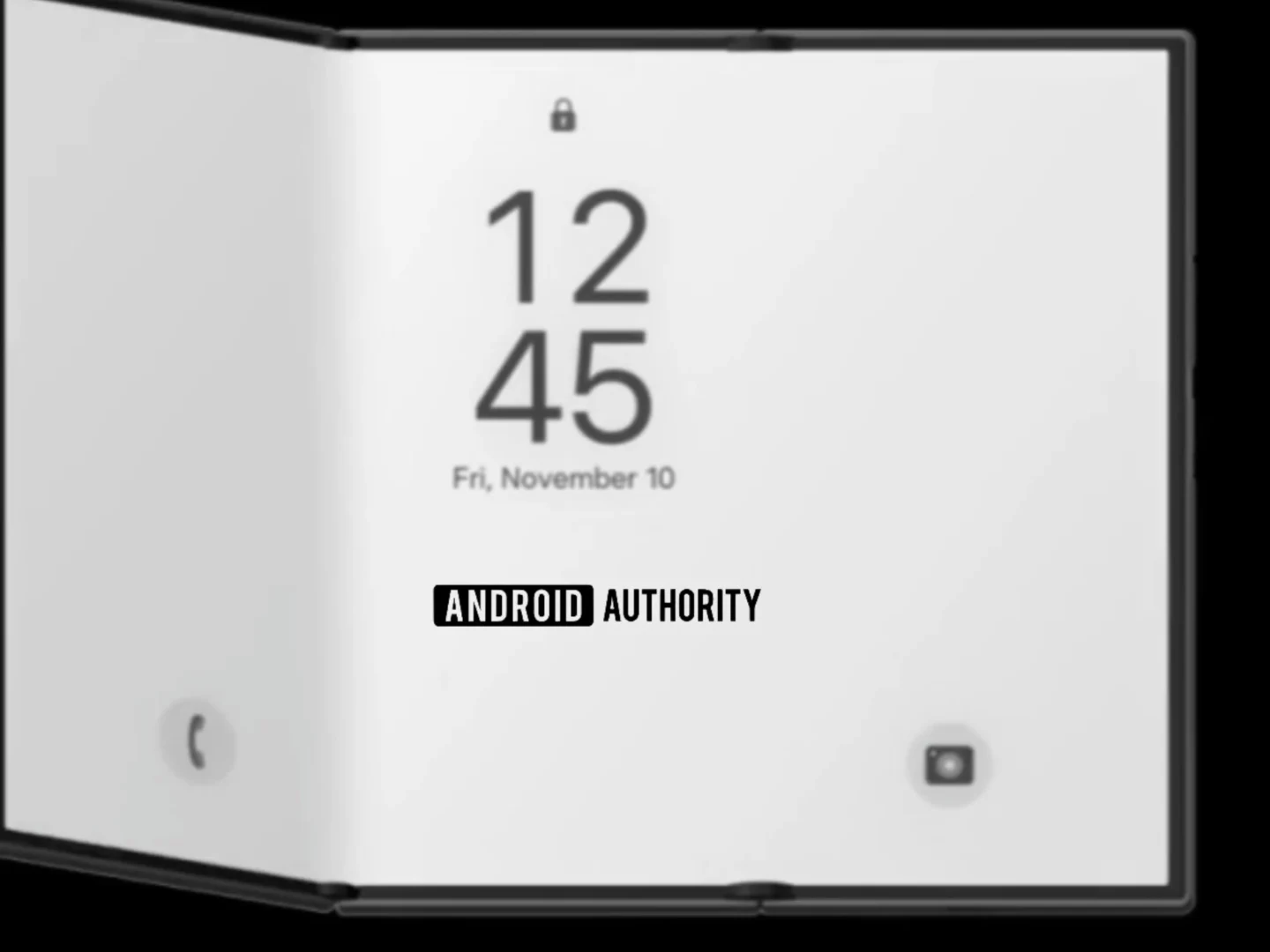
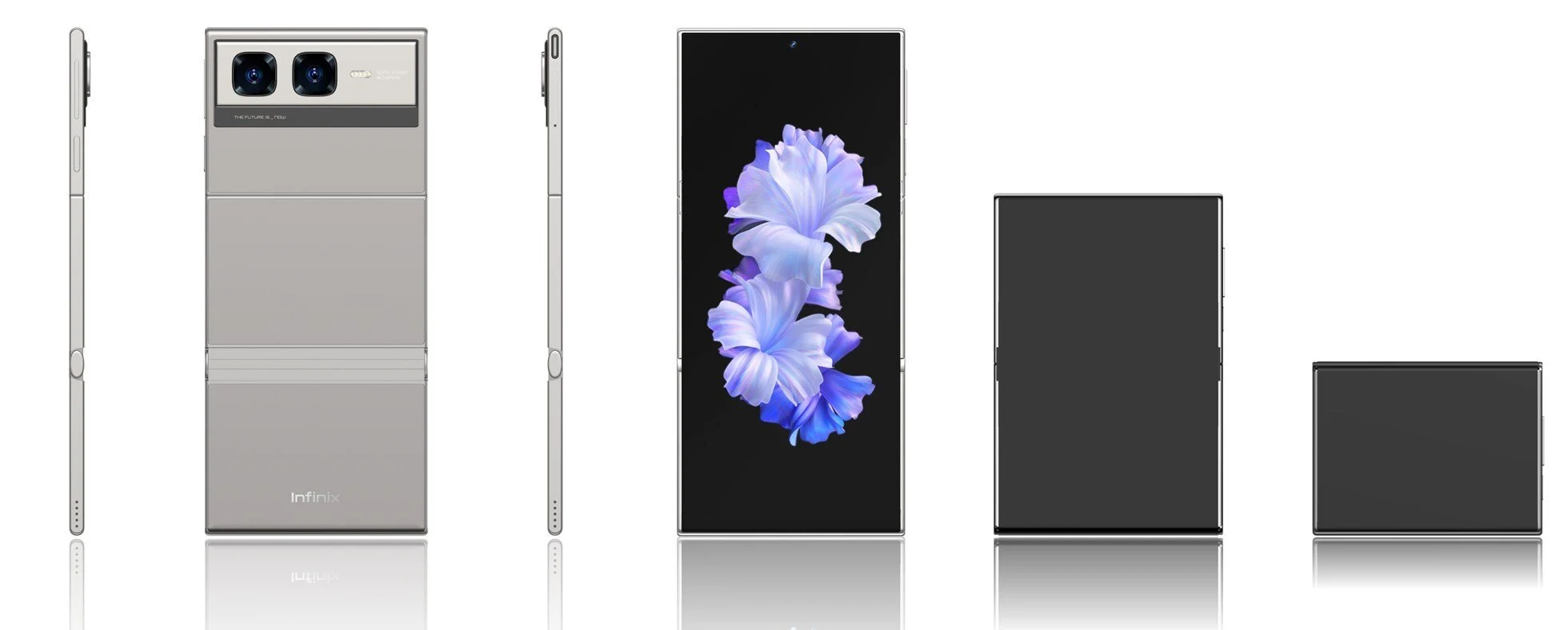
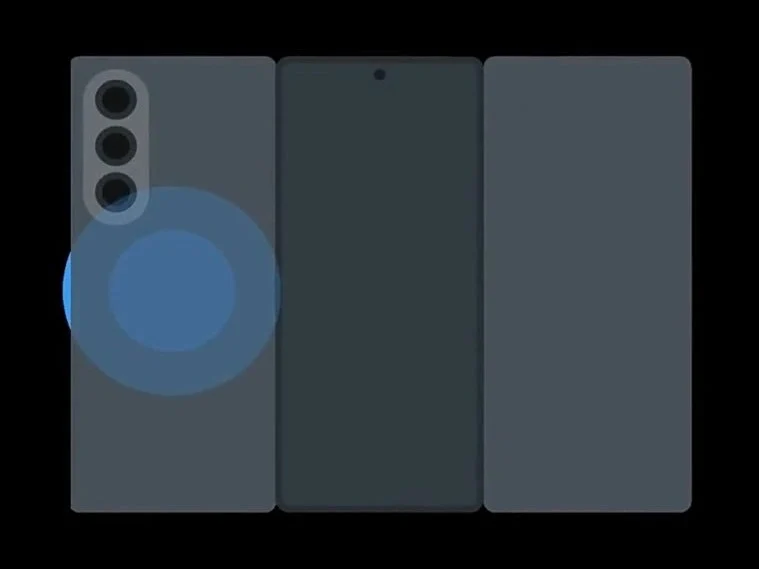
The new One UI animations appear to confirm that the Samsung’s cover display is positioned in the center of the device. This setup allows for two panels to fold and unfold around it, which is quite different from what Huawei offers.
Design Insights
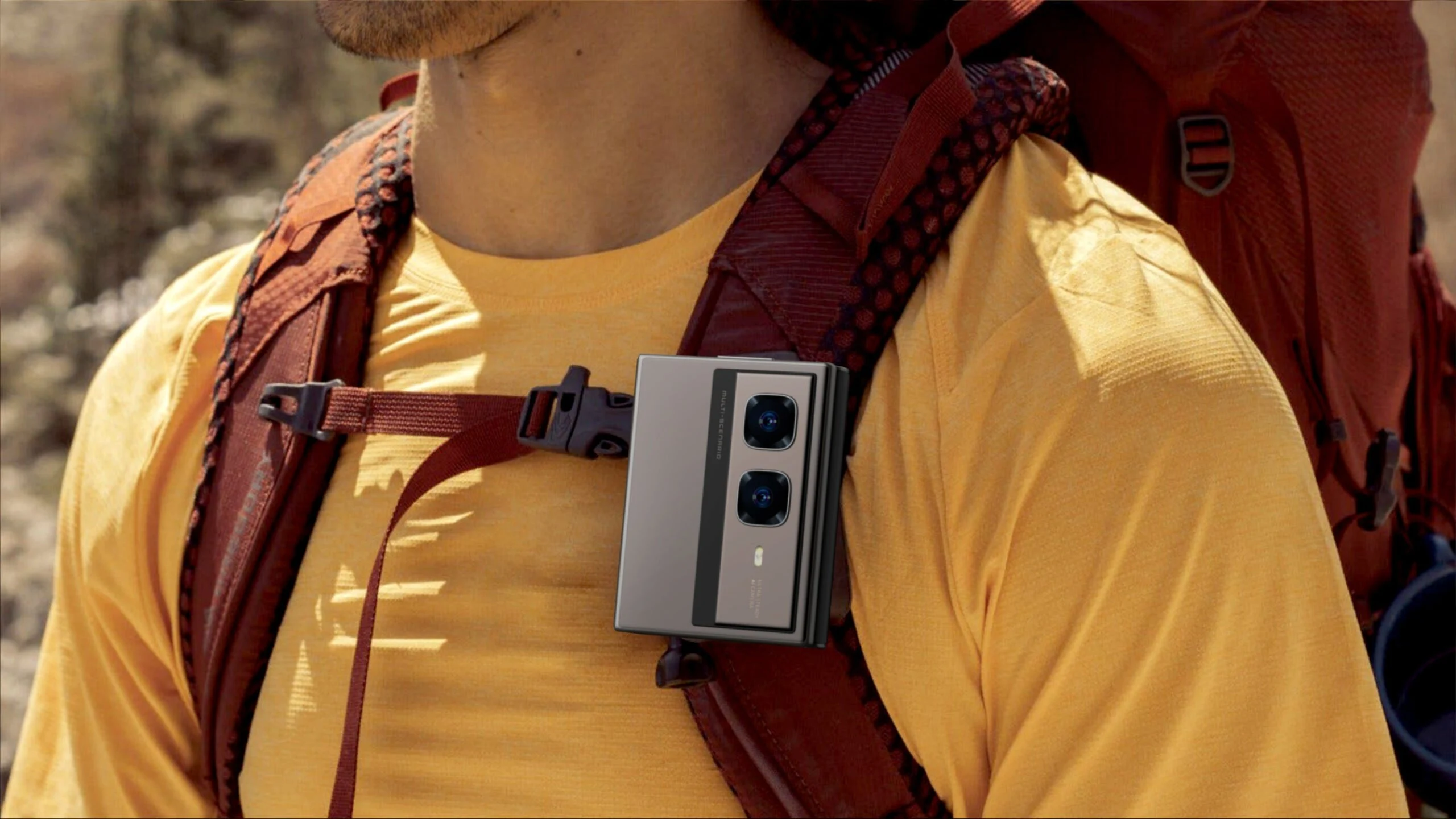
This middle placement may have been strategically chosen to enhance selfie previews using the main cameras, which are located to the left when viewed from the front. The new clip indicates this feature could be beneficial for users.
Moreover, it raises the possibility that users might need to lay the device flat on its cover display when it is closed. This would be necessary for charging earbuds using the wireless charger, which seems to be situated beneath the rear cameras.
Practical Considerations
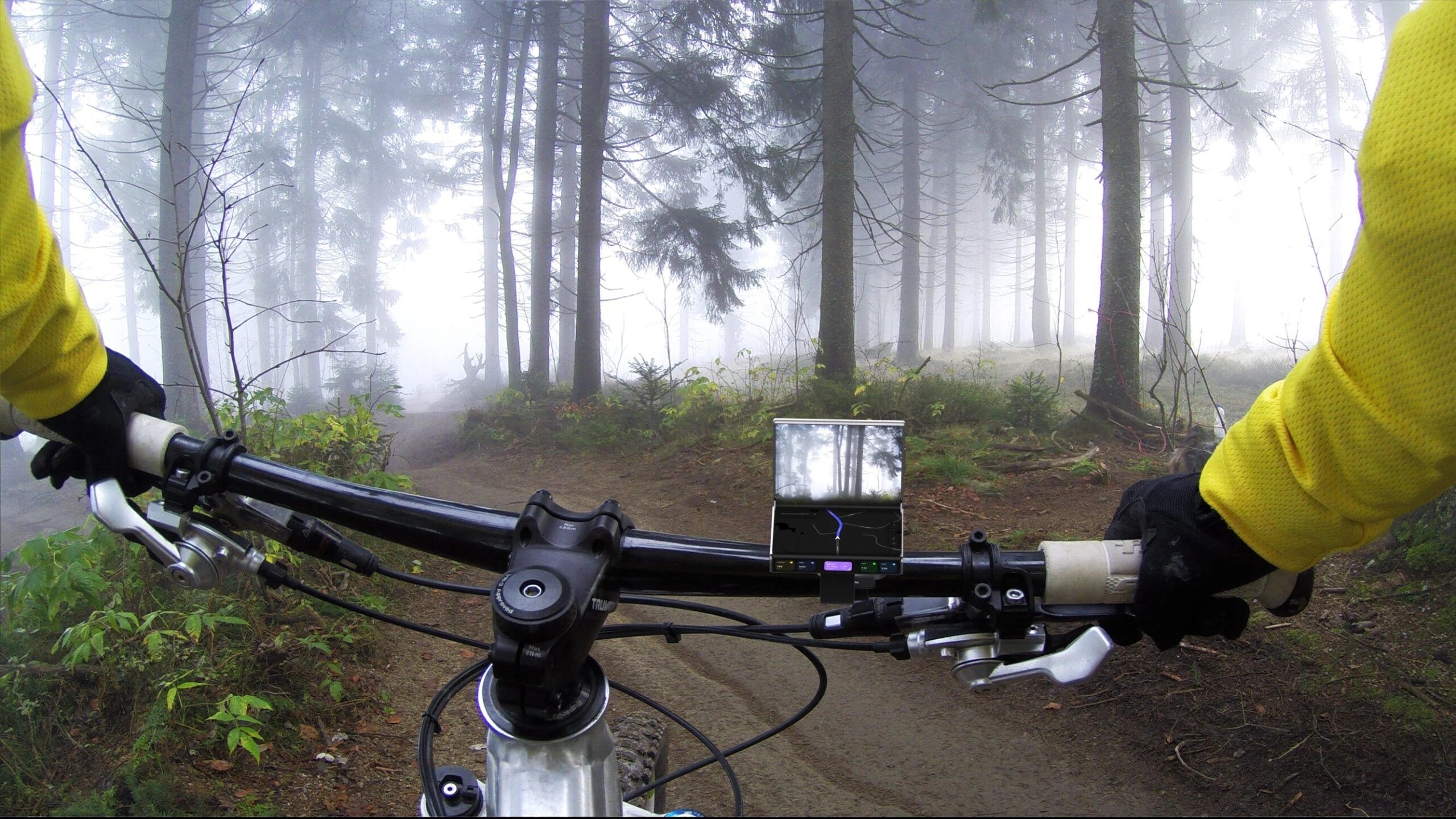
On the flip side, this design could make the smartphone more comfortable to hold while using the main display. It would help prevent fingerprints on the secondary screen while still providing a secure grip on the two inactive surfaces.
Source:
Link