Tag: Smartphone Comparison

  • Impressive Foldable Displays: Surpass Samsung and Xiaomi

    Impressive Foldable Displays: Surpass Samsung and Xiaomi

    Key Takeaway

    – Superb display quality: high peak brightness (1331 cd/m² center) and excellent color accuracy (Delta-E ~1.2) for outdoor use and photo editing.
    – Strong competition but top-tier tech: rivals like Galaxy Z Fold 7 are close in brightness, yet Razr 70 leads in color accuracy among clamshell foldables.
    – Practical advantages: excellent outdoor readability, precise automatic brightness, and a high-quality external display.
    – Value note: Razr 70 is technically outstanding, but the predecessor remains cheaper and still very capable.


    Overview

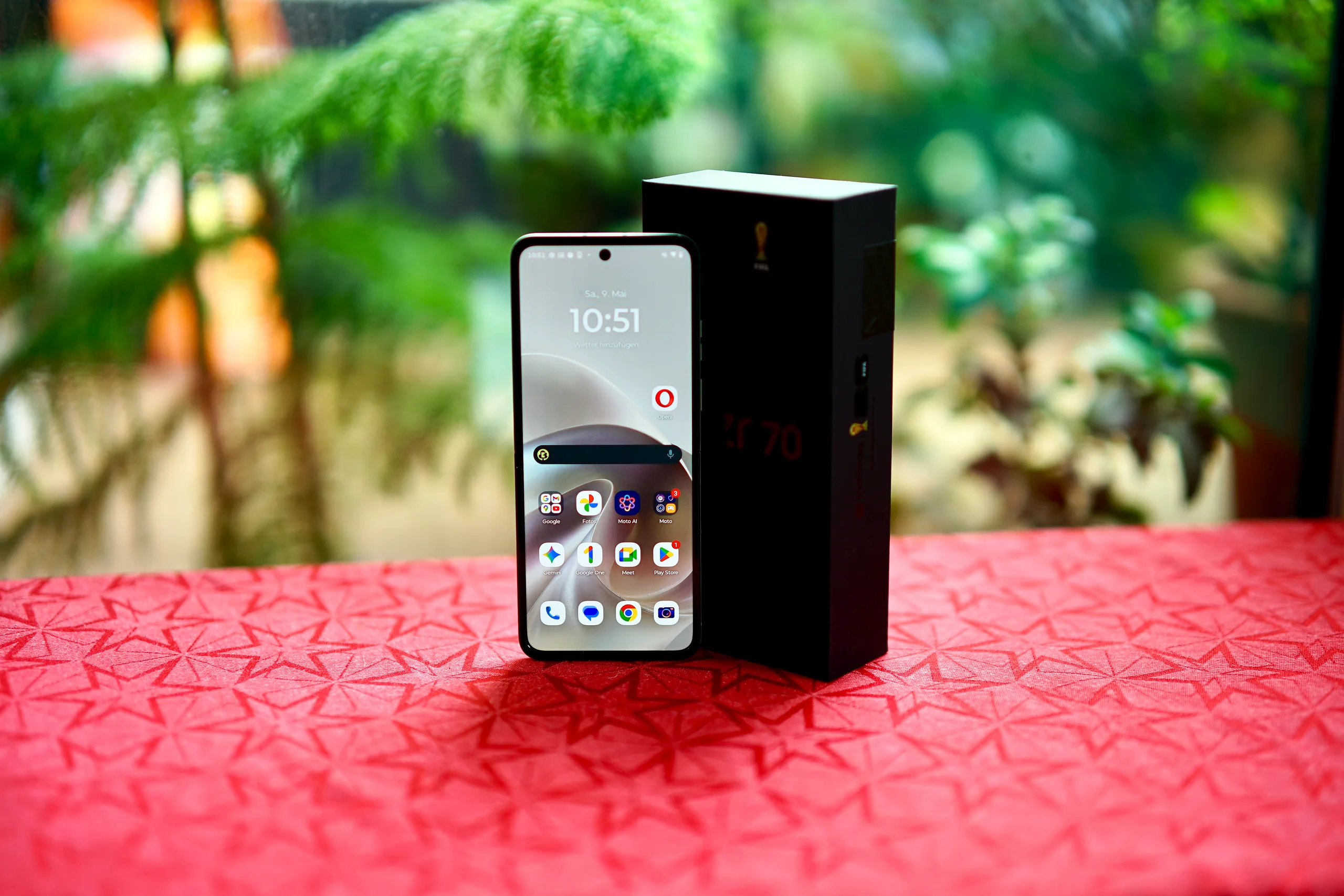
    The Motorola Razr 70 (around US$ 800 at amazon.com) looks very pretty. However, it also impresses with an AMOLED panel that achieves a peak brightness of 1331 cd/m² in the lab. The color reproduction has an exceptionally low delta E value of 1.2.

    Display Excellence

    These values position the Foldable at the top of its class in terms of technology. Although there is strong competition from Samsung in the form of the Galaxy Z Fold 7, for example, Samsung’s smartphone only achieves similar values in brightness and is even inferior in terms of color accuracy. The laboratory measurement documents a center screen brightness of 1331 cd/m² for the Motorola Razr 70. This value exceeds the previous Razr 60 model by around 11 percent. For outdoor users, this means clear legibility even in direct sunlight.

    Color and Brightness

    The display has a black level of 0, which is typical for AMOLED technology. The Delta-E color checker value of 1.2 represents remarkable precision. For comparison: The Xiaomi Mix Flip 2 achieves 2.11, the Galaxy Z Flip7 even 2.2. Photographers benefit from this accuracy when editing images on the go.

    Practical Use

    In everyday use, the brightness is advantageous when used outdoors. After our test, we can confirm that reading emails outdoors is much more comfortable than with the predecessor. The automatic brightness control reacts precisely to changes in light.

    Verdict

    The Razr 70 delivers a technically outstanding display with measurable advantages. And the external display is also of high quality. So if you are looking for the best displays in a clamshell foldable, you will not be disappointed here.

    Pricing and Alternatives

    However, the predecessor also offers very good features and is currently significantly cheaper. If you want to know whether the Razr 70 is still worth a look, or whether you should go for the predecessor or its competitors, we recommend our detailed test report on the Motorola Razr 70.

  • iPhone 17 Air Weight and Depth Benefits vs Samsung Rival Confirmed

    iPhone 17 Air Weight and Depth Benefits vs Samsung Rival Confirmed

    Key Takeaways

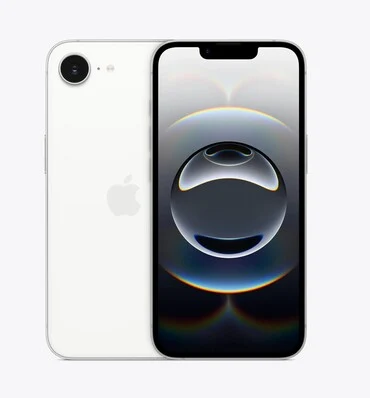
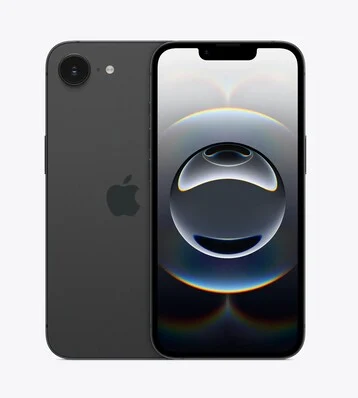
    1. Apple will unveil the iPhone 17 Air on September 9, 2025, making it the slimmest premium smartphone at 5.5mm thick.
    2. The iPhone 17 Air will weigh just 145 grams, lighter than the Samsung Galaxy S25 Edge at 163 grams, possibly due to its smaller ~2,800mAh battery.
    3. The S25 Edge, despite having a larger 3,900mAh battery, will be shorter at 158.2mm compared to the iPhone 17 Air’s 163mm.
    4. Pricing for the iPhone 17 Air is expected to start at approximately 1.4 million Korean won (~$1,010), while the S25 Edge is currently around $699.99.
    5. The iPhone 17 Air will feature 8GB of RAM and storage options of 128GB, 256GB, and 512GB, while the S25 Edge offers 12GB of RAM.


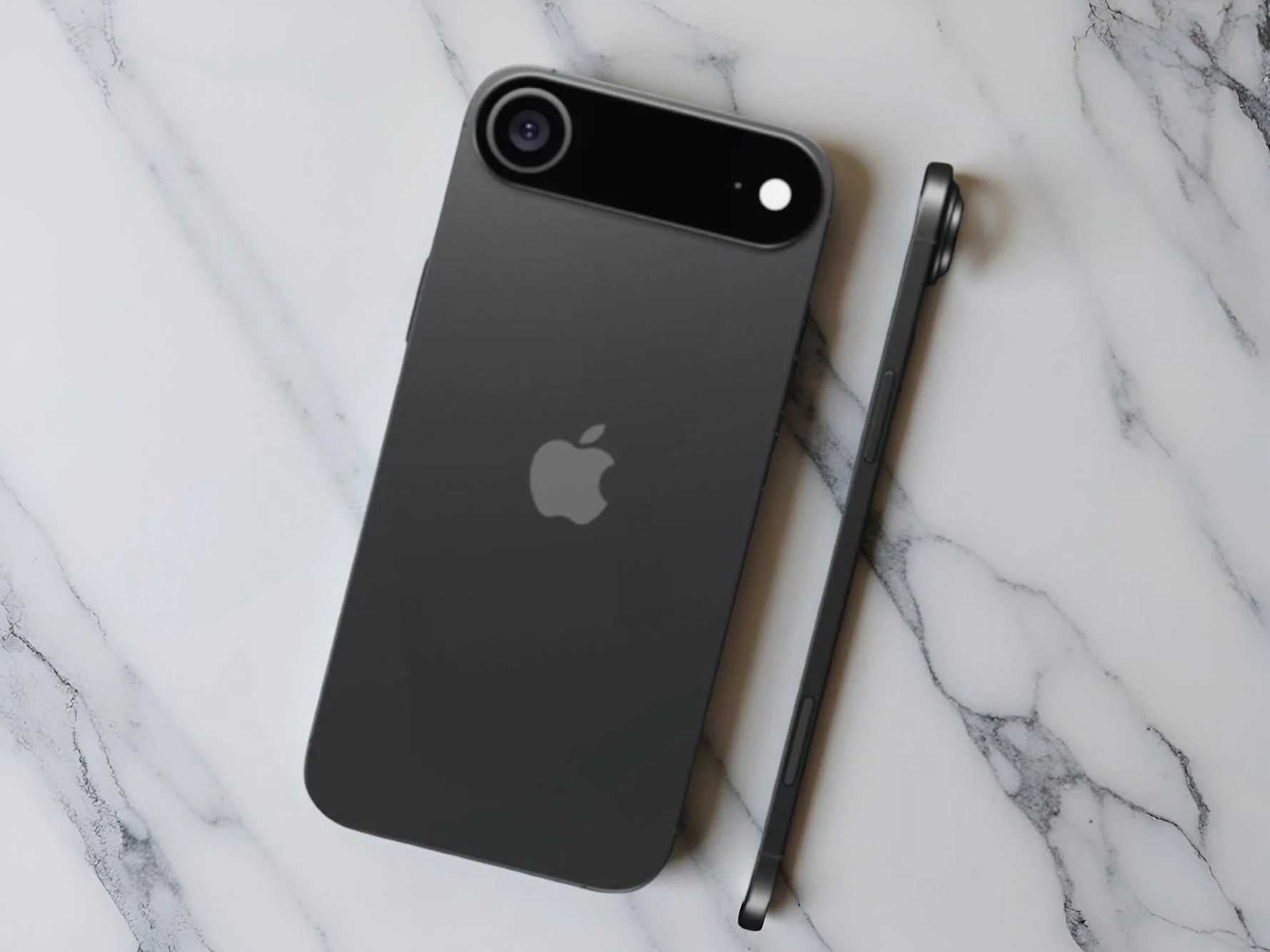
    Apple is set to unveil the slimmest premium smartphone in the world on September 9, 2025, measuring only 5.5 millimeters (mm) thick. This puts it ahead of its closest rival, the Samsung Galaxy S25 Edge, which has a thickness of 5.8mm.

    A New Era of Slimness

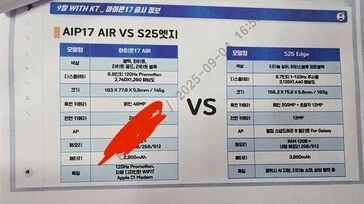
    The iPhone 17 Air is expected to dominate the race for ultra-slim designs, as per a recent leak shared on X by the tipster @Jukanlosreve. The leak suggests that the 17 Air will weigh a mere 145 grams (g), which is lighter than the S25 Edge that comes in at 163g. This difference in weight could be attributed to the smaller ~2,800mAh battery that the iPhone is rumored to have.

    Surprising Dimensions

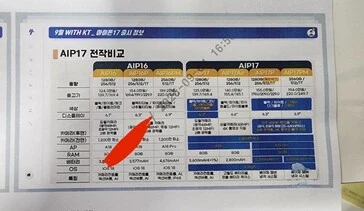
    Interestingly, the S25 Edge, with its larger 3,900mAh battery, is anticipated to be shorter than the iPhone 17 Air, measuring at 158.2mm versus the 17 Air’s 163mm. This is curious, especially since the latter is rumored to feature a smaller display of 6.6 inches diagonally. The S25 Edge boasts a larger 6.7-inch screen, which is expected to have a higher resolution of 3,120 x 1,440, while the 17 Air is said to offer a resolution of 2,740 x 1,260 with ProMotion. Fortunately, both devices will likely support a 120Hz refresh rate, based on leaked documents that allegedly originated from the Korean carrier KT.

    Potential Pricing and Specs

    Moreover, the Samsung device could also be narrower, at 75.6mm compared to the 17 Air’s 77.6mm. This leads to the conclusion that, in practical terms, the S25 Edge might be the more compact “beyond slim” smartphone, despite the slight difference in thickness. On another note, the 17 Air is rumored to come with a base model of 128GB, along with options for 256GB and 512GB, similar to the S25 Edge.

    The latest leaks suggest that the 17 Air will feature 8GB of RAM, in contrast to the 12GB that the S25 Edge offers. However, the new Apple smartphone is expected to be somewhat costly, starting at 1.4 million Korean won (~$1,010), according to this leak. The Samsung competitor also started off at a high price but is currently available for around $699.99 on Amazon.

    Source:
    Link


  • Pixel 10 Pro Makes Pixel 9A Irrelevant: Google’s Latest Move

    Pixel 10 Pro Makes Pixel 9A Irrelevant: Google’s Latest Move

    Key Takeaways

    1. Google Pixel phones face tough competition due to the cheaper “a” versions, which offer similar specs at lower prices.
    2. The Pixel 10 series shows diminished appeal for the Pro model, with minimal differences compared to the standard version.
    3. Camera features between the standard and Pro models are confusing, as both now include a telephoto lens, making the Pro less enticing.
    4. The standard Pixel 10’s camera setup is nearly identical to the Pixel 10 Fold, raising questions about the Pro’s value.
    5. Google’s addition of a telephoto lens to the standard Pixel 10 is a smart move, providing good features at a $200 savings compared to the Pro.


    The regular Google Pixel has always been a bit tricky to sell since Google tends to launch an “a” version of their new phones a few months after the main release. While the “a” versions usually come with a slightly lesser screen and a not-so-great camera, they still have the same processor and often a larger battery. When looking at the launch prices, the Pixel 9a was $300 less, offering nearly identical specs. Even though Pixels don’t keep their launch prices for long, as of now, there’s still a $302 gap when buying the Pixel 9 or Pixel 9A on Amazon.

    Pixel 10 Range Changes Everything

    With the new Pixel 10 series, it seems that Google has made its smaller “Pro” model less appealing right from the start.

    When you look at the specs on paper, the differences between the standard and Pro models are pretty minimal. The regular Pixel 10 features a screen that’s a bit less impressive (mainly in resolution, refresh rate, and brightness, though it still boasts a 120 Hz rate), has slightly less RAM (12 GB compared to 16 GB), and a camera system that isn’t as strong, but it sports a better battery and the same quality in build.

    Camera Confusion

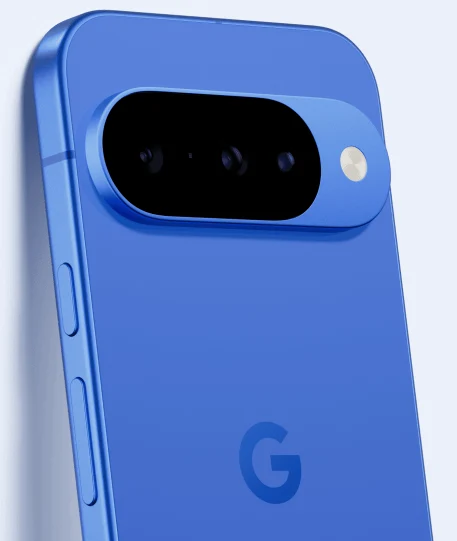
    Where things get really confusing is with the camera setup. The 5x telephoto lens used to be the main feature that set the Pro models apart, but now that the standard model has this telephoto as well, it becomes hard to see why anyone would want to pay an additional $200 for the Pro version unless they’re really into the technical details.

    The main lens on the regular version has a slightly larger aperture of ƒ/1.70 compared to ƒ/1.68, along with slightly fewer megapixels. The ultrawide lens on the regular model has fewer megapixels, a smaller aperture, and a narrower field of view. Sure, it’s not as good, but who really zooms in from an ultrawide lens anyway?

    The 5x zoom also has fewer megapixels, a smaller aperture, and a little less field of view. Cropping from a 10-megapixel sensor instead of a 40-megapixel sensor won’t yield great results, and let’s be honest, cropping to increase zoom is often a poor substitute for good optics. Google’s “Pro Res” zoom has not received great reviews for delivering high-quality images. On the Pixel 9 Pro, anything over 10x zoom ends up looking like an oil painting, while shots without cropping tend to look much better. Plus, it’s worth mentioning that the camera setup on the standard Pixel 10 is nearly identical to that of the Pixel 10 Fold, which is also labeled as “Pro.”

    A Smart Move by Google

    Google adding a telephoto lens to the standard Pixel 10 is a smart choice. It’s high time that more brands understood that not everyone wants just wide and ultrawide lenses, a feature that was already seen in the midrange Nothing 3a back in March. However, with the standard Pixel 10 offering a $200 saving and only very slight compromises, it becomes a lot harder to justify going for the Pixel 10 Pro.


  • Oppo Find X8 Ultra: 3x and 6x Optical Camera Upgrades Revealed

    Oppo Find X8 Ultra: 3x and 6x Optical Camera Upgrades Revealed

    Key Takeaways

    1. Oppo will launch the Find X8 Ultra to compete with Xiaomi 15 Ultra, Galaxy S25 Ultra, and Vivo X200 Ultra.
    2. The Find X8 Ultra will feature the industry’s first dual periscope telephoto cameras.
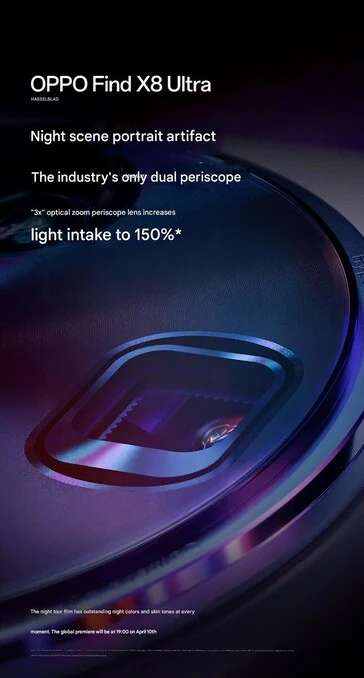
    3. Light sensitivity of the 3x periscope camera improved by 150% compared to Find X7 Ultra.
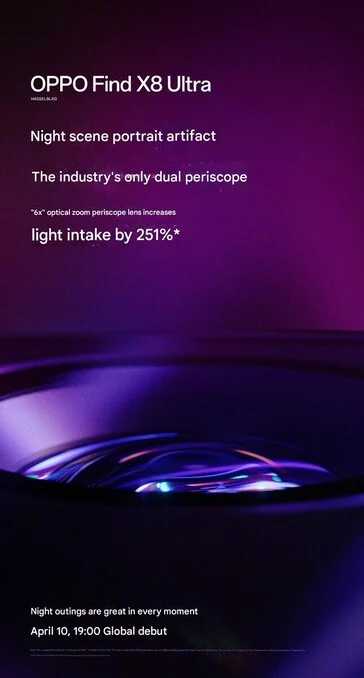
    4. The 6x optical camera on the Find X8 Ultra captures 251% more light than its predecessor.
    5. The official unveiling of the Find X8 Ultra is scheduled for April 10, with reviews expected to follow in mid-May.


    Oppo has shared new information regarding the Find X8 Ultra, which is set to compete with the Xiaomi 15 Ultra, Galaxy S25 Ultra (currently priced at $1,084.99 on Amazon), and the soon-to-be-released Vivo X200 Ultra. Interestingly, the Find X8 Ultra will be launched alongside the Find X8s and Find X8s Plus, which are being teased on Chinese social platforms.

    Camera Innovations

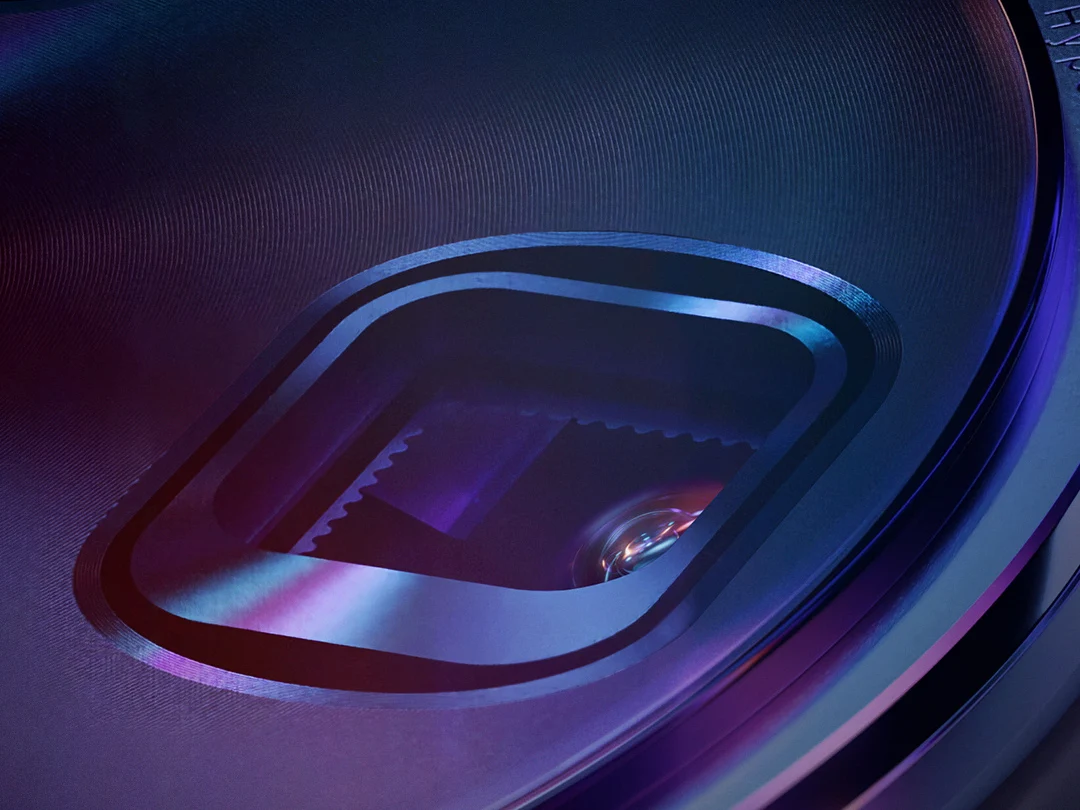
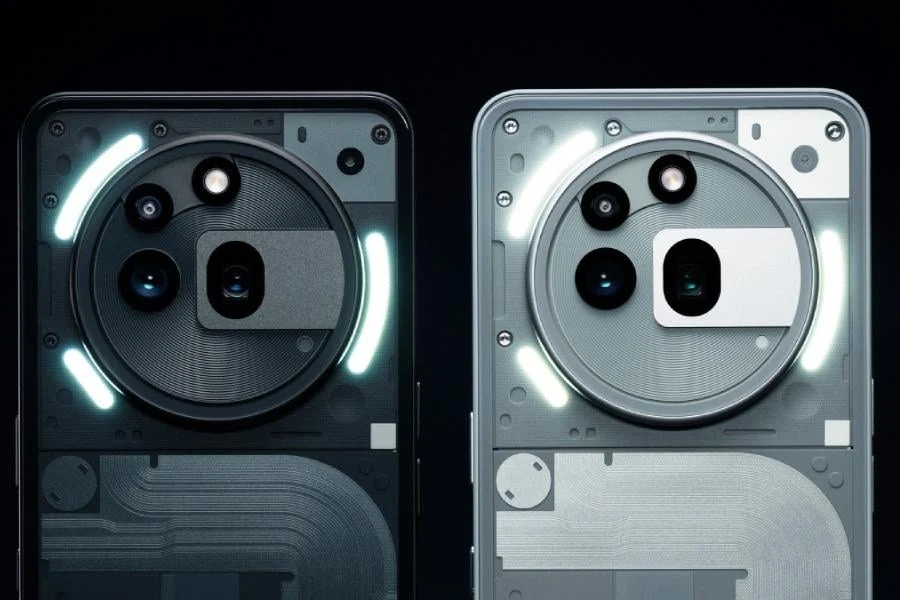
    Regarding the Find X8 Ultra, Oppo has confirmed that the phone will include two periscope telephoto cameras. In fact, they have even stated that it will be the “industry’s only dual periscope” feature. This means comparisons will be drawn between the Find X7 Ultra and the Find X8 Ultra, rather than with any of its current rivals.

    Enhanced Light Sensitivity

    Oppo has reportedly improved the light sensitivity of its 3x periscope camera by 150% when moving from the Find X7 Ultra to the Find X8 Ultra. This enhancement is expected to reduce artefacts during portrait photography under low-light conditions. In addition, this year’s 6x optical camera is said to capture up to 251% more light than its predecessor. However, it’s best to wait for independent reviews before forming any opinions. The Find X8 Ultra is scheduled for unveiling on April 10, so reviews may not be available until mid-next month at the earliest.

    Source:
    Link


  • Nothing Phone 3a Pro vs Redmi Note 14 Pro+: Best Value Comparison

    Nothing Phone 3a Pro vs Redmi Note 14 Pro+: Best Value Comparison

    Key Takeaways

    1. Design: The Nothing Phone (3a) Pro features a unique transparent design with Glyph LED lighting, while the Redmi Note 14 Pro+ has a more conventional appearance with an aluminum frame.

    2. Display: Both phones have AMOLED displays with FHD+ resolution and 120Hz refresh rates; however, the Phone (3a) Pro has a slightly larger 6.77-inch screen compared to the 6.67-inch screen of the Redmi Note 14 Pro+.

    3. Performance: Both devices are powered by the Qualcomm Snapdragon 7s Gen 3 SoC, but the Phone (3a) Pro offers more storage options, going up to 512GB, while the Redmi Note 14 Pro+ maxes out at 256GB.

    4. Battery and Charging: The Nothing Phone (3a) Pro has a 5,000mAh battery with 50W fast charging, whereas the Redmi Note 14 Pro+ has a larger 5,110mAh battery that supports faster 120W charging.

    5. Camera Systems: Both smartphones feature a triple camera setup with similar specifications, but the Phone (3a) Pro supports 3x optical zoom while the Redmi Note 14 Pro+ offers 2.5x optical zoom. The front camera on the Phone (3a) Pro is 50MP, compared to the 20MP front camera on the Redmi.


    Nothing recently launched the Phone (3a) series globally, showcasing its signature design, enhanced camera features, and appealing specifications while maintaining an affordable price. This model enters a competitive market alongside well-known smartphones from various brands. Here’s a brief overview comparing it to Xiaomi’s Redmi Note 14 Pro+.

    Design & Display: A Closer Look

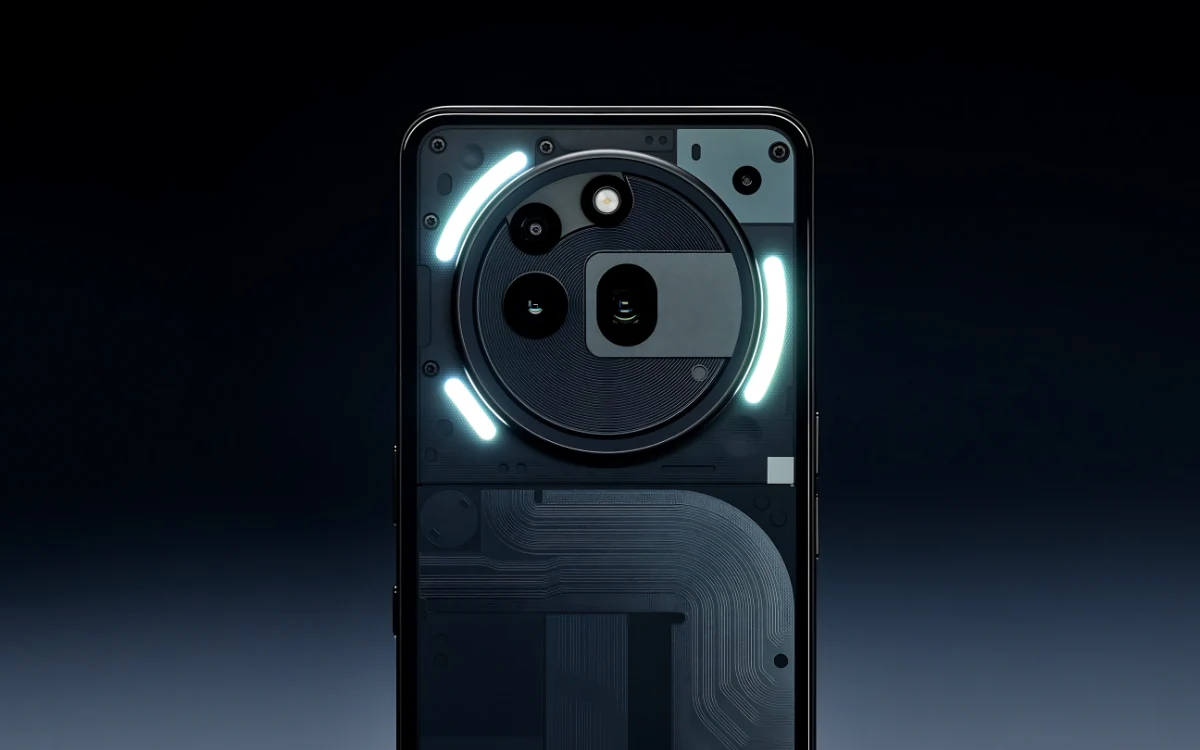
    The Phone (3a) Pro revives Nothing’s trademark transparent design, featuring the Glyph LED lighting interface with three LED strips. In contrast, the Redmi Note 14 Pro+ adopts a more standard look. Both devices come with glass backs, but the Redmi boasts an aluminum frame, while the Phone (3a) Pro utilizes a plastic mid-frame.

    Display Features

    The Nothing Phone (3a) Pro showcases a larger 6.77-inch AMOLED screen, boasting an FHD+ resolution, a 120Hz refresh rate, and peak brightness of 3000 nits. On the flip side, the Redmi Note 14 Pro+ offers a 6.67-inch AMOLED display with the same FHD+ resolution, also achieving 3000 nits peak brightness and a 120Hz refresh rate.

    Performance Specifications

    Internally, both smartphones are powered by the Qualcomm Snapdragon 7s Gen 3 SoC. However, the Phone (3a) Pro is available with up to 12GB of RAM and 512GB of storage, whereas the Redmi Note 14 Pro+ maxes out at 12GB and 256GB of internal storage. Yet, the Redmi has a slight edge in terms of battery capacity and charging speed.

    Battery and Charging

    The Nothing Phone (3a) Pro is equipped with a 5,000mAh battery that supports 50W wired fast charging. It’s worth noting that a charging brick is not included in the package. In comparison, the Redmi Note 14 Pro+ features a slightly larger 5,110mAh battery, but it supports faster 120W wired fast charging.

    Camera Capabilities

    Both smartphones offer a triple camera system that includes a telephoto lens. The Nothing Phone (3a) Pro comes with a 50MP (Main) + 8MP (Ultra Wide) + 50MP (Telephoto) setup on the rear, with the telephoto lens providing up to 3x optical zoom and both the main and telephoto lenses featuring OIS (Optical Image Stabilization). For selfies and video calls, there’s a 50MP front camera.

    On the Redmi Note 14 Pro+, the camera setup mirrors that of the Nothing model with a 50MP (Main) + 8MP (Ultra Wide) + 50MP (Telephoto), but with different sensor specifications and a telephoto lens that supports 2.5x optical zoom. Both the main and ultra-wide sensors have OIS, while the front camera is a 20MP shooter.

    Pricing Comparison

    Xiaomi offers the Redmi Note 14 Pro+ starting at 30,999 INR for the 8GB + 128GB version. On the other hand, the Nothing Phone (3a) Pro is priced at 29,999 INR for the equivalent storage option, with bank promotions reducing the price to approximately 27,999 INR.

    For more daily updates, please check our News Section.
    Are you a tech lover? Get the latest news first! Join our Telegram channel and sign up for our free newsletter for your daily dose of tech!

    Source:


  • Apple iPhone 16e vs Google Pixel 9a: Mid-Range Smartphone Showdown

    Apple iPhone 16e vs Google Pixel 9a: Mid-Range Smartphone Showdown

    Key Takeaways

    1. The iPhone 16e is priced at $599, making it a budget-friendly option, but lacks several features like MagSafe charging and an ultra-wide-angle camera.
    2. The Google Pixel 9a is expected to launch at $499, offering a lower price point and improved features, including a 120Hz OLED display.
    3. The Pixel 9a is rumored to have a 13MP ultra-wide-angle camera, while the iPhone 16e has a single-lens configuration.
    4. Both smartphones are waterproof and support USB-C and wireless charging; however, they differ in unlocking methods: the iPhone 16e uses 3D face recognition, and the Pixel 9a features a fingerprint sensor.
    5. The iPhone 16e boasts a faster Apple A18 processor and a more premium build, while the Pixel 9a excels in display brightness and camera capabilities.


    Apple has just revealed the new iPhone 16e today. This smartphone is meant to be a more budget-friendly option compared to the standard iPhone 16, starting at a price of $599. However, future users of the iPhone 16e will have to give up quite a bit. Features like MagSafe or Qi2 charging, an ultra-wide-angle camera, a dedicated camera shutter button, and the Dynamic Island are all absent.

    Google Pixel 9a Price and Features

    In contrast, the Google Pixel 9a is expected to launch in March, with prices beginning at $499. This makes Google’s mid-range device at least $100 less expensive than the iPhone 16e. The Pixel 9a also boasts significantly improved features in certain areas, while the iPhone 16e has its own strengths.

    Comparing Specifications

    Let’s take a closer look at the key technical specifications of these two mid-range smartphones. Note that the details about the Pixel 9a are based on rumors and may change when it is officially released.

    On paper, the Google Pixel 9a holds two significant advantages over the Apple iPhone 16e. Firstly, it has a 120Hz OLED display, which not only refreshes twice as fast but is also over twice as bright, reaching a full-screen brightness of 1,800 nits and an HDR peak brightness of 2,700 nits. Secondly, it is anticipated that the Pixel 9a will feature a 13MP ultra-wide-angle camera that is absent from the iPhone 16e’s single-lens configuration.

    Water Resistance and Unlocking Features

    Both devices are waterproof and can be charged using USB-C or a wireless Qi charging pad. A notable difference is that the iPhone 16e offers 3D face recognition for unlocking, while the Pixel 9a uses a fingerprint sensor that is built into the display.

    Moving on, the iPhone 16e does have two key advantages over the Google Pixel 9a. It includes a more premium chassis made from aluminum and glass, as opposed to plastic. Furthermore, according to our benchmarks, the Apple A18 processor is around 72% faster than the Google Tensor G4.

    In the end, the choice between the iPhone 16e and the Google Pixel 9a will likely hinge on which operating system the user prefers. Shoppers who are comfortable with both Android and iOS will have a challenging decision to make, weighing the superior performance of the iPhone 16e against the notably better display and extra camera capabilities of the Pixel 9a.

    Source:
    Link


  • Xiaomi 14T Pro vs Samsung Galaxy S24: 4 Compelling Reasons

    Xiaomi 14T Pro vs Samsung Galaxy S24: 4 Compelling Reasons

    I’ve been considering upgrading my nearly two-year-old Google Pixel 7, and while I have not made a final choice yet, two new phones that are on my radar are the Galaxy S24 FE and the Xiaomi 14T Pro. If I have to choose between these two, I would likely opt for the Xiaomi for several reasons.

    Value for Money

    When comparing the two, the Xiaomi 14T Pro provides a better value, especially when looking at European pricing. The base model of the Galaxy S24 FE starts at €749, equipped with 8GB of RAM and 128GB of storage. In contrast, the Xiaomi 14T Pro starts at €799, which includes 12GB of RAM and 256GB of storage.

    While the Xiaomi 14T Pro is €50 more expensive, it offers additional RAM and double the storage capacity. Samsung does have a 256GB version of the Galaxy S24 FE, but it still only has 8GB of RAM and is priced higher at €809.

    Superior Specifications

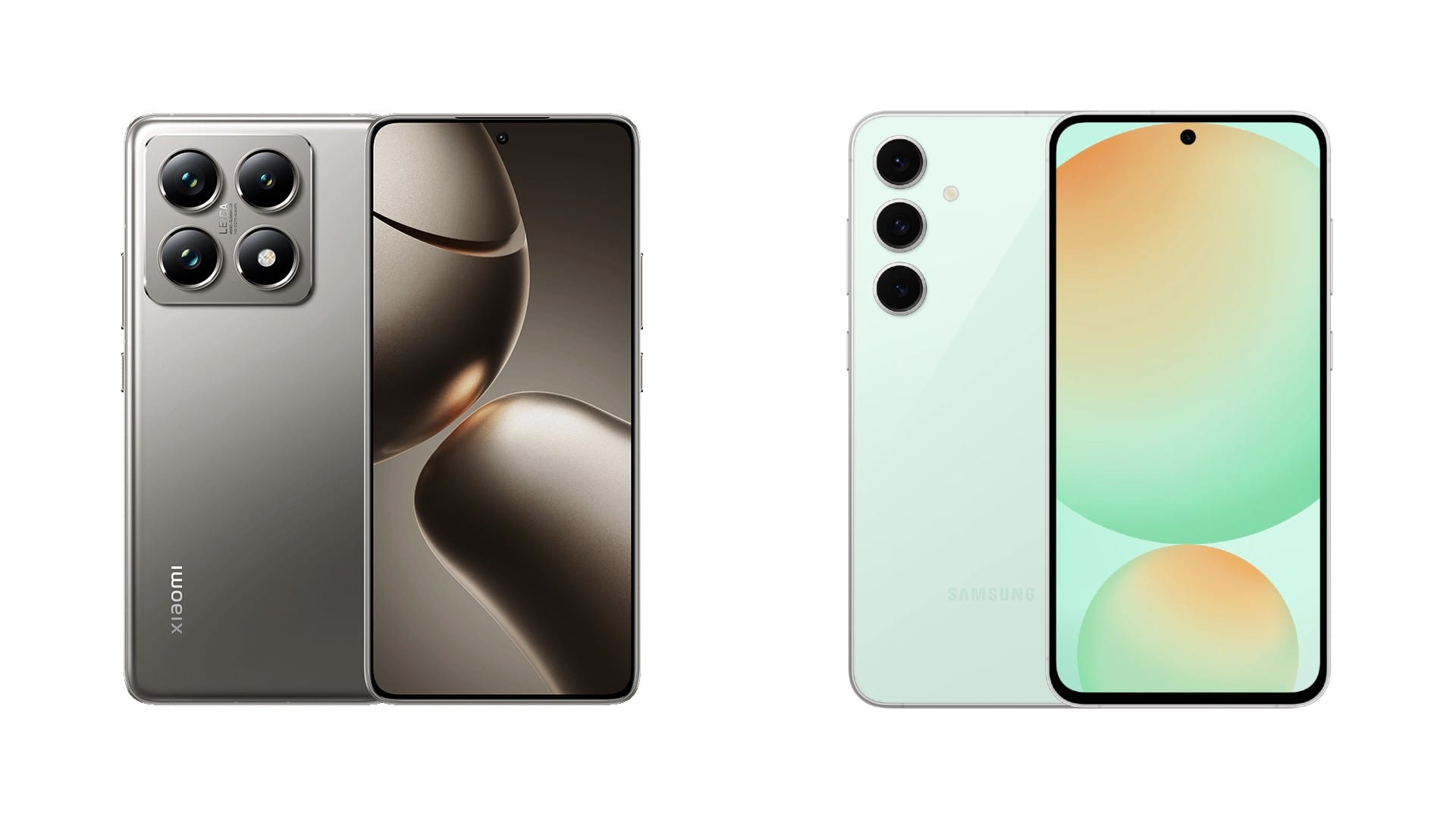
    The Xiaomi 14T Pro isn’t just a better value due to RAM and storage; it also boasts superior specifications overall. It features a 6.67-inch 144Hz AMOLED display with a resolution of 2712 x 1220, which is significantly clearer than the Galaxy S24 FE’s 6.7-inch 120Hz AMOLED display at 2340 x 1080. Furthermore, the Xiaomi model achieves a peak brightness of 4,000 nits, compared to the 1,900 nits of the Galaxy S24 FE.

    Additionally, the Xiaomi 14T Pro is powered by the Dimensity 9300+ chipset, which outperforms the Exynos 2400e found in the Galaxy S24 FE. Since the Exynos 2400 is less powerful, the Exynos 2400e should not be a concern.

    Charging capabilities also favor the Xiaomi 14T Pro, which supports 120W wired charging and 50W wireless charging. In comparison, the Galaxy S24 FE charges at 25W wired and 15W wireless.

    Design and Offers

    Design is a matter of taste, but the Xiaomi 14T Pro stands out more than the Galaxy S24 FE. Its matte glass finish, metal-like look, flat aluminum frame, prominent camera island, and textured power button create a more attractive device than the somewhat bland design of the Galaxy S24 FE. While the Galaxy S24 FE isn’t unattractive, its design feels overused and too similar to lower-priced models like the Galaxy A15 (currently priced at $179 on Amazon).

    Xiaomi’s pre-order offer is also more appealing. If you pre-order the Xiaomi 14T Pro, you receive a free Redmi Pad Pro (6GB+128GB) valued at €299. Conversely, pre-ordering the Galaxy S24 FE comes with a free Galaxy Watch FE worth €199. Since I already own a Galaxy Watch 4 LTE (44 mm), the Galaxy Watch FE offers little value to me, whereas the Redmi Pad Pro would be a nice upgrade from my current Redmi Pad.

    Final Thoughts

    There are certain aspects where the Galaxy S24 FE excels. It features Gorilla Glass Victus+ for display protection and includes Samsung DeX. Additionally, it will receive 7 operating system upgrades and 7 years of security updates. However, DeX alone does not sway my decision, and Xiaomi’s promise of 4 OS upgrades and 5 years of security updates seems sufficient. Moreover, the infrared sensor in the Xiaomi 14T Pro is a practical feature that I would likely use more than DeX.features Gorilla Glass Victus+ for display protectionfeatures Gorilla Glass Victus+ for display protection


    Xiaomi 14T Pro vs Samsung Galaxy S24: 4 Compelling Reasons
    Xiaomi 14T Pro vs Samsung Galaxy S24: 4 Compelling Reasons
  • Is Nothing Phone (2a) Plus a Major Upgrade Over Phone (2a)?

    Is Nothing Phone (2a) Plus a Major Upgrade Over Phone (2a)?

    Nothing has expanded its smartphone lineup with the Nothing Phone (2a) Plus, positioning it as a performance-oriented upgrade over the well-received Phone (2a).

    While both devices share a similar design ethos and core features, there are significant differences in key areas that impact the overall user experience. Let’s delve into the specifics.

    Design and Build

    Both the Nothing Phone (2a) Plus and the Phone (2a) adopt a similar design philosophy, featuring a transparent back panel adorned with the iconic Glyph Interface. The unique LED lighting system offers customization options and provides visual alerts for notifications and calls. Both phones boast an IP54 rating for dust and water resistance, ensuring protection against everyday elements.

    However, the Phone (2a) Plus introduces a refined metallic finish on the back, achieved through a complex manufacturing process involving nano-coating, multi-layer printing, and specialized ink formulations. This results in a more premium and visually appealing appearance compared to the Phone (2a)’s plastic back cover.

    Display

    There’s no change in the display department. Both phones feature a 6.7-inch FHD+ OLED panel with a 120Hz refresh rate, HDR10+ support, and a peak brightness of 1300 nits. The display quality is excellent on both devices, offering vibrant colors and good contrast ratios.

    Performance

    The Nothing Phone (2a) Plus is equipped with the MediaTek Dimensity 7350 Pro SoC, an upgraded chip compared to the Dimensity 7200 Pro in the Phone (2a). The 7350 Pro offers a higher clock speed of up to 3GHz, resulting in a 10% performance boost. Additionally, the integrated Mali-G610 MC4 GPU in the Plus variant is clocked at 1.3GHz, delivering a 30% improvement in graphics performance over the Phone (2a).

    Both devices come with 8GB or 12GB of LPDDR4X RAM and up to 256GB of UFS 2.2 storage, ensuring smooth multitasking and ample space for apps and media.

    Camera

    The primary camera setup remains identical on both phones, featuring a dual 50MP system with a main sensor and an ultrawide lens. However, the Phone (2a) Plus takes a significant leap forward with its front camera. It boasts a 50MP sensor compared to the 32MP unit on the Phone (2a), promising better selfie quality and improved low-light performance.

    Battery and Charging

    Both phones pack a substantial 5000mAh battery, providing ample juice for a full day of use. However, the Phone (2a) Plus offers faster charging with 50W support, compared to 45W on the Phone (2a). This translates to quicker top-ups, allowing you to spend less time plugged in.

    Software

    Both devices run Nothing OS based on Android 14, offering a clean and intuitive user interface. The Phone (2a) Plus introduces Nothing OS 2.6, which brings additional features and enhancements, including new functional widgets and AI-powered news aggregation.

    Pricing

    The Nothing Phone (2a) Plus commands a premium over its predecessor. It’s priced at Rs. 27,999 for the 8GB + 256GB variant and Rs. 29,999 for the 12GB + 256GB model. In comparison, the Nothing Phone (2a) starts at Rs. 23,999 for the base 8GB + 128GB model and goes up to Rs. 27,999 for the top-end 8GB + 256GB variant.

    Conclusion

    The Nothing Phone (2a) Plus undeniably surpasses its predecessor, the Phone (2a), in terms of performance, camera capabilities, and charging speed. The upgraded processor, improved front camera, and faster charging technology are definite enhancements. However, the question remains whether these advancements justify the price hike.

    While the Plus model offers notable improvements, users might have expected more substantial upgrades to warrant the additional expense. Ultimately, the decision to opt for the Phone (2a) Plus hinges on individual priorities and budget constraints. If performance and camera quality are paramount, the Plus model is a compelling choice. But if cost is a primary factor, the Phone (2a) still offers a solid package.

  • Xiaomi 14 Civi vs Xiaomi 14: Key Differences Explained

    Xiaomi 14 Civi vs Xiaomi 14: Key Differences Explained

    Xiaomi has recently introduced two new smartphones to the Indian market – the Xiaomi 14 and the Xiaomi 14 Civi. Although they share the Xiaomi 14 name, these devices cater to different audiences, offering unique features and pricing.

    To clarify, the Xiaomi 14 Civi is the budget-friendly counterpart to the Xiaomi 14. Let’s explore its specifications to see how it measures up against the Xiaomi 14 and why it is priced more affordably.

    Xiaomi 14 Civi

    Design and Display

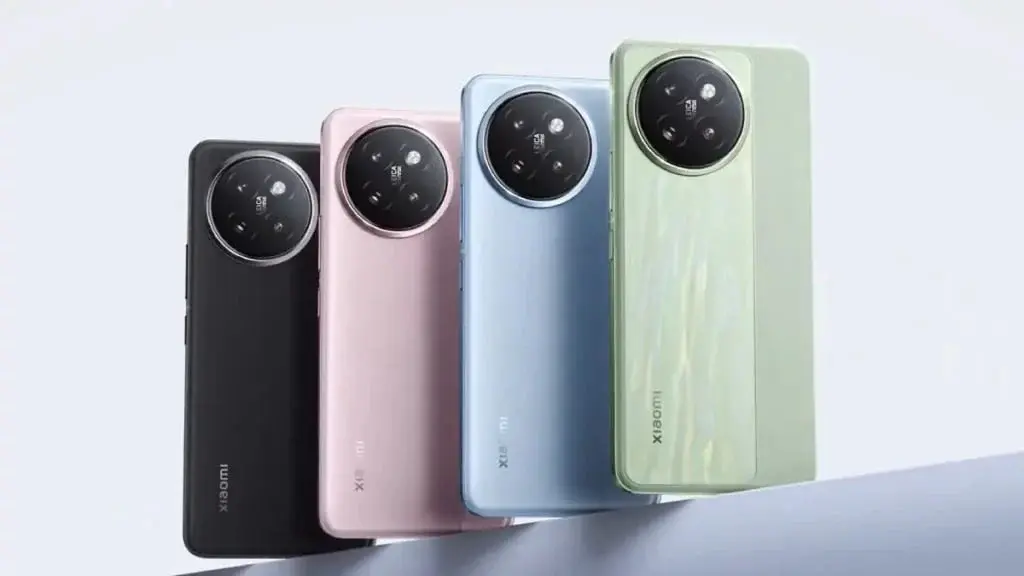
    The Xiaomi 14 Civi is distinguished by its elegant four-side micro-curved design on both the front and back, lending it a sleek, premium look. It is 7.45mm thick and is available in three stylish variants: Cruise Blue Dual-Slice, Matcha Green Nano-Tech Vegan Leather (7.75mm thick), and Shadow Black Classic Matte.

    In contrast, the Xiaomi 14 features a flat-edge design with rounded corners and a frosted glass back, making it comfortable to hold and visually appealing. It is slightly thicker at 8.20mm but boasts an ultra-narrow 71.5mm body, making it ideal for one-handed use. The Xiaomi 14 comes in Jade Green, Matte Black, and Classic White color options.

    Both phones offer impressive displays, but the Xiaomi 14 Civi stands out with its larger 6.55-inch 1.5K micro-curved AMOLED panel. It features a peak brightness of 3000 nits and a 120Hz refresh rate for smooth visuals. The Xiaomi 14, though slightly smaller at 6.36 inches, also features a 1.5K OLED flat TCL C8 LTPO panel with the same peak brightness and a variable refresh rate of 1-120Hz to optimize power consumption. Both displays support Dolby Vision and HDR10+ for vibrant, lifelike content.

    Performance and Software

    Under the hood, both phones are powered by the latest Snapdragon processors: the Xiaomi 14 Civi with the Snapdragon 8s Gen 3 and the Xiaomi 14 with the Snapdragon 8 Gen 3. These powerful processors ensure smooth multitasking, fast app launches, and seamless gaming experiences. The Xiaomi 14 Civi offers up to 12GB of LPDDR5X RAM, while the Xiaomi 14 comes with 12GB of RAM as standard. Both models provide ample storage options, with the Xiaomi 14 Civi offering up to 512GB UFS 4.0 and the Xiaomi 14 also offering 512GB UFS 4.0.

    In terms of software, both phones run on Android 14-based Xiaomi HyperOS, offering a fluid and feature-rich user interface. Xiaomi has committed to providing three years of Android OS updates and four years of regular security updates for the Xiaomi 14 Civi. Meanwhile, the Xiaomi 14 will receive four generations of Android OS upgrades and five years of security patches.

    Cameras

    The Xiaomi 14 Civi and Xiaomi 14 both excel in the camera department, featuring triple rear camera setups. The Xiaomi 14 Civi boasts a 50MP primary sensor with a Leica Summilux lens, a 12MP ultra-wide camera, and a 50MP 2X telephoto camera. This combination enables versatile photography, capturing stunning photos in various lighting conditions and offering excellent zoom capabilities.

    The Xiaomi 14 also sports a 50MP primary sensor with Leica optics, a 50MP ultra-wide camera, and a 50MP 3.2X telephoto camera. Its camera system surpasses the Civi’s, delivering exceptional image quality and detail.

    For selfies and video calls, the Xiaomi 14 Civi features a dual 32MP front camera setup, including an ultra-wide camera with a 100° field of view, while the Xiaomi 14 has a 32MP front-facing camera capable of 4K 60fps video recording.

    Battery and Charging

    The Xiaomi 14 Civi packs a 4700mAh battery with 67W wired fast charging, promising a full charge in just 40 minutes. While it lacks wireless charging, its fast wired charging ensures minimal downtime.

    In contrast, the Xiaomi 14 boasts a slightly smaller 4610mAh battery but offers faster 90W wired charging, achieving a full charge in an even shorter 31 minutes. Additionally, it supports 50W wireless charging and 10W reverse wireless charging, adding convenience for users who prefer wireless options.

    Price and Availability

    The Xiaomi 14 Civi starts at Rs. 42,999 for the 8GB + 256GB variant, while the 12GB + 512GB model is priced at Rs. 47,999. Pre-orders began on June 12th, with availability in stores and online platforms starting June 20th.

    The Xiaomi 14 is available in a single 12GB + 512GB configuration and is priced slightly higher at Rs. 69,999. It has been available since March 11th through various channels, including Mi.com, Flipkart, Amazon.in, and Xiaomi retail stores.

    Why Xiaomi 14 Civi is cheaper than Xiaomi 14?

    While both phones offer excellent performance and features, the Xiaomi 14 Civi makes certain compromises to achieve its lower price point. Notably, the 14 Civi features a slightly slower Snapdragon 8s Gen 3 chip compared to the Snapdragon 8 Gen 3 found in the Xiaomi 14.

    Additionally, the Xiaomi 14 Civi’s camera setup, while impressive, is considered a downgrade compared to the Xiaomi 14’s Leica-backed triple camera system, which includes a better ultra-wide camera and more optical zoom. However, the 14 Civi stands out with its dual front-facing cameras. The 14 Civi also lacks features such as wireless charging, water resistance (IP68), and the extended software support promised for the Xiaomi 14, further contributing to its more affordable price compared to the higher-end model.

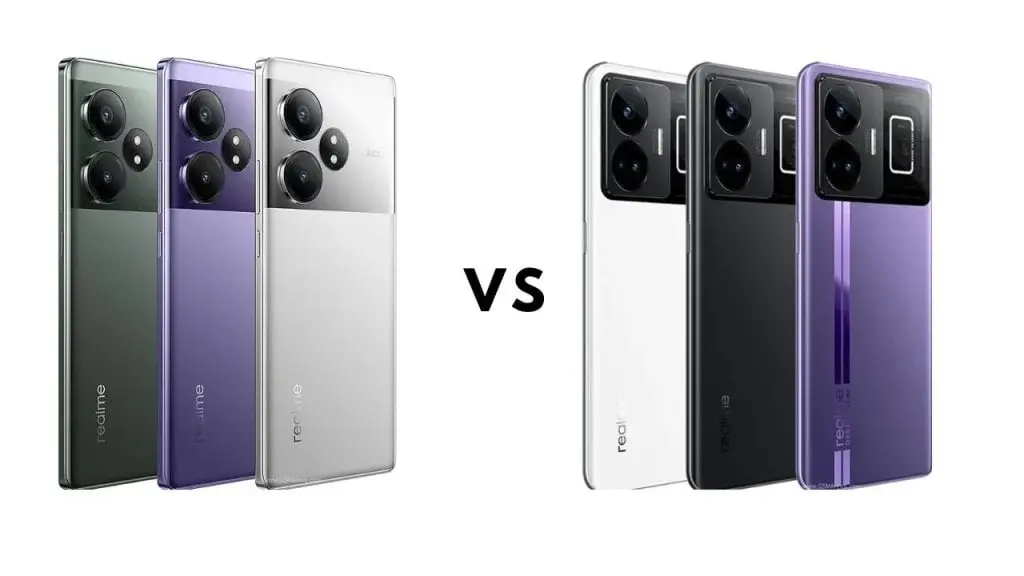
  • Realme GT Neo 6 vs Realme GT Neo 5: Updates and Improvements

    Realme GT Neo 6 vs Realme GT Neo 5: Updates and Improvements

    Realme GT Neo 6 was officially revealed in China today (9th May 2024) following a series of leaks, speculations, and teasers. This new device serves as a direct successor to the Realme GT Neo 5 introduced last year. Let’s delve into the key changes and enhancements in the latest model.

    Realme GT Neo 6 vs Realme GT Neo 5: Shift in Design Approach

    Design Evolution: The design philosophy of the GT series has undergone a significant transformation. Unlike its predecessor, the Realme GT Neo 6 opts for a more refined and sophisticated appearance. The distinctive Halo LED lighting and prominent camera island of the GT Neo 5 have been replaced in the newer iteration. Instead, the GT Neo 6 features a seamless camera island with a reflective finish, seamlessly blending with the rear panel. Notably, the device now boasts IP65 water and dust resistance, enhancing its durability.

    Enhanced Performance with Latest Chipset

    Upgraded Performance: With the unveiling of the Realme GT Neo 6, we witness a shift towards more contemporary specifications. This new model is powered by the Snapdragon 8s Gen 3 chipset, offering superior performance compared to the Snapdragon 8+ Gen 1 found in the GT Neo 5. The base storage configuration now includes 12GB of RAM paired with 256GB of storage, an improvement over the GT Neo 5’s 8GB + 256GB setup.

    Camera Innovations: Consolidation and Enhancement

    Camera Enhancement: Realme has made a notable adjustment in the camera setup of the GT Neo 6 by removing one image sensor present in the GT Neo 5. While the third sensor, a 2-megapixel macro lens, has been eliminated, the existing camera components have been upgraded. The primary sensor now features a 50-megapixel Sony IMX882 sensor, an improvement over the previous model. Additionally, the front camera resolution has been doubled to 32 megapixels.

    Battery Improvements: Enhanced Charging Options

    Battery Upgrades: Realme has introduced a significant change in the battery department for the GT Neo 6. The device now offers a substantial 5,500mAh battery capacity while retaining the fast-charging capabilities with 120W wired charging. This amalgamation of a larger battery and efficient charging technology aims to provide users with a balanced experience.

    Additional Enhancements and Pricing Details

    Other Enhancements: The Realme GT Neo 6 showcases various minor enhancements, including a slightly taller display measuring 6.78 inches and an OLED panel capable of delivering a peak brightness of 6000 nits, a significant improvement from its predecessor. The device comes pre-installed with Android 14 OS based Realme UI 5, ensuring extended software support.

    Price Comparison: In terms of pricing, the Realme GT Neo 6 starts at 2,099 Yuan (approximately $290) for the base model with 12GB of RAM and 256GB of storage. This marks a reduction in the starting price compared to the GT Neo 5, which launched at 2,499 Yuan (about $368) for the 8GB + 256GB variant. Realme has managed to maintain affordability with the new model while introducing several upgrades across various aspects.