Category: Phones

Stay updated with the latest phone news, reviews, and trends. Discover cutting-edge smartphones, features, and innovations in our Phones category at GizNewsDaily

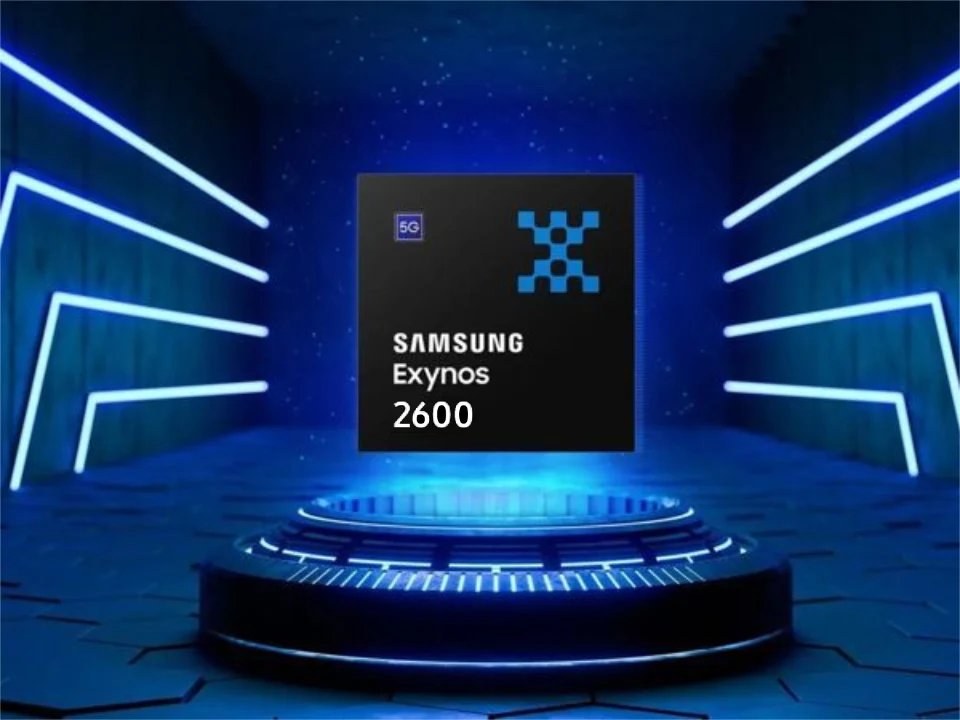
  • Galaxy S26 and S26 Edge to Feature Exynos 2600 Worldwide

    Galaxy S26 and S26 Edge to Feature Exynos 2600 Worldwide

    Key Takeaways

    1. The Exynos 2600 is set to compete with Qualcomm’s Snapdragon 8 Elite 2, showing notable improvements over its predecessor.
    2. The Exynos 2600 will be available in select markets like Korea and Europe, while the Snapdragon 8 Elite 2 will be used in the US and China.
    3. The Exynos 2600 features a deca-core CPU with a 1+7+2 configuration, including one Cortex-X9930 core and nine Cortex-A730 cores.
    4. Samsung has shifted from AMD’s RDNA IP for its GPU to develop a new GPU with a former Huawei engineer.
    5. The Exynos 2600 may have manufacturing advantages, but real-world performance against the Snapdragon 8 Elite 2 remains uncertain.


    A recent listing on Geekbench for the Exynos 2600 has revealed that it is going head-to-head with Qualcomm’s upcoming Snapdragon 8 Elite 2 (also referred to as Snapdragon 8 Elite Gen 5). Although the Qualcomm flagship was not operating at its maximum capacity during the test, the Exynos 2600 still demonstrated notable improvements compared to its predecessor. Fans eager to see what the chip can really do will be happy to learn that it will be featured in the Galaxy S26 and Galaxy S26 Edge next year.

    Market Availability

    As usual, the Exynos 2600 will only be found in devices sold in specific markets, such as Korea, Europe, and a few others. In contrast, the Snapdragon 8 Elite 2 will be the chip used in the US and China for all three models, as indicated by a recent Geekbench test for the Galaxy S26 Edge equipped with the Snapdragon 8 Elite 2. Additionally, the Galaxy S26 Ultra will continue to utilize the Snapdragon 8 Elite 2 globally, a pattern that started with the Galaxy S24 Ultra.

    Technical Specifications

    The Geekbench listing has also verified that the Exynos 2600 will include a deca-core CPU designed with a 1+7+2 configuration. Similar to MediaTek, Samsung has completely removed E-cores, and the Exynos 2600 is expected to feature one Cortex-X9930 core along with nine Cortex-A730 cores. Furthermore, rumors suggest that Samsung has abandoned AMD’s RDNA IP for its Xclipse 960 GPU and has brought in a former Huawei engineer to create a new GPU from scratch.

    Performance Insights

    On paper, the SF2 Exynos 2600 boasts a manufacturing advantage over the TSMC N3P Snapdragon 8 Elite for Galaxy 2. However, history shows that this hasn’t always resulted in better real-world performance, and it seems doubtful that this situation will change. Even so, matching the performance of the Snapdragon 8 Elite 2 could be enough to restore faith in Samsung’s struggling foundry business.

    Source:
    Link


  • Vivo X300 Pro: Telephoto Camera Upgrades for All Models

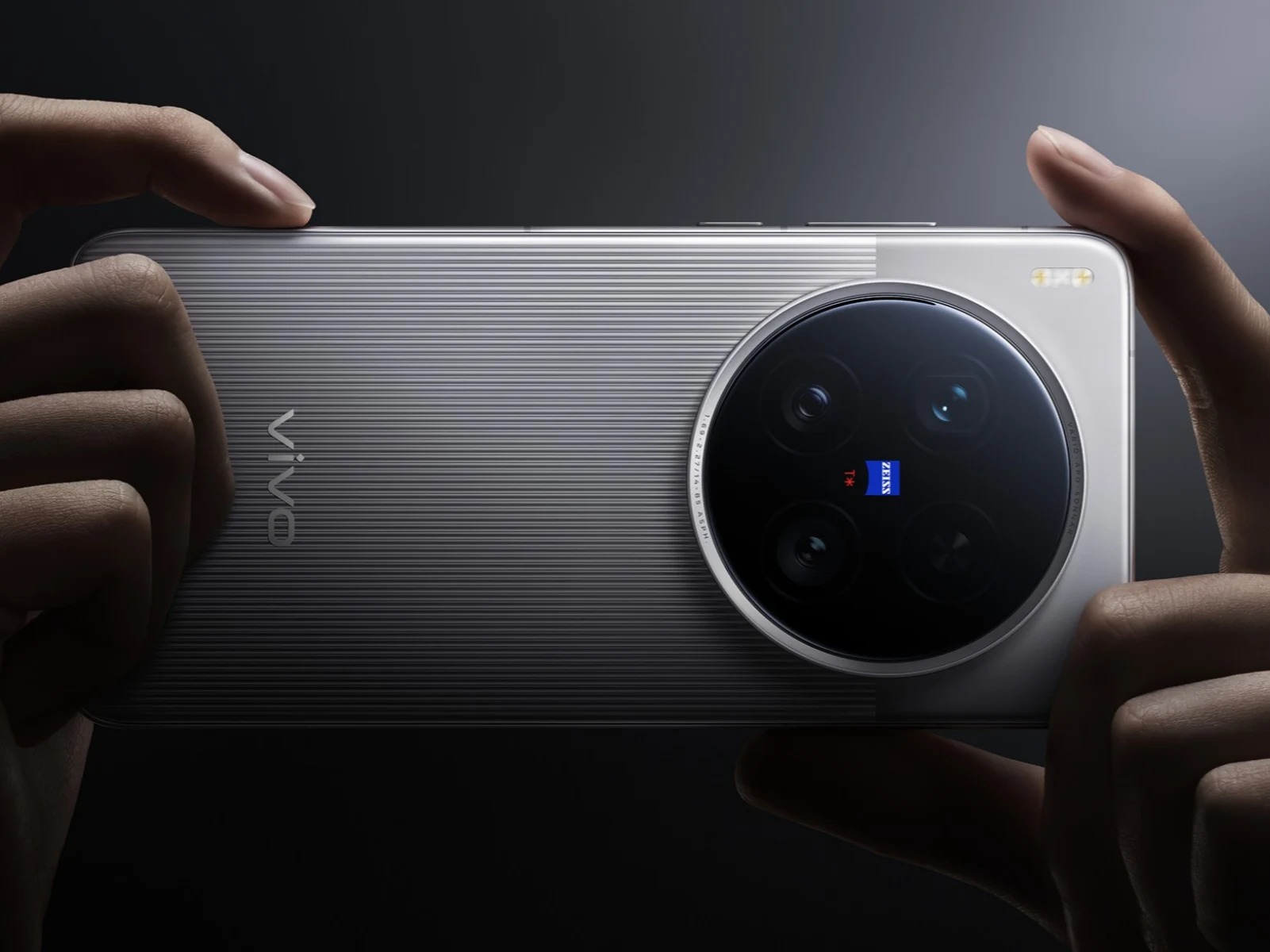
    Vivo X300 Pro: Telephoto Camera Upgrades for All Models

    Key Takeaways

    1. Vivo executive Han Bo Xiao shared insights about the upcoming Vivo X300 and X300 Pro devices on Weibo, highlighting their advanced features.
    2. Both models will use the Samsung ISOCELL HPB telephoto camera sensor, a customized version of the ISOCELL HP9.
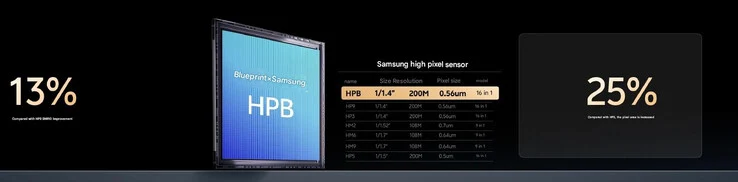
    3. The ISOCELL HPB sensor has a 1/1.4-inch optical format and a native output of 200 MP, featuring enhancements like Zeiss T lens coating.
    4. The Vivo X300 will have a standard ISOCELL HPB, while the X300 Pro will include a periscope variant with an 85 mm focal length.
    5. The Vivo X300 and X300 Pro are expected to launch in October, powered by Dimensity 9500 chipsets.


    Earlier this year, Han Bo Xiao, a Vivo executive, took to his Weibo account to share insights about the X200 Ultra and X Fold5 prior to their official announcements. His posts, while clearly approved by Vivo, often contained more in-depth information than what the company usually provides on its own social media platforms.

    New Flagships on the Horizon

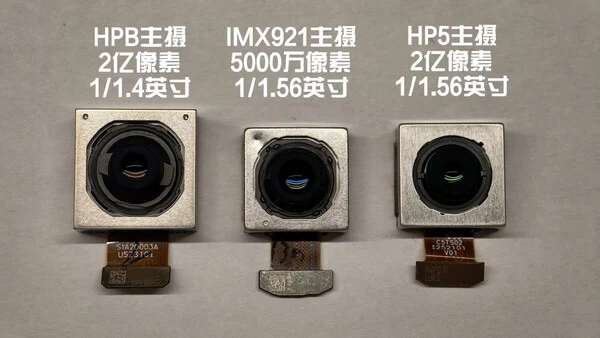
    Now, this same executive has shifted his focus to a fresh lineup of high-end devices that Vivo is anticipated to release before the year wraps up. As per Han Bo Xiao’s updates, both the Vivo X300 and X300 Pro will be equipped with the Samsung ISOCELL HPB as their telephoto camera sensors. On Weibo, he disclosed that the ISOCELL HPB is essentially an ISOCELL HP9 that has been tailored by Samsung specifically for Vivo.

    Cutting-Edge Camera Features

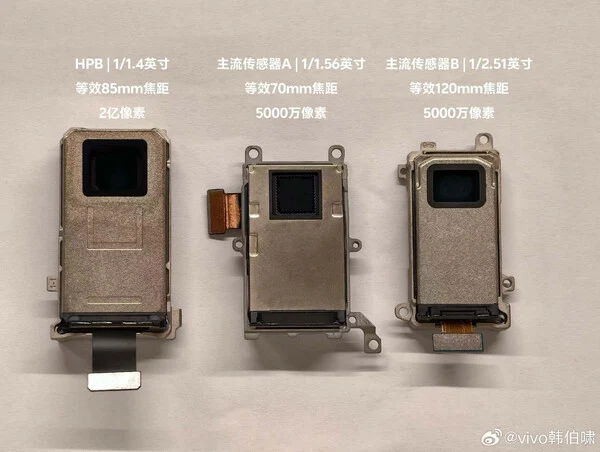
    The ISOCELL HPB features an optical format of 1/1.4 inches and delivers a native output of 200 MP. Notably, some of the enhancements include a Zeiss T lens coating designed to reduce ghosting and chromatic errors. Additionally, Han Bo Xiao mentioned that the ISOCELL HPB incorporates CIPA 4.5 image stabilization along with a specialized imaging algorithm aimed at optimizing image quality.

    It appears that the Vivo X300 will come with a standard version of the ISOCELL HPB, while the X300 Pro will be equipped with a periscope variant that offers an equivalent focal length of 85 mm. The size of the ISOCELL HPB seems to be significantly larger compared to the 50 MP and 1/2.51-inch telephoto sensor featured in the Galaxy S25 Ultra (currently priced at $999.99 on Amazon). Vivo is expected to showcase the Vivo X300 and Vivo X300 Pro this October, both powered by the Dimensity 9500 chipsets.

    Source:
    Link


  • Xiaomi 16 Ultra Launches with Enhanced Leica Camera Partnership

    Xiaomi 16 Ultra Launches with Enhanced Leica Camera Partnership

    Key Takeaways

    1. Xiaomi is set to launch several premium smartphones, including the Redmi K90 series and successors to the Xiaomi 14T and 14T Pro.
    2. The upcoming Xiaomi 16 series will include models like the Xiaomi 16, Xiaomi 16 Pro, and Xiaomi 16 Pro Max, with the Xiaomi 16 Ultra expected in early 2026.
    3. Xiaomi will continue its partnership with Leica for the Xiaomi 16 Ultra, similar to previous Ultra models.
    4. The Xiaomi 16 Ultra may feature Leica’s Coca-Cola style logo, which is already seen in marketing for the Xiaomi 14T Pro and Xiaomi 15 Ultra.
    5. Specific differences between the Xiaomi 15 Ultra and Xiaomi 16 Ultra are not expected to be revealed until late 2025.


    Xiaomi is said to have a lot of premium smartphones lined up after the recent launch of the Redmi Note 15 series last month in China. Recent leaks suggest that the company will soon unveil the Redmi K90 series in its home country. In addition, the Xiaomi 14T and Xiaomi 14T Pro (currently priced at $609 on Amazon) successors are expected to be announced shortly, considering the significant amount of leaks that have surfaced recently.

    Upcoming Flagship Series

    Moreover, Xiaomi is anticipated to refresh its flagship devices with the upcoming Xiaomi 16 series. Currently, it is thought that this lineup will start with the Xiaomi 16, Xiaomi 16 Pro, and the Xiaomi 16 Pro Max, followed by the Xiaomi 16 Ultra expected to launch in early 2026.

    Exclusive Insights

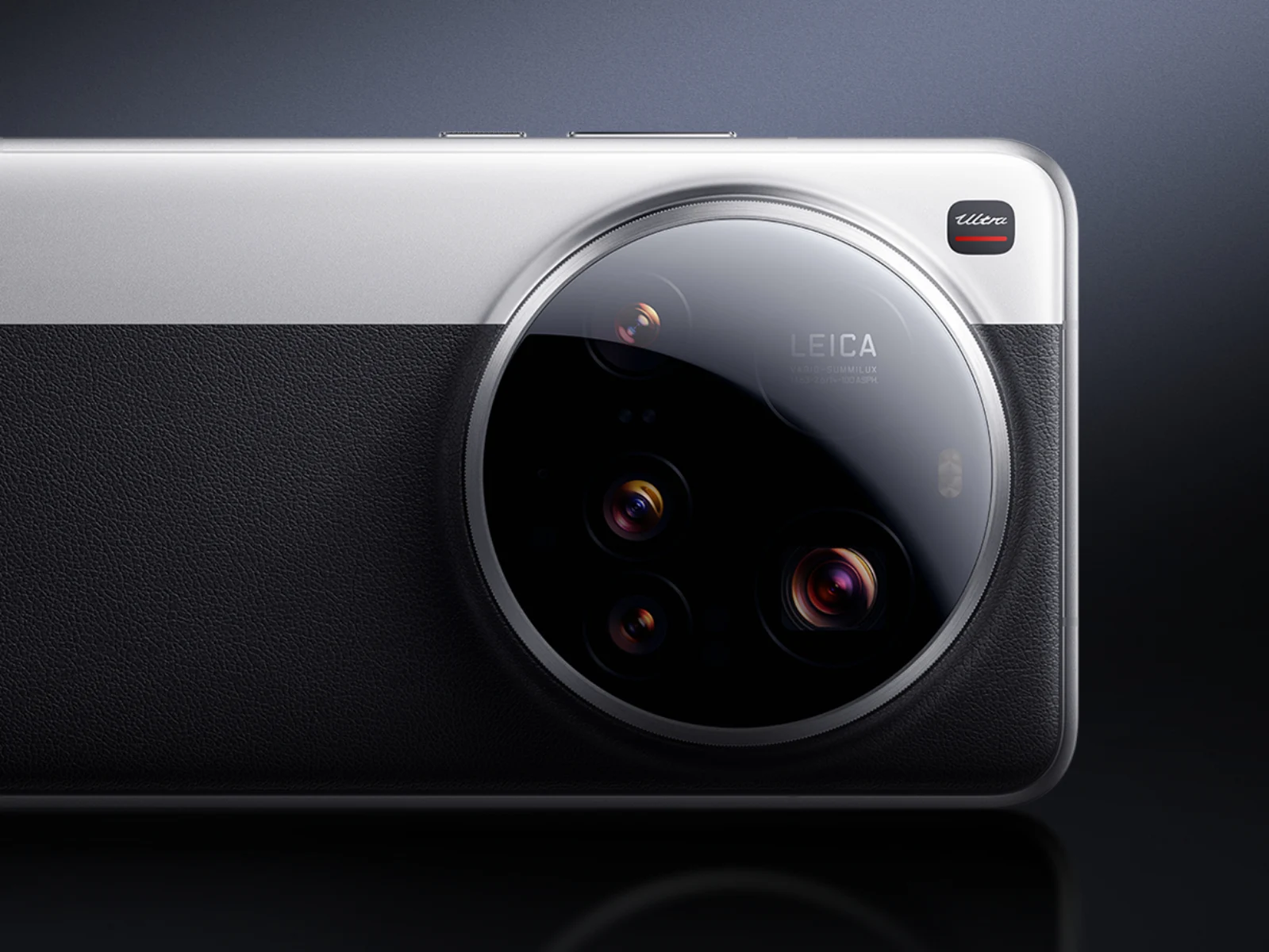
    Interestingly, Kartikey Singh claims to have insider knowledge regarding the Xiaomi 16 Ultra. In a post on X, the leaker mentions that Xiaomi will maintain its partnership with Leica for this next Ultra-branded flagship, similar to past models like the Xiaomi 15 Ultra, Xiaomi 14 Ultra, Xiaomi 13 Ultra, and Xiaomi 12S Ultra.

    Design Changes

    In a twist, it is rumored that Xiaomi has finally embraced Leica’s distinct Coca-Cola style logo. Notably, this well-known logo appears in the marketing materials for the Xiaomi 14T Pro and Xiaomi 15 Ultra. Specific details about the differences between the Xiaomi 15 Ultra and the Xiaomi 16 Ultra are not expected to be revealed until at least the end of 2025.

    Source:
    Link


  • US Customers Receive Pixel 10 Phones with SIM Slots After RMA

    US Customers Receive Pixel 10 Phones with SIM Slots After RMA

    Key Takeaways

    1. Google removed the SIM card slot from the US version of the Pixel 10 series, while international versions still include it.
    2. US customers returning Pixel 10 devices for RMA are often receiving global versions instead of US-specific models.
    3. The global variants have a SIM slot but may not support all 5G frequencies available in the US.
    4. Some users reported positive experiences with RMA, receiving replacements that addressed their issues, but these replacements were global variants.
    5. Users should be cautious about potential 5G compatibility limitations with the global variants, especially concerning mmWave bands.


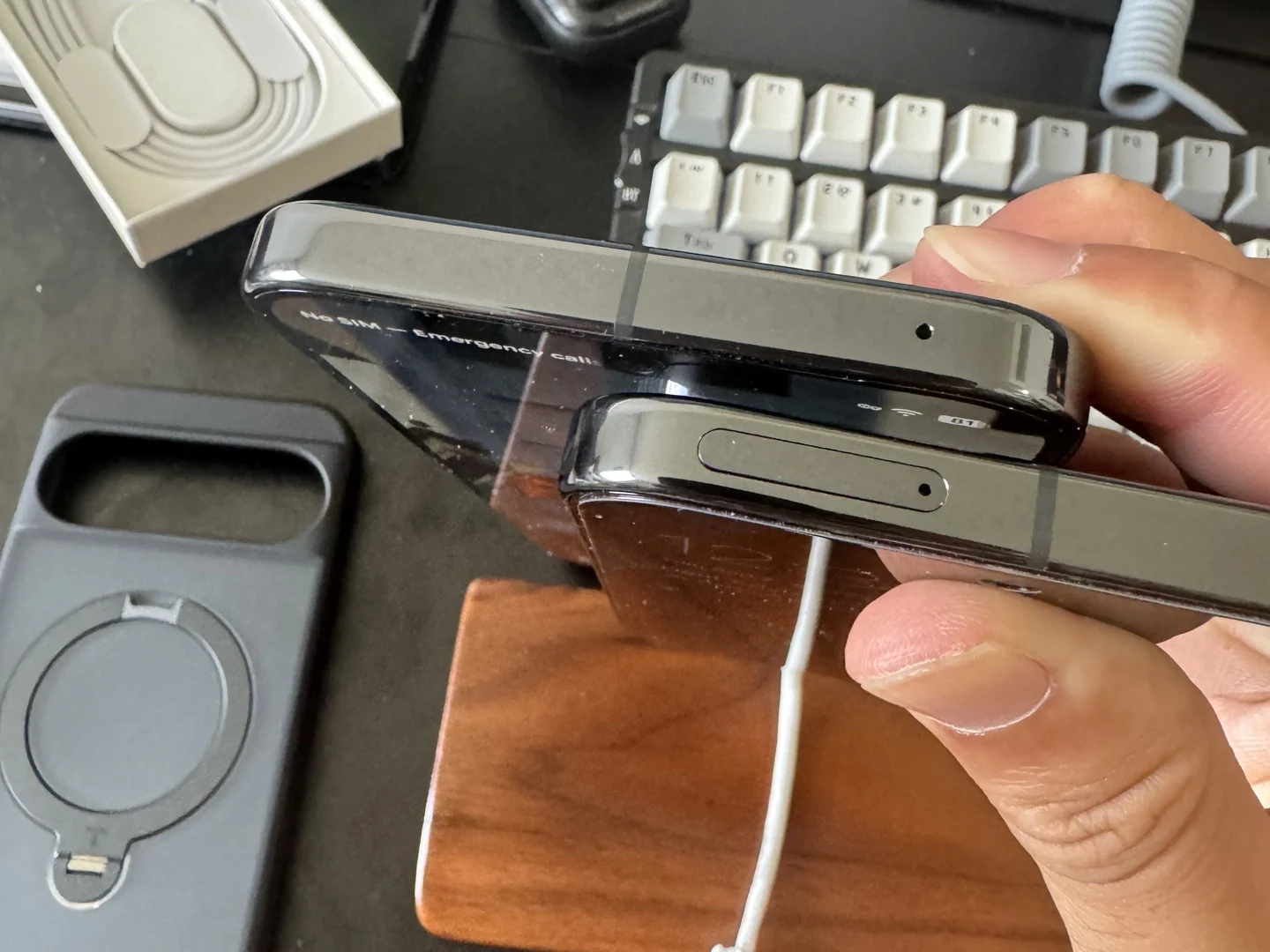
    One notable alteration that Google introduced with the Pixel 10 series in the United States was the removal of the SIM card slot. However, the international versions still include a physical SIM slot. It seems that US customers who returned their Pixel 10 devices to Google for RMA are receiving the global versions instead of the US-specific ones. It’s important to note that these models might not support every 5G frequency available in the US.

    User Experiences with RMA

    A Reddit thread reveals that some users of the Pixel 10 series, who sent in their devices for return merchandise authorization (RMA) in the US, received replacements that addressed their problems. A Reddit user known as ‘crocsnosockz’ was the first to share their experience on the r/GooglePixel subreddit, explaining that they had to RMA their Pixel 10 Pro XL due to a screen defect. Although the support team at the Google Store was very responsive and provided a replacement, it turned out to be the global variant which does have a SIM slot on top, unlike the US model.

    Implications of Receiving Global Variants

    Another individual added their own experience, noting that they too received a global variant after returning their original US device, which had a minor scratch on the screen. While this offers the advantage of being able to insert a physical SIM into the phone, it could lead to a loss of compatibility with certain 5G bands. One commenter highlighted that the international versions of the Pixel 10 phones do not support 5G mmWave, as well as bands n29, n48, and n70.

    For the majority of users, the global variant is expected to function adequately in the US since these phones are compatible with most networks. Nevertheless, the original poster mentioned that having access to 5G mmWave is crucial for them and they plan to contact customer support for further assistance.

    Conclusion

    In conclusion, while the global variant may provide some benefits, users should be aware of the potential limitations regarding 5G support. As the situation unfolds, it’s likely that more users will share their experiences with receiving global models when returning their Pixel 10 devices.

    Source:
    Link


  • iPhone 17 Pricing Predictions Before Launch: Analyst Insights

    iPhone 17 Pricing Predictions Before Launch: Analyst Insights

    Key Takeaways

    1. The base model iPhone 17 is expected to maintain its starting price of $799.
    2. The iPhone 17 Air may see a slight price increase, starting around $899 or $949.
    3. The iPhone 17 Pro’s price is anticipated to rise by $100, reaching $1,099.
    4. The iPhone 17 Pro Max is reportedly not going to experience a price hike.
    5. The price gap between the Pro and Pro Max models has remained consistent at around $200 for the past two years.


    With just under a week to go until Apple reveals its latest flagship iPhones, the buzz around the new devices keeps building. A recent analysis by Samik Chatterjee, an analyst at J.P. Morgan, highlights some intriguing pricing details for the upcoming iPhone models.

    Pricing Overview

    The ongoing tariff wars are likely to impact pricing, but some adjustments are quite unexpected. For starters, the base model, Apple iPhone 17, is expected to maintain its starting price of $799. Meanwhile, the iPhone 17 Air, which is likely to take the place of the Plus model, might either keep its current price or see a slight increase of $50.

    Changes in Pricing for Pro Models

    An interesting twist is that the Apple iPhone 17 Pro is anticipated to rise in price by a significant $100, bringing its starting price to $1,099. Conversely, its larger counterpart, the iPhone 17 Pro Max, is reportedly not going to see any price hike if the information is accurate. The iPhone 17 Air, being a new addition to the lineup, is in a peculiar situation. It may start at $899 or $949, which isn’t a huge leap from its predecessor.

    Confusing Price Gap

    What’s puzzling is that the price difference between the Pro and Pro Max versions has remained at around $200 for the past two years. It’s unclear why the entry-level and top-tier iPhones are not experiencing price increases, though any rumors before the launch should be viewed with skepticism.

    With approximately six days left, the wait is almost over. In the meantime, you can explore our comprehensive rumor roundup for the forthcoming Apple iPhone 17 series.

    Source:
    Link


  • Sony Xperia 10 VII Set to Outshine Predecessor in Key Features

    Sony Xperia 10 VII Set to Outshine Predecessor in Key Features

    Key Takeaways

    1. Sony’s Xperia line faces challenges, particularly with the abrupt end of the Xperia 5 and ongoing sales issues with the Xperia 1 VII.
    2. A new mid-range device, the Xperia 10 VII, is in development, with specifications revealed earlier this year.
    3. The Xperia 10 VII is expected to offer improved software support, promising four OS updates.
    4. Sony’s software update commitment is still less competitive compared to Samsung, which offers seven years of updates for its mid-range devices.
    5. Some previously free features for Sony devices are now being placed behind a paywall.


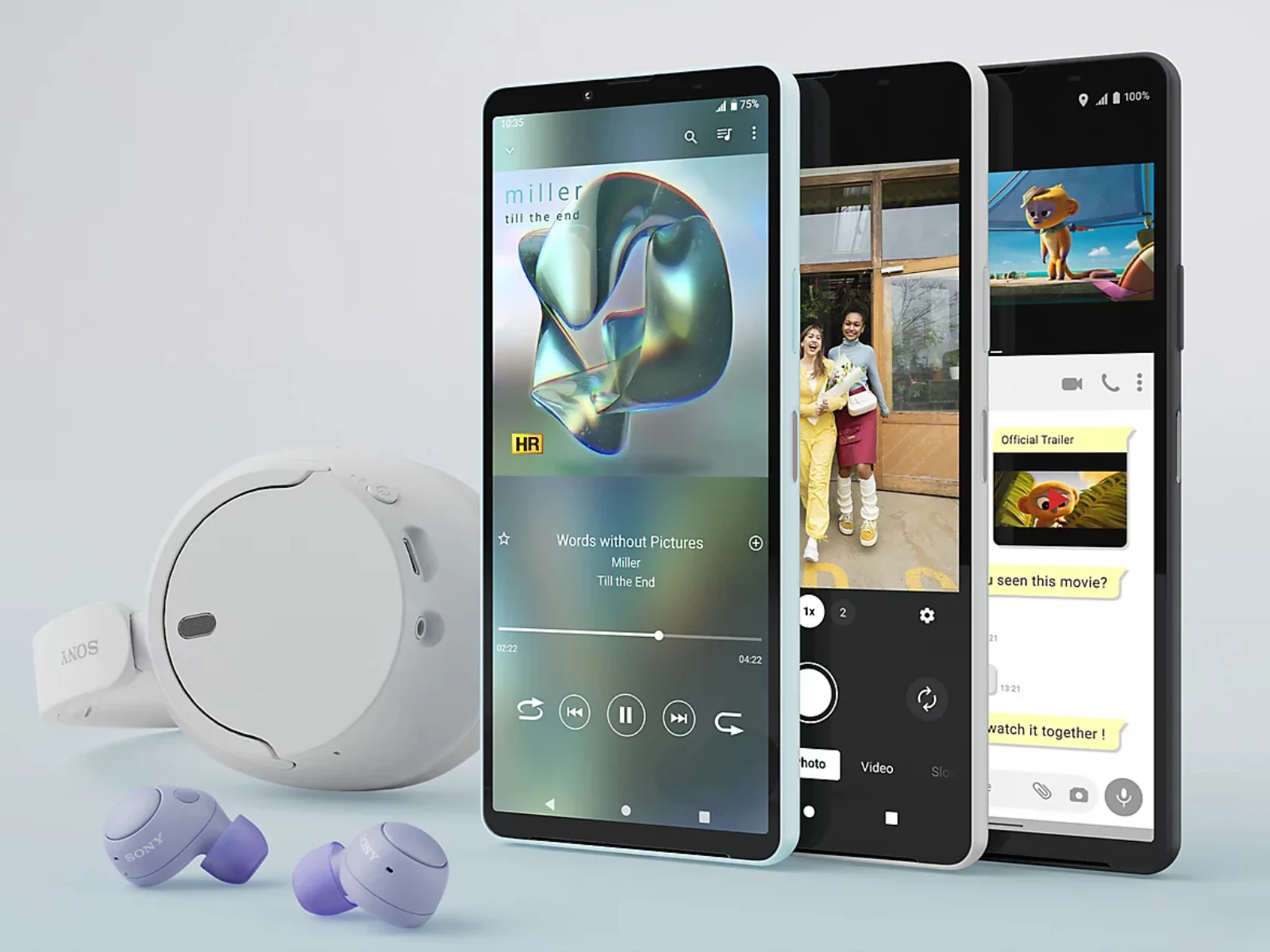
    Sony has found itself in a bit of trouble recently with its Xperia line, especially with the unexpected end of the Xperia 5, which left fans without a proper goodbye for the small flagship model. Despite the company’s attempts to calm worried customers, this situation is made worse by ongoing issues with the Xperia 1 VII that have halted its sales.

    New Mid-Range Model on the Horizon

    However, it appears that Sony is moving forward with a new mid-range device. To summarize, the specifications for the Xperia 10 VII were revealed earlier this year. A few months later, clearer signs about the upcoming Xperia 10 VI successor came to light, thanks to a mobile network provider.

    Updated Software Support

    New reports indicate that Sony plans to set the Xperia 10 VII apart from the previous version by enhancing its software support. Similar to the Xperia 1 VII, the Xperia 10 VII is reportedly set to launch later this year, promising four OS updates. Yet, this still puts Sony behind Samsung, which offers seven years of OS updates for its mid-range devices like the Galaxy A36 and Galaxy A56 ($499 on Amazon currently). Unfortunately, the details surrounding the Xperia 10 VII’s release remain unclear for now. Meanwhile, Sony has started to place some previously free features behind a paywall.

    Source:
    Link


  • Google Pixel 10 Users Report Major Display Issues

    Google Pixel 10 Users Report Major Display Issues

    Key Takeaways

    1. Users are reporting display issues with the Google Pixel 10, including colored stripes in red, green, or blue.
    2. The display problem makes affected phones nearly unusable but may temporarily resolve after locking and unlocking the device.
    3. The cause of the issue is still unknown, potentially relating to hardware faults or a software glitch.
    4. Affected users are advised to exchange their Pixel 10 or contact Google for repair or replacement.
    5. It is unclear if Google will release a software patch or start a repair program for the Pixel 10.


    The Google Pixel 10 just started shipping on August 28, but soon after, lots of users began to report issues with the display. Many of these complaints were shared on platforms like Reddit and Android Authority. As shown in the images posted on Reddit, the affected Pixel 10 phones are only showing colored stripes. These stripes can appear in red, green, or blue, depending on the specific device.

    Temporary Usability Issues

    This issue makes the affected smartphones nearly unusable, at least for a time. In certain instances, the problem seems to vanish after a few minutes when the phone is locked and then unlocked. The exact reason for this problem is still unknown. It’s possible that there are hardware faults in the display, motherboard, or graphics chip of the phones. However, a software glitch, such as a bad graphics driver, could also be the culprit. Google has not yet provided a statement regarding the situation.

    Recommendations for Affected Users

    Users experiencing this issue should consider exchanging their Pixel 10 as a precautionary measure. If they can’t do this at their retailer, it’s suggested that they reach out to Google to set up a repair or replacement right away. This is important to prevent the problem from getting worse or to avoid longer wait times for a new phone if more users start encountering the defect. It remains uncertain if Google will address the issue with a software patch or if they will initiate a repair program specifically for the Pixel 10.

    Source:
    Link


  • Samsung Must Reinvent Its Flip Phones and Foldable Devices

    Samsung Must Reinvent Its Flip Phones and Foldable Devices

    Key Takeaways

    1. Popularity of Samsung’s Flip Phones: Samsung’s flip phones are gaining interest due to their budget-friendly nature and ergonomic design.

    2. Stagnation in Design: Most brands are sticking to the elongated 21:9 aspect ratio for flip phones, limiting innovation and usability.

    3. Portability Issues: Current flip models, like the Galaxy Z Flip 7, remain bulky when folded, making them less convenient to carry.

    4. Declining Sales: Samsung’s foldables are experiencing a drop in demand, with predictions of low sales for the Galaxy Z Flip 7 in 2025.

    5. Need for Innovation: A redesign of the Galaxy Z Flip series could attract new customers, with suggestions for a unique form and a wider 16:10 aspect ratio for improved functionality.


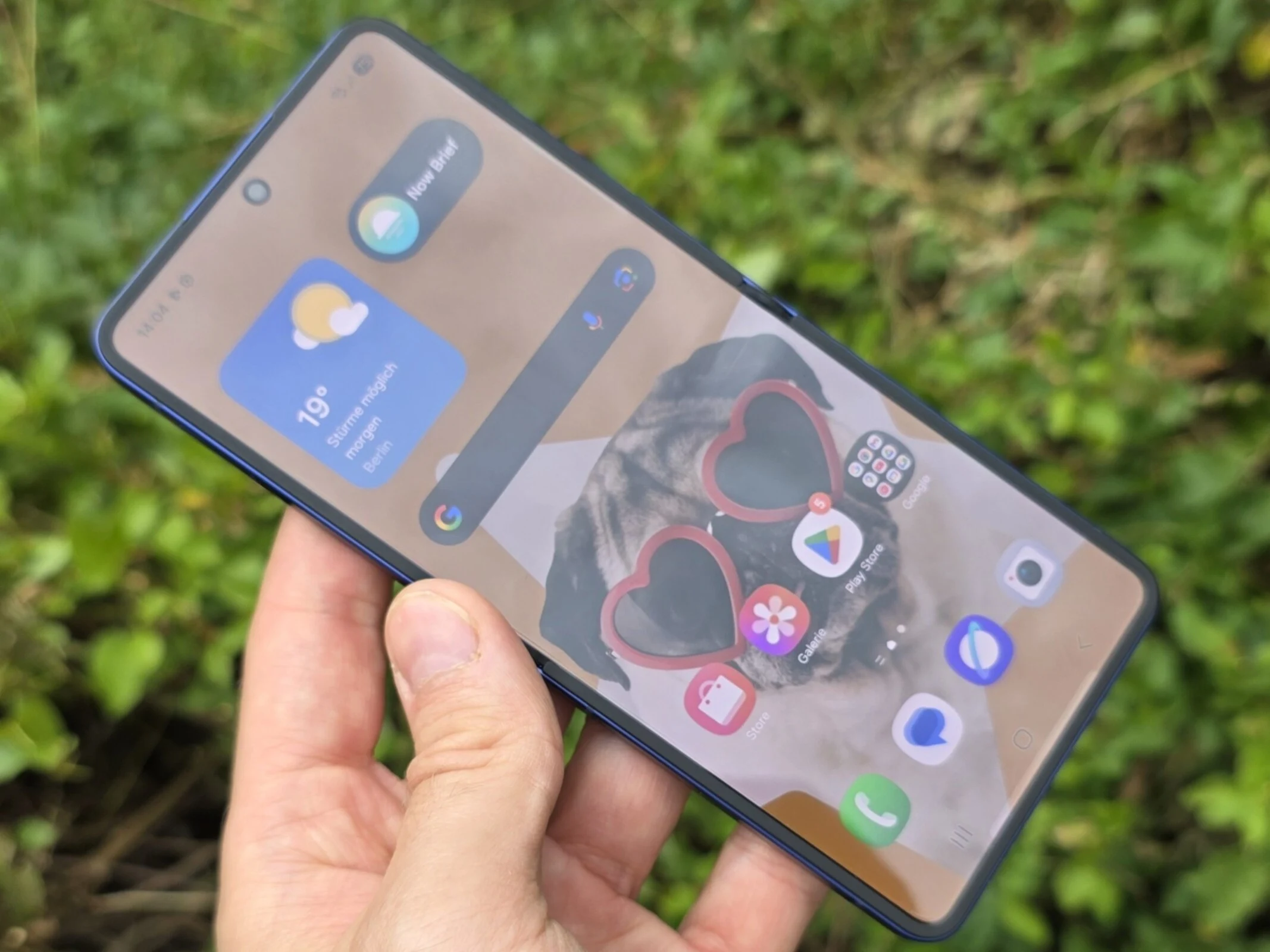
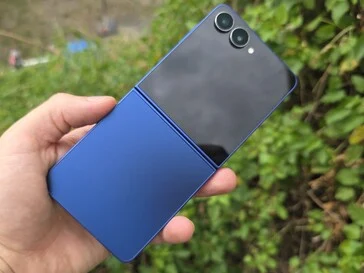
    Initially introduced as a captivating new idea, foldable smartphones have garnered significant interest lately. Samsung’s flip phones, in particular, have become quite popular because they are more budget-friendly than other foldables. The flip design also promises better ergonomics, even with a relatively large screen.

    Stagnation in Flip Phone Design

    Nonetheless, the small flip phone design seems to have plateaued, with most brands sticking to the trend of elongated 21:9 aspect ratios rather than trying out different styles. When unfolded, flip smartphones are narrow and lengthy, which doesn’t really provide any significant benefit for daily use. Take, for instance, the 21:9 format seen in the Galaxy Z Flip 7; it leads to noticeable black bars or cropped visuals while watching YouTube videos.

    Issues with Portability

    Moreover, the trend of making foldable phones slimmer has not been applied to flip models thus far. This means that when the Galaxy Z Flip 7 is folded, it can feel quite bulky in your pocket, with a thickness of around 1.4 centimeters when in a case.

    An industry report from South Korea indicates that Samsung’s foldables for 2024 didn’t perform well, and sales seem to be on the decline. For 2025, Samsung anticipates low demand for the Galaxy Z Flip 7. The market for flip smartphones has become extremely competitive, with numerous brands choosing similar designs. In our review, Xiaomi’s Mix Flip 2 actually outshines the current generation of flip phones in several ways.

    A Call for Innovation

    Perhaps it’s time for Samsung to reconsider the design of its Flip series. A Galaxy Z Flip 8 with a unique form could differentiate itself and attract new customers. An intriguing case is Huawei’s Pura X, which showcases how the flip design can be creatively reinvented.

    With a 16:10 aspect ratio, the flip phone might be a smarter option for the future for multiple reasons. The outer display could function as a compact “smartphone,” and when opened up, it could convert into a mini tablet. This wider format might also allow for a slimmer case without compromising on battery life.

    Source:
    Link


  • OnePlus 15 Unveiled: Major Upgrades Over OnePlus 13

    OnePlus 15 Unveiled: Major Upgrades Over OnePlus 13

    Key Takeaways

    1. The OnePlus 15 is part of a series of new Android smartphones expected from Chinese manufacturers.
    2. The Pixel 10 Pro XL is a minor upgrade over its predecessor, the Pixel 9 Pro XL, priced at $1,199.
    3. TÜV SÜD has certified a new OnePlus smartphone (model CPH2747) but has not revealed its official name.
    4. The CPH2747 is expected to support wired charging up to 120 W, an improvement from the OnePlus 15’s 100 W maximum.
    5. OnePlus plans to launch its next flagship device by the end of the year, following Qualcomm’s release of the Snapdragon 8 Elite chipset.


    The OnePlus 15 is among several rumored devices that are expected to be part of the upcoming series of leading Android smartphones. Currently, it seems that all these devices will be launched by Chinese manufacturers, especially after Google recently announced the Pixel 10 Pro XL, priced at $1,199 on Amazon, just last month.

    Pixel 10 Pro XL vs. OnePlus 15

    The Pixel 10 Pro XL can be seen as a small upgrade from the previous year’s Pixel 9 Pro XL. In contrast, recent certification from TÜV SÜD suggests that OnePlus might have some interesting improvements ready for its next flagship model.

    TÜV SÜD Certification Details

    TÜV SÜD has now released a test certificate for the CPH2747, which is an unreleased smartphone from OnePlus. This model number fits the trend seen in their latest flagship devices. Sadly, the test certificate does not reveal the retail name of the CPH2747.

    According to TÜV SÜD, the CPH2747 can handle up to 11 A/11.0 VDC from an unknown power adapter. As noted by XpertPick, this could translate to peak wired charging at 121 W. However, it’s likely that OnePlus will round this down to 120 W. In any case, this 120 W wired charging would mark a significant upgrade from the OnePlus 15’s global maximum of 100 W. Currently, it’s anticipated that OnePlus will officially launch its next flagship device by the end of the year, following Qualcomm’s introduction of its new Snapdragon 8 Elite chipset.

    Source:
    Link


  • Realme 15T Launches in India: Affordable Smartphone with 7,000 mAh Battery

    Realme 15T Launches in India: Affordable Smartphone with 7,000 mAh Battery

    Key Takeaways

    1. Camera Features: The Realme 15T has a 50 MP main rear camera and a 50 MP front camera, designed for high-quality photography.

    2. Performance and Battery: It runs on a MediaTek Dimensity 6400 processor, with 8 GB of RAM and a large 7,000 mAh battery, supporting 60 W wired charging.

    3. Display and Design: The smartphone features a 6.57-inch AMOLED display with a resolution of 2372 x 1080, a 120 Hz refresh rate, and is thinner and lighter than the 14T model.

    4. Waterproof Ratings: The device is rated IP66/68/69 for water and dust resistance, enhancing its durability.

    5. Pricing and Availability: The Realme 15T starts at INR 18,999 ($215) and will be available in three colors starting September 6 in India.


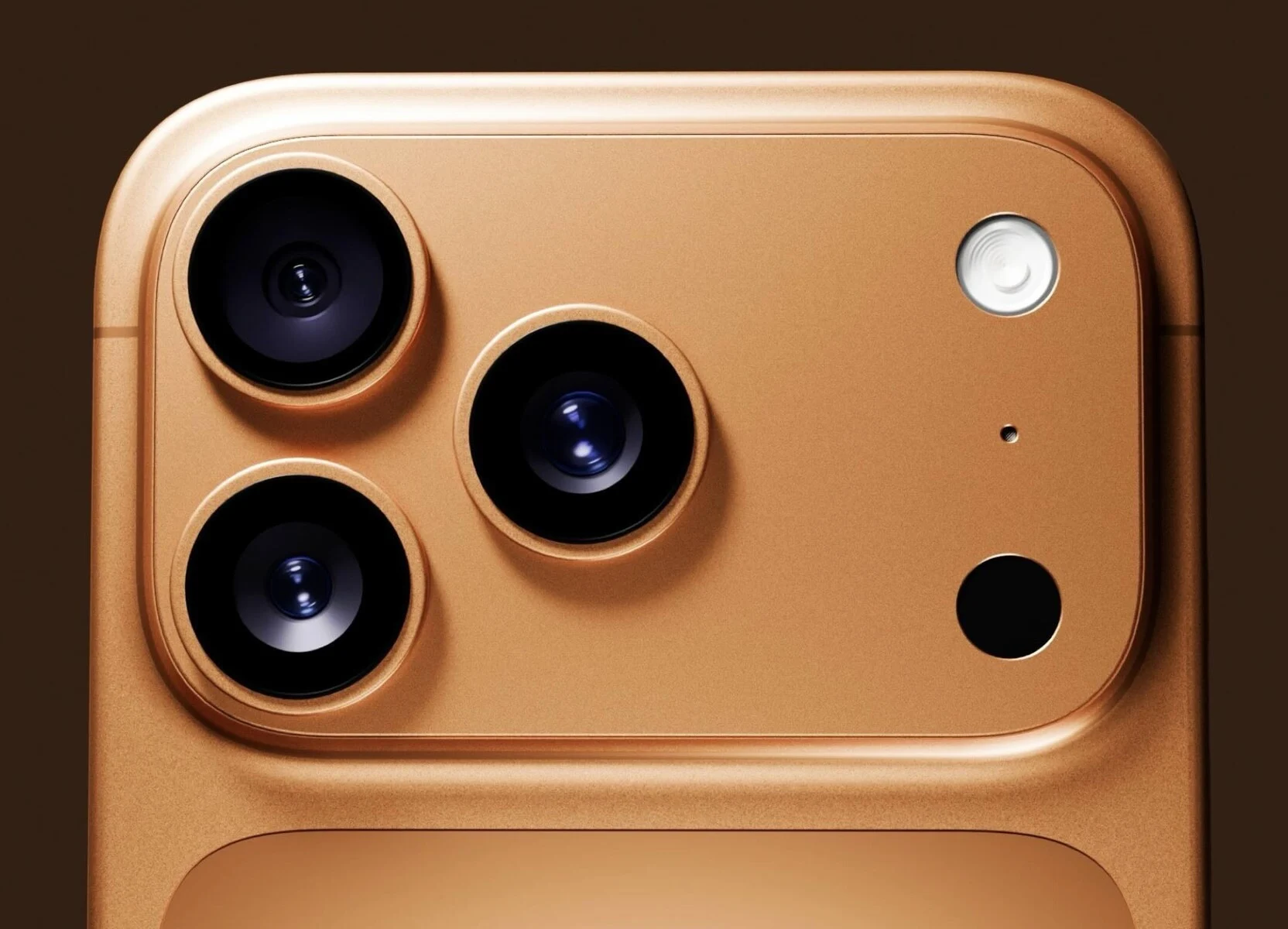
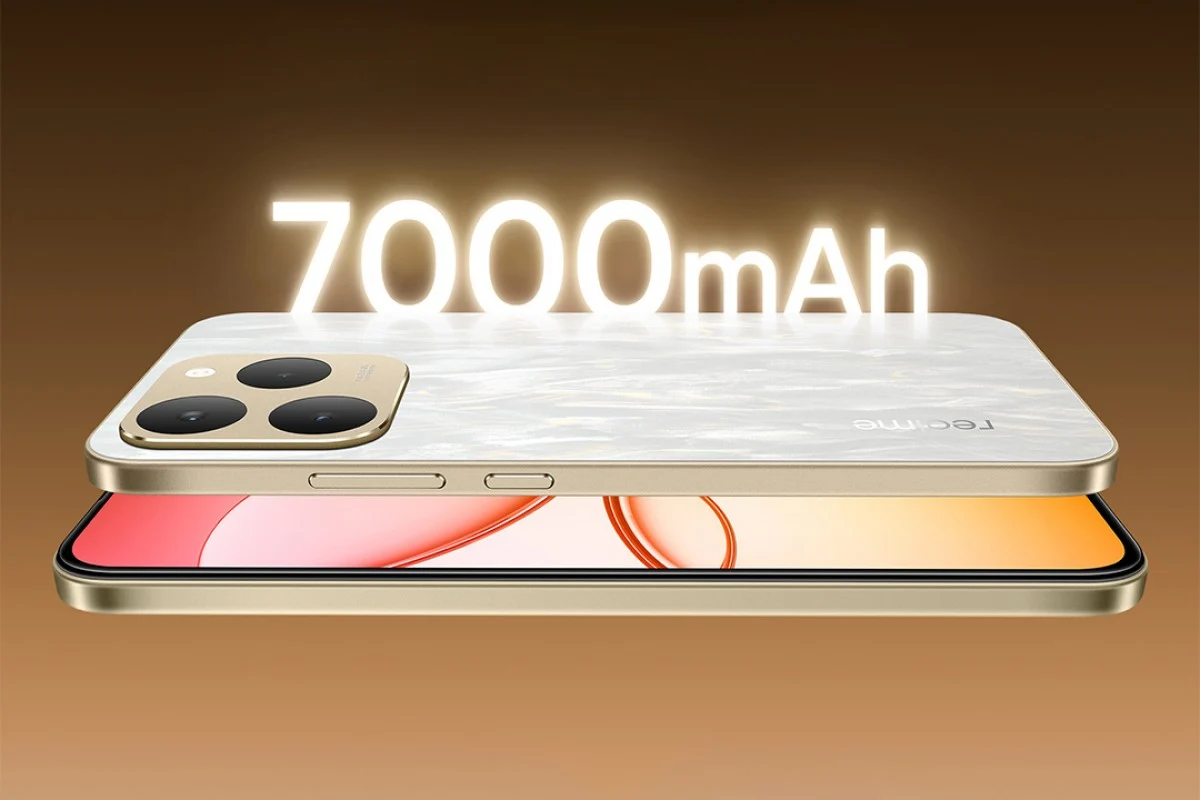
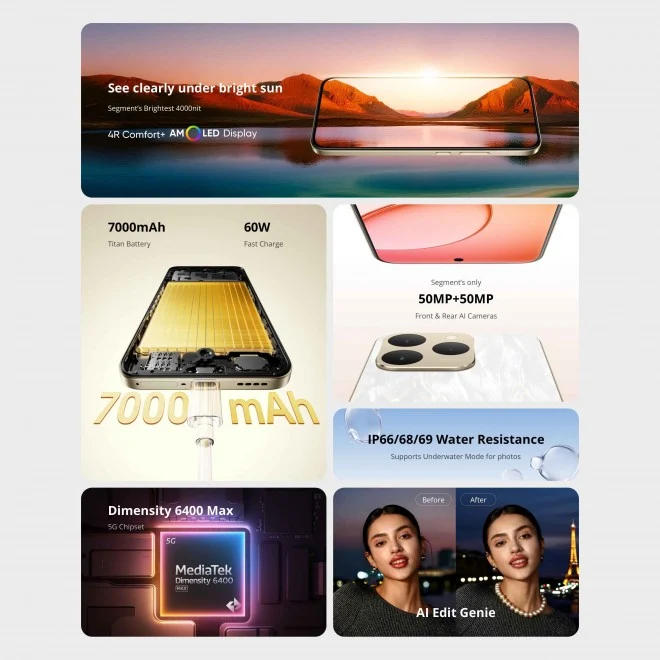
    Realme has introduced a new addition to the Realme 15 series, called the Realme 15T. This model is a direct upgrade from the Realme 14T. Although the front design may not have much change, the back of the phone has undergone a significant redesign. This budget-friendly smartphone showcases a rear camera layout similar to the iPhone 16 Pro (curr. at $879.99 on Amazon), featuring a 50 MP main camera with an f/1.8 aperture alongside a 2 MP depth sensor. For those who enjoy taking selfies, there is also a 50 MP camera located on the front.

    Performance and Battery

    The Realme 15T is a 5G-compatible smartphone that runs on a MediaTek Dimensity 6400 processor. It comes with 8 GB of RAM and offers storage options of 128 GB or 256 GB. The battery life is enhanced with a substantial 7,000 mAh battery, an increase from the previous 6,000 mAh in the 14T model. Nevertheless, it supports 60 W wired charging, which is lower than the 80 W charging found in its counterparts.

    Display and Design

    In this new iteration, Realme has made a small reduction in the display size of the 15T. It features a 6.57-inch AMOLED screen, down from the 6.67-inch display of the 14T, providing a resolution of 2372 x 1080 with a 120 Hz refresh rate and a peak brightness of 1,400 nits. The phone is designed to be thinner and lighter than its predecessor.

    The dimensions of the device are 158.3 x 75.19 x 7.79 mm (6.23 x 2.96 x 0.30 inches), weighing approximately 181 grams (0.39 lbs). Other notable features include an in-display optical fingerprint scanner, waterproof ratings of IP66/68/69, Realme UI 6.0 based on Android 15, up to 14 GB of dynamic RAM, and dual speakers with OReality sound technology.

    Pricing and Availability

    Customers can select from three appealing color options: flowing silver, suit titanium, and silk blue. The pricing for the Realme 15T starts at INR 18,999 ($215) for the base model with 8 GB of RAM and 128 GB of storage, while the 8 GB + 256 GB version is priced at INR 22,999 ($260). It will be available for purchase starting September 6 in India through Realme’s official website.

    Source:
    Link