Category: Phones

Stay updated with the latest phone news, reviews, and trends. Discover cutting-edge smartphones, features, and innovations in our Phones category at GizNewsDaily

  • OnePlus 15 Global Launch: Pricing Leaks Before Official Release

    OnePlus 15 Global Launch: Pricing Leaks Before Official Release

    Key Takeaways

    1. OnePlus is launching the OnePlus 15 soon in China, with more details being revealed ahead of time.
    2. The OnePlus 15 may have a lower starting price than the OnePlus 13, which is currently priced at $801.
    3. Expected pricing for the OnePlus 15 in the UK is around £949 for a model with 16 GB of RAM and 512 GB of storage.
    4. The OnePlus 15 is anticipated to offer 12 GB RAM models outside of China, in addition to the 16 GB options.
    5. The 16 GB RAM version of the OnePlus 15 might be priced around $950 in the United States.


    OnePlus is just a few days away from launching the OnePlus 15 in China. While we wait, the company is revealing more details about its upcoming flagship device ahead of time. The exact price of the OnePlus 15 is still unknown, but some pricing info has already surfaced from China.

    Potential Pricing Insights

    Earlier reports indicated that the OnePlus 15 might have a lower starting price compared to the OnePlus 13, which is currently priced at $801 on Amazon. This trend could also apply to the global market. According to leaker Arsène Lupin, the OnePlus 15 is expected to debut in the UK at a price of £949.

    Specifications to Consider

    At this point, the same leaker has only provided details about a model with 16 GB of RAM and 512 GB of storage. In comparison, the OnePlus 13 starts at £749, which is a drop from its original launch price of £899 in the UK. It’s important to note that the OnePlus 13 comes with 12 GB of RAM and 256 GB of storage as standard. If the recent Geekbench leak is accurate, OnePlus is likely to offer 12 GB RAM models outside of China, along with the 16 GB options.

    Market Variations

    Hence, it’s not expected that the 16 GB RAM and 512 GB storage model will be the least expensive choice across all regions. For reference, a OnePlus 13 featuring 16 GB of RAM and 512 GB of storage is available for £999 in the UK, though it can also be acquired directly from OnePlus for £749. Unfortunately, we are still uncertain if the potential 12 GB RAM and 256 GB storage model will be available in the UK. However, it wouldn’t be surprising if OnePlus priced the 16 GB version of the OnePlus 15 around $950 in the United States, based on Lupin’s latest post on X.

    Source:
    Link


  • Apple to Skip iPhone 19, Launch iPhone 20 in 2027

    Apple to Skip iPhone 19, Launch iPhone 20 in 2027

    Key Takeaways

    1. Apple plans to skip the iPhone 19 and launch the iPhone 20 in 2027 to celebrate the iPhone’s 20th anniversary.
    2. The iPhone 18e and iPhone 20 will be released in the first half of 2027, followed by various iPhone 20 models and a second-generation iPhone Fold in the latter half.
    3. A significant redesign is expected for the iPhone 20 series, featuring a thinner, curved glass design and under-display Face ID and camera sensors.
    4. The change in Apple’s launch cycle may temporarily reduce iPhone display panel demand by around 20 million units in 2026.
    5. The standard model will return with the iPhone 20 series, helping to restore overall panel demand, while total iPhone panel shipments are expected to exceed 250 million in 2027.


    Apple is said to be planning to skip the iPhone 19 and jump straight to the iPhone 20 for its lineup in 2027, as per Omdia’s Senior Researcher, Heo Moo-Yeol.

    Upcoming iPhone Models

    During a conference in Seoul on October 22, Heo indicated that Apple aims to unveil the iPhone 18e and iPhone 20 in the first half of 2027. This will be followed in the latter half by the iPhone 20 Air, iPhone 20 Pro, iPhone 20 Pro Max, and the second-generation iPhone Fold.

    Apple has usually kept its iPhone naming in order, like with the iPhone 16 and iPhone 17. However, Heo announced that the company is set to leap forward to the iPhone 20. Although he didn’t specify why, analysts believe this might celebrate the iPhone’s 20th anniversary, marking two decades since the first model’s launch in 2007.

    Historical Context

    In 2017, Apple took a similar step by bypassing the iPhone 9 to launch the iPhone X, celebrating the 10th anniversary of the original iPhone.

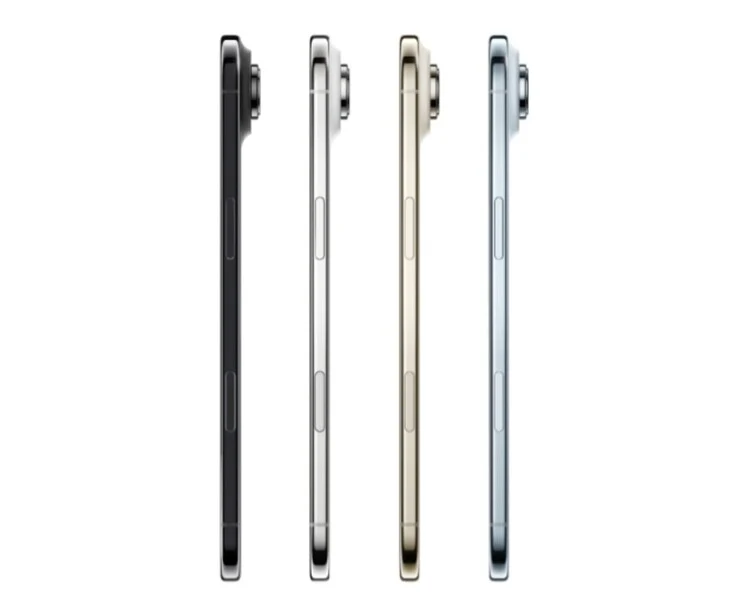
    There are rumors that Apple is planning a significant redesign for its 2027 models to align with the iPhone’s 20th anniversary. The special edition is speculated to come with a thinner, curved glass design that features under-display Face ID and front camera sensors, resulting in a nearly flawless display. This would be the most considerable visual change since the iPhone X, which introduced the notch and OLED screen back in 2017.

    Market Impact

    Omdia predicts that this change in Apple’s launch cycle will cause a temporary drop in iPhone display panel demand by around 20 million units in 2026, as the iPhone 18 lineup will not include the standard model. Nevertheless, according to Apple’s updated production plans, the base iPhone 18, or whatever name it eventually has, is now likely to be released in early 2027, fitting with the company’s new staggered launch strategy. For next year, Apple is expected to release only the Air, Pro, Pro Max, and Fold versions. While Heo mentioned an “Air” model, recent reports have suggested that Apple is reducing production due to a decline in global smartphone demand, which makes introducing a new sub-variant less probable.

    Heo mentioned that the standard model will be back with the iPhone 20 series in 2027, which should help restore overall panel demand to its usual levels. The first foldable iPhone, expected in 2026, is anticipated to ship over 8 million units in its first year. Even with this temporary decline, Apple’s total iPhone panel shipments—which are around 245 million units this year—are forecasted to stabilize and exceed 250 million once the company’s dual-launch strategy takes hold in 2027.

    Source:
    Link



  • iPhone 2025 vs 2015: 10 Years of 1000%+ Performance Boost

    iPhone 2025 vs 2015: 10 Years of 1000%+ Performance Boost

    Key Takeaways

    1. Smartphones have become powerful enough for demanding tasks like AAA gaming, video editing, and AI tasks.
    2. The iPhone 17 shows a 588% improvement in single-core performance and 1,250% in graphics since the iPhone 6S.
    3. Year-on-year performance gains for the iPhone 17 include an 8% increase in single-core and 34% in graphics compared to the iPhone 16.
    4. Over the past decade, iPhones have improved by over 500% in single-core tasks and 1,200% in GPU capabilities.
    5. Despite performance gains, the price increase from the iPhone 6S to the iPhone 17 is relatively modest, from $649 to $799.


    As smartphones have developed over the years, the improvements in performance from one generation to the next seems to have shrunk. Many users have forgotten that, when we look at the bigger picture, high-end smartphones are now powerful enough to tackle demanding tasks such as AAA gaming, video editing, and even AI tasks. This is particularly true for those who always want the most powerful device when they make a purchase.

    Performance Evolution

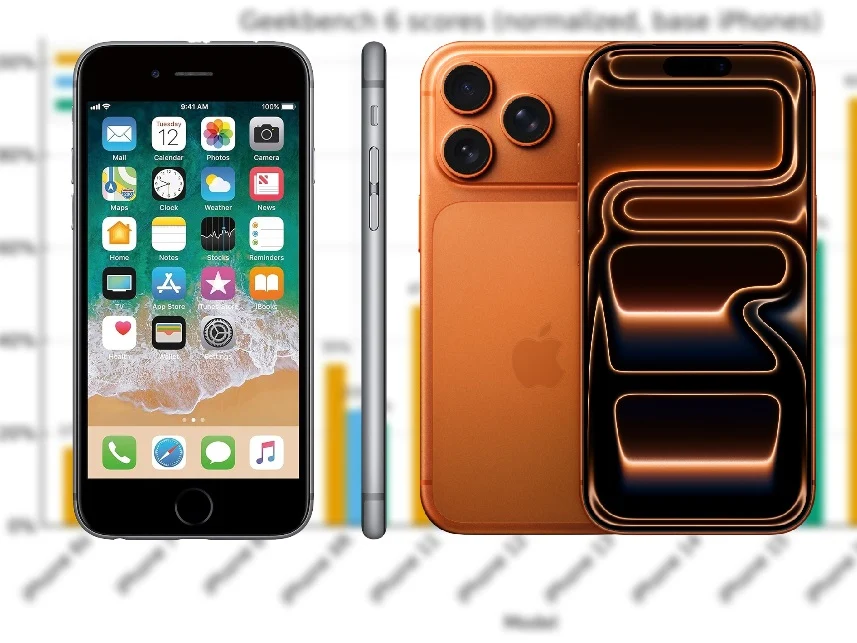
    To really understand how much smartphones have advanced, especially from a performance viewpoint, it’s helpful to reflect on the power we carry with us daily. A user on r/iPhone has gathered various charts illustrating the performance enhancements from generation to generation for iPhone models, beginning with the iPhone 6S (2015) up to the recent iPhone 17 series.

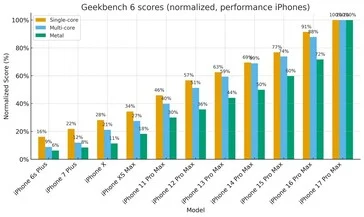
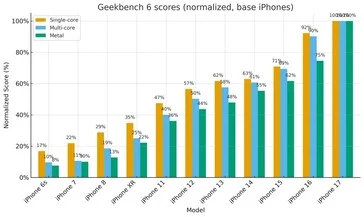
    Since the debut of the iPhone 6S in 2015, which featured the Apple A9 SoC, the Geekbench 6 single-core score for the base iPhone 17 has shown a staggering improvement of 588%. The gains in multi-core and graphics performance are even more remarkable, sitting at 1,000% and 1,250%, respectively. These figures were derived from the Geekbench 6 database and adjusted against the A19 score, which was set at 100%.

    Comparing Generations

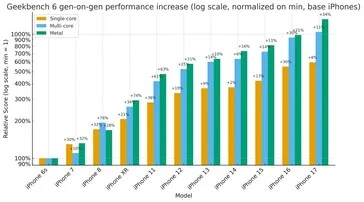
    Examining the performance gains for each iPhone model compared to its direct predecessor, the iPhone 17 is said to be 8% quicker in single-core performance, 11% improved in multi-core, and 34% more efficient in graphics when compared to the iPhone 16. Notably, the iPhone 11 with the A13 Bionic holds the record for the largest single-core performance jump at 36%. The titles for the best multi-core and graphics performance go to the iPhone 8 (A11 Bionic) and the iPhone XR (A12 Bionic), respectively.

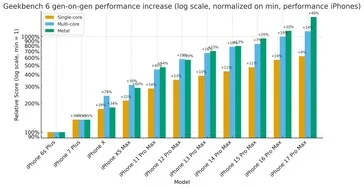
    Now, let’s look at the “Pro” iPhones. The iPhone 17 Pro Max boasts improvements of about 625% in single-core, 1,111% in multi-core, and an impressive 1,667% in graphics when compared to the iPhone 6S. The year-on-year performance growth for the iPhone 17 Pro Max appears to be 9% for single-core, 14% for multi-core, and 40% for the GPU compared to the iPhone 16 Pro Max (Available “Renewed” on Amazon).

    A Decade of Advancements

    In other words, over the past decade since the iPhone 6S was released, the latest iPhones have become over 500% faster in single-core tasks, more than 1,000% faster in multi-core tasks, and an astonishing 1,200% better in GPU capabilities. This progress should make us value the technology that powers our smartphones. Of course, these performance advancements haven’t come without a cost, as the prices of iPhones have gradually increased. Nevertheless, considering that the iPhone 6S was launched at a starting price of $649 and the base iPhone 17 is priced at $799, the increase in cost over the years isn’t too bad.

    Source:
    Link


  • OnePlus 15 Features Best Camera Yet with Oppo Imaging Tech

    OnePlus 15 Features Best Camera Yet with Oppo Imaging Tech

    Key Takeaways

    1. The OnePlus 15 is powered by the Snapdragon 8 Elite Gen 5 and features a large 7,300mAh battery.
    2. The device will have a new 165Hz display and will not include Hasselblad camera tuning.
    3. It features Oppo’s “LUMO Condensed Light Imaging” technology, although specific improvements are not detailed.
    4. The OnePlus 15 will have a 50MP triple rear camera setup with a periscope telephoto lens offering 3.5x optical zoom.
    5. The global launch for the OnePlus 15 is expected in November, following its unveiling in China on October 27.


    Ahead of its launch, OnePlus is sharing important features of the OnePlus 15. This flagship smartphone, powered by the Snapdragon 8 Elite Gen 5, has a massive 7,300mAh battery. Earlier, the company already highlighted its new 165Hz display. Now, OnePlus has also disclosed some information about the camera on the OnePlus 15.

    Camera Changes

    Since the OnePlus 9 series, the high-end OnePlus devices have incorporated a camera system fine-tuned by Hasselblad. However, the collaboration with Hasselblad has now come to an end. This means that the OnePlus 15 will not have Hasselblad tuning. In a post on Weibo, OnePlus President Louis Lee stated that the OnePlus 15 features the best camera the company has ever made. It will include Oppo’s innovative “LUMO Condensed Light Imaging” technology, though details on how this will improve camera capabilities are still unclear.

    Retained Features

    The company has assured fans that some features will still be present, including “Master Mode” and “XPan Mode.” The OnePlus 15 will come with a 50MP triple rear camera setup. Its periscope telephoto lens will allow for a 3.5x optical zoom, which is equivalent to an 85mm focal length. Additionally, the device will enable 4K video recording at 120fps with Dolby Vision support.

    The OnePlus 15 is scheduled to be unveiled on October 27 in China. Alongside this flagship model, a more budget-friendly Ace 6 will also be introduced. The global launch for the OnePlus 15 is anticipated to take place in November.

    Source:
    Link


  • Exynos 2600 Benchmarks Reveal Surprising CPU Performance Drops

    Exynos 2600 Benchmarks Reveal Surprising CPU Performance Drops

    Key Takeaways

    1. Samsung’s Exynos 2600 processor is highly anticipated for the Galaxy S26 series, but recent benchmark results show a significant drop in performance.
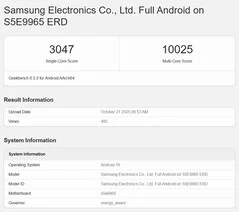
    2. The Exynos 2600 achieved a multi-core score of 10,025 and a single-core score of 3,047, lower than previous tests which showed scores of 11,256 and 3,309, respectively.
    3. New scores indicate that the Exynos 2600 is now performing worse than the existing Qualcomm Snapdragon 8 Elite, which has better benchmark results.
    4. The decrease in performance is attributed to a change in testing configuration, with lower CPU frequencies in the latest tests compared to earlier assessments.
    5. Potential explanations for the lower clock speeds include thermal throttling issues or Samsung testing the chip’s performance at lower frequencies to assess efficiency.


    Samsung has been working hard on its next big processor, the Exynos 2600, which is highly anticipated for the upcoming Galaxy S26 series. Expectations are soaring for this chip, as early tests suggested it could rival other powerful processors in the market. However, recent changes in benchmark results have raised some questions about how well the Exynos 2600 will actually perform.

    Recent Benchmark Updates

    Just a few hours ago, new scores were published in the Geekbench database for the Exynos 2600. Unfortunately, these scores indicate a significant drop in processing power compared to earlier tests. Specifically, the Exynos 2600 System on Chip (SoC) achieved a multi-core score of 10,025 and a single-core score of 3,047 on Geekbench.

    Context of the Scores

    To better understand these numbers, consider that Geekbench results from late August had shown the same chip scoring much higher: 11,256 for multi-core and 3,309 for single-core tests. Moreover, some reports even claimed that the Exynos 2600 was set to outperform its competitors, suggesting it would have up to 14% more CPU power than Apple’s A19 Pro and 29% better GPU performance than the Snapdragon 8 Elite Gen 5.

    Changing Performance Landscape

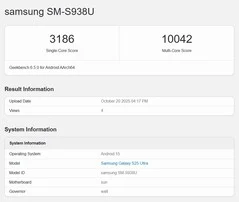
    The new benchmark results, however, tell a different story. The latest scores are now lower than those of the currently available Qualcomm Snapdragon 8 Elite, which is already in devices like the Samsung Galaxy S25 Ultra, achieving scores of 3,186 and 10,042 for single-core and multi-core tests, respectively.

    Technical Reasons for Downgrade

    It’s important to note that there is a technical reason behind the drop in scores: a modification in the chip’s testing configuration. The most recent Geekbench entry indicates that the Exynos 2600 was assessed at considerably lower CPU frequencies than before. Initially, it was running with 6 cores at 2.76 GHz, 3 cores at 3.26 GHz, and 1 core at 3.80 GHz. Now, the new tests show a setup of 6 cores at 2.46 GHz, 3 cores at 2.96 GHz, and 1 core at 3.55 GHz.

    Possible Explanations

    There are two main reasons that could explain this decrease in clock speed. In a less than ideal situation, Samsung might have encountered thermal throttling issues, where the chip uses more power or produces more heat than what is suitable for long-term usage. Alternatively, the company may simply be evaluating the current chip’s performance at these lower frequencies.

    In conclusion, it is doubtful that the final version of the Exynos 2600 will mirror these disappointing benchmark results, as that would position it far behind its main competitors. Nonetheless, one can only hope that Samsung manages to strike the right balance between high performance and effective power consumption before the Galaxy S26 is launched.

    Source:
    Link



  • Xiaomi Redmi K90 Design Revealed: Poco F8 Pro Features Unveiled

    Xiaomi Redmi K90 Design Revealed: Poco F8 Pro Features Unveiled

    Key Takeaways

    1. Redmi will launch the K90 series, including the standard K90 and K90 Pro Max, on October 23 in China.
    2. The K90 features a 6.59-inch display with a 94% screen-to-body ratio and a triple rear camera setup, potentially including a telephoto lens.
    3. The K90 is expected to have a significant battery upgrade with a 7,000mAh capacity.
    4. The smartphone will feature a metal frame and Bose-tuned audio, and is likely powered by the Snapdragon 8 Elite processor.
    5. The K90 may be released internationally as the Poco F8 Pro, following the trend of rebranding Redmi K series phones for global markets.


    Redmi is gearing up to unveil its new K90 series on October 23 in China. The company has announced that both the standard K90 and the K90 Pro Max models will be launched. Earlier, Xiaomi disclosed the design and some important features of the K90 Pro Max. Now, the design of the regular model has also been officially shown.

    First Look at the K90

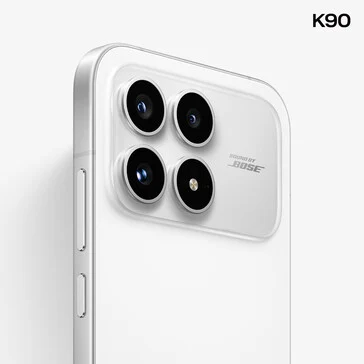
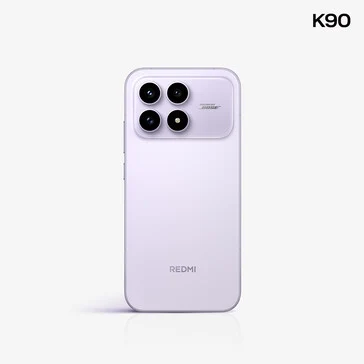
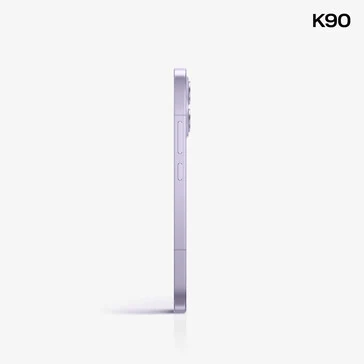
    Redmi shared promotional images of the K90 on the Chinese social media platform Weibo, giving us a glimpse of the smartphone in several color choices. Similar to the K90 Pro Max, the standard K90 features a rectangular housing for its rear cameras. Interestingly, this camera module resembles that of the Redmi K70, which was released in 2023.

    Display and Camera Specs

    The Redmi K90 is confirmed to sport a 6.59-inch display with an impressive screen-to-body ratio of 94%. In contrast, the K80 had a 6.67-inch screen. The K90 seems to include a triple rear camera setup. According to earlier leaks, the K90 might include a telephoto lens, which was missing from the K80. Additionally, it could see a significant upgrade in battery capacity with a massive 7,000mAh battery.

    Build and Performance Features

    The device is confirmed to feature a metal frame. Moreover, the promotional images have verified that the Redmi K90 will come with Bose-tuned audio. It’s anticipated to be equipped with the Snapdragon 8 Elite, which is similar to what the upcoming OnePlus Ace 6 will have.

    For those who might not know, Redmi K series phones are frequently released under different names in markets outside of China. For instance, the Redmi K80 was renamed as the Poco F7 Pro for the international market. Hence, it’s probable that Xiaomi will introduce the standard Redmi K90 as the Poco F8 Pro globally.

    REDMI红米手机 on Weibo (1, 2, 3)

    Source:
    Link



  • Xiaomi 17 Pro Durability Test: Glass vs. iPhone 17 Pro Scratch Resistance

    Xiaomi 17 Pro Durability Test: Glass vs. iPhone 17 Pro Scratch Resistance

    Key Takeaways

    1. The Xiaomi 17 Pro features a unique secondary display in the camera bump and resembles the iPhone 17 Pro.
    2. The front screen is protected by Dragon Glass 3.0, showing scratches at level 7 on the Mohs hardness scale.
    3. The back panel is made of plastic, which is uncommon for a flagship phone, while the frame is aluminum.
    4. Plastic backs can be less prone to breaking, but this choice may surprise buyers used to glass backs.
    5. The Xiaomi 17 Pro passed durability tests, including a successful bend test and a disassembly review.


    China’s top smartphone models don’t usually show up on the JerryRigEverything YouTube channel, which focuses mainly on phones sold in the U.S. However, there are some exceptions, like the new Xiaomi 17 Pro. At first sight, this 6.3-inch flagship resembles the iPhone 17 Pro, but it has a unique secondary display located in the camera bump on the back.

    Scratch Resistance

    The AMOLED screen is shielded by Dragon Glass 3.0 on the front, and it doesn’t scratch at the usual Mohs hardness level of 6, only starting to show marks at level 7. This means that Xiaomi’s alternative to Gorilla Glass is nearly as scratch-resistant as Apple’s latest Ceramic Shield 2, which did slightly better in this durability assessment. Sadly, Xiaomi only applies this new glass on the front, and the back panel starts to show the common scratches at level 6 on the Mohs hardness scale.

    Build Quality

    In a surprising twist for a flagship phone, the back is made of plastic rather than glass. The frame is crafted from anodized aluminum. While plastic does have its perks, like being less prone to breaking than glass, this choice may catch many potential buyers off guard, particularly since lots of lower-end smartphones often come with plastic backs. On a brighter note, the bend test went smoothly, so the Xiaomi 17 Pro successfully passes JerryRigEverything’s durability tests. Following this, there’s a quick disassembly in the second part of the video, which you can find embedded below.

    JerryRigEverything YouTube

    Source:
    Link


  • Xiaomi Poco F8 Ultra Launching Globally with Snapdragon 8 Gen 5

    Xiaomi Poco F8 Ultra Launching Globally with Snapdragon 8 Gen 5

    Key Takeaways

    1. Xiaomi will release the Redmi K90 Pro Max in China later this week, but other models’ release dates are still unclear.
    2. The Redmi K90 Pro Max appeared on Geekbench with 16 GB of RAM and a Qualcomm Snapdragon 8 Elite Gen 5 chipset.
    3. The global version of the Redmi K90 Pro Max is associated with the model number 25102PCBEG, confirmed by the NBTC in Thailand.
    4. The model number 25102PCBEG is linked to the upcoming Poco F8 Ultra, but its launch date is uncertain.
    5. The Redmi K90 Pro Max is set to release this month, while the global launch of Poco F8 Ultra may not happen before the one-year mark of the Poco F7 Ultra.


    It’s well-known that Xiaomi is gearing up to release a series of new premium smartphones at affordable prices. The company has verified that the Redmi K90 Pro Max will debut later this week in China. However, it’s still unclear which other models will accompany it.

    Geekbench Insights

    Recently, what is believed to be the Redmi K90 Pro Max appeared on Geekbench with the model number 25102RKBEC, featuring 16 GB of RAM and powered by a Qualcomm Snapdragon 8 Elite Gen 5 chipset. Earlier, this model number was thought to be related to 25102PCBEG, which is expected to be its global version.

    NBTC Confirmation

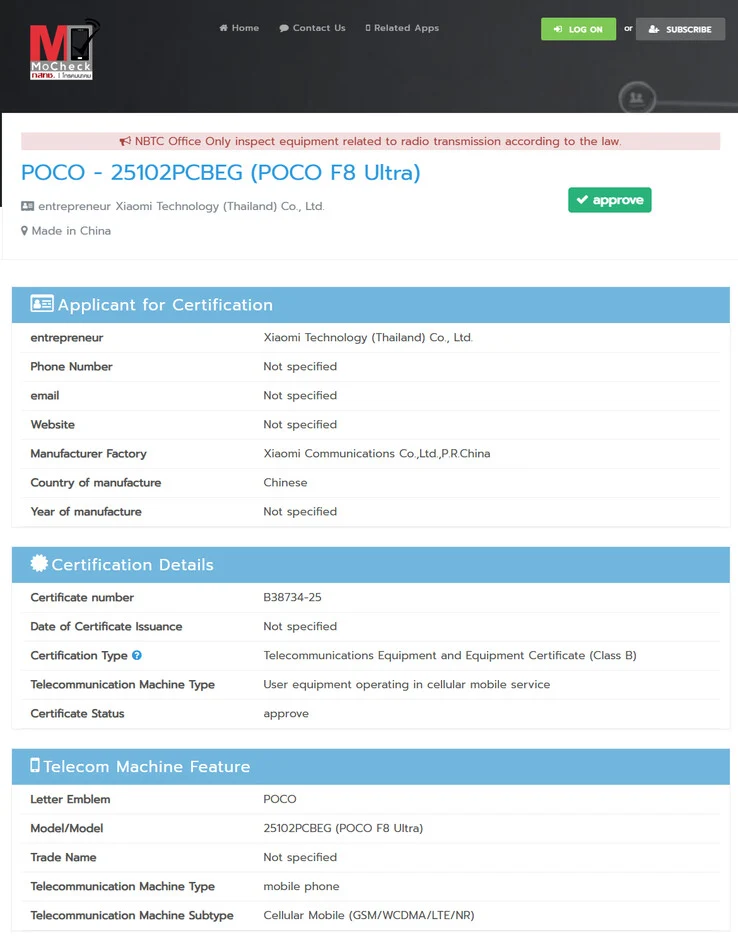
    The second model number, 25102PCBEG, has now been spotted on the National Broadcasting and Telecommunications Commission (NBTC) website in Thailand. The listing below essentially verifies that Xiaomi is making plans to release the 25102PCBEG on a global scale. Moreover, this is the first time the model number has been directly associated with the actual name ‘Poco F8 Ultra’.

    Launch Speculations

    That being said, the model number 25102PCBEG does not necessarily mean that the Poco F8 Ultra will be launched before the one-year mark of the Poco F7 Ultra (currently priced at $755 on Amazon). The date ‘2510,’ which suggests October 2025, usually points to where a device will first become available. In this instance, the Redmi K90 Pro Max is set to release this month. Therefore, we still don’t have clear information about when the Poco F8 Ultra will be launched globally at this moment.

    Source:
    Link


  • Redmi Turbo 5 Launch: New Xiaomi Phone with Major Battery Upgrade

    Redmi Turbo 5 Launch: New Xiaomi Phone with Major Battery Upgrade

    Key Takeaways

    1. Xiaomi will unveil the Redmi K90 series, including the Redmi K90 Pro Max, in China this week.
    2. The Redmi K90 series is expected to be released globally as the Poco F8 Pro and Poco F8 Ultra.
    3. Xiaomi plans to launch the second generation of Redmi Turbo devices following the Redmi K90 series.
    4. The Redmi Turbo 5 may be released as soon as next month, with features like a metal mid-frame and ultrasonic fingerprint sensor.
    5. The Redmi Turbo 5 is rumored to have a battery capacity greater than the Redmi Turbo 4’s 6,550 mAh.


    Xiaomi is about to unveil the Redmi K90 series in China. It seems the company will launch the Redmi K90 Pro Max along with another phone this week in its home region. Recent leaks suggest that Xiaomi intends to release the Redmi K90 series worldwide under the names Poco F8 Pro and Poco F8 Ultra.

    Future Redmi Releases

    As per the well-known Weibo user Smart Pikachu, Xiaomi isn’t finished with its Redmi smartphone launches for this year. After the release of the Redmi K90 series, the company is said to be gearing up for its second generation of Redmi Turbo devices. Specifically, Smart Pikachu claims that Xiaomi has ‘accelerated’ the development of its next Redmi Turbo model, following the launch of the Redmi Turbo 3 in April 2024, with the Redmi Turbo 4 and Redmi Turbo 4 Pro expected in January 2025 and April 2025, respectively.

    Upcoming Redmi Turbo 5

    From this information, Sumaho Digest has suggested that the Redmi Turbo 5 may be set to arrive as soon as next month. The exact date is still unknown, as is whether Xiaomi will make the device available globally as the next version of the Poco X7 Pro (currently priced at $363 on Amazon). Nevertheless, the Redmi Turbo 5 is rumored to feature a metal mid-frame, an ultrasonic fingerprint sensor, and a relatively straightforward camera system. Reportedly, this new device will come with a battery that exceeds the existing Redmi Turbo 4’s capacity of 6,550 mAh.

    Source:
    Link


  • Apple Shifts Focus to Foldables as iPhone Air’s Future Uncertain

    Apple Shifts Focus to Foldables as iPhone Air’s Future Uncertain

    Key Takeaways

    1. Apple plans to launch its first folding iPhone in 2026, with a clamshell design expected by 2028.
    2. The initial foldable iPhone might face delays, potentially pushing the release to 2027.
    3. Advanced display technologies will be featured in the foldable iPhones to enhance efficiency and reduce crease visibility.
    4. Apple is shifting its focus from the iPhone Air, cutting production due to declining demand.
    5. The future of the iPhone Air is uncertain, with reports suggesting it may be canceled altogether.


    For a long time, Apple has been focusing on creating foldable gadgets, and it appears that the tech has nearly reached the standards that Apple expects. The company is set to unveil its first folding iPhone, similar to the Galaxy Z Fold, in 2026, but there are plans beyond that. A recent report indicates that an iPhone Fold in a clamshell design is on track for a 2028 launch. Given the struggles faced by the iPhone Air in terms of sales, Apple seems to be channeling more resources into foldable devices.

    Upcoming Foldable Designs

    According to a report from ET News (translated from Korean), Apple is anticipated to introduce a clamshell style foldable in 2028. This move is part of a strategy to expand its product range, starting with the book-style foldable expected in 2026. However, Apple hasn’t released any details on these devices, and no official timelines have been announced. Interestingly, a separate report hinted that Apple’s initial foldable might be delayed until 2027, although ET News maintains the 2026 schedule.

    Advanced Display Technology

    The foldable iPhones from Apple are expected to incorporate new and enhanced display technology (for Apple), including LTPO, color filter-on-encapsulation (COE), cathode patterning material (CPM), and glass-metal-mesh-film (GMF). These innovations are meant to improve display efficiency, boost transmittance, enhance under-display camera capabilities, and reduce the visibility of creases. Apple aims for a crease-free display for its foldable devices, similar to what Samsung has achieved, which will likely be showcased in the upcoming Galaxy Z Fold 8.

    Shift in Focus

    Apple appears to be more focused on the foldable device format than on the slim and lightweight iPhone Air. Recent reports have suggested that the company has significantly cut down production of the iPhone Air due to falling demand, despite strong initial sales figures. Around the same time, a post on Weibo claimed that the iPhone Air would certainly be cancelled, leaving the future of Apple’s light and thin iPhone uncertain.

    ET News, Weibo

    Source:
    Link