
Key Takeaways
1. Samsung’s Exynos 2600 processor is highly anticipated for the Galaxy S26 series, but recent benchmark results show a significant drop in performance.
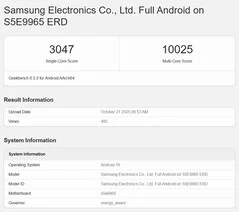
2. The Exynos 2600 achieved a multi-core score of 10,025 and a single-core score of 3,047, lower than previous tests which showed scores of 11,256 and 3,309, respectively.
3. New scores indicate that the Exynos 2600 is now performing worse than the existing Qualcomm Snapdragon 8 Elite, which has better benchmark results.
4. The decrease in performance is attributed to a change in testing configuration, with lower CPU frequencies in the latest tests compared to earlier assessments.
5. Potential explanations for the lower clock speeds include thermal throttling issues or Samsung testing the chip’s performance at lower frequencies to assess efficiency.
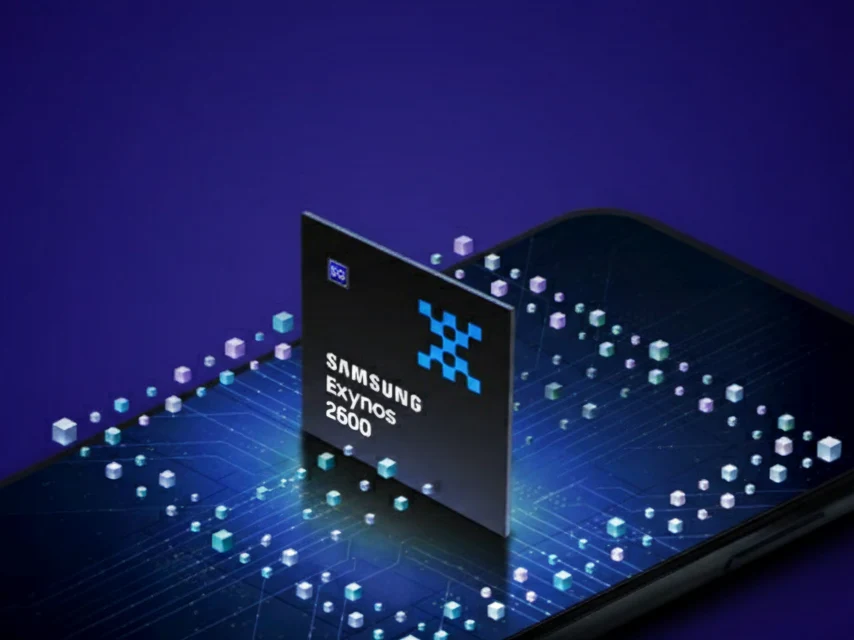
Samsung has been working hard on its next big processor, the Exynos 2600, which is highly anticipated for the upcoming Galaxy S26 series. Expectations are soaring for this chip, as early tests suggested it could rival other powerful processors in the market. However, recent changes in benchmark results have raised some questions about how well the Exynos 2600 will actually perform.
Recent Benchmark Updates
Just a few hours ago, new scores were published in the Geekbench database for the Exynos 2600. Unfortunately, these scores indicate a significant drop in processing power compared to earlier tests. Specifically, the Exynos 2600 System on Chip (SoC) achieved a multi-core score of 10,025 and a single-core score of 3,047 on Geekbench.
Context of the Scores
To better understand these numbers, consider that Geekbench results from late August had shown the same chip scoring much higher: 11,256 for multi-core and 3,309 for single-core tests. Moreover, some reports even claimed that the Exynos 2600 was set to outperform its competitors, suggesting it would have up to 14% more CPU power than Apple’s A19 Pro and 29% better GPU performance than the Snapdragon 8 Elite Gen 5.
Changing Performance Landscape
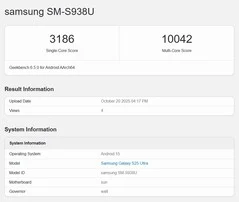
The new benchmark results, however, tell a different story. The latest scores are now lower than those of the currently available Qualcomm Snapdragon 8 Elite, which is already in devices like the Samsung Galaxy S25 Ultra, achieving scores of 3,186 and 10,042 for single-core and multi-core tests, respectively.
Technical Reasons for Downgrade
It’s important to note that there is a technical reason behind the drop in scores: a modification in the chip’s testing configuration. The most recent Geekbench entry indicates that the Exynos 2600 was assessed at considerably lower CPU frequencies than before. Initially, it was running with 6 cores at 2.76 GHz, 3 cores at 3.26 GHz, and 1 core at 3.80 GHz. Now, the new tests show a setup of 6 cores at 2.46 GHz, 3 cores at 2.96 GHz, and 1 core at 3.55 GHz.
Possible Explanations
There are two main reasons that could explain this decrease in clock speed. In a less than ideal situation, Samsung might have encountered thermal throttling issues, where the chip uses more power or produces more heat than what is suitable for long-term usage. Alternatively, the company may simply be evaluating the current chip’s performance at these lower frequencies.
In conclusion, it is doubtful that the final version of the Exynos 2600 will mirror these disappointing benchmark results, as that would position it far behind its main competitors. Nonetheless, one can only hope that Samsung manages to strike the right balance between high performance and effective power consumption before the Galaxy S26 is launched.
Source:
Link

Leave a Reply