Category: Computers

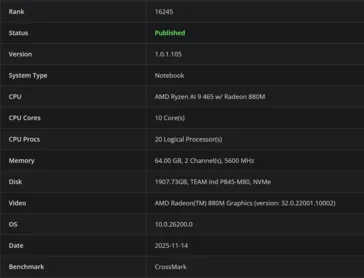
  • AMD Ryzen AI 9 465 and AI 7 450 CPUs Found in CrossMark Database

    AMD Ryzen AI 9 465 and AI 7 450 CPUs Found in CrossMark Database

    Key Takeaways

    1. Two new AMD Ryzen AI laptop models, the Ryzen AI 9 465 and Ryzen AI 7 450, have surfaced online.
    2. The Ryzen AI 9 465 features a Radeon 880M iGPU, while the Ryzen AI 7 450 includes a Radeon 860M, indicating the continuation of RDNA 3.5 architecture.
    3. The Ryzen AI 9 465 has 10 cores and 20 threads, while the Ryzen AI 7 450 has 8 cores.
    4. Both processors are expected to utilize Zen 5 and Zen 5c cores, similar to their Strix Point counterparts.
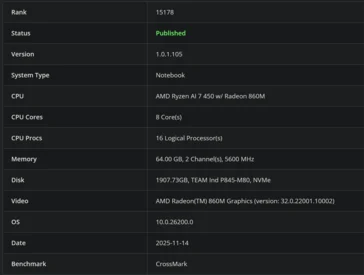
    5. Benchmark scores show the Ryzen AI 9 465 at 1,897 points and the Ryzen AI 7 450 at 1,944 points, although these are likely pre-production results.


    Just a day after the AMD Ryzen AI 9 HX 470 was seen online, two more Gorgon Point laptop models have appeared. Now, we have our first look at the Ryzen AI 9 465 and Ryzen AI 7 450. The Ryzen AI 9 465 is equipped with a Radeon 880M iGPU, while the Ryzen AI 7 450 is paired with a Radeon 860M, showing that RDNA 3.5 will be around for at least one more generation.

    Processor Details

    The CrossMark listings show that the Ryzen AI 9 465 has 10 cores and 20 threads. In a similar way, the Ryzen AI 7 450 includes eight cores. Both processors are expected to use a combination of Zen 5 and Zen 5c cores, like their Strix Point siblings. Sadly, the listings do not provide important specifications such as boost clocks and TDP, but both were tested with 64 GB of RAM.

    Benchmark Results

    In the benchmark tests, the Ryzen AI 9 465 achieved a score of 1,897 points overall, while the Ryzen AI 7 450 reached 1,944 points. These results don’t carry much weight since both chips are likely still pre-production versions. However, they indicate that AMD is finalizing Krackan Point before its anticipated reveal at CES 2026 alongside Intel’s Panther Lake.


    Source:
    Link


  • Aoostar Nex395 Mini-PC Launch with AMD Ryzen AI Max+ 395, 128GB RAM

    Aoostar Nex395 Mini-PC Launch with AMD Ryzen AI Max+ 395, 128GB RAM

    Key Takeaways

    1. Aoostar has launched the EG02 eGPU dock, priced at $469 on Amazon, alongside an update to its Maco mini-PC.
    2. The Nex395 mini-PC has been redesigned for a more streamlined appearance, moving away from its previous flashy design.
    3. The Nex395 will feature an AMD Ryzen AI Max+ 395 APU and support up to 128 GB of RAM.
    4. It will include a Radeon 8060S integrated GPU, offering performance comparable to other mini-PCs like the GMKtec EVO-X2 and Asus ROG Flow Z13.
    5. The Nex395 will have two USB4 ports, enhancing connectivity options.


    Aoostar has unveiled its new EG02 eGPU dock following an update to its Maco mini-PC earlier this month, which is currently priced at $469 on Amazon. In addition to this, the company has resumed teasing the Nex395, a mini-PC that was first introduced back in July.

    Redesigned Appearance

    From what we’ve observed, Aoostar has made some subtle changes to the Nex395 since its summer debut. The mini-PC previously had a design similar to Aoostar’s XG76 and XG76XT eGPUs, featuring a square body and noticeable cutouts for improved cooling. Now, the Nex395 sports a more streamlined appearance, moving away from some of its earlier flashy design elements.

    Impressive Specs

    The Nex395 will keep the AMD Ryzen AI Max+ 395 APU that Aoostar plans to offer with up to 128 GB of RAM. Furthermore, it will come with a Radeon 8060S integrated GPU, making it comparable in performance to the GMKtec EVO-X2 we reviewed in September and Asus’ latest ROG Flow Z13 that uses the same Strix Halo APU as its mini-PC competitors. Listed as ‘coming soon’, Aoostar has also confirmed that the Nex395 will feature a second USB4 port on the back, in addition to the one shown in the company’s recent teaser image.


    Source:
    Link


  • GMKtec EVO-T2: First Intel Panther Lake Mini-PC with 128GB RAM

    GMKtec EVO-T2: First Intel Panther Lake Mini-PC with 128GB RAM

    Key Takeaways

    1. GMKtec launched the EVO-T1 mini-PC in July, featuring a Core Ultra 9 285H processor, 64 GB of DDR5 RAM, and three M.2 SSD slots, priced at $999.
    2. The EVO-T2 was announced as the first mini-PC using the Panther Lake architecture, introduced at Intel’s Technology Innovation and Industry Ecology Conference.
    3. The EVO-T2 will use a ‘Panther Lake H 12xe’ chipset, branded under the Core Ultra 300H series, which is expected to outperform the Core Ultra X7 358H.
    4. The new processor is anticipated to have a TDP of 80 W, with 12 Xe3 iGPU cores and up to 180 TOPS of AI performance.
    5. The EVO-T2 will support up to 128 GB of LPDDR5X RAM and offer 16 TB of storage across two SSD slots, with more details expected in early 2026.


    GMKtec entered the Arrow Lake-H series a bit later than others, revealing their EVO-T1 model in spring. It hit the global market in July (currently priced at $999 on Amazon), and we reviewed it in August. The EVO-T1 stood out because of its Core Ultra 9 285H processor, which offered solid CPU and integrated GPU performance. It also featured an efficient cooling system and a well-thought-out design. Additionally, this compact device came with 64 GB of DDR5 RAM and three M.2 SSD slots, along with OCuLink and USB4 eGPU expansion options.

    Exciting News About EVO-T2

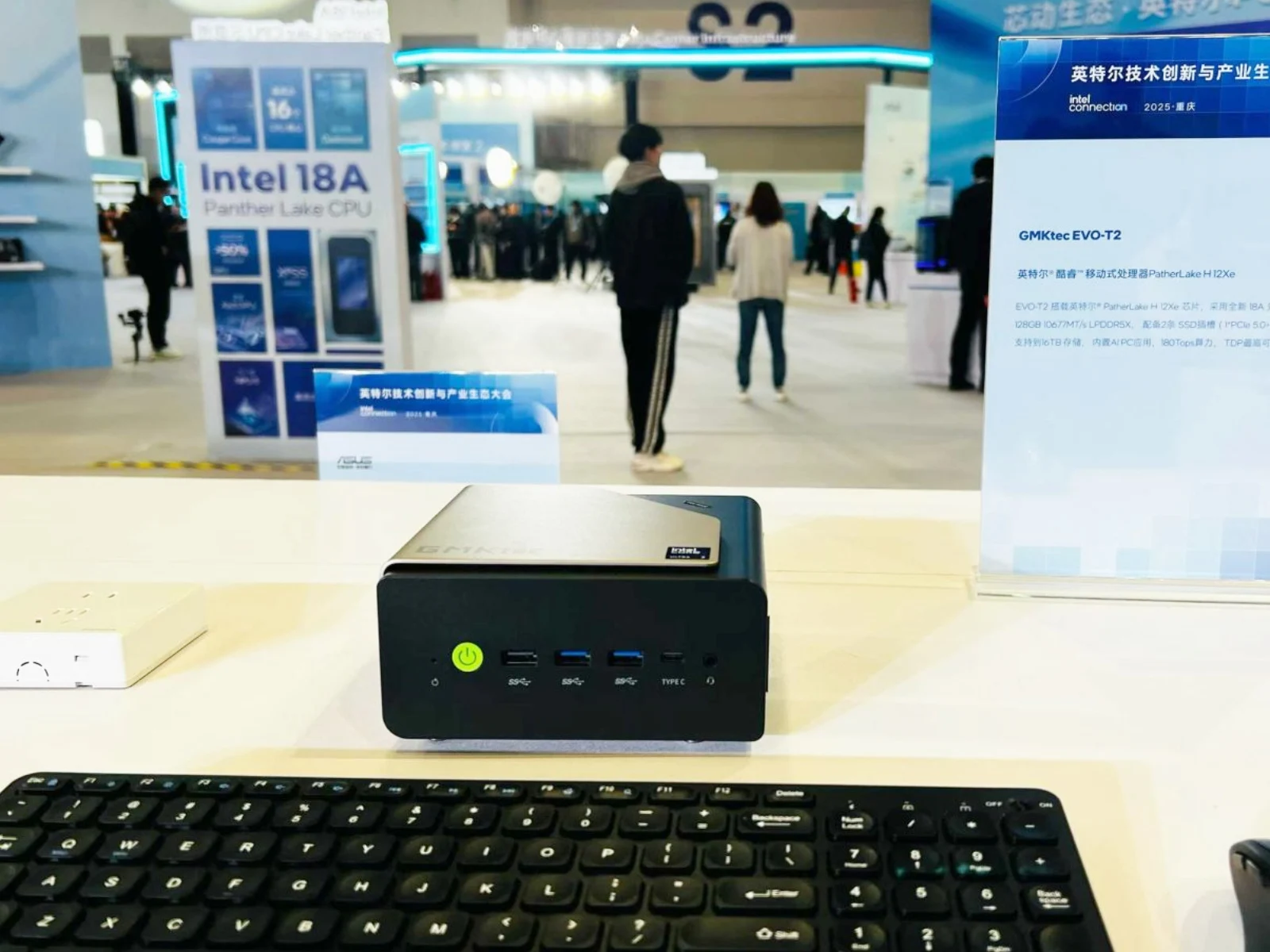
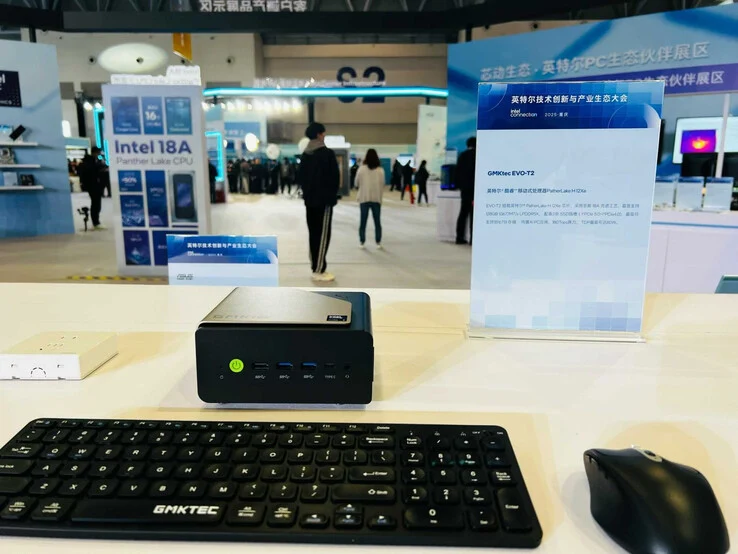
    Fast forward about six months, and GMKtec has already shared info on the successor to the EVO-T1. They introduced the EVO-T2 at Intel’s recent Technology Innovation and Industry Ecology Conference, marking it as the first mini-PC based on the Panther Lake architecture that we know of. GMKtec mentioned that the EVO-T2 will utilize a ‘Panther Lake H 12xe’ chipset, which will be branded under the Core Ultra 300H series.

    Specs and Performance Insights

    GMKtec called this new processor a ‘flagship mobile processor,’ hinting that it could be a stronger choice than the Core Ultra X7 358H, which was recently found in Samsung’s expected Galaxy Book6 Pro. According to GMKtec, this new chip will have an 80 W TDP and will feature 12 Xe3 iGPU cores, aligning it with the Core Ultra X7 358H in terms of integrated graphics. Essentially, Intel’s next version of the Core Ultra 9 285H might share the same Arc B390 iGPU as the Core Ultra X7 358H.

    Moreover, this unnamed processor is expected to provide up to 180 TOPS of AI performance. In addition, GMKtec has confirmed that the EVO-T2 will support up to 128 GB of LPDDR5X RAM running at 10,677 MT/s and will offer 16 TB of storage across two SSD slots. GMKtec plans to share more details about the EVO-T2 in early 2026.

    Source:
    Link


  • AMD Zen 7 Halo iGPU Leak: 35% Performance Boost Over Zen 6

    AMD Zen 7 Halo iGPU Leak: 35% Performance Boost Over Zen 6

    Key Takeaways

    1. The AMD Zen 7 Halo APU’s integrated GPU (iGPU) may match or exceed the 48 Compute Units (CUs) of the Zen 6 Medusa Halo iGPU, potentially reaching up to 64 CUs.
    2. The performance of the Zen 7 Grimlock Halo iGPU is speculated to be 20-35% better than that of the Zen 6 Medusa Halo iGPU.
    3. The iGPU in the Zen 6 Medusa Halo is expected to perform comparably to the RTX 4070 desktop GPU, with the Zen 7 Grimlock Halo iGPU possibly outperforming the RTX 5070.
    4. The Zen 7 Halo’s iGPU shares the same die as the RDNA 5 desktop “AT3” GPU, hinting at advanced graphics capabilities.
    5. The article mentions available purchase options, including the GMKtec AI Mini PC featuring the Ryzen Al Max+ 395 Strix Halo APU on Amazon.


    Earlier this month, a major leak from Moore’s Law Is Dead gave us insight into AMD’s Zen 7 specs and performance, covering everything from Zen 7 EPYC to the Zen 7 “Grimlock” AM5 desktop CPUs. The leak also included some information about the Zen 5 Grimlock Point and Grimlock Halo mobile APUs. During a recent episode of the Broken Silicon podcast, MLID hinted at the final performance and configuration of the AMD Zen 7 Halo’s integrated GPU (iGPU).

    Potential Performance of Zen 7 Halo iGPU

    According to MLID, the iGPU in the Zen 7 Halo might at least match the Compute Unit (CU) count of the Zen 6 Medusa Halo iGPU. Back in August, MLID reported that the Zen 6 Medusa Halo APU could come with a 48-CU iGPU along with 20 MB of L2 cache. Interestingly, it is expected that the iGPU in the Zen 6 Medusa Halo will share the same die as the RDNA 5 desktop “AT3” GPU.

    This means that the iGPU in the Zen 7 Grimlock Halo APU could have 48 or even more RDNA 5/5.5 CUs. MLID speculates that the CUs could reach as high as 64. While no specific performance metrics were provided, it is suggested that the Zen 7 Grimlock Halo iGPU could perform 20 to 35% better than the Zen 6 Medusa Halo iGPU.

    Comparing Performance to Current GPUs

    By doing some rough calculations, MLID suggested in an earlier leak that the performance of the AT3 RDNA 5 desktop GPU might sit between the RTX 4070 and RX 9070 (which is available on Amazon). Given that the iGPU in the Zen 6 Medusa Halo will be power-constrained, let’s consider the performance of the iGPU to be at the lower end of MLID’s projections, comparable to an RTX 4070.

    From our testing, the RTX 5070 desktop GPU is about 28% quicker than the RTX 4070 desktop GPU. Since MLID anticipates the Zen 7 Grimlock Halo iGPU to be 20-35% ahead of the Zen 6 Medusa Halo iGPU, the iGPU in the Grimlock Halo could potentially outperform the RTX 5070 desktop. However, as always, MLID’s figures are preliminary and not final, so our calculations could be significantly inaccurate.


    Source:
    Link


  • Intel’s 18A Recovery: 7% Monthly Yield Gains Boost Panther Lake

    Intel’s 18A Recovery: 7% Monthly Yield Gains Boost Panther Lake

    Key Takeaways

    1. Intel is improving its mass production yields for the Panther Lake laptop platform, now aligning with the industry’s standard of a 7% monthly increase.
    2. Leadership changes, particularly with CEO Lip-Bu Tan, are positively impacting Intel’s outlook for launching Panther Lake before the end of 2025.
    3. Panther Lake’s CPUs will feature new Cougar Cove P-cores and Darkmont E-cores, promising a 50% performance increase in combined CPU and GPU compared to Lunar Lake.
    4. The platform may include up to 16 CPU cores and 12 Xe3 Arc iGPU cores, with initial models like the Arc B390 and B370 showcasing competitive clock speeds.
    5. The 14A process node, which succeeds the 18A node, is performing better due to customer feedback and an improved process development kit (PDK).


    Intel is getting closer to mass-producing its next-gen laptop platform, Panther Lake. An executive from the company shared in an interview at the RBC Capital Markets Global TMT that they are now seeing a monthly increase in yields at a rate that aligns with the industry’s standard, which is about 7 percent. This marks an improvement compared to the inconsistent progress they faced earlier in the year.

    A New Leadership Impact

    VP John Pitzer mentioned that a significant change happened when Lip-Bu Tan became Intel’s CEO back in March. Pitzer seems optimistic that Intel is in a good position to launch Panther Lake before the year 2025 wraps up. He also indicated that more details about Panther Lake will be disclosed at CES in January.

    Specifications and Performance

    Previously, we mentioned that Panther Lake’s laptop CPUs will introduce the new Cougar Cove P-cores alongside Darkmont E-cores. Both types are utilizing 18A’s RibbonFET transistors and the second-gen backside power delivery, known as PowerVia. Intel claims that Panther Lake will deliver a 50 percent increase in combined CPU and GPU performance compared to Lunar Lake.

    Rumors suggest that Panther Lake could feature up to 16 CPU cores and 12 Xe3 Arc iGPU cores. Initial leaks have hinted at models like the Arc B390, which boasts 12 iGPU cores running at 2.5 GHz, and the B370, with 10 cores clocked at 2.4 GHz. Moreover, Intel is bringing back modular LPDDR5X memory, allowing for up to 96 GB at an impressive speed of 9600 MT/s for the highest-tier SKU.

    Updates on 14A Node

    Pitzer also shared some information regarding the 14A process node. The successor to the 18A node is achieving better performance at similar stages, despite undergoing major modifications, all thanks to earlier customer feedback and a more developed PDK.

    Source:
    Link


  • High Boy Hacking Device Launches on Kickstarter for Retro Gaming

    High Boy Hacking Device Launches on Kickstarter for Retro Gaming

    Key Takeaways

    1. The High Boy is designed as a next-gen hardware hacking device, prioritizing hacking features over traditional gaming or media functionalities.
    2. It is built using the ESP32-S3 microcontroller, featuring a dual-core processor and supporting Bluetooth 5.0 Low Energy.
    3. Key features include a 2-inch color display, USB Type-C port, microSD card reader, and a CC1101 radio modem for monitoring radio frequencies.
    4. The device aims to compete with existing options like the Flipper Zero and Interrupt, promoting open-source software and hardware integration.
    5. Backers can support the High Boy on Kickstarter for $100, with price increases expected as the campaign progresses.


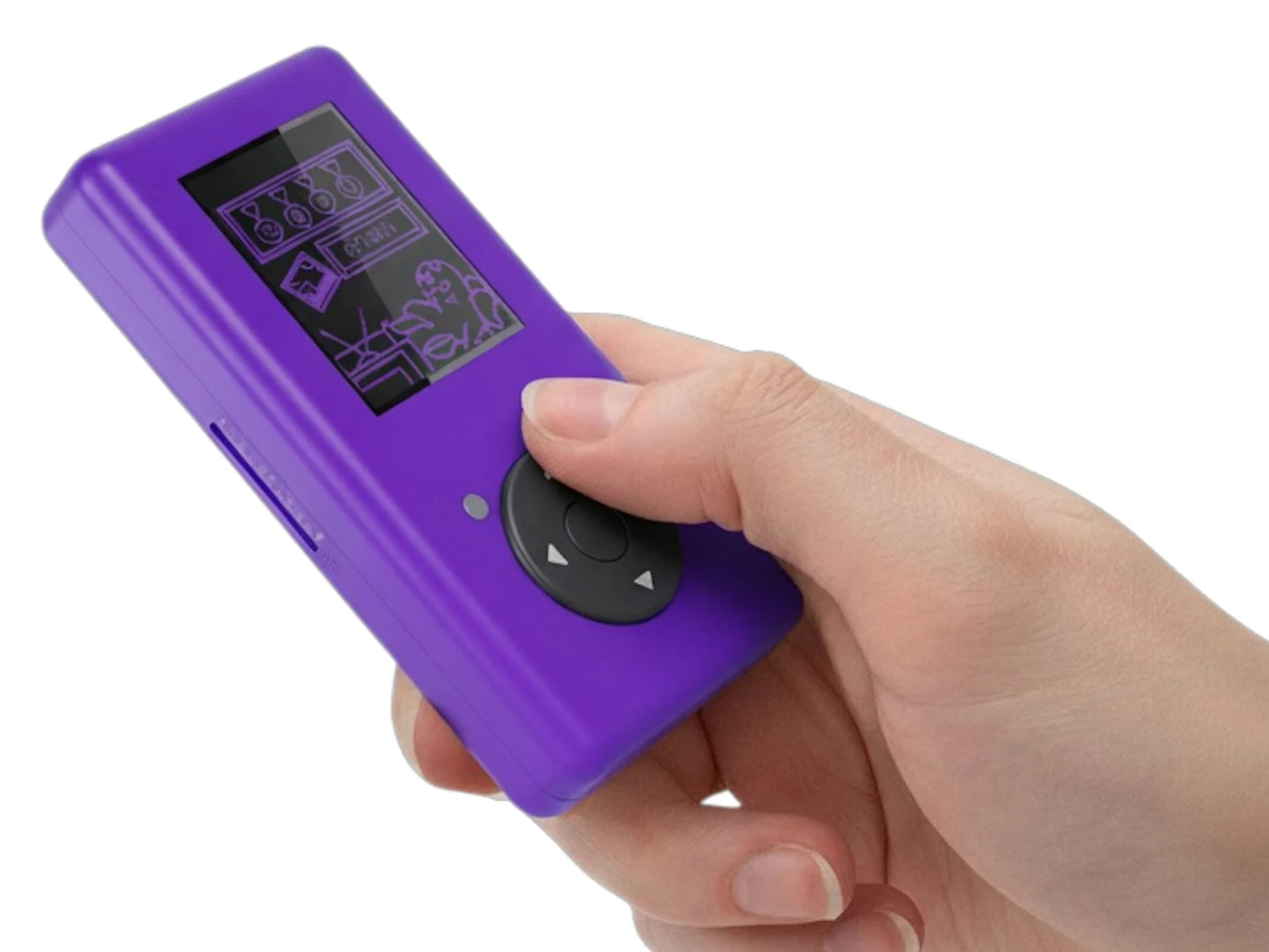
    The High Boy resembles an iPod or a low-cost gaming handheld at first sight, thanks to its vertical design and central control layout. Nonetheless, its developer, High Code, has crafted this device with hacking as a priority. Referred to as a “next-gen hardware hacking device,” the High Boy aims to compete with existing options like the Flipper Zero and Interrupt. It does this by merging open-source software and hardware with features such as Bluetooth Low Energy, GPIO access, 2.4 GHz Wi-Fi, NFC, and even an IR receiver built in.

    Hardware Specifications

    High Code has designed the High Boy using the ESP32-S3 microcontroller, which has been utilized in a variety of applications, including smart home display panels or the Arduino Nano ESP32 (currently priced at $20.90 on Amazon). For context, Espressif Systems manufactures the ESP32-S3, which is built around a dual-core Tensilica LX7 processor that operates at 240 MHz. It is paired with 512 KB of SRAM, 8 MB of PSRAM, 384 KB of ROM, 8 MB of flash storage, and supports Bluetooth 5.0 Low Energy.

    Additional Features

    In addition to this, the High Boy comes with a 2-inch color display, a USB Type-C port located at the bottom, and a microSD card reader. The company has also incorporated a CC1101 radio modem, which facilitates the monitoring of radio frequencies. Right now, backers can support the High Boy on Kickstarter as an alternative to the Flipper Zero for $100, with deliveries expected in June 2026. Be aware that prices are set to increase to $120 for the campaign’s Early Bird option and ultimately to $140 once these discounts are no longer available.


    Source:
    Link


  • YouTubers Transform LattePanda Iota into 720p Emulation Machine

    YouTubers Transform LattePanda Iota into 720p Emulation Machine

    Key Takeaways

    1. The Iota features the advanced Processor N150 from Intel’s Twin Lake range, improving performance over the previous Mu model with Processor N100.
    2. Initial reviews show that the Iota performs well in gaming, running older titles like Left for Dead II at 720p with 60 FPS.
    3. The Iota struggles with more demanding games like Doom 2016, achieving less than 30 FPS at low settings.
    4. It excels in lighter gaming and emulation, successfully running most classics from Dreamcast and PlayStation Portable, with mixed results for GameCube and PlayStation 2 games.
    5. The Iota is priced at approximately $165 for the 8 GB RAM version and $215 for the 16 GB RAM model with a heatsink.


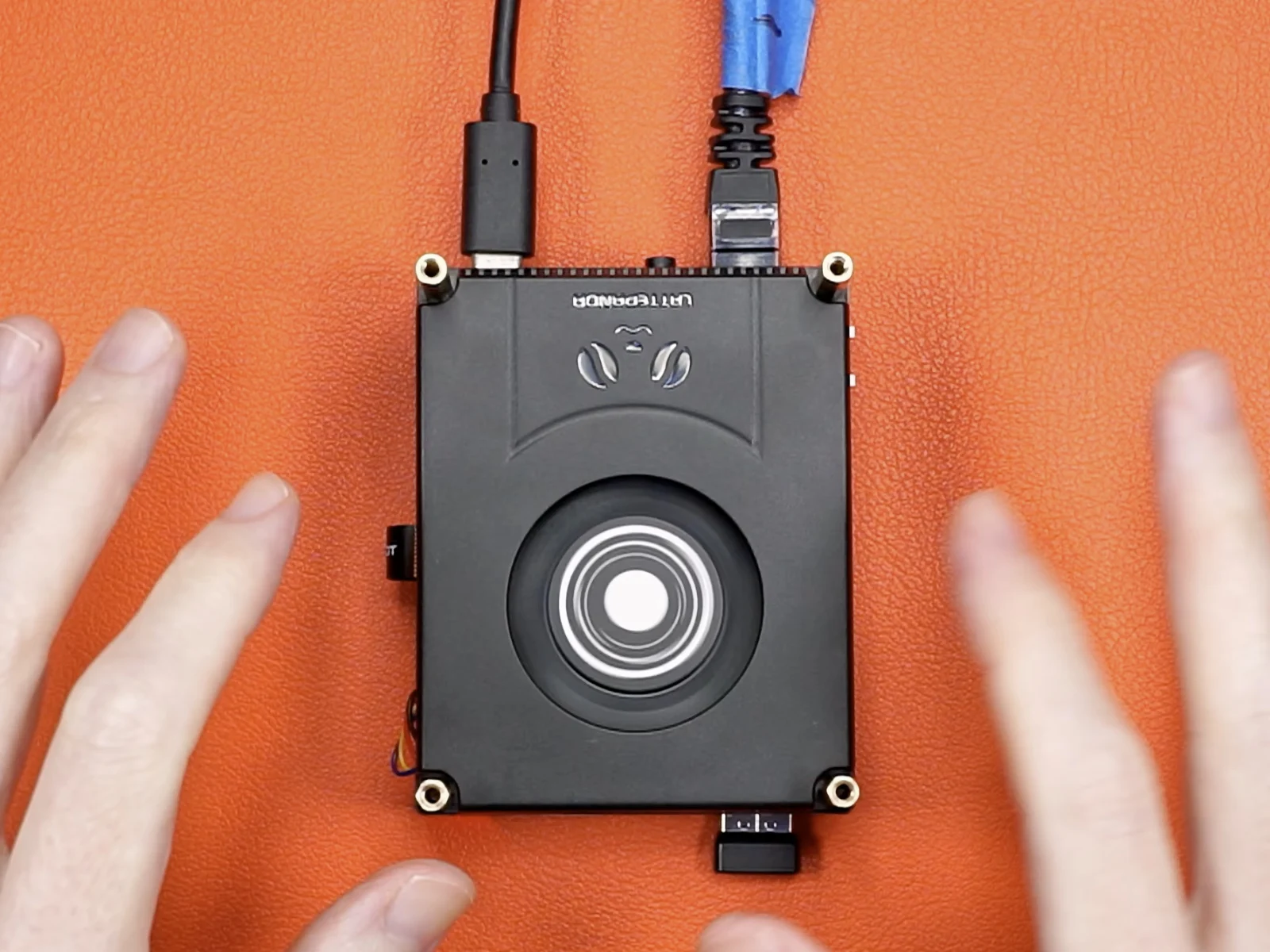
    The Iota is the new addition to the series of single-board computers made by LattePanda. It was launched in September, following the Mu, which was priced at $199 on Amazon and came with the basic Processor N100 from Intel’s Alder Lake N lineup.

    Newer Processor

    In contrast, the Iota is equipped with the more advanced Processor N150 from Intel’s Twin Lake range. Benchmarks indicate that the Processor N100 and the Processor N150 are nearly the same in performance. However, initial reviews reveal that the Iota handles gaming surprisingly well, which might not have been what LattePanda expected.

    Gaming Performance

    The Iota is capable of running many older games that are still quite popular, such as Left for Dead II at 720p with a smooth 60 FPS. However, it struggles with Doom 2016, particularly when the Vulkan back-end is turned on. The device can manage 720p for this game, but Interfacing Linux found that it does not reach even 30 FPS at the lowest graphics settings, which is a letdown.

    Emulation Capabilities

    Despite this, the Iota is good for lighter gaming options like Hollow Knight: Silksong and is also effective for emulation. ETA Prime reports that the latest device from LattePanda is capable of emulating most classics from Dreamcast and PlayStation Portable with ease. The YouTuber also mentioned successes with many, but not all, GameCube and PlayStation 2 games. Currently, the Iota is available for just over $165 for the 8 GB RAM version or $215 for the 16 GB RAM model, which comes with a heatsink.

    Source:
    Link


  • AMD Ryzen AI 9 HX 470 Gorgon Point CPU Leaks Online with Specs

    AMD Ryzen AI 9 HX 470 Gorgon Point CPU Leaks Online with Specs

    Key Takeaways

    1. AMD’s Gorgon Point series is set to launch in 2026, with the Ryzen AI 9 HX 470 as a key model.
    2. The Ryzen AI 9 HX 470 features a 12-core CPU with 24 threads, likely following an 8+4 core configuration.
    3. The processor includes a 12-CU GPU, likely the Radeon 890M, with no announcements on Zen 4 mobile GPUs yet.
    4. It has a boost clock of 5.3 GHz, which is a 200 MHz increase from the previous Ryzen AI 9 HX 370 model.
    5. The Ryzen AI 9 HX 470 is expected to be showcased at CES 2026, alongside Intel’s Panther Lake laptops and Qualcomm’s Snapdragon X2 Elite series.


    AMD has recently confirmed that its upcoming Gorgon Point series is set to launch in 2026. A new Gorgon Point model recently appeared on FurMark, and we are now able to gain more insights into its specifications through SiSoft’s database. The model highlighted here is the high-end Ryzen AI 9 HX 470, which serves as a mid-cycle update to the Strix Point-based Ryzen AI 9 HX 370.

    Specifications Overview

    In terms of specifications, this processor boasts a 12-core CPU accompanied by 24 threads. While the specific division between P-cores and E-cores isn’t mentioned, it is likely to follow an 8+4 configuration. Moreover, the Ryzen AI 9 HX 470 is equipped with a 12-CU GPU, which can probably be identified as a Radeon 890M, since there hasn’t been any announcement regarding Zen 4 mobile GPUs at the time of writing.

    Performance Insights

    The Ryzen AI 9 HX 470 features a boost clock of 5.3 GHz, which is an increase of 200 MHz compared to the Ryzen AI 9 HX 370. This particular model was benchmarked using an HP EliteBook X G2a 14 laptop, although the exact RAM specifications remain unknown. Its presence in publicly available benchmark databases suggests a potential launch at CES 2026, coinciding with Intel’s plans to unveil its Panther Lake laptops. Following this, Qualcomm is also expected to release its Snapdragon X2 Elite series shortly thereafter.


    Source:
    Link


  • Typeframe PX-88: Retro Cyberdeck for Raspberry Pi Users

    Typeframe PX-88: Retro Cyberdeck for Raspberry Pi Users

    Key Takeaways

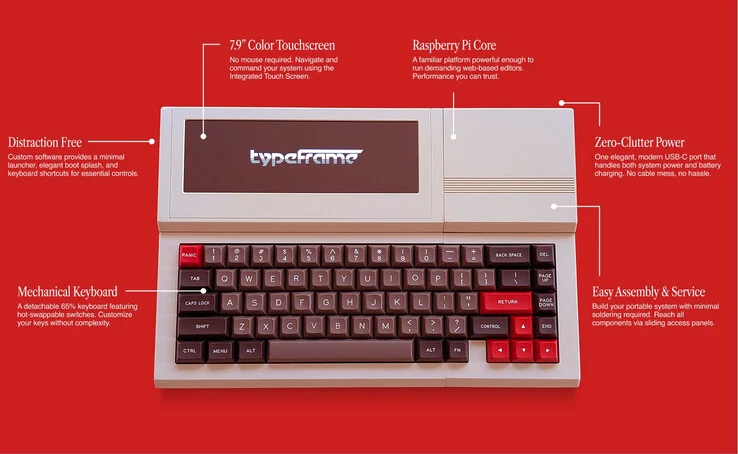
    1. The Typeframe PX-88 is inspired by the Epson PX-4 and built around the Raspberry Pi Model 4B.
    2. It features a 7.9-inch IPS touchscreen display with a resolution of 1,280 x 400 pixels.
    3. The device includes a custom 65% mechanical keyboard with Cherry MX compatible keycaps and switches.
    4. A 37 Wh battery powers the Typeframe PX-88, providing portable functionality.
    5. Users must assemble the unit themselves, with assembly files available on the Typeframe website.


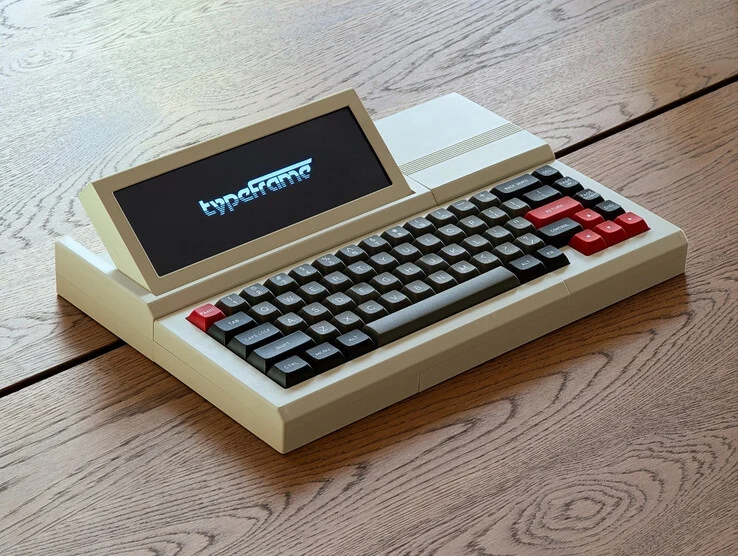
    Cyberdecks, or Writerdecks, have carved out a special place in the tech world over time. Enthusiasts have taken devices like the Lenovo Legion Go and Raspberry Pi 400 (currently priced at $88.95 on Amazon) and turned them into creations inspired by works like Neuromancer or Cyberpunk 2077. Now, Jeff Merrick from Wireform LLC has introduced a new option that takes inspiration from the classic Epson PX-4.

    Innovative Features

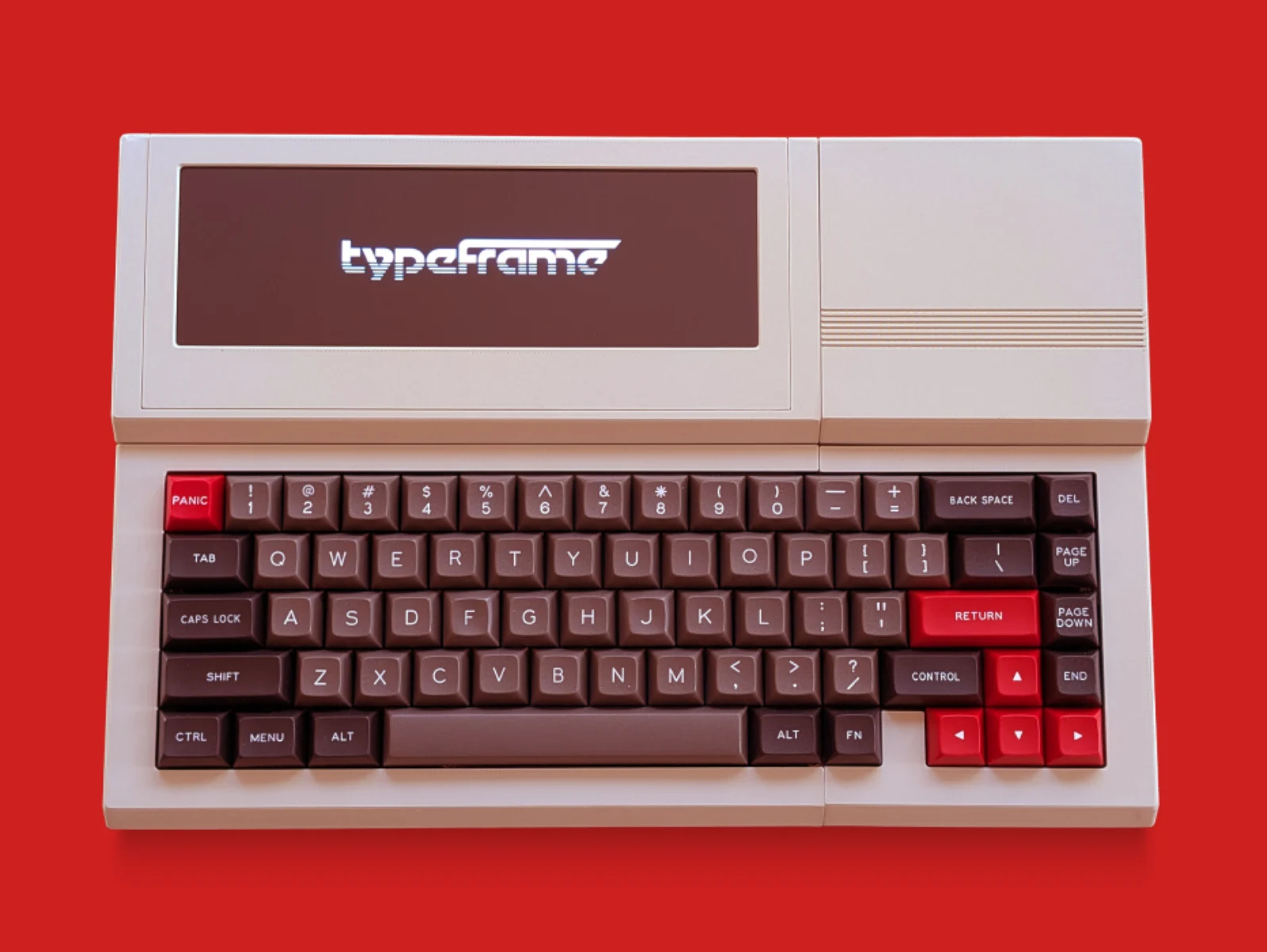
    This new device, called the Typeframe PX-88, is built around the Raspberry Pi Model 4B, featuring the Broadcom BCM2711 chipset as its main component. It showcases a 7.9-inch IPS touchscreen display from Waveshare, which has a resolution of 1,280 x 400 pixels and is designed without a flip-up case. In addition, the Typeframe PX-88 is equipped with a custom 65% mechanical keyboard that uses the MK Point64 PCB.

    Assembly Required

    Merrick has also included Cherry MX compatible keycaps and switches, along with a 37 Wh battery to power the Typeframe PX-88. However, it’s worth noting that Merrick isn’t directly selling this Writerdeck. Instead, individuals interested in this project will need to assemble the unit on their own, with the necessary assembly files available on the Typeframe website. For further information, please check the Typeframe website and related GitHub resources.


    Source:
    Link


  • Minisforum X1 Lite: New OCuLink Mini-PC under $400 Released

    Minisforum X1 Lite: New OCuLink Mini-PC under $400 Released

    Key Takeaways

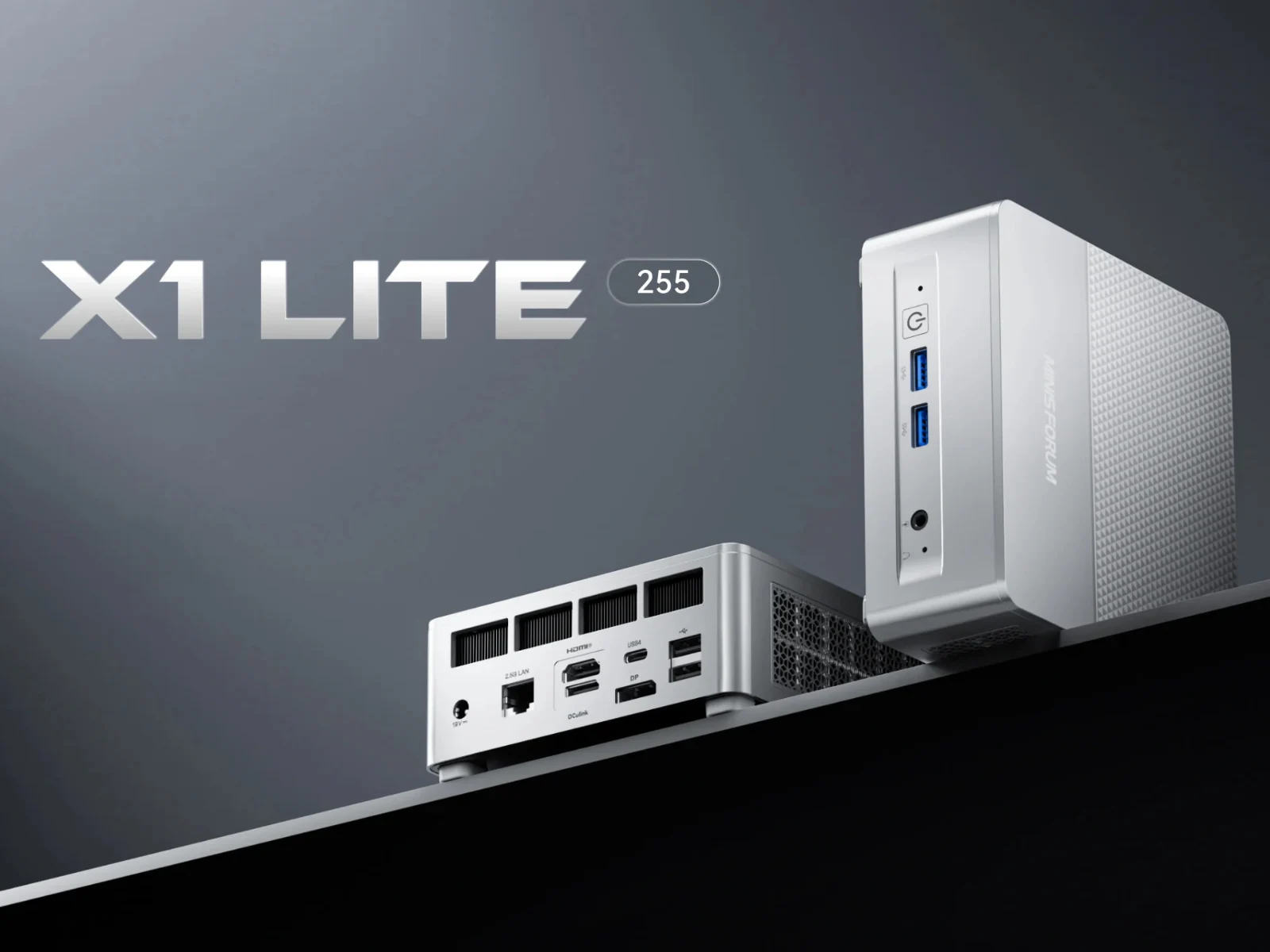
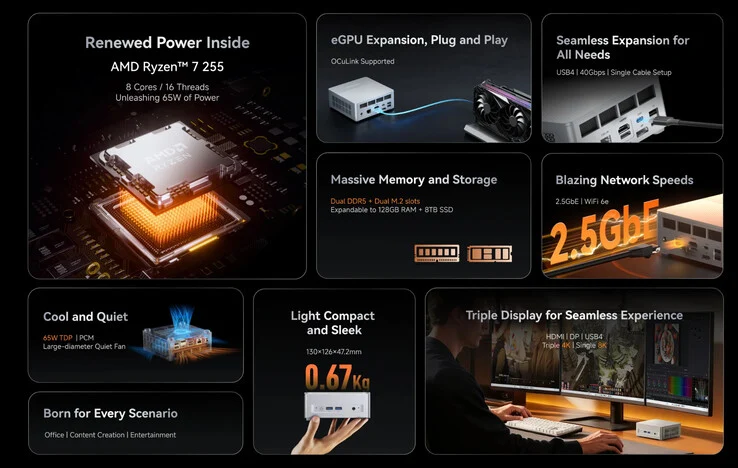
    1. The Minisforum X1 Lite is a compact mini-PC powered by AMD’s Ryzen 7 255 APU, featuring 8 cores and 16 threads.
    2. It has a small size of 130 x 126 x 47.2 mm and weighs 670 g, making it portable.
    3. The device supports up to 128 GB of DDR5 RAM and 8 TB of PCIe 4.0 storage, with options for external GPU connection.
    4. Pricing in the US starts at $609.90 for a model with 32 GB RAM and a 1 TB SSD, while barebone units in the EU, Japan, and the UK range from $350 to $400.
    5. The X1 Lite is currently available in multiple regions, but its full availability in the US is still uncertain.


    Under a week ago, Minisforum launched the X1 Lite, a mini-PC powered by AMD’s Hawk Point. This compact device contains a lot of features within its dimensions of 130 x 126 x 47.2 mm and weighs 670 g. Initially available in China, the X1 Lite is now accessible in the US, EU, Japan, and the UK, although it’s not sold directly by Minisforum in the US at the moment.

    Specs Overview

    The Minisforum X1 Lite is powered by the Ryzen 7 255, which is a Zen 4 APU that offers 8 cores and 16 threads, capable of boosting up to 4.9 GHz when required. It also has a Radeon 780M integrated GPU, and the Ryzen 7 255 is essentially a rebranded version of the Ryzen 7 8845HS, similar to how the Ryzen 7 H 255 relates to the Ryzen 7 8745H. According to the company, the X1 Lite can push its APU to 65 W thanks to its efficient cooling system, marking a 44% increase over the APU’s standard TDP.

    Gaming and Expandability

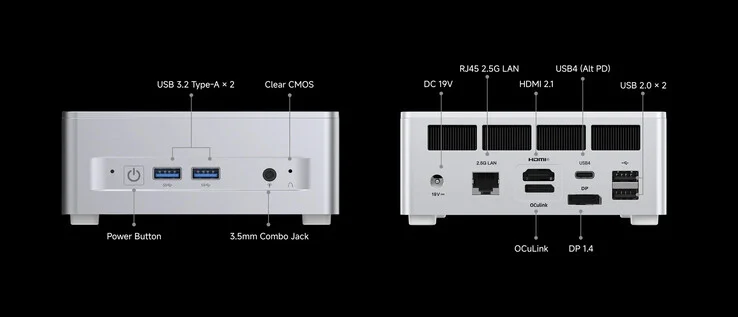
    If gaming performance with the Radeon 780M isn’t sufficient, the X1 Lite also comes with OCuLink and USB4 ports for connecting an external GPU. Additionally, Minisforum has equipped it with SO-DIMM slots that support up to 128 GB of DDR5-5600 RAM, along with dual M.2 2280 slots that can accommodate a total of 8 TB of PCIe 4.0 storage. In the US, the X1 Lite is available for $609.90, which includes 32 GB of RAM and a 1 TB SSD.

    Availability in Other Regions

    Meanwhile, barebone units are available in the EU, Japan, and the UK, with prices ranging from about $350 to $400 according to current exchange rates. Full availability in the US is still uncertain at this point. For more information, check out Minisforum’s official website.

    Source:
    Link