Tag: ESP32-S3

  • T-Deck Max: $110 E-Ink Smartphone Connects for Free

    T-Deck Max: $110 E-Ink Smartphone Connects for Free

    Key Takeaway

    – ESP32-S3-based, hobbyist-friendly device aimed at tinkering rather than a ready-to-use smartphone experience.
    – Supports LoRa for long-range, low-data transmission (with optional 4G) and includes GPS for location sharing.
    – 3.1″ e-ink display, built-in microphone/speaker, keyboard, microSD slot; Arduino/PlatformIO development supported.
    – Suitable for use cases like personal emergency signaling on large sites, with LoRa repeaters extending range.
    – Detachable/expandable with additional sensors/actuators; typical street price around $110.


    Overview and Target Audience

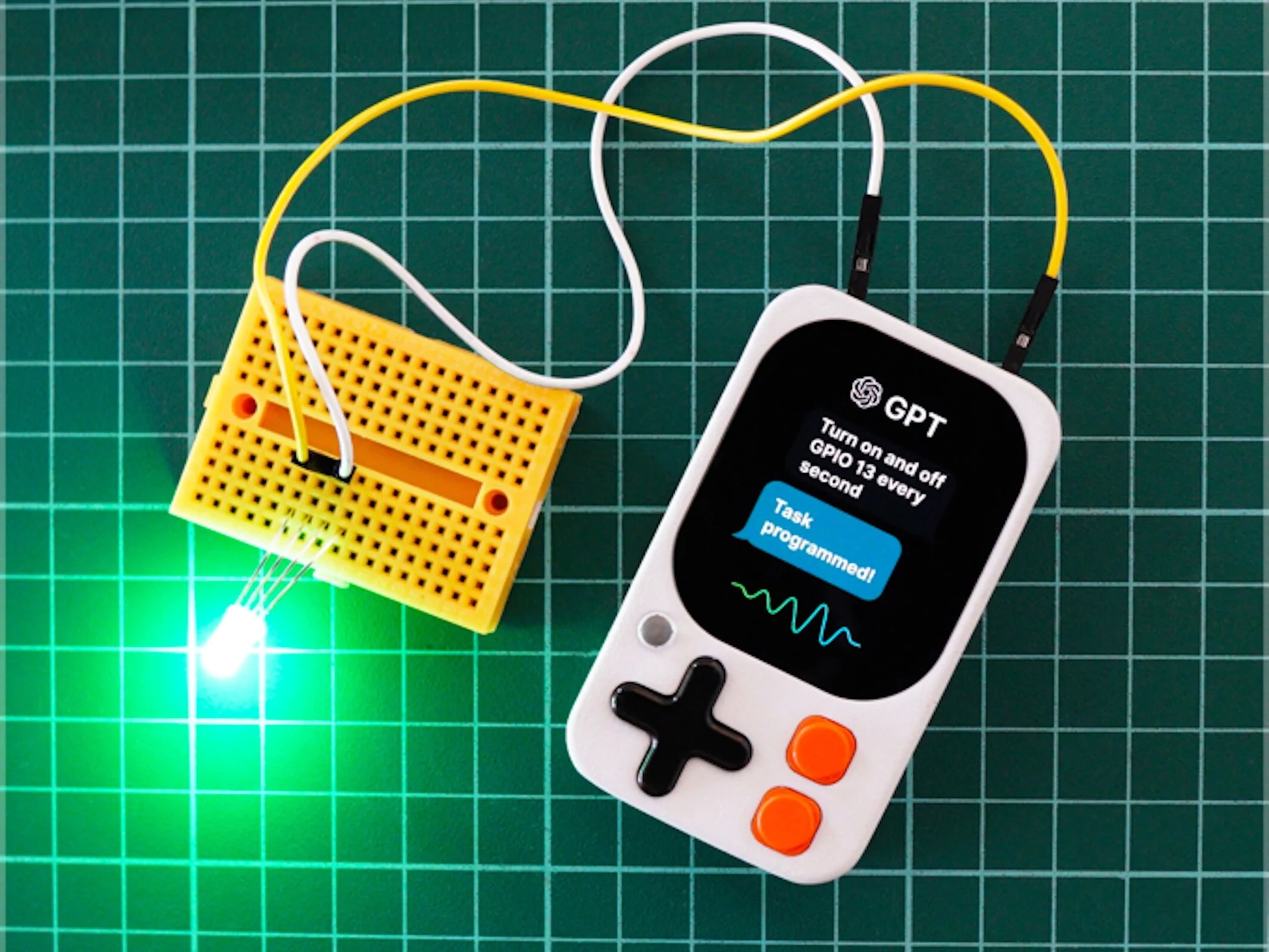
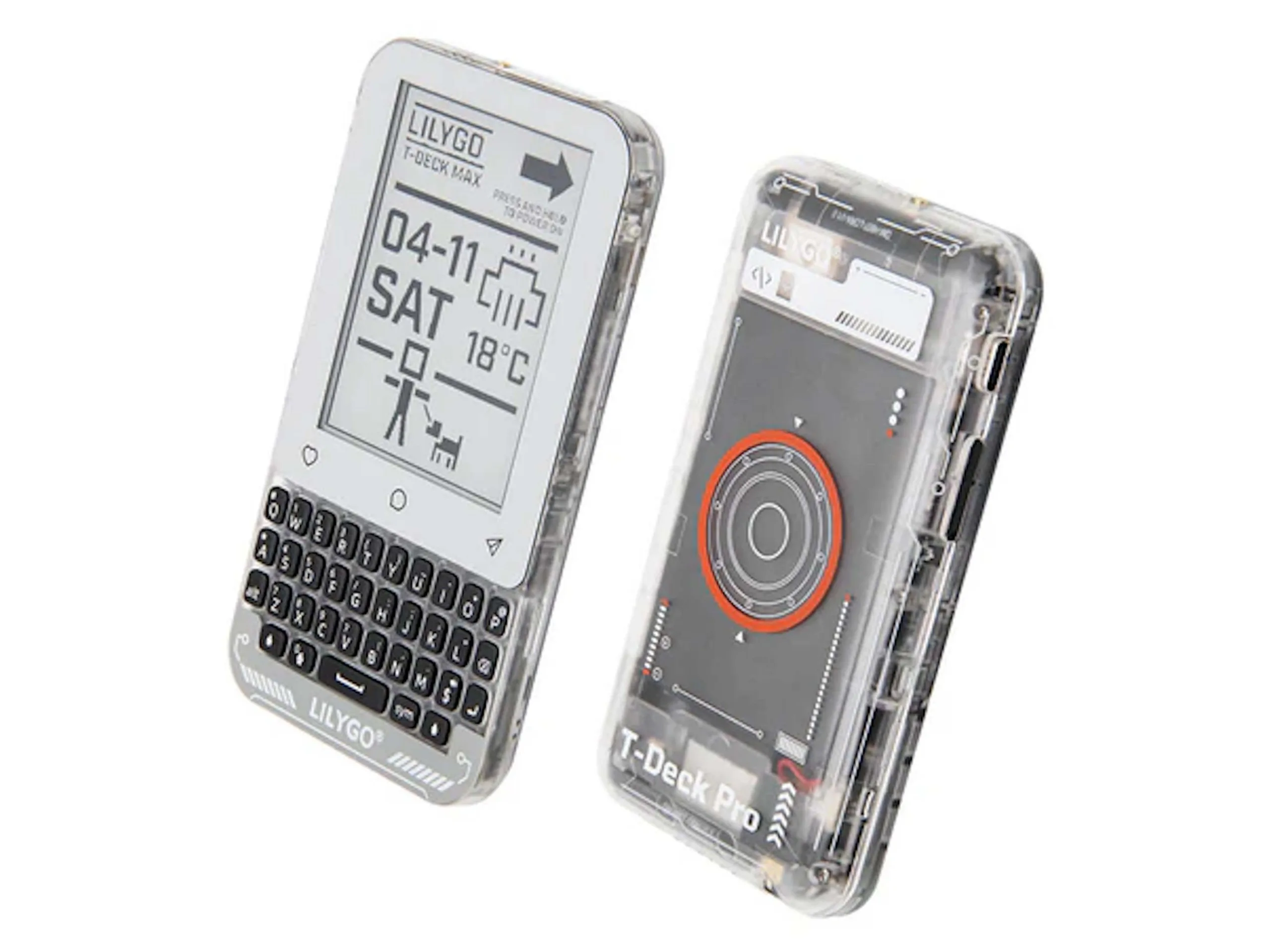
    The T-Deck Max is described as a new mobile device, or at least a new version of LilyGo’s T-Deck. It can broadly be approached like a smartphone, although the system does not run Android and is not necessarily a fully preconfigured product that is ready for end users out of the box. Instead, the model is likely aimed more at tinkerers. An ESP32-S3 is used as the main board, which limits performance. In practical terms, the system could be used to exchange data or messages.

    Unique Capabilities

    This opens up possibilities that a regular smartphone does not offer. The LilyGo T-Deck Max supports LoRa, which can be used to transmit relatively small amounts of data entirely independently of a cellular network. A GPS module is included, so location data can also be transmitted. This means the T-Deck Max could potentially be used on a large factory site as a personal emergency signaling device, for example. LoRa repeaters can then extend the effective range between such handhelds. A 4G connection is optionally available.

    Hardware and Display

    It uses a 3.1-inch display with a resolution of 320 x 240 pixels. The screen is based on an e-ink panel and should not consume much power. Additional sensors and actuators can be connected, and there is a microSD card slot. A microphone and speaker are already included, and programming can also be done using the Arduino or PlatformIO IDE. A keyboard is included, which should make it relatively easy to enter text directly. The T-Deck Max is listed by the manufacturer for around $110, and previous T-Deck models have also become available at some specialized retailers.

    Pricing and Compatibility

    The article notes that the T-Deck Max is listed by the manufacturer for around $110, and mentions that earlier T-Deck models have appeared at some specialized retailers. It also highlights compatibility with Arduino or PlatformIO IDEs for development, suggesting a flexible ecosystem despite the device not being a full consumer-ready smartphone.
    Sources

  • Elecrow CrowPanel 1.46″ Round Smart Home Display Launches

    Elecrow CrowPanel 1.46″ Round Smart Home Display Launches

    Key Takeaway

    – Compact 1.46-inch round touchscreen with 360×360 resolution, powered by an ESP32-S3, suitable as a development board and secondary display.
    – USB-driven (no HDMI/DisplayPort); programmable via Arduino IDE and LVGL for custom interfaces.
    – WiFi (2.4 GHz) and Bluetooth 5.0, enabling smart home integrations and wireless control.
    – Connectors for UART/I2C; no built-in sensors, requires external peripherals; needs external power source (no battery).
    – Priced at $30 direct from Elecrow; perspective for tinkering projects and potential smart-screen use.

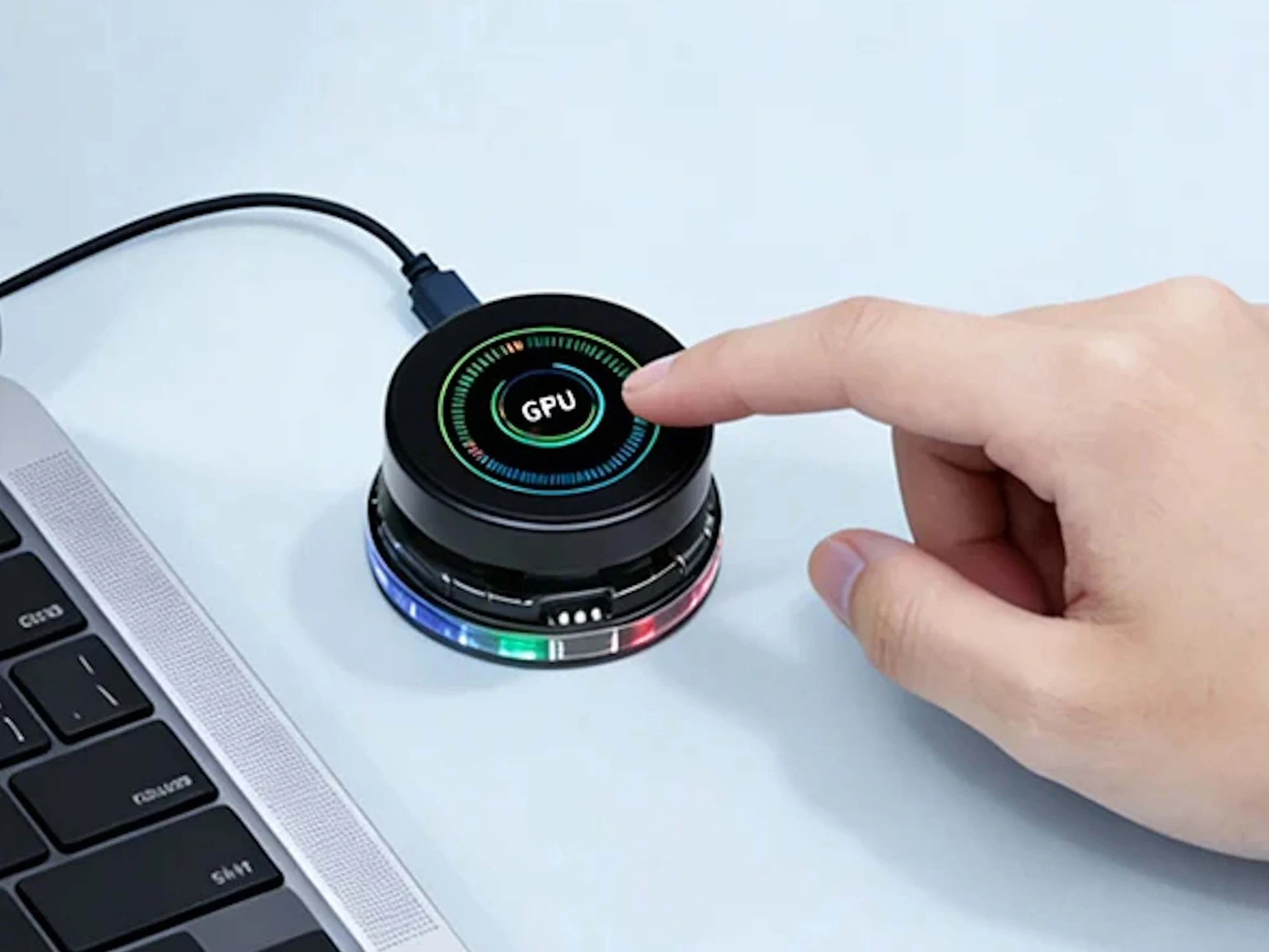
    The manufacturer Elecrow may be familiar to attentive readers. The company tends to offer products by and for makers rather than for traditional consumers. The new CrowPanel is not really an exception. With the compact, round display, the manufacturer is likely also targeting customers who have at least some interest in tinkering and building their own projects. The display has a 1.46-inch diagonal and a resolution of 360 x 360 pixels, so it should offer decent sharpness.

    Design and Interfacing

    This is a touchscreen, but the device itself can also be rotated, making it possible to quickly switch between different views, among other things. The display can be used for a wide range of projects. It can be used as a secondary screen for a PC or laptop, for example. However, the system is not controlled via HDMI or DisplayPort, but via USB. Accordingly, it has to be programmed to a greater or lesser extent. This is possible via the Arduino IDE, for example, while custom interfaces can reportedly be used with LVGL. The display has its own processor, specifically an ESP32-S3 chip.

    Embedded Capabilities

    This also makes the CrowPanel a development board with its own display. The ESP32-S3 supports 2.4GHz WiFi and Bluetooth 5.0 (BLE), allowing the display to be integrated into a smart home setup. The CrowPanel could therefore also be used as a compact smart screen or switch. Such a compact system could be useful for controlling an air conditioner or other devices, for example. There is no battery, so at least one cable is required for power.

    Connectivity and Applications

    The smart home display also has UART and I2C, which means additional sensors and actuators can generally be connected. The board does not include its own sensors, such as sensors for measuring humidity or temperature. The CrowPanel is currently available directly from the manufacturer for $30. Potential buyers should check the shipping conditions and may also want to look at sample projects.


    Sources

  • CrowPanel Advance 3.5: Affordable Smart Home Display with AI, Meshtastic & LVGL

    CrowPanel Advance 3.5: Affordable Smart Home Display with AI, Meshtastic & LVGL

    Key Takeaway

    1. Compact smart home display powered by ESP32-S3-WROOM-1-N16R8 with dual-core CPU and support for multiple wireless standards.
    2. Supports integration of Meshtastic, AI functions, speech recognition, and text-to-speech, enabling smart assistant features.
    3. Custom UI development is flexible with LVGL, Arduino IDE, or PlatformIO, allowing personalized smart home interfaces.
    4. Features a 3.5-inch IPS touchscreen with 480×320 resolution, capable of connecting external sensors, actuators, and a battery.

    Introduction to the CrowPanel Advance 3.5″-HMI (Meshtastic)

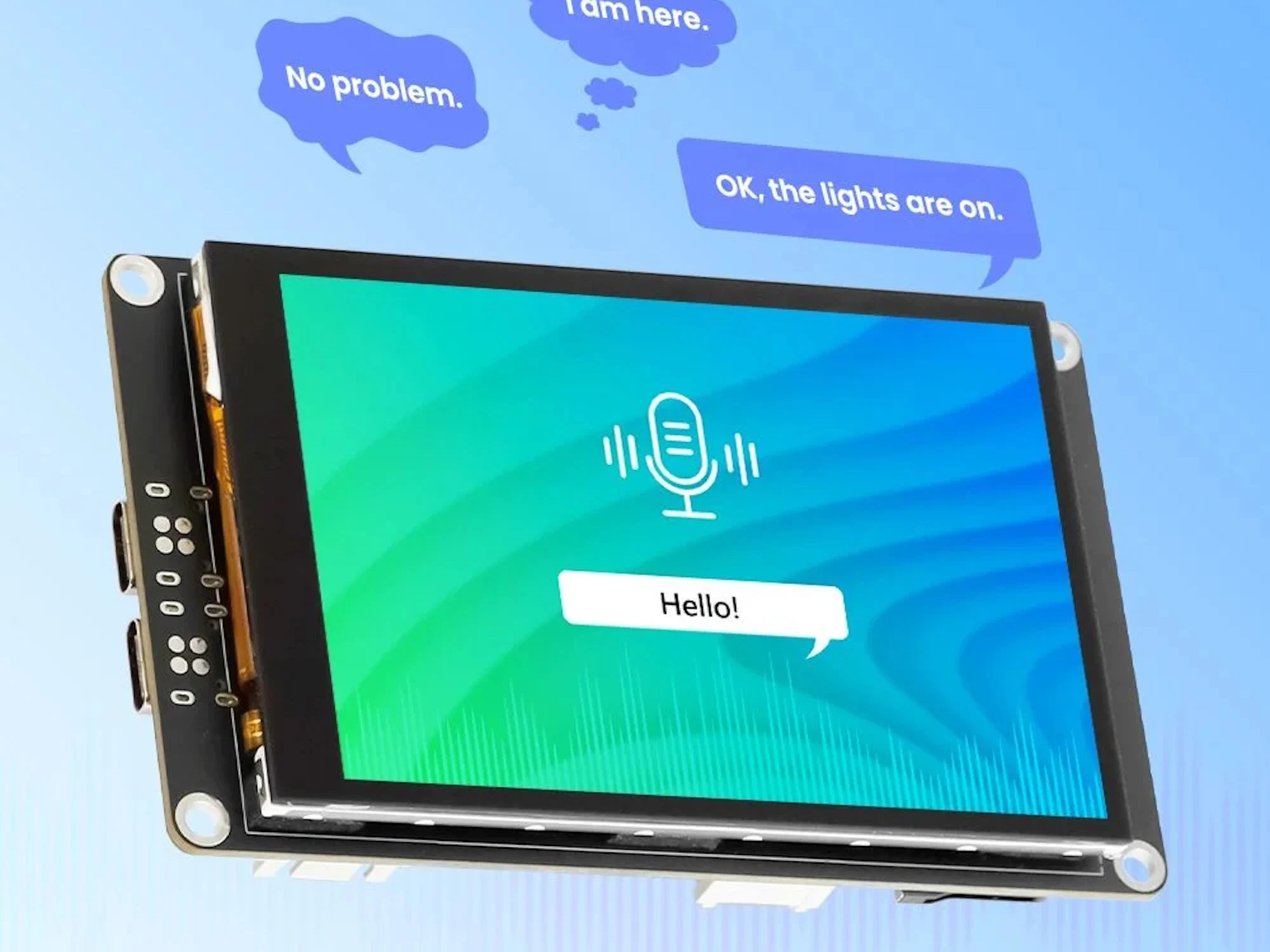
    The CrowPanel Advance 3.5″ HMI is an compact smart home display that tied based on the popular ESP32-S3-WROOM-1-N16R8 chip. It is quite popular amongst DIYers and makers because of its capabilities and size. The device sports a dual-core LX7 CPU working at up to 240MHz and already supports Wi-Fi 2.4GHz along with Bluetooth 5 LE, making it quite versatile. For additional wireless features like LoRa, ZigBee, Matter, Thread, or WiFi 6, you can easily add modules, offering a flexible connectivity options for various smart home projects.

    Features and Customization Options

    Bringing the crowpanel into your smart home setup is quite straightforward. Its support for Meshtastic with compatible modules makes network integration easier. You can program a custom interface, thanks to the support of LVGL, or choose other programming environments like the Arduino IDE or PlatformIO. This gives users a lot of flexibility in how they design their user experience. The display itself is a 3.5-inch IPS touchscreen with a resolution of 480 x 320 pixels, which is perfect for building simple control panels. External sensors, actuators, and even a battery can be connected, expanding its use cases.

    Smart Features and Price

    The device is not just a display but also comes with AI features including a built-in microphone and speaker that support speech recognition and text-to-speech functions. These features support seamless integration with smart assistants, making home automation easier. The unit’s price is set at $25 from the manufacturer, though it doesn’t include a case or additional nearby modules. Customers looking for instant options may find alternatives on Amazon. A notable fact is that this product is available directly from Elecrow, allowing for straightforward purchase and support.


    Sources

    • High Boy Hacking Device Launches on Kickstarter for Retro Gaming

      High Boy Hacking Device Launches on Kickstarter for Retro Gaming

      Key Takeaways

      1. The High Boy is designed as a next-gen hardware hacking device, prioritizing hacking features over traditional gaming or media functionalities.
      2. It is built using the ESP32-S3 microcontroller, featuring a dual-core processor and supporting Bluetooth 5.0 Low Energy.
      3. Key features include a 2-inch color display, USB Type-C port, microSD card reader, and a CC1101 radio modem for monitoring radio frequencies.
      4. The device aims to compete with existing options like the Flipper Zero and Interrupt, promoting open-source software and hardware integration.
      5. Backers can support the High Boy on Kickstarter for $100, with price increases expected as the campaign progresses.


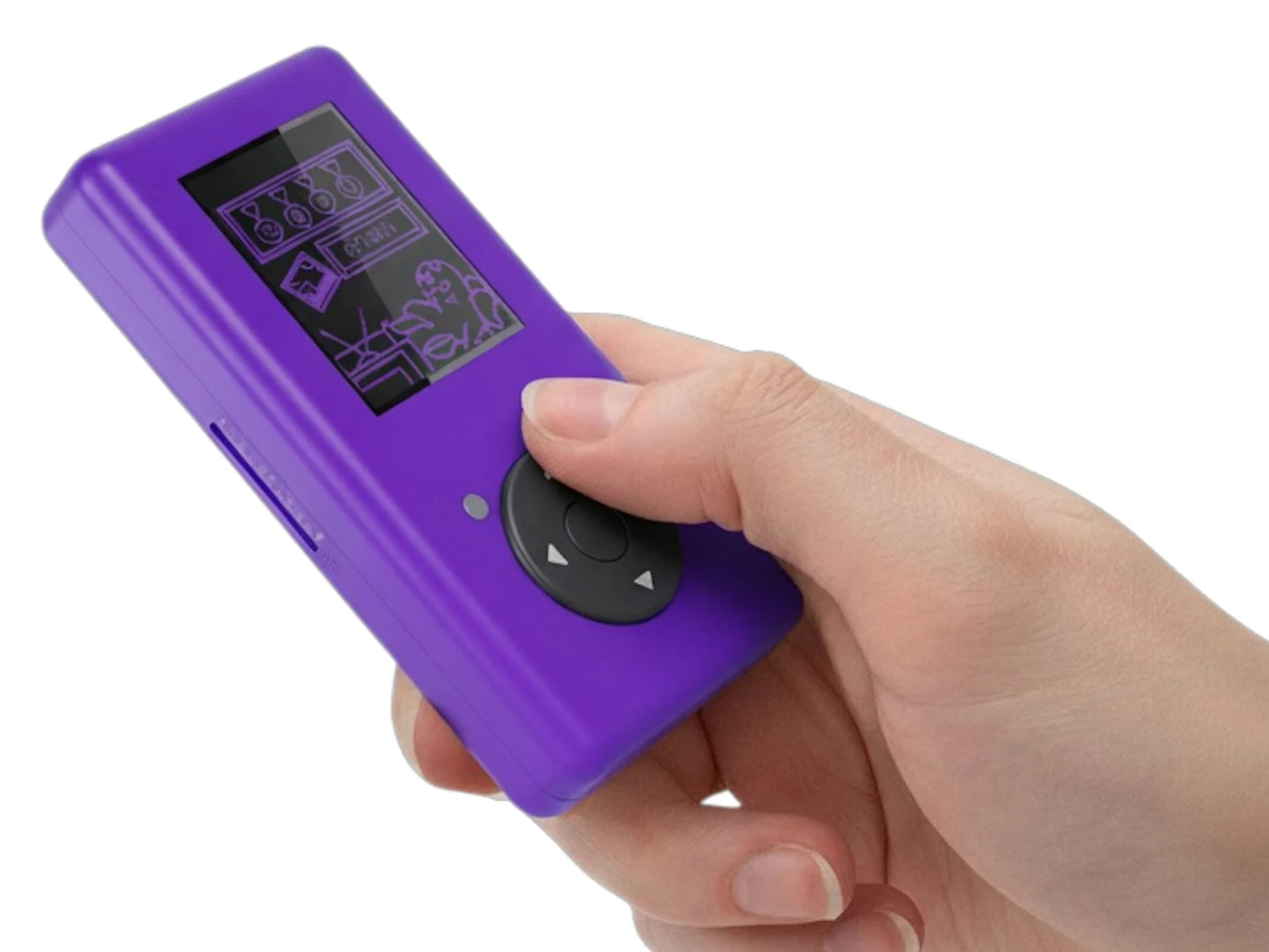
      The High Boy resembles an iPod or a low-cost gaming handheld at first sight, thanks to its vertical design and central control layout. Nonetheless, its developer, High Code, has crafted this device with hacking as a priority. Referred to as a “next-gen hardware hacking device,” the High Boy aims to compete with existing options like the Flipper Zero and Interrupt. It does this by merging open-source software and hardware with features such as Bluetooth Low Energy, GPIO access, 2.4 GHz Wi-Fi, NFC, and even an IR receiver built in.

      Hardware Specifications

      High Code has designed the High Boy using the ESP32-S3 microcontroller, which has been utilized in a variety of applications, including smart home display panels or the Arduino Nano ESP32 (currently priced at $20.90 on Amazon). For context, Espressif Systems manufactures the ESP32-S3, which is built around a dual-core Tensilica LX7 processor that operates at 240 MHz. It is paired with 512 KB of SRAM, 8 MB of PSRAM, 384 KB of ROM, 8 MB of flash storage, and supports Bluetooth 5.0 Low Energy.

      Additional Features

      In addition to this, the High Boy comes with a 2-inch color display, a USB Type-C port located at the bottom, and a microSD card reader. The company has also incorporated a CC1101 radio modem, which facilitates the monitoring of radio frequencies. Right now, backers can support the High Boy on Kickstarter as an alternative to the Flipper Zero for $100, with deliveries expected in June 2026. Be aware that prices are set to increase to $120 for the campaign’s Early Bird option and ultimately to $140 once these discounts are no longer available.


      Source:
      Link


    • Customizable Minimalistic E-Book Reader with E-Ink Display

      Customizable Minimalistic E-Book Reader with E-Ink Display

      Key Takeaways

      1. The Open Book Touch is a customizable e-reader developed by the maker community and will be sold through a CrowdSupply campaign.
      2. It is powered by an ESP32-S3 chipset, suitable for reading e-books but not as powerful as modern computer processors.
      3. The device features built-in WiFi and Bluetooth for wireless connectivity and can be programmed using Arduino and CircuitPython.
      4. It has compact dimensions (3.0 x 4.65 x 0.38 inches) and weighs around 3 oz, with a 4.26-inch display at a resolution of 480 x 800 pixels.
      5. The Open Book Touch includes a front light with adjustable color settings, a microSD card slot for storage, and a 1,800mAh battery for decent usage time.


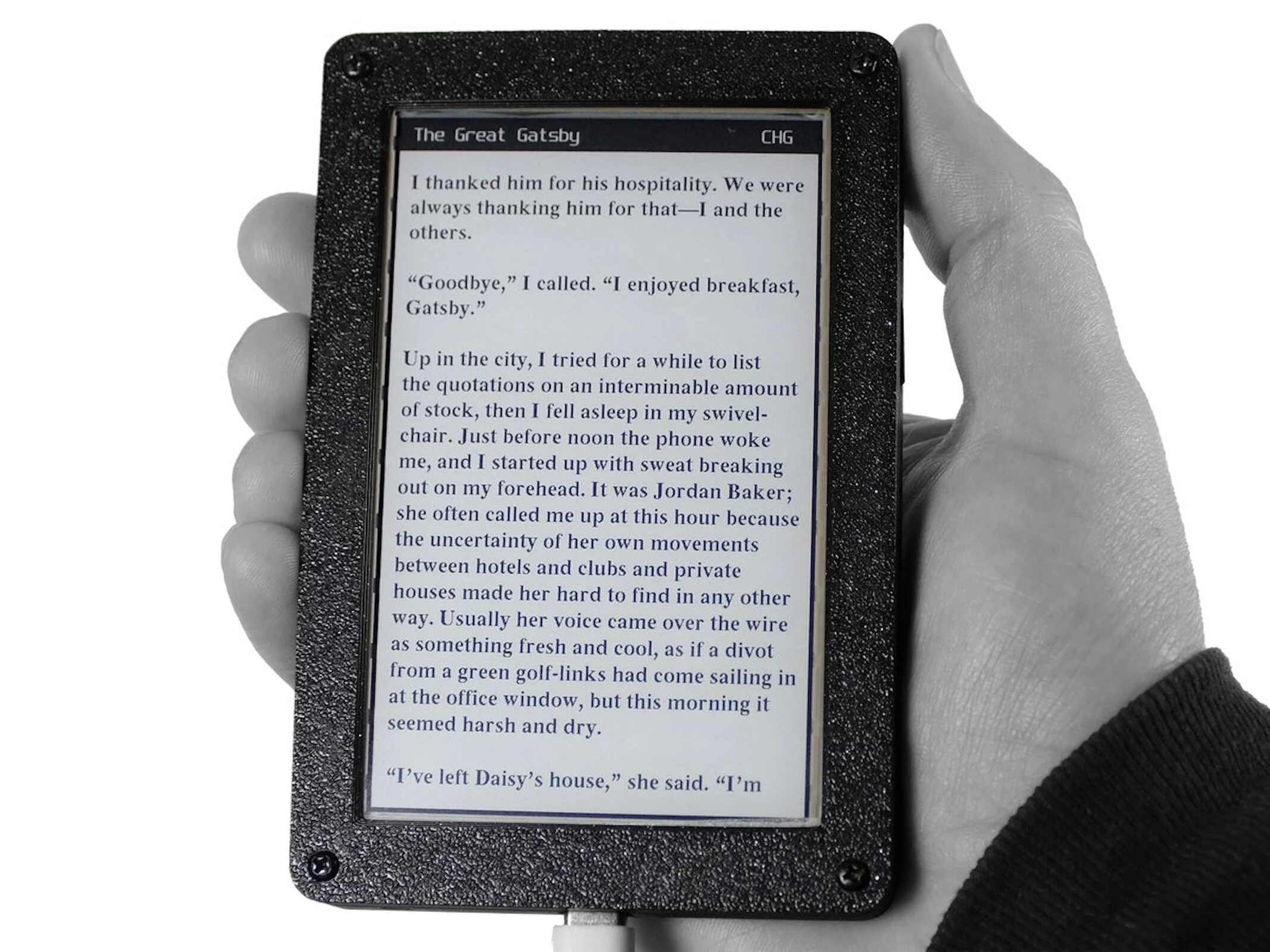
      Devices featuring e-ink displays come in many shapes and sizes, each with unique designs. Certain models are fully functional tablets equipped with e-ink screens, offering more than just reading e-books. These gadgets typically operate on Android and can be found at stores like Amazon. The recently unveiled Open Book Touch is a very simple e-reader that allows for extensive personalization.

      Open Book Touch Overview

      This initiative hails from the maker community and will be sold through a CrowdSupply campaign, although the exact price has not yet been disclosed. The e-book reader is driven by an ESP32-S3, a chipset commonly used in various development boards. While it doesn’t match the performance of a modern AMD or Intel APU, it is definitely adequate for reading e-books. The chip includes built-in WiFi and Bluetooth, enabling wireless connections. Additionally, the device can be programmed using Arduino and CircuitPython, allowing users to develop their own projects.

      Specifications and Features

      The Open Book Touch has dimensions of 3.0 x 4.65 x 0.38 inches and weighs approximately 3 oz. It boasts a small 4.26-inch display with a resolution of 480 x 800 pixels. The screen is also equipped with a front light that offers both cool and warm white settings. Furthermore, the device includes a microSD card slot for storing e-books and other compatible files. Finally, the integrated battery has a capacity of 1,800mAh, ensuring decent usage time.

      Source:
      Link


    • Kode Dot: Handheld Touchscreen Device for Hobbyists with Wi-Fi

      Kode Dot: Handheld Touchscreen Device for Hobbyists with Wi-Fi

      Key Takeaways

      1. The Kode Dot is a handheld gadget aimed at hobbyists for project creation, not the average consumer.
      2. It features an ESP32-S3 MCU, a 2.13-inch AMOLED touchscreen, two buttons, and a control pad for navigation.
      3. Users must program the device themselves, similar to an Arduino, and it supports connections to external sensors and actuators.
      4. The device includes a built-in gyroscope, microSD card slot, microphone, speaker, and wireless capabilities (Wi-Fi and Bluetooth).
      5. Priced at approximately $129, the Kode Dot is part of a crowdfunding campaign with an expected delivery date of July 2026.


      A new handheld gadget called the Kode Dot is now being supported through a crowdfunding campaign. It’s designed for flexible use, but it’s not aimed at the average consumer. The makers are focusing on hobbyists who want to quickly and easily create their own projects.

      Features and Components

      This portable device comes with an ESP32-S3 MCU, a System on Chip (SoC) that’s popular among makers. It has a 2.13-inch AMOLED touchscreen with a resolution of 502 x 410. Additionally, it includes two buttons and a control pad for easy navigation through menus, for instance.

      Users will need to program the model on their own, which is likely a big part of its attraction. Much like an Arduino board, it allows connections to external sensors and actuators, such as an LED or a light intensity sensor. A gyroscope is already included. There’s also a microSD card slot, and the 500 mAh battery allows for use on the go without the need for a power outlet. A microphone and speaker are built in, along with Wi-Fi and Bluetooth for wireless data transfer.

      Pricing and Availability

      The handheld system, which measures 73 x 43 x 15 millimeters, is currently priced at about $129 as part of its crowdfunding effort. As is usual with crowdfunding, there are certain risks involved, such as the chance that the device might not reach the market or might not work as promised. The expected delivery date is set for July 2026.

      Source:
      Link


    • $99 Open-Source AMOLED Display for Alerts and JavaScript Apps

      $99 Open-Source AMOLED Display for Alerts and JavaScript Apps

      Key Takeaways

      1. WebScreen is an open-source device that connects to monitors to display notifications and system information, targeting gamers and content creators.
      2. It supports cross-platform notifications from Linux and popular applications like Slack and Discord, allowing for customization and integration with smart home setups.
      3. The compact design (68 x 60 x 54 mm, 100 grams) connects via USB-C and can be stacked with other webcams while enabling live JavaScript coding and debugging.
      4. A marketplace for JavaScript apps and enclosure designs is planned, with current offerings including productivity timers, games, and smart home monitors.
      5. Manufacturing includes in-house 3D printing in Japan, with distribution managed by Mouser Electronics, while risks include tariff changes, component shortages, and firmware issues.


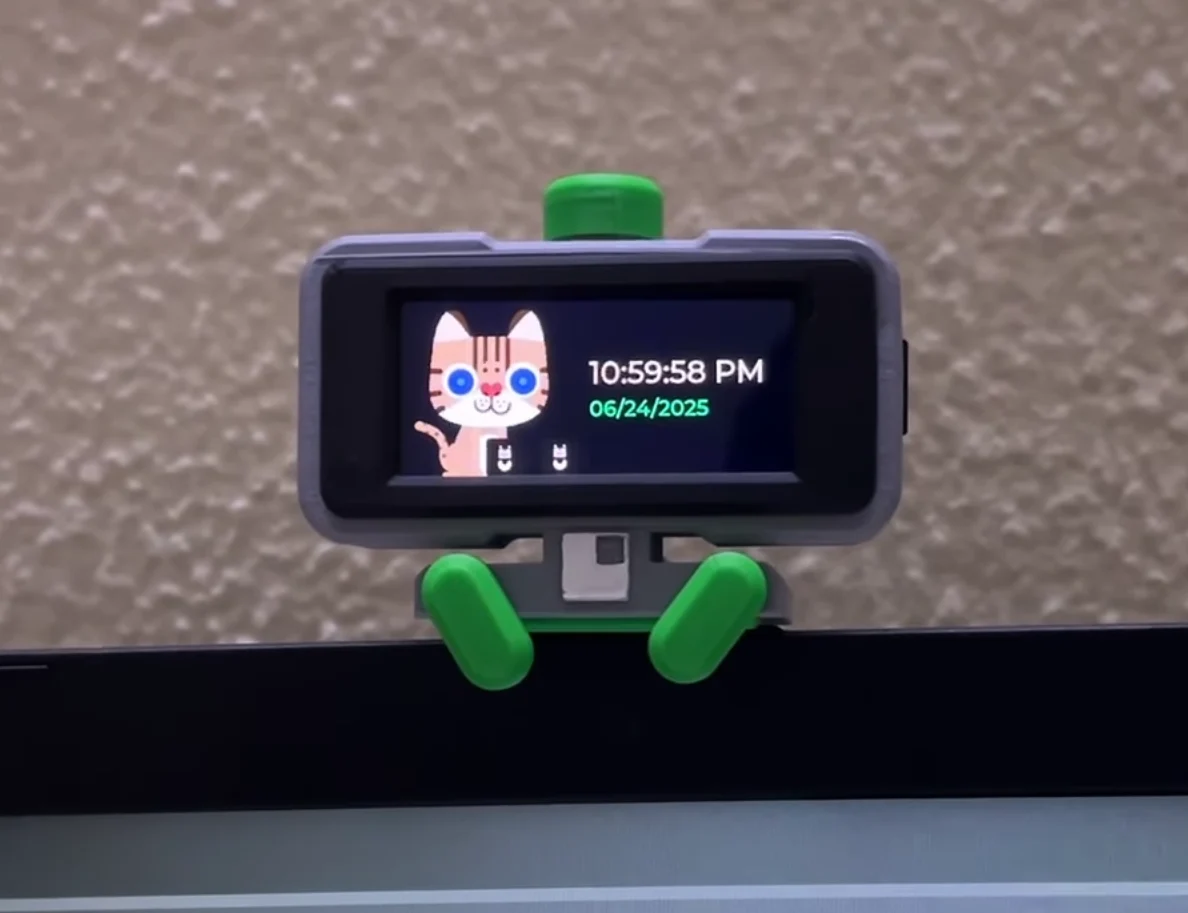
      WebScreen is a nifty, open-source gadget that connects to a monitor like a webcam, displaying notifications, reminders, and system information. Aimed at gamers and content creators, it features a 1.9-2.1 inch AMOLED screen and utilizes an ESP32-S3 microcontroller. The device runs JavaScript apps directly from a microSD card, with support for Wi-Fi and Bluetooth to provide real-time data updates.

      Focus on Cross-Platform Compatibility

      With feedback from early users, WebScreen is designed to deliver cross-platform notifications from Linux desktops and applications such as Slack and Discord. Its open-source design is beneficial for developers wanting to personalize the device or integrate it with smart home setups. According to the Crowd Supply website, typical uses include productivity timers, dashboards, webcam lighting, and assisting with streaming. The device is set to launch at a price of $99.

      Compact and Convenient Design

      Measuring 68 x 60 x 54 mm and weighing around 100 grams, the device connects and powers through USB-C. Its design allows it to mount on top of a monitor, making it possible to stack it with other webcams. All hardware and software components are open-source and released under licenses that promote community contributions. A Serial IDE is included for live JavaScript coding and debugging, eliminating the need to remove the microSD card.

      Expanding the Ecosystem

      WebScreen plans to feature a marketplace for JavaScript applications, enclosure designs, and hardware tweaks. Some current app offerings include reminders, a Pomodoro timer, a Doom minigame, and smart home monitors. Available enclosure colors are black, blue, green, pink, red, and orange. Manufacturing includes in-house 3D printing of enclosures in Japan, with Mouser Electronics managing global distribution through Crowd Supply. Noted risks involve changes in tariffs, shortages of components, firmware issues, and delays in certification.

      Source:
      Link


    • T5 E-Paper Developer Board with LoRa, E Ink, and MagSafe Features

      T5 E-Paper Developer Board with LoRa, E Ink, and MagSafe Features

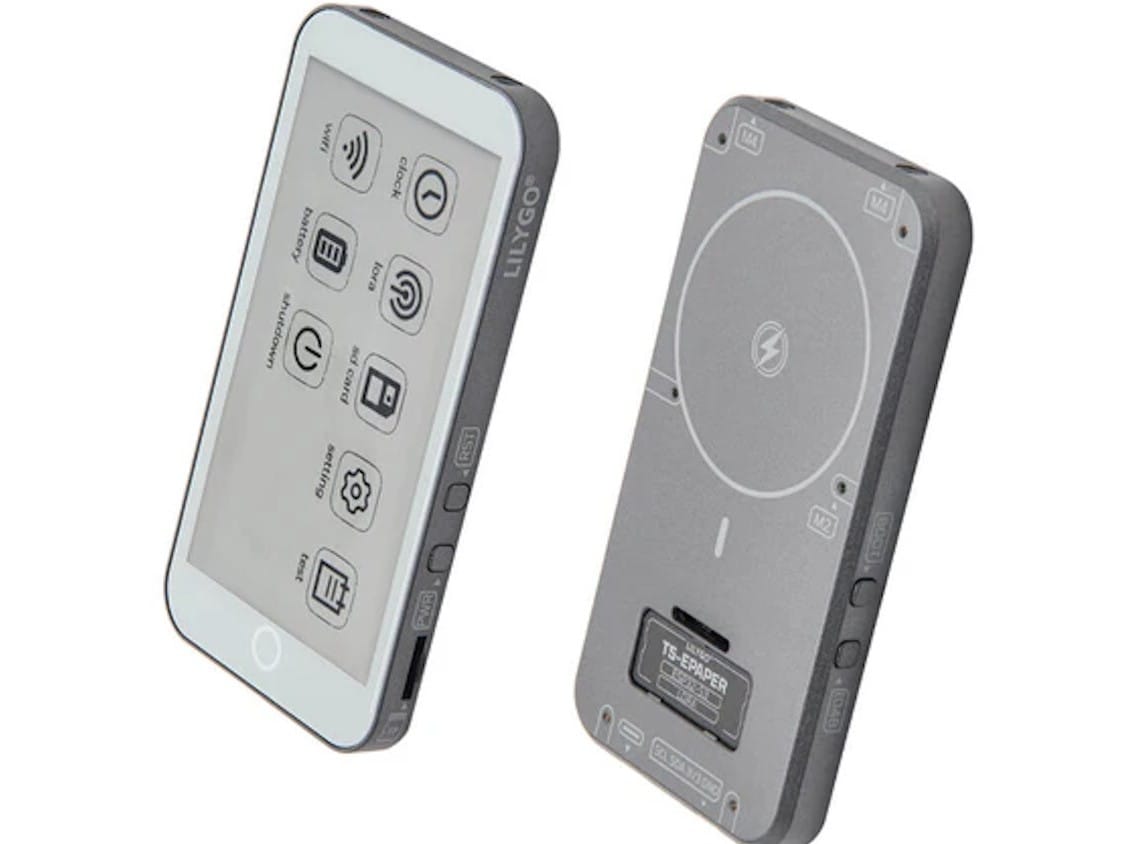
      LilyGo has introduced a new developer board featuring a 4.7-inch E Ink capacitive touchscreen with a resolution of 960 x 540. Like most E Ink displays, this one is designed for easy reading in bright sunlight. While it doesn’t support colors, it can show 16 shades of grey. The purpose of using an E Ink display is to achieve lower power usage compared to traditional screens.

      Technical Specs

      This device is powered by an ESP32-S3 chip, which means it’s not able to run a desktop OS like Windows. Instead, the T5 E-Paper S3 Pro is tailored for programming platforms such as VS Code and Arduino IDE. It includes 16 MB of flash memory, along with 8 MB of PSRAM. Users can also take advantage of a memory card for additional storage.

      Connectivity Options

      The board supports wireless communication not just through WiFi in the 2.4 GHz range and Bluetooth 5, but also through LoRa technology, enabling long-distance data transmission. This feature is particularly useful for IoT devices that typically transmit small amounts of data. Finally, the T5 E-Paper S3 Pro has dimensions of 129 x 69 x 11 mm (LxWxH) and supports MagSafe-compatible wireless charging.

      LILYGO is currently listing the price at $73.06, but the unit is out of stock at the moment. For those who seek a more affordable option, the Vision Master E213 on Amazon could be a good alternative.

      Source: Link


      Image 1