Category: Computers

  • Google’s Willow Quantum Chip Completes 10-Septillion-Year Task in Minutes

    Google’s Willow Quantum Chip Completes 10-Septillion-Year Task in Minutes

    Google’s latest quantum processor, Willow, is creating a buzz due to its revolutionary error correction capabilities. It’s able to handle calculations that would take traditional supercomputers billions of years to complete. This 105-qubit chip represents a significant advancement in quantum computing, particularly in addressing the critical issue of quantum error rates.

    Advancements in Error Correction

    Willow effectively minimizes error rates by expanding its qubit grids from 3×3 to 7×7, achieving a 50% reduction in errors with each increase. This is the first instance where quantum systems have reached “below threshold” performance since Peter Shor introduced the idea of quantum error correction back in 1995.

    Incredible Performance

    In testing, Willow accomplished tasks in less than five minutes that would take roughly ten septillion years (10^25 years) on Frontier, one of the fastest supercomputers globally. The test utilized Random Circuit Sampling (RCS), known to be one of the most challenging benchmarks for quantum computers.

    Another impressive feature of Willow is its T1 times, which indicate how long qubits can maintain their state — now nearly 100 microseconds. This is five times better than earlier versions. Willow was developed at Google’s advanced quantum facility in Santa Barbara, one of the rare locations globally designed specifically for creating quantum chips.

    Aiming for Practicality

    However, Google’s efforts with Willow are not merely about showcasing impressive figures. They are also striving to transform quantum computing into a practical tool, seeking to evolve quantum supremacy into a solution for real-world challenges. Currently, Willow is employed in areas like scientific simulations and quantum system modeling, with future potential applications in enhancing AI training, drug discovery, and energy efficiency.

    Despite Willow representing a significant move toward commercially viable quantum computing, the technology remains in the experimental phase. Google is persistently refining it, concentrating not only on increasing the number of qubits but also ensuring that the technology is dependable and applicable for practical use.

    Source: Link


    Image 1
    Image 1
  • IBM ThinkPad: How Lenovo Transformed into a PC Powerhouse

    IBM ThinkPad: How Lenovo Transformed into a PC Powerhouse

    On December 7, 2004, a shocking announcement was made: IBM, a pioneer in the personal computing realm known for the creation of the PC, declared it would exit the market. The iconic ThinkPad line of computers would now be produced by a Chinese firm named Lenovo, a partnership that continues today, two decades later. What led to this shift? How did Lenovo rise to become the largest PC maker by volume globally?

    The Shift in the Market

    In the early 2000s, the laptop and desktop segments were dominated by American firms like HP, Dell, IBM, and Compaq. Yet, the landscape began to change with the emergence of Asian companies such as Asus, Acer, and Legend, which transitioned from manufacturing PCs for U.S. brands to launching their own. Simultaneously, the popularity of laptops surged, overtaking desktops in sales, and prices began to fall, making laptops accessible to many consumers. This led to fierce competition among PC manufacturers, centered around pricing.

    IBM’s Tough Spot

    This competitive environment set the stage for IBM’s 2004 decision. The once-thriving PC division was experiencing significant financial losses, as “Big Blue” struggled to compete on pricing with its rivals. Although ThinkPad laptops were known for their exceptional quality and reputation, they also came with a hefty price tag— the IBM ThinkPad T series had a starting price of $2,150 in 2002, roughly equivalent to $3,800 today when adjusted for inflation.

    IBM was unable to pivot its strategy to accommodate a potentially low-margin business. Thus, the decision was made to divest from the PC sector. But who would be interested in acquiring a money-losing division? Enter Legend, which rebranded as Lenovo, eyeing an expansion into Western markets. Previously, Legend primarily sold affordable consumer PCs within China, and IBM’s PC division looked like a gateway to reach the West.

    Transition and Doubts

    When Lenovo took control in mid-2005, skepticism was rampant. Could this inexperienced Chinese company maintain the quality associated with IBM? Could they return the business to profitability? Would all the development shift to China?

    Lenovo’s approach was quite intelligent: Instead of a complete takeover, they appointed former IBM executives to lead the new entity. IBM’s development centers in the USA and Japan remained operational, and for several years, ThinkPads continued to bear the “IBM ThinkPad” branding. This strategy helped ease customer concerns during the transition.

    At the same time, Lenovo worked on lowering manufacturing costs. They phased out costly hardware options like the IBM FlexView IPS screens and established a closer partnership with Microsoft, marked by the inclusion of Windows keys on ThinkPad keyboards—something IBM had never done. The design of ThinkPads largely stayed the same during Lenovo’s first five years of ownership, while new premium models like the ThinkPad X300 and ThinkPad X1 Carbon were introduced. Lenovo successfully retained the ThinkPad brand as a strong name in the business market, outselling IBM and regaining profitability.

    Expanding Horizons

    With a solid reputation as the ThinkPad manufacturer, Lenovo began to tap into the consumer market. Initially, many of its consumer laptops were of lower quality and largely designed in China. However, over time, Lenovo’s consumer laptops began to resemble ThinkPads more closely, featuring similar keyboards and improved quality. The company also introduced premium consumer lines like Yoga and Legion gaming laptops.

    Ultimately, Lenovo managed to turn the business around. While profit margins were tight, selling PCs became lucrative again. By 2013, Lenovo surpassed HP to become the largest PC manufacturer by volume, a title it has maintained for 11 years. With this success in the PC sector, Lenovo ventured into other domains as well, acquiring the American brand Motorola Mobility in 2014, thus adding a well-known smartphone line to its offerings. That same year, IBM sold its System X server business to Lenovo, bringing their story full-circle.

    The Future Ahead

    With a trade war brewing between the U.S. and China, the future of this Chinese-American hybrid company is intriguing. Lenovo has managed to steer clear of U.S. government scrutiny, unlike other Chinese firms such as Huawei.

    However, Lenovo’s reliance on partners like Intel could pose risks. Intel, once the sole processor supplier for ThinkPad laptops, has long supported its PC partners with subsidies for hardware development. A failure at Intel could significantly impact Lenovo.

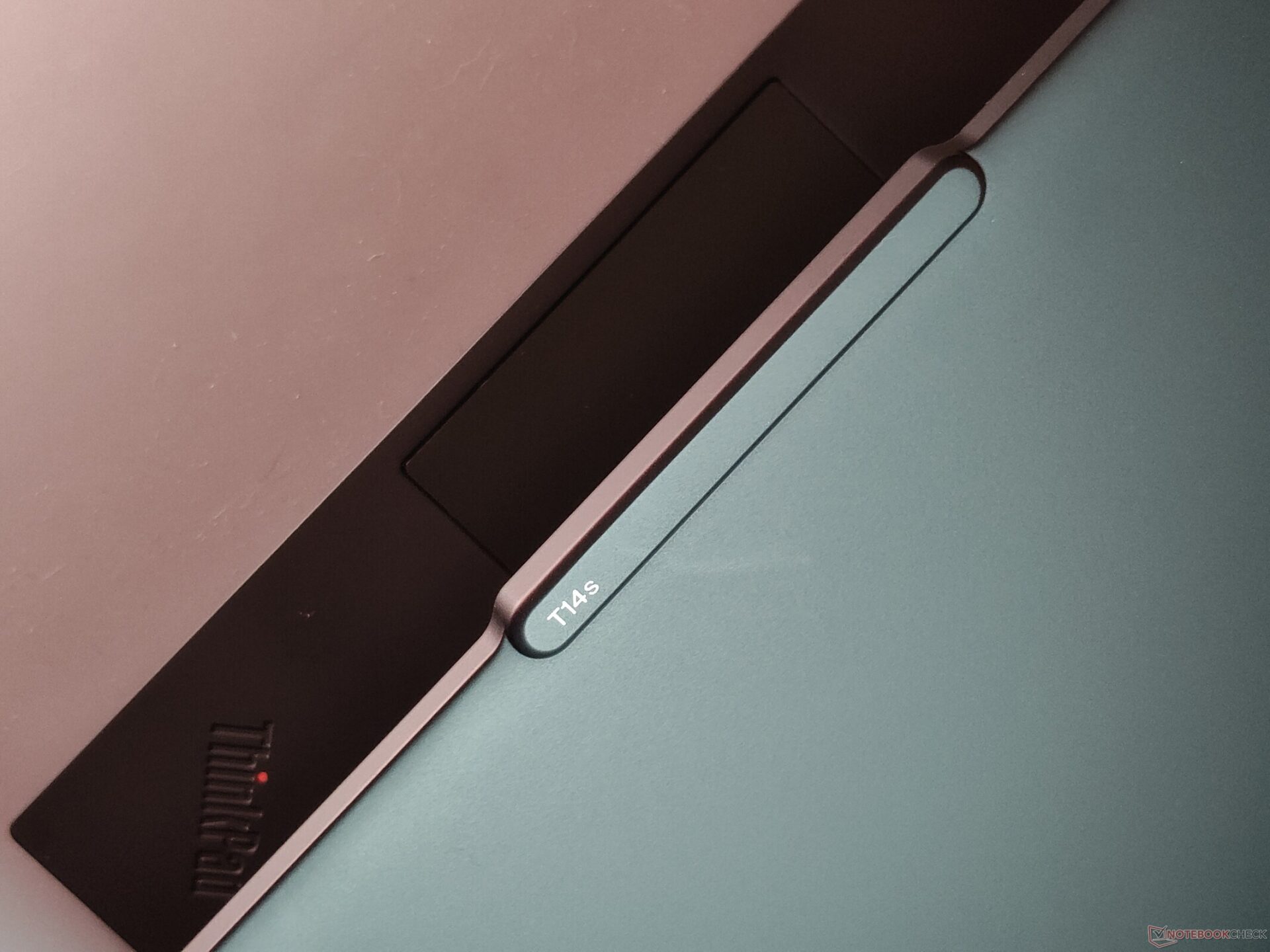
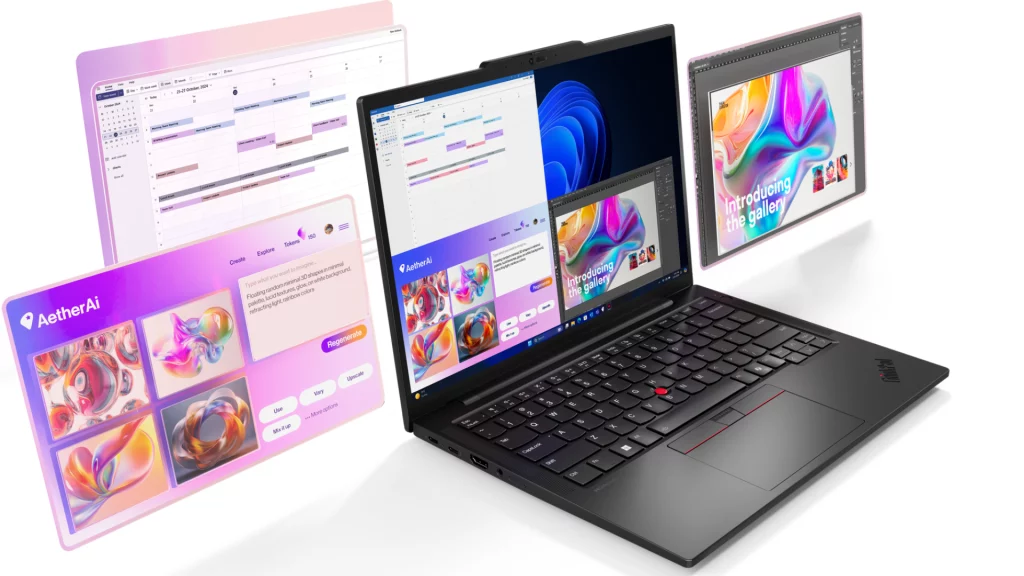
    On the bright side, Lenovo has diversified its offerings, now producing ThinkPad laptops like the ThinkPad T14s Gen 6, which uses Qualcomm Snapdragon chips and AMD Ryzen AI CPUs. This shows the company understands the importance of diversifying its partnerships. Unlike IBM, which boasted the resources and vision to be self-sufficient, Lenovo is dependent on its tech partners. Whether this reliance will prove to be a strength or a weakness remains to be seen as time progresses.

    Source: Link


    Image 1
    Image 1
    Image 1
    Image 1
    Image 1
  • Lenovo ThinkPad T14s Gen 6: AMD Ryzen, 17-Hour Battery, WUXGA Display

    Lenovo ThinkPad T14s Gen 6: AMD Ryzen, 17-Hour Battery, WUXGA Display

    Lenovo India has launched the ThinkPad T14s Gen 6 (AMD), a small yet powerful AI-focused computer aimed at businesses and IT users. The heart of this machine is the AMD Ryzen AI 7 PRO 360 processor, which boasts the ability to provide up to 50 TOPS of AI processing power. This makes it highly effective for advanced data analysis and real-time machine learning applications.

    Features of the ThinkPad T14s Gen 6 (AMD)

    The ThinkPad T14s Gen 6 includes a 14-inch WUXGA touchscreen and maintains a solid ThinkPad design recognized for its durability. With the 4nm architecture Ryzen AI 7 PRO 360 processor, it integrates AMD Radeon 880M graphics to ensure smooth performance even for graphic-intensive tasks. It claims a battery life exceeding 17 hours on a single charge, ideal for professionals needing consistent productivity throughout their workday.

    Enhanced Security and Connectivity

    Security is a major focus for this laptop, which incorporates Lenovo’s ThinkShield to safeguard sensitive information. It offers a variety of connectivity options, such as dual Thunderbolt 4 ports, Wi-Fi 7 for speedy wireless connections, USB-A ports, HDMI, and an optional SIM slot for added versatility.

    The laptop comes in different configurations, supporting up to 64GB of LPDDR5X RAM and up to 1TB of SSD storage. It runs on either Windows 11 Pro/Home or Ubuntu Linux. Weighing just 1.30kg, the ThinkPad T14s combines portability with power, and features a 58Wh battery that supports 65W rapid charging for quick power-ups.

    Pricing and Availability

    The starting price for the Lenovo ThinkPad T14s Gen 6 (AMD) is Rs. 1,37,270 for the model with 32GB RAM and 256GB SSD storage in the Eclipse Black color. It is currently available for purchase on Lenovo’s official website and at select retail stores.


    Image 1
    Image 1
  • China Launches Antitrust Investigation Against Nvidia for Monopolies

    China Launches Antitrust Investigation Against Nvidia for Monopolies

    The State Administration for Market Regulation in China has initiated an investigation into Nvidia, accusing the company of anti-monopoly infractions related to its $6.9 billion purchase of Mellanox Technologies back in 2020.

    Nvidia’s Acquisition Journey

    Nvidia revealed its plans to acquire the Israeli network product supplier in 2019, successfully completing the acquisition in 2020 after receiving the green light from antitrust regulators in the US, EU, and China. China gave its approval with a stipulation that Nvidia would treat Chinese companies fairly and without bias.

    Regulatory Requirements

    According to a report from Bloomberg, China required Nvidia to share details about new Mellanox products within 90 days after they became accessible to Nvidia itself.

    The US has enforced export bans on more than 140 Chinese firms for various components, including GPUs, lithography machines, and CPU design software. In retaliation, the Chinese government has taken measures such as banning Apple iPhones in government agencies and prohibiting the use of AMD and Intel processors in servers operated by state entities.

    Recent Developments

    Earlier this month, in response to additional US sanctions, China decided to halt exports of critical materials essential for microchip manufacturing to the US.

    A representative from Nvidia informed Bloomberg that the company would be “glad to respond to any inquiries regulators may have regarding our operations.” The representative emphasized that Nvidia strives to deliver the finest products possible in all markets while keeping its commitments intact in every location where it operates.

    Source: Link

  • MacBook Pro 2026: OLED Display, Hole-Punch Camera, No Notch

    MacBook Pro 2026: OLED Display, Hole-Punch Camera, No Notch

    Apple is gearing up to introduce new MacBook Pro models equipped with OLED displays and an upgraded camera system in 2026, as revealed by a recent roadmap from Omdia. The upcoming models are likely to replace the current notch with a hole-punch camera design, and they might even feature the Dynamic Island that iPhone users have come to know.

    New Display Features

    These refreshed MacBook Pros will come with 14.3-inch and 16.3-inch Hybrid OLED screens that utilize RGB Tandem and Oxide TFT technology, along with support for Dynamic Frame Rate. The new dimensions are slightly larger than the existing 14.2-inch and 16.2-inch Mini LED displays.

    Benefits of OLED

    Transitioning to OLED is expected to provide several significant improvements, including brighter screens, enhanced contrast with richer blacks, and better battery life for extended usage. Such advancements might also allow future MacBooks to be slimmer overall.

    Design and Chip Updates

    However, before we see these changes, the MacBook Pro will maintain its current design, with models in 2025 getting an upgrade to the new M5, M5 Pro, and M5 Max chips. Omdia indicates that OLED screens will remain exclusive to the MacBook Pro for a period of two years, with the MacBook Air receiving them only in 2028.

    The elimination of the notch could create more space for the macOS menu bar, resulting in a more integrated display experience. Yet, specifics regarding the functionality of the hole-punch camera and Dynamic Island remain uncertain.

    Source: Link

  • AMD Strix Halo CPU Launches on Geekbench with RTX 4060 Performance

    AMD Strix Halo CPU Launches on Geekbench with RTX 4060 Performance

    If the latest buzz is true, AMD plans to unveil its all-Zen 5 core Strix Halo series of laptop processors during CES 2025. Earlier information hinted that these chips would carry the Ryzen AI Max label to set them apart from standard Strix Point CPUs. A fresh listing on Geekbench has seemingly confirmed this, revealing essential specifications for a new Strix Halo model. Previously, we witnessed the near-flagship Ryzen AI Max 390 in action. Now, we’re getting a glimpse of its top-tier sibling.

    Strix Halo CPU Details

    The 16-core Strix Halo CPU has appeared on the benchmarking site, identified as the AMD Ryzen AI Max+ Pro 395. The inclusion of ‘Pro’ indicates that this version is likely targeted at business devices. However, whether a standard version will also be released is still uncertain. It’s clear this is not a final production unit, as suggested by its boost clock of 4.4 GHz. The listing indicates that this was part of an AMD testing setup rather than a laptop ready for consumers.

    Performance Insights

    On the Geekbench platform, the Ryzen AI Max+ Pro 395’s 40 CU Radeon 8060S (or whatever it was previously called) GPU performs well in the Vulkan benchmark, achieving a score of 67,004. This places it between the Nvidia GeForce RTX 4060 (63,264) and RTX 4070 (73,707), aligning with prior expectations. With future firmware and driver updates, we can anticipate that its performance might edge closer to the RTX 4070. However, it likely won’t excel in gaming, as it appears to be designed primarily for enterprise-focused tasks.

    Conclusion

    In summary, the AMD Ryzen AI Max+ Pro 395 seems to be shaping up as a powerful addition to the Strix Halo lineup, though its gaming capabilities may not be its strong suit. As CES 2025 approaches, more details regarding this CPU and its potential variants will likely emerge, providing further insight into AMD’s strategy in the laptop market.


    Image 1
  • Chargie: Boost Your Laptop Battery Lifespan Efficiently

    Chargie: Boost Your Laptop Battery Lifespan Efficiently

    Batteries naturally decline in their ability to hold a charge as they age. Operating systems like Windows and macOS already include various tools designed to help prolong battery life. Chargie aims to simplify the process of safeguarding laptop batteries. This compact device plugs into the USB-C charging port and connects to the laptop’s charging cable. There are also adapters for Dell, HP, and Lenovo laptops that use a traditional hollow plug rather than USB-C.

    Features and Functionality

    Chargie works with chargers that have an output of up to 100 watts. Once it’s connected, the device must be paired with the laptop via Bluetooth to set it up using its dedicated software. The application is compatible with Windows, macOS, and Chrome OS, allowing users to limit the maximum battery charge to a specific percentage, such as 80%. This helps to extend battery life, as fully charging or depleting a battery can cause additional strain.

    While it’s possible to achieve similar results through software alone, Chargie provides extra functionalities. It enables users to set charging schedules and monitor as well as limit the current charge rate. The concept is that slower charging generates less heat, which in turn protects the battery cells. As a result, charging may take a longer time. An update anticipated in the second quarter of 2025 will allow Chargie to also be used with smartphones.

    Pricing and Risks

    At present, Chargie is being funded through a Kickstarter campaign, where it can be pre-ordered under the “Early Bird” deal for $40. After this initial offer, the price will increase to $49. The expected delivery date is February 2025, with the prices not covering shipping and import taxes. As is common with crowdfunding initiatives, there are inherent risks: products may not arrive, or they might be of subpar quality if issues arise during production.


    Image 1
  • China Launches Tianyan-504: A 504-Qubit Quantum Computer

    China Launches Tianyan-504: A 504-Qubit Quantum Computer

    China has reached a significant achievement in quantum computing with the introduction of the Tianyan-504, a superconducting quantum computer featuring a 504-qubit chip known as “Xiaohong.” This marks a major advancement for China, as it surpasses the 500-qubit threshold and enhances its national quantum computing capabilities.

    Development of the Xiaohong Chip

    The Xiaohong chip was created by the Center for Excellence in Quantum Information and Quantum Physics, which is part of the Chinese Academy of Sciences. Once the chip was completed, it was transferred to QuantumCTek Co., Ltd., a company specializing in quantum technology located in Anhui Province. The essential specifications of the chip—such as qubit lifespan, gate precision, and the depth of quantum circuits—are anticipated to be comparable to some of the leading global quantum computing platforms, particularly those that function through the cloud.

    Integration into Global Platforms

    Plans are underway to incorporate the Tianyan-504 into the “Tianyan” quantum computing cloud platform, enabling users worldwide to access the system. Since its launch in November 2023, this platform has already attracted more than 12 million visits from individuals across over 50 nations.

    In May 2023, China Telecom Quantum Group was formed and is collaborating with QuantumCTek to further the advancement of quantum computers utilizing the Xiaohong chip.

    A Continuation of Quantum Success

    This latest milestone builds on China’s previous achievements in quantum technology, which includes the “Jiuzhang 2.0” and “Zuchongzhi 2.1” systems. For instance, the Jiuzhang 2.0 operates with 113 detected photons, while the Zuchongzhi 2.1 consists of 66 qubits. With these innovations, China stands out as the only nation possessing a quantum advantage in both photonics and superconducting quantum computing.

  • Raspberry Pi 500 Keyboard PC and New Portable Monitor Launch

    Raspberry Pi 500 Keyboard PC and New Portable Monitor Launch

    The Raspberry Pi Foundation is wrapping up the year with two new product launches. Recently, they just unveiled the Raspberry Pi Compute Module 5 (CM5), which enhances the already popular CM4 (currently priced at $59 on Amazon). Now, the Foundation is replacing one of its more unique items with a fresh release.

    New Release Details

    Introducing the Raspberry Pi 500, which takes the place of the Raspberry Pi 400 that has been available since late 2020. As expected, the Raspberry Pi 500 is powered by the Broadcom BCM2712 chipset, which is also found in other fifth-generation Raspberry Pi models. The Foundation provides this device with 8 GB of LPDDR4X RAM running at 4,267 MT/s and includes a 32 GB MicroSD card.

    Specifications and Design

    On the back side of the device, you’ll find three USB Type-A ports, a MicroSD card reader, a Gigabit Ethernet port, and two Micro HDMI ports. Similar to the Raspberry Pi 5, the Raspberry Pi 500 also has a USB Type-C port for power and a 40-pin GPIO header, all packed into a compact size of 286 x 122 x 23 cm.

    At present, the Raspberry Pi 500 is priced at $90, or $120 when bundled with accessories like a power supply and a mouse. Additionally, the Foundation is now offering the Raspberry Pi Monitor for $100. This monitor features a 15.6-inch IPS display that delivers 1080p resolution with a 16:9 aspect ratio, peak brightness of 250 nits, and a refresh rate of 60 Hz. The portable monitor can be connected via HDMI or USB Type-C and stands up thanks to its built-in kickstand. It’s important to note that while the monitor has VESA mounts, it can only achieve 60% brightness and 50% volume when using USB Type-C. For more details, check the Raspberry Pi Foundation’s website.


    Image 1
    Image 1
  • Honor MagicBook Art 14 Launched in Europe with Snapdragon X Elite

    Honor MagicBook Art 14 Launched in Europe with Snapdragon X Elite

    After recently being introduced in China, Honor has now brought the MagicBook Art 14 Snapdragon to the European market. This new version of the lightweight laptop features a Qualcomm Snapdragon X Elite chipset and is designed to be sleek, equipped with AI features, and offers an impressive battery life.

    Stunning Visuals and Enduring Battery

    The MagicBook Art 14 Snapdragon comes with a 14.6-inch OLED screen that has a remarkable 3.1K resolution, boasting a 97% screen-to-body ratio for a captivating viewing experience. Thanks to Honor’s OS Turbo 3.0, users can enjoy up to 15.22 hours of 1080p video playback with just one charge, maximizing battery performance.

    Features that Stand Out

    Weighing only 1 kilogram, this laptop is more lightweight than its Intel version. Its slim design (10mm) doesn’t take away from its capabilities. The Snapdragon chipset can manage up to 12 cores and can reach speeds of 4.0GHz, alongside options for up to 32GB RAM and 1TB of storage.

    Advanced AI and User Privacy

    AI plays a major role in this device, with an AI-enhanced NPU that delivers up to 45 TOPS of AI computing power, making it effective for complex tasks. The camera also benefits from AI, featuring smart subject tracking, magnetic privacy protection, and background blurring.

    Unique Privacy Features

    The unique magnetic webcam is designed with user privacy in mind. It can be detached easily, allowing users to securely store it when not in use.

    Pricing and Where to Buy

    Currently, the MagicBook Art 14 Snapdragon is available on Honor’s German website for €1,699 (approximately $1,796 USD) in the configuration of 32GB RAM/1TB SSD and in a Starry Gray color. A €200 discount coupon is also offered. Buyers will receive optional free gifts, including Honor Earbuds X6 in white and a Pad 9 tablet powered by Snapdragon 6 Gen 1 in matching gray.


    Image 1