Category: Computers

  • Maxtang Launches Compact Mini PC with Ryzen AI 9 HX 370

    Maxtang Launches Compact Mini PC with Ryzen AI 9 HX 370

    Key Takeaways

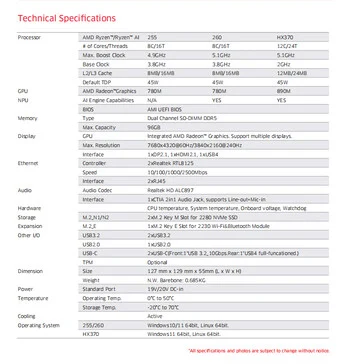
    1. Processor Options: The Maxtang MTN-FP850 mini PC offers three configurations, featuring AMD’s Ryzen 7 255, Ryzen 7 260, and Ryzen AI 9 HX 370 processors.

    2. Graphics Performance: The entry-level and mid-tier models come with Radeon 780M integrated GPUs, while the high-end version is equipped with the Radeon 890M, capable of handling modern AAA games.

    3. Upgradability: Users can upgrade the memory to 96 GB of SO-DIMM DDR5 RAM and utilize two M.2 slots for NVMe SSDs for enhanced storage options.

    4. Connectivity Features: The mini PC includes a USB4 port for external GPU connections, a dedicated M.2 slot for a wireless card, and supports triple-display output.

    5. Design and Cooling: The MTN-FP850 has a compact, minimalist design and a thermal design power (TDP) of 45 W, though details about its cooling system remain limited.


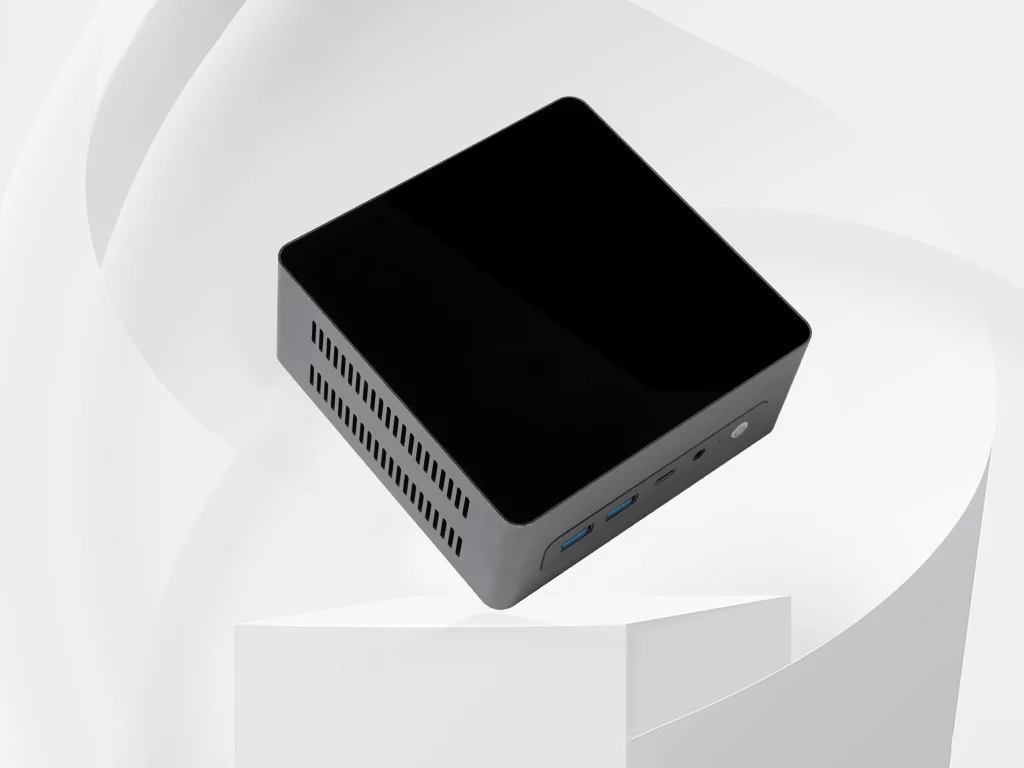
    Maxtang has introduced the MTN-FP850, which is a compact mini PC utilizing AMD’s Strix Point and Hawk Point processors. There are three different configurations available for this system. The entry-level model is equipped with a Ryzen 7 255, while the mid-tier version boasts a Ryzen 7 260.

    High-End Performance

    For those seeking more power, the top configuration includes the Ryzen AI 9 HX 370, a high-performance CPU from the Strix Point series. The first two models come with the Radeon 780M integrated GPU, while the highest-end version is fitted with the Radeon 890M, capable of running modern AAA games smoothly.

    Cooling and Upgradability

    All configurations have a standard thermal design power (TDP) of 45 W, but Maxtang has not provided much detail about the cooling system of the mini PC. However, it has been revealed that users can upgrade the memory to a maximum of 96 GB of SO-DIMM DDR5 RAM. Additionally, there are two M.2 slots available for NVMe SSDs, including a 1 TB Samsung 990 Evo Plus priced at $69.99 on Amazon.

    Port Selection and Features

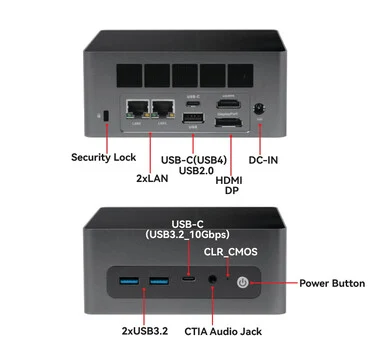
    Regarding connectivity, the Maxtang MTN-FP850 offers a solid range of ports considering its compact size. Specifically, the mini PC includes the following ports:

    With the USB4 port, users can connect an external GPU (eGPU) to enhance their gaming experience. While there is no wireless card included, the MTN-FP850 has a dedicated M.2 2230 slot for one. Other notable features are support for triple-display output, a minimalist design, and a lightweight structure. Maxtang has not yet disclosed information about pricing or availability.

    Source:
    Link


  • Nvidia and Intel Team Up for AI and Consumer Chip Development

    Nvidia and Intel Team Up for AI and Consumer Chip Development

    Key Takeaways

    1. Intel and Nvidia have formed a long-term partnership focusing on both data centers and consumer goods, with Intel CPUs working alongside Nvidia’s AI accelerators.
    2. Upcoming Intel processors will include integrated Nvidia GPUs, raising questions about the future of Nvidia’s Arc graphics line.
    3. The partnership may affect Nvidia’s plans for the Windows-on-Arm market, delaying the launch of the Nvidia N1X to 2026 or potentially canceling it.
    4. The collaboration gives Intel a competitive edge in handheld devices, leveraging Nvidia’s intellectual property.
    5. Low-power options like Lunar Lake and Panther Lake paired with Nvidia components could enhance portable gaming performance.


    Intel and Nvidia have formed a long-term partnership that covers both data center and consumer goods. The data center aspect will see Intel CPUs collaborating with Nvidia’s AI accelerators. This move will enable Nvidia to provide X86-based solutions alongside its current Arm-based products. This news follows Nvidia’s interest in Intel’s 14A node for some of its upcoming products.

    Future of Intel and Nvidia

    On the consumer front, upcoming Intel processors will come with integrated Nvidia GPUs. This development leads to uncertainties surrounding the future of Arc graphics. While standalone graphics solutions might still be available, it’s likely that Arc-branded integrated GPUs will be phased out. However, they may linger for a generation or two due to the anticipated arrival of Panther Lake and Nova Lake, which are expected to feature Celestial and Druid-based graphics technologies.

    Implications for Windows-on-Arm

    The new partnership between Intel and Nvidia also brings up questions regarding Nvidia’s plans for the Windows-on-Arm market. The Nvidia N1X was originally set to launch this year, but its release has been delayed to 2026. There’s a possibility it may not come out at all, as Nvidia has chosen Intel x86 chips as the foundation for its laptop offerings, thus removing the need to create an Arm chip from the ground up.

    Competitive Edge in Handhelds

    Even though the potential discontinuation of Arc Mobile is unfortunate, Nvidia’s existing intellectual property will give Intel a crucial advantage against AMD in the handheld market. Low-power options like Lunar Lake and Panther Lake, when paired with a similarly equipped Nvidia component, can lead to outstanding chips for portable gaming devices.

    Source:
    Link


  • Affordable $599 MacBook Launching Late 2025, OLED MacBook Pro 2026

    Affordable $599 MacBook Launching Late 2025, OLED MacBook Pro 2026

    Key Takeaways

    1. Apple plans to introduce touch screens to upcoming MacBook models, marking a shift in their approach to device functionality.
    2. The OLED MacBook Pro, expected by late 2026, will feature on-cell touch technology, differing from Apple’s previous stance on touch exclusivity for iPads.
    3. A budget MacBook model, set for mass production in late 2025, will launch without touch capabilities, but may include them in a later version around 2027.
    4. The affordable MacBook could come in various colors to attract a younger audience and is positioned to compete with the MacBook Air.
    5. Apple’s strategy involves creating high-end MacBook models with advanced features while also introducing a budget option to make the Mac ecosystem more accessible.


    Apple might be on the verge of merging the MacBook and iPad experiences. Analyst Ming-Chi Kuo has reported that the company is planning to introduce a touch screen to upcoming MacBook models. This decision comes after noticing that many iPad users utilize the touch feature, making tasks quicker and easier in certain situations.

    New Features on the Horizon

    Kuo indicates that the OLED MacBook Pro, which is expected to begin mass production by the end of 2026, will incorporate touch capabilities through on-cell touch technology. This shift represents a significant change from Apple’s previous stance that touch functionality should be exclusive to the iPad.

    Future MacBook Models

    Nevertheless, not all MacBooks in Apple’s future plans are set to adopt touch technology immediately. The much-talked-about budget MacBook, which will be powered by an iPhone-class A-series processor, is still on schedule to start mass production in the fourth quarter of 2025, but it’s said to launch without a touch screen. Kuo mentions that Apple may introduce touch features in a later version of this affordable MacBook, projected for around 2027.

    Previously, Notebookcheck, referencing DigiTimes, reported that Apple is developing a $599 MacBook to be positioned below the MacBook Air and Pro. The earlier report suggested that this more affordable MacBook might be Apple’s strategy to balance the pricing of the MacBook Air, potentially featuring the same A18 Pro SoC as seen in the iPhone 16 Pro and a 12.9-inch display.

    Colorful Options and Market Strategy

    DigiTimes also noted that this model could be available in various colors like pink, blue, and yellow, which would appeal to a younger audience. The addition of touch capabilities to the MacBook Pro could revolutionize the work experience for users who often switch between Mac and iPad. Meanwhile, keeping the budget MacBook without touch features in its initial version may help Apple to protect its iPad sales from being affected. With Apple Intelligence requiring advanced silicon like the A18 Pro and M-series chips, even the most basic model should come equipped with AI-enhanced functionalities right out of the box.

    Apple seems to be expanding its MacBook lineup in two distinct directions: high-end models that feature OLED and touch integration for demanding users, and a more affordable option that could make the Mac ecosystem more accessible than ever before.

    Source:
    Link


  • Critical DDR5 RAM Vulnerability Phoenix Bypasses Rowhammer Fixes

    Critical DDR5 RAM Vulnerability Phoenix Bypasses Rowhammer Fixes

    Key Takeaways

    1. DDR5 RAM, while leading in performance, has been found to be more vulnerable to cyber attacks than previously thought, particularly through a new attack method called Phoenix.
    2. The Phoenix attack exploits DDR5’s high read/write speeds to flip bits in memory cells, potentially affecting all DDR5 chip brands that use SK Hynix chips.
    3. SK Hynix introduced a defense mechanism called Target Row Refresh (TRR), but researchers were able to reverse-engineer it and find vulnerabilities in its implementation.
    4. The Phoenix attack can compromise systems quickly, with the ability to gain root privileges in under 2 minutes and affecting a significant number of SK Hynix products.
    5. Activating the tREFI specification could counter the Phoenix attack but risks causing data corruption and system instability, such as Blue Screens of Death (BSODs).


    DDR5 stands as the leading RAM standard for everyday computers and has been around for about 5 years. However, new findings suggest that DDR5 might be more vulnerable to cyber attacks than earlier believed. A group of researchers from ETH Zurich University in Switzerland, along with security professionals from Google, have developed a variant of the DDR5 Rowhammer attack called Phoenix. This method exploits the increased read/write speeds to manipulate memory cell rows, flipping bits from 1 to 0 or the other way around. The attack has only been tested on DDR5 modules that utilize SK Hynix chips, potentially impacting all DDR5 chip brands.

    New Defense Mechanism

    To combat this, SK Hynix has put in place a defense known as Target Row Refresh (TRR), which helps prevent bit flipping by adding extra refresh commands when specific rows are accessed too often. However, the team from ETH Zurich and Google was able to reverse-engineer this protection. They discovered that some refresh intervals were not adequately secured, leading them to devise a method for tracking and synchronizing the various TRR refreshes, which allowed them to self-correct upon missing a refresh.

    Attack Potential

    The researchers identified that only certain refresh intervals, specifically 128 and 2608, were effective for executing the Phoenix attack. By using this technique, they were able to compromise a shell with root privileges in under 2 minutes. In their comprehensive testing, it was found that all SK Hynix products were at risk for page-table entry (PTE) targeting. Additionally, 73% of the DIMMs were susceptible to breaks in RSA-2048 key SSH authentication, while only 33% showed vulnerability to alterations in the sudo binary for root access.

    The Phoenix exploit has been rated with a high severity score and impacts all RAM modules that include SK Hynix chips manufactured between January 2021 and December 2024. It’s still uncertain how other brands with similar production dates might be compromised. There is a method to counter the Phoenix attack, which involves activating the tREFI specification (triple DRAM refresh interval) on affected RAM modules. However, this approach is not advisable, as it may lead to increased data corruption errors, resulting in Blue Screens of Death (BSODs) and overall system instability.

    Source:
    Link


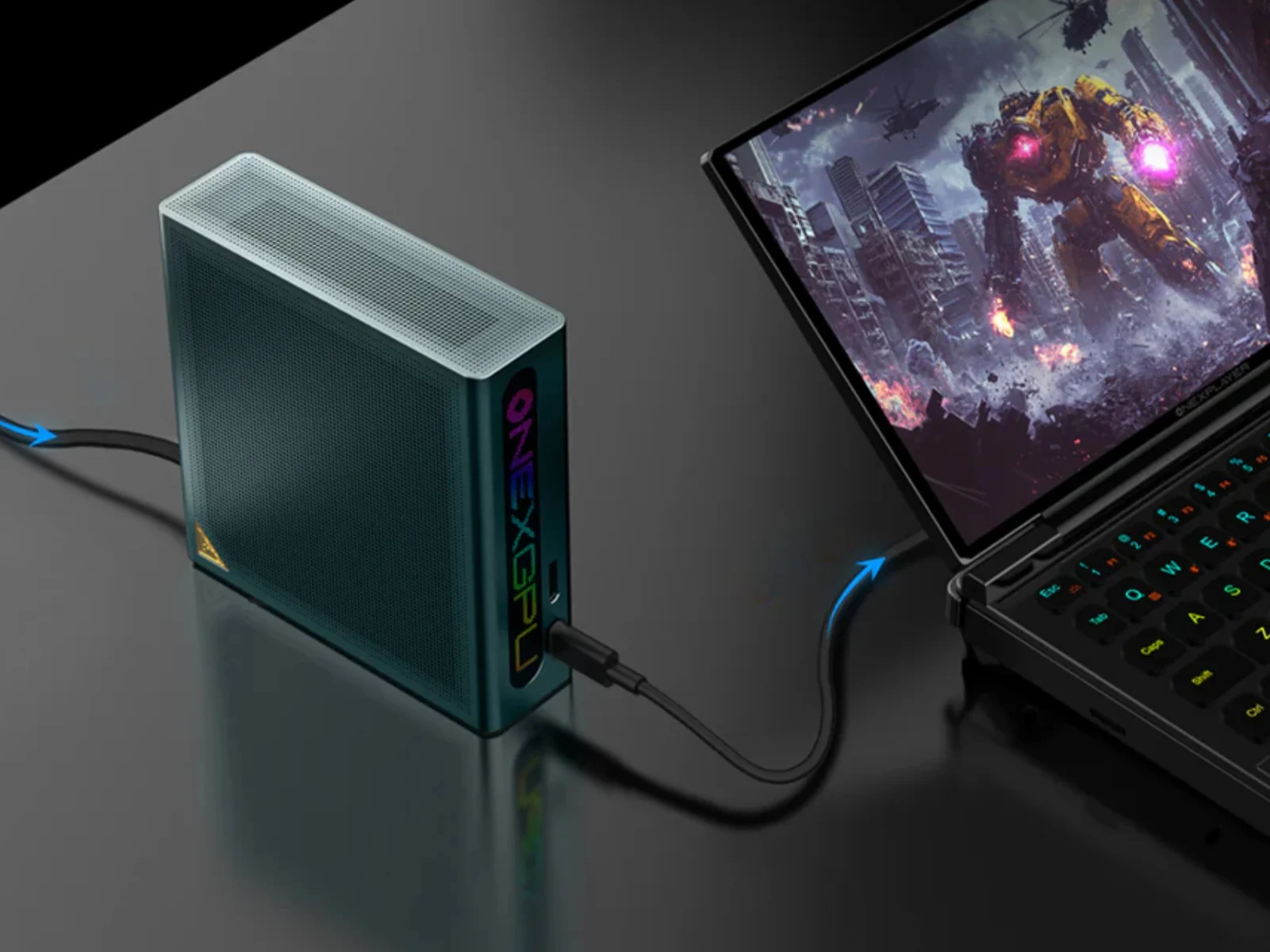
  • OneXPlayer Launches OneXGPU Lite with 80 Gbps USB-C & OCuLink

    OneXPlayer Launches OneXGPU Lite with 80 Gbps USB-C & OCuLink

    Key Takeaways

    1. One-Netbook has launched the OneXGPU Lite globally after its initial release in China, but the international price is higher than in China.
    2. The OneXGPU Lite features the AMD Radeon RX 7600M XT, which offers lower performance compared to the more powerful OneXGPU 2 with the Radeon RX 7800M.
    3. The OneXGPU Lite is compact and lightweight, measuring 144 x 116 x 34.5 mm and weighing 493.5 g, making it smaller than both the OneXGPU and OneXGPU 2.
    4. It supports impressive transfer speeds of 80 Gbps through Thunderbolt 5 and USB4 v2, but is limited to a maximum bandwidth of 64 Gbps due to PCIe 4.0 x4 pass-through.
    5. The OneXGPU Lite is available for $699 (down from $799) with free accessories, and shipments are expected to start globally on October 10.


    One-Netbook has begun offering the OneXGPU Lite on its worldwide OneXPlayer site after launching the device earlier this month in China. Sadly, the price for the company’s latest eGPU is much higher internationally compared to its price in China.

    Performance Overview

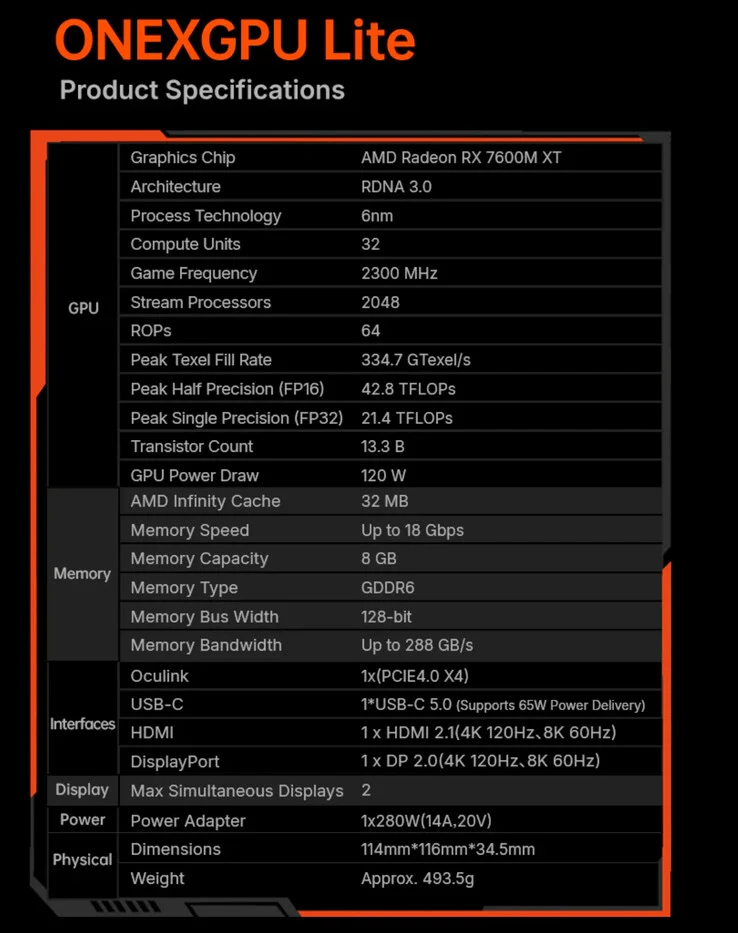
    To summarize, the OneXGPU Lite is built around the AMD Radeon RX 7600M XT, which is also featured in the OneXGPU and other eGPU products released towards the end of 2023 and the beginning of 2024. Therefore, the OneXGPU Lite is not going to perform as well as the OneXGPU 2, which is equipped with the newer Radeon RX 7800M (currently priced at $1,059 on Amazon).

    Size and Weight Benefits

    Nevertheless, the OneXGPU Lite does have some positive aspects. For instance, One-Netbook’s newest eGPU is relatively compact, measuring 144 x 116 x 34.5 mm and weighing 493.5 g. In comparison, the OneXGPU measures 196 x 120 x 32 mm and weighs 869 g. On the other hand, the OneXGPU 2 is even bulkier, with dimensions of 229 x 175 x 43 mm and a weight of 1.59 kg.

    Speed and Connectivity

    Moreover, the OneXGPU Lite boasts impressive transfer speeds of 80 Gbps through Thunderbolt 5 and USB4 v2. While it has a higher peak bandwidth than OCuLink, which the OneXGPU Lite also supports, Thunderbolt 5 only allows for PCIe 4.0 x4 pass-through. This means that the OneXGPU Lite is somewhat restricted to a maximum bandwidth of 64 Gbps, no matter how it is connected.

    At the moment, this new eGPU can be purchased along with free accessories for $699, down from a supposed MSRP of $799. As of the time this article is published, One-Netbook anticipates that OneXGPU Lite orders will start shipping globally from October 10 onward. For further information, you can visit the OneXPlayer store.

    Source:
    Link


  • Aoostar Maco: Compact Mini-PC Ready for Global Launch with OCuLink

    Aoostar Maco: Compact Mini-PC Ready for Global Launch with OCuLink

    Key Takeaways

    1. Aoostar is preparing to launch new products globally, including the Thunderbolt 5 and OCuLink eGPU.
    2. The Maco mini-PC, available in China, will soon be released internationally, starting at CNY 1,999 (around $281).
    3. The Maco can be equipped with either the Ryzen 7 Pro 8845HS or the Ryzen 7 H 255, with the former being offered globally.
    4. The Maco shares similarities with the GEM12+, including the Ryzen 7 Pro 8845HS, 8 Zen 4 CPU cores, and USB4 and OCuLink ports.
    5. The Maco features a design reminiscent of the Mac mini, with a repositioned OCuLink port and a fingerprint scanner integrated into the power button.


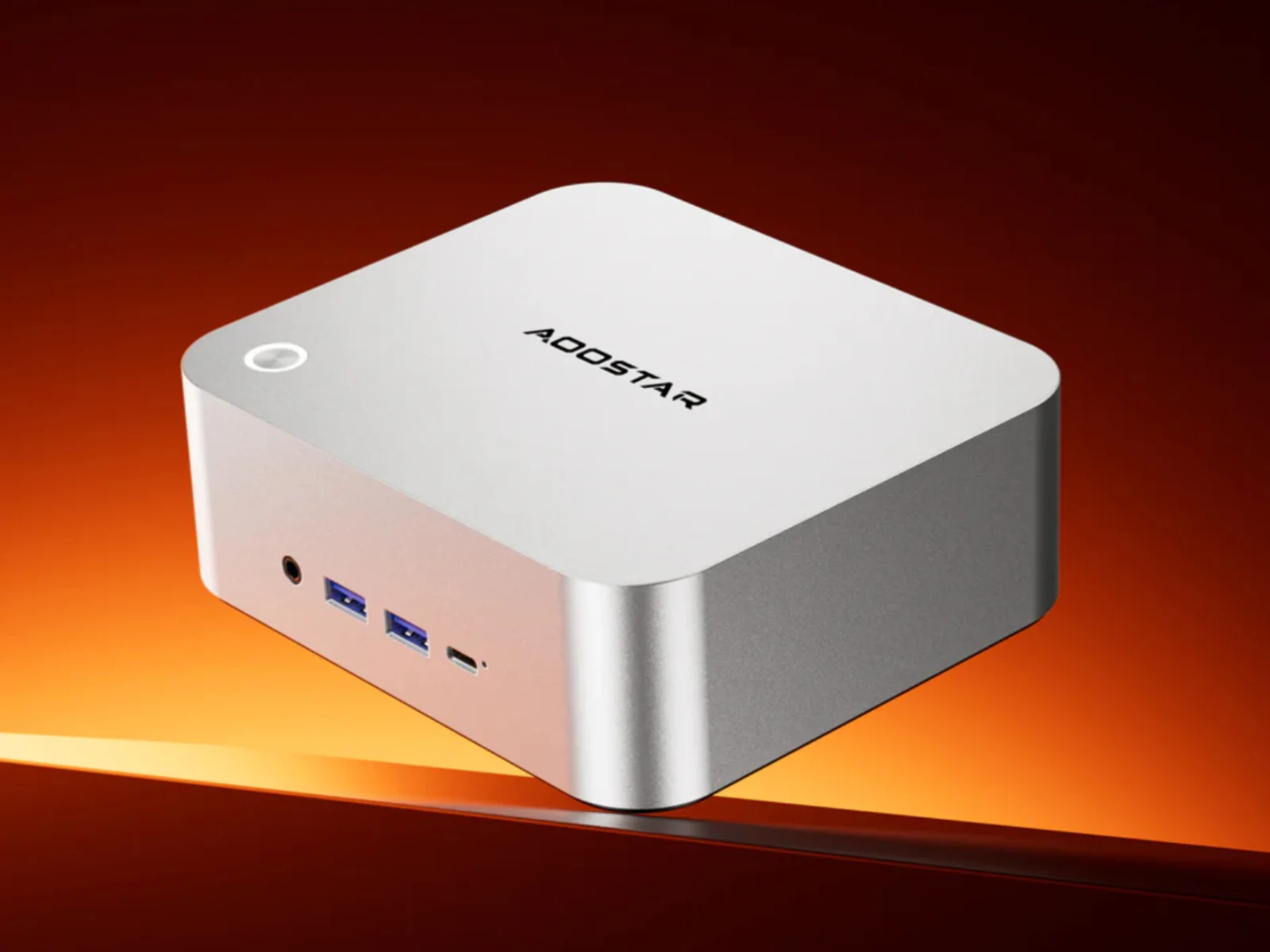
    Aoostar is getting ready to introduce a range of new products worldwide after the recent release of the TA95X3D MoDT motherboard in China. As previously mentioned, it appears that Aoostar is set to launch a Thunderbolt 5 and OCuLink eGPU on an international scale. Additionally, their global website hints that the Maco mini-PC will also be released soon.

    New Offerings

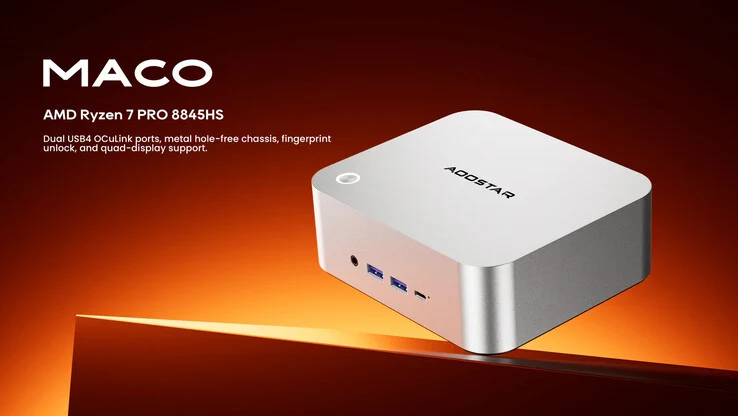
    The EG01 is a completely new product, while the Maco has been available in China since last month. To provide some context, the Aoostar Maco starts at CNY 1,999 (around $281) and can be equipped with either the Ryzen 7 Pro 8845HS or the Ryzen 7 H 255. Based on what we see on Aoostar’s website, it looks like they will be offering the Maco with the former option globally.

    Similarities and Design

    Interestingly, the company already provides the Ryzen 7 Pro 8845HS in the GEM12+ (currently priced at $359 on Amazon), which includes 8 Zen 4 CPU cores and the well-known Radeon 780M iGPU. Furthermore, both the Maco and GEM12+ have similar port offerings, such as USB4 and OCuLink. However, the Maco has a design that resembles a Mac mini, featuring a repositioned OCuLink port. Plus, the Maco has a fingerprint scanner located at the top, integrated into the power button. While full global pricing and availability details are still unclear, they remain to be announced.

    Source:
    Link


  • AMD Ryzen 7 9700F and Ryzen 5 9500F Zen 5 CPUs Launched

    AMD Ryzen 7 9700F and Ryzen 5 9500F Zen 5 CPUs Launched

    Key Takeaways

    1. AMD has announced two new CPUs: the Ryzen 5 9500F and Ryzen 7 9700F, focusing on budget-friendly options without integrated graphics.
    2. The Ryzen 5 9500F features 6 Zen 6 cores, a base clock of 3.8 GHz, and a boost clock up to 5.0 GHz, making it slightly slower than the Ryzen 5 9600X.
    3. The Ryzen 7 9700F is similar to the Ryzen 7 9700X, with a base clock of 3.8 GHz and a boost clock of 5.5 GHz.
    4. Both CPUs support up to 192 GB of DDR5 RAM and have 24 PCIe Gen5 lanes, compatible with various AM5 motherboards.
    5. Pricing for the Ryzen 5 9500F is expected around $218, while the Ryzen 7 9700F is anticipated to be about $294, but exact availability details remain undisclosed.


    An earlier leak has revealed two fresh AMD Zen 5 CPUs, the Ryzen 5 9500F and the Ryzen 7 9700F. AMD has been consistently releasing iGPU-less F-branded processors to set them apart from their X and non-X versions. These CPUs are designed to offer more budget-friendly options, with AMD promoting the Ryzen 5 9500F as “Start Your Gaming Journey Here.”

    Ryzen 5 9500F Launch

    AMD already introduced the Ryzen 5 9500F in China but has not shared its pricing details. This CPU features six Zen 6 cores (12 threads), a base clock speed of 3.8 GHz, and a maximum single-core boost clock reaching up to 5.0 GHz, making it a tad slower compared to the Ryzen 5 9600X, which has base and boost clock speeds of 3.8 GHz and 5.2 GHz, respectively. Other specifications, such as 32 MB of L3 cache and a 65 Watt TDP, remain the same for both models.

    Similarities with Ryzen 7 9700F

    The Ryzen 7 9700F is nearly identical to the Ryzen 7 9700X, featuring base and boost frequencies of 3.8 GHz and 5.5 GHz, respectively. Both processors can handle up to 192 GB of DDR5 RAM and include 24 usable PCIe Gen5 lanes. They are compatible with all mainstream AM5 motherboards, including A620, X670E, X670, B650E, B650, X870E, X870, B840, and B850. Sadly, AMD has not yet revealed the pricing or availability for either CPU, but if the previous leak holds true, the Ryzen 5 9500F is expected to be priced at about $218, while the Ryzen 7 9700F should be around $294.

    Source:
    Link


  • Photonics Breakthrough Enhances Smartphone Power, Size, and Efficiency

    Photonics Breakthrough Enhances Smartphone Power, Size, and Efficiency

    Key Takeaways

    1. Researchers at Zhejiang University have made significant advancements in integrating high-performance lasers onto silicon chips for faster computing.
    2. Perovskites are a promising low-cost alternative for lasers but faced challenges with Auger recombination, which drains energy.
    3. The team developed a new method using a chemical additive during manufacturing to enhance perovskite’s crystal structure and reduce Auger recombination.
    4. This innovation has led to a record-setting perovskite laser with a lasing threshold of 17.3 microjoules per square centimeter.
    5. The breakthrough may pave the way for advanced photonic chips, resulting in more powerful processors for electronic devices.


    A significant advancement by scientists at Zhejiang University may lead to swifter and more efficient computers and smartphones by simplifying the integration of high-performance lasers onto silicon chips.

    The Challenge of Laser Integration

    Engineers have been exploring the use of light for communications on chips to build faster computing devices. However, the materials that are suitable for lasers have been tough and expensive to integrate with regular silicon technology. Perovskites have emerged as a promising low-cost alternative, but they faced a major issue known as Auger recombination. This problem drains energy and has made it hard for these materials to function in continuous or near-continuous modes, which are essential for computing tasks.

    A New Solution

    The research group at Zhejiang University has found a way to tackle this challenge by utilizing an additive. Their findings, shared in the journal Advanced Photonics, detail an innovative method that incorporates a chemical additive during the manufacturing phase. This additive improves the perovskite’s crystal structure, which in turn reduces the Auger recombination effect. As a result, the perovskite can convert heat to light more effectively.

    Impressive Results

    Using this newly developed material, the researchers constructed a laser that they claim has set a record for the highest performance of a perovskite laser operating in a near-continuous mode. They achieved a lasing threshold of 17.3 microjoules per square centimeter and a quality factor of 3850 under quasi-continuous nanosecond pumping. This impressive breakthrough could lead to the creation of advanced photonic chips, ultimately resulting in more powerful processors for electronic gadgets.

    Source:
    Link


  • China Launches Anti-Monopoly Probe Against Nvidia Amid Trade Talks

    China Launches Anti-Monopoly Probe Against Nvidia Amid Trade Talks

    Key Takeaways

    1. China has accused Nvidia of breaching anti-monopoly laws amid ongoing US-China trade discussions, particularly concerning semiconductor chips.
    2. The investigation into Nvidia began in December 2024, focusing on commitments related to the 2020 acquisition of Mellanox, which had conditions tied to GPU supply to China.
    3. China accounts for 13% of Nvidia’s sales, increasing uncertainty for the company as it faces pressure from the Chinese government to promote local alternatives over Nvidia products.
    4. The situation reflects escalating trade tensions, with China launching an anti-dumping investigation into US semiconductor chips as part of ongoing countermeasures against US tariffs.
    5. Despite a temporary drop in Nvidia’s stock, analysts believe the investigation will not drive Nvidia out of the Chinese market but signals China’s negotiation tactics and strategy.


    China’s market regulator has accused Nvidia of breaching anti-monopoly laws following initial investigations. This announcement comes at a time when US-China trade discussions are taking place in Madrid, where chips are a significant topic. US Treasury Secretary Scott Bessent has described the timing as “poor timing,” while some analysts interpret it as a tactic for leverage. Since Trump’s first term, both countries have been embroiled in rising trade tensions, recently imposing high tariffs before easing off.

    Investigation Details

    The inquiry into Nvidia began in December 2024, focusing on the company’s commitments regarding the 2020 acquisition of Mellanox. China had approved the Mellanox deal on the condition that Nvidia would guarantee GPU supplies to the Chinese market. However, US export restrictions later forced Nvidia to halt sales of its most advanced chips to China. Under Chinese anti-monopoly legislation, potential fines for Nvidia may range from 1 to 10 percent of its annual sales.

    Impact on Nvidia

    China accounts for 13 percent of Nvidia’s overall sales, which creates notable uncertainty for the firm. Even with CEO Jensen Huang’s three trips to China this year, the efforts to charm the market seem to have not worked. The Chinese government is discouraging local tech companies, such as Tencent and Bytedance, from buying Nvidia chips, instead advocating for domestic alternatives. The H20 chips, specifically made for the Chinese market, remain unsold due to unresolved US payment regulations.

    Trade War Escalation

    This development follows China’s recent announcement of an anti-dumping investigation into US analog semiconductor chips. It is also part of a back-and-forth escalation in the ongoing trade war, which features US tariffs and Chinese countermeasures. Analysts view this as a warning regarding the implications of ongoing US export control policies. The timing hints at a relationship with the trade negotiations in Madrid and a potential agreement about TikTok’s ownership.

    On Monday, Nvidia’s stock dropped by two percent before bouncing back, with the company ensuring continued cooperation. Industry analysts have pointed out the risk posed to billions in networking equipment sales via Mellanox. Recently, Chinese semiconductor officials have called for an indefinite cessation of Nvidia GPU use, with authorities strongly advocating for local alternatives. Although experts believe this investigation is unlikely to drive Nvidia out of the Chinese market, it does indicate China’s strategy in negotiations.

    Source:
    Link


  • Minisforum MS-S1 Max Launch: Up to 128GB RAM Confirmed

    Minisforum MS-S1 Max Launch: Up to 128GB RAM Confirmed

    Key Takeaways

    1. The MS-S1 Max mini-PC will launch on September 17, 2025, at 02:15 UTC, but pricing details are not yet available.
    2. Pre-orders will include a chance to sign up for a $200 coupon.
    3. The device is powered by an AMD Ryzen AI Max+ 395 and is expected to be high-priced, similar to other mini-PCs in the market.
    4. The MS-S1 Max features a 320 W built-in power supply and supports up to 160 W Package Power Tracking (PPT) with configurations for up to 128 GB of RAM.
    5. It includes a full-length PCIe 4.0 x16 slot, dual M.2 2280 PCIe 4.0 x4 slots, and multiple ports on both the front and rear panels.


    Minisforum has shared more information regarding the MS-S1 Max, a mini-PC that was first hinted at in late August. To summarize, the device was first shown in China, and then it made its way to IFA 2025 in Berlin at the beginning of this month. Now, the company has disclosed additional details and the date for its worldwide release.

    Launch Event Details

    Minisforum has announced that the MS-S1 Max will be launched following an event that will kick off at 02:15 UTC on September 17. However, the company is being tight-lipped about the pricing for now. Interested customers can sign up to get a coupon worth $200 when pre-orders for the MS-S1 Max are opened. Given that it’s powered by an AMD Ryzen AI Max+ 395, this mini-PC is expected to be on the pricier side, similar to the GMKtec EVO-X2 and other mini-PCs with comparable specs (currently priced at $1,499 on Amazon).

    Specifications and Performance Modes

    Additionally, Minisforum has confirmed that the MS-S1 Max comes with a built-in power supply of 320 W. The Ryzen AI Max+ 395 will have a maximum of 160 W Package Power Tracking (PPT), and it can be configured with as much as 128 GB of RAM. While 160 W is achievable in performance mode, the MS-S1 Max will also offer Balance, Quiet, and Rack modes, which will have PPTs of 130 W, 110 W, and 140 W, respectively.

    Connectivity Options

    Furthermore, the MS-S1 Max features a full-length PCIe 4.0 x16 slot, along with dual M.2 2280 PCIe 4.0 x4 slots, and a variety of ports located on both the front and rear panels.

    Source:
    Link